
The holidays are upon us, so whether you’re looking for film-related gifts or simply want to get for yourself some of the finest this year had to offer, we have a gift guide for you. Including must-have books on filmmaking, the best from the Criterion Collection and other home-video lines, subscriptions, magazines, music, and more, dive in below.
4K & Blu-ray Box Sets
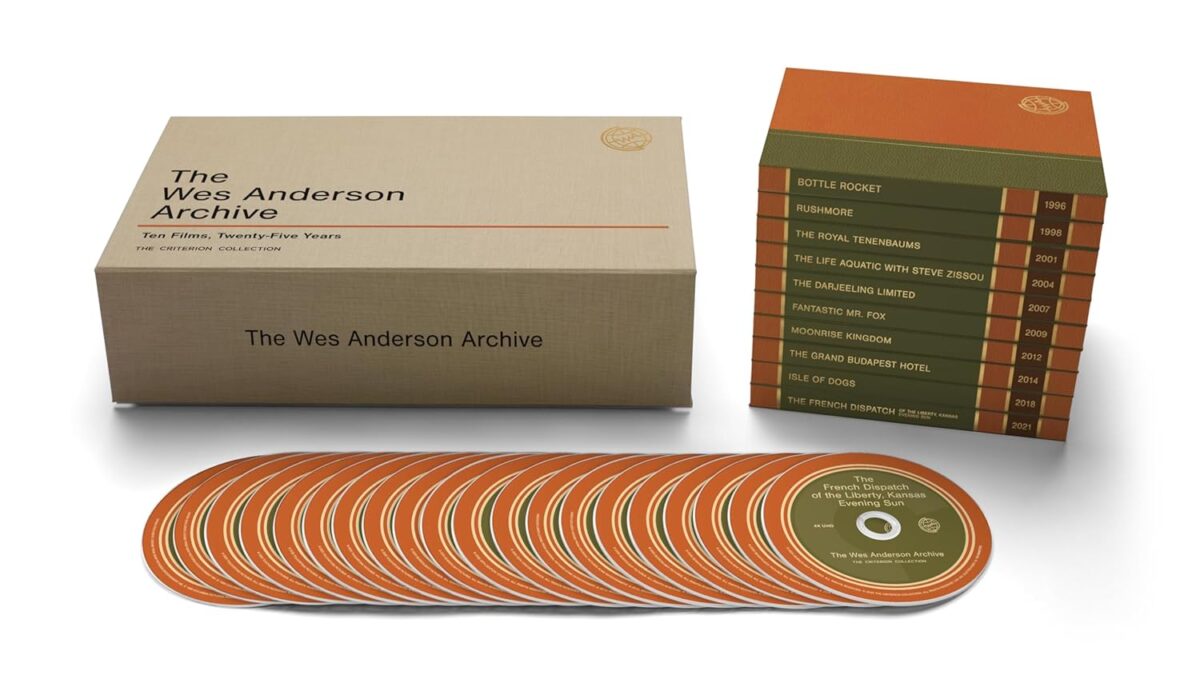
There’s no better gift than an epic film collection, and 2025 was an embarrassment of riches thanks to a number of box sets. From the Criterion Collection, there’s the crown jewel of The Wes Anderson Archive: Ten Films, Twenty-Five Years, spanning Bottle Rocket to The French Dispatch, as well François Truffaut’s ambitious underatking of The Adventures of Antoine Doinel, Edward Yang’s lesser-seen, finally restored A Confucian Confusion and Mahjong, a Kurosawa samurai double feature Yojimbo and Sanjuro, and the return of their Eclipse Series with Abbas Kiarostami’s early shorts and features.
While Amazon/MGM attempt to figure out what to do with the future of James Bond, Sean Connery’s classic entries have arrived in a 4K UHD set. Also on the action front, Joh Woo and Tsui’s A Better Tomorrow trilogy has just landed on 4K UHD. Other recommended box sets from 2025 include Blaxploitation Classics: Volume One as well as Bette Davis and Judy Garland collections.
Check out our picks of the best individual-film releases throughout the year below.
4K Ultra HD
- 28 Years Later
- Altered States
- Amadeus
- Anora
- Bang the Drum Slowly
- Barry Lyndon
- Black Bag
- The Big Heat
- Boogie Nights
- Bring Me the Head of Alfredo Garcia
- The Brutalist
- Carnal Knowledge
- Catch Me If You Can
- Choose Me
- City on Fire
- Crossing Delancey
- Cruising
- The Dead Zone
- Drugstore Cowboy
- Él
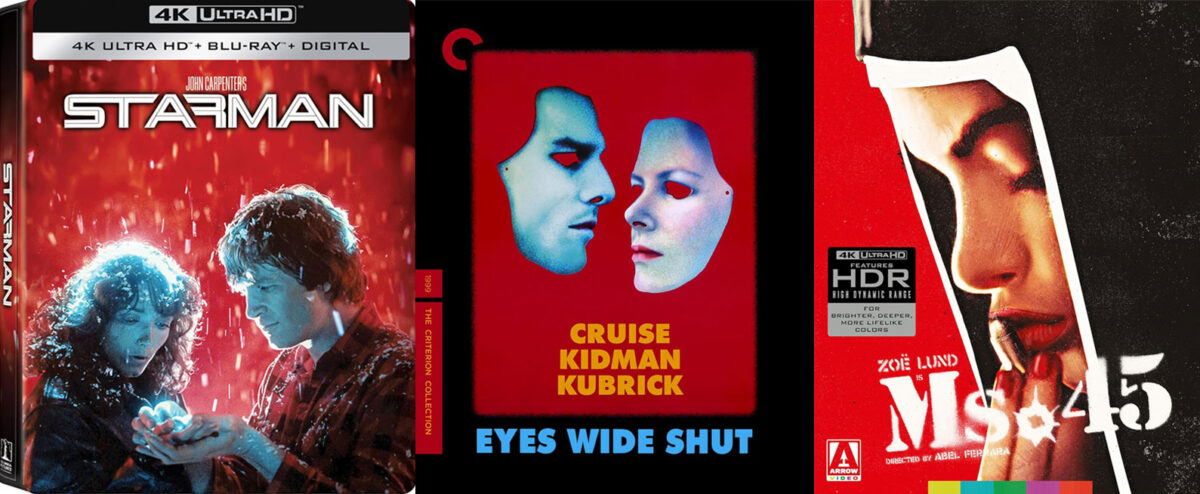
- Eyes Wide Shut
- Eyes Without a Face
- Flow
- Hard Boiled
- Hearts of Darkness
- High and Low
- His Girl Friday
- A History of Violence
- Howards End
- The Informant!
- In the Mouth of Madness
- I Know Where I’m Going!
- Jean de Florette / Manon of the Spring
- Killer of Sheep
- The Killer
- Minority Report
- Mission: Impossible – The Final Reckoning
- The Mother and the Whore
- Ms. 45
- The Naked Gun
- A New Leaf
- The Nice Guys
- Night of the Juggler
- Night Moves
- Nosferatu the Vampyre
- One Flew Over the Cuckoo’s Nest
- Panic Room
- Perfect Blue
- Performance
- The Phoenician Scheme
- Punch Drunk-Love
- The Quick and the Dead
- The Sacrifice
- Salaam Bombay!
- Shoeshine
- Shin Godzilla
- Se7en
- Sinners
- Sorcerer
- Starman
- Thief
- Twin Peaks: Fire Walk with Me
- Ugetsu
- The Umbrellas of Cherbourg
- The Wages of Fear
- What Lies Beneath
- Winchester ’73
- You Can Count on Me
Blu-rays
- All We Imagine as Light
- Compensation
- Close Your Eyes
- Dark Victory
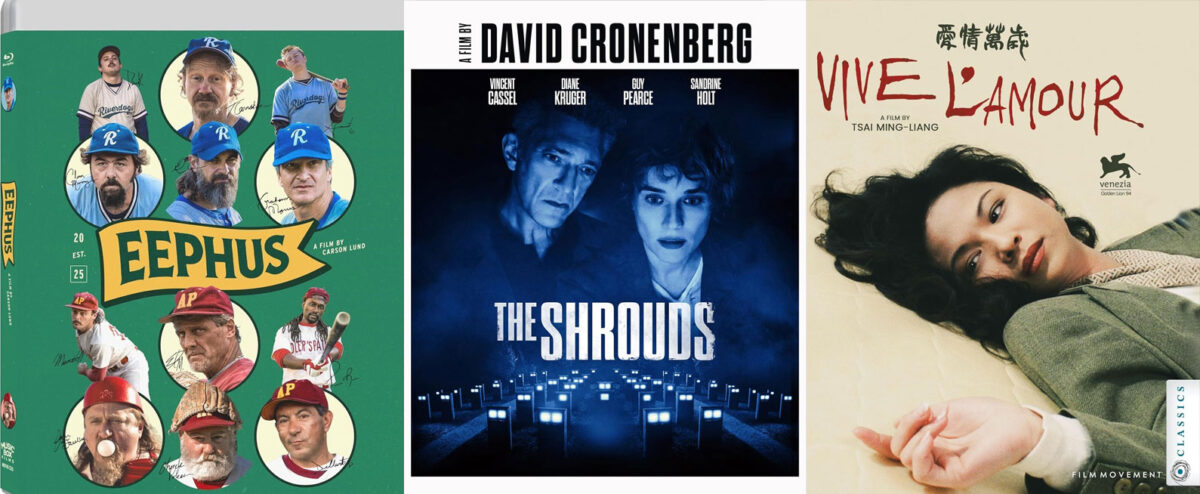
- Eephus
- Familiar Touch
- Female Perversions
- Friendship
- Hard Truths
- Here
- Juror #2
- King Lear
- Last Summer
- Memoir of a Snail
- Misericordia
- The Shrouds
- Splitsville
- Vive L’Amour
- Vulcanizadora
- The Wind Will Carry Us
- Universal Language
Books
Christopher Schobert, our resident book expert, has compiled his favorite filmmaking books of the year. Happy reading!
The Magic Hours: The Films and Hidden Life of Terrence Malick by John Bleasdale (University Press of Kentucky)
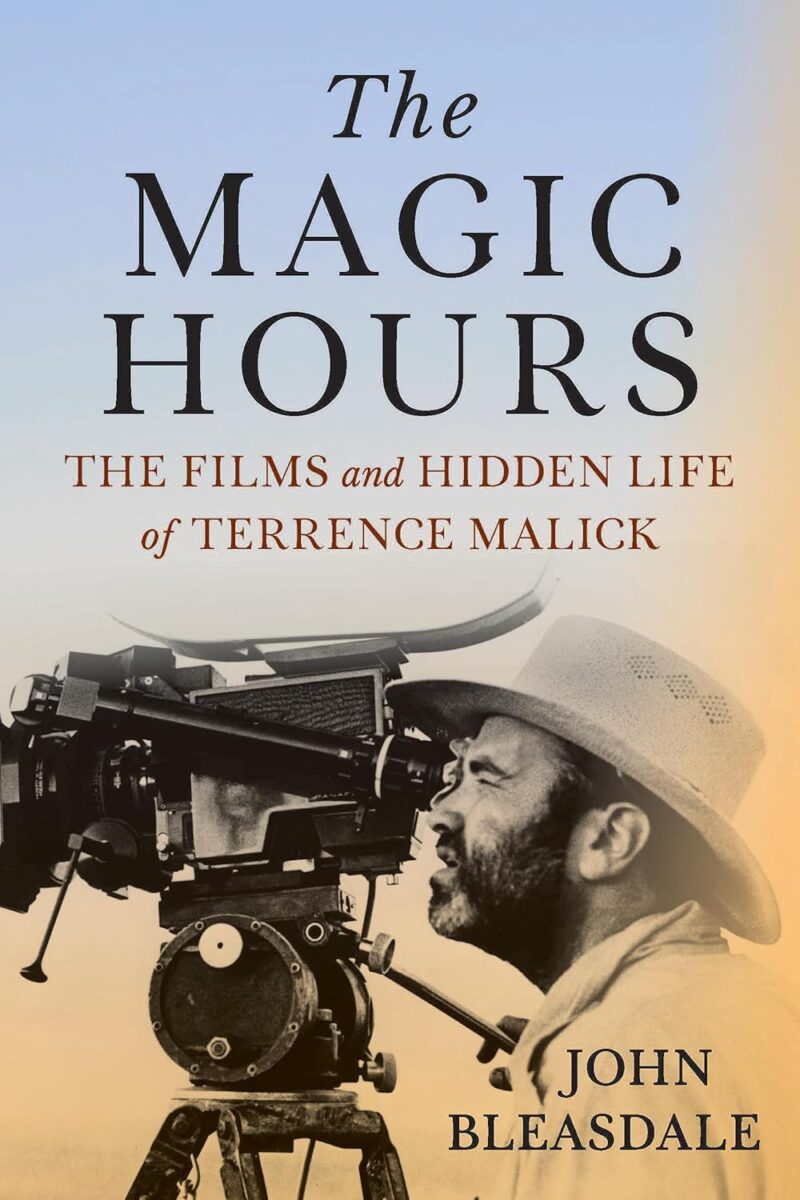
John Bleasdale’s Magic Hours is, remarkably, the first in-depth biography of Terrence Malick. This in itself makes the book a crucially important release. Indeed, this is an essential book on cinema, one written with intelligence and personality (Bleasdale opens with a visit to Malick’s childhood home and the real Tree of Life), bursting with fascinating details (we finally have the definitive account of the 1995 Thin Red Line table read, and also learn of an early-70s meeting between AFI classmates Malick and David Lynch, and critic Pauline Kael), and deeply probing. We discover how Malick’s complex and difficult relationship with his father, the death of his younger brother, and his love of philosophy (and Texas, for that matter) has influenced every step of his career. Magic Hours ends at our current moment, as the world awaits the debut of The Way of the Wind, Malick’s ambitious “series of scenes from the life of Jesus.” Might this be the director’s boldest move yet? “Heading toward his eighties, Terrence Malick was still outside, being in the world, going on location, moving around with his rock group.” How fitting it is to think of Malick always on the move, always experimenting, always dreaming up something the world has never experienced before. Perhaps the greatest achievement of The Magic Hours is that it reminds us how lucky we are that Terrence Malick is alive, well, and working.
Clint: The Man and His Movies by Shawn Levy (Mariner Books)
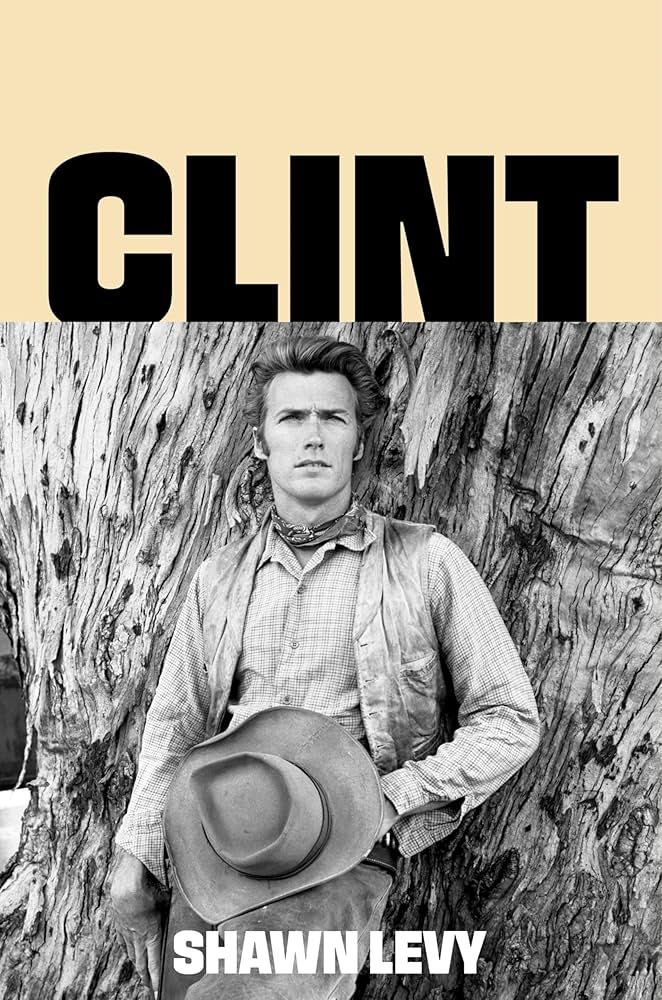
Clint Eastwood deserves an epic biography, and Shawn Levy delivers with The Man and His Movies. Surprisingly brisk for a 500-page book, Clint covers the entirety of Eastwood’s life while also detailing each film at length. Even lesser productions like Pink Cadillac and Jersey Boys are cataloged from concept to release. Levy does not hesitate to share his opinions; his thoughts on Hereafter are harsh but humorous: “No matter whether your beliefs about life after death conform to traditional religion or something more paranormal, you will likely find Hereafter a slog that makes life on this plane of existence less vital.” It also must be acknowledged that this is a warts-and-all biography, which is more than appropriate for a figure who has had his share of controversies. (See: Sondra Locke.) Through it all, though, Levy displays respect and admiration for his flawed, brilliant subject. As he says near book’s end, “[H]ere was a man in his nineties wrestling with themes and demons that had haunted his entire career. If that doesn’t define someone as a lifelong artist, then nothing does.”
Scene by Abel Ferrara (Simon & Schuster)
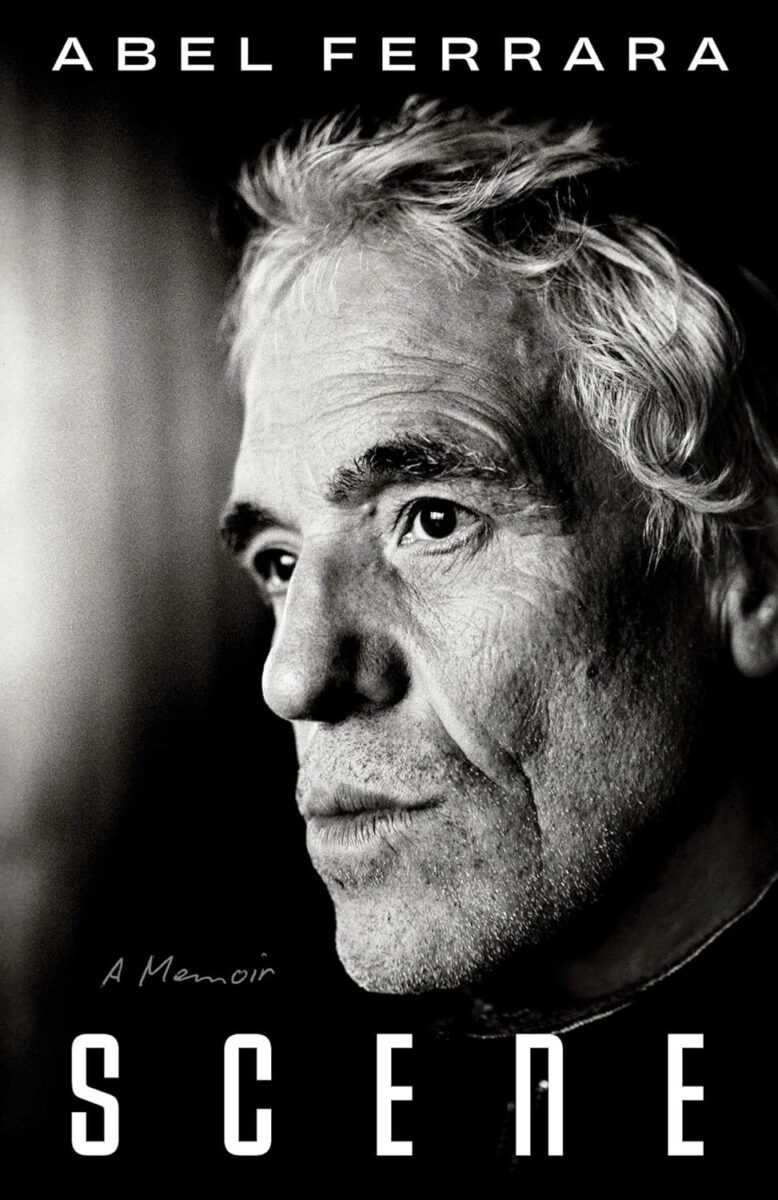
If you’ve followed the career of Ms. 45, King of New York, and Bad Lieutenant director Abel Ferrara at all, you’ll be unsurprised to hear his memoir, Scene, is blisteringly funny, delightfully profane, and startlingly honest. It is also filled with one-liners that are full of wit but tinged with sadness: “If you have never gotten evicted from your apartment I would suggest you pay your rent or leave voluntarily.” “My crew were all in recovery, so they were the last people I wanted to be around.” “I wrote a song called ‘Tonight Will be the Night’ for the soundtrack of The Funeral. It was a rip-off of Bob Dylan’s ‘Blind Willie McTell,’ but we couldn’t afford ‘Blind Willie McTell.’” Ferrara’s stories––of his alcoholic father and his own bouts with addiction, of dealing with producers and temperamental actors, of screw-ups and successes––are endlessly fascinating. Scene is one of those successes.
Ed Wood: Made in Hollywood USA by Will Sloan (OR Books)
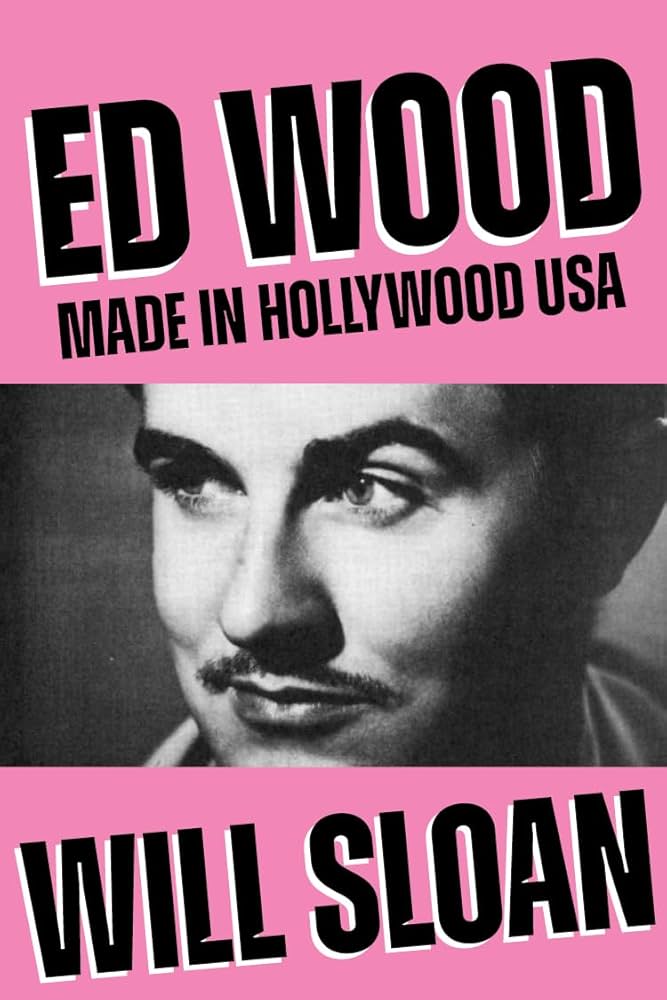
Will Sloan is one of the most entertaining and insightful cinema voices on the cursed X platform (@WillSloanEsq), so it is saying something when I tell you that Ed Wood: Made in Hollywood USA is his finest achievement yet. Sloan’s reappraisal of the “so-called ‘Worst Director of All-Time” smartly acknowledges what we already know of the director of Plan 9 from Outer Space, mainly from the Medveds’ Golden Turkey Awards and Tim Burton’s wonderful Ed Wood, which “tastefully elides the truth” of its subject’s sad final days. As Sloan writes, “My interest in Wood is strengthened, not diminished, by my belief that he is not fully reclaimable––either intellectually, aesthetically, or politically.” Wood produced something much “stranger,” Sloan believes, than “competent, professional movies in the classical Hollywood style,” and that makes he and his work truly captivating. (For more, listen to our interview with the author.)
Everything Is Now: The 1960s New York Avant-Garde—Primal Happenings, Underground Movies, Radical Pop by J. Hoberman (Verso Books)
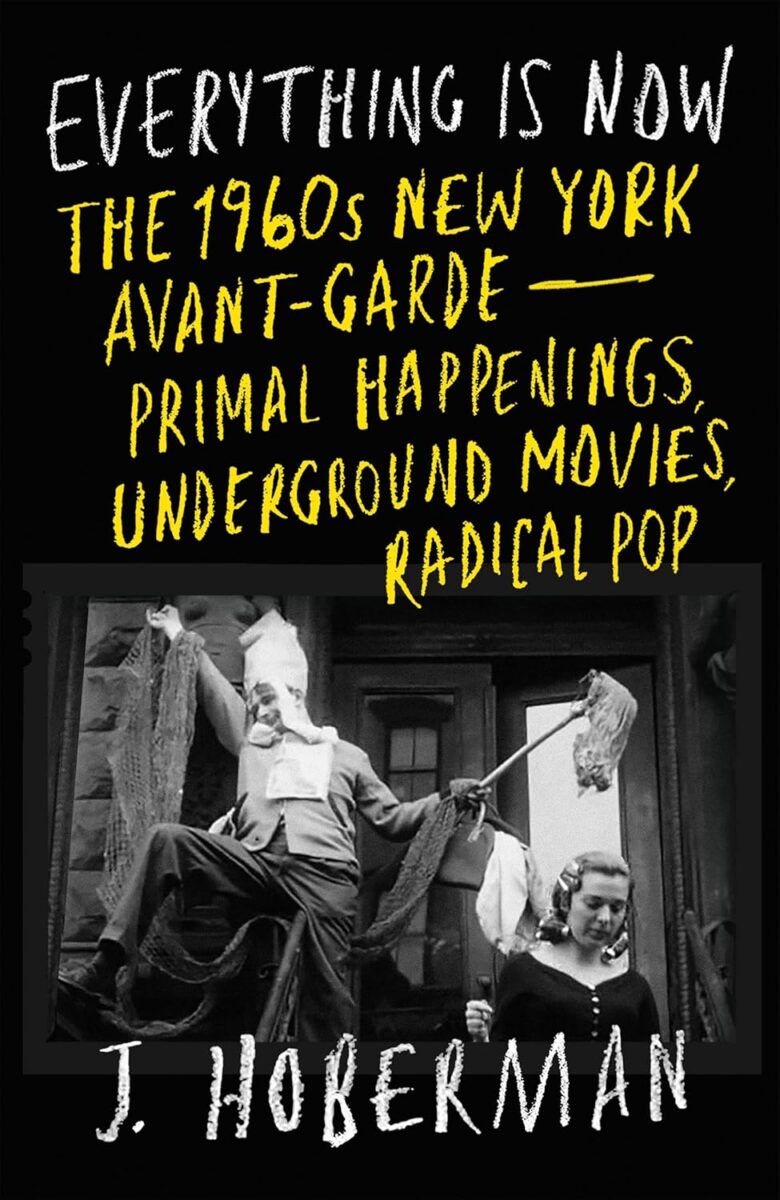
Is there a living critic more reliably insightful than J. Hoberman? The legendary titan of the Village Voice has been an essential presence in film and cultural criticism for decades. In Everything Is Now, he takes a look back at the 1960s for a book that qualifies as a deeply personal history of avant-garde New York City. Hoberman covers far more than film here, although figures like Jack Smith and Nam June Paik loom large. (And one of the book’s most enjoyable sections covers the furor that surrounded the U.S. arrival of Jodorowsky’s El Topo.) Also covered are Bob Dylan (“Self Portrait was the symbol of a dispiriting summer”); the Velvet Underground (“at long last, the Factory merged with rock”); and Jimi Hendrix (“hippie-clad Hendrix’s racially-mixed band arrived around midnight to a chorus of boos and a tossed bottle”). Everything Is Now is a downright breathtaking trip through a decade like no other, and one of J. Hoberman’s finest works. For more, read Mark Asch’s interview with Hoberman here.
Sick and Dirty: Hollywood’s Gay Golden Age and the Making of Modern Queerness by Michael Koresky (Bloomsbury)
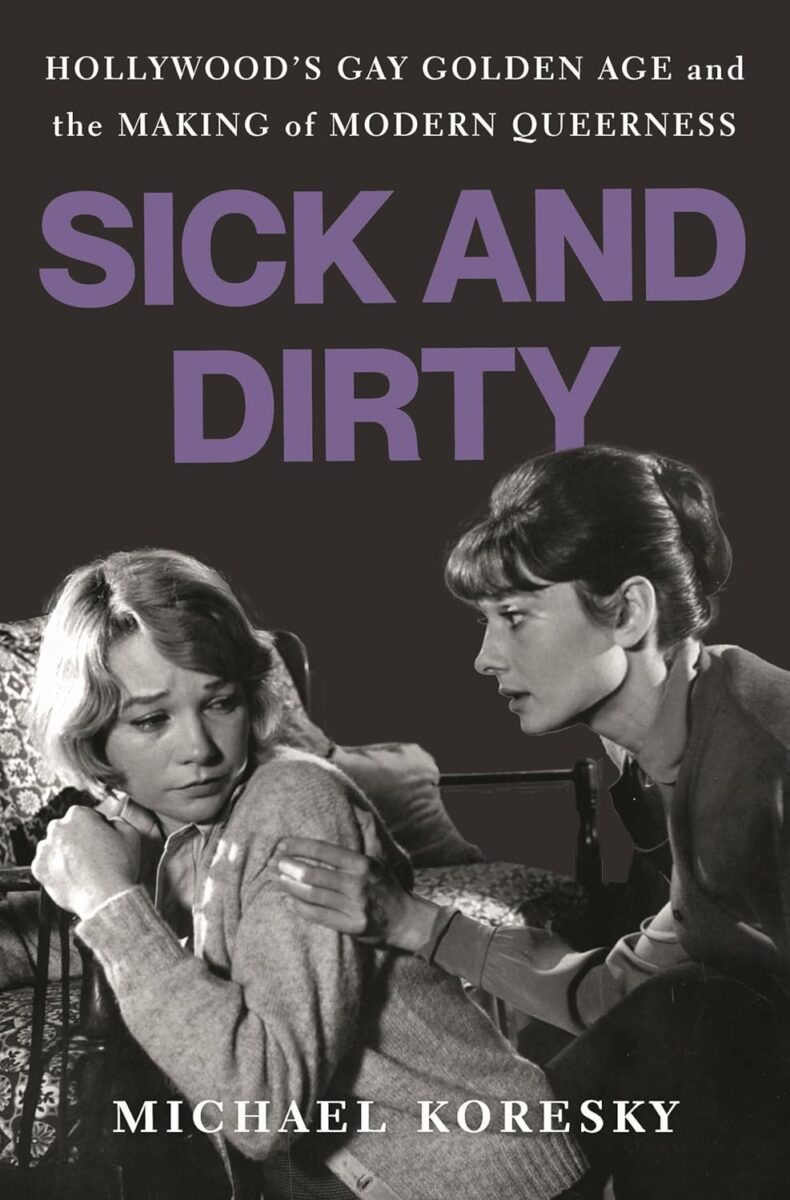
Michael Koresky’s previous book, 2021’s Films of Endearment: A Mother, a Son and the ’80s Films, was a loving remembrance of the writer and critic’s mother, and her influence on his life and tastes. Sick and Dirty is just as impactful, but takes a much broader look at cinema history. Koresky explains how a screening of 1961’s The Children’s Hour at his NYU course drew an unexpected response. The “horribly dated” film starring Shirley MacLaine and Audrey Hepburn caused “some tittering,” but ultimately tears. “The Children’s Hour, however contentious it remains, however much of a ‘bad object’ it has long been for queer scholars and academics, still works.” The film is a starting point for a deeply incisive study of 25 years of “a handful of movies that were and remain essential to an understanding of gay and lesbian lives, then and now, on-screen and off.”
Always Music In the Air: The Sounds of Twin Peaks by Scott Ryan (Tucker DS Press)
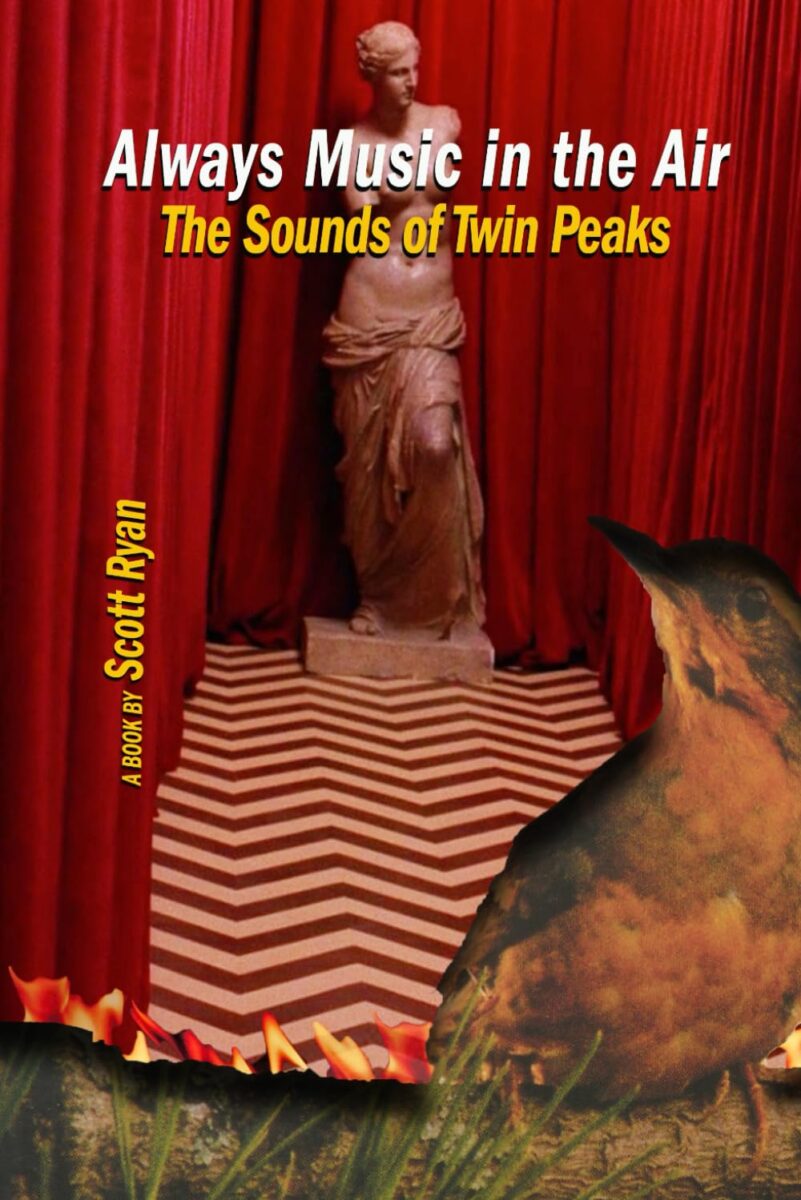
We have Scott Ryan to thank for some of the finest coverage of David Lynch’s career—namely, the Twin Peaks-dedicated Blue Rose Magazine, Fire Walk With Me: Your Laura Disappeared, and Lost Highway: The Fist of Love. Ryan’s latest, Always Music In the Air: The Sounds of Twin Peaks, is another deep dive into the works of David Lynch, this time all three seasons of Twin Peaks. Here, Ryan discusses the late, great Julee Cruise, ponders the genius of Angelo Badalamenti, and breaks down some of Peaks’ most memorable musical moments. (Yes, this includes James Hurley’s “Just You.”) This memory of the “longbox” CD artwork is priceless: “The back cover had the Red Room curtains and floor (where the zigzags are not black and white, but dark yellow and almost brown) with little pictures of key cast members displayed like a list of suspects in little boxes. This was such a helpful thing to have back in 1990. I was still learning the characters’ names. ‘Wait. Killer Bob? That’s his name? You are telling me that this is one of the greatest mysteries of all time and one of the characters is named KILLER Bob, and he turns out to be the killer?’” Ryan is, above all else, a fan, and it makes his books not just indispensable but downright joyous.
It Can’t Rain All the Time. The Crow by Alisha Mughal (ECW Press)
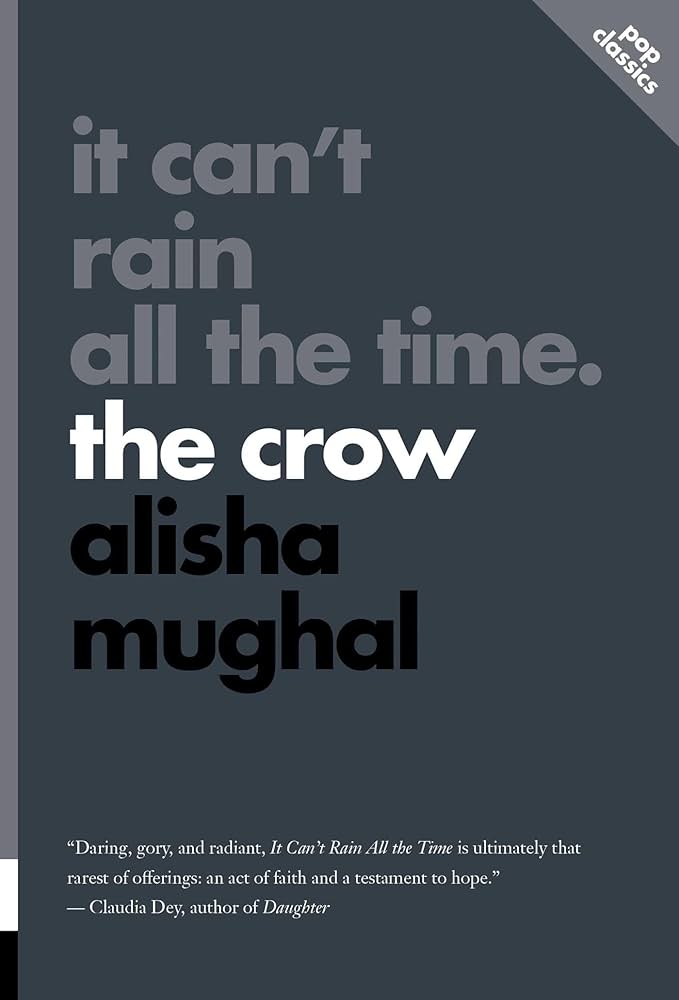
There hasn’t been a film-related text in 2025 that has hit me harder than It Can’t Rain All the Time. Alisha Mughal’s entry in ECW Press’ “Pop Classics” series is an emotional atomic bomb, a book that beautifully highlights the greatness of Alex Proyas’ The Crow and the performance of its late star, Brandon Lee. More than that, though, it also serves as something of a memoir for its author. Mughal finds that Eric Draven’s onscreen journey in many ways mirrors her own: “[A]s I rewatched The Crow again and again as I wrote this book, I found myself tearing up. That I feel moved to tears watching this film, after a while of not being able to cry, makes me happy––my feelings are not only a celebration of my life but also the life within this film, a life that continues to hum.” It Can’t Rain All the Time is a book you may want to carry around and re-read––it is that profoundly impactful, even more so when the immortal soundtrack to The Crow (specifically songs like the Cure’s “Burn” and Medicine’s “Time Baby III”) swirls in the background.
Suddenly Something Clicked: The Languages of Film Editing and Sound Design by Walter Murch (Faber & Faber)
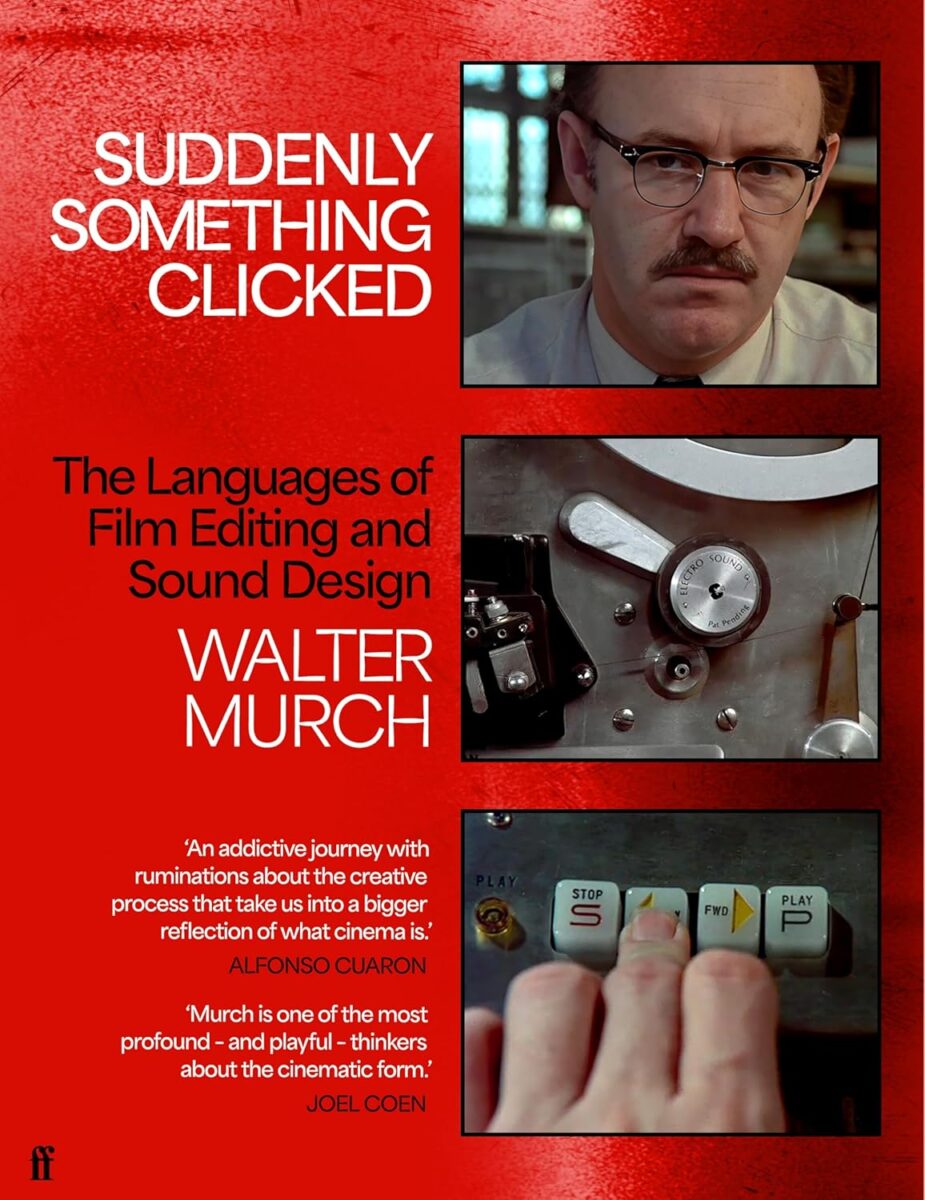
There is no one better suited to discuss film editing and sound design than Oscar-winner Walter Murch, the editor of a litany of greats: The Conversation, Apocalypse Now, The Godfather. His first book, 1992’s In the Blink of an Eye: A Perspective on Film Editing, is a classic. “Much has happened in those years,” Murch writes, “but the most significant development was the two-decades-long (1990-2010) transformation of cinema from an analogue to a digital medium. As I suggested in Blink, it is a shift whose closest analogy in the history of European art might be when oil painting began to displace fresco in the fifteenth century.” Suddenly Something Clicked goes to great lengths to not repeat details from Murch’s earlier book. Rather, it is a worthy companion. The chapters covering his work on The Conversation and the restoration of Welles’ Touch of Evil are riveting.
Ambrose Chapel: A Screenplay by Brian De Palma and Russian Poland by David Mamet (Sticking Place Books)
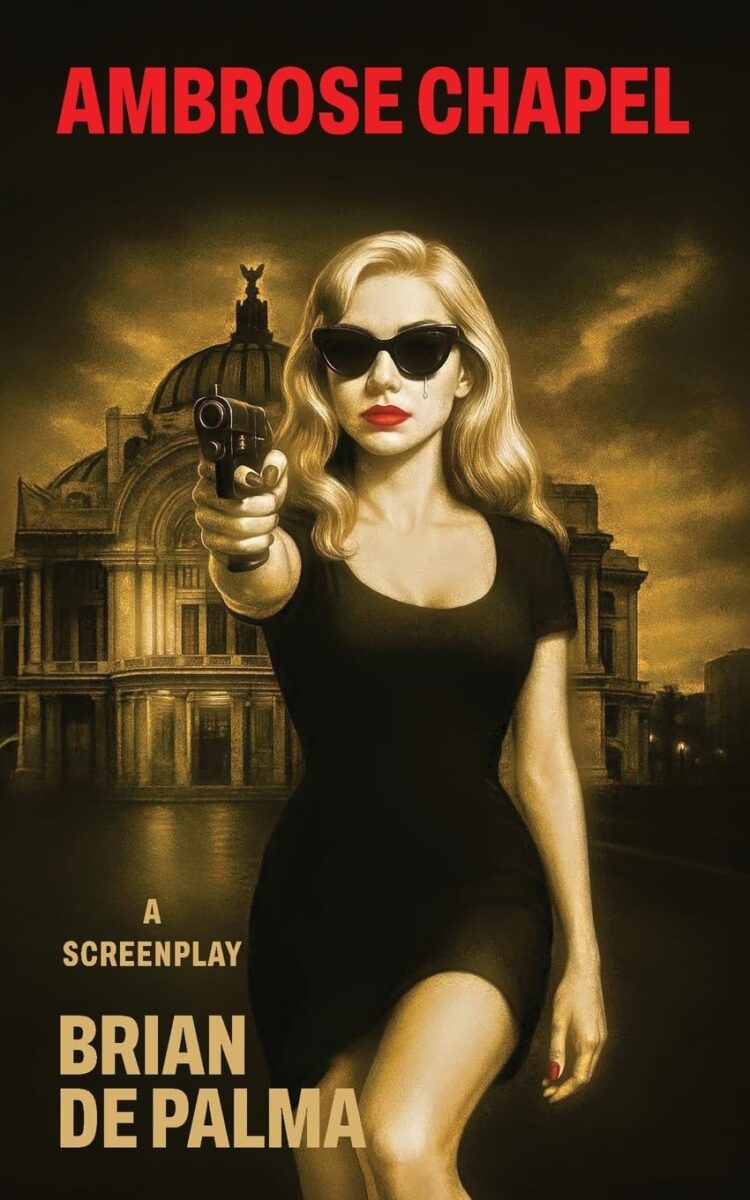
Let us give thanks for the good people at Sticking Place Books, a publishing company that has released everything from studies of Casualties of War to the poems of Abbas Kiarostami. One of its latest releases is an unreleased 1990s script from Brian De Palma. As James Kenney explains in his introduction, “Ambrose Chapel adopts the sleek posture of a geopolitical thriller, all international intrigue and stealthy rescues. But before we’ve even found our footing, games are underway.” Kenney says the script’s DNA is “deeply De Palma, but the tone is surprisingly giddy, even liberatory.” Actors whose names had been bandied about for starring roles include Brad Pitt, Liam Neeson, Tea Leoni, and even Madonna. What a shame Ambrose never took flight, but thank goodness we can ponder what might have been.
Film Magazines
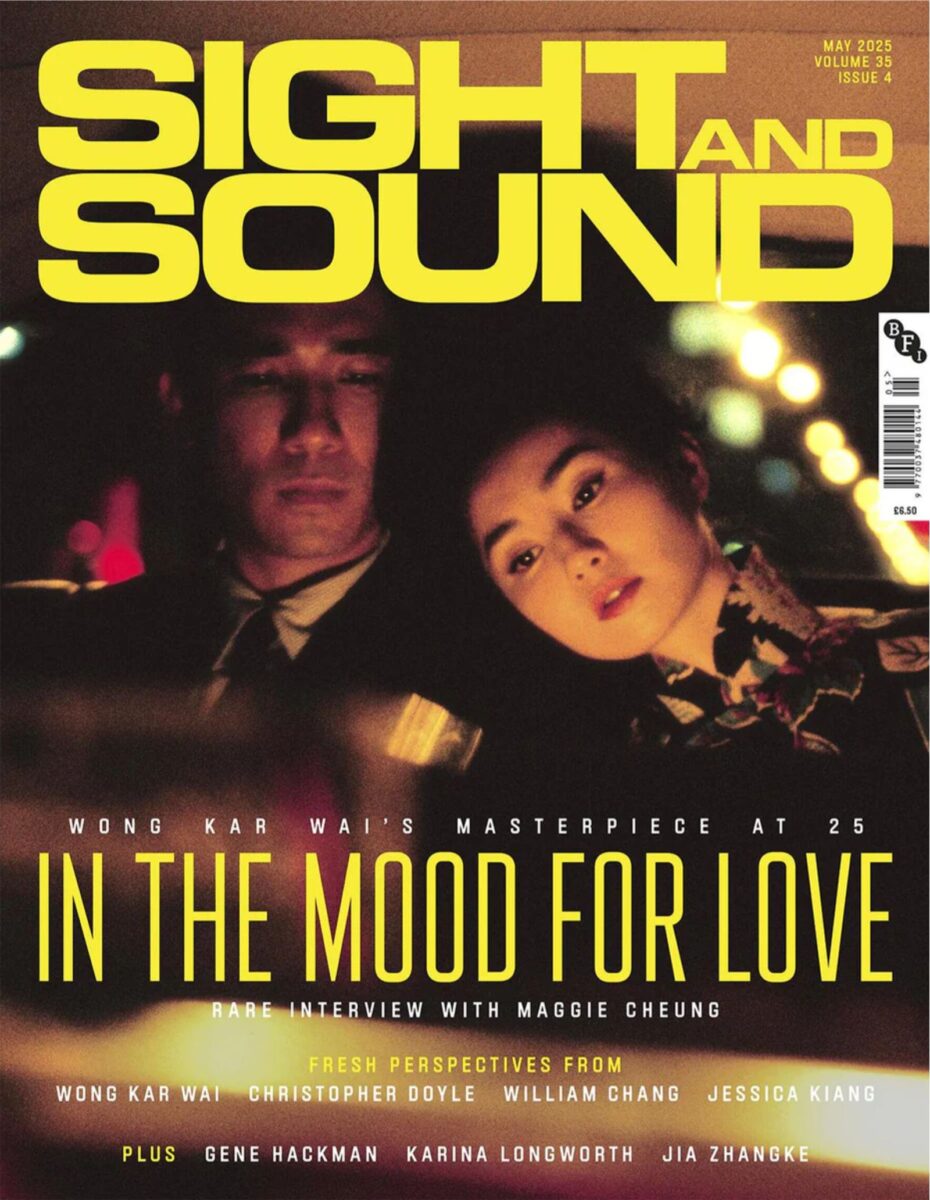
We recommend supporting outlets offering some of the finest film analysis and consideration in print form: Filmmaker Magazine, Sight and Sound, Little White Lies, ASC, The Metrograph, and MUBI’s Notebook Magazine.
Support Your Local Arthouse Theater
As the future of theatrical distribution, especially in the indie realm, continues to find a footing, local arthouse theaters need your support more than ever. Whether it’s a gift membership or certificate, be sure to check out your local arthouse theater to see what they offer this season. If you’re looking for something that can be used at virtually all theaters, I’ve also been enjoying the return of MoviePass, which offers up gift certificates.
Streaming Service Subscription
If you are familiar with this site, we imagine you are already aware of at least some of the streaming services that care a great deal about preserving the art form of cinema. As always, one can’t beat the variety and quality found at the Criterion Channel, while MUBI continually champions bold filmmaking voices both old and new, offering some of the year’s best films. For those seeking even more worthwhile gems from across the world, Metrograph at Home, Kino Film Collection, OVID.tv, and Film Movement Plus continually present eclectic lineups.
Prints, Posters, Vinyls, and More
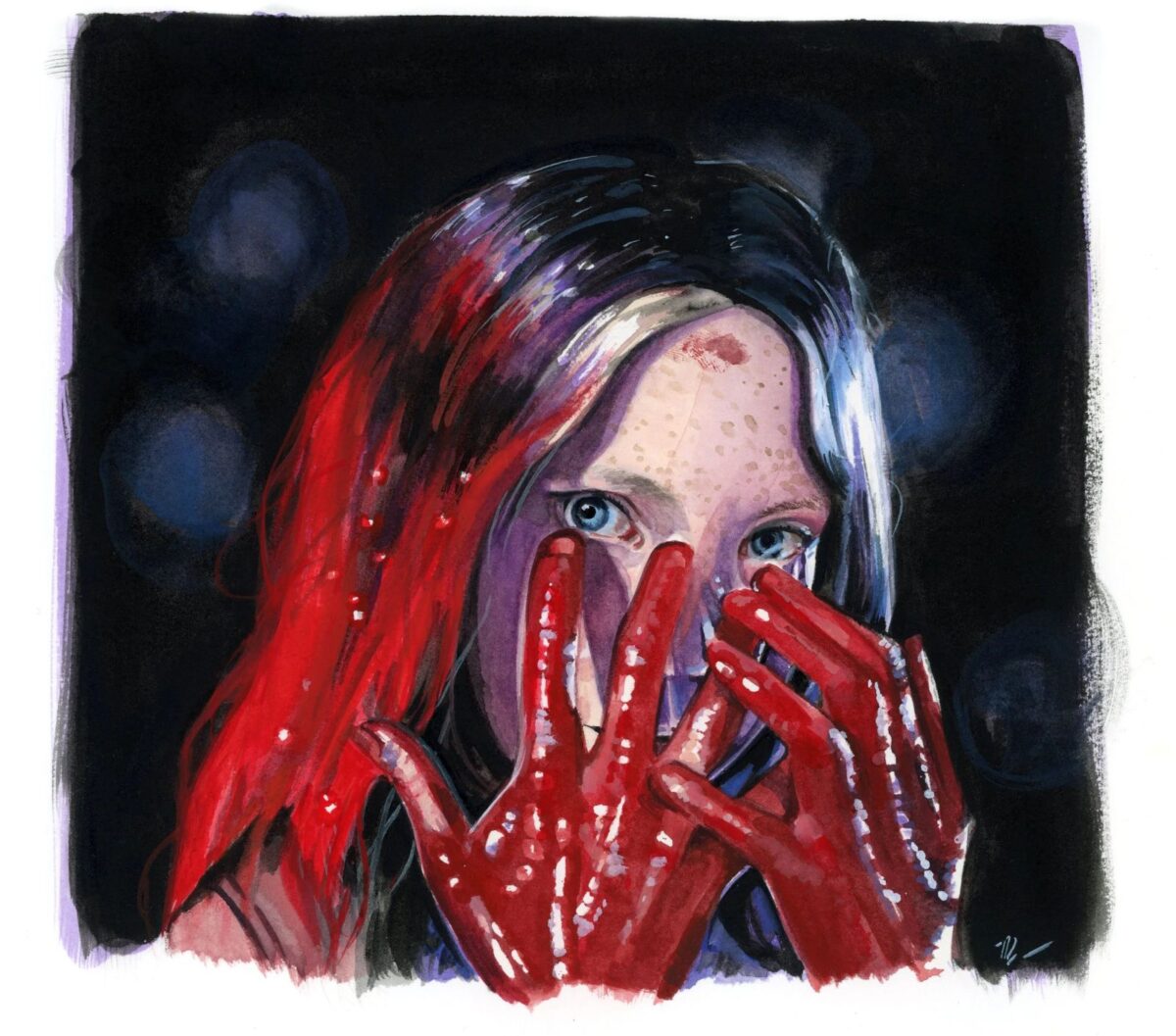
There’s no better piece to hang on your wall than a print from the cinema-obsessed Brianna Ashby, who is offering work featuring David Lynch, Carrie, Gene Hackman, and more. The NYC-based Posteritati also has a staggering archive of movie posters from every era of filmmaking.
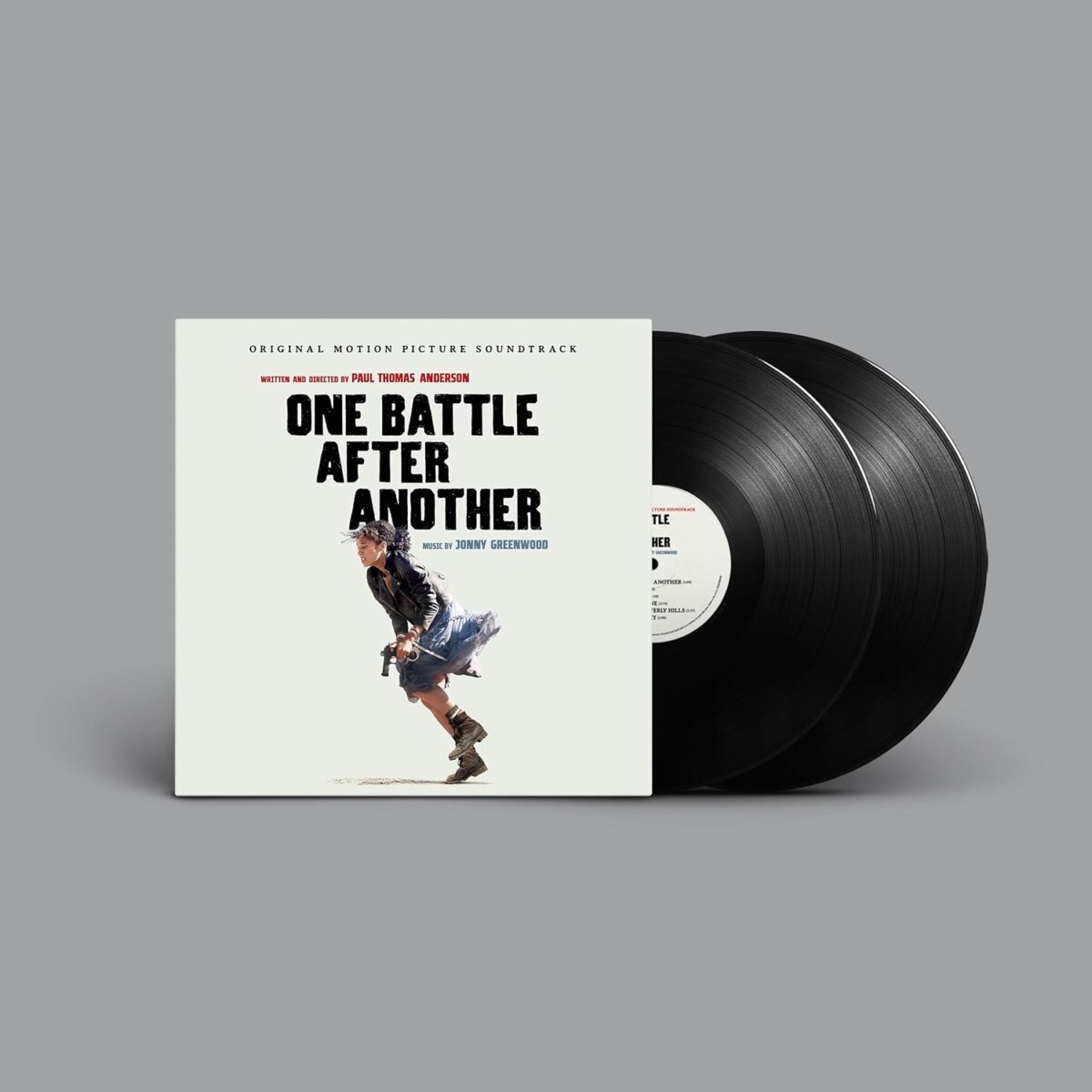
On the vinyl music side, we recommend scores and soundtracks including Jonny Greenwood’s One Battle After Another, Eyes Wide Shut, Daniel Blumberg’s The Brutalist, Ludwig Göransson’s Sinners, Julian Glander’s Boys Go to Jupiter (in a limited scratch-n-sniff edition), Max Aruj and Alfie Godfrey’s score to Mission: Impossible – The Final Reckoning, Trevor Jones and Randy Edelman’s The Last of the Mohicans, Alexandre Desplat’s’s The Phoenician Scheme
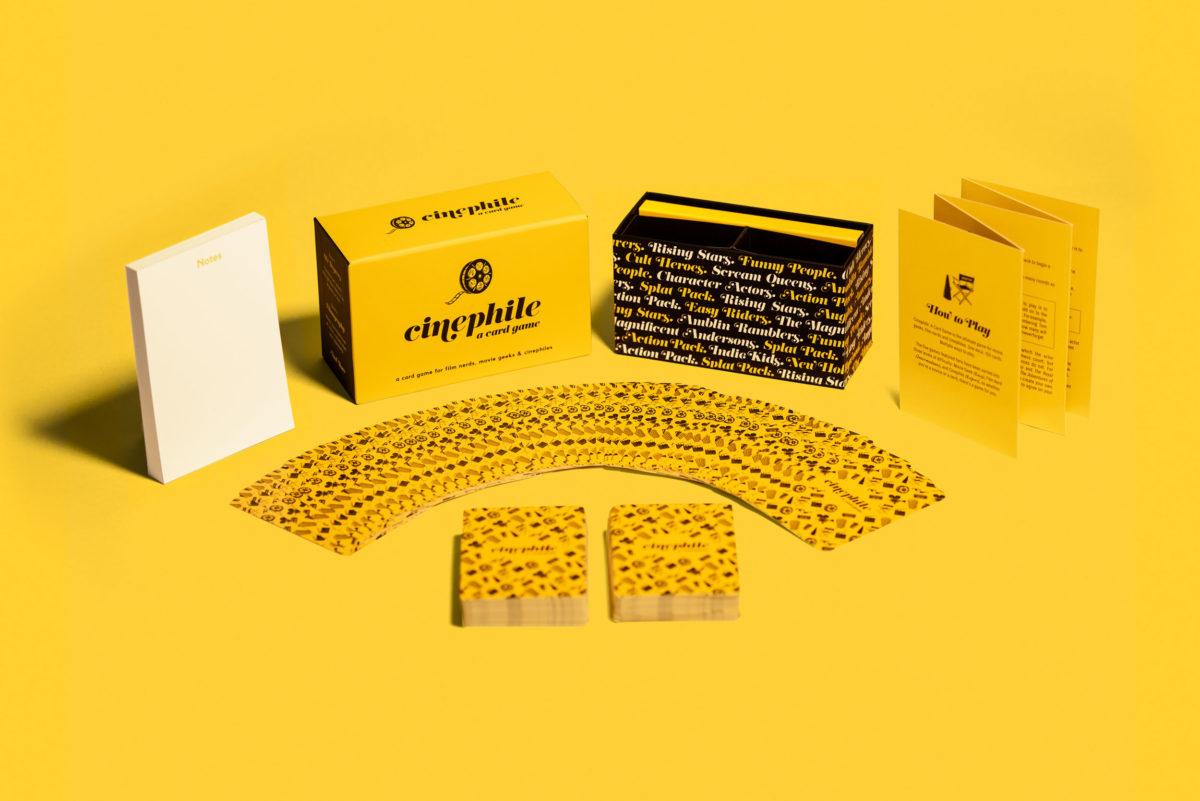
As an annual recommendation, there’s no better movie-related game than Cinephile: A Card Game, from our friend Cory Everett, who also created must-own books and apparel for the ‘lil cinephile in your life.
Happy holidays from The Film Stage!