
Following The Film Stage’s collective top 50 films of 2025, as part of our year-end coverage, our contributors are sharing their personal top 10 lists.
My initial assessment of this year of cinema is one of disappointment. I have never felt more disillusioned or detached from the mainstream Hollywood mode of film before. Even the film du jour, One Battle After Another, left me mildly entertained but mostly shrugging. Yet, as always, that doesn’t mean there wasn’t any good cinema. Beyond whatever is on the latest marquee at the multiplexes, there were a lot of great, inventive, and exciting films that were relegated to streaming because this industry has a very narrow and cynical view of its own audiences. Many of the movies that I have included here are worth seeking out because they absolutely beat anything that the powers that be have populated the theater chains with.
10. The Things You Kill (Alireza Khatami)
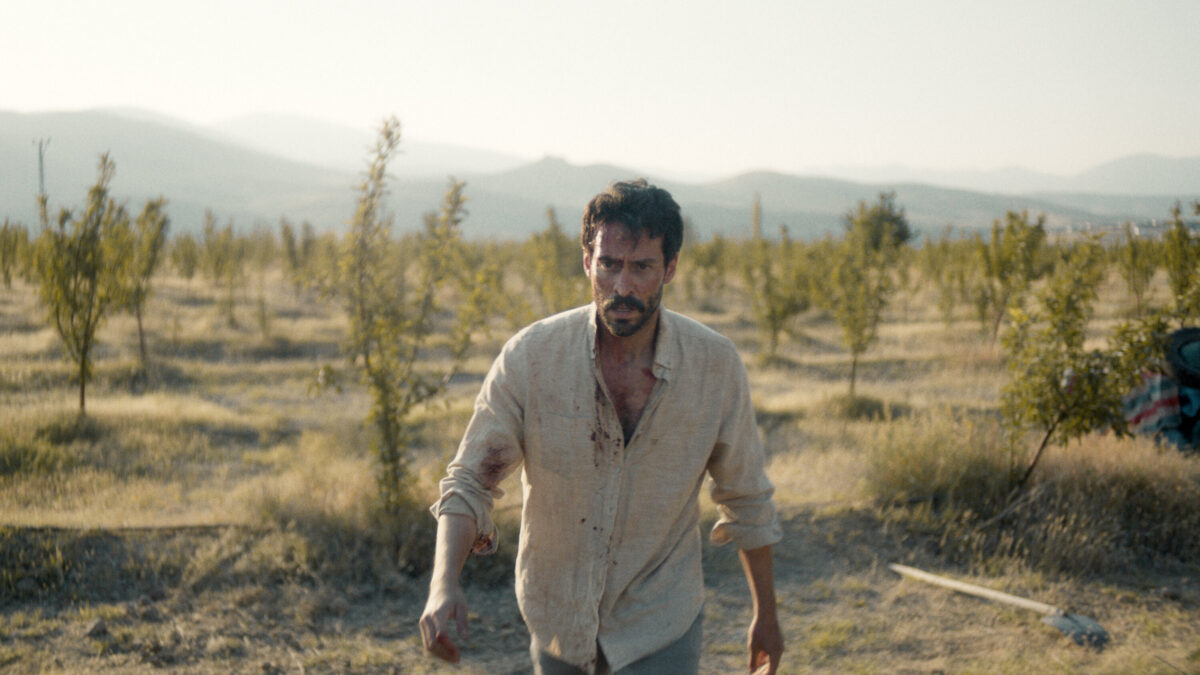
Khatami twists his narrative midway through, like David Lynch’s Lost Highway, and experiments with persona and identity to create a confounding and chilling thriller about a man who sees his family slowly fall apart. There is an edge to the film, one where the act of vengeance and the catharsis of comeuppance lingers and taunts like a dangling knife throughout. The intentional cycles of violence repeating themselves among the men in the story, with the women being both witness and innocent quiet bystander highlight how violence perpetuates through generations. This is an assured debut, one that makes me instantly interested in what Khatami is cooking up next.
9. The Secret Agent (Kleber Mendonça Filho)
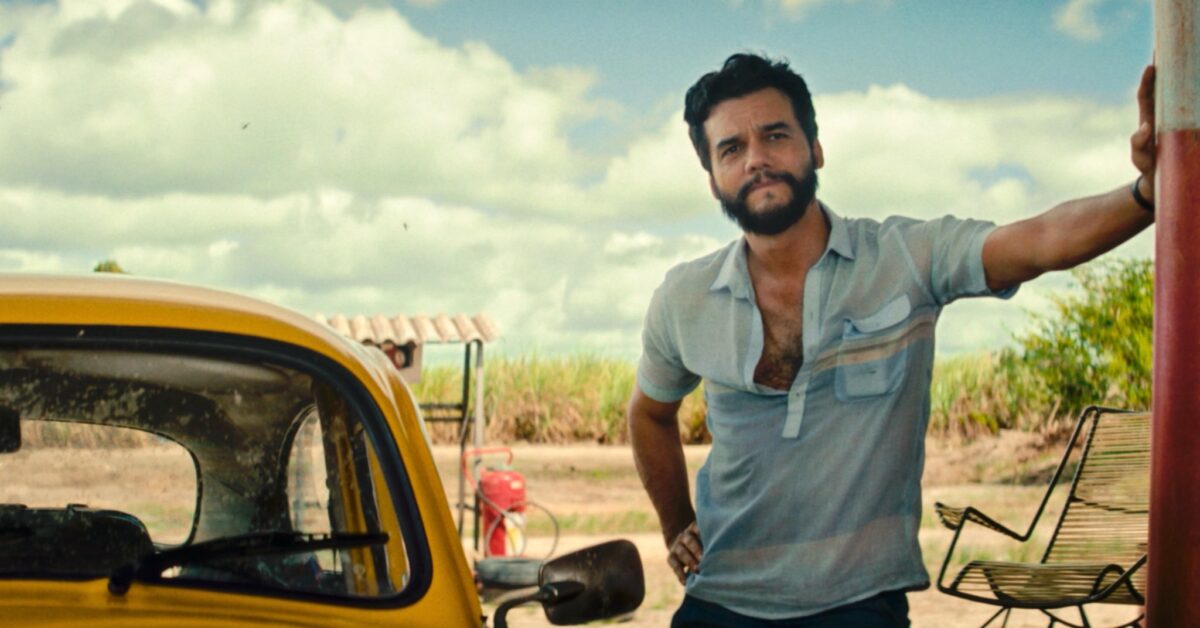
The Secret Agent uses a famed story create a throughline from Brazil’s 70s under dictatorship to the present. It is a film that, like many of Mendonça’s films, features nerve-wracking confrontations and action sequences as well as braggadocious villains who ignite a violent need for catharsis. This isn’t a film that feeds that need in the same was Aquarius or Bacurau, however. This is a much more realistic tale, set in a real place and time in Recife, Mendonça’s home city. It’s one that forces us to consider how many of the mistakes of the past have been rectified if any at all. It wonders, as it switches between unforgiving political violence and hushed conversations between those who resist, if anything has changed at all.
8. Resurrection (Bi Gan)
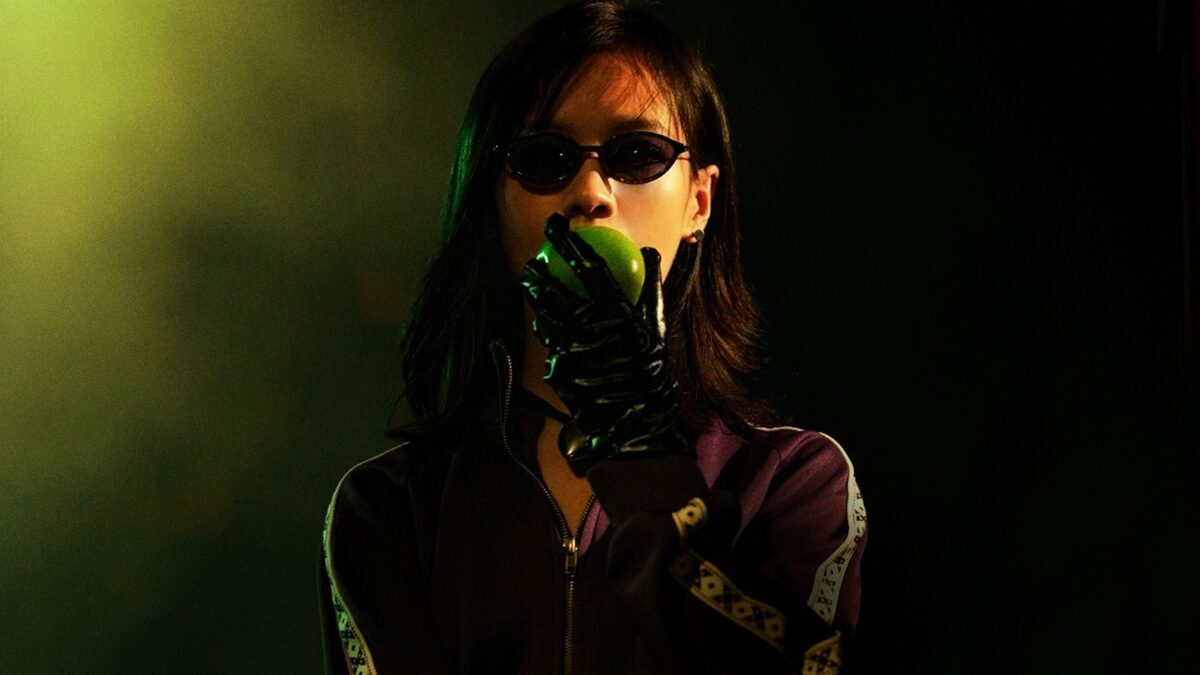
Releasing at the sound of the buzzer in the U.S., Bi Gan’s Resurrection was, without a doubt, a wonderful way to end the year of movie-going. Beguiling in its structure, which blends not only time but the genre history of cinema, the film takes us through the journey of a singular “Deliriant,” one of the last humans left in the world who can experience dreams. Bi’s camerawork, which creates so many dichotomies of foreground and background, the blending of various framerates, color pallets, and focuses, turns this into an exemplary display of experimentation, a self-reflexive confrontation of how cinema’s ability to create different realities and existences for a singular character is the closest we come to dreaming while we are awake. A movie that I will be thinking about and unpacking for a long time.
7. It Was Just an Accident (Jafar Panahi)
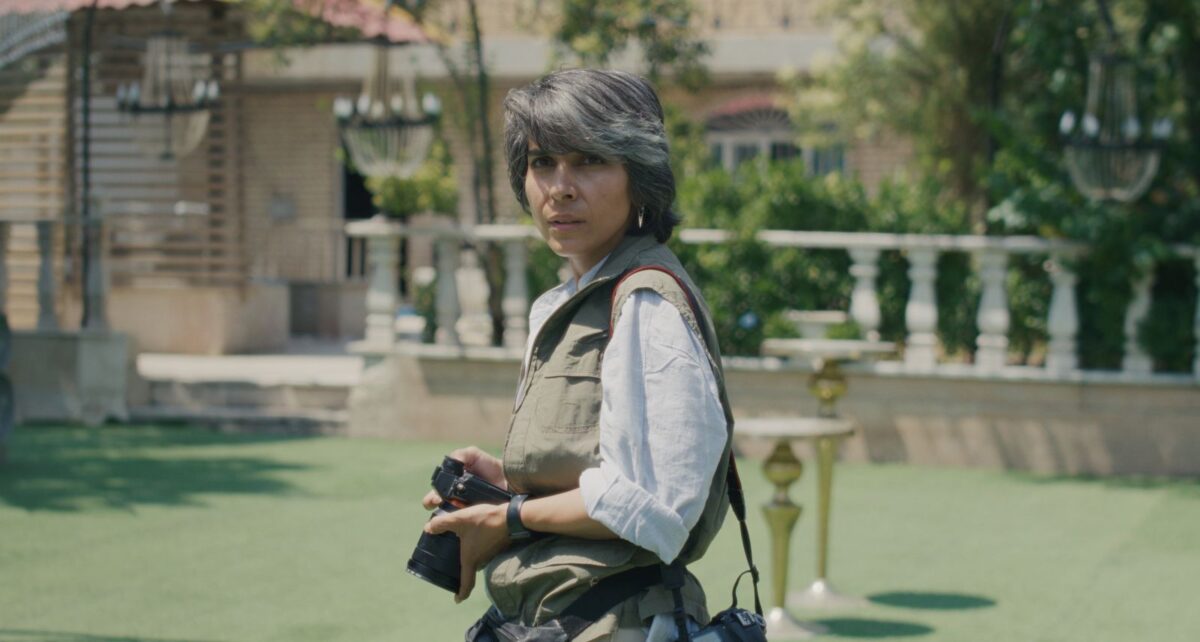
Humorous and tragic in equal measure, Panahi’s latest film about how the regime’s authoritarian rule has lasting impacts and ripples on the populace cuts away the self-aggrandizing and gets at the heart of the matter––what does it mean to attain justice? These victims, their regrets, their suffering, all culminate in a battle of deciding what to do once they catch the man who destroyed them. Panahi, from Crimson Gold to No Bears to his latest has always been an empathetic filmmaker above all, even if the finales of his films are always laced with terror and tragedy. He depicts his characters attaining clear consciences even as they tread the line into becoming violent and out of control themselves.
6. Souleymane’s Story (Boris Lojkine)

It’s the era of the gig economy all over the world. Souleymane’s Story tells the tale of an immigrant from Guinea who desperately seeks asylum and citizenship in France. As he waits for his chance to tell his story to the immigration officers, he’s caught between a rock and a hard place from being a delivery driver for a food service app and the money he needs to pay his immigration mentor. Lojkine’s story may be seen as too optimistic, maybe even naïve by some, but it’s a portrayal of a hopeful future, one that affords immigrants not just asylum and peace, but human rights on their own terms, on their own truths.
5. Sirāt (Oliver Laxe)

A film that signals the inevitability of the end of the world, Oliver Laxe’s Sirat takes us on a journey of uncompromising twists, ones that I was frankly not prepared for. It’s bound to be divisive in the way it toys with its audience’s emotions, but the precise point of the movie lies in how aimless its characters are, how they feel like the world is their sandbox, and piece by piece they realize that they’re not in a playground. It’s a movie that joins together Friedkin’s Sorcerer with Peter Watkins’ (RIP) Punishment Park. The horizon slowly disappears, colors blend and homogenize over time and whatever sound was reverberating from the stereos at the beginning succumb to a deafening silence.
4. Happyend (Neo Sora)
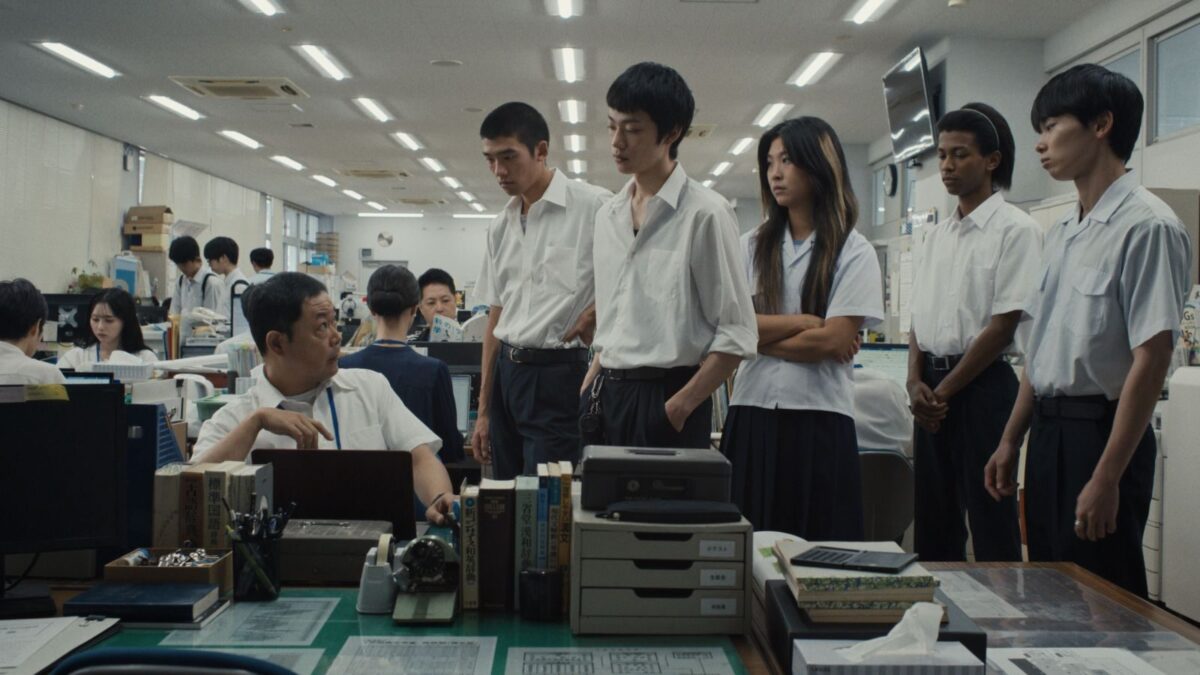
Private space and technological intrusion form the framework of Neo Sora’s intimate and carefully considered film Happyend. Taking place in a high school in future Tokyo, a group of students who are very into house music see their lives slowly intruded on via the school’s new surveillance system. What separates this film from other dystopic sci-fi is that its main concern is how oppression and political urgency are processed differently among people. This leads to tension in the characters’ friendships and it gives a very realistic and compassionate portrayal of privilege versus empathy versus isolation. This is an assured feature narrative debut that has a rare level of political clarity in what it wants to say.
3. April (Dea Kulumbegashvili)
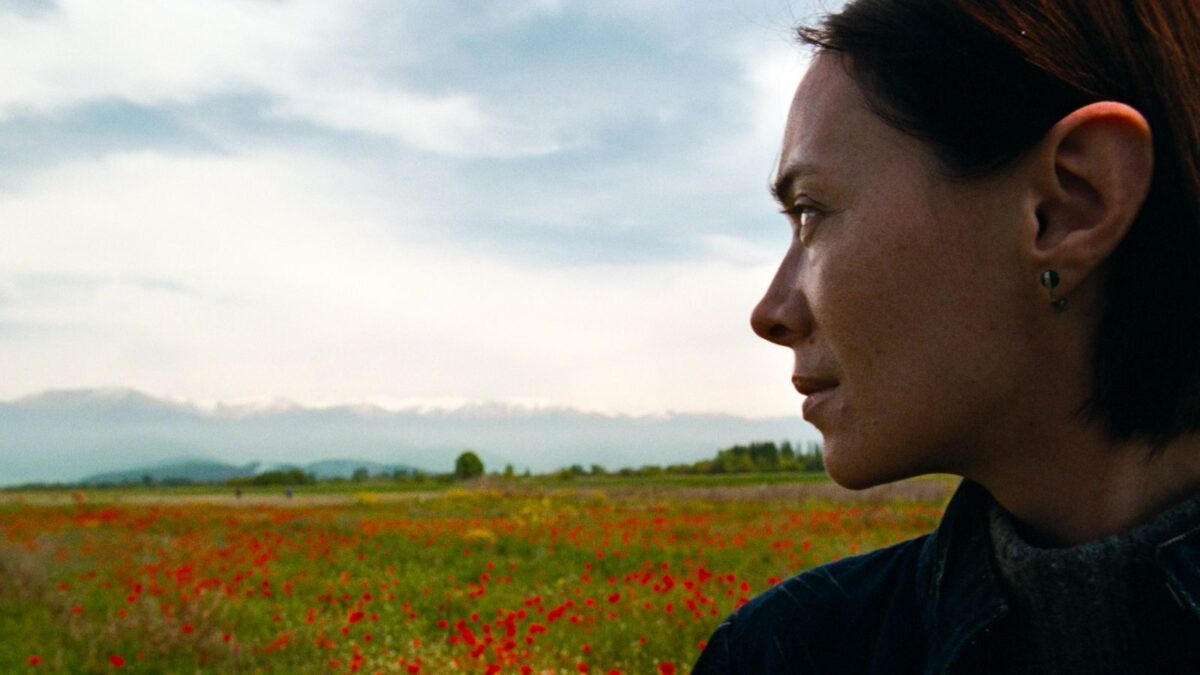
Dea Kulumbegashvili follows her unnerving, unforgiving debut Beginning with another film that balances quietness and carefulness through menacing energy. April‘s most startling happen, once again, with no words: in the night-driving sequences, some of the most breathtaking I’ve seen this decade, the camera swerves with a nervous erraticism that cuts the movie’s slowness and quietness like a sharp blade. Danger is lurking at every corner. Kulumbegashvili’s excavations of gender politics, the rifts between class and religious groups within Georgia, once again create an emotionally complex portrait of a nurse who performs anonymous abortions in rural villages and battles a lawsuit at her hospital.
2. Reflection in a Dead Diamond (Hélène Cattet and Bruno Forzani)
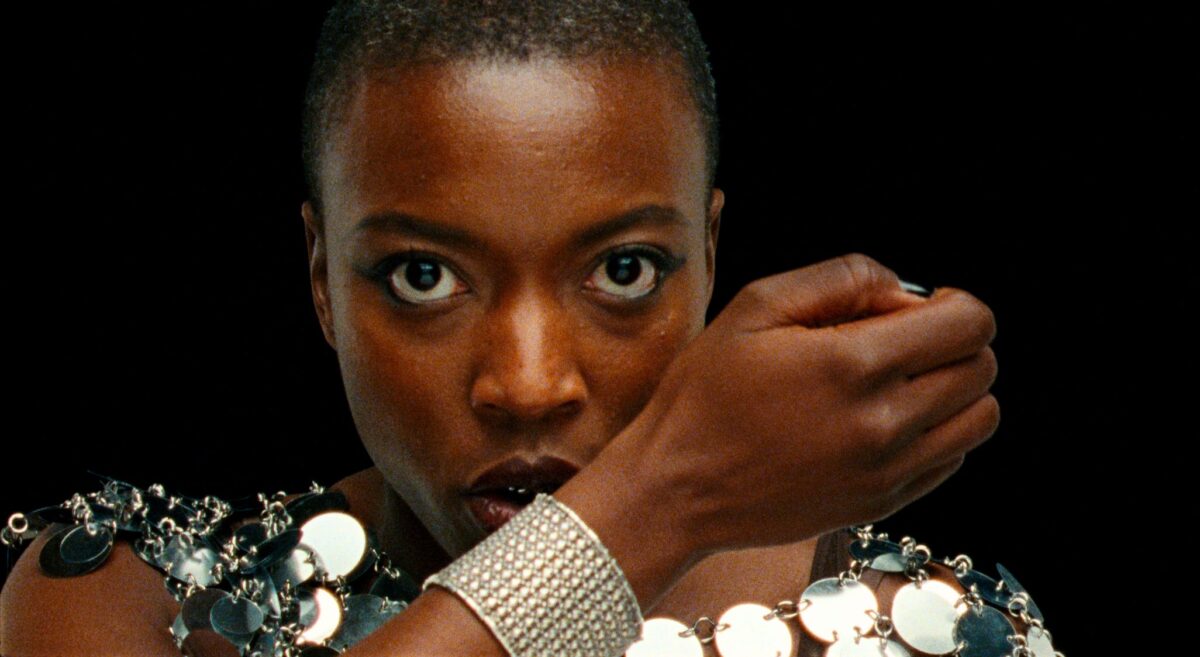
There’s a lot in common here with Cattet and Forzani’s previous genre romp Let the Corpses Tan, from the sun-dipped, heat-infused crackling Côte d’Azur seaside landscape, the turquoise luxurious skies and water, the close-ups of eyes, arms, guns, fire, nails, throats, blood, and Nora Orlandi’s “Dies irae” theme from Sergio Martino’s Lo strano vizio della signora Wardh. Here, however, the self-reflexive pop-genre play isn’t from Spaghetti Westerns but from EuroSpy cinema. White suits, poker games, and deception take us through a retired hitman’s mental journey back in time as he remembers a mysterious woman he once met in the 1960s. But if you try to follow the “plot” you’ll only let yourself down. Enjoy Cattet and Forzani’s patented blend of pop-cinema, pulp, Godardian pastiche, and let the feeling of the images and sounds wash over you.
1. Sanatorium Under the Sign of the Hourglass (The Quay Brothers)
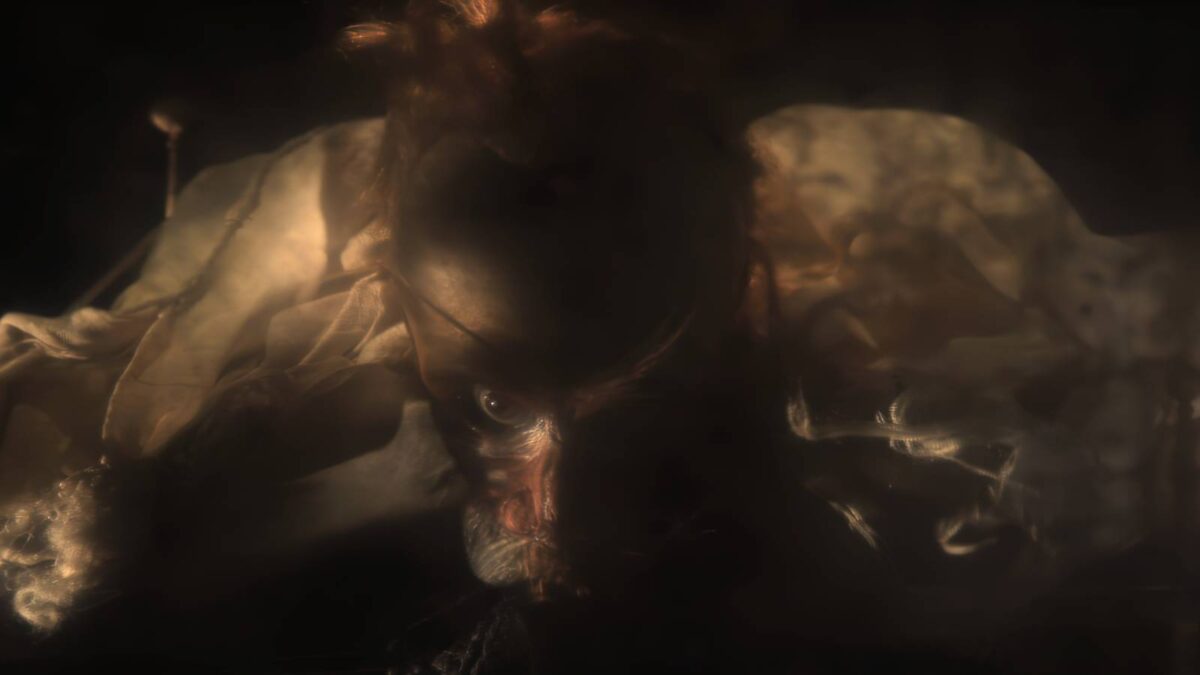
For the Quay Brothers, cinema is quite literally a toy. Characters peer from the physical realm into a world where rules and physics break, time bends into itself, and everyone is a bit character and at the whims of fantasy. A young man visits his father in a sanatorium, but upon arriving is told his father is still alive because time is warped and slowed herein. The camera lurks around corners and through keyholes and cracked doors, every room and crevice another realm or layer of reality like a Matryoshka doll. Everything is caked with dust and imagery distorted through all kinds of objects—warped glass, water, mirrors. The impressiveness of the Quay Brothers’ vision is as powerful as ever. When their camera dives into the machinery of their animated world, it drags one in fully and forces them to find their way through.