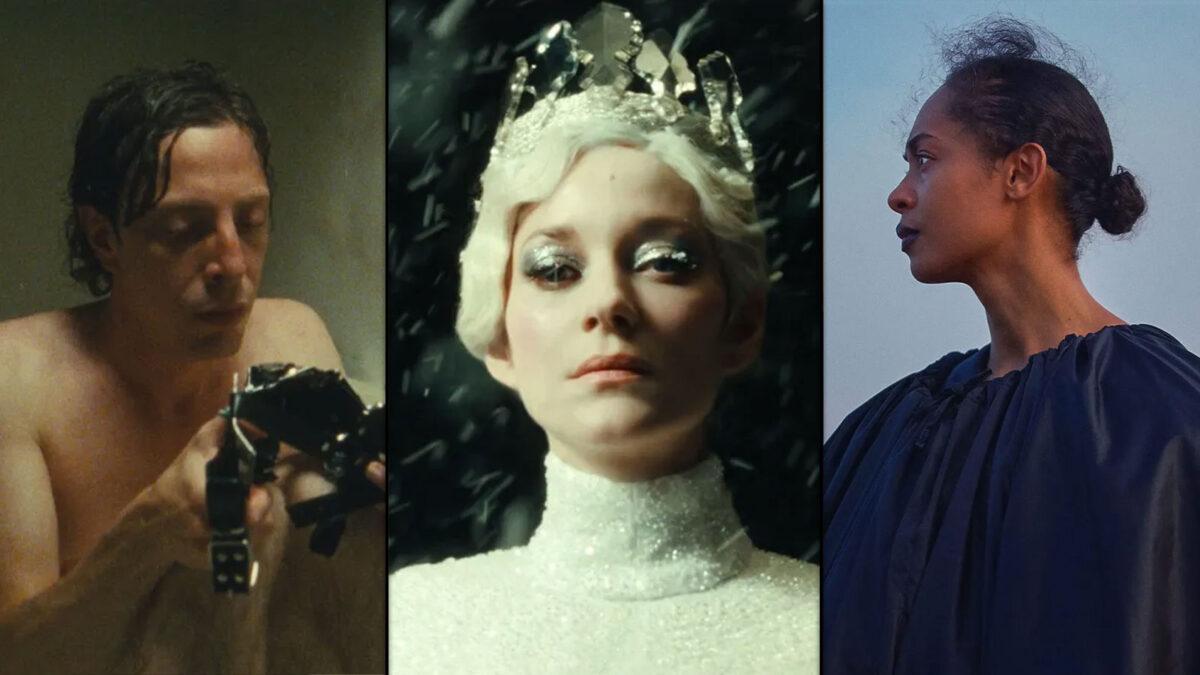
For our most comprehensive year-end feature, we’re providing a cumulative look at The Film Stage’s favorite films of 2025. We’ve asked contributors to compile ten-best lists with five honorable mentions––many of those personal selections will be shared in coming weeks in separate features––and from tallied votes this top 50 has been assembled.
Without further ado, check out the best in 2025 cinema below, our ongoing year-end coverage here, and return in the coming weeks as we look towards 2026.
50. The Sparrow in the Chimney (Ramon Zürcher)
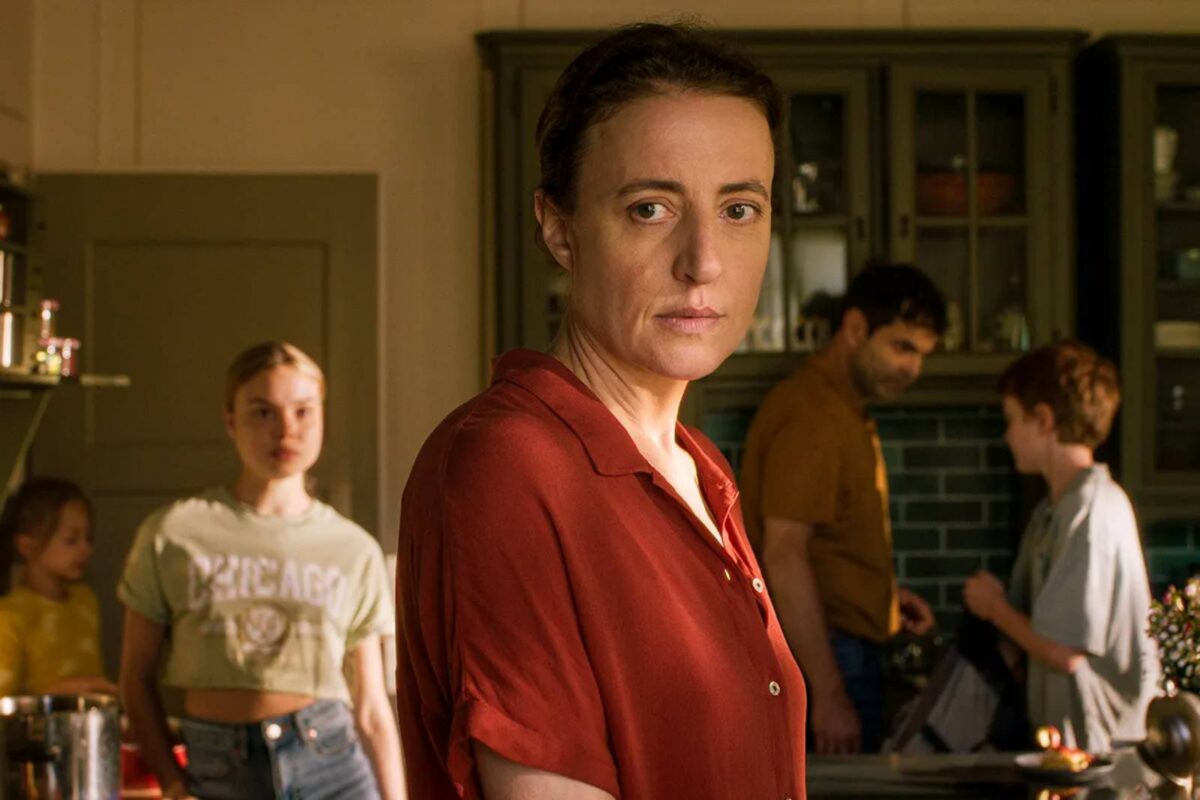
A haunted-house tale foregrounding human drama before supernatural horror, Ramon Zürcher’s exquisitely drawn The Sparrow in the Chimney focuses on our yearning to escape past trauma. Overflowing with metaphors and metamorphoses, the film uses its lead (Maren Eggert’s heartbreaking Karen) as a mirror to the cruelty she endured in youth and its complex, tortured origins. With stunning flights of darkly surreal fantasy set to an infectious bass line, we experience her silent struggle to show love when the crippling fear of her own children suffering the same fate ensures she instead fosters their hatred. Its incisively harsh yet poignant cleansing of familial demons by fire captures the rejuvenating power of letting go. — Jared M.
49. Avatar: Fire and Ash (James Cameron)
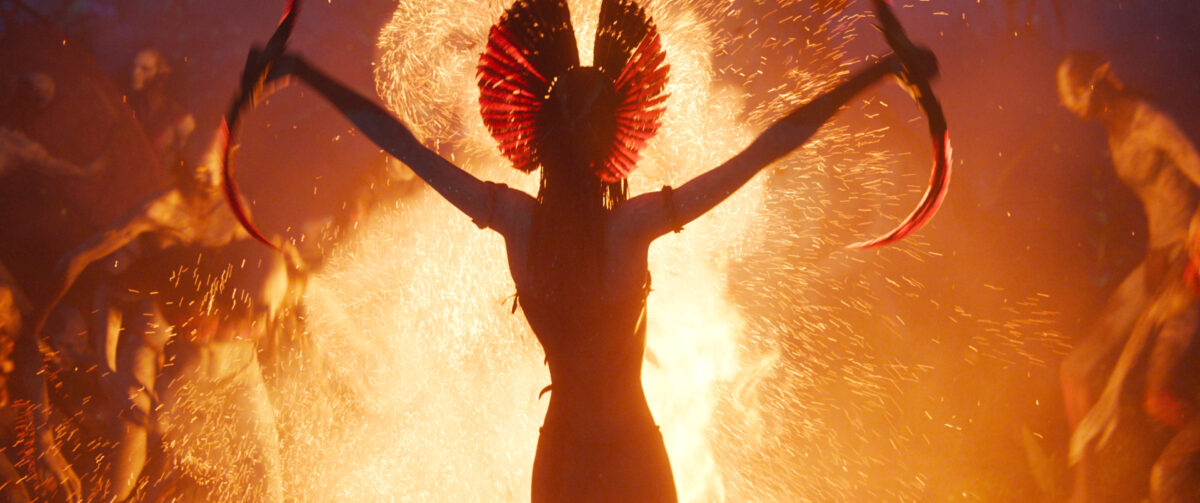
James Cameron closes a chapter on big filmmaking at a time when his maximalist spirit is in increasingly short supply. Few filmmakers have the dexterity to juggle a kitchen-sink approach with clarity of storytelling; even fewer manage the level of care and precision he’s hellbent on preserving. With two films’ worth of pixel-perfect world-building, this outing to Pandora trades table-setting for character depth. Shockingly frank examinations of grief, assimilation, and cyclical violence are woven into the eye-popping spectacle, with performers old and new feeling fully comfortable in their own blue skin. Cameron remains steadfast that more is more. — Conor O.
48. Highest 2 Lowest (Spike Lee)
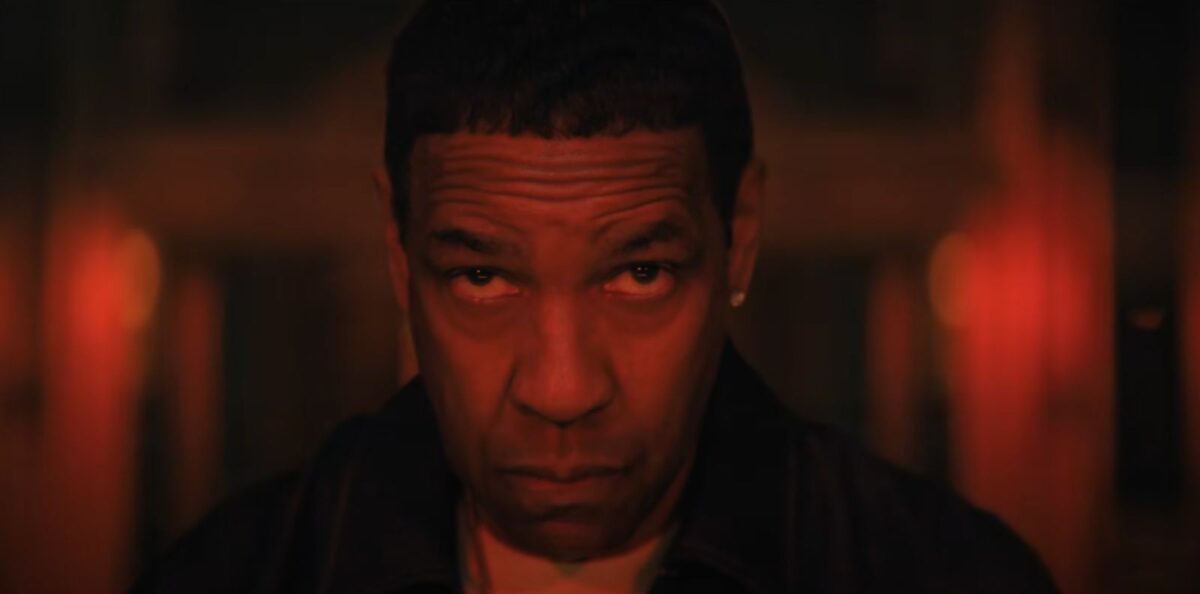
Presumably, to rehash High and Low is folly. In practice, Spike Lee and Denzel Washington’s ongoing collaboration (like Kurosawa and Mifune’s) proves lively as ever in its latter day. The veteran duo exudes contagious vigor on both sides of the camera, balancing elegiac gloom with a potent, youthful rebuke. As Lee’s thriller pivots between tones, Washington reverts from world-weary to rejuvenated. Through a moral gauntlet, music mogul David King chases creative resurrection, mirroring director and star. They’re men made young again in the pleasures of their craft, calling their shot from the film’s first lines: “It’s not a risk. It’s a rebirth.” — Conor O.
47. Friendship (Andrew DeYoung)
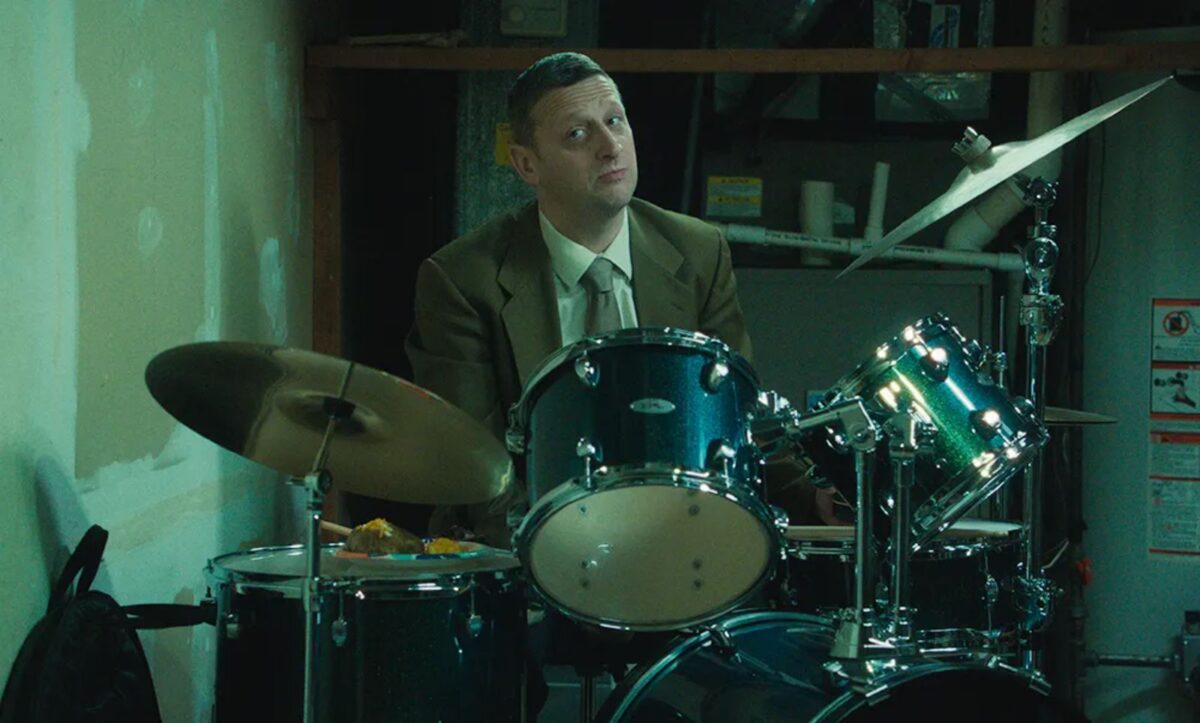
Once, R-rated comedies were a lucrative proposition at the U.S. box office, and multiplexes were decked with posters of two young-to-middle-aged funny people (pun intended) against a neutral background. I loved Friendship as a partial return to this, coupled with more directorial imagination and heaps of bad vibes. Tim Robinson’s bugged-out performance is as much the classic clown as Rupert Pupkin; unlike his also-impressive HBO show The Chair Company, the laugh quotient keeps pace with the cringe. — David K.
46. The Naked Gun (Akiva Schaffer)
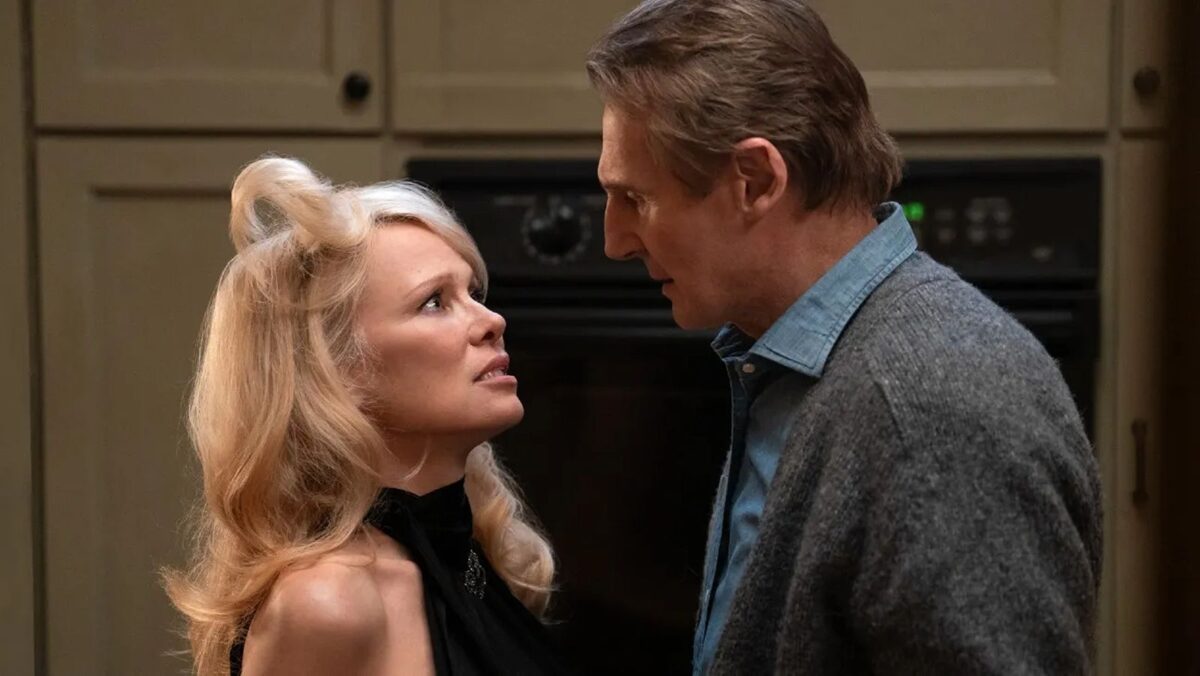
Gather round, one and all, and let me tell you about a fabled time long ago when the world was a glorious place where each and every one of us could travel to local hangouts called “movie theaters.” In there, surrounded by strangers, we all could rejoice at the laughter of things called comedies made by movie studios—yes, those very entities that make the franchises you experience now and forget about the next day used to make movies that would create lightning-rod cultural moments and uproarious lines you’d quote back to your friends over and over until you were out of breath, doubled over in hysterics. The Naked Gun brings us back to that hallowed time, perhaps our last opportunity to experience such a wonderful thing together. One could recite any number of incredible zingers, or detail a bounty of “you need to see this to believe it” sequences, but I’ll simply leave you with this: “She had a bottom that would make a toilet beg for the brown.” — Mitchell B.
45. Pillion (Harry Lighton)
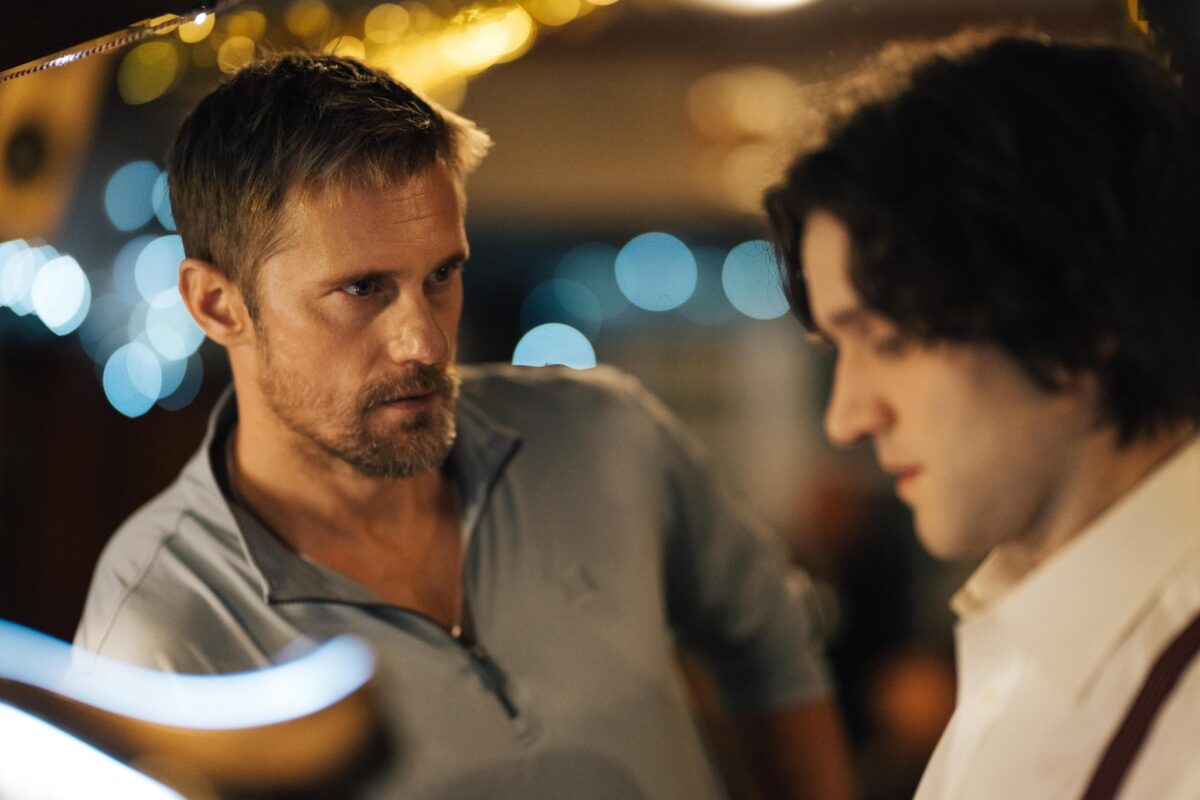
Dogs Don’t Wear Pants finally has a companion piece. Harry Lighton tackles the duality of sexual attraction head-on in a gay sub-dom debut that shocks, tickles, delights, and devastates in equal measure (but not without pulling viewers out of the emotional quicksand it creates). In his edgiest career turn, Harry Melling plays Colin, a hushed, soft-smiling, barbershop-quartet-singing submissive who’s yet to find a man that really gets him—a bad biker clad in tight black leather that holds him by the thick chain around his neck and gives the dog the open couch seat while making him sit on the floor. Enter: Ray (Alexander Skarsgård), the tall-walking, rarely talking epitome of sizzling-hot dominance. The desired degradation opens Colin’s world as wide and willfully as his mouth, offering a deeply romantic enlightenment angle on the BDSM lifestyle that few films have deigned to take. — Luke H.
44. The Testament of Ann Lee (Mona Fastvold)
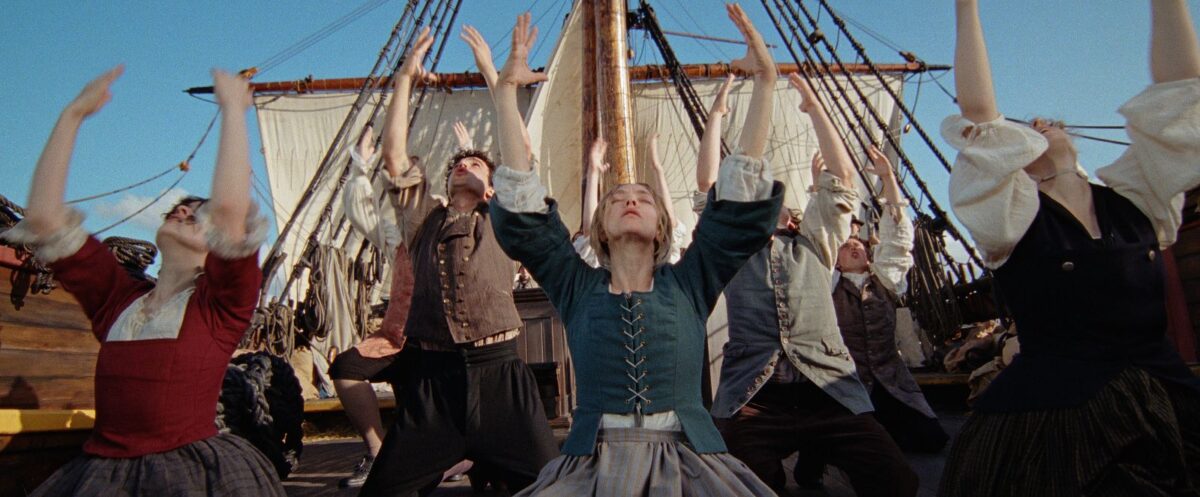
Doomed to be marketed as “a musical by The Brutalist team,” The Testament of Ann Lee asserts itself by treating its Great-Awakened, chest-thumping, celibate subject with patient observation rather than campy ridicule. Mona Fastvold’s version of the Shaker story invites comparisons to other messianic, inward-directed, intermittently Dionysian religious movements that have lots of opinions about sex—like, say, the Pentecostals, the New Agers, or Silicon Valley’s Burners. But it ultimately depicts the United States—famously a safe haven for mild heretics and the weirdest Christian variants—as a nation born of ecstatic figures like Ann Lee. It also certainly helps that, when we finally get to all the Shaking, Testament‘s songs are pretty damn good. — Z. W. L.
43. Henry Fonda for President (Alexander Horwath)
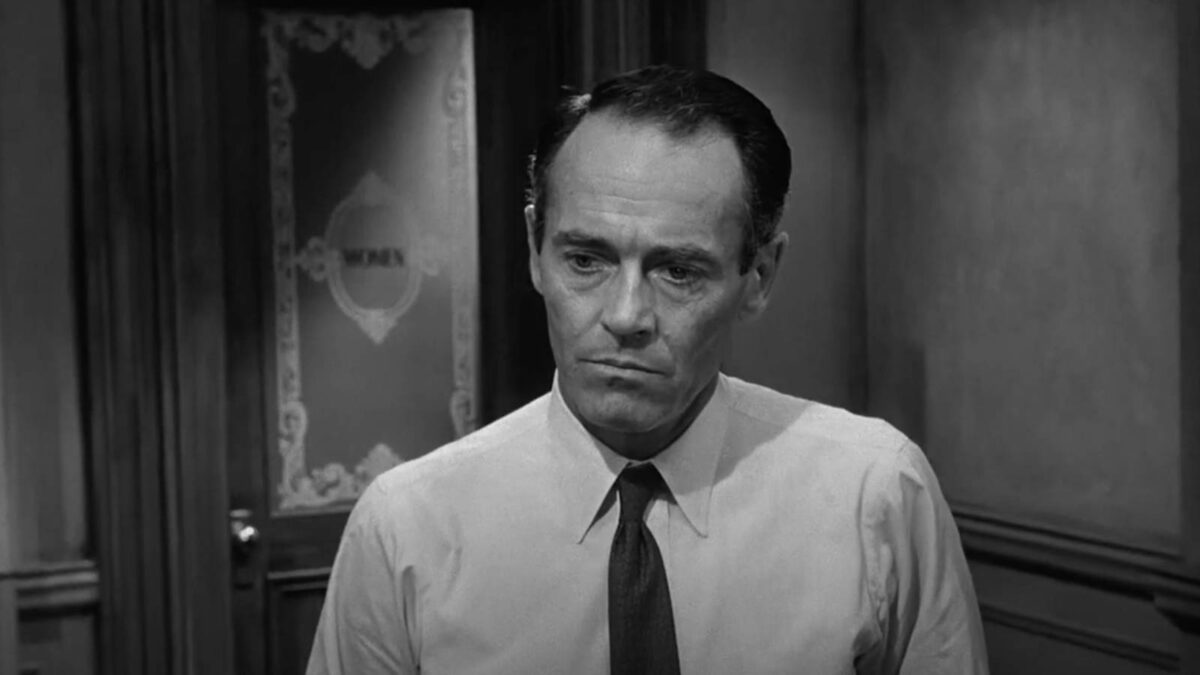
Henry Fonda for President is the rare piece of film criticism that is not only a work of art but a genuine cinematic experience. Shaping much more than a simple tribute to the actor, Austrian critic Alexander Horwath chronologically traces, across three hours, American history through Henry Fonda and Henry Fonda’s history through America. It’s ultimately a road movie, with archival footage juxtaposed against contemporary views of Trump-era America as Horwath retraces locations important to Fonda’s films. He’s on the hunt for that psychogeographic, nearly fantastical America Hollywood implanted so forcefully on the global imaginary across the 20th century. What results is a poem of the alienation, longing, class resentment, and folk values swirling around that elusive entertainment we colloquially refer to as the American dream. — Joshua B.
Read our interview with Alexander Horwath
42. All That’s Left of You (Cherien Dabis)
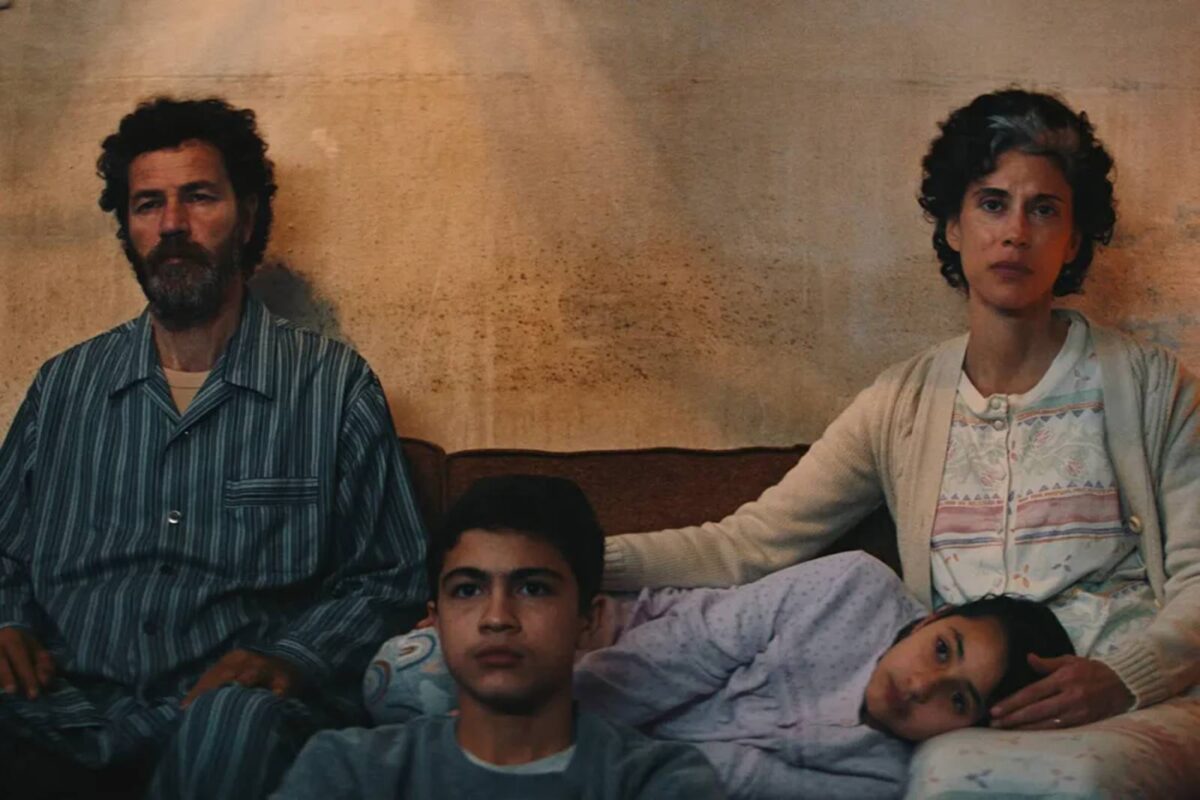
A sprawling, gripping drama that starts with the foundation of the state of Israel and displacement of Palestinian families in Jaffa, then ends two years shy of October 7, writer-director-star Cherien Dabis’ All That’s Left of You considers generational trauma on both an intimate and epic scale. One of 2025’s most vital films, Dabis’ radical, heartbreaking epic serves a captivating ode to a homeland lost and a path forward—a timely call for peace and reconciliation. — John F.
41. BLKNWS: Terms & Conditions (Kahlil Joseph)
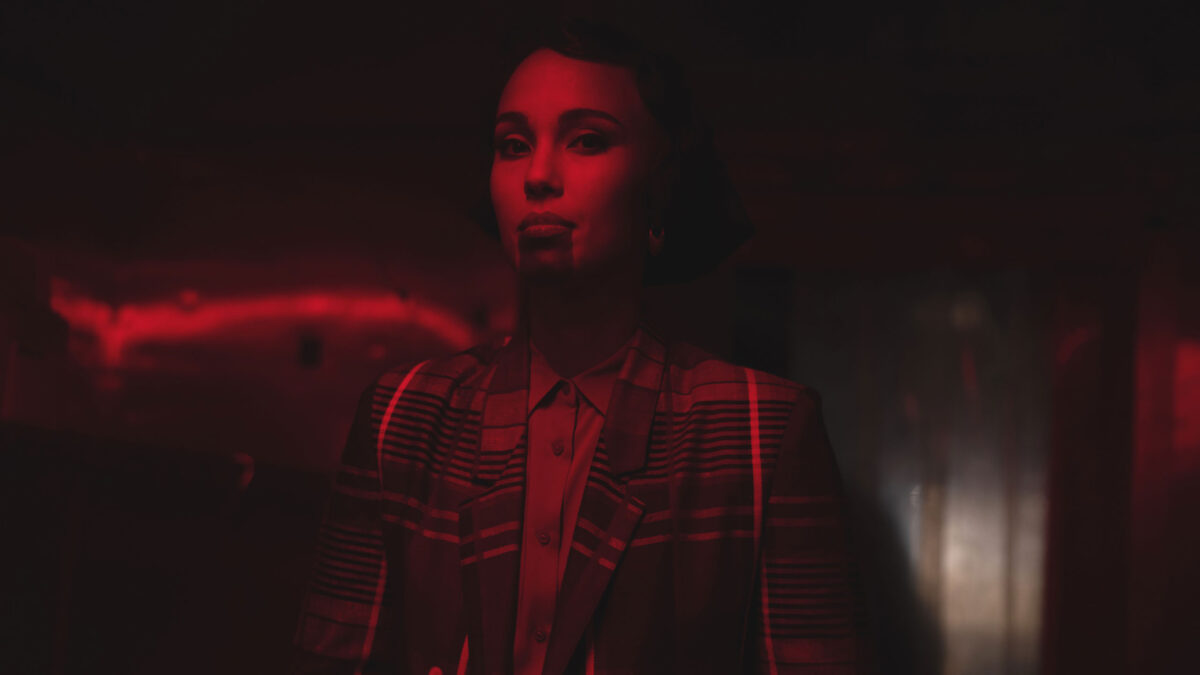
All aboard the Osiris! Kahil Joseph’s BLKNWS: Terms & Conditions is neither fiction nor documentary, which is exactly the point. There is a sense of freedom to its form and fluctuating moods and fugitive rhythms. BLKNWS is a time-leaping, narrative-braiding collage containing as much of the history of a people as the medium can, reminding us that cinema is still in its infancy, its possibilities boundless. “Do you even remember the future,” one character asks; and that answer, the film argues, must be actioned with style, which the late curator Okwui Enwezor defined as “a resistance to confine oneself to where circumstances say that you belong. It’s to go beyond that; to live with a sense of constant affirmation of the beauty of one’s own life, of one’s own possibilities.” BLKNWS, an archive of the vast riches of Black culture, is a remarkable embodiment of total style. — Nirris N.
40. My Undesirable Friends: Part One – Last Air in Moscow (Julia Loktev)
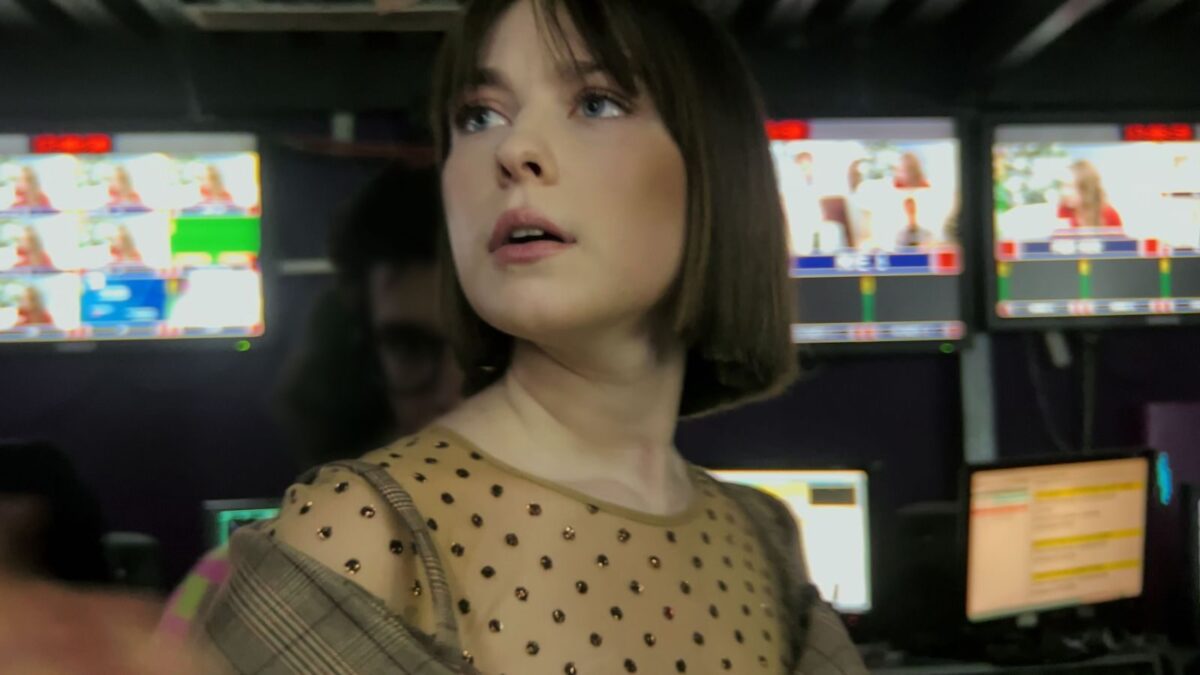
The 13-year break from Julia Loktev’s The Loneliest Planet left one fearing she’d given up filmmaking. She’s instead returned with one of the crucial documents of modern political history. Structured in five parts, My Undesirable Friends chronicles the swift decline from working within an authoritarian regime with slight room for real journalism to all its subjects having to flee Russia. The “friends” part of its title is crucial: shooting entirely on a phone, Loktev hangs out with TV Rain’s workers, most of whom are women, showing a real degree of trust and intimacy. Part two, which follows the crew into exile, is expected to premiere next year. — Steve E.
Read our interview with Julia Loktev
39. Die My Love (Lynne Ramsay)

Contrary to any world-building mythology, Lynne Ramsay’s comeback shows chaos born from chaos, with passionate wife and new mother Grace (Jennifer Lawrence, unparalleled) at the center of its genesis. Unyielding and animalistic in the way she processes the swap of her New York-based, promising writer’s life to a countryside stay-at-home mom, she becomes a conduit for all that’s repressed in the universe. A particular kind of Weltschmerz underscores Lawrence’s performance as she dances around her caring, albeit clueless husband’s (Robert Pattinson) caprice, and all we can do is anticipate the explosion: of feelings, of grief for a life unlived, of a love that can only consume that newly built world. — Savina P.
Read our interviews with Lynne Ramsay and Jennifer Lawrence
38. April (Dea Kulumbegashvili)
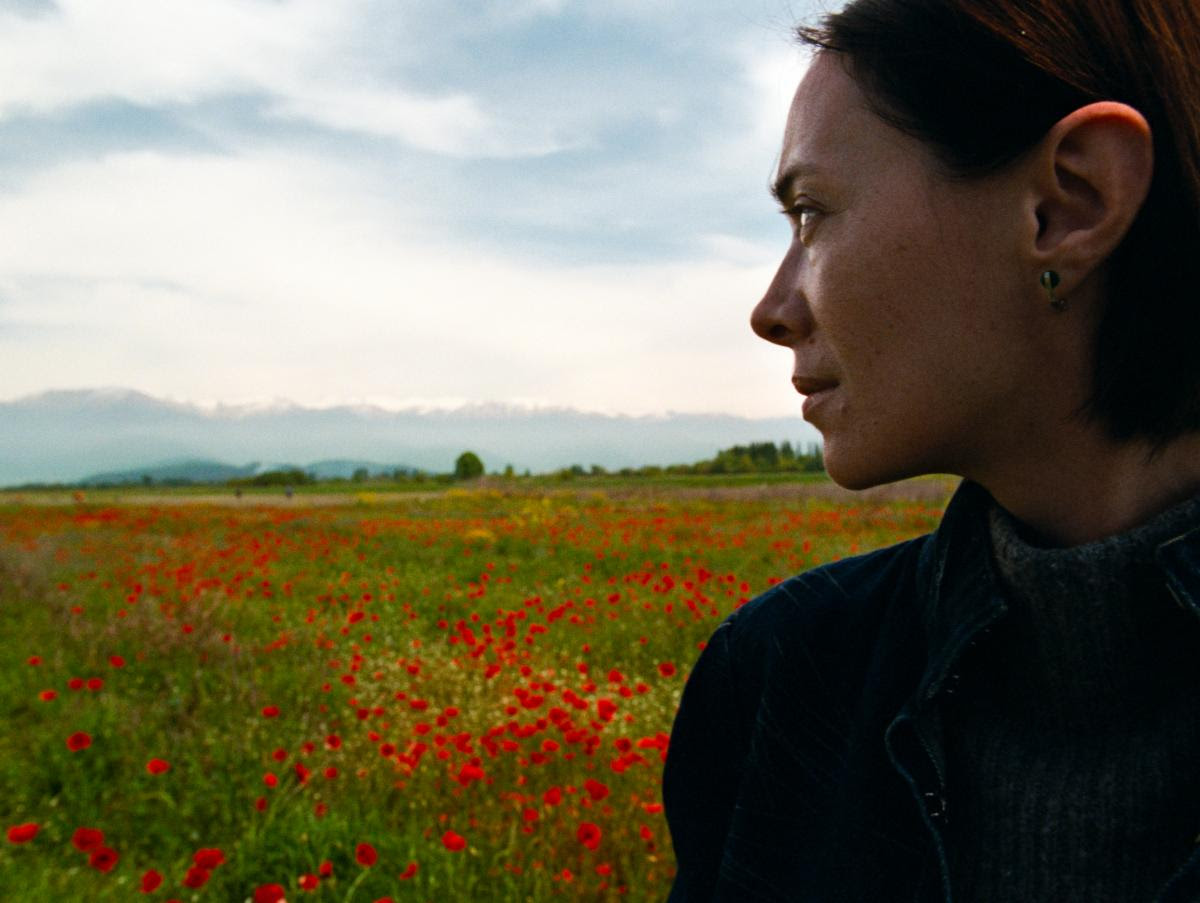
Dea Kulumbegashvili follows her unnerving, unforgiving debut Beginning with another film that balances quietness and carefulness through menacing energy. April‘s most startling happen, once again, with no words: in the night-driving sequences, some of the most breathtaking I’ve seen this decade, the camera swerves with a nervous erraticism that cuts the movie’s slowness and quietness like a sharp blade. Danger is lurking at every corner. Kulumbegashvili’s excavations of gender politics, the rifts between class and religious groups within Georgia, once again create an emotionally complex portrait of a nurse who performs anonymous abortions in rural villages and battles a lawsuit at her hospital. — Soham G.
Read our interview with Dea Kulumbegashvili
37. After the Hunt (Luca Guadagnino)
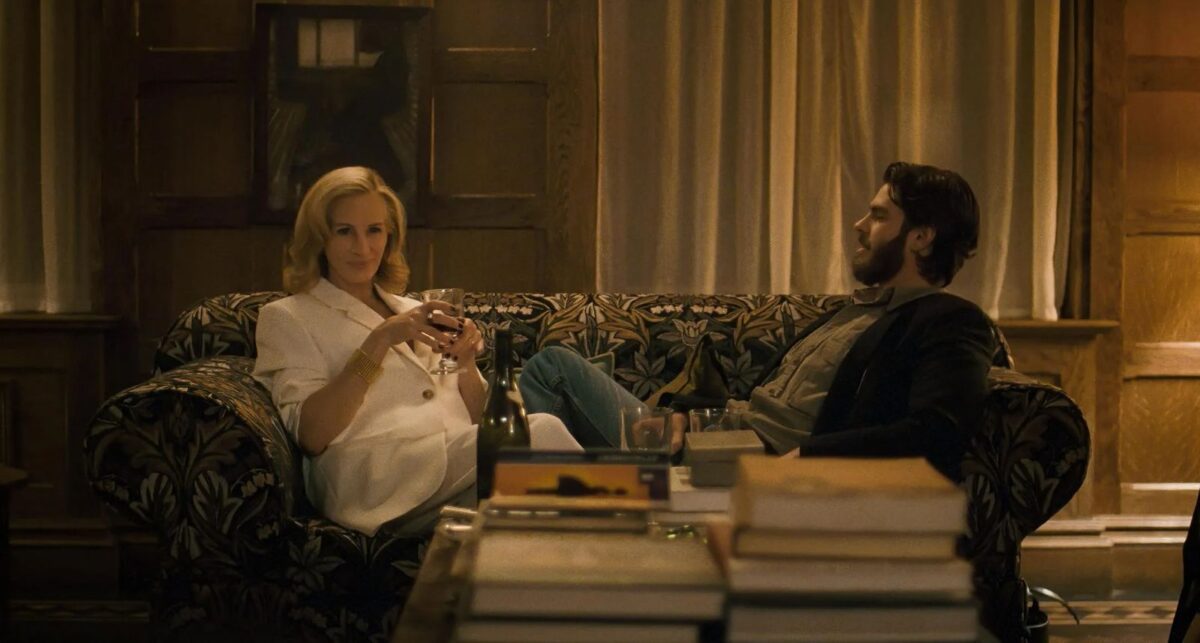
Luca Guadagnino’s uncommon ability to generate honest physical intimacy is turned against his protagonist, Alma Imhoff (Julia Roberts), a tenure-track philosophy professor knocked off-balance when her closest colleague (Andrew Garfield) is accused of sexual assault, activating her psychophysical fight-or-flight impulses. Far from the culture commentary it could have been (though it takes pointedly cynical turns), After the Hunt is a nervous-breakdown film in which our bodies are untrustworthy, bound for sabotage from inside and out. For Guadagnino, who has made bloodier films, this poses the real horror. — Scott N.
36. Hamnet (Chloé Zhao)

Chloé Zhao’s adaptation of Maggie O’Farrell’s novel operates in an emotional register that’s easy to ridicule. The premise itself is ripe for mocking: what if the death of Shakespeare’s son Hamnet was the direct inspiration for his play Hamlet? Yet there is so much quiet tenderness here, so much patient filmmaking. For me, the honesty behind any artifice worked like the most beautiful of magic tricks. Jessie Buckley stars as Agnes, while Paul Mescal plays her husband, William Shakespeare. These two young stars cannot be denied, and Zhao allows them to blossom within her frames. Some movies are about the right thing at the right time in a viewer’s life. Hamnet is that for me. Watching earnestly helped me. And for that I am grateful. — Dan M.
35. Sanatorium Under the Sign of the Hourglass (The Quay Brothers)
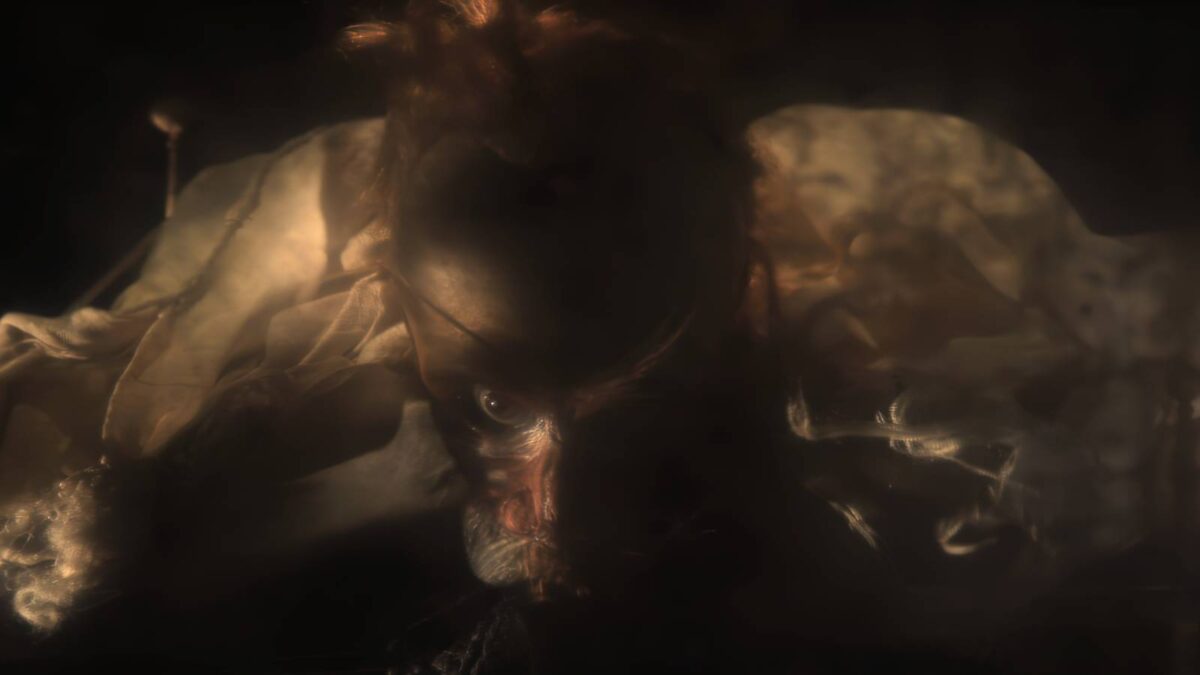
For the Quay Brothers, cinema is quite literally a toy. Characters peer from the physical realm into a world where rules and physics break, time bends into itself, and everyone is a bit character and at the whims of fantasy. A young man visits his father in a sanatorium, but upon arriving is told his father is still alive because time is warped and slowed herein. The camera lurks around corners and through keyholes and cracked doors, every room and crevice another realm or layer of reality like a Matryoshka doll. Everything is caked with dust and imagery distorted through all kinds of objects—warped glass, water, mirrors. The impressiveness of the Quay Brothers’ vision is as powerful as ever. When their camera dives into the machinery of their animated world, it drags one in fully and forces them to find their way through. — Soham G.
Read our interview with the Quay Brothers
34. You Burn Me (Matías Piñeiro)
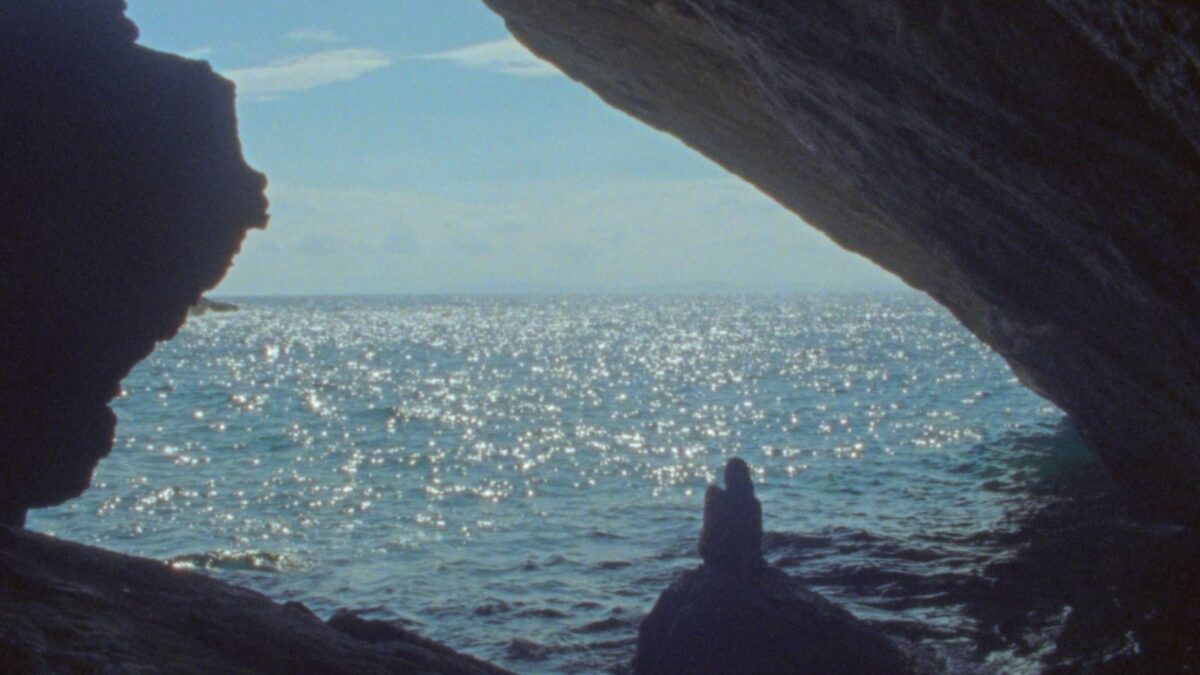
Film is a language. To shoot a screenplay is to translate it; to speak words is to interpret them. Cinema’s form and grammar have rarely felt as elastic as they do in Matías Piñeiro’s thrillingly playful new essay film, which takes up a slither of Cesare Pavese’s Sappho-centered writing as a prism for expanding larger questions of authorship, intention, and gender. A printed two-hander becomes many further dialogues—between Piñeiro and Pavese, between his performers, between the filmmaker and spectator. As we bid Godard adieu, it’s heartening to find an artist rearranging texts to similarly revelatory results. — Blake S.
Read our interview with Matías Piñeiro
33. By the Stream (Hong Sangsoo)
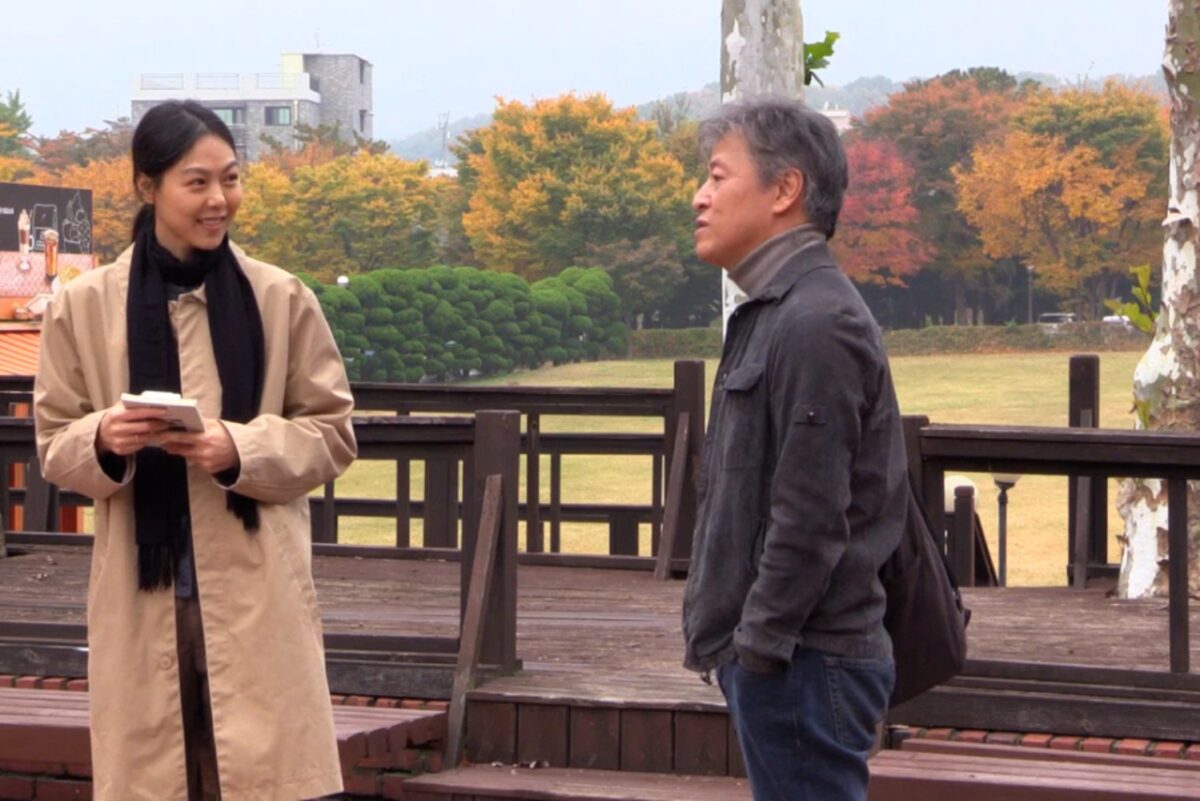
A quick summary might not suggest something of depth or retention. And one, of course, underestimates Hong at their peril. This is a film of constant recodification: tilting up to reveal an unassuming campus is backgrounded by a stunning mountain range, or going wide on a twice-seen location—what initially seems some idyllic shoreline—to announce its ugliness as an industrial site. Are they better or worse for newfound knowledge? Reshaped by gradual revelations of hurt or the sudden bursting-forth of heretofore unknown depths, are its characters? If Hong isn’t so much into structural gamesmanship lately, he can’t 100% extricate himself from a certain a-ha effect. I assumed the girls in the director’s (delightfully opaque) skit weren’t people of great feeling; but who on earth was I to do that, or be so surprised at a dinner that pivots into confession? While these are things anybody with enough knowledge of visual language and dramatic through line might achieve, when Hong does them it seems only he can do them. Even for one who’ll stick with his wonderful project to the end, By the Stream is a film to rejuvenate. — Nick N.
32. The Love That Remains (Hlynur Pálmason)
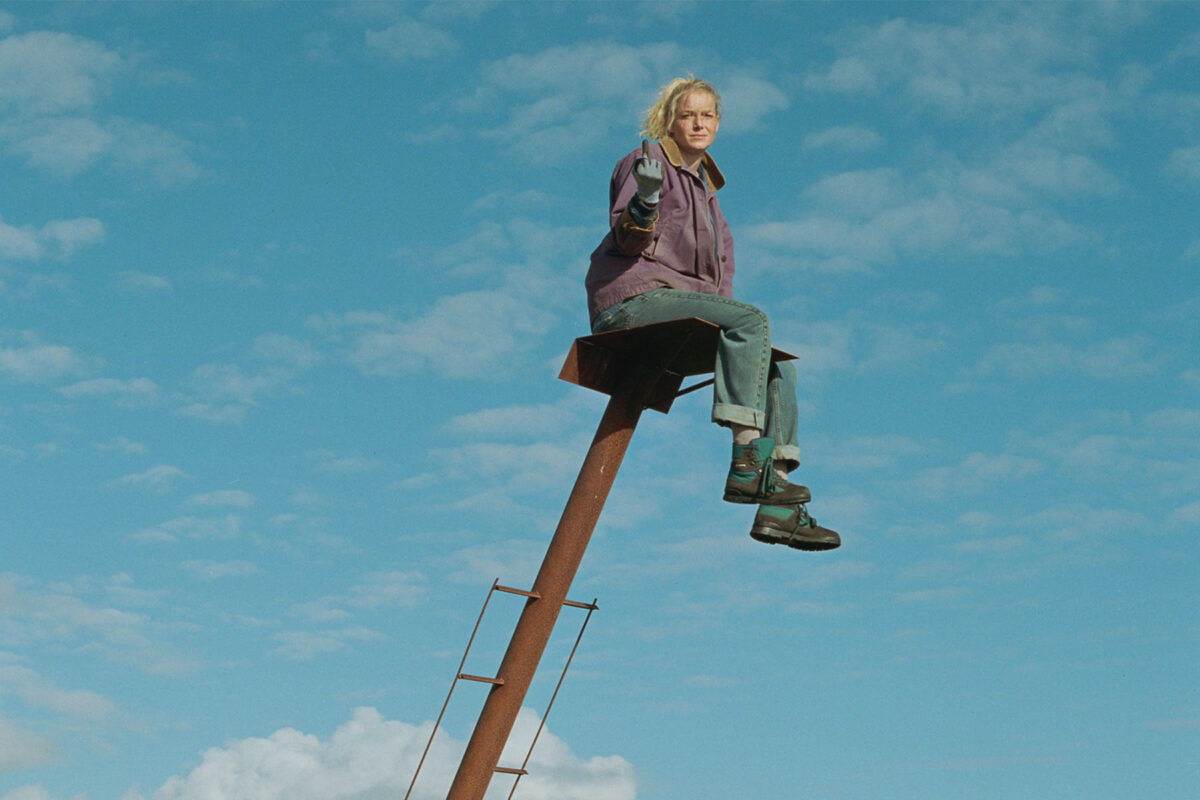
Imagine an Icelandic Sally Mann early in her career, desperate for attention from the high-art community. She lives off the land in a remote countryside and relies heavily on her five-person family to make her art. But instead of capturing her life with a camera, Anna writes with the extended duration of the sun; instead of silver-screen prints, she cuts and produces metal art that gestates spontaneously outdoors across entire seasons. Now, with all of that in the background, imagine a heartwrenching separation unfolding over a year’s time, one with three children at the center, clashing ideologies in tow, and well over a decade of resentment and remorse wrought by the laziness of a fisherman husband who hasn’t held up his end of the bargain in existential ambition or self-care. Hlynur Pálmason’s magnum opus (to date) is about exactly what it sounds like: the love that remains between ex-partners––in its shredded, preserved, bitter, adoring, simple, altogether impossible complexity––and the possible futures that can emerge. — Luke H.
31. Reflection in a Dead Diamond (Hélène Cattet & Bruno Forzani)
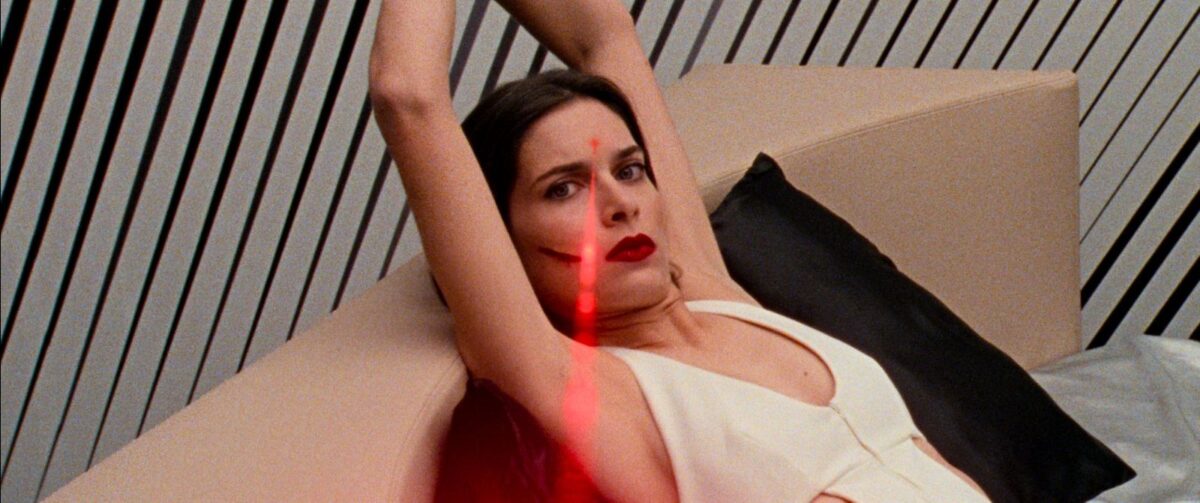
Who’s wondered about the demons lurking in James Bond’s subconscious? As they’ve done across their career, Cattet and Forzani probe characters’ reveries with European genre films from the ‘60s and ‘70s as the means. Their latest hits a new level of trippy weirdness where editing obliterates conventional storytelling. With lush colors and lighting, every single shot pops out, but they’re sutured to others in extremely unusual ways. — Steve E.
Read our interview with Hélène Cattet & Bruno Forzani
30. The Chronology of Water (Kristen Stewart)
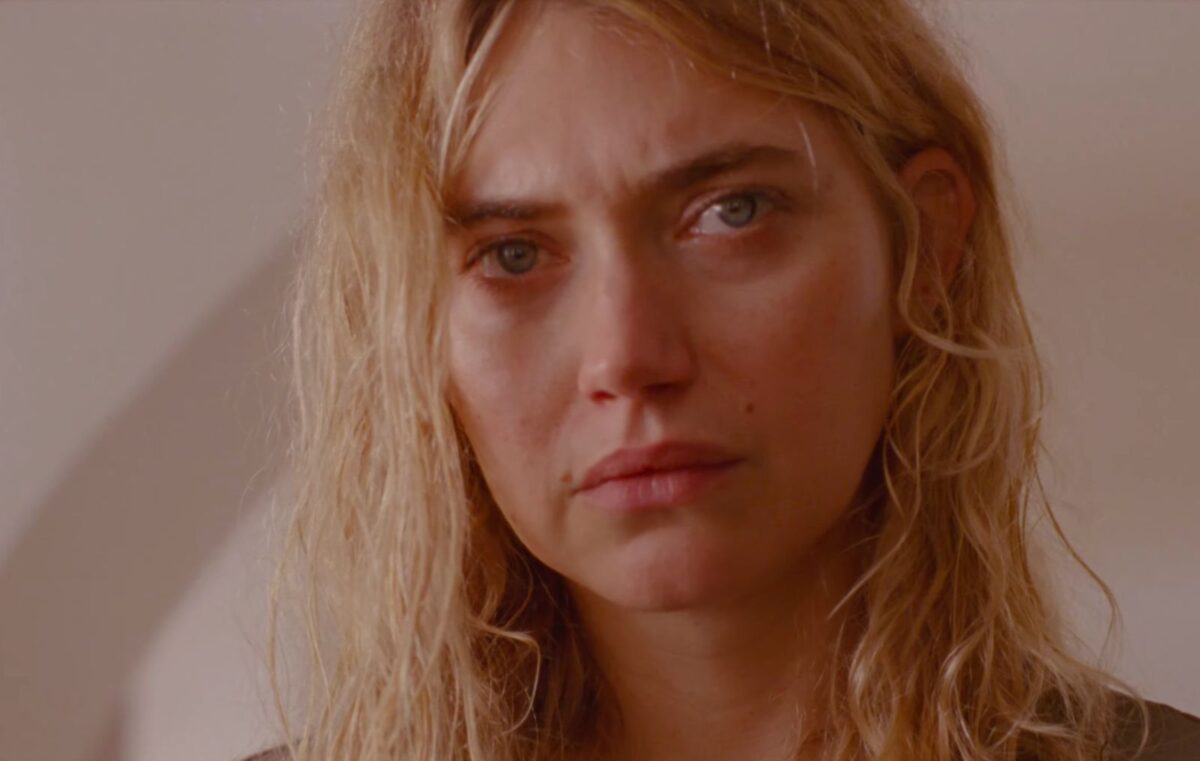
As a director, Kristen Stewart takes words and embodies them, carving each into the flesh of her filmmaking like scars. You can’t breathe underwater. The transfiguration of Lidia Yuknavitch’s memoir is a suffocating experience, keeping one under even as you think you might briefly come up for oxygen. By the halfway mark, Chronology may have induced dissociation. But you don’t look away, you don’t leave. You kick forward, stretching ahead. You reach the wall, break the surface, and breathe the air. Stewart’s staggering debut is more than catharsis—it feels and understands everything that leads to it. — Blake S.
29. Grand Tour (Miguel Gomes)
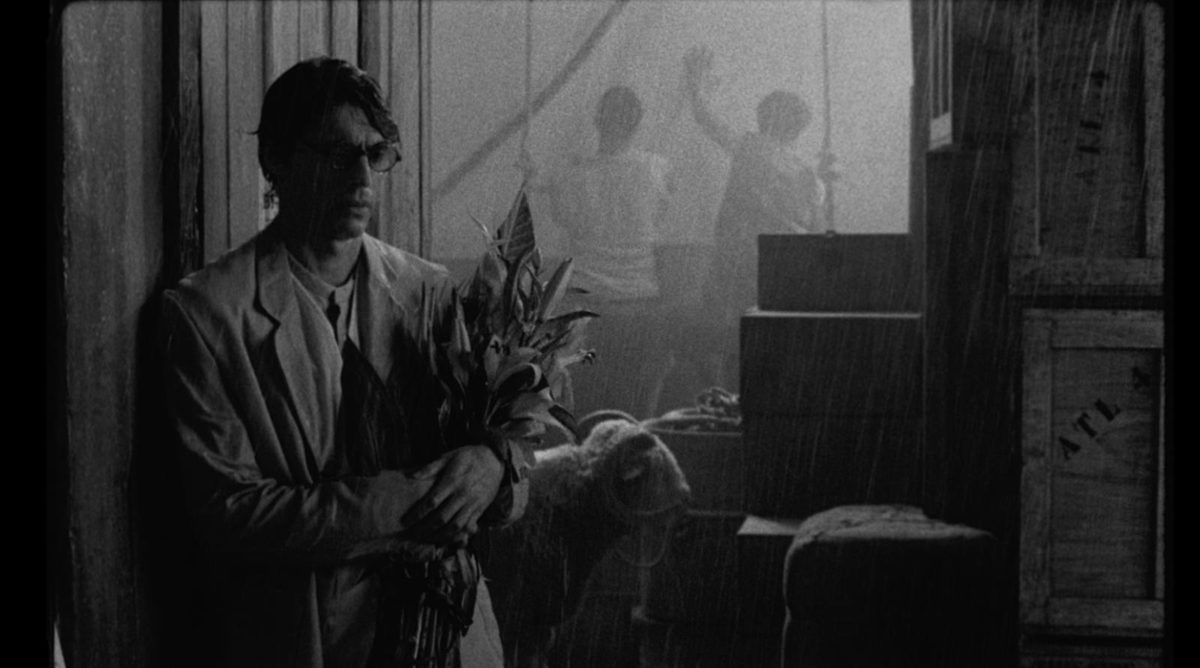
A film of bifurcated genius, Grand Tour tells of a runaway groom and the determined fiancée with an unforgettable laugh who chases him across the East. This duality extends to Gomes’ form, blending 1917 soundstage recreations with documentary footage of contemporary Asia. Guided by a haunting Babel of multilingual voices, the result is a mesmerizing travelogue that recalls the tradition of early cinema and, as shot on 16mm film, a visually stunning work that playfully indulges in Orientalist aesthetics while utilizing its polyphonic narration to satirize the colonial gaze, resulting in a truly idiosyncratic cinematic experience. — Frank Y.
Read our interview with Miguel Gomes
28. Peter Hujar’s Day (Ira Sachs)
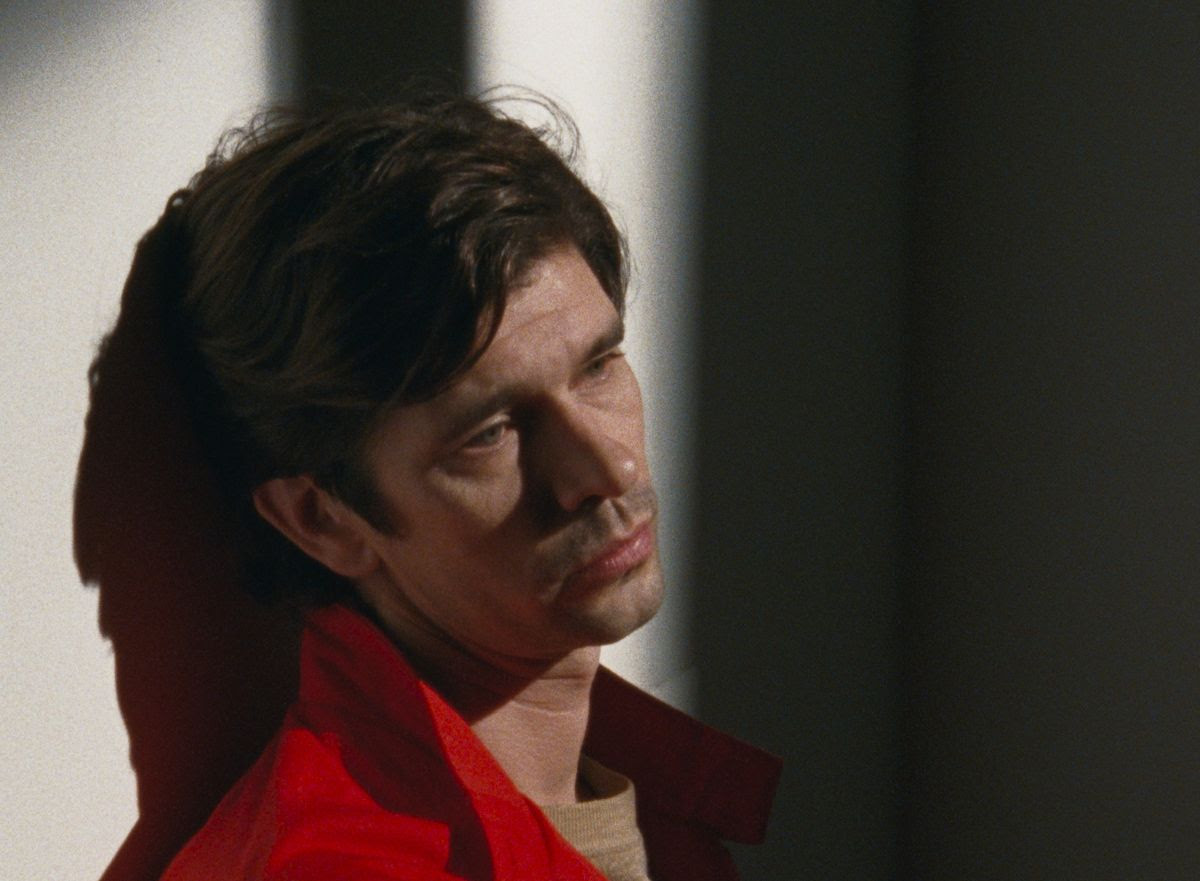
A dramatization of Linda Rosenkrantz’s written account of portrait photographer Peter Hujar’s verbal account of his previous day in December 1974—Peter Hujar’s Day is highly metatextual in its look back at a pre-AIDS NYC art scene, bustling with friends dropping in on one another for a quick chat. Whether worrying about a friend who’s addicted to junk food or complaining that painter Ed Baynard keeps him on the phone for long stretches, Ben Whishaw’s performance as Hujar highlights the rare ability to get at someone’s whole essence with single observations. It’s a pleasurable, intimate two-hander between Whishaw and Rebecca Hall’s Rosenkrantz), and at 76 minutes, carries immense rewatchability. –– Caleb H.
Read our interview with Ira Sachs
27. Nouvelle Vague (Richard Linklater)

Richard Linklater’s recreation is less an admiration of the artist as singular genius than a vision of the artist as buffoon, charlatan, slacker, and ultimately, product of his contemporaries. Guillaume Marbeck brings an impressive portrayal of Jean-Luc Godard, nailing his uncanny brand of charisma and opacity, but there were a number of other characters involved in Breathless who work their way into this story and help it come alive. There have been jokes about this—pointing to the “chicken jockey”-style cameos of Robert Bresson and Jacques Rivette in a Netflix release—but something is undeniably exciting about the way Linklater depicts Cahiers du Cinéma‘s offices, the fast and scrappy shoot days, and Godard’s strangeness: it feels both energizing and alive to the powers of cinema. –– Samuel B.
Read our interview with Richard Linklater
26. Magellan (Lav Diaz)
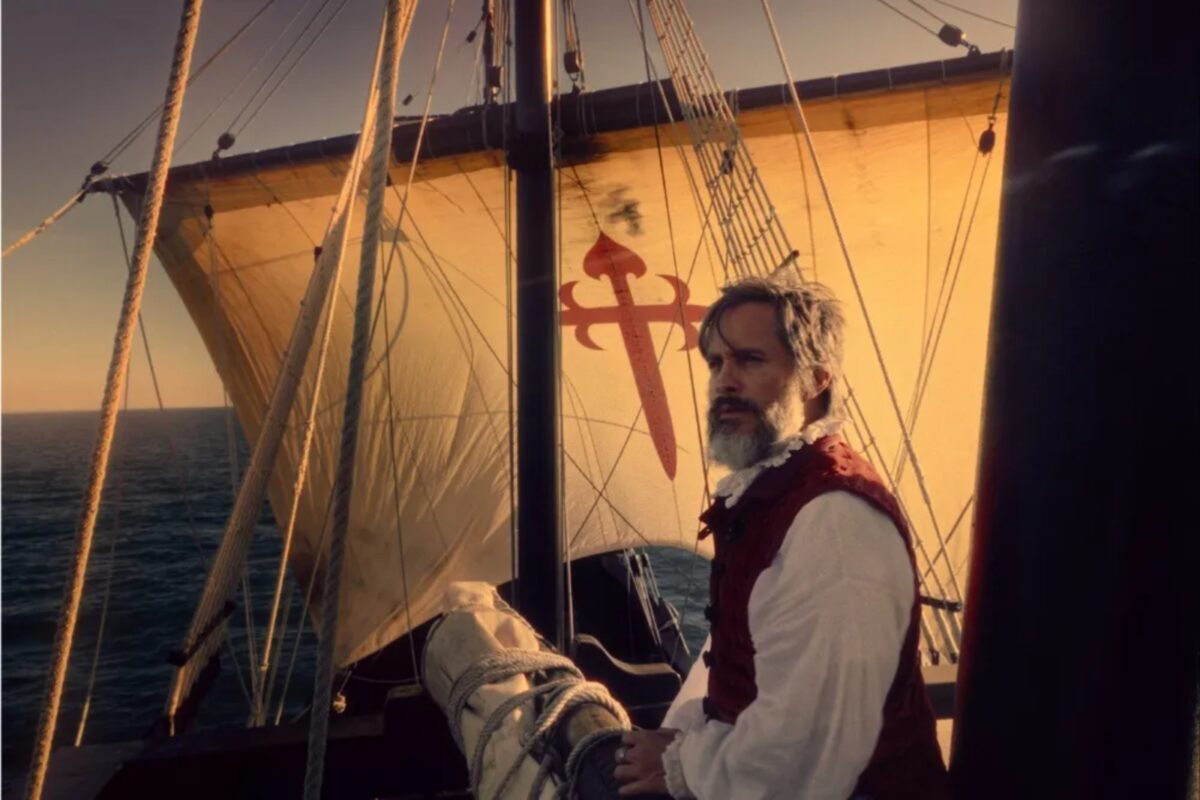
With a Western star at the center and a breezy runtime of 163 minutes, it’s easy to label Magellan Lav Diaz’s most “accessible film.” If you’re a diehard, however, it’s clearly the thing he’s worked towards his entire career. Amidst a corpus dedicated to excising the demons of a country without an identity and brutally colonized many times over, he finally turns his attention to the Philippines’ original sin. Ever the shit-stirrer, Diaz spits on the myth of Ferdinand Magellan and paints him as he was: a weak, pathetic man who stumbled his way into destabilization, all the while castigating us for wanting to see it. It’s no accident that Magellan begins with an indigenous woman being startled by an offscreen noise, staring into the camera, screaming, and running away: even the prying eyes of “compassion” are complicit, and Diaz lets you know it. –– Brandon S.
25. 28 Years Later (Danny Boyle)
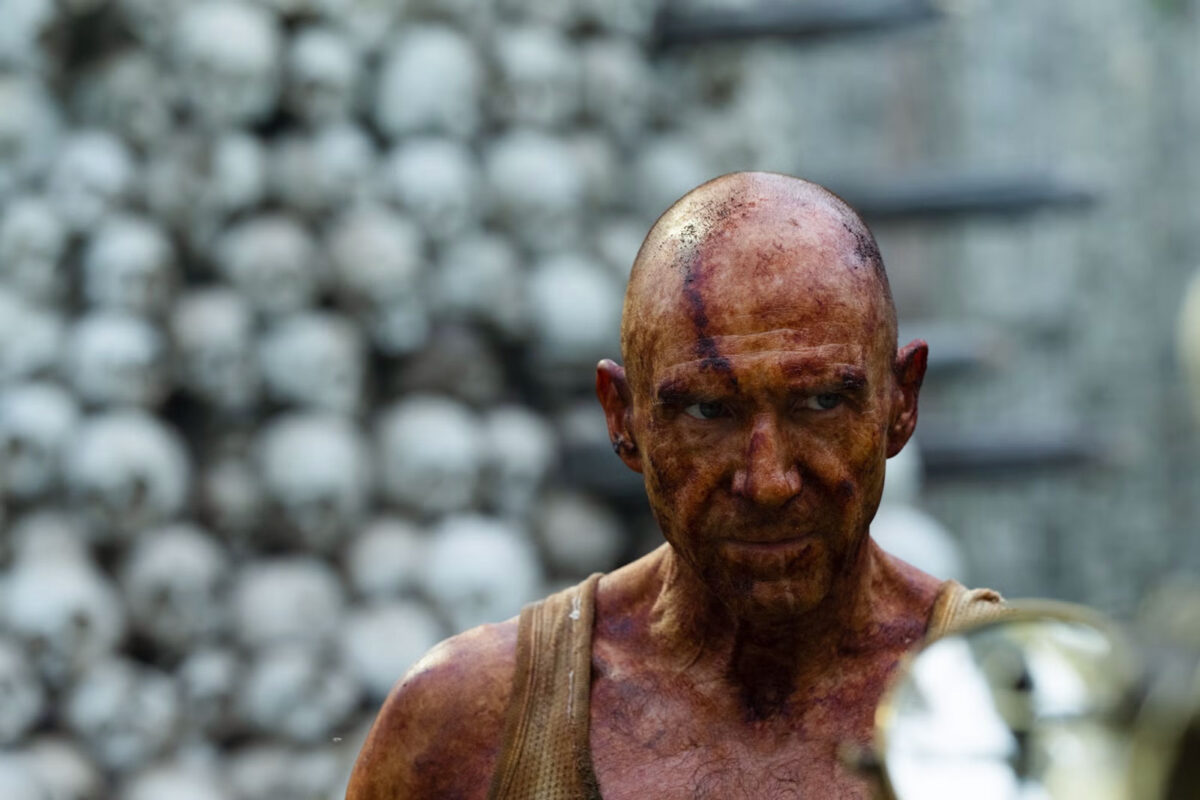
Nobody had super-high expectations for another legacy sequel, especially one coming from Danny Boyle, who hadn’t exactly been firing on all cylinders for quite some time. Yet 28 Years Later ended up among the biggest surprises of this year, and amongst its very best films. Not just a formally audacious work full of one beautiful or bizarre image after another, but one of big tonal risks, each pulled off, where a heartbreaking acceptance of death and a zombie’s hanging wang all take place within minutes of each other. — Ethan V.
Read our interview with Anthony Dod Mantle
24. Sentimental Value (Joachim Trier)
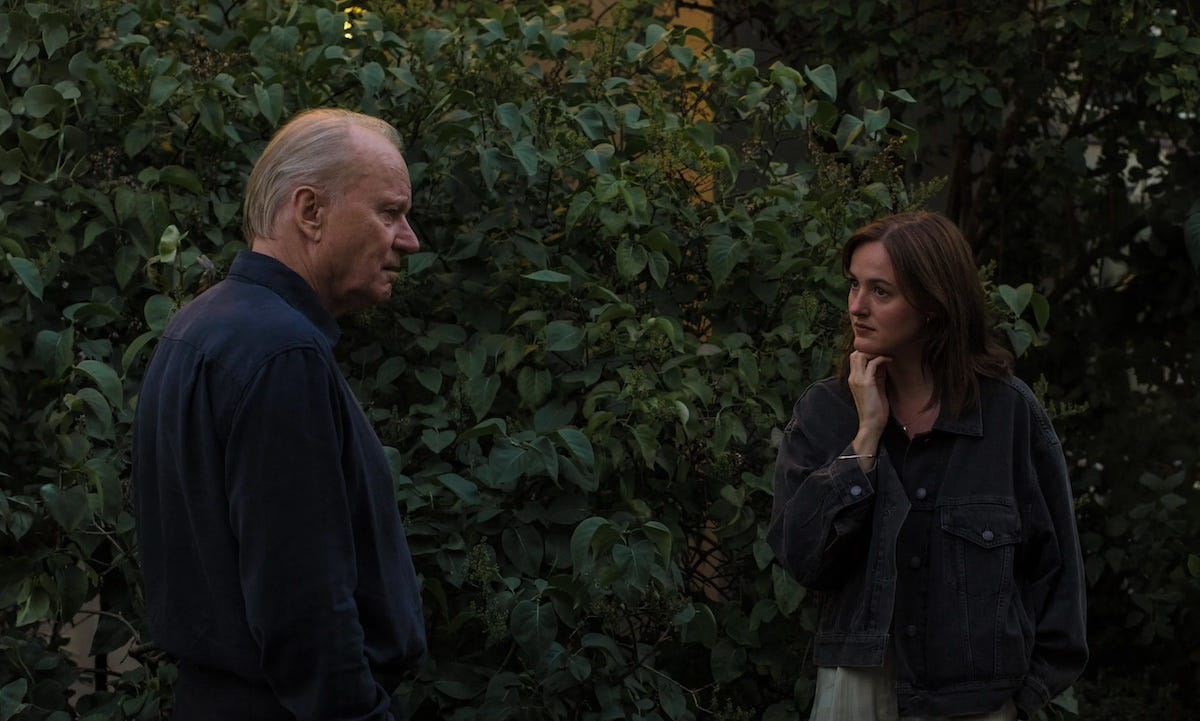
There is a haunting, anxious pulse inside the heart of Sentimental Value, a movie preoccupied with the way parents shape us in their absence and teach us forgiveness in their clumsy bids for reconnection. It ticks a few beats faster when a legendary filmmaker (Stellan Skarsgård) returns to his generational family home for his ex-wife’s funeral and tries salvaging a relationship with his two estranged daughters (Renate Reinsve and Inga Ibsdotter Lilleaas). Using a light, dexterous, tender touch, Joachim Trier remains sensitive to life’s heaviness and absurdities, and the transcendent ways art might help us understand them. — Jake K-S.
Read our interview with Stellan Skarsgård
23. Father Mother Sister Brother (Jim Jarmusch)
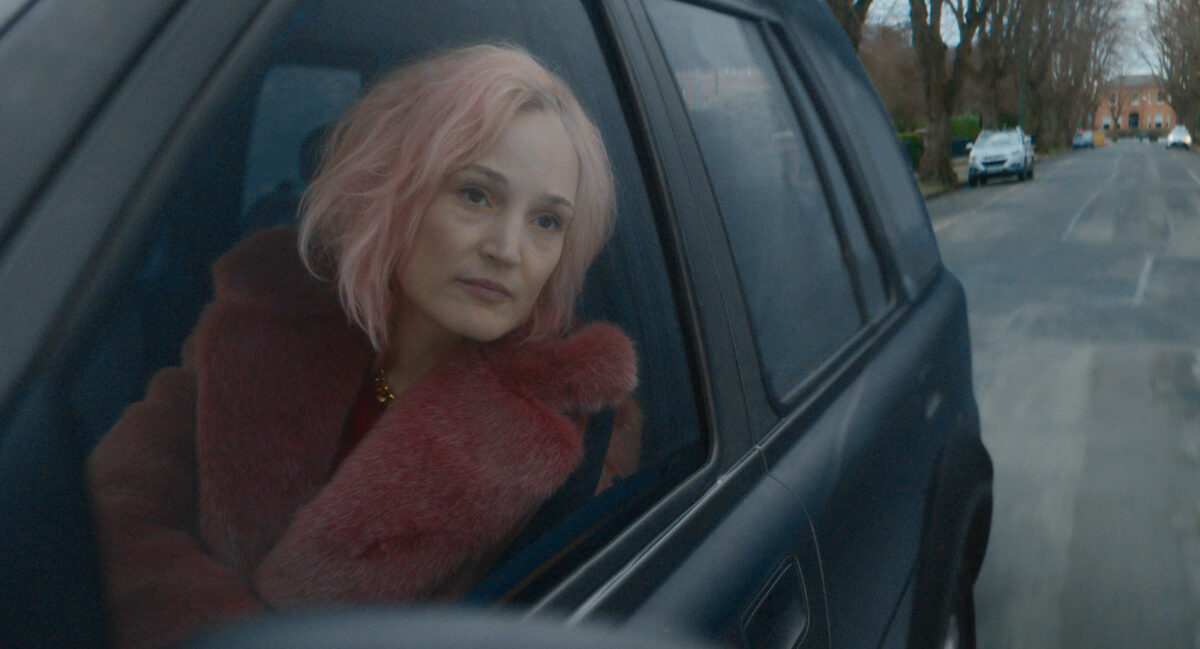
At first glance, Jim Jarmusch’s Father Mother Sister Brother seems a film where nothing happens—a criticism thrown at his work for decades. Three different stories, each set over a single day during a family reunion under less-than-ideal circumstances, none providing any real sense of resolution to the conflicts barely masked by each family’s pleasantries. But Jarmusch finds something extraordinary in the seemingly banal: his sharp writing and strong ensemble imply multitudes of resentments, open wounds, and scars between parents, children, siblings. Jarmusch lets us use our own familial experiences to read between the lines of these tense relations before his moving, cathartic close reminds us that bonds can strengthen and heal as much as they stretch and strain. — C.J. P.
22. Black Bag (Steven Soderbergh)
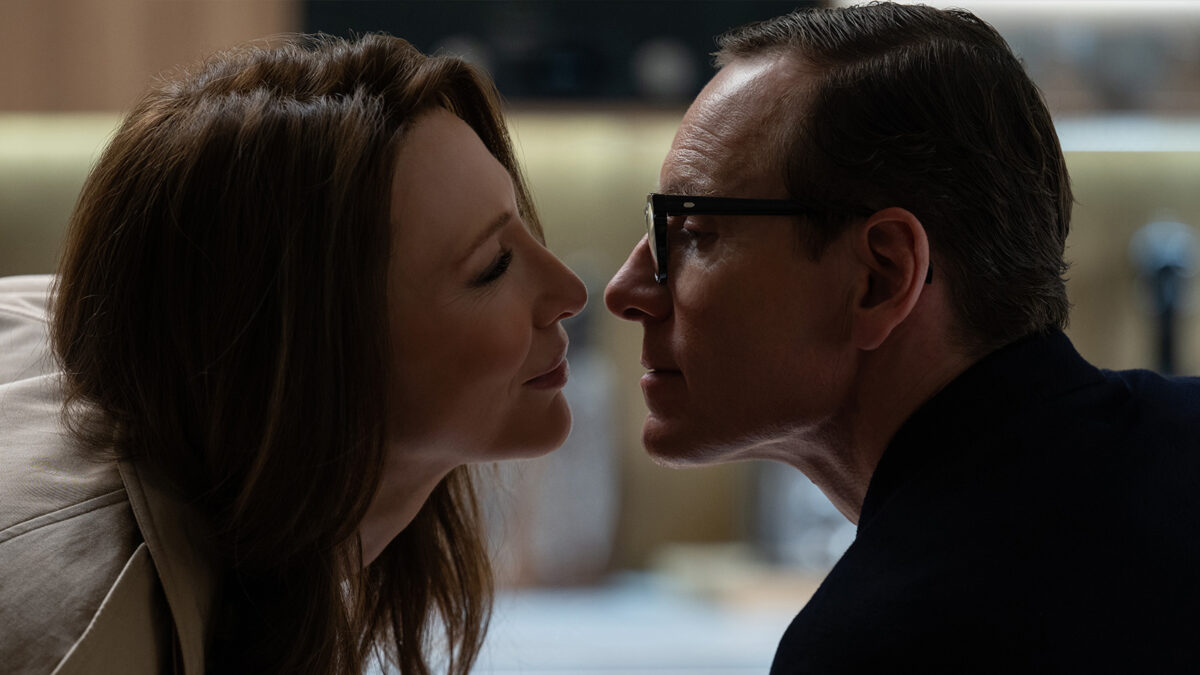
Steven Soderbergh’s Black Bag combines sex and wordplay to achieve its thrills. Featuring a knockout ensemble of British supporting actors alongside Michael Fassbender and Cate Blanchett, the adult drama spins treasonous spies into Sherlockean detectives, dinner parties into confessionals, and conversations into violence. Soderbergh explores honesty and loyalty with a group of dishonest adults intermingled and pushing past professional and personal boundaries. It takes place in small rooms with wine glasses on tables as these spies attempt finding out which of them is a traitor. It’s a delicious film to experience, one whose actors have tangible chemistry and excitement comes from the metaphorical (or physical) twist of the knife. — Michael F.
21. Sound of Falling (Mascha Schilinski)
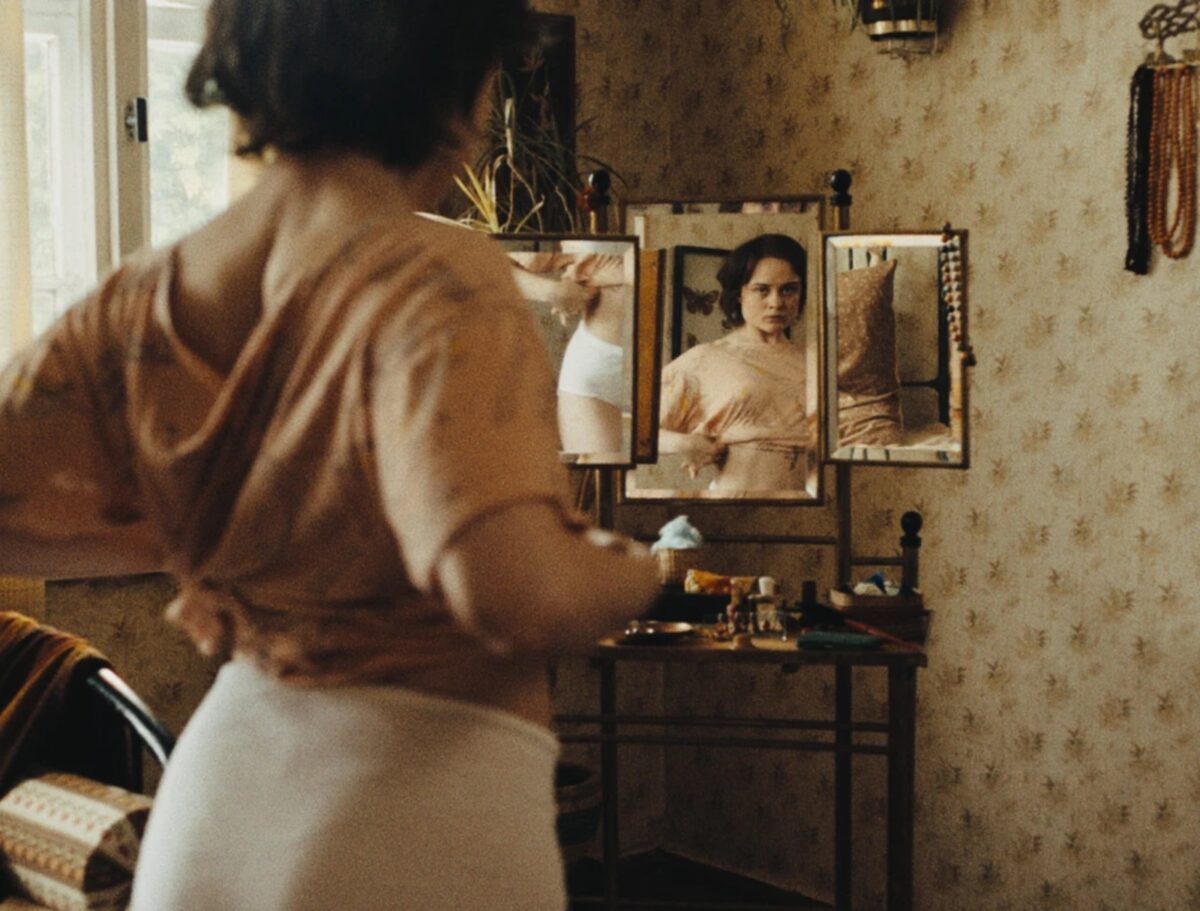
One of the most astonishing films of the year unfurls entirely in and around an old farm in Northern Germany. Yet none of it feels claustrophobic. Mascha Schilinski’s second feature is an extraordinarily ambitious and expansive work: a cross-generational portrait of a house that swells into a much larger chronicle of Germany across her tumultuous 20th century. But Schilinski, aided by cinematographer Fabian Gamper and editor Evelyn Rack, isn’t so much concerned with the memories of her characters as evoking what it feels like to remember them. It sinuously moves across different eras over long, unbroken Steadicam sequences: a shot might begin by dogging a character in pre-WWI Germany only for the camera to sneak out of a room and into another and catapult us decades into the future. In a lesser work, such technical wizardry might have registered as ostentatious; in Schilinski’s, the film’s form suggests a stupefying ghost story. I can’t wait to see what she’ll come up with next. — Leonardo G.
20. Weapons (Zach Cregger)
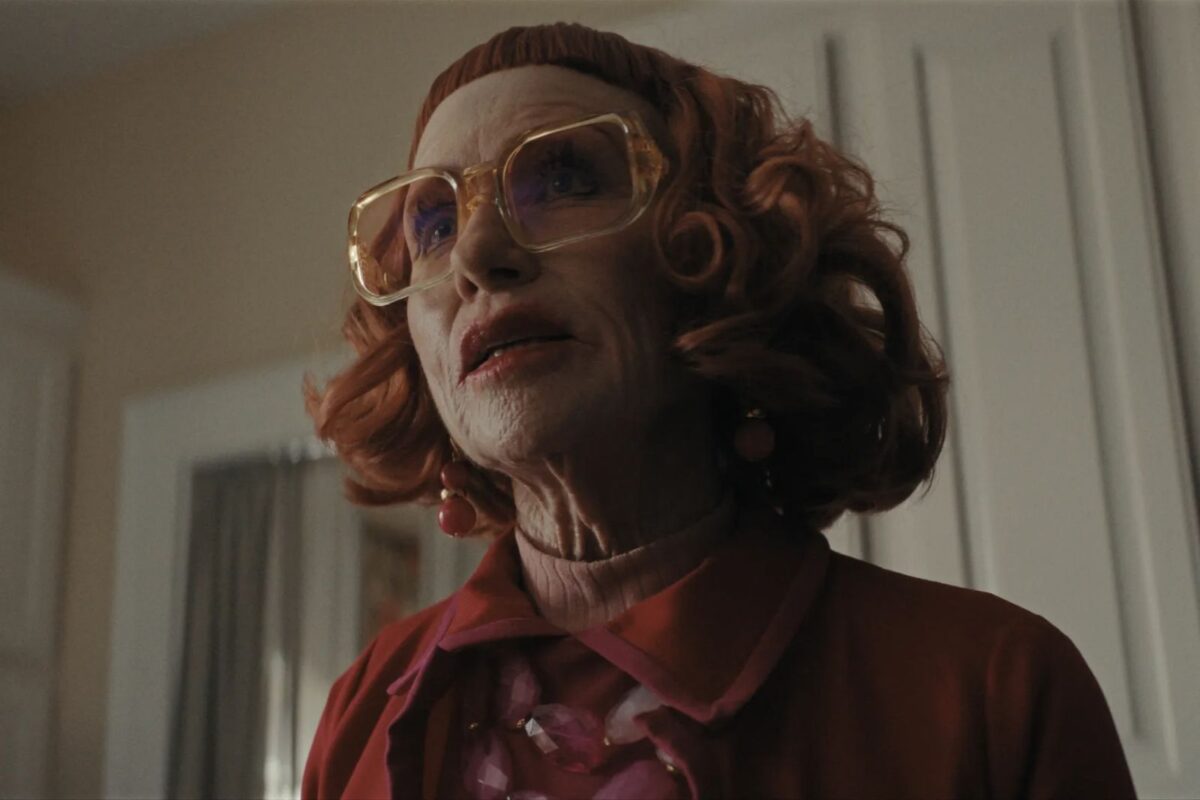
Call it lowbrow, call it silly: Zach Cregger’s missing-children mystery is so effectively put together—so intensely, relentlessly entertaining—it reminds you of the pure thrill of moviegoing. With its puzzle-like structure that reveals the big picture piece by spooky piece, the screenplay captivates as it builds towards a gloriously mad ending that’s to die for. Amy Madigan delivers one of the year’s standout performances as Aunt Gladys, a flamboyant-turned-frightening creation that anchors the tricky tone. Horror gets no respect, but once the dust has settled, the image of kids running blindly down the moonlit street, arms outstretched like missiles in flight, may well outlive many a celebrated work of the season. — Zhuo-Ning Su
19. Eddington (Ari Aster)
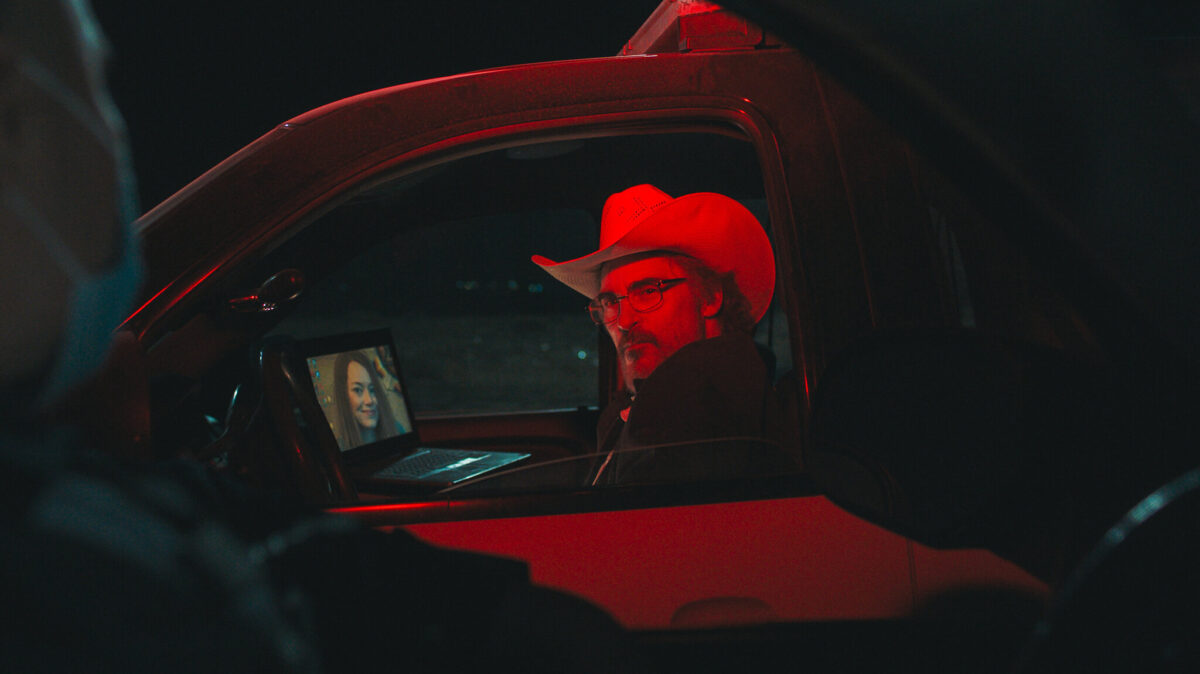
In the ’80s, a professor instructed David Foster Wallace to set his writing in the Platonic Always and never in the Frivolous Now. This would keep the work from becoming dated and, more importantly, keep it from annoying older readers who already were. Eddington is to the Frivolous Now of the 2020s as Don DeLillo’s White Noise was to the FN of the 80s—it’s not a pending monument to passing trends, but the defining portrait of a volta in human events. Aster’s Eddington is Balzac’s Paris; it’s Dostoyevsky’s St. Petersburg; it’s the truth of our fragile, fractal moment—writ large, plain to see. — Gideon L.
18. If I Had Legs I’d Kick You (Mary Bronstein)

An odyssey into the dark depths of a distinctly feminine depression, Mary Bronstein’s If I Had Legs I’d Kick You also serves an achingly honest depiction of modern American motherhood. Rose Byrne plays a married woman who seems completely alone in raising her daughter, barely holding together her personal and professional life in the process. Though best-known for comedy work, Byrne gives a career-best performance as a woman who desperately needs a laugh in a world that seems to see her as one big joke. With a supporting cast that includes Conan O’Brien, Christian Slater, and A$AP Rocky, If I Had Legs I’d Kick You is a weird trip fully at ease with its own darkness. — Jourdan S.
17. Train Dreams (Clint Bentley)
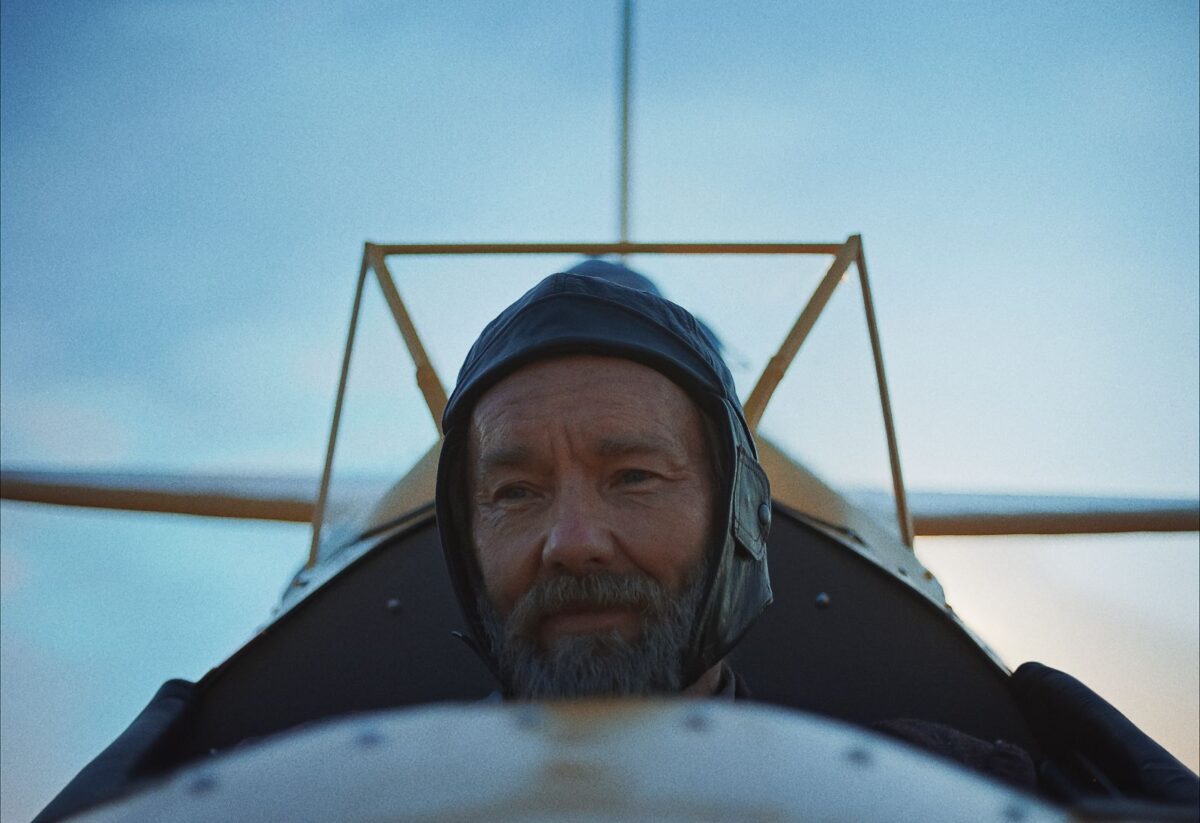
A meditative reflection on continuing to live life in the face of unknowable grief, Clint Bentley’s quietly humane Train Dreams manages to distill Robert Grainer’s life to a series of impressionistic scenes. As a logger at the turn of the 20th century, Joel Edgerton’s Grainer is forced to confront a rapidly evolving world as he struggles to reconcile the pure love felt for his wife and daughter with a world that seems hellbent on keeping them apart. Through Will Patton’s narration, much of which is taken directly from Denis Johnson’s novella, Bentley and co-writer Greg Kwedar highlight Grainer’s capacity to endure and the ways in which even small human connection can keep us going. With standout performances by Egerton, Felicity Jones, and (in a single scene) Kerry Condon, Train Dreams teems with restrained emotion at almost every moment. — Christian G.
16. Blue Moon (Richard Linklater)
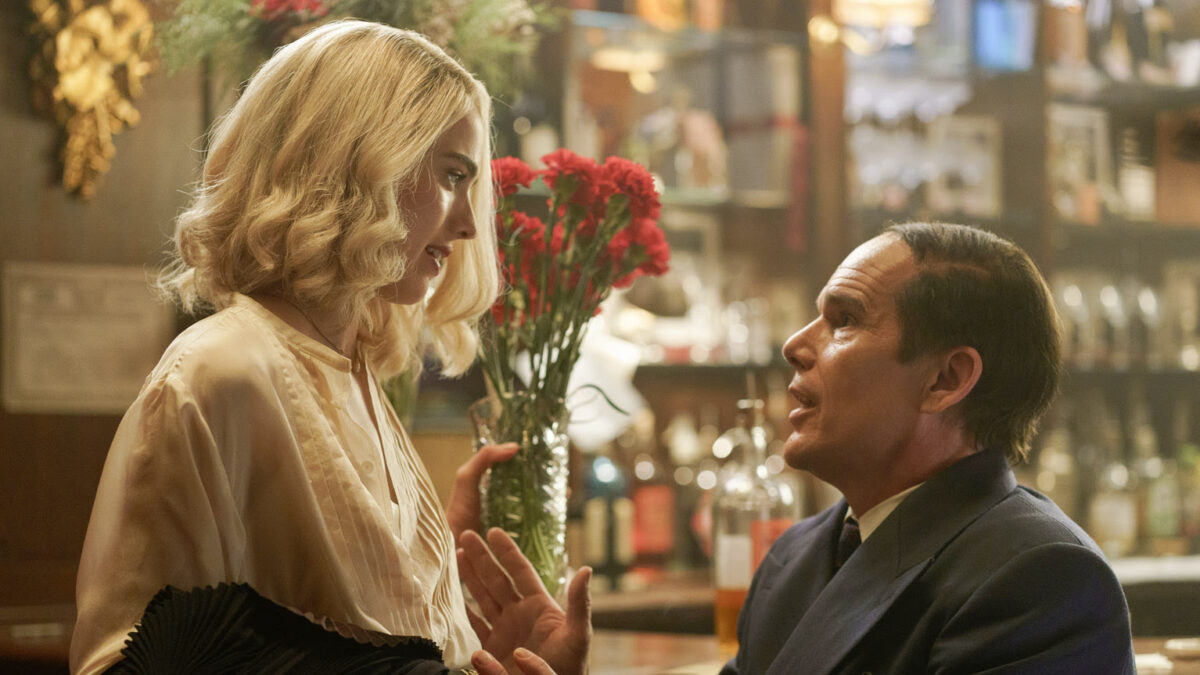
Ethan Hawke captures self-loathing lyricist Lorenz Hart with uncanny precision in Blue Moon, Richard Linklater’s look at the puzzles and perils of creativity. Hart knows people don’t like him, but can’t stop driving them away, all the while self-medicating his bitterness with alcohol and insults. Linklater’s grasp of intimate period details and inside jokes is just as strong here as in Nouvelle Vague, but the pain of being condescended to has never seemed so personal. Yet everyone here is trying, in his or her own way, to be kind to Hart, who will be dead in a matter of months. — Daniel E.
15. Eephus (Carson Lund)
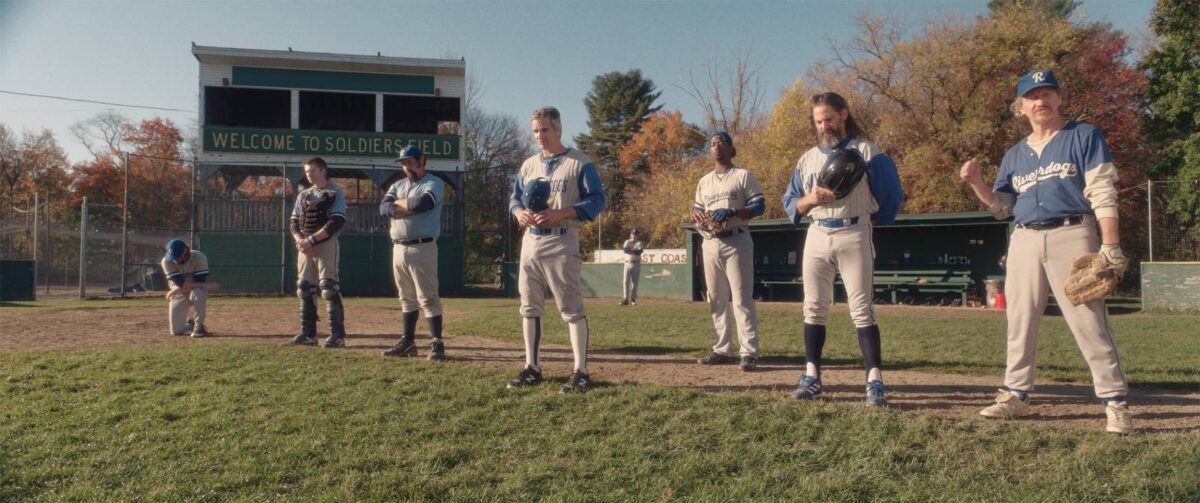
A simple set-up––the final baseball game for a baseball rec league––provides the thematically sprawling canvas for a quintessential American tale of camaraderie, triumphs, and regrets in Carson Lund’s remarkable, relaxing debut Eephus, a hangout movie for the ages. Michael Basta, Nate Fisher, and Lund’s script is an observant, humorous ode to the country’s pastime, but also a bittersweet letting go as life’s pleasures start waning with each passing year (or inning). Featuring an ensemble exuding a charming sense of lived-in, motley passion, this is a timeless first feature that feels far beyond its years. — Jordan R.
Listen to our interview with Carson Lund
14. The Secret Agent (Kleber Mendonça Filho)
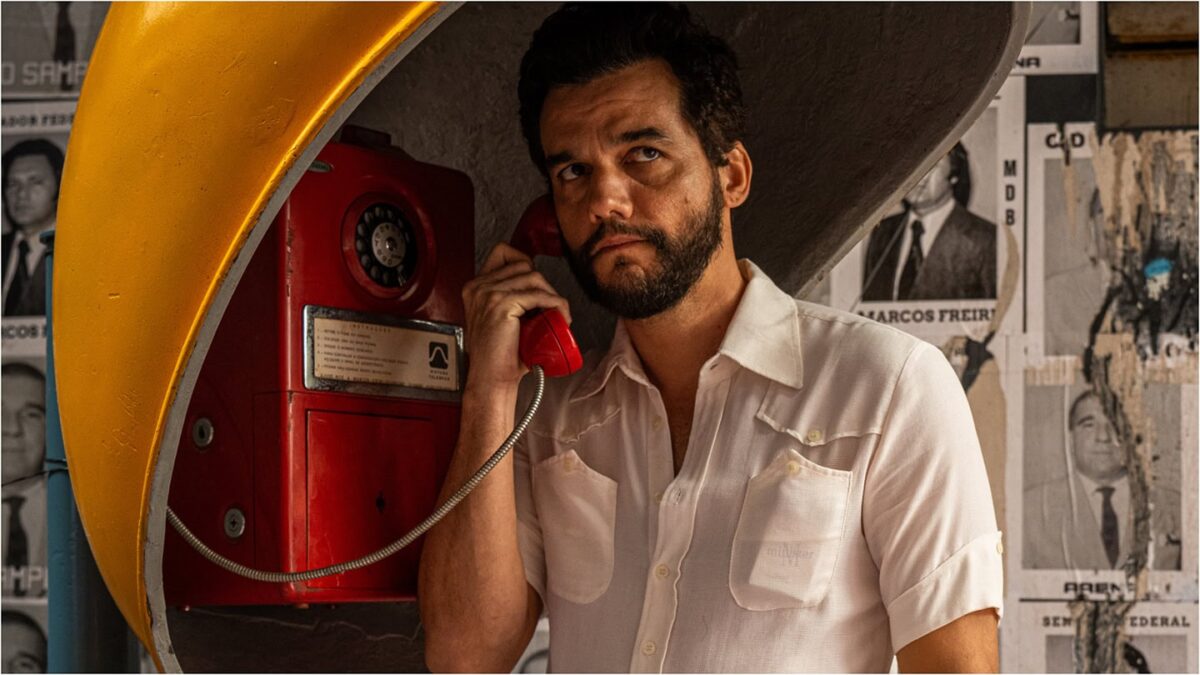
The Conradian title conjures up expectations of espionage, surveillance, and violent action. But Kleber Mendonça Filho delivers far more in his immersive portrait of life under Brazil’s military dictatorship. It isn’t all doom and dread for leading man Wagner Moura: 1970s Brazil explodes in colorful, enveloping detail in Mendonça Filho’s memory piece brimming with fascinating characters and their stories, urban legends half-remembered, even an intrusion from the future that reframes the past. The Secret Agent stands as Mendonça Filho’s culminating magnum opus. — Ankit J.
Read our interview with Kleber Mendonça Filho
13. No Other Choice (Park Chan-wook)
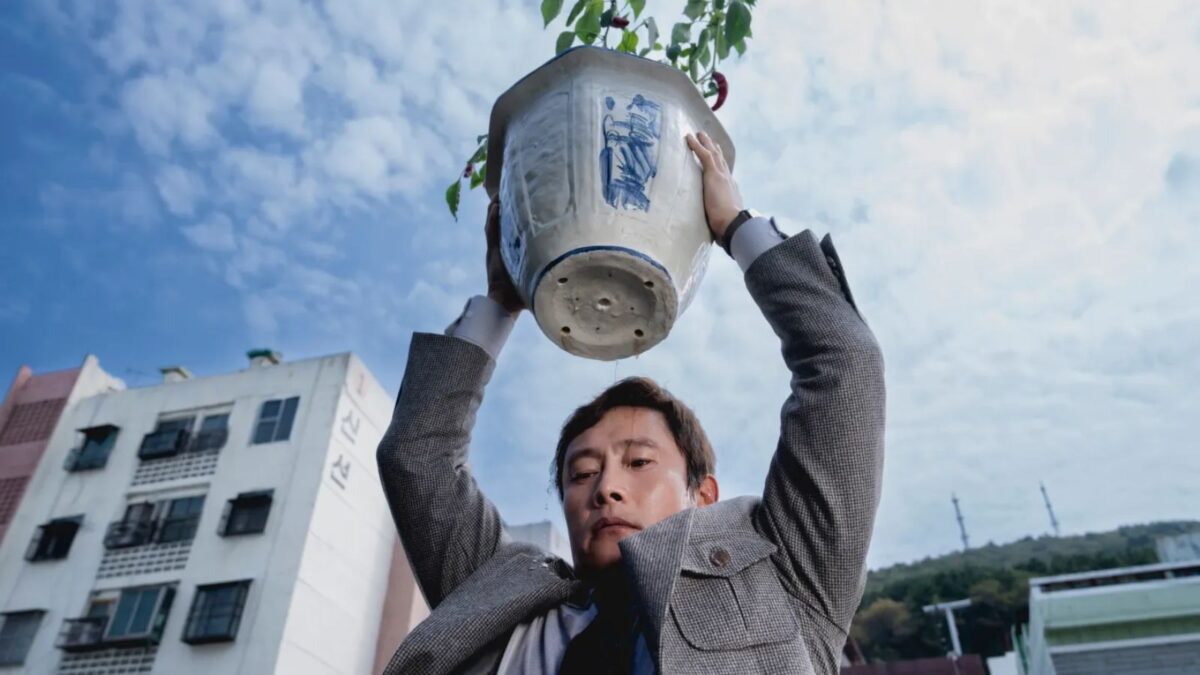
Park Chan-wook directs No Other Choice with thrilling rage—no surprise coming from the director of the legendary Oldboy. What’s different this time is a ripped-from-the-headlines feel that is oh-so-2025. The failure of employers to properly protect and compensate workers, the threat of AI, and the erasure of the individual are clearly issues as pressing in South Korea as they are in North America; it’s doubtful any filmmaker has tackled these matters with so much verve, innovation, or chutzpah as Park. The performances of Lee Byung-hun, Son Ye-jin, and the rest of the cast must also be acknowledged, as well as the bold screenplay based on Donald Westlake’s novel The Axe. In Park’s hands, No Other Choice is nothing less than a masterpiece. — Christopher S.
12. Marty Supreme (Josh Safdie)
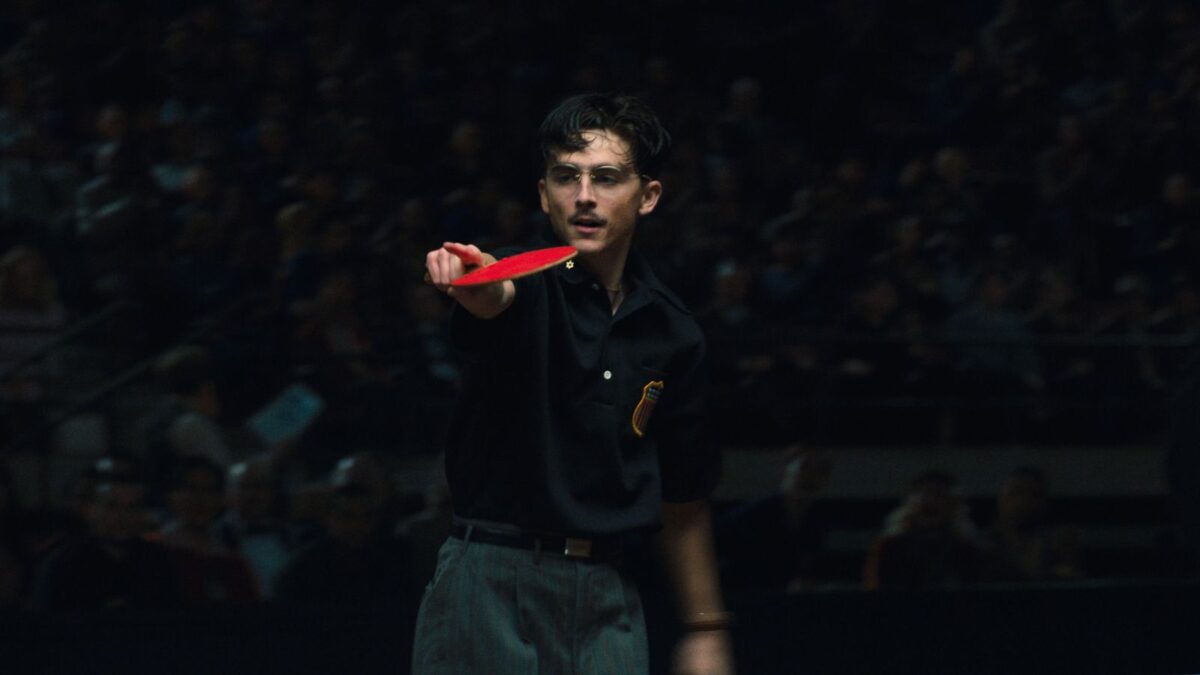
Marty Mauser has a dream that no one understands, and he’ll do just about anything to achieve it. In Josh Safdie’s picaresque coming-of-age film, that means becoming a ping-pong world champion; but such dangerous determination easily extends to any creative pursuit, be it filmmaking or celebrity. Safdie, alongside co-writer/co-editor Ronald Bronstein, captures the freewheeling nature of a spirit that cannot be suppressed in spite of naysayers, practicality, or half a dozen laws. Eventually, however, a vision clarifies: living for oneself has an inevitable expiration, and a dream means nothing without someone to share it with. — Vikram M.
11. Sirāt (Oliver Laxe)
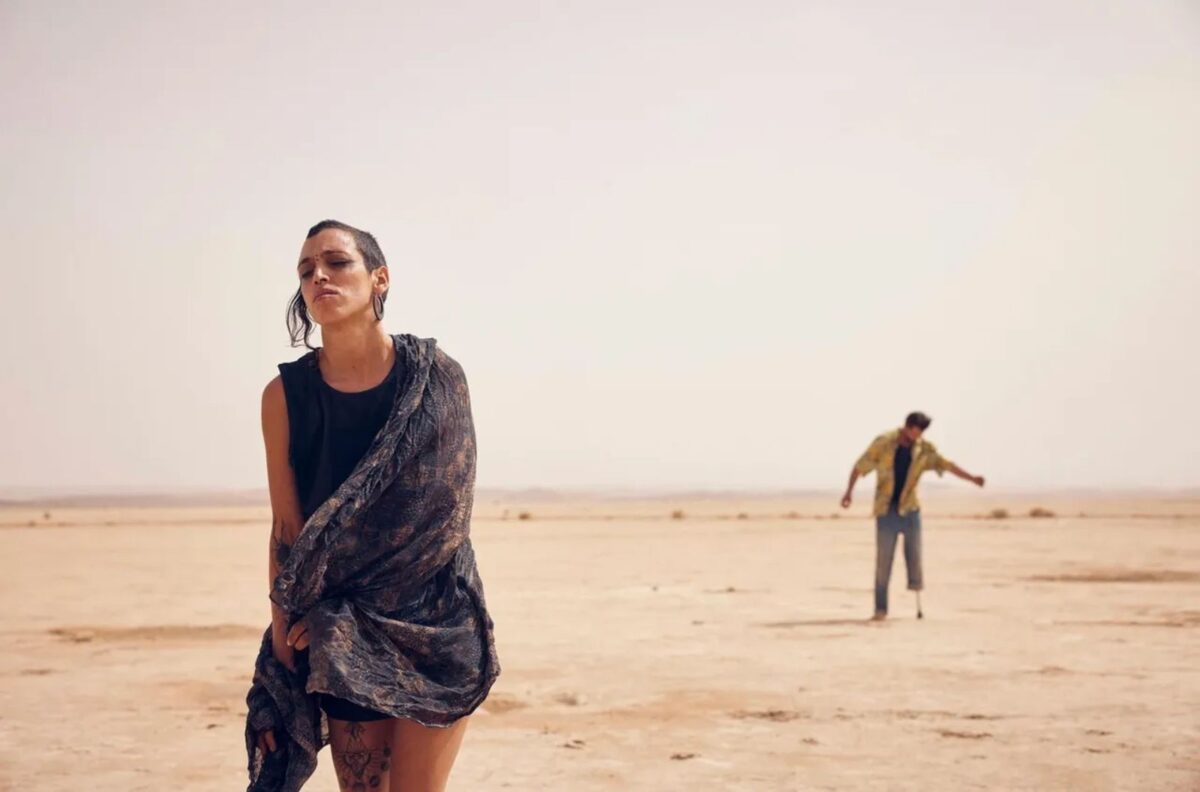
Oliver Laxe hasn’t been shy about Sirāt being the first film he’s made with a larger audience in mind, his invitation to the masses on an intense spiritual journey that more than deserves its title as The Wages of Fear’s mythic successor. What is less discussed is that his film is an anti-crowd-pleaser for the ages: a movie that demands to be seen on the big screen like few others this year, even if the emotional extremities of its second half feel designed to make one run for the exits. When watched with a packed crowd, the gasps you’ll hear are as relentless as the sound design––it still proves impossible to look away from such an uncompromising vision of hell on earth. — Alistair R.
Read our interview with Oliver Laxe
10. Misericordia (Alain Guiraudie)
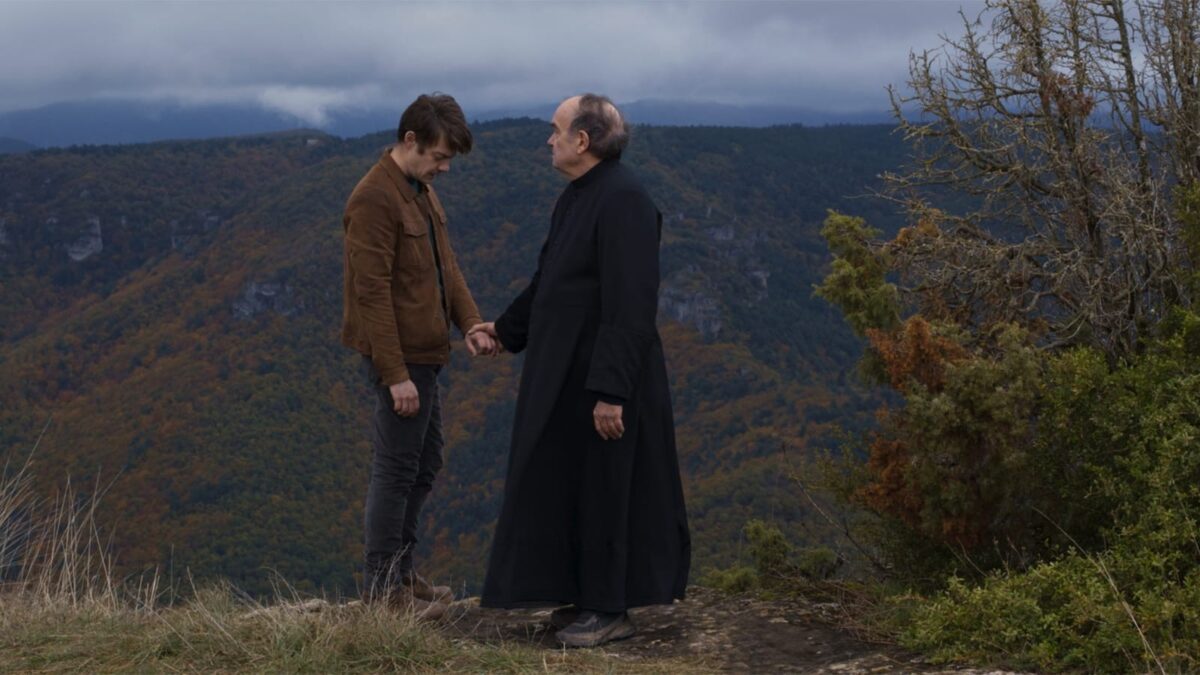
In a time when cinema becomes increasingly corporate, Alain Guiraudie’s work reminds us why it’s important to keep films not just independent but personal, different, funny, intellectual, and obstinately odd. Misericordia is a quintessential French picture: every writing and directing choice is a political one, and every decision goes to show that, in order to break the rule, one must know the rule. A masterful exploration of the realm of ethics and possibilities of filmmaking. — Lucia S.
Read our interview with Alain Guiraudie
9. Cloud (Kiyoshi Kurosawa)

I could argue—I won’t; who has the time; but I could argue—for Kiyoshi Kurosawa as our greatest living filmmaker. That I was underwhelmed by Cloud on first pass might’ve been the burden of expectation. A second viewing (in a theater and not on my computer, which perhaps matters) brilliantly elucidated Kurosawa’s habit to sit, stare, and repeat until, even once, a new sound pings, the camera turns just the wrong way, a facial expression—via Masaki Suda, precisely the kind of performance good enough not to be recognized (almost) anywhere—cracks the surface. More than usual for a filmmaker who loves taking their time, Cloud turns us into the boiling frog: where volume is upped so gradually and visual schema evolves so steadily that its all-guns-blazing finale (matched by astonishing sound design) hits with equal-level terror and bewilderment. If American studios released one thing this good every year we’d all breathe a bit easier. And it isn’t even Kurosawa’s best film of late—for God’s sake, somebody release Serpent’s Path already. — Nick N.
Read our interview with Kiyoshi Kurosawa
8. It Was Just an Accident (Jafar Panahi)
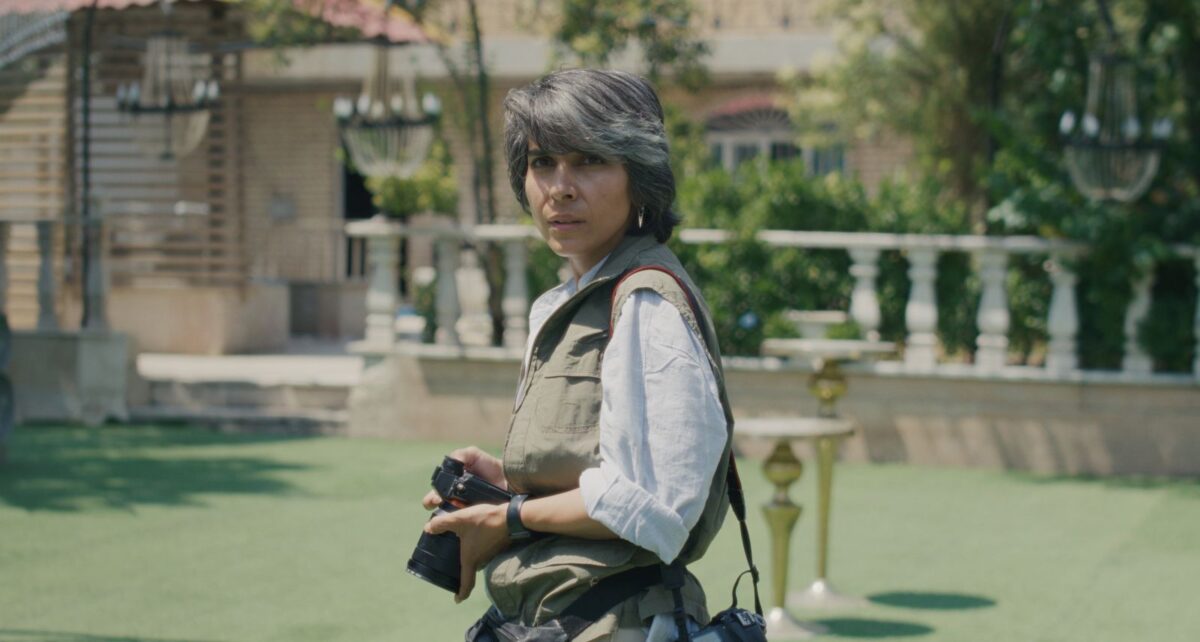
Jafar Panahi has spent the last 15 years forced to make films about himself––or someone like himself––while juggling various camera technologies and stays in prison. All of that culminated in It Was Just An Accident, which finds him ruminating on the psychological scars of imprisonment and torture within the Iranian regime while pondering revenge—its nature, its mechanics. Bearing biting humor and wounded performances, it’s Panahi in full command of his craft, all the way to an ending that can only be deemed perfect. — Devan S.
Read our interview with Jafar Panahi
7. The Mastermind (Kelly Reichardt)
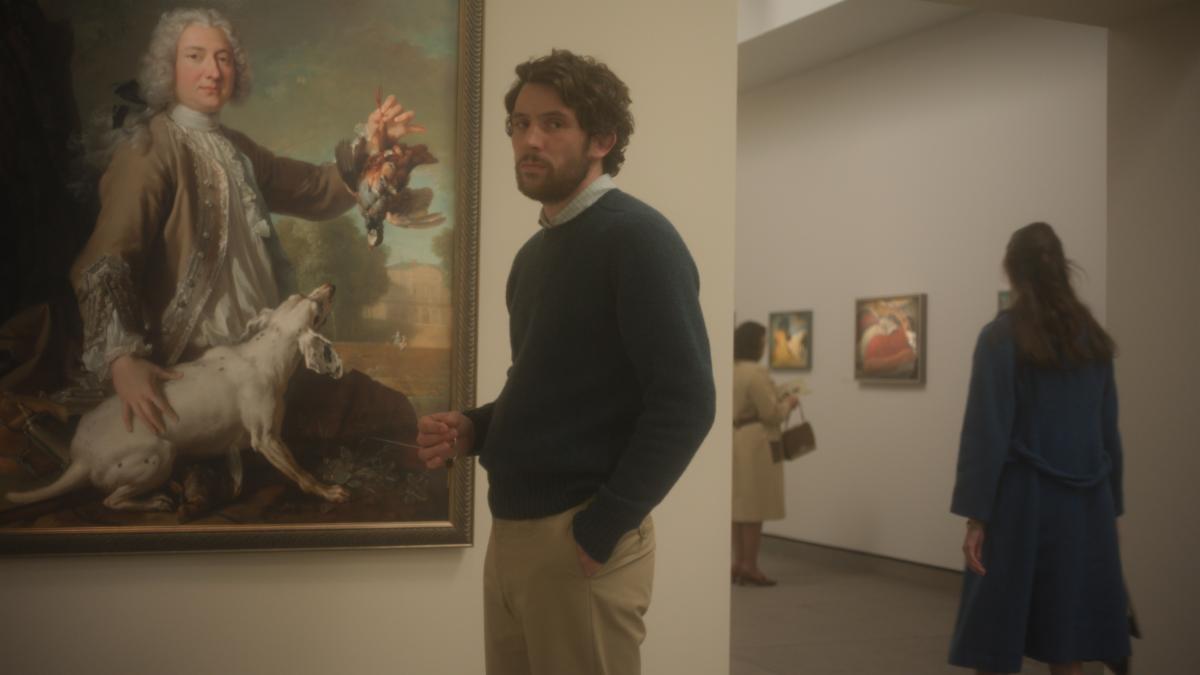
Like the New Hollywood directors of the 1970s, Kelly Reichardt is drawn to the Western as a genre that allows her to explore, with fresh but new cynicism, ideas about America: the entrepreneurial expansiveness of its character; the promises contained in the iconography of the open road. In The Mastermind, set in 1970 (seventh-biggest domestic grosser: Little Big Man), hapless art thief J.B. Mooney (Josh O’Connor) is a small-timer and big dreamer who strikes out for the territory, a prototypical Reichardt protagonist who’s also a figure out of that year’s cinema, halfway between Nicholson as Bobby Dupea and Robards as Cable Hough. The fate that Reichardt conjures for J.B. is as richly ironic—as existentially comic and politically caustic—as the best American films of the Vietnam era. — Mark A.
Read our interview with Kelly Reichardt
6. Resurrection (Bi Gan)
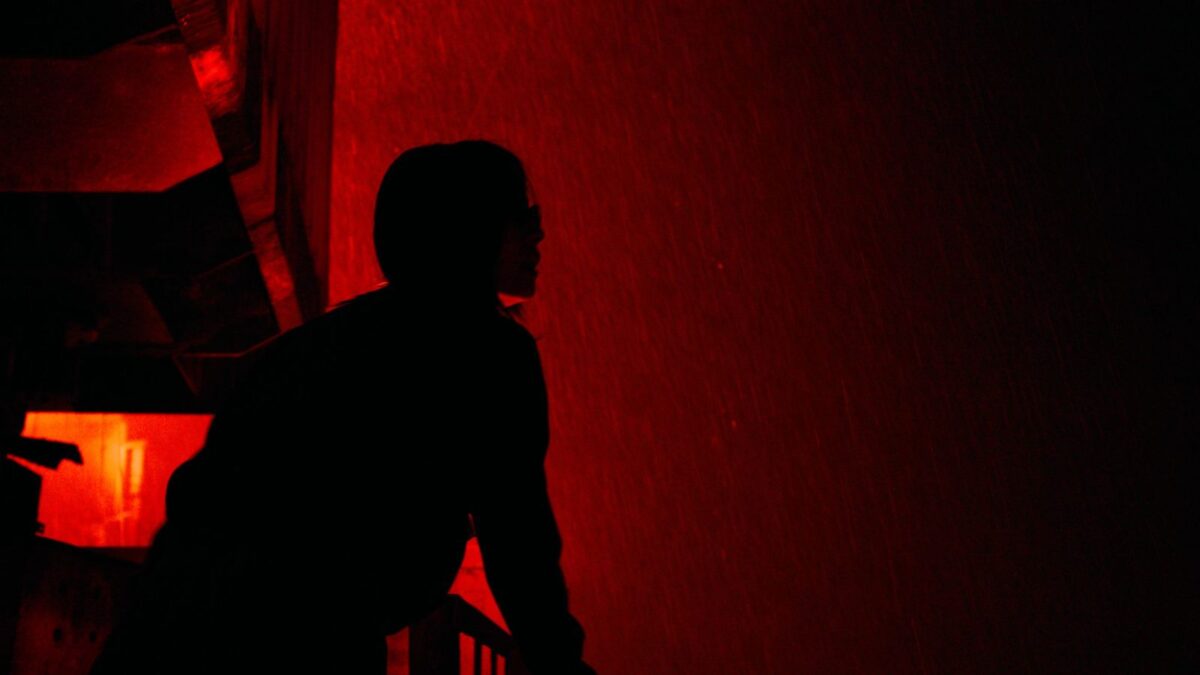
Bi Gan plotted Resurrection long before AI was a twinkle in our anxious eye, but while watching a world where dreaming is outlawed, one can’t help making the devastating connection. What else is AI but a replacement for dreaming? For creativity? A sole dreamer travels through the history of China via cinema. By the time he’s landed in Bi’s now-patented, astonishing oner, fear of a “Dead Cinema” melts away like wax. What initially seems a final statement on the concept of the “Moving Picture” becomes a stirring, electrifying glimpse into what it looks like to save an art form. — Brandon S.
Read our interview with Bi Gan
5. Caught by the Tides (Jia Zhangke)
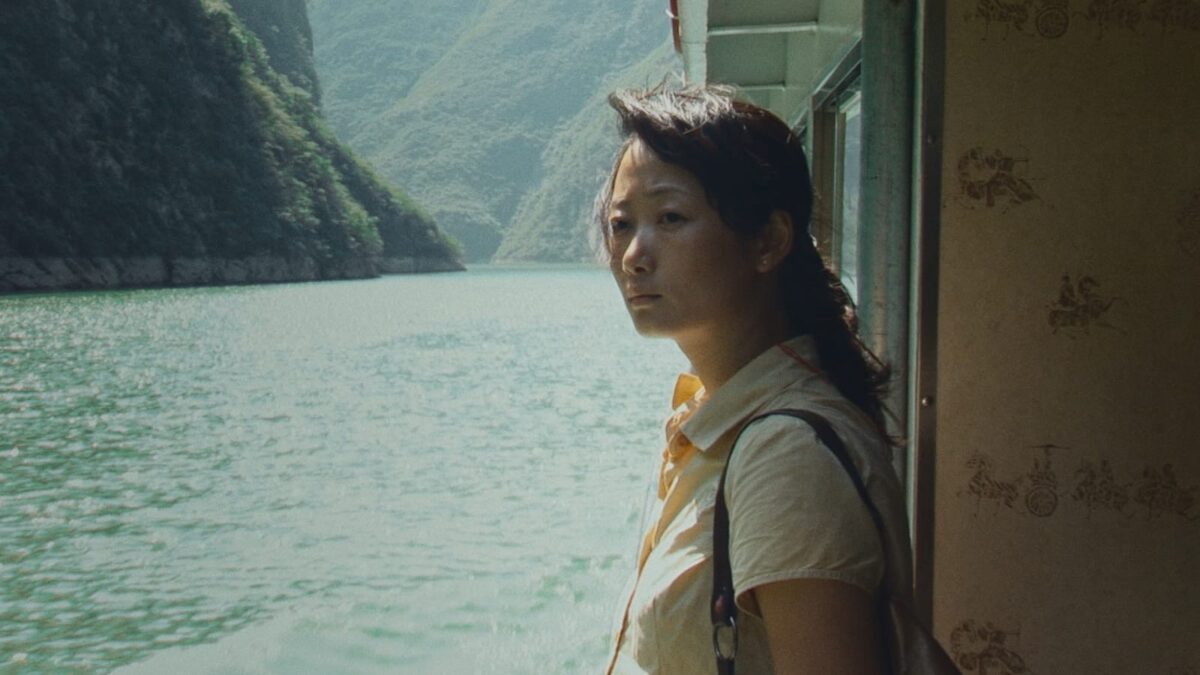
For over two decades, Jia Zhangke has been tracking Zhao Tao’s every move: through dark alleyways and smokey dance halls, river-side ghost towns, and pandemic-riddled cities. Their films are probing, electric, and deeply political, documenting with critical force the economic and social costs of China’s rapid ascent to global superpower. Thus Caught by the Tides suggests a culmination, utilizing unused footage from decades’ work to depict the tumultuous relationship between Qiao Qiao (Taio) and Bin (Li Zhubin) across three different eras, a trajectory that ends up doubling as an allegory for China’s own fracturing sense of nationalism, melancholic feelings about its past, and anxieties over what the future holds for a nation constantly being reshaped. — Glenn H.
Read our interview with Jia Zhangke
4. Afternoons of Solitude (Albert Serra)
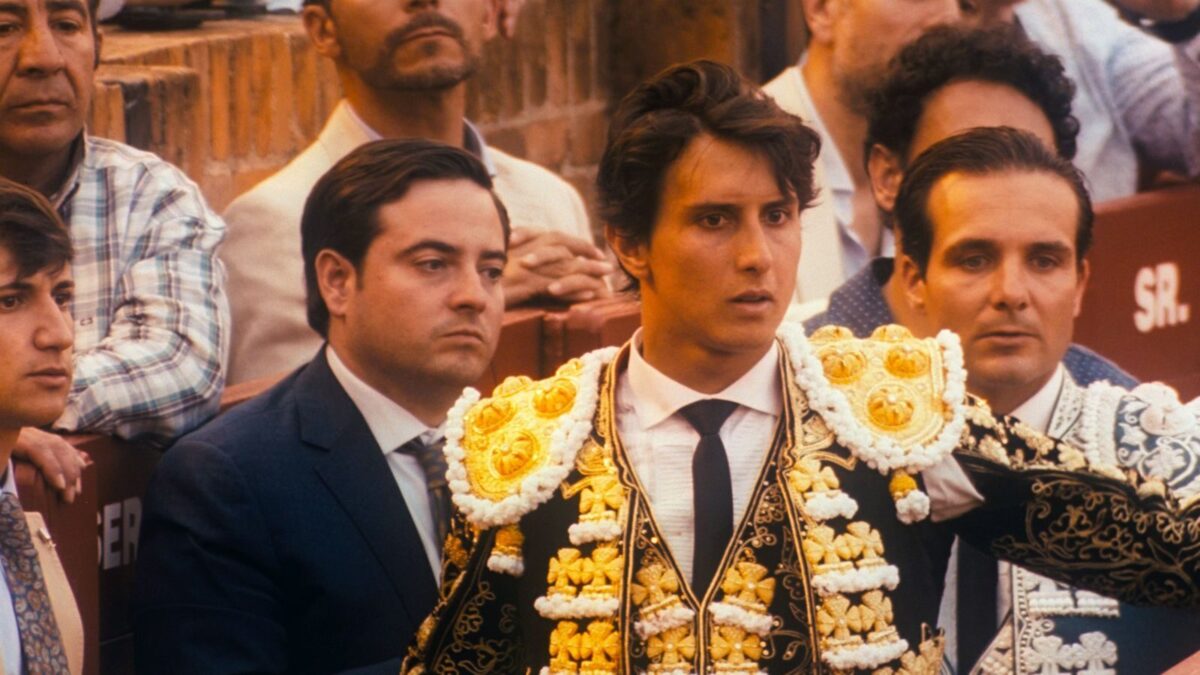
I must say: I was a little disappointed to learn that Albert Serra intended to follow Pacifiction—the best film of 2022—with a documentary, but of course I had nothing to worry about. This is a film about the pageantry of death and the death of a kind of pageantry, another provocative and darkly erotic ode to a fading era all told through the Catalan’s singular visual style. Afternoons of Solitude could hardly have existed more in Serra’s cinematic world—a film that does for the dying art of bullfighting what the great Douglas Gordon once did for Zinedine Zidane. — Rory O.
Read our interview with Albert Serra
3. Sinners (Ryan Coogler)
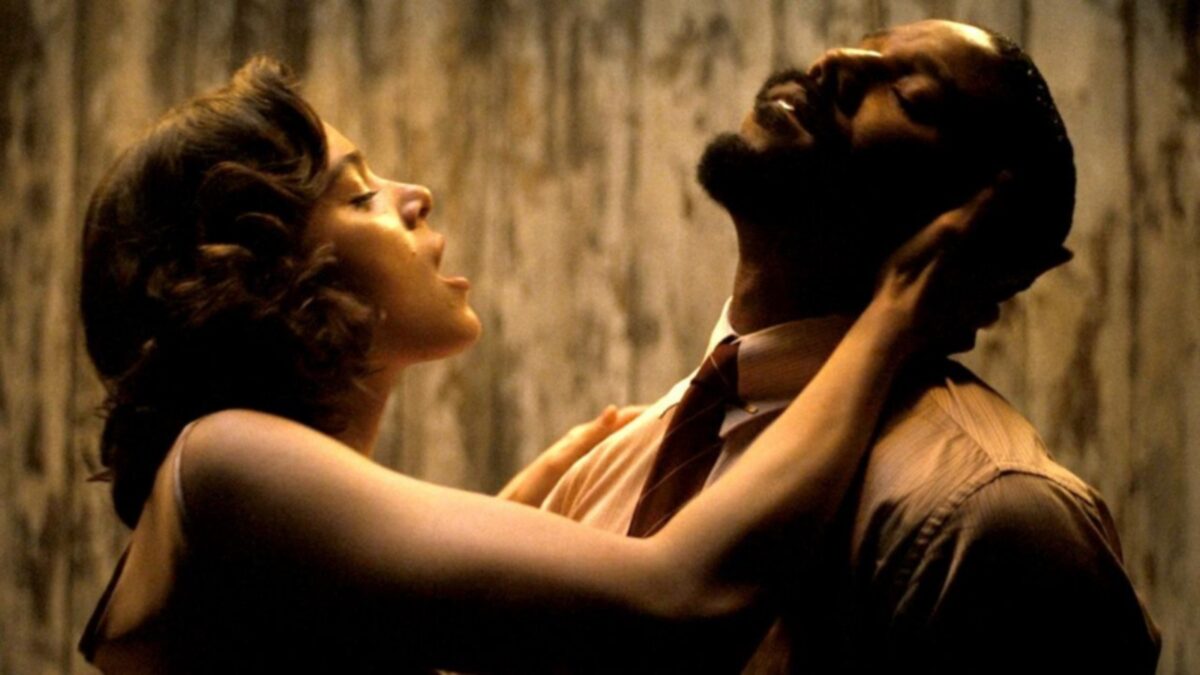
It’s a testament to a story that bellows about the power of art and originality that it should exist, in itself, as one. Sinners is a paragon of letting a master cook—an old-fashioned triumph of the studio system, even if that system didn’t fully believe in it. Ryan Coogler’s vision broke through all the noise and resonated with a moviegoing public that Hollywood underestimates (and ultimately misunderstands) all too often. The De Niro to his Scorsese, Michael B. Jordan’s dual-role performance is impressive, especially for all the illusion-building trickery Coogler throws his way. But what’s most dazzling is an audacious oner that compresses the history of Black American music to a mesmeric sequence. In years to come, when outlets and movie theaters (or what’s left of both) prepare their decade retrospectives, Sinners will undoubtedly stand among crowning achievements. — Kent M. W.
Read our interview with cinematographer Autumn Durald Arkapaw
2. The Shrouds (David Cronenberg)
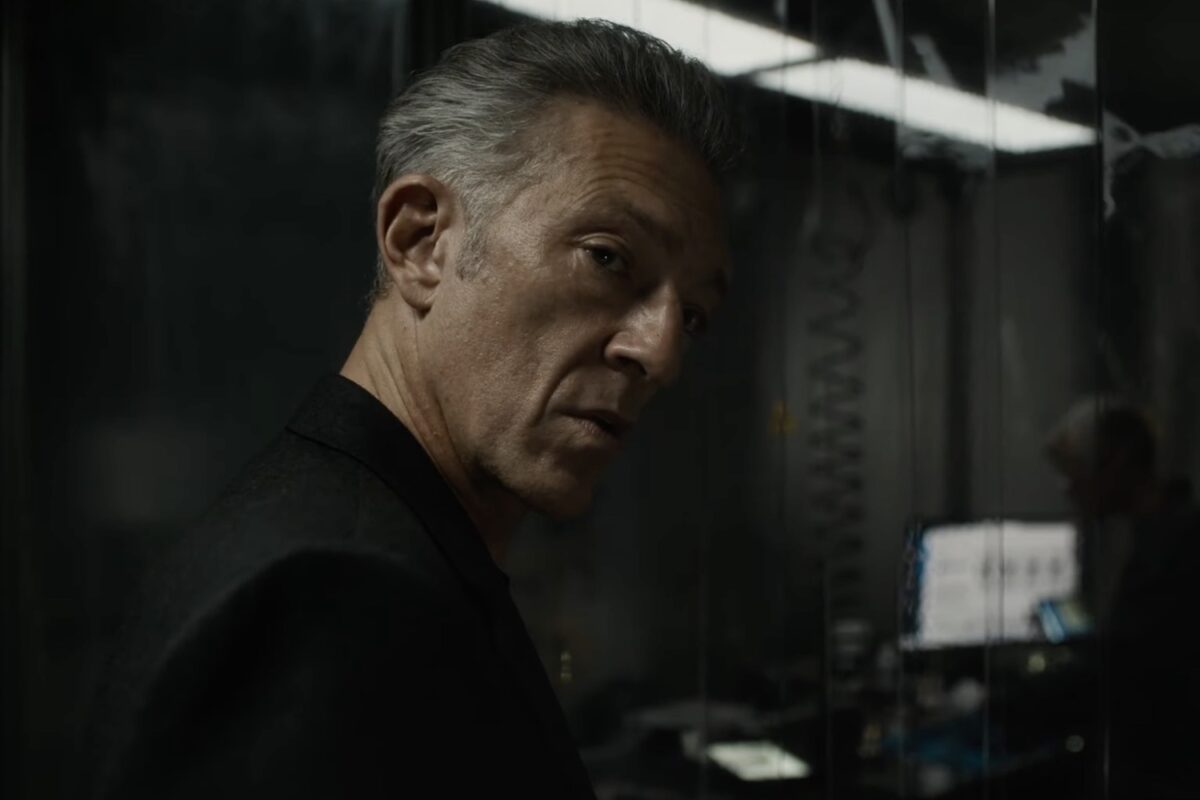
Flesh is supreme in the cinema of David Cronenberg, whose latest film, The Shrouds, offers its most perversely beautiful exaltation yet. Through widower Karsh (Vincent Cassel) and his invention of GraveTech—a tombstone that allows people to monitor the decomposition of deceased loved ones in real time—Cronenberg creates a stirring portrait of love and loss, and a profound meditation on capitalism’s inability to fully commodify death. For inventing (then probing) cinematic moods and textures, Cronenberg remains without equal. — Oliver W.
Read our interview with David Cronenberg
1. One Battle After Another (Paul Thomas Anderson)
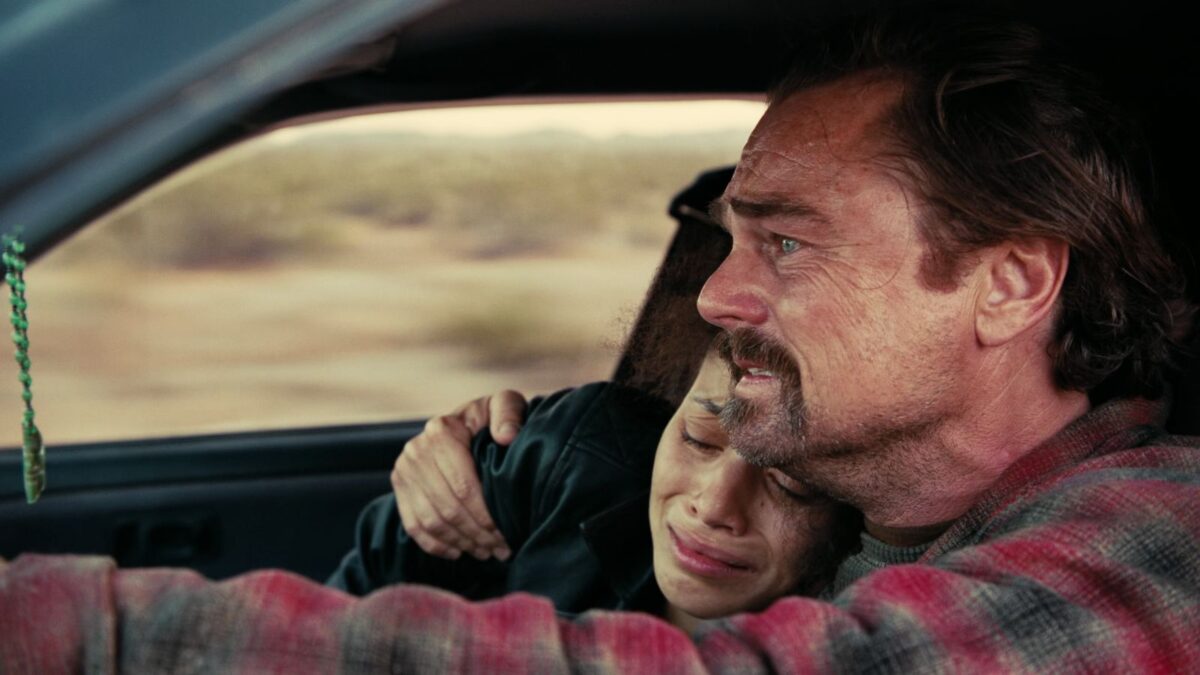
Well, he fucking did it.
On paper, nothing about this $100 million-plus Thomas Pynchon adaptation makes sense. But when a studio like Warner Bros. throws its support behind an artist like Paul Thomas Anderson, what you get is a once-in-a-generation masterpiece that instantly enters the cultural lexicon. As it steamrolls through awards season picking up much-deserved trophies for all involved, it may seem like fait accompli. But it was far from a sure thing––just go back and read any news story about WB from earlier this year.
While the gourmet cheeseburger proprietors over at Netflix prepare to swallow the legendary movie studio like a snake unlocking its jaws, they’ll never understand what it takes to create a genuine cultural moment. Anderson may have TCM on the brain, but he’s got Ghoulardi in his veins; from the moment Perfidia trills “getttttup” and Lockjaw stands at attention, it’s clear that this is going to be a ride unlike any that audiences have taken at the multiplex in quite some time.
It’s a Rorschach test. It’s a rollercoaster. It’s the kind of movie you could write 7,000 words about and still barely scratch the surface. It’s not about revolution—it’s about the tragedy of two characters who believe they have a higher calling, and one who drops everything to be there for his daughter. For a filmmaker who has spent his career making masterpieces for audiences who only sometimes showed up, it must be gratifying to take the biggest swing of your career and knock it completely out of the park. “Chaos TBD” indeed. — Cory E.
Read our interview with editor Andy Jurgensen
Read: The 50 Best 2025 Films You Might Have Missed