
Breaking down the film’s inspirations, influences, and pop culture references—from Steely Dan to Star Wars.
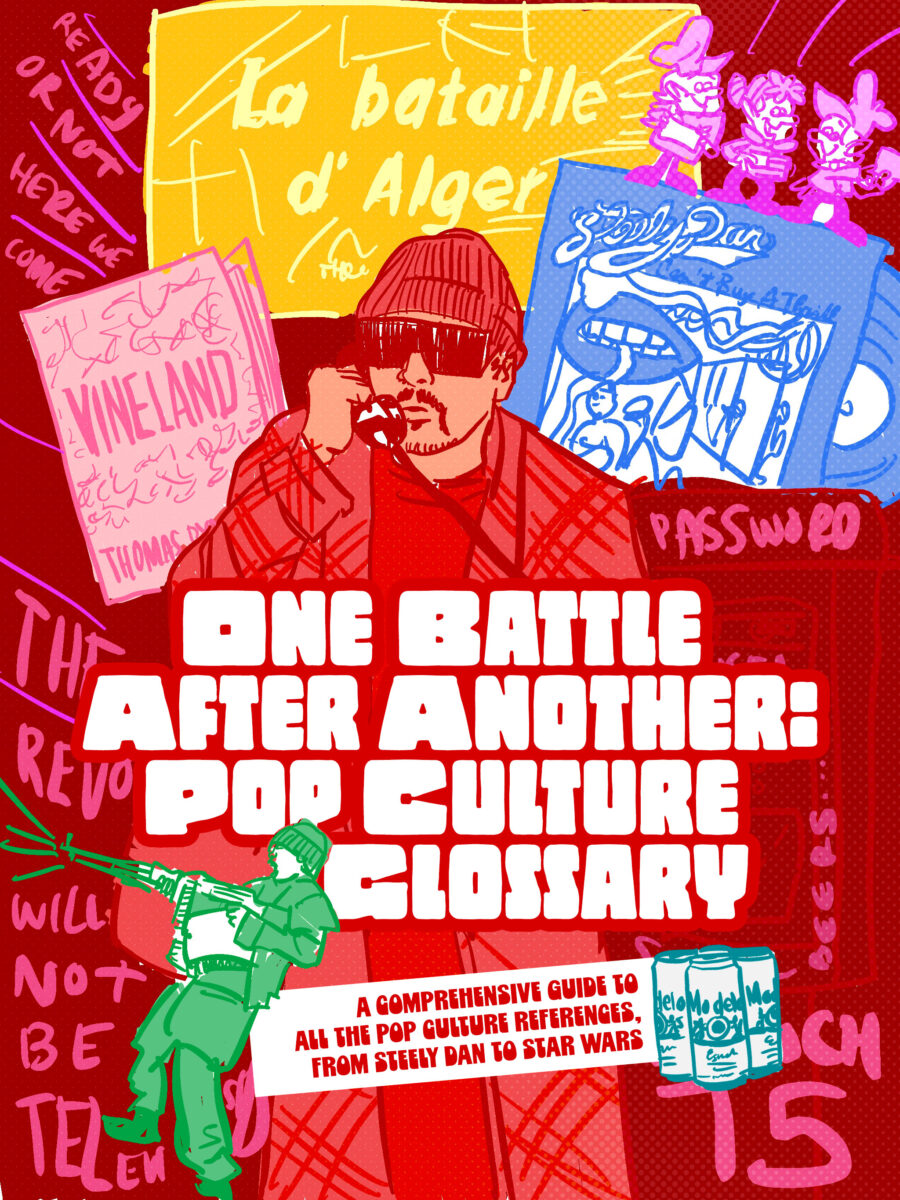
Like all of Paul Thomas Anderson’s films, his tenth feature One Battle After Another is a rich text. A deeply-layered narrative that’s as funny as it is moving, the movie jumps from the U.S.-Mexican border to Baktan Cross—and from drama to comedy and back again—with breakneck speed. The story itself is fairly straightforward, especially compared with the other entries in Anderson’s filmography: Leonardo DiCaprio plays Bob Ferguson, an ex-revolutionary who must protect his daughter Willa (Chase Infiniti) after an old nemesis (Sean Penn) reappears.
Like most of Anderson’s films since 2012’s The Master, the movie is a bit of a Rorschach test. It plays a little differently each time you watch it. And while One Battle After Another isn’t a movie that needs to be decoded to be enjoyed, it does get richer with each viewing. Even as Anderson’s filmmaking process has become increasingly improvisational—he’s been compared to “a jazz musician that plays characters”—his films are always a collection of research, personal experience, and a lifetime of anecdotes that add up to something completely original.
“All of these sources—whether it’s a fictional book, nonfiction work, or my own life or my own observations over the last twenty years—have gone into the soup of the whole film,” he recently told Letterboxd. Across its 2 hour and 40 minute runtime, One Battle After Another’s needle drops, pop culture references, and already omnipresent memes come fast and furious. To celebrate the film’s arrival on VOD, as the film crosses the $200 million mark worldwide (making it easily Anderson’s biggest film to date), let’s break down some of the inspirations, influences, and inside jokes which can only help enrich the film on your third, fourth, fifth viewing and beyond.
Needless to say, there will be spoilers.
1. Vineland
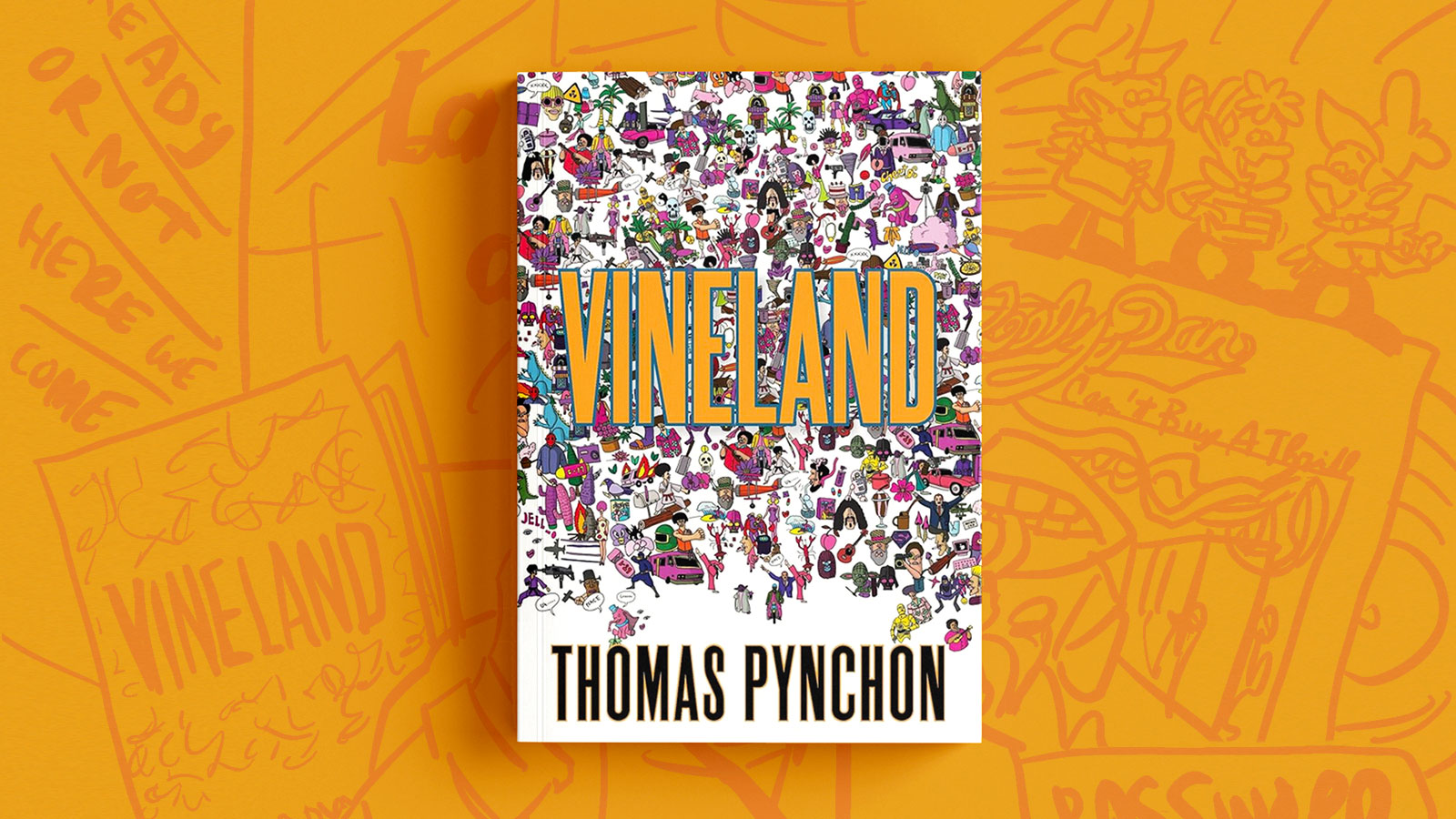
Anderson has long spoken of trying to turn Thomas Pynchon’s 1990 novel Vineland into a feature. “I’d wanted to adapt Vineland, but I never had the courage.” Anderson told Time Out back in 2014, while making the rounds for Inherent Vice, the first major adaptation of Thomas Pynchon. The reclusive author’s work—which includes such postmodern classics Gravity’s Rainbow, The Crying of Lot 49, and V—has long been perceived as unfilmable, though others had tried.
While Vineland had been on Anderson’s mind since at least the early aughts, when Inherent Vice was published in 2009, Anderson knew it was more suited to an adaptation. The 2014 film ended up being fairly faithful to the source material and though it was not a hit, it has grown a huge cult following over the years and even inspired an excellent scene-by-scene breakdown podcast.
“I was very respectful in [adapting] Inherent Vice,” Anderson told the Truth & Movies podcast. “Inherent Vice, the film, is very similar to the book. And so that, and that by the time we got to this one, it became clear to me that it would have to be disrespectful.” For One Battle After Another, Anderson ended up taking the same approach he used while adapting Upton Sinclair’s Oil!—the 1926 book that became the basis for There Will Be Blood—by grabbing a few elements from the novel before jettisoning the rest and setting off on his own path.
“If you think it’s an adaptation, then you’re going to struggle to be loyal to it,” Anderson continued. In the end, he decided, “the best thing that we could do was to just kind of steal the bits that we liked and leave the rest. That would actually be the smartest thing, [to] make it its own thing. So here we are just stealing lock, stock, and barrel.” The setting and details differ greatly, but the skeleton of the story remains fairly intact in One Battle After Another. This led to much speculation during the film’s production and a curious “inspired by” credit on the finished film.
So what exactly did Anderson take from the book?
Vineland is set primarily in 1984, during Ronald Reagan’s reelection, and concerns the dissolution of the dream of the sixties as seen through the eighties, the era when hippies became yuppies. The novel centers around Zoyd Wheeler, an ex-revolutionary single dad who lives with his daughter, Prairie, a headstrong teenager who feels the ideological generation gap with her father. When federal agent Brock Vond, a figure from Zoyd’s past, resurfaces and seeks out the father-daughter team, the pair go on the run. But wait, there’s more!
In the novel, Prairie’s mother, Frenesi Gates, has a fling with Brock Vond, and turns double agent, exposing the members of her militant collective. Because of this betrayal, Frenesi leaves Zoyd and her infant daughter to join witness protection. Prairie grows up with heroic stories of her mother, but eventually learns the truth which is vastly more complicated. Brock eventually tracks down Prairie and tells her that he, not Zoyd, is her father—before being killed in a vehicular accident.
The novel sprawls in many different directions (and even includes some sci-fi elements, which were rumored for OBAA, but reportedly were never a part of the film). Vineland even includes a cameo from Sean Penn himself which makes the actor’s appearance in the film even more perfect. Though the details may differ between Pynchon’s book and Anderson’s film (Zoyd crashes through windows, while Bob falls from buildings; Prairie is a Ninjette, while Willa takes karate classes), the author’s spirit remains.
Anderson seems to have pulled off the impossible for the second time, successfully adapting this formerly “unfilmable” work.
2. One Battle After Another
During production, the film was officially untitled, but went by the codename BC Project, (as in Baktan Cross Project). The Battle of Baktan Cross was also rumored to be the title of the film before Anderson officially settled on One Battle After Another earlier this year. During the film’s breathless opening sequence—and just after the title card appears—DiCaprio delivers the film’s titular line as a bit of VO off-camera, “From here on in, it’s one battle after another.”
The title was derived from a handbill that was created by the far-left group Weather Underground, and released during 1969’s Days of Rage (more on that later). Spotted by some eagle-eyed Redditors, the pamphlet read: “FROM HERE ON IT’S ONE BATTLE AFTER ANOTHER—WITH WHITE YOUTH JOINING IN THE FIGHT AND TAKING THE NECESSARY RISKS. PIG AMERIKA BEWARE. THERE’S AN ARMY GROWING IN YOUR GUTS AND IT’S GOING TO BRING YOU DOWN.”
Anderson confirmed the source on a recent podcast appearance, saying the title “had a ring to it that I couldn’t quite shake.” The AV Club also noted multiple uses of the phrase “one ____ after another” in Vineland, including “one stop after another, ” one movie pitch after another,” “one oilpatch bank account to another,” and “one shift after another till retirement.” In OBAA, Lockjaw exasperatedly repurposes the phrase to describe how it’s going for him, “If it’s not one thing, it’s fuckin’ another.”
The film’s title, also featured on all of its promo materials, was designed by longtime Radiohead collaborator Stanley Donwood. It shares some similarities with the typeface he did for The Smile, the non-Radiohead group which features both Thom Yorke and Jonny Greenwood, for whom Anderson directed multiple music videos, including “Wall of Eyes” and “Friend of a Friend.”
3. Rocket Man (a.k.a. Ghetto Pat a.k.a. Bob Ferguson)
It’s well known in cinephile circles that DiCaprio and Anderson have been circling each other for nearly three decades, ever since Leo passed on Boogie Nights back in 1997 to make Titanic, and recommended his friend Mark Wahlberg for the role. (DiCaprio has since said he regrets this decision.) After casting DiCaprio’s father in a small role in Licorice Pizza, the pair finally had the chance to collaborate with One Battle After Another.
DiCaprio has spoken about how much he loves to collaborate, telling Rolling Stone he was assured he “wouldn’t just feel like a cog in a machine on Paul’s set, which… I’m not really a fan of that. And that we’d have the room to find things and play around.” It seems to be an ideal match for both DiCaprio and Anderson, whose films have increasingly become less rigid and more fluid, allowing all of his collaborators a chance to do their best work.
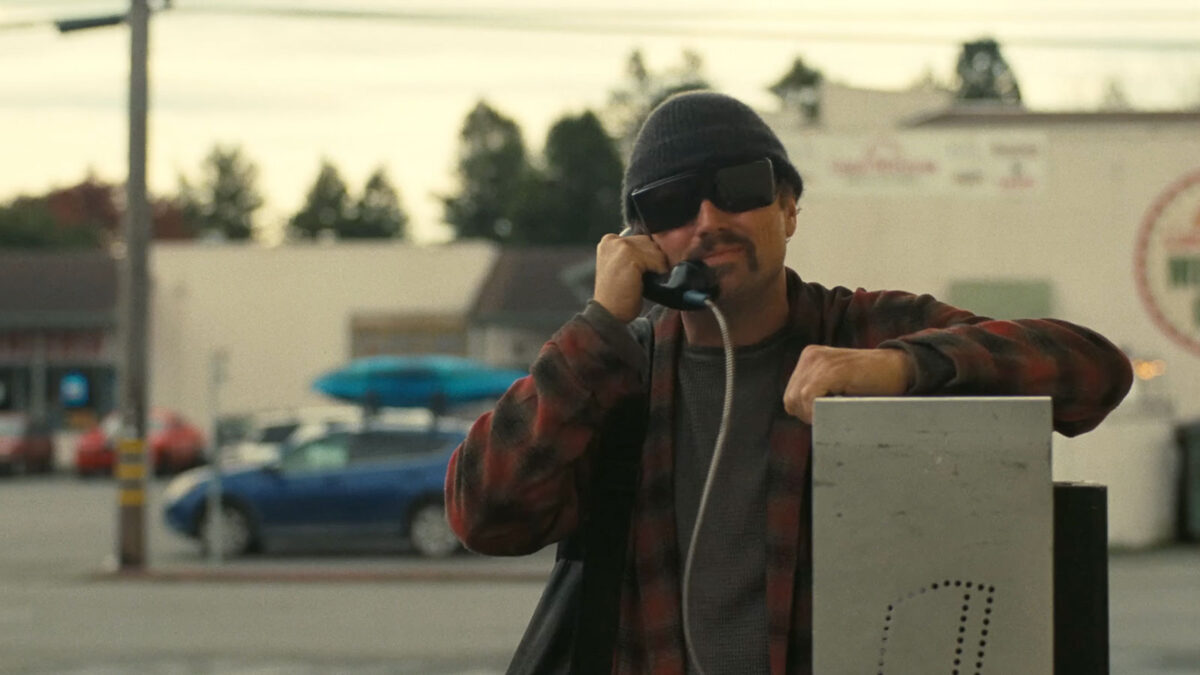
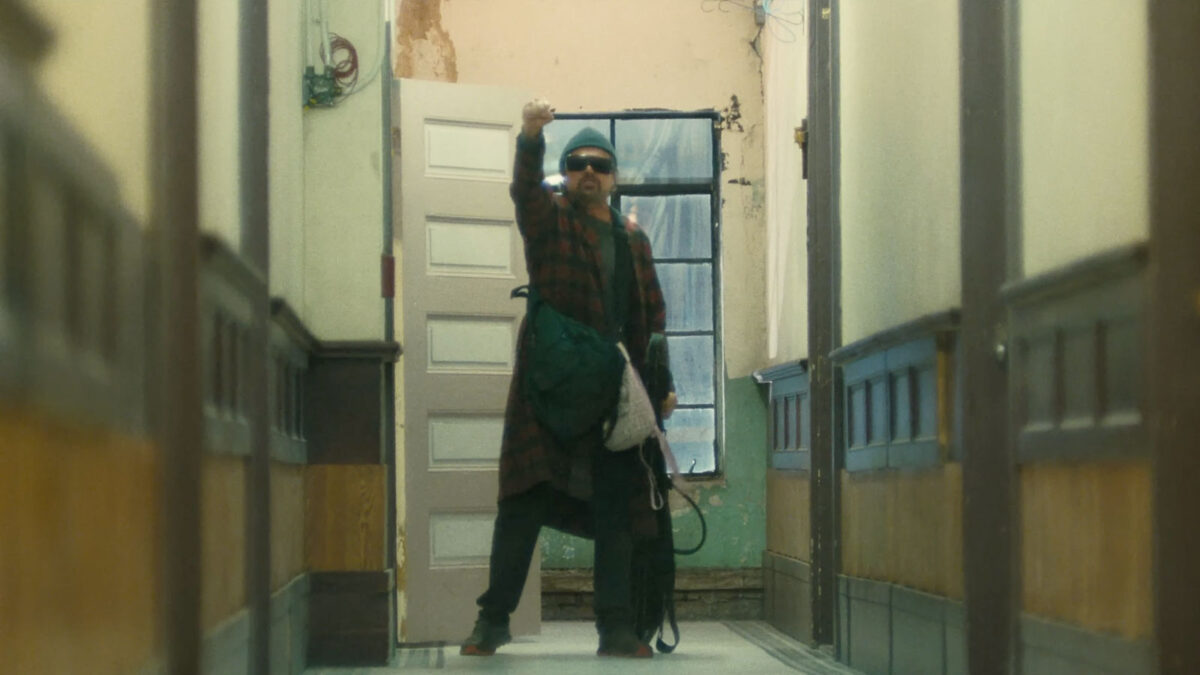
DiCaprio even helped develop Bob’s distinctive look, bringing the orthopedic sunglasses as part of his character’s wardrobe. “I guess it [has] a kind of sci-fi, Star Wars element to it,” DiCaprio said. “They make Bob feel like he’s disappearing, when it just makes him look way more conspicuous.” This is Anderson’s first film without his usual costume designer Mark Bridges but Ferguson’s The Big Lebowski-esque wardrobe is sure to be the film nerd Halloween costume of the year, thanks to stellar work by the legendary Colleen Atwood.
As far as his many aliases go, Ghetto Pat is hilariously unforgettable, while Rocketman—in addition to being an Elton John song released the same year as a certain Steely Dan number—is also the nickname of the protagonist in another Pynchon novel.
4. The French 75
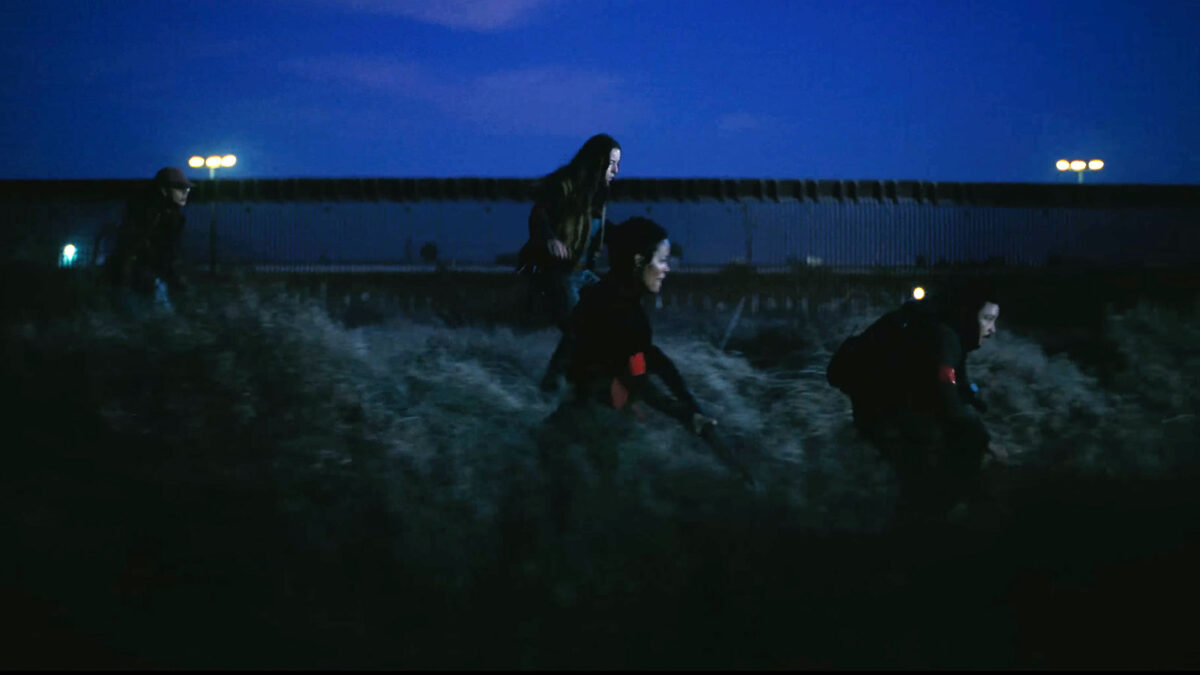
The first act of the film is dominated by the activities of the French 75, a fictional far-left revolutionary group. The name is a nod to the famous cocktail, which Anderson first learned about from Magnolia actor Jason Robards, and even gets a passing mention in the latest Pynchon novel Shadow Ticket. Similar to a Tom Collins, the drink is made with gin, champagne, lemon juice, and sugar, and was named after the French 75mm field gun, the first modern artillery piece used in the fight against Germany in WWI. Humphrey Bogart orders one in Casablanca, a film that any TCM fan has definitely seen a few hundred times, and also features a familiar tune.
The outfit was inspired by real-life outfits like the Black Panthers, Symbionese Liberation Army, and—perhaps most crucially—the Weather Underground, the subject of the 2002 documentary of the same name. The film details the group’s activities—from bombings to armed robbery—and documents the mixed feelings and regrets that plagued some members for decades afterward. The Weather Underground also contains a few lines that were directly repurposed for One Battle After Another, including “a declaration of a state of war” and a letter from the other side (more on that later).
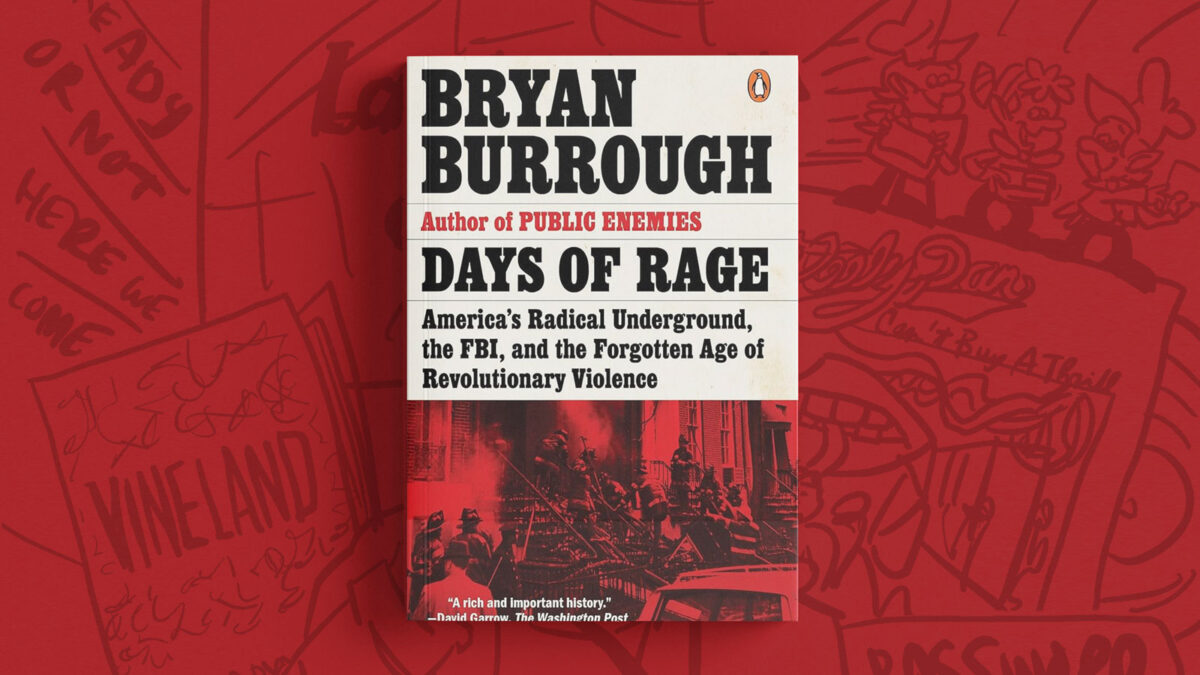
Anderson cited Brian Burrough’s 2015 book Days of Rage—about the 1960s radical movement—as a touchpoint in the development of OBAA. “It’s kind of everything I want about the late 60s, early 70s revolutionary movements, particularly in America. And it does a really good job of telling the story of those groups and their ultimate failure and the repercussions from all of their violence, their movements, their ideas.”
As much as The Master wasn’t really about Scientology, similarly, One Battle After Another isn’t really about the Weather Underground. But Anderson’s research gives the film a grounding in real-life details that allow the story to unfold in different directions. In interviews, Anderson keeps circling back again and again to the people, not the politics. At the end of the day, the film is less concerned with revolution and more with the tragedy of two characters who believe they have a higher calling, and one who drops everything to be there for his daughter.
5. Perfidia Beverly Hills
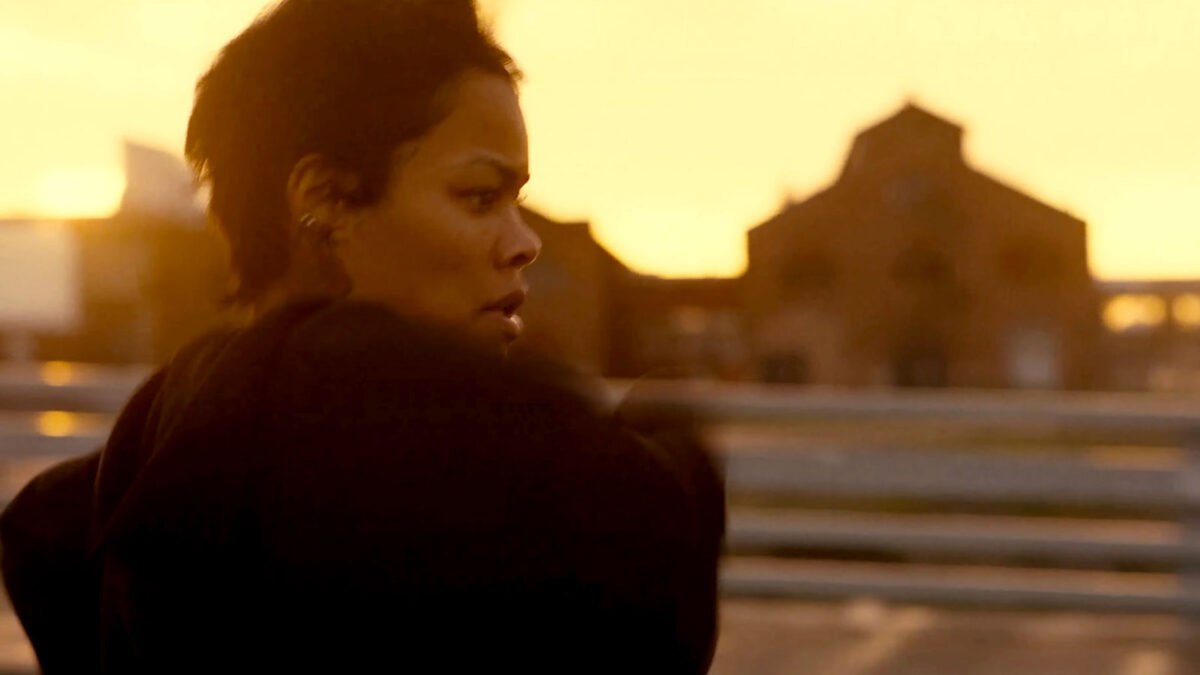
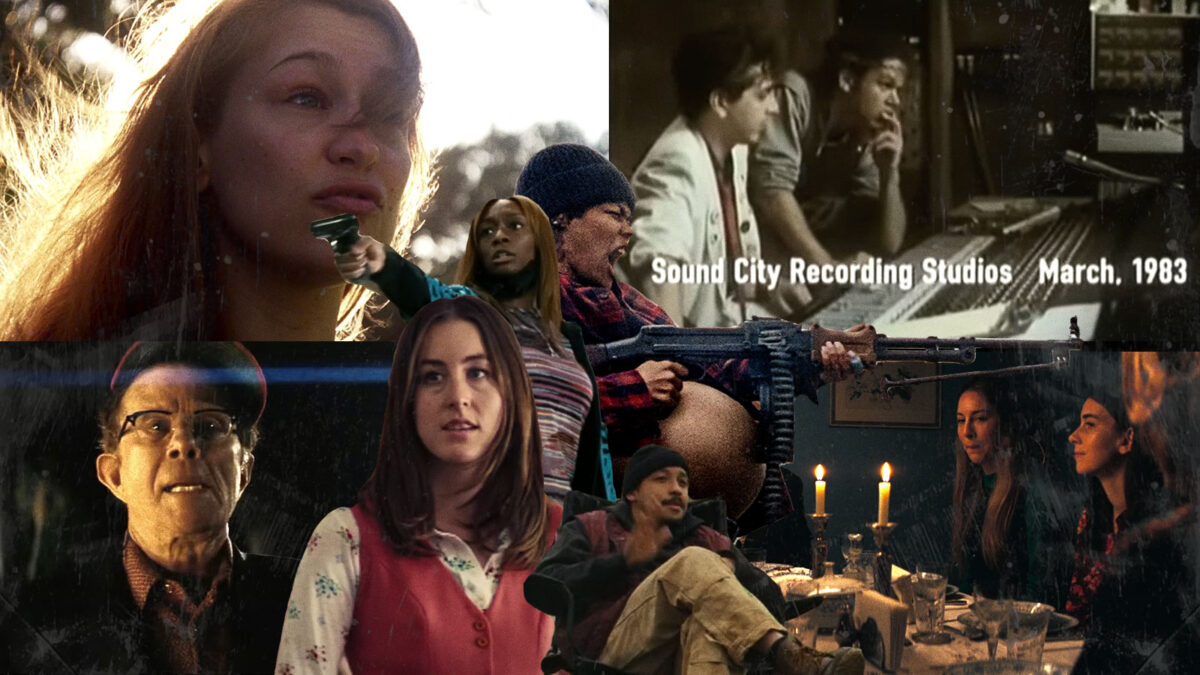
One of the most striking performances in OBAA is that of Teyana Taylor, who plays troubled revolutionary Perfidia Beverly Hills. Her character is essentially the lead of the entire first act of the film—and when she exits, she leaves a shadow that hangs over the two hours to follow. Taylor is certainly not the first musician Anderson has cast in a memorable role and likely won’t be the last.
The character’s Pynchon-esque name is an Anderson original, drawn from perfidia, a Spanish word that means “betrayal.” (It’s presumably a nod to the Vineland character Frenesi, whose name translates as “frenzy.”) “Perfidia” is also the title of a song that appears on the film’s soundtrack, performed by the group Los Panchos—though some moviegoers who caught a VistaVision screening of the film might have heard a rendition of the song by Nat King Cole or Julie London as part of the pre-show music.
Musicians in PTA Movies
Michael Penn in Boogie Nights
Joanna Newsom in Inherent Vice
Tom Waits in Licorice Pizza
Alana Haim, Danielle Haim, and Este Haim in Licorice Pizza
Teyana Taylor, Alana Haim, Junglepussy, and Dijon in One Battle After Another
6. Colonel Steven J. Lockjaw
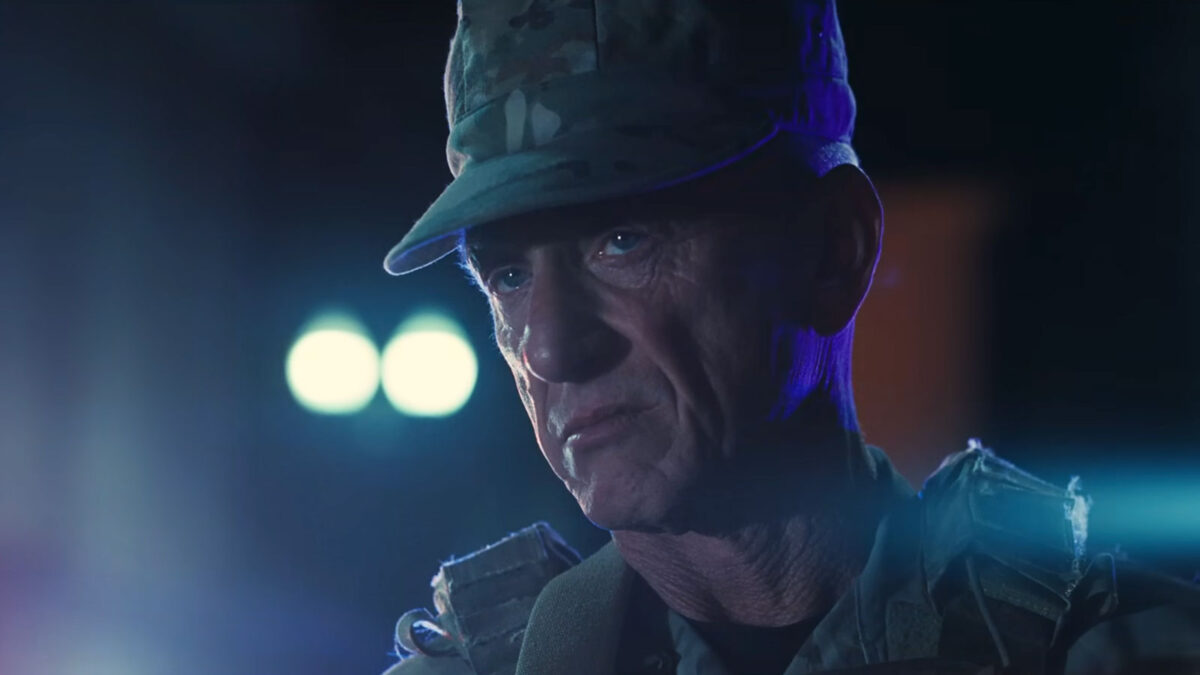
On first viewing, Sean Penn’s performance as Colonel Lockjaw is certainly attention-grabbing (even if it might seem a little ham and cheese at times). On repeated viewings, however, it’s clear that Lockjaw, not Penn, is the one putting on a none-too-convincing display of masculinity. Think of the scene in which Lockjaw licks his little comb, or any moment when he’s around Perfidia and Willa—that’s when the mask drops, and Lockjaw reveals his true vulnerable self. It’s masterful stuff—the kind of turn that’s likely to get the attention of awards voters.
PTA fans are likely to remember that Penn—much like DiCaprio—has been in Anderson’s orbit for a long time. Penn was originally tipped to play Punch-Drunk Love bully Dean Trumbell (with the Mormon brothers to be played by John C. Reilly and Philip Seymour Hoffman), before finally collaborating on Licorice Pizza as the William Holden-esque movie star Jack Holden.
Though Anderson frequently works with actors multiple times, he rarely asks them to do the same thing twice. With OBAA, Penn becomes the latest actor to join PTA’s two-timer club, alongside his costars Benicio Del Toro, Alana Haim, Jim Downey, April Grace, Dan Chariton, PTA’s daughter Pearl Anderson, and Jena Malone, who makes a cameo in OBAA as a voice on a phone.
7. “This pussy don’t pop for you.”
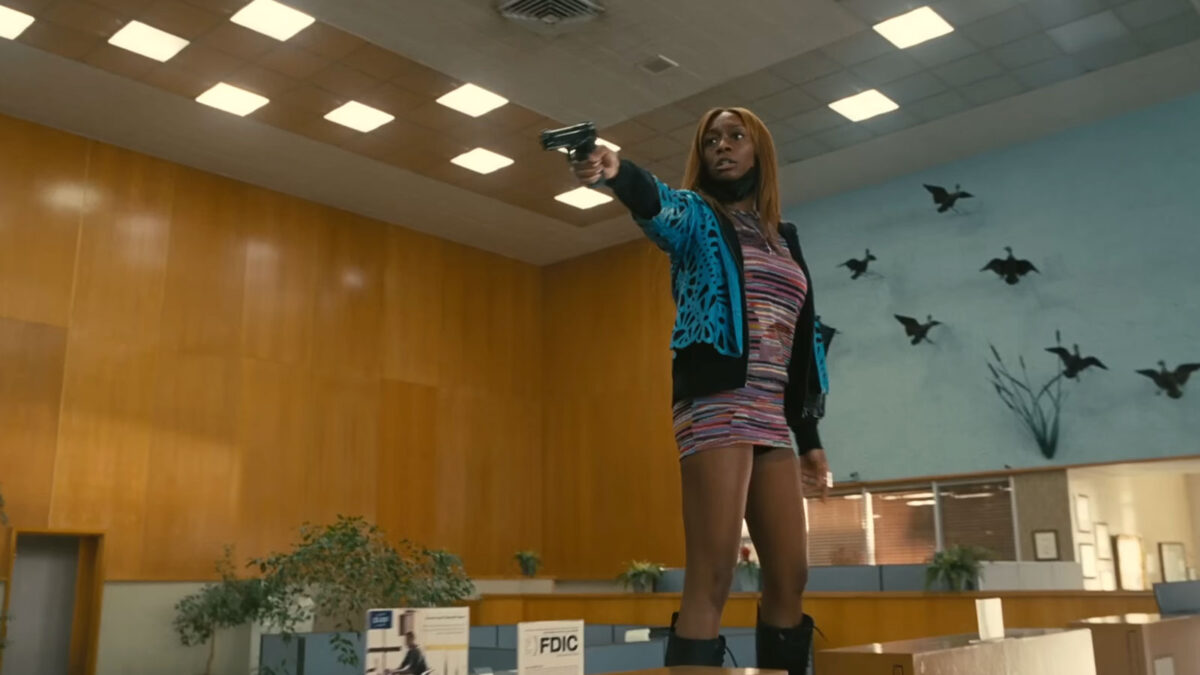
One of the biggest early laughs in OBAA comes courtesy of the note Perfidia leaves for Lockjaw after she escapes witness protection. It’s inscribed with six iconic words, taken directly from Junglepussy’s 2015 song “Pop For You.” Anderson has been a fan of Junglepussy, aka Shayna McHale, since at least 2018. That’s the year he spoke admiringly of Andrew Bujalski’s indie film Support the Girls, in which McHale co-starred alongside Anderson’s neighbor, Regina Hall.
8. Grandma Minnie
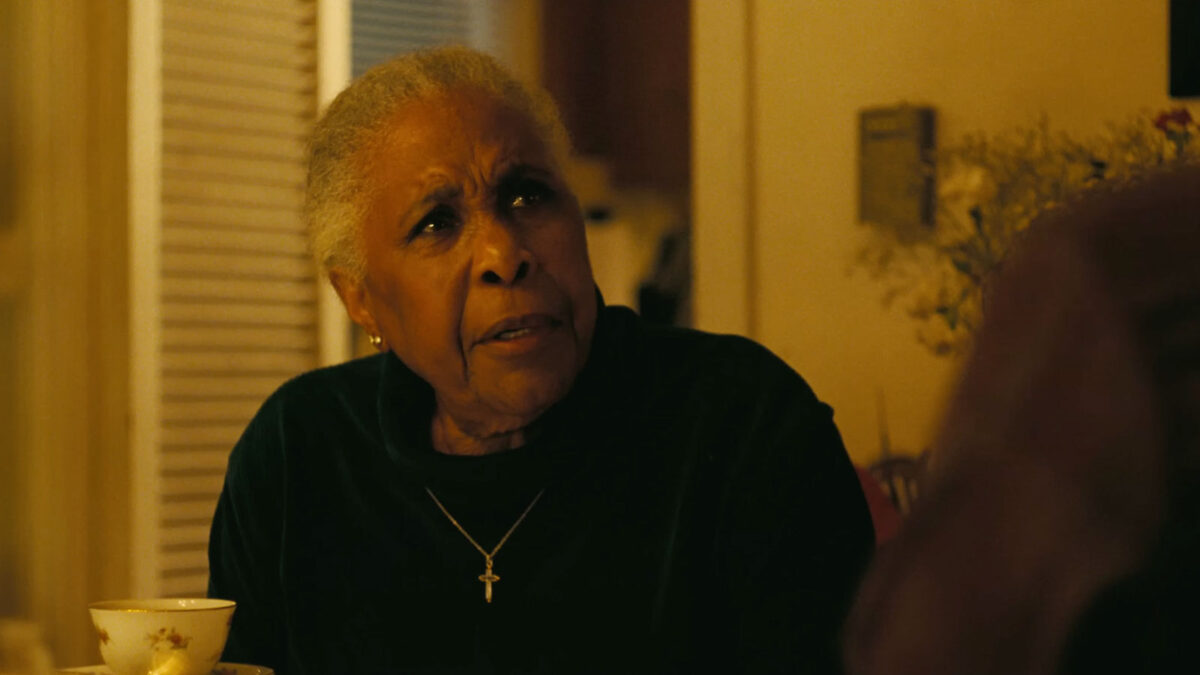
“I don’t even know how to do her hair,” Bob tells Sensei Sergio at a low moment late in the film. The line is a personal one for Anderson, who has four children with partner, actor and singer Maya Rudolph. “As a father of mixed-race girls, it’s nearly impossible for me to do their hair as a white man,” Anderson told Rolling Stone. “That was something that struck me as a father, and that I really knew was a challenge for her and for him.”
In OBAA, it’s no accident that Willa is a mixed-race girl growing up with a white father and absent mother, nor is it a coincidence that Perfidia’s mother’s name is Grandma Minnie—a nod to Rudolph’s mom, the late singer Minnie Riperton, whose song “Le Fleur” plays in Inherent Vice while Rudolph is onscreen.
Anderson’s own mother, actress Edwina Anderson, passed away in 2024, and receives her own OBAA tribute, in the form of a dedication at the end of the film. Additionally, Anderson’s father, TV personality Ernie Anderson, gets his own nod in all of Anderson’s features, thanks to the Ghoulardi production credit.
9. “That Steely Dan tube sound…”
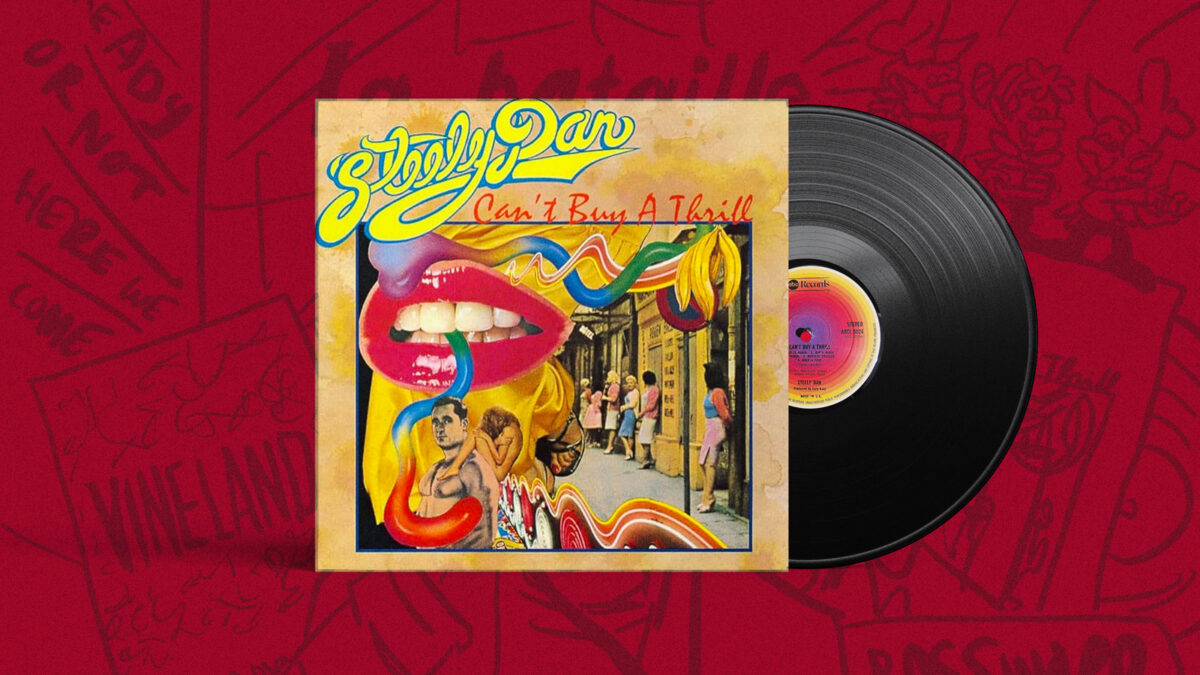
One of OBAA’s best needle drops is Steely Dan’s 1972 hit “Dirty Work,” which plays as the film jumps forward sixteen years, and the story’s second act gets underway. The group is even name-checked shortly thereafter in the film, during a scene in which Bob fumbles while trying to explain his late-night whereabouts. Though Anderson demurs on his level of Steely Dan fandom, according to editor Andy Jurgensen, the song was a part of OBAA from the very beginning.
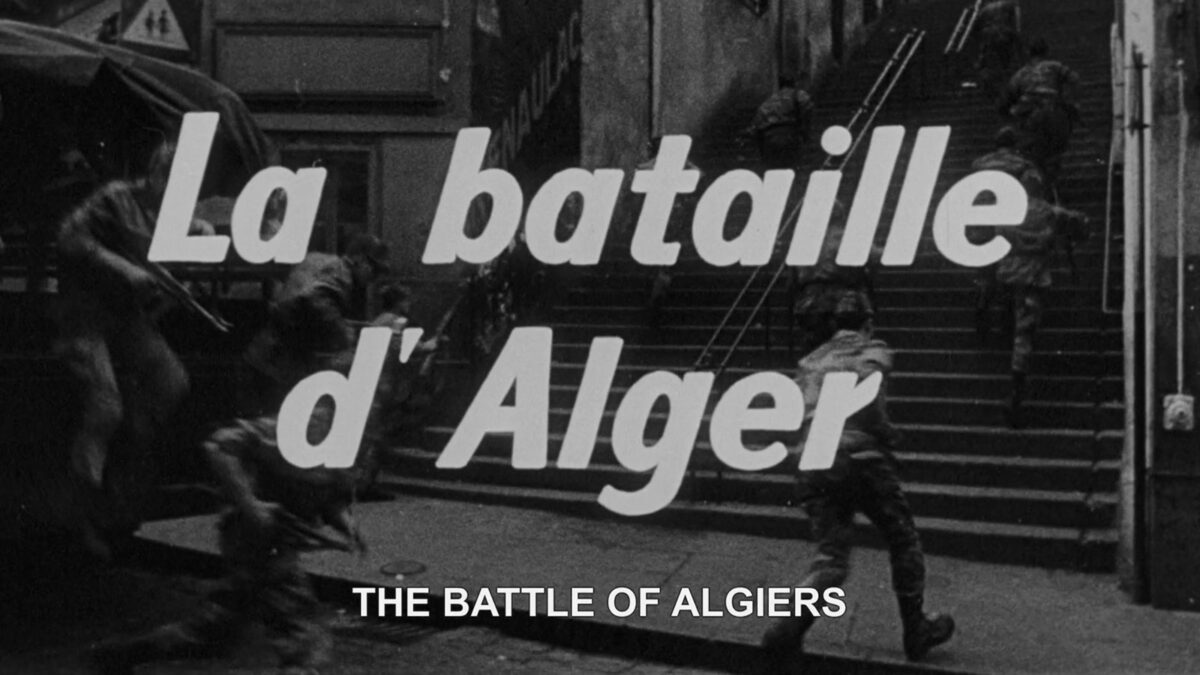
10. The Battle of Algiers
At one point in OBAA, Bob gets stoned and fires up the 1966 classic The Battle of Algiers. Directed by Gillo Pontecorvo, and based on real events, the film follows a band of rebels in French Algeria in the 1950s. Shot in documentary-style black and white and cast with many non-professional actors, Anderson has called it “a stone cold classic” and a blueprint for revolutionaries. The working title, “The Battle of Baktan Cross,” was clearly a nod to the 1966 film.
“It was kinda the number one most-watched film among any of those groups that we certainly got into looking into,” Anderson told TCM, citing its influence on groups like the Weather Underground and Black Panthers. “This was the film they admired, they idolized, and they looked to.” The film is a Criterion OG (spine 249!) but the appearance onscreen isn’t just a wink to the cinephile crowd; it was also a clue to understanding Bob. “If you’re living in a cabin in the woods in relative safety, and you don’t have anything to do, you’d probably put on The Battle of Algiers for the 900th time to relive the old days,” Anderson says.
Anderson’s friend and filmmaking mentor Jonathan Demme had recommended The Battle of Algiers years ago, and “the rest is history,” Anderson says. “So many of the performers are non-professional actors or people recreating the experiences they’ve had.” That’s a quality Anderson took to heart when making OBAA, a film in which one of the world’s biggest movie stars is surrounded by locals, real teachers, shop owners, and kids. Penn’s villainous performance is even given some stiff competition by real-life military veteran James Raterman, who plays his relentless interrogator.
The Battle of Algiers was one of a handful of films Anderson programmed for TCM as part of a OBAA-inspired series, alongside The Searchers, Running On Empty, Midnight Run, and The French Connection.
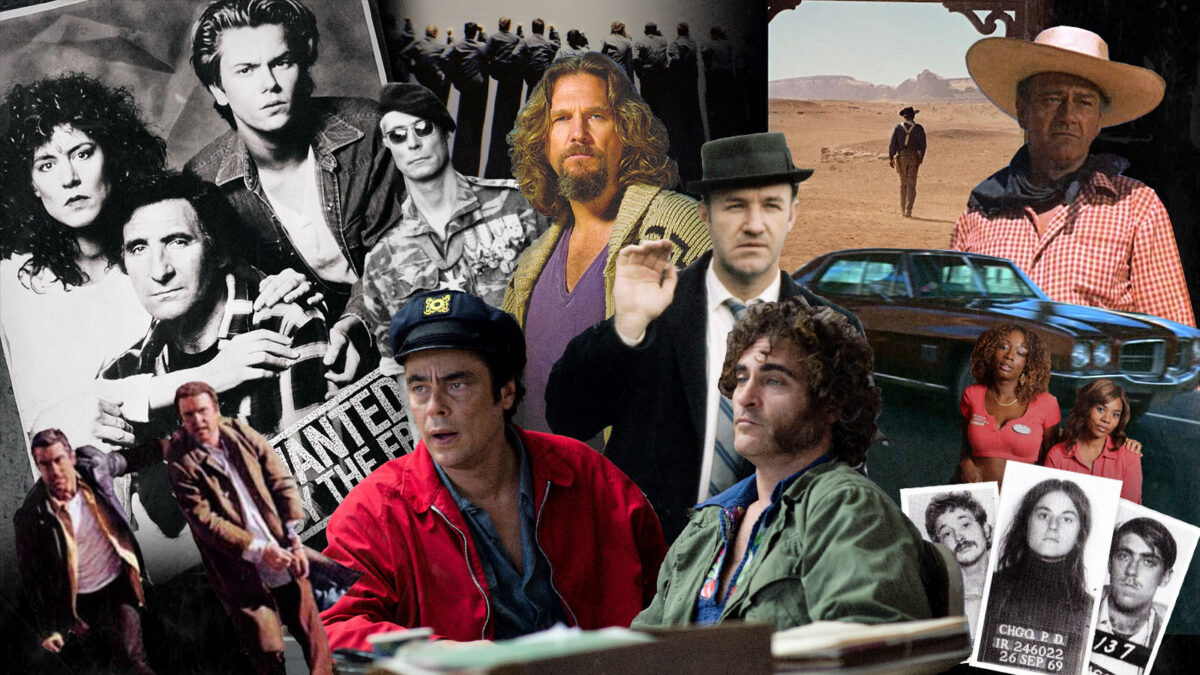
More Movies
The Searchers (1956) An epic VistaVision western about a man who must go on a mission to retrieve a young girl after she is abducted. No relation whatsoever.
The Big Lebowski (1998) A missing girl and a stoner in way over his head trying to unravel a mystery in the Coen Brothers cult classic. Great robe, too.
Midnight Run (1988) Martin Brest’s Robert De Niro and Charles Grodin-starring two-hander has long been a PTA favorite, even stealing Philip Baker Hall’s Sydney character for his debut feature.
Running on Empty (1988) Ex-revolutionaries on the run are caught between suburban domesticity and picking up stakes again at the first sign of trouble in Sidney Lumet’s drama.
The French Connection (1971) The most imitated car chase of all time, masterfully directed by William Friedkin in this Best Picture-winning classic.
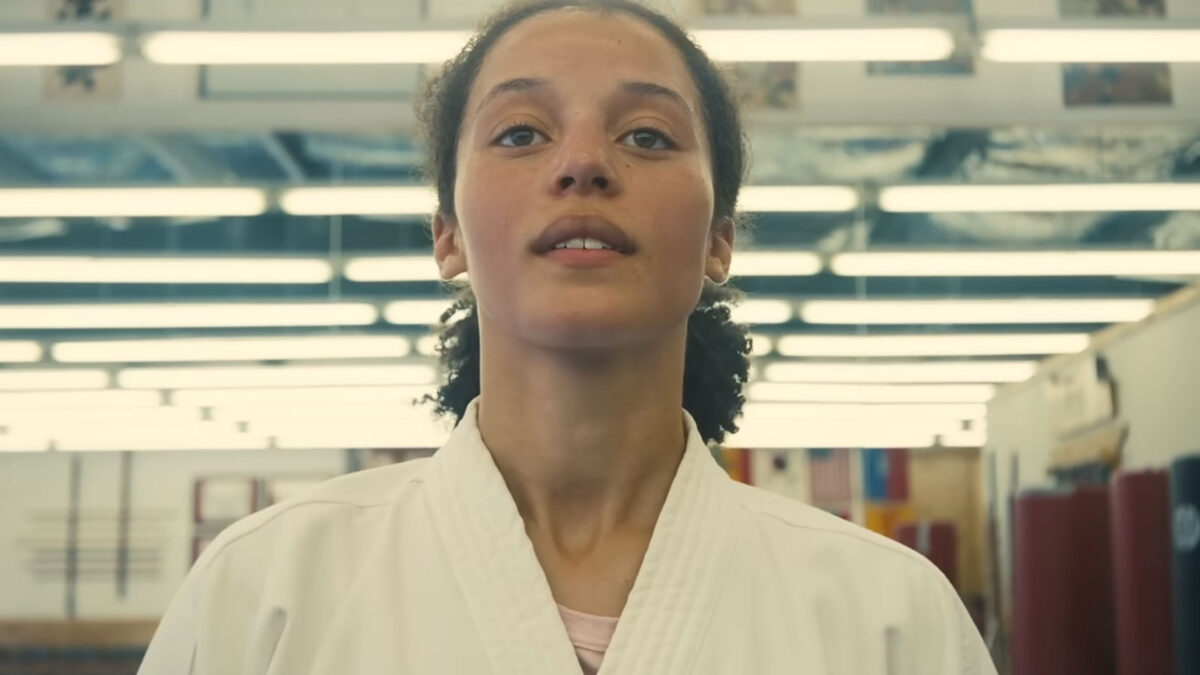
11. Willa Ferguson
Anderson reportedly spent years developing OBAA, but for a long time was unable to find an actress to play Willa. It wasn’t until Chase Infiniti came aboard that he knew he had his film. Though Infiniti played a pivotal role in the TV series Presumed Innocent, OBAA is her debut feature—and one of the most praised turns of the year. She brings the fierceness and vulnerability required for the character, delivering a line like “earn what you eat, secure what you shit”—which comes straight from Vineland—with utter conviction.
A small moment early in the film features Willa looking up at the sky to see a black hawk flying overhead. Then Bob looks up and sees a Black Hawk flying overhead, perfectly symbolizing the gap between father and daughter in two mirrored images.
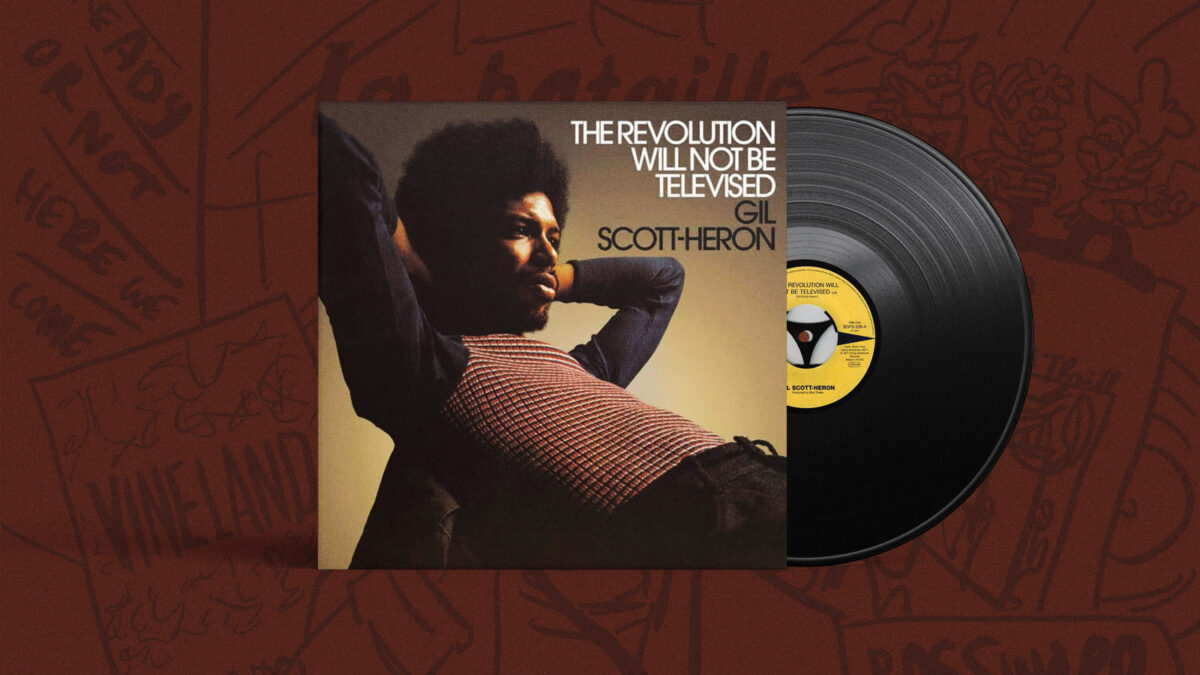
12. The Revolution Will Not Be Televised
“Green Acres, Beverly Hillbillies, Hooterville Junction!” It’s perhaps the most oft-repeated phrase in OBAA—and one whose significance may be completely lost to younger viewers. These aren’t just quotes from classic 1960s sitcoms; they’re also lyrics from Gil Scott-Heron’s 1971 song “The Revolution Will Not Be Televised,” a black liberation anthem about the importance of not sitting on the sidelines:
“Green Acres, Beverly Hillbillies, and Hooterville Junction/
Will no longer be so damn relevant/
And women will not care if Dick finally got down with Jane/
On Search for Tomorrow/
Because black people will be in the street looking for a brighter day/
The revolution will not be televised”
A snippet of the song can be heard as hold music when Bob is on the phone with Comrade Joshua—“time doesn’t exist and yet it controls us anyway”—and is played in its entirety during the film’s end credits.
13. The Christmas Adventurers Club
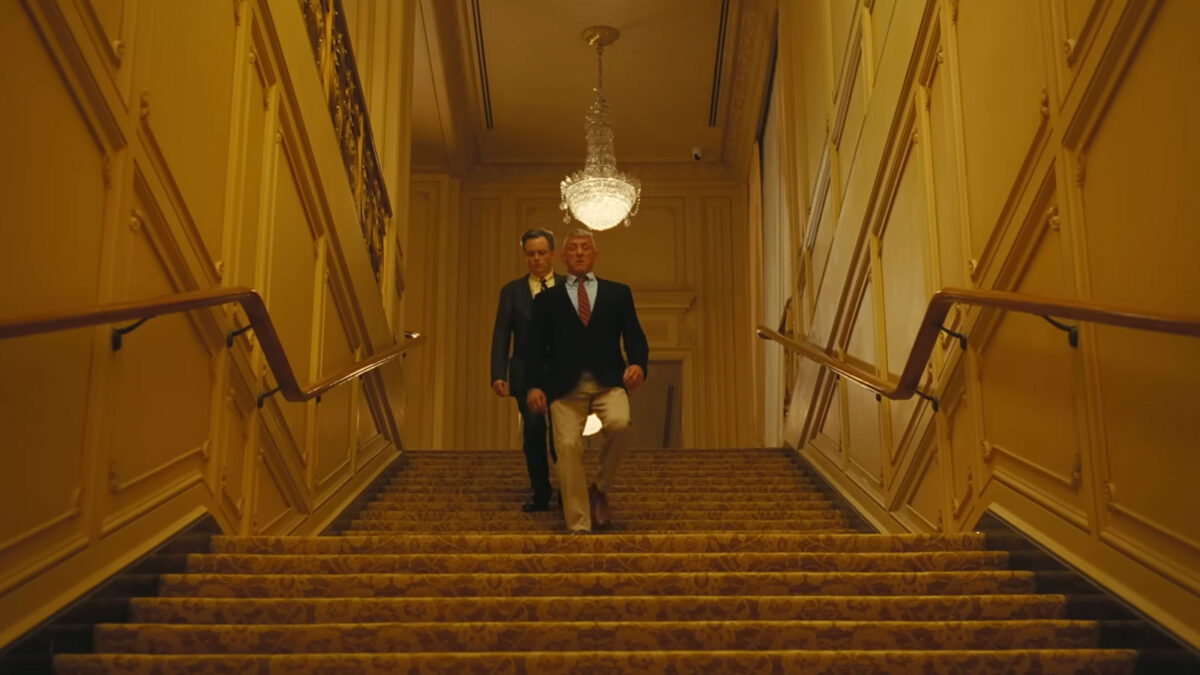
One of the wildest swings in OBAA is the appearance of the Christmas Adventurers Club, a secret society of powerful men who operate behind the scenes, trying to keep society on the rails as they see fit. It’s been pointed out that the Adventurers recall real-life private clubs like Bohemian Grove, an all-male private club that counted Richard Nixon and Ronald Reagan among their members. Both former presidents are targets of derision in Pynchon’s book, so it’s likely no coincidence that their meeting place was filmed at Ronald Reagan’s real-life house. The Dr. Strangelove comparisons are not unwarranted as both films share a character named Lieutenant Toejam.
The club’s key members are played by Tony Goldwyn, Kevin Tighe, and Jim Downey, who delivers two of the film’s most memorable lines—“A semen demon?” and “Lunatics, haters and punk trash”—in fantastically deadpan fashion. Downey is well known to comedy nerds: He spent decades as a writer on Saturday Night Live—a show Anderson knows well— and appeared in the funniest scene in 1995’s Billy Madison. And PTA fans may also recognize Downey as Al Rose, the real estate broker from There Will Be Blood whose name even graced Anderson’s secret YouTube channel back in the early days of the platform.
The defective jetski that Lockjaw complains about found its way into the film’s Fortnite collaboration. Jim Kringle would be proud.
14. Sensei Sergio
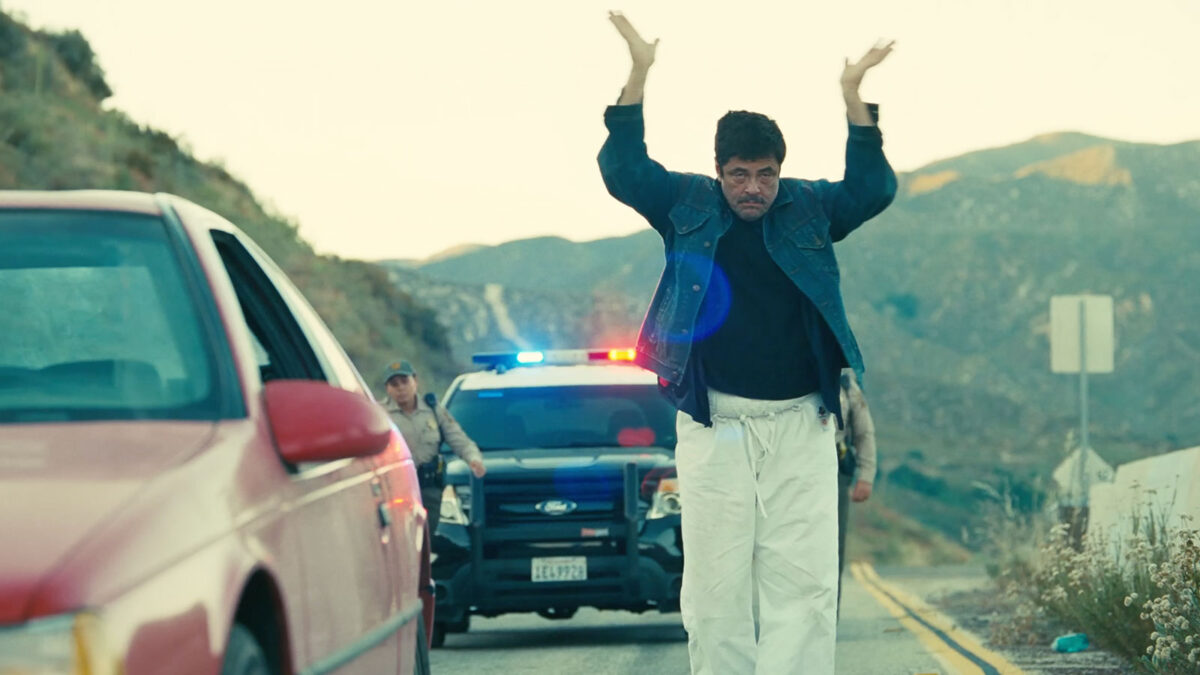
Not long after OBAA hit theaters, it became clear that Sensei Sergio—the karate instructor and fixer portrayed by Benicio Del Toro—would go down as one of the great PTA characters, and that “a few small beers” and little shimmy would be forever enshrined in the pop culture lexicon. More than just the ultimate wingman, Sensei drives his own story, and the film’s middle section was reworked on the fly once Del Toro came aboard. Anderson says production “took a break shooting for two-and-a-half months” to wait for Del Toro, who was finishing up work on another film.
According to Anderson, the second act of the film—in which Sensei gives Bob temporary safe harbor—came off as flat until Del Toro suggested the entire “Latino Harriet Tubman situation” angle for his character. Once in place as the backdrop, the sequence sprang to life as Sensei attempts to get Bob to safety. According to Anderson, the director gave Del Toro just one note regarding his performance: Namely, that he try not to absorb the frantic energy of DiCaprio’s character, so that Sensei can keep his cool at all times. “Tranquilo, Bob.”
The inspiration for the character was a real painting of a tiger, which can be seen in Sensei’s apartment as well as in his dojo (which PTA fans may note features a very familiar color scheme, courtesy of designer Florencia Martin). Sensei’s hard-rock ringtone is also very on brand.

15. “Let’s take a selfie.”
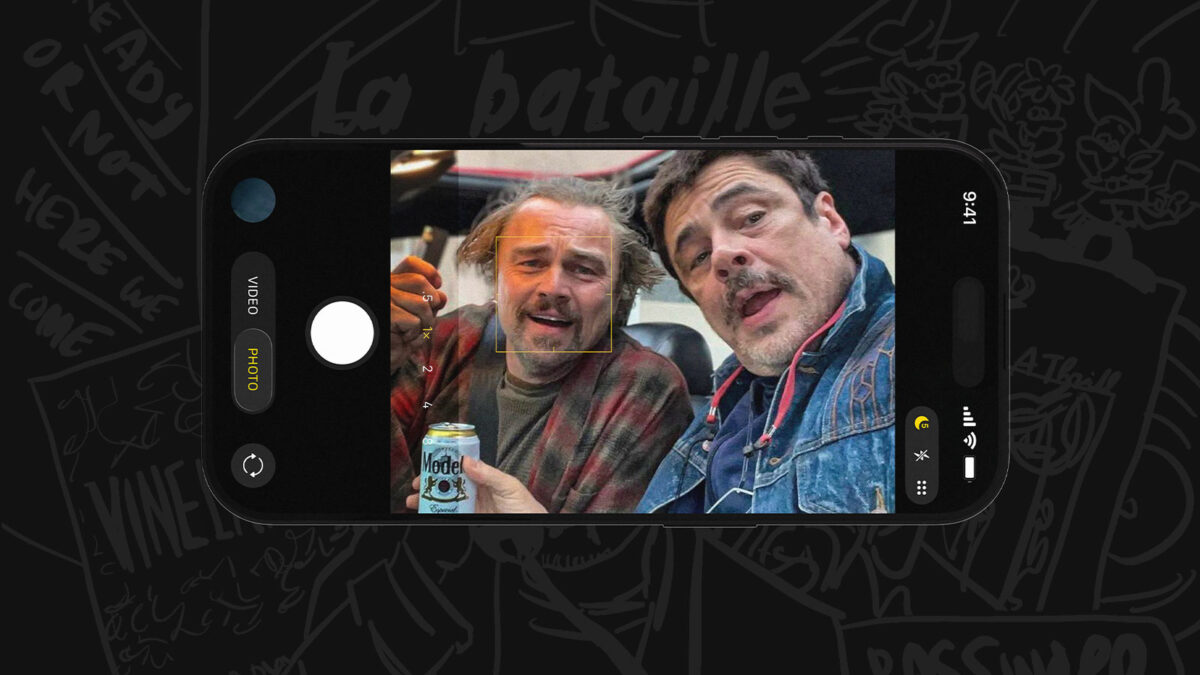
Another one of the film’s biggest laughs comes from Sensei Sergio when, after rescuing Bob from the hospital, takes a second to suggest they capture the moment in typically 2025 fashion, with a selfie. It’s a hilarious beat and also one that circles back around at the end of the film in an unexpectedly poignant moment as Bob fumbles around with his new phone camera. This is one of many signifiers that the film is very much set in the present, though debate continues as to exactly when that is.
Of all of the filmmakers singled out for not making films set in the present, no one has run harder at that charge than Anderson, who before OBAA had not made a contemporary film since 2002. (Ari Aster certainly deserves credit but he wasn’t on that initial list of filmmakers.) From sanctuary cities to immigrant detention centers and white nationalists, it’s hard to believe the film might have come out during an entirely different administration had the 2024 election gone another way.
“If I’m honest, I really didn’t want to make another period film again,” Anderson told Truth & Movies. Anderson said that the modern-day setting freed him up to be able to be even more flexible with filming, without being hamstrung by making sure every detail in the frame adheres to the period. “There was a kind of pragmatic and practical decision. And it would be good in a practical way, in an economic [way] to just be able to walk onto the streets and make a film, you know?” Fingers crossed there’s more of that in his future.
16. “Freedom means no fear. Like Tom Fuckin’ Cruise.”
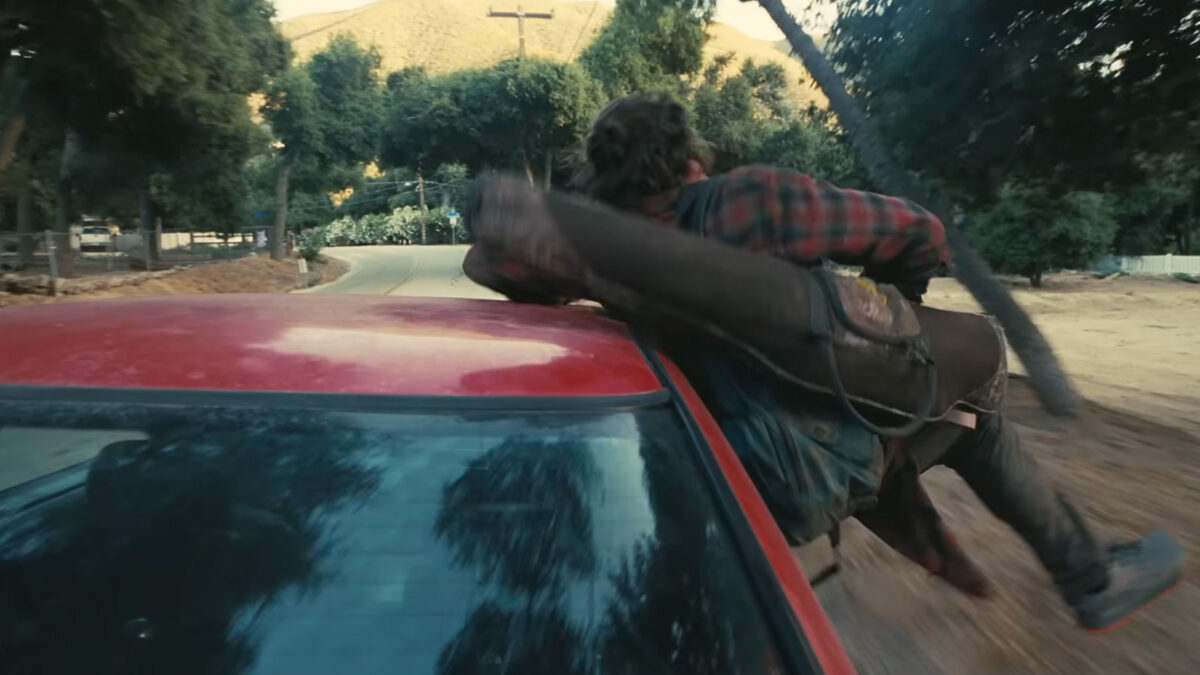
Another of the film’s most memorable lines—which takes place when Sensei tries to urge Bob to jump from a moving car—was not in the original shooting script, though Anderson said the line was on his mind while making the film. He’s credited the singer Nina Simone, who once said: “I’ll tell you what freedom is to me. No fear.” (Anderson is a Simone fan, as evidenced by the inclusion of her song “July Tree” in Licorice Pizza). As far as Sensei’s addition of “like Tom Fuckin’ Cruise,” does that make this technically Cruise’s second appearance in a PTA film?
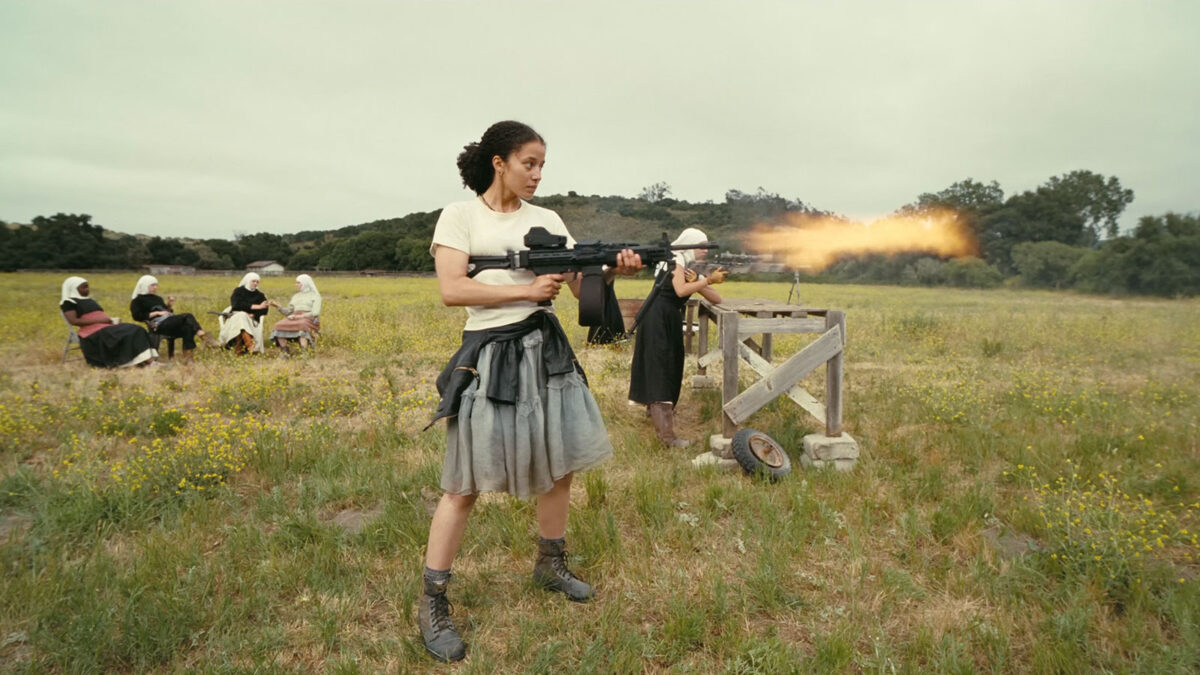
17. Sisters of the Brave Beaver
From Dirk Diggler to Reynolds Woodcock to Tail O’ The Cock (though that one is a real restaurant), the Sisters of the Brave Beaver joins a long line of Anderson names designed to amuse himself, and make audiences blush. (Chase Infiniti was less amused.) The fictional convent is loosely inspired by Sisters of the Valley, a collective of “cannabis nuns” in the San Joaquin Valley. A few members of Sisters of the Valley appear in the film, alongside Anderson’s daughter Pearl.
Perhaps the most recognizable face at the nunnery is that of Sister Rochelle (the only OBAA character to keep their name from Vineland). She’s played by April Grace, whose last appearance in a PTA film was as the tough TV journalist in 1999’s Magnolia. Grace is the first actor not named Philip Seymour Hoffman, John C. Reilly, Luis Guzmán, or Melora Walters from Anderson’s 90s films to work with him this century. According to Grace, the reunion was a “lovely” experience. Here’s hoping it’s not another quarter century before the next one.
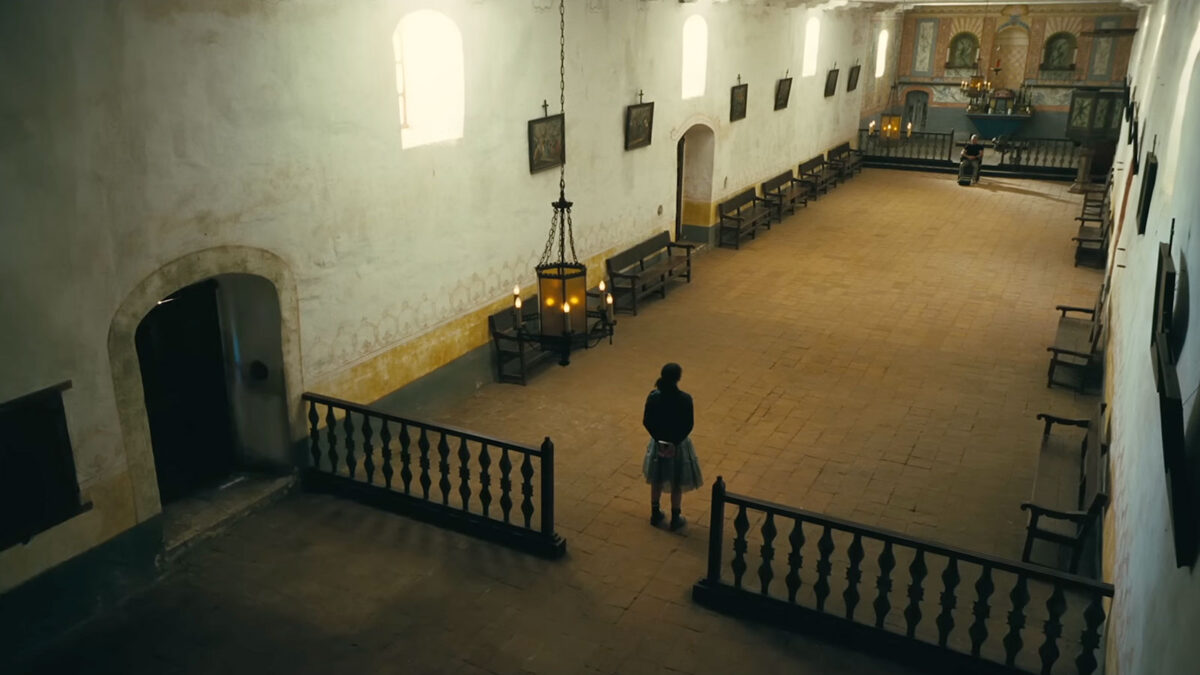
18. “She was a witch.”
OBAA marks composer Jonny Greenwood’s sixth collaboration with Anderson, and in a score full of brilliant moments—including “Baby Charlene” and “River of Hills”—one of Greenwood’s most ingenious is easy to miss. In the sequence in which Lockjaw describes Willa’s mother as “a witch,” Greenwood inserts a small riff on “Miss Gulch,” better known as the Wicked Witch theme from Harold Arlen’s The Wizard of Oz score. You can hear this on the track “Like Tom Fkn Cruise.”
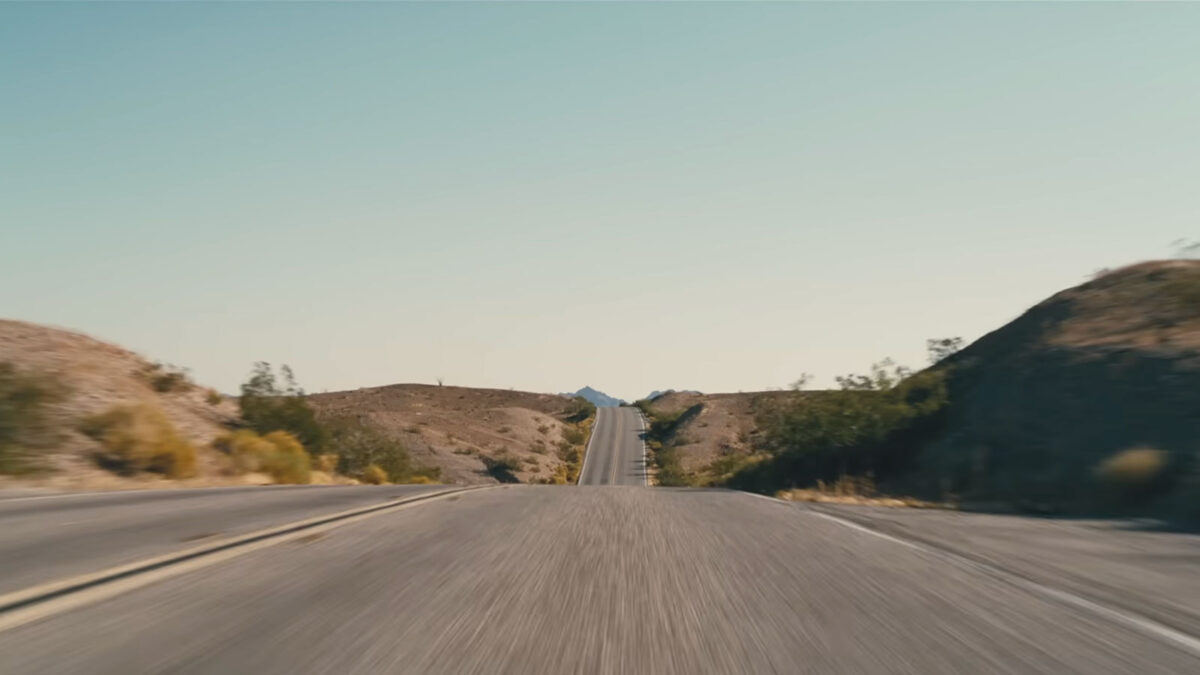
19. River of Hills/The Car Chase
After finishing his three-hour epic Magnolia at the turn of the century, it was reported that Anderson wanted a change of pace—and that his next film was to be a 90-minute romantic comedy starring Adam Sandler. At the time, that kind of film seemed like a strange fit for an auteur responsible for back-to-back sprawling epics. It wasn’t until the release of Punch-Drunk Love—which won Anderson the Best Director prize at Cannes—that fans were able to put the pieces together: Oh, so this is what a PTA Adam Sandler rom-com looks like.
More than two decades later, rumors began swirling that Anderson’s follow-up to Licorice Pizza was a $100 million action comedy featuring car chases, stunts, and a script based on a Thomas Pynchon novel—all of it filmed in VistaVision and released in IMAX. It was yet another unlikely-sounding PTA project. And yet, from OBAA’s opening scenes—in which moment Perfidia trills “getttttup” and Lockjaw stands at attention—it’s clear the film is unlike any other action comedy and entirely PTA. (Or as Anderson puts it: “Anytime you have the opportunity to have a boner in a film, you’re supposed to take it.”)
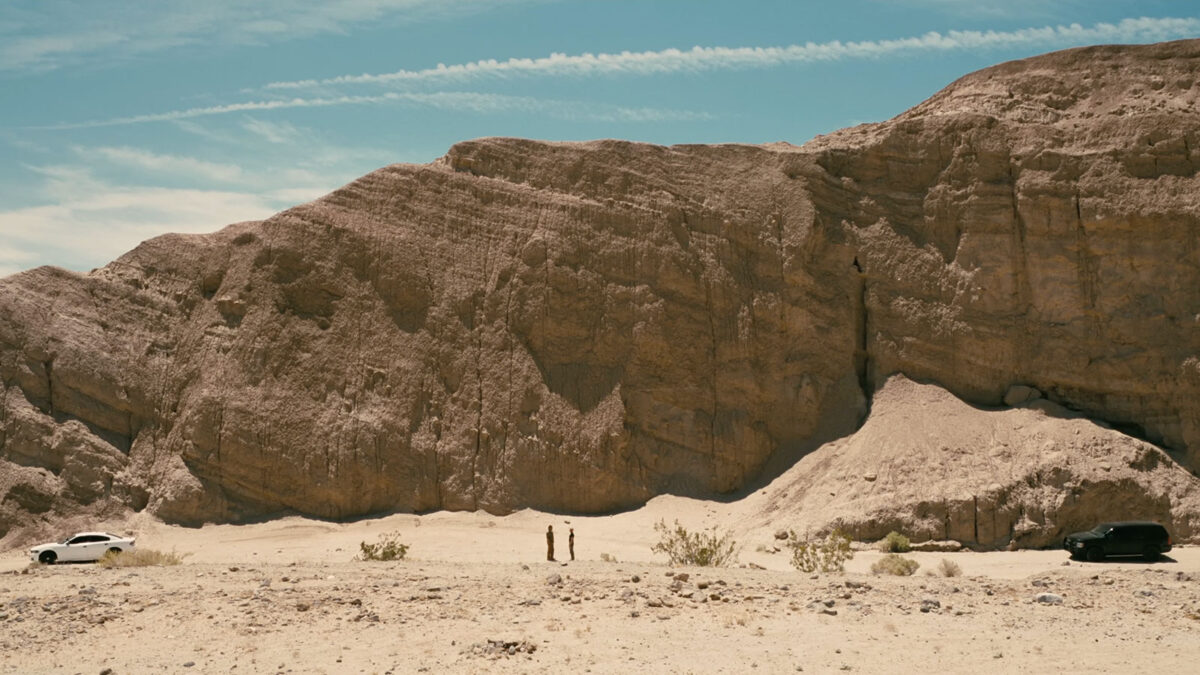
But despite the film’s massive scale, Anderson’s creative process for OBAA remained the same as it has been for his last handful of features, heavily open to adjustments on the fly. The first act features kinetic car chases inspired by The French Connection, and Teyana Taylor giving Tom Cruise a literal run for his money. But it’s the final car chase that will be talked about for ages. For the River of Hills chase, there were no storyboards. The Borrego Springs location was found during location scouting, not incorporated into the original script, where Anderson would frequently write “Chaos TBD” in place of scripting the individual beats of each action sequence.
Anderson reportedly worked out the chase with Matchbox cars. For the shoot, the cameras were mounted low on the cars, sometimes just mere inches from the asphalt, giving audience members a stomach-dropping sensation on the big screen. The final beat of the chase with Willa being the one responsible for her own fate—rather than having Bob come to save her—was also worked out during production. The cars featured—a Dodge Charger and Ford Mustang—are the same models used in the infamous chase in Bullitt (1968).
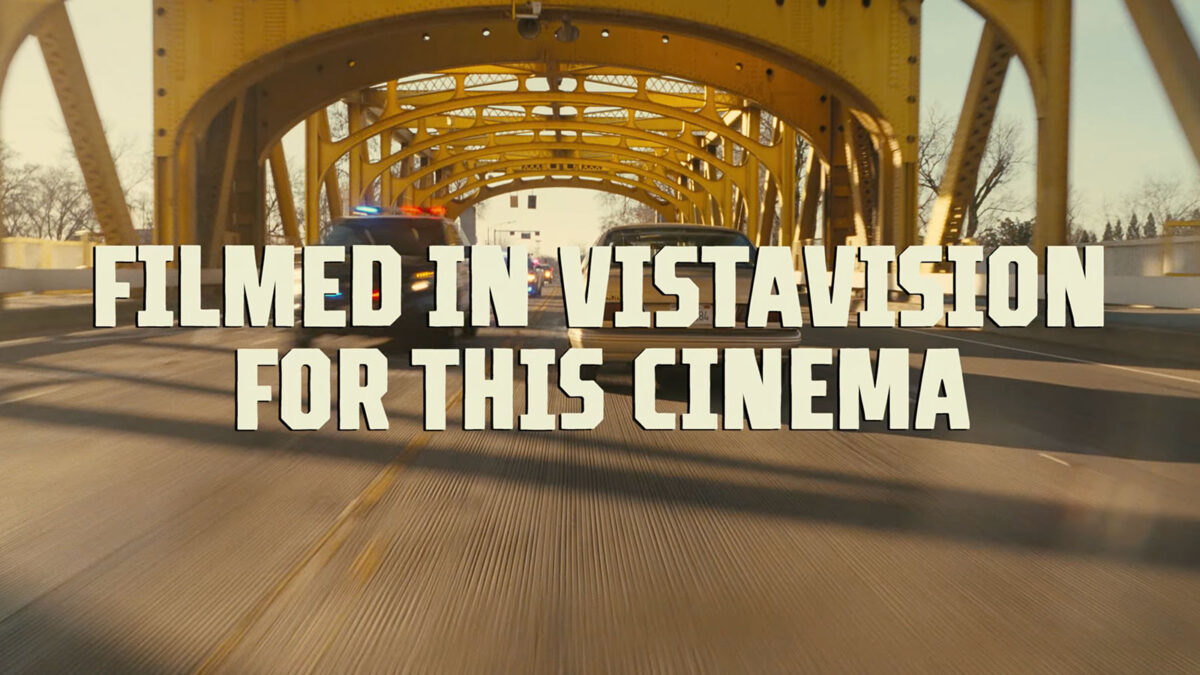
20. VistaVision
Even casual viewers were incentivized to notice the “Shot on VistaVision” tag in the film’s very first trailer. So what exactly is VistaVision and why should the average moviegoer, let alone cinephiles, care? The format was engineered in 1954 by Paramount Pictures, in order to use a larger portion of the camera negative (or as Anderson summed it up: “Bigger is better”) First used for the film White Christmas, VistaVision was popular throughout the 1950s, but went out of fashion in the early 60s. Outside of being used for large-scale practical effects work, the format has remained mostly dormant.
Anderson first experimented with the format back in 2019 while making ANIMA, the Netflix-funded music video for Thom Yorke, which was released in IMAX for one night only before landing on the streaming service. ANIMA proved the versatility of the format, and convinced Anderson that VistaVision could work for a feature. With its vast landscapes and intense close-ups, OBAA seemed like a good fit for VistaVision’s scope and scale. With the help of actor and cinematographer Giovanni Ribisi, Anderson was able to get access to multiple refurbished VistaVision cameras, making OBAA the first feature to be shot and projected in the format since 1961’s One-Eyed Jacks.
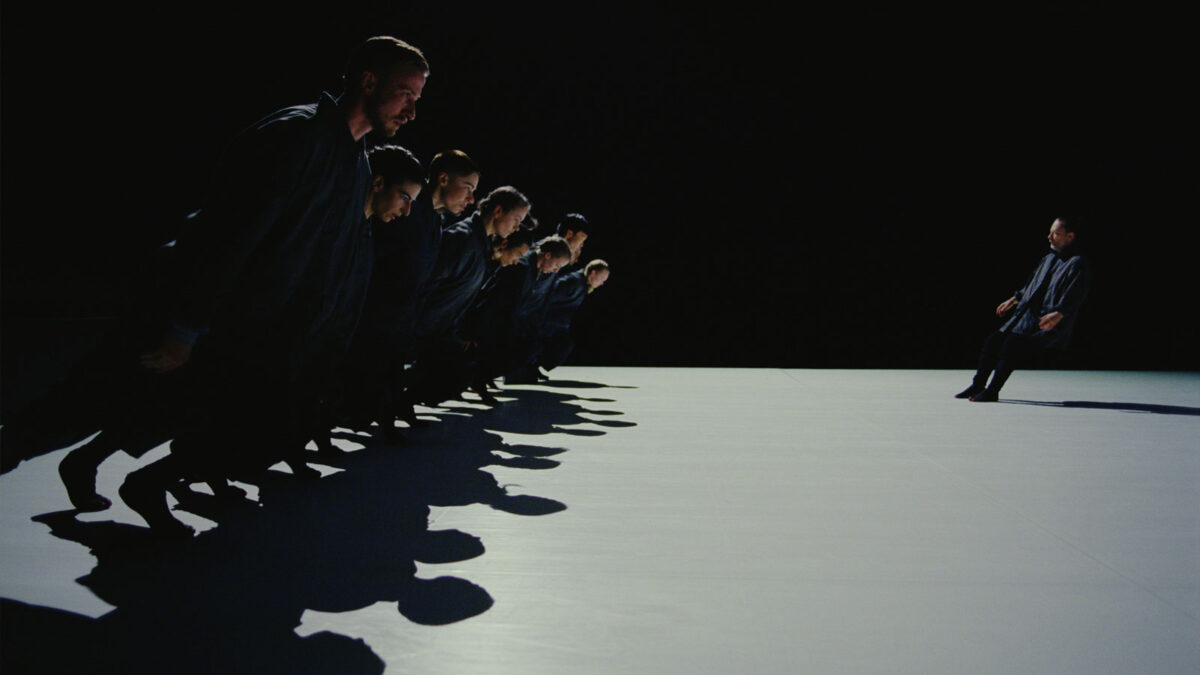
The aspect ratio of 1.50:1 makes VistaVision ideal for tall and boxy presentations, which led to an IMAX release in full frame 1.43:1. Without getting too film nerd, even regular viewers can feel the difference of sitting in a large format theater and seeing the image fill the entire frame. And if you haven’t experienced Colonel Lockjaw’s boner in true IMAX, you’re missing out. As Anderson put it: “If it’s good enough for John Ford and The Searchers, good enough for Alfred Hitchcock and North by Northwest and Vertigo, then it should be good enough for us.”
21. Jon Brion
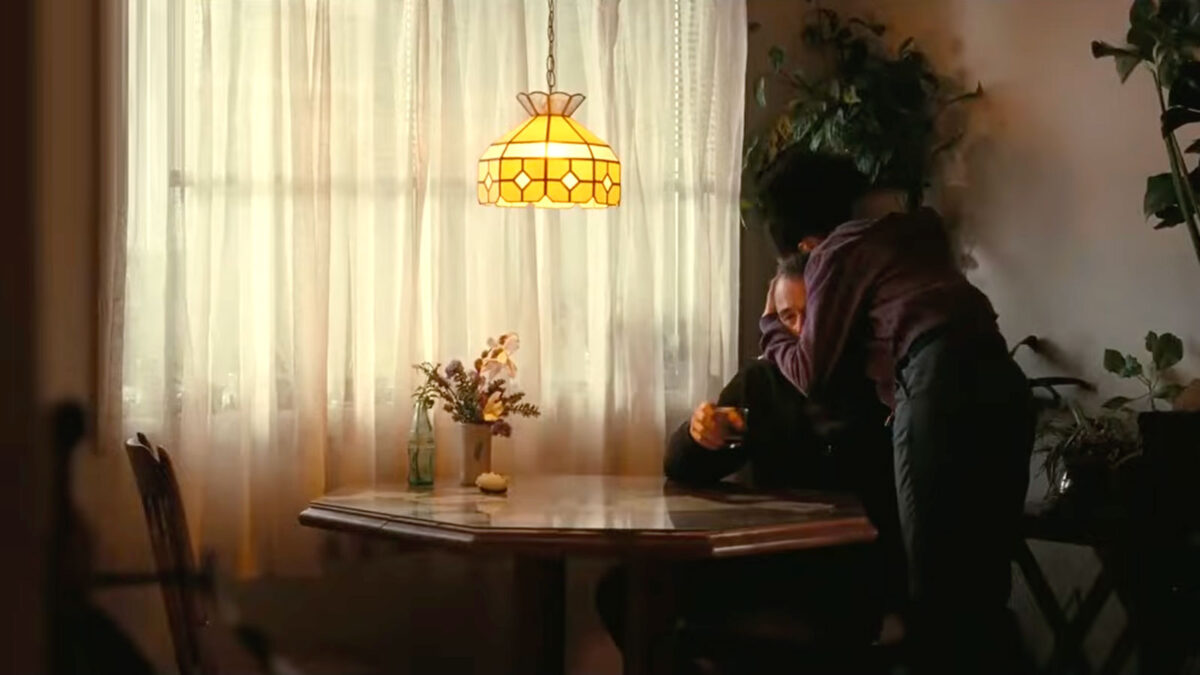
With all the breathless praise—from Steven Spielberg himself!—that emerged from the film’s very first public screening, one piece of news may have been most exciting for longtime PTA heads. For the first time since 2002’s Punch-Drunk Love, Jon Brion music was in a Paul Thomas Anderson film again. Fans will know that Brion had collaborated on the score for Boogie Nights along with Michael Penn and composed the scores for Magnolia and Punch-Drunk Love, compositions frequently still imitated today. He was also responsible for producing more than a couple classic albums and soundtracks but his work with Anderson remains singular.
But once Anderson recruited Radiohead’s Jonny Greenwood to score There Will Be Blood, the pair have been inseparable for nearly two decades. So it was an unexpected treat to hear just a little of Brion’s music in a few key scenes throughout OBAA. According to editor Andy Jurgensen, Brion tracks “Bunker Bumper” and “Global Bully” were unused pieces Anderson had on his hard drive, and not newly commissioned work from Brion. The first piece occurs during the montage in the first act, culminating in a moment where the city lights go out one grid at a time and the music soars. The second is perhaps the biggest emotional gut punch of the film, when Willa reads Perfidia’s letter.
22. The Letter
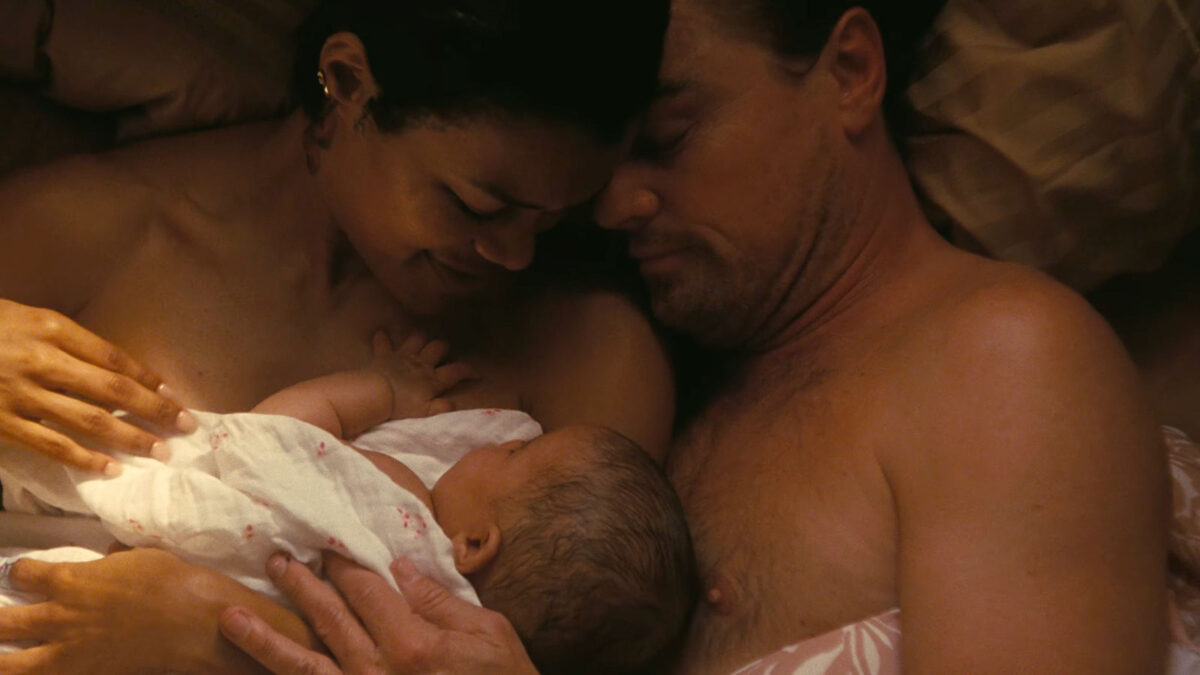
As evidenced by There Will Be Blood’s oft-quoted “I drink your milkshake”—which was pulled from a real quote during a congressional hearing in the 1920s—Anderson knows a good line when he hears one. So full credit goes to Reddit for this one, but the letter that Willa reads from her mother Perfidia at the end of the film also has roots in real life. A few of the lines from Perfidia’s letter to Willa come from real correspondence featured in the 2002 Weather Underground documentary:
“October 19th, 1977. Dear, dad. Hello from the other side of the shadows. I don’t mean to shock you, but I have been contemplating writing you for a long time. First, the good news, which is that you have a second grandson. He had a good birth. No drugs. No problems. And his mom is okay, too. I have been working when I can which is not full time and not nearly enough to support us. Not only do I lack skills and qualifications, I also lack the references and work record fitting my age. All of which become more important with this extreme unemployment. Right now its hard to get a job pushing a broom if you can’t prove you’ve been doing it for ten years. Often I wake up and find it completely inexplicable how and why I am where I am today and disconnected from my family. As I know you wont be out here for a while, I’m finding an address where you can write me directly. Please send me your advice or your reflections on what I should do.”
23. American Girl
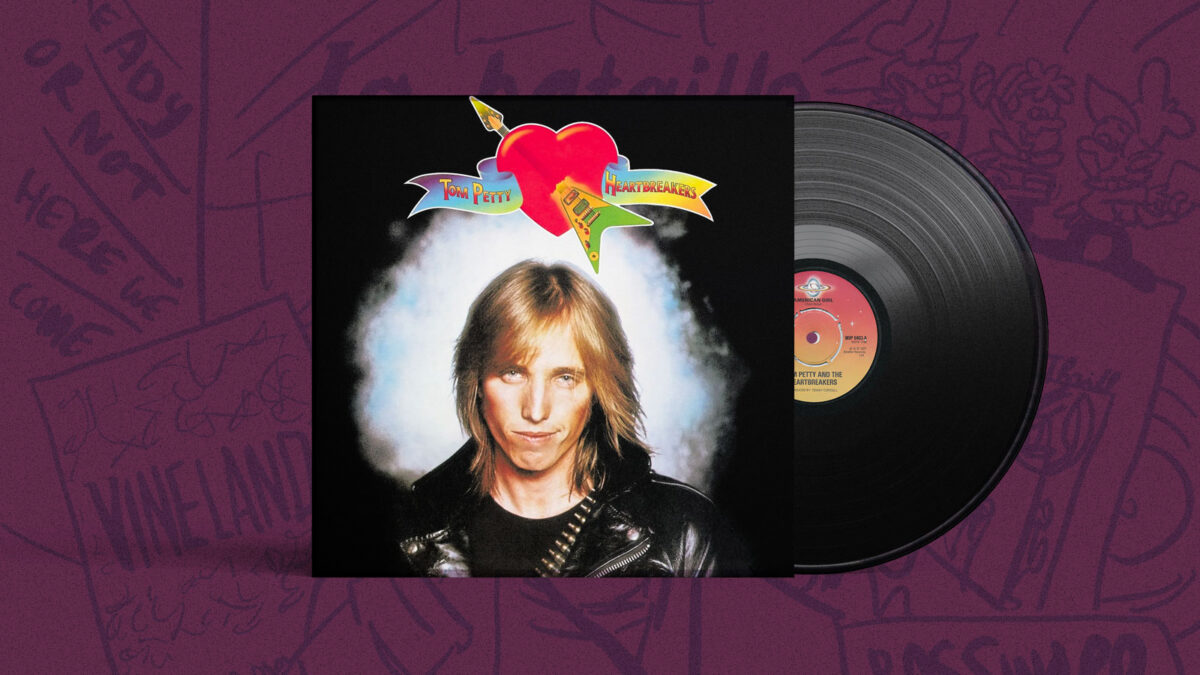
And then comes the final hammer: a needle-drop so on the nose, you can’t believe how well it works. Tom Petty’s “American Girl” was already used in an iconic Sean Penn film, and had been expertly deployed by Anderson’s mentor, Jonathan Demme, in the Oscar-winning film The Silence of the Lambs. It’s rare but not unprecedented for Anderson to use a needle drop already so iconic—see “God Only Knows” in Boogie Nights—but when he does, he earns it. Anderson reportedly tested an ending for OBAA without the track. But there’s no denying that when the drum and guitar riff kick in, it gives audiences a jolt of pure electricity when they leave the theater.
More Music
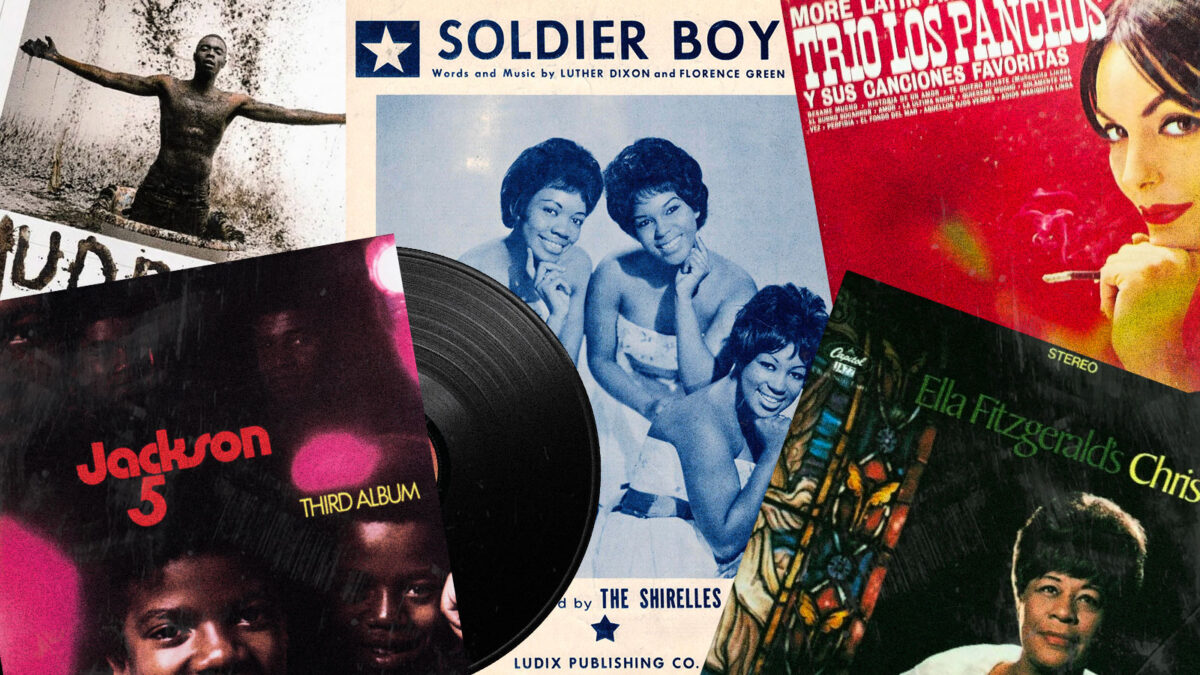
“Ready or Not (Here I Come)” – The Jackson 5
“Soldier Boy” – The Shirelles
“Mo Bamba” – Sheck Wes
“Perfidia” – Los Panchos
“Hark! The Herald Angels Sing” – Ella Fitzgerald
24. Star Wars
“Hey’d you ever see that movie Star Wars?” Both Anderson and DiCaprio are children of the 1970s which means that Star Wars loomed large in their childhoods. And for the Oscar-winning actor, it’s fairly easy to map OBAA back to that galaxy far, far away.
“There’s so much intricate thought put in and layering to what is essentially a sort of action film about a father trying to get back to his daughter,” DiCaprio told The Big Picture. “I compared it to Star Wars in a lot of ways. You have the bounty hunters [Avanti and Tim Smith]. You have Princess Leia [Willa]. You have Yoda [Sensei]. You have Darth Vader [Lockjaw], but it’s saturated in [the] real world.”
DiCaprio also said he chose his orthopedic shades because he wanted to look like Boba Fett. And even the emotional wallop of “I’m your dad” has kind of a familiar ring to it.
25. Adam Somner
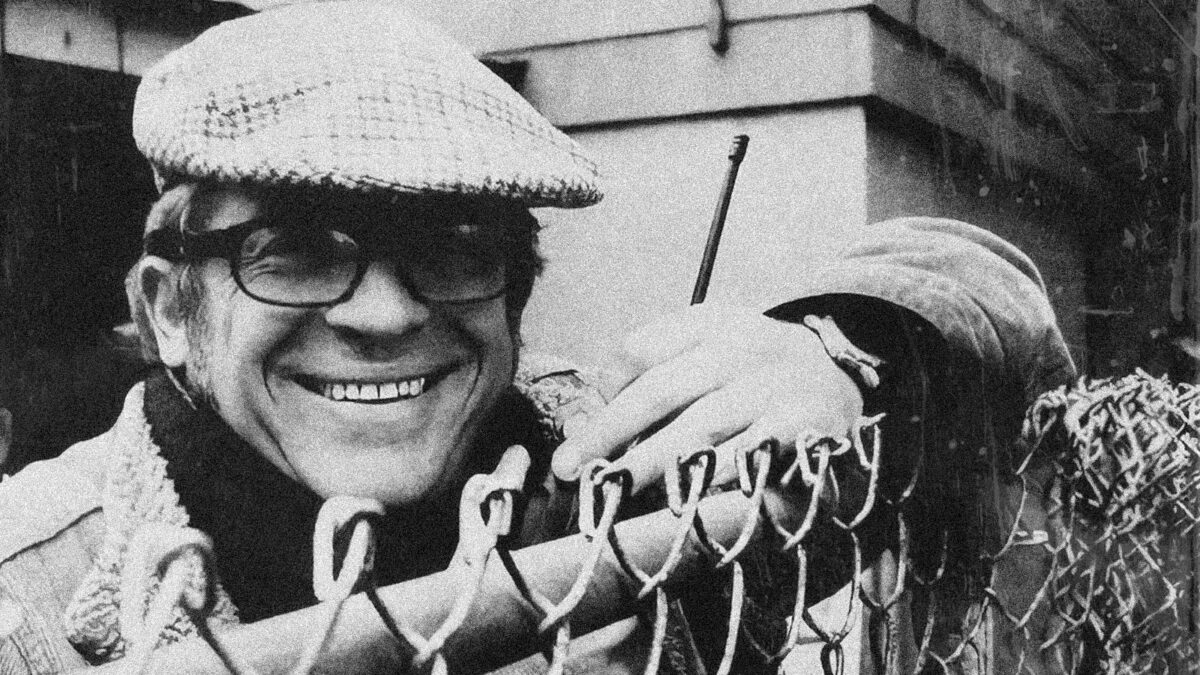
And finally, for those who stuck around until the end credits, they’ll notice a little tag at the end. Along with Anderson’s mother, the film is dedicated to producer and first assistant director Adam Somner, who passed away late last year during post-production. Somner worked with Anderson on his previous six features going back to There Will Be Blood and was an essential part of Anderson’s filmmaking family. Anderson has also credited Somner as the primary reason that One Battle After Another exists at all.
Somner not only had a relationship with Anderson—who married Somner at his wedding and referred to them as “brothers”—but also with DiCaprio, who he had worked closely with numerous times including Killers of the Flower Moon (which Anderson recently copped to contributing to the script for), The Wolf of Wall Street and The Revenant, for which DiCaprio won his Oscar. It was Somner who told Anderson, “You’re not getting any younger,” and “now is the time” for the pair to work together. Anderson had been tinkering on the OBAA screenplay off and on for nearly twenty five years.
With that motivation he was able to bring together the partnership that had been brewing since DiCaprio passed on Boogie Nights to make Titanic back in 1997. Somner was diagnosed with thyroid cancer a month into the shoot and still turned up to work every day ready to give his all. Anderson said he vividly remembers everything about production which was “one of the most magical experiences I’ve ever had.” The result, the best reviewed film of the year, the biggest box office gross of Anderson’s career by far and hopefully soon to be Oscar-winning film. This is one for the ages. And audiences owe a huge thank you to Adam Somner for making it happen.
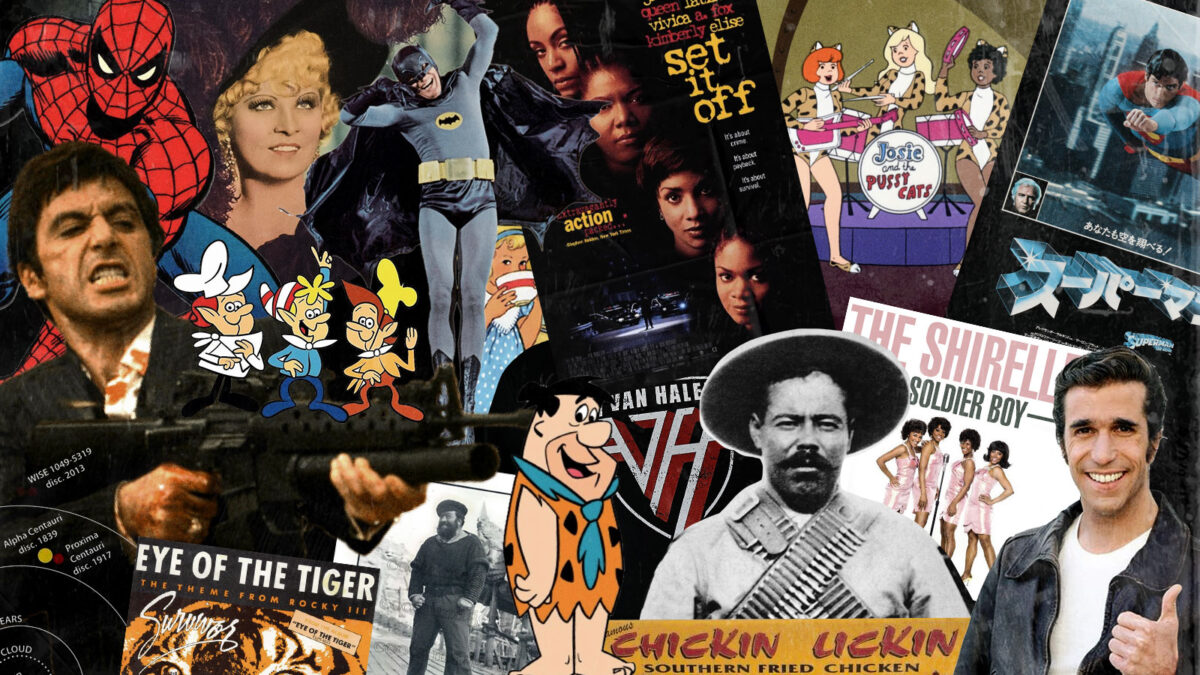
More Pop Culture
Pynchon’s novels are filled to the brim with pop culture references, which appear at a steady clip throughout One Battle After Another. Here are a few of our favorites.
1. “Fred Flintstone and Arthur Fonzarelli, and their address is Alpha Centauri.”
Father on the Hanna-Barbera animated sitcom The Flintstones (1960-1966), “Fonzie” or “The Fonz” as portrayed by Henry Winkler on the hit show Happy Days (1974-1984), the closest star system to Earth.
2. “Batman.” “Peter Parker.”
Maybe the closest Leonardo DiCaprio will ever come to playing a superhero.
3. “Snap, crackle, pop.”
The onomatopoeia trio of cartoon mascots for the breakfast cereal Rice Krispies.
4. “Soldier Boy”
1962 song by the Shirelles which soundtracks the “reverse rape” sequence.
5. “Send in Eddie Van Halen.”
The inciting flamethrower at the battle of Baktan Cross is a federal agent in a hard rock t-shirt which gives the armed battalion a pretext to use force on the crowd.
6. Bluto
Popeye’s nemesis featured in Anderson’s filmmaking hero Robert Altman’s 1980 film.
7. “Josie and the Pussycats”
Hanna-Barbera animated series about an all-girl band that ran from 1970-1972.
8. Mae West
American actress, singer and comedienne known for her sexually confident characters in films like I’m No Angel (1933) and Go West, Young Man (1936).
9. “Bitch, I felt like Tony Montana.”
Brian De Palma’s 1983 retelling of Scarface, the Howard Hawks 1932 classic about the rise and fall of a druglord.
10. “Goldilocks.” “Hello Kitty.”
Nicknames for Willa, along with “Baby Perfidia,” that emphasize her youth and innocence.
11. “The Pancho Villa Room”
A Mexican revolutionary and guerrilla leader who was a key figure in the Mexican revolution.
12. “This is some Set It Off shit.”
The F. Gary Gray helmed 1996 film starring Queen Latifah, Vivica Fox, Jada Pinkett, and Kimberly Elise as a quartet of bank robbers in Los Angeles.
13. “Eye of the Tiger” ringtone
1983 hit by the band Survivor appears on the Rocky III soundtrack.
14. Superman: The Movie
Richard Donner’s 1978 original superhero film starring the late greats: Christopher Reeve, Margot Kidder and Gene Hackman.
15. Chicken Lickin’
The nugget shortage is either one last nod to Demme or time for all of us to go get some air.
Special thanks to Brian Raftery, Darren Franich, and Jordan Raup for all their assistance.