
Following The Film Stage’s collective top 50 films of 2025, as part of our year-end coverage, our contributors are sharing their personal top 10 lists.
On Christmas Eve this year, I watched Gone with the Wind and Casablanca with my family, and near the end of the second film, my father said that these were the films he watched constantly as a child, only great films, because, as he put it, “bad films did not yet exist.” The simplicity of this statement prompted me to reflect on how my generation grew up with an overwhelming amount of poor audiovisual content (not just movies), and how children today have little to no access to what we might call real cinema, swamped by a myriad of bad content that our society neurotically urges them to consume.
Despite this scenario, a few filmmakers continue to work meticulously, creating thoughtful films estranged from marketing operations, hoping someone might discover them one day—much like the girl on the bicycle in The Zone of Interest was quietly hiding apples for starving Jews inside the concentration camp.
I haven’t seen all the films my colleagues have included in their lists but I’m eager to watch them without any rush. One of the most important lessons criticism should have taught us is that what truly matters will stay, and what is unimportant will fade away.
First-Time Watching on the Big Screen [my actual top 3 of the year]:
- Ludwig (Luchino Visconti, 1973)
- Ran (Akira Kurosawa, 1985)
- Profondo Rosso (Dario Argento, 1975)
Favorite Essay: “Romance Labor: on Sean Baker’s Anora” by Marla Cruz
Top 10 of 2025:
10. Palestine 36 (Annemarie Jacir)
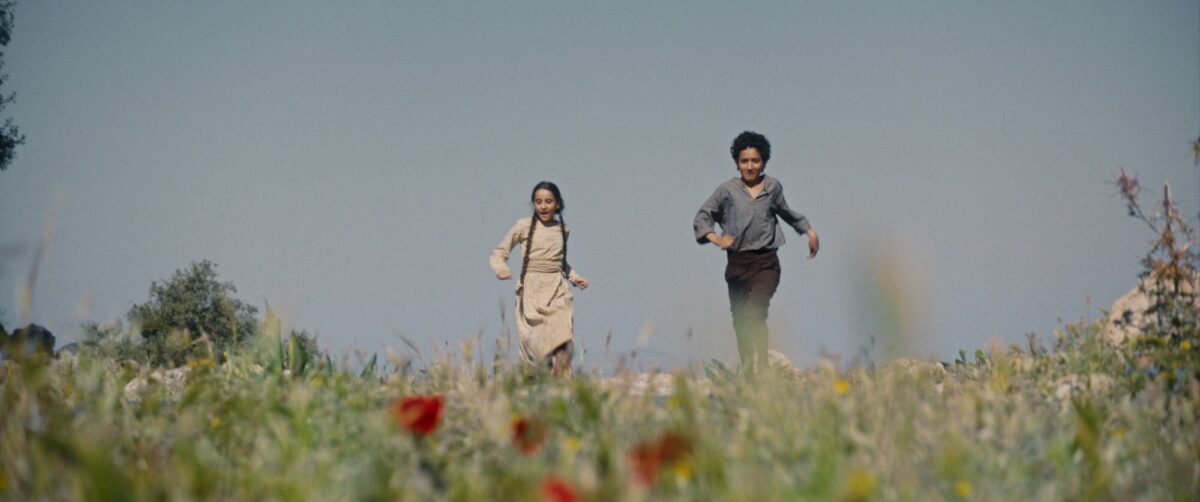
For those who haven’t read Ilan Pappe’s The Ethnic Cleansing of Palestine, Annemarie Jacir’s film has the great merit of clarifying key historical aspects of Palestinian territory and British administration. But even for those who have, this reimagined story offers a deeper understanding of how personal and collective responsibility shapes other people’s lives; an impact that continues to repeat itself across time.
9. Little Trouble Girls (Urška Djukić)
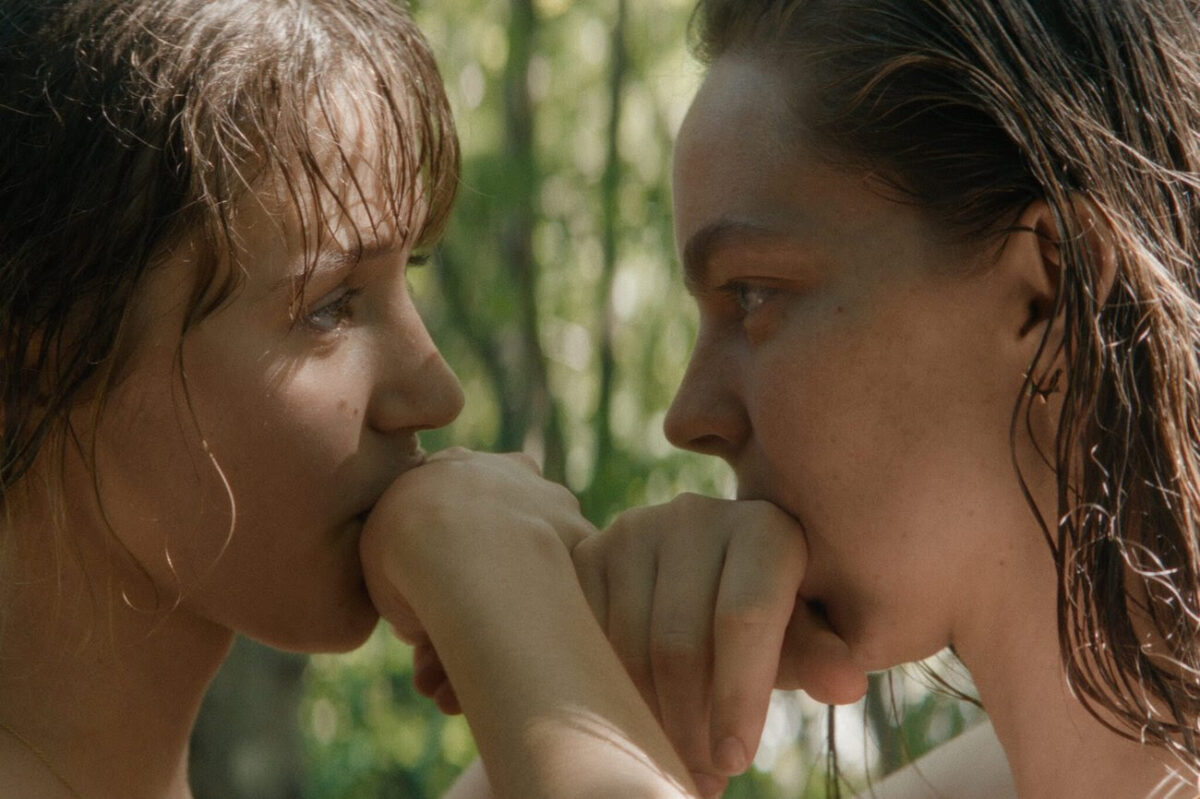
This enchanting debut by director Urška Djukić follows introverted 16‑year‑old Lucija and her fellow Catholic school choir members as they navigate their emerging identities and sexual impulses within a traditional, somewhat out‑of‑time society. Told from a distinctly female perspective, the film resists judgment in favor of quiet observation.
8. Misericordia (Alain Guiraudie)
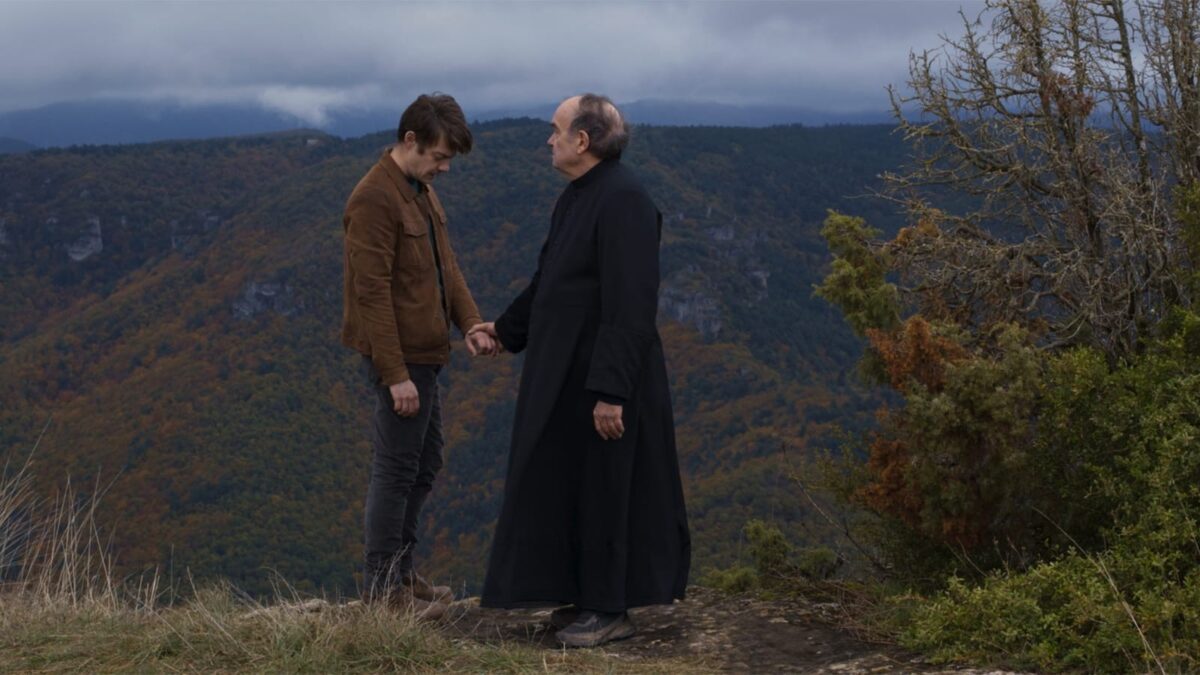
A small French town seems to be all Guiraudie needs to make a great film. Jérémie returns to his native Saint‑Martial for the funeral of his former boss and, invited to stay with the widow, quickly unsettles the villagers with his presence. Once again, Guiraudie works with his simple, unassuming characters, whose attempts to navigate everyday life quietly reveal just how difficult it is to live alongside one another.
7. Frankenstein (Guillermo del Toro)
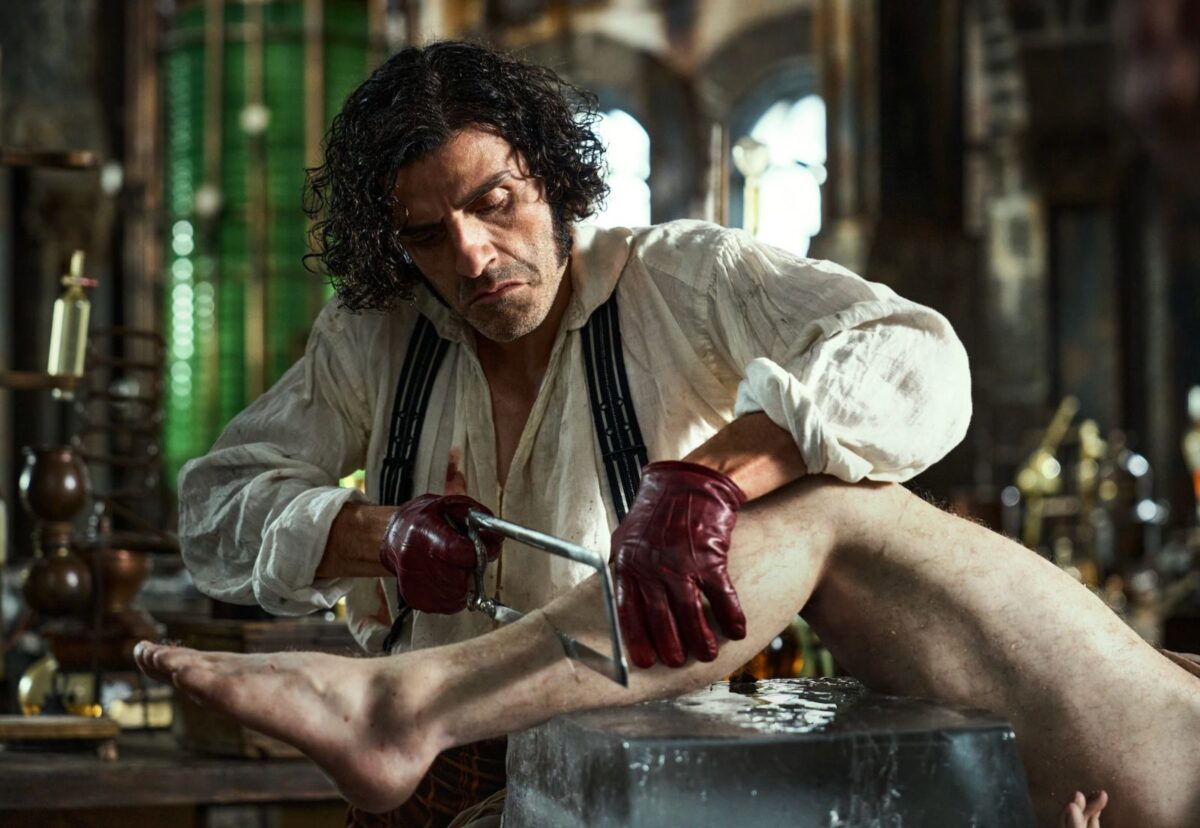
Del Toro delivers a tender and visually rich adaptation of Mary Shelley’s Frankenstein (a story I wish could unfold over four hours). Shelley’s tale, a sharp critique of patriarchy, remains remarkably modern, and it is no surprise that it continues to upset audiences with its psychological and physical violence. Staying faithful to the novel, del Toro crafts a raw portrait of blind individualism and the consequences of unbridled ambition.
6. La grazia (Paolo Sorrentino)
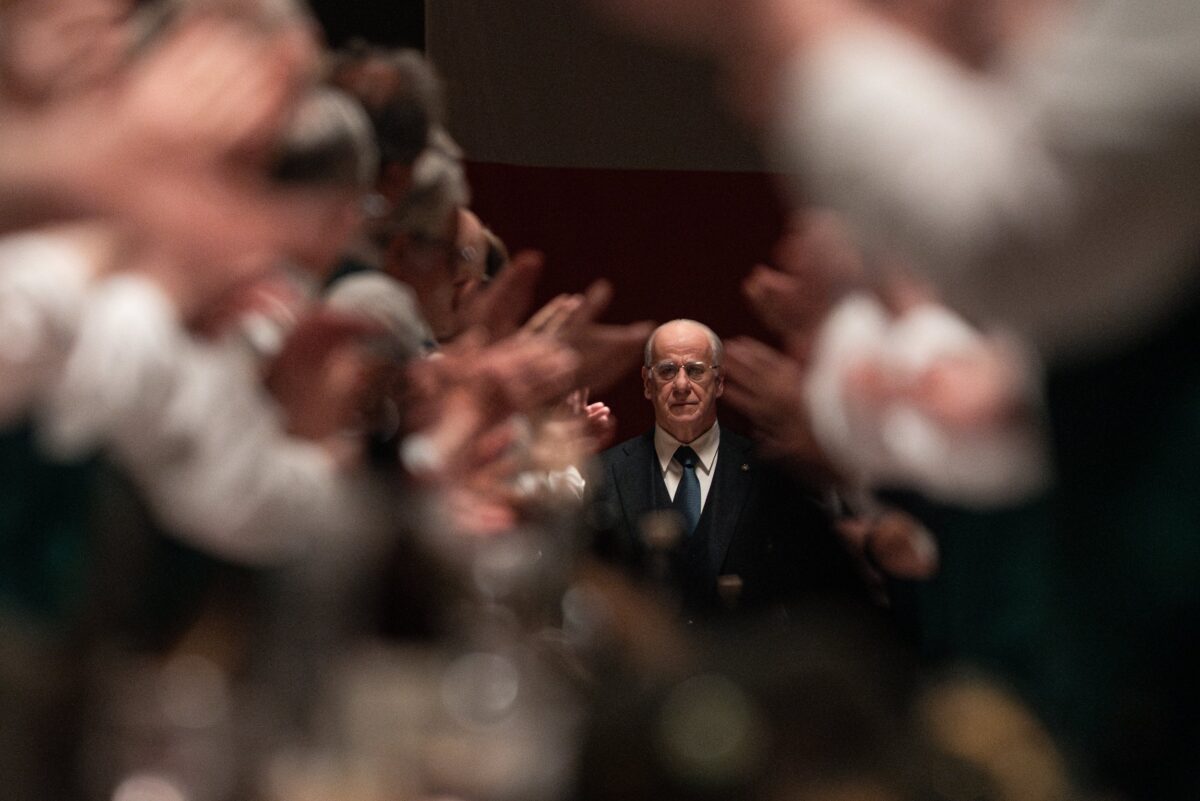
With La grazia, Paolo Sorrentino returns to the meticulous writing and directing of his early films. The story follows Mariano De Santis (Tony Servillo), an aging and devoutly Catholic President of the Italian Republic in the final months of his mandate. Confronted with profound moral and political dilemmas—whether to grant clemency to two convicted murderers or to sign a controversial euthanasia bill—he is forced to reflect on duty, conscience, and the true meaning of mercy, all while navigating personal grief and his relationships with family. The script is funny and Servillo is, as always, incomparable.
5. The Damned (Roberto Minervini)
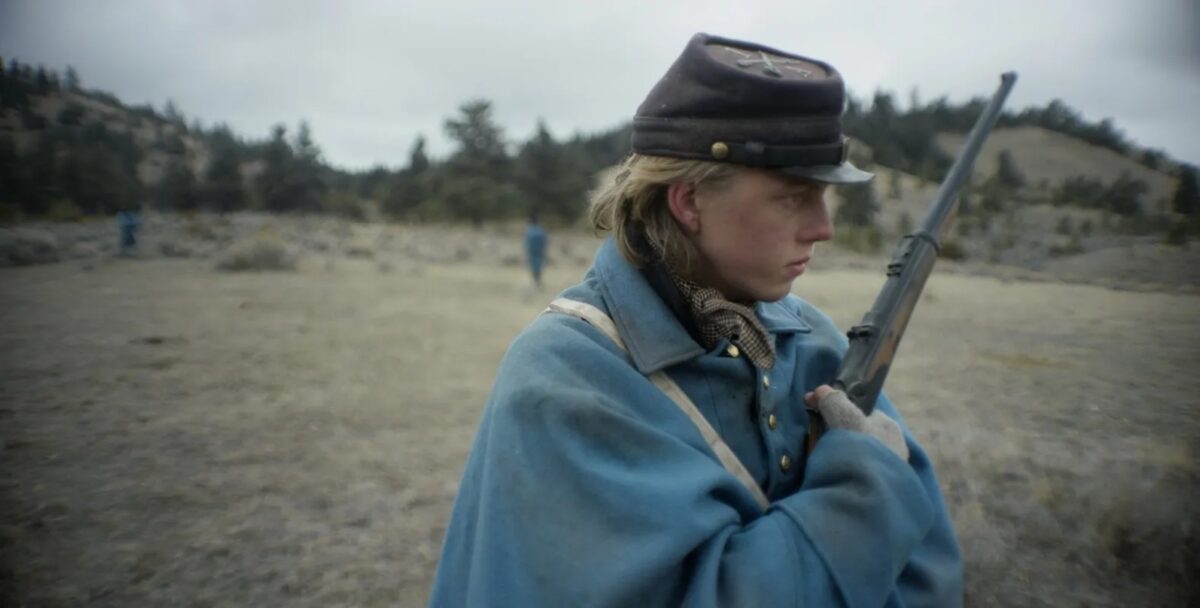
I loved the filmmaking, photography, and costumes of this dreamy Western. Set in the stark landscapes of rural America, Minervini follows a group of desperate soldiers who are revealed to be just kids sent to war. The film offers an intimate glimpse into their days, alone and estranged in a snowy nowhere, waiting to die. At the same time, their solitude reconnects them with nature, as their most significant moments are those shared with their horses, the river, or the snow slowly covering their beards. Certainly, the poetic flow of this film lingers long after the credits roll.
4. The President’s Cake (Hasan Hadi)
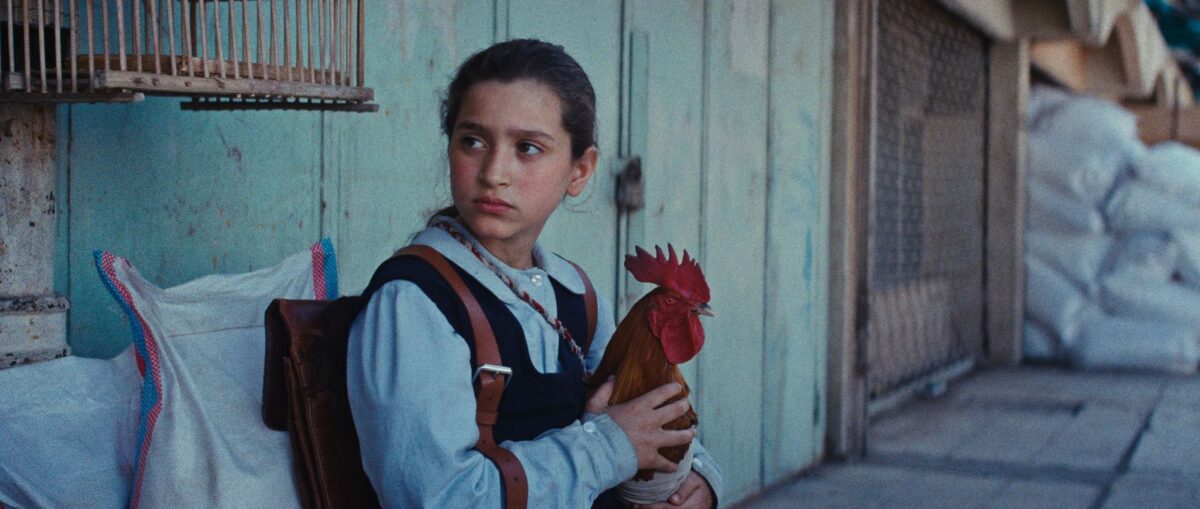
It was wonderful to share time with the gorgeous cinematography of this film, framed by the gentle beauty of Southern Iraq. Set in the 1990s under Saddam Hussein’s rule, it follows a young girl as she tries to gather ingredients for a mandatory cake while the country struggles under sanctions. Yet the charm of the ancient village—with its children, elders, animals, and landscapes—cannot hide the violence simmering beneath. Hasan Hadi takes the audience on a journey between belonging and self-discovery, showing how tradition can easily become a prison that must be escaped.
3. Below the Clouds (Gianfranco Rosi)
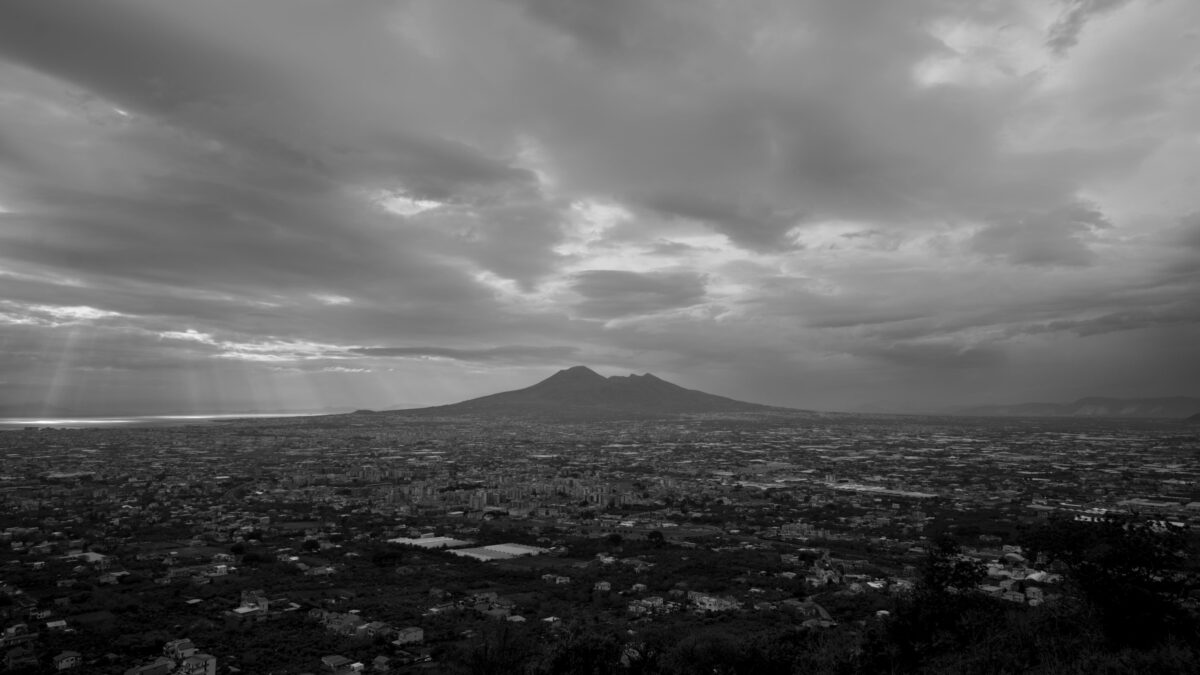
Below the Clouds is the most enchanting of Gianfranco Rosi’s films. In the dense, vibrant neighborhoods of Naples, Rosi follows a cast of ordinary residents as they move through their days, alongside the often humorous adventures of local firefighters and a retired teacher who dedicates his time to helping children and adolescents with their after-school homework. But if below the clouds there is Naples, below Naples there is another forgotten city, still looted by tomb raiders. And Naples would not be what it is without its statues and its art, and those who study them. This is a film that reminds us of the many secrets of a place that has endured and transformed across the centuries, and of the fascinating work of time.
2. The Voice of Hind Rajab (Kaouther Ben Hania)
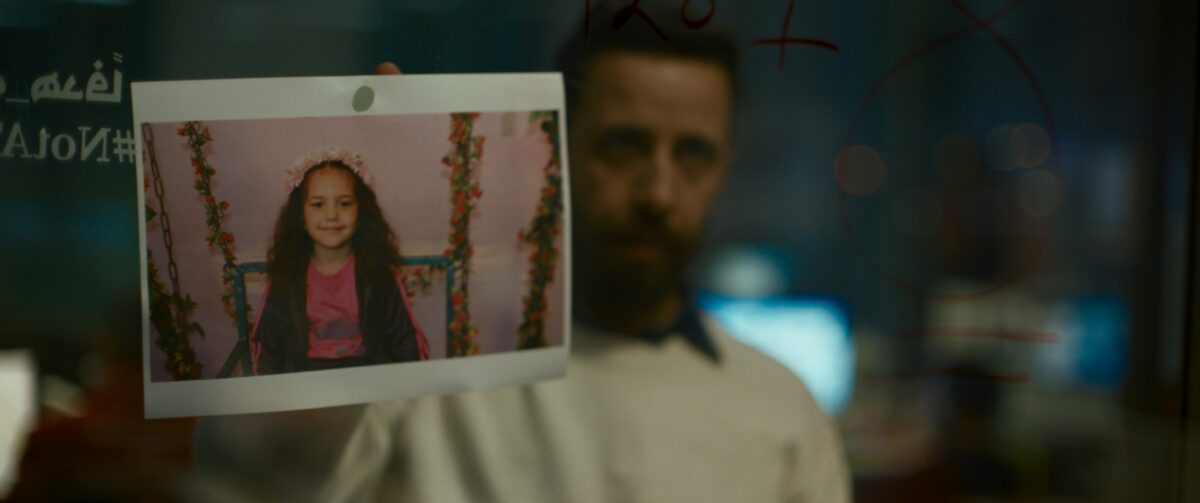
Writing about the death of a child is difficult, because each death feels like the death of them all. I admire Kaouther Ben Hania for her courage in building an entire film around this tragic reality. The Voice of Hind Rajab strikes the viewer deeply, posing a simple yet harsh question of responsibility: “Where do you stand in all of this?” A heavy silence falls over the film, and that silence lingers in the mind for days. I hope Hind’s voice will haunt us forever.
At the end, one of Camus’ lines from The Fall came to mind:
“Quand nous serons tous coupables, ce sera la démocratie.”
(“When we are all guilty, that will be democracy.”)
1. The Stranger (François Ozon)

Because we live in an absurd time, Albert Camus cannot remain merely a crash we had in our twenties; he must become one of the most relevant writers of our adulthood. François Ozon understands this, and not passively. In his take on The Stranger, “Aujourd’hui, maman est morte” is replaced by “J’ai tué un Arabe,” a shift that immediately reframes the novel’s moral and political weight. Crucially, Ozon remains formally faithful to Camus, adopting a filmmaking approach that preserves the elegance and rhythm of the prose while attempting to reimagine its content. Refusing any sort of romanticism or common sense, the photography, camera movements, and editing seem to visually reconstruct Camus’s paragraphs, sentences, and words in an almost obsessive way, leaving the viewer with a dry sense of impotence in the face of both the absurdity and the beauty of it all.