
Though we aim to discuss a wide breadth of films each year, few things give us more pleasure than the arrival of bold new voices. It’s why we venture to festivals and pore over a variety of different features that might bring to light some emerging talent. This year was an especially notable time for new directors making their stamp, and we’re highlighting the handful of 2025 debuts that most impressed us.
Below, one can check out a list spanning a variety of different genres. In years to come, take note as these helmers (hopefully) ascend, and follow our ongoing year-end coverage here.
The Ballad of Suzanne Césaire (Madeleine Hunt-Ehrlich)
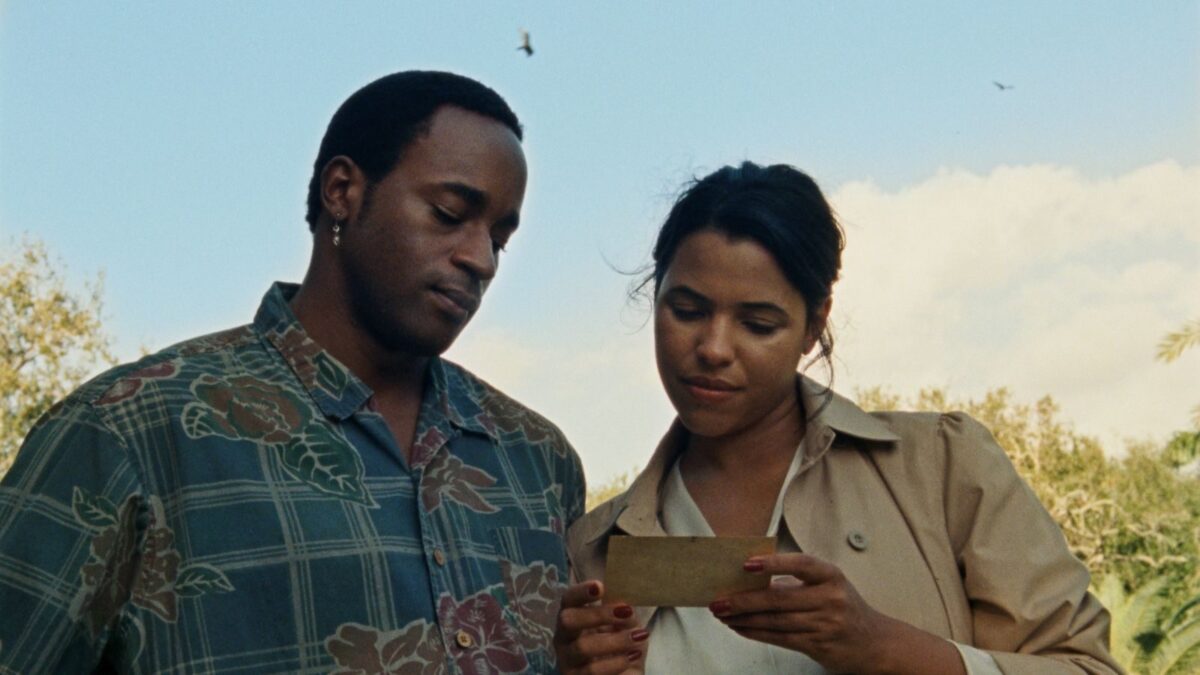
The Ballad of Suzanne Césaire, the feature debut from artist and filmmaker Madeleine Hunt-Ehrlich, aims to foreground its primary literary material and historical context, but instead directs more attention to its oneiric touches and environmental phenomena––the “wind in the trees,” so to speak. The title figure, together with her more widely known husband Aimé Césaire, were both at the forefront of the négritude movement, which sought to put Francophone literature by colonized peoples in greater dialogue with their African ancestry, and to depict this with a supple, surrealistic view of the world. Assembled from deep research, assistance from academic specialists, and consultations with the Césaire offspring, Hunt-Ehrlich’s bold formal schema still prevents us from fully absorbing these efforts: “feeling” does outpace our full understanding. The vibrant Caribbean music and torch songs on the soundtrack make plain it’s a ballad, not a pedagogic Lecture of Suzanne Césaire. – David K. (full review)
Blue Sun Palace (Constance Tsang)
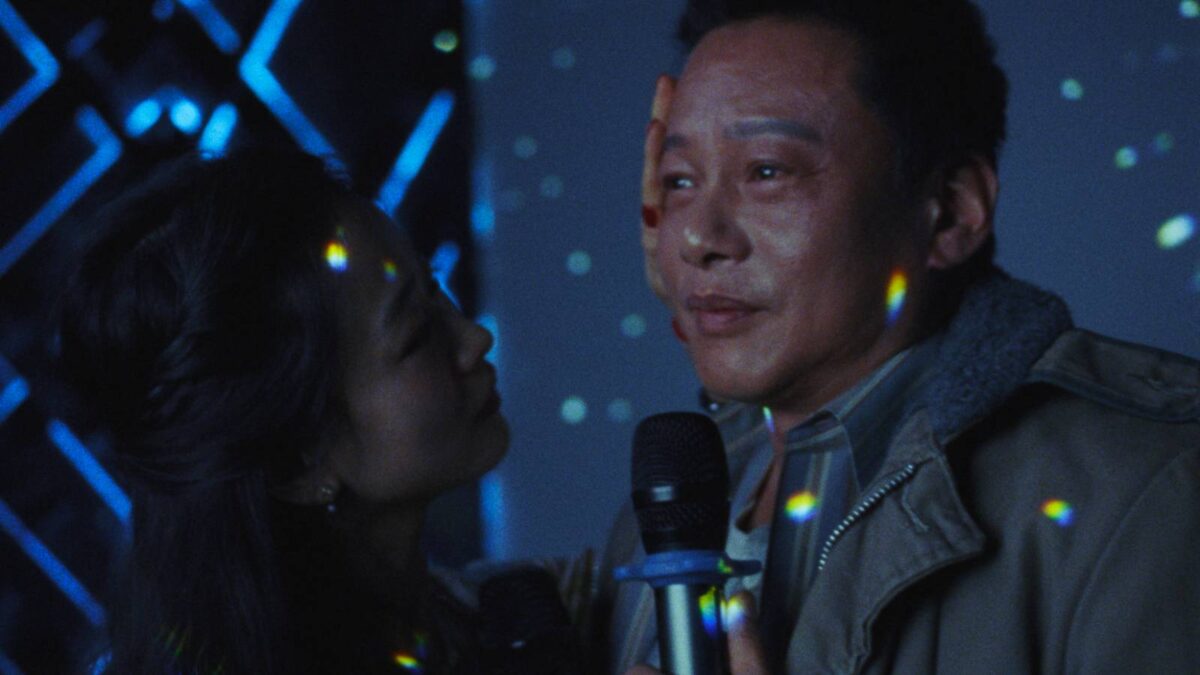
Shot largely on location in Queens, Blue Sun Palace explores a hidden culture and milieu. Amy and Didi, two friends at a massage parlor, are struck by violence that throws their lives into disarray. Director Constance Tsang grew up in New York, which helps explain her script’s authentic feel. Alongside Lee Kang-sheng as a Taiwanese immigrant looking for connection, the real star here is cinematographer Norm Li, who gives the film’s massage parlors, fast-food joints, and convenience stores––all seen in grungy fluorescent lighting––a universal currency that makes just as much sense in Korea or Mexico as in the U.S. – Daniel E.
Boys Go to Jupiter (Julian Glander)

Boys Go to Jupiter, an animated feature directed and written by Pittsburgh-based 3D artist Julian Glander, is truly a product of its time. And that time is now. As the press notes mention: “[The film] was self-produced and animated entirely over 90 days on the free open-source 3D modeling program Blender. Peisin Yang Lazo executive produced.” Running about 85 minutes and featuring an impossibly stellar voice cast (including Elsie Fisher, Julio Torres, Sarah Sherman, Joe Pera, Janeane Garofalo, Demi Adejuyigbe, Cole Escola, and Eva Victor, to name just a few), this film is often funny and sometimes introspective about this land of screens we find ourselves trapped inside. A bit long in the tooth at times, it is undeniably engaging and reliably weird. – Dan M. (full review)
BLKNWS: Terms & Conditions (Kahlil Joseph)
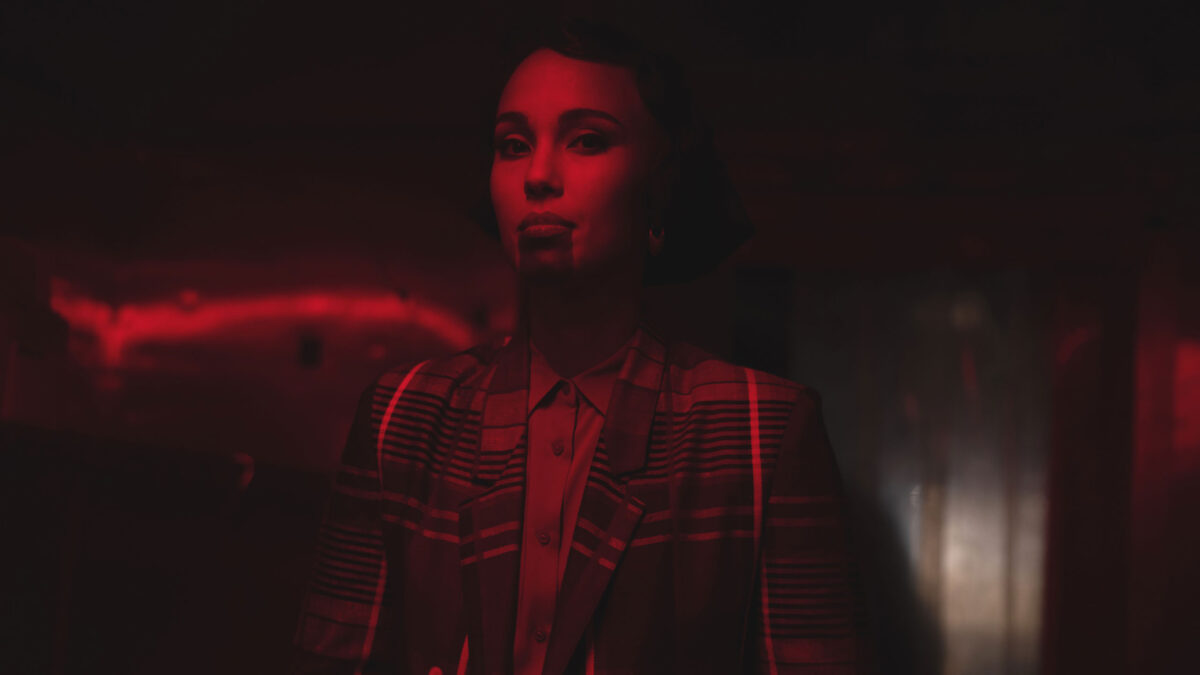
Celebrating and condensing centuries of Black history that would take more than a few lifetimes for any scholar to thoroughly ascertain in totality, Kahlil Joseph’s BLKNWS: Terms & Conditions eschews dryly academy ethnographic study to deliver a kaleidoscopic, vigorous, engrossing journey. Utilizing Henry Louis Gates and Anthony Appiah’s W. E. B. Du Bois-inspired “Africana: The Encyclopedia of the African and African American Experience”––the latest edition of which is nearly 4,000 pages––as its foundation, with page numbers presented throughout its plethora of references, the viewing experience is less daunting than one imagines the filmmaking process surely must have proved. Converging and clashing seemingly thousands of pieces of media to thought-provoking effect, this is a directorial debut that’s overwhelming in its rapid pace while also acting as a generous invitation to further examine any one of its sprawling tendrils of past, present, and future Black history. – Jordan R. (full review)
The Chronology of Water (Kristen Stewart)

Book adaptations yield two kinds of films: those that transliterate and those that translate. While the former insist on keeping the source material’s spirit at the cost of a rendition so faithful it comes to stage things rigidly, like a direct transplant from page to screen, the latter trust both mediums so completely, allowing for some poetic gap between book and film as if translating an idiom from one language to another. Adaptation can be a risky venture for seasoned filmmakers, let alone a newcomer. Even more so if you’re an A-list actress, whose directorial debut likely faces a great deal of scrutiny. In light of this, Kristen Stewart’s decision to adapt the 2011 memoir The Chronology of Water by American novelist Lidia Yuknavitch––who is probably better-known for her second book (and first published with a major press) The Small Backs of Children––suggests that the match between artist and material was anything but forced or accidental. – Savina P. (full review)
Eephus (Carson Lund)
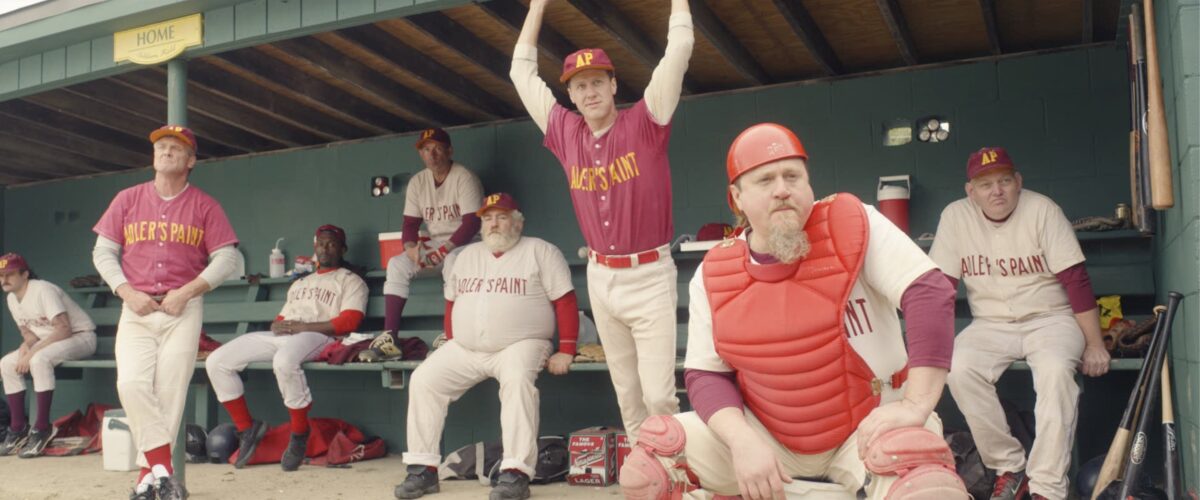
If the perfect sports movie illuminates the fundamentals that make one fall in love with the game, there may be no better movie about baseball than Carson Lund’s Eephus. Structured solely around a single round of America’s national pastime, Lund’s debut feature beautifully, humorously articulates the particular nuances, rhythms, and details of an amateur men’s league game. By subverting tropes of the standard sports movie––which often captures peak physical performance in front of legions of adoring fans––Lund has crafted something far more singularly compelling. Rather than grand slams and no-hitters, there are errors aplenty and no shortage of beer guts and weathered muscles amongst the motley crew. Lund is more interested in examining the peculiar set of social codes that only apply when one is on the field, unimpeded by life’s responsibilities and entirely focused on the rules of the game. – Jordan R. (full review)
Familiar Touch (Sarah Friedland)
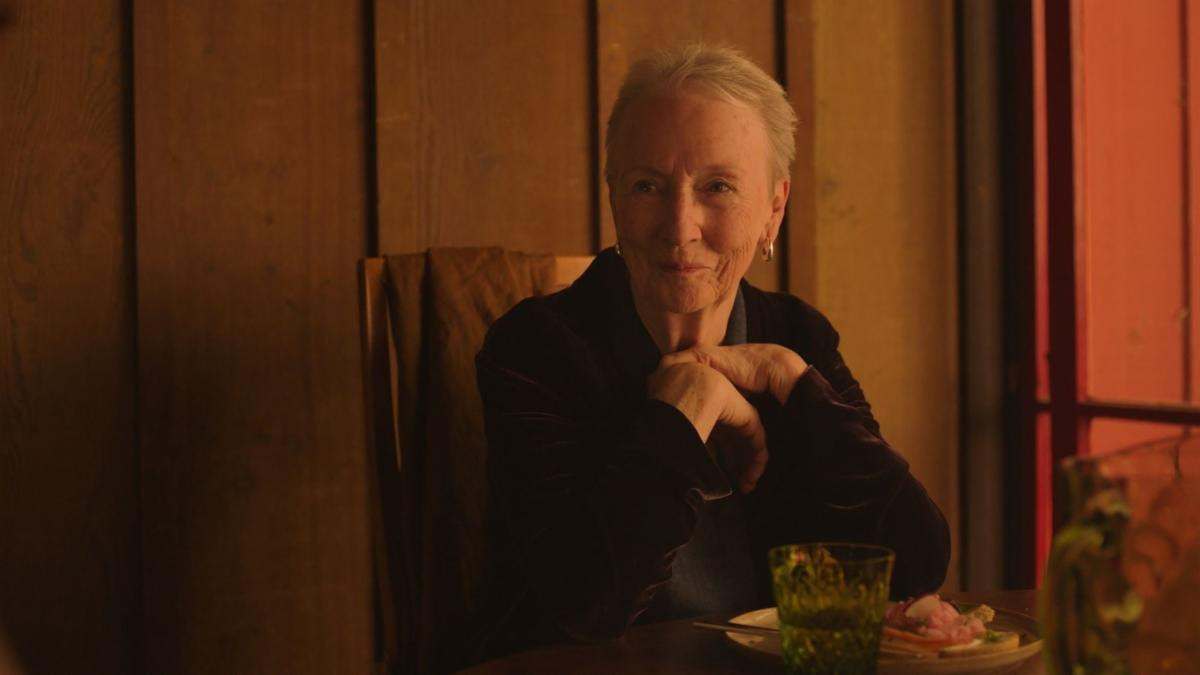
In a sunny kitchen in California, Ruth prepares a sandwich with the muscle memory that only a lifetime allows. Bread is toasted and left to cool; dill is picked and chopped efficiently; sour cream, radish, and salmon are arranged to resemble a blooming flower. After going to get ready, she serves it to a man named Steve (H. Jon Benjamin) who she doesn’t seem to recognize. When he tells her he’s an architect, she responds, “My father builds homes. Maybe you’ll meet him one day.” Caught off-guard, her son can only offer a loving smile and say “I’d like that.” This uncertain space––part clarity, part blur––is the subject of Sarah Friedland’s moving debut feature Familiar Touch. – Rory O. (full review)
Friendship (Andrew DeYoung)
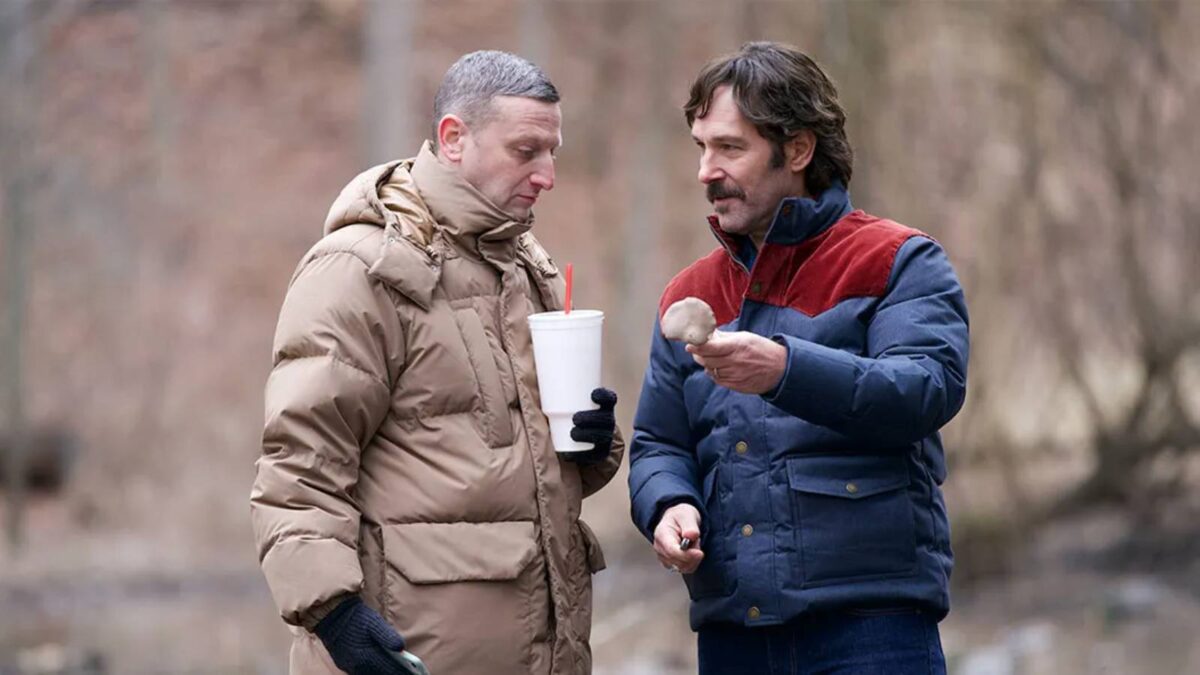
The level of enjoyment audience members will have with Andrew DeYoung’s Friendship is tied directly to their tolerance for the humor of Tim Robinson. The star of the meme-inspiring Netflix series I Think You Should Leave has cultivated a devoted following by creating situations of embarrassment and characters who veer wildly from absurdist rage to complete self-delusion. (See the infamous “we’re all trying to find the guy who did this” meme.) In my mind, I Think You Should Leave is the funniest series of the last decade or so. While Robinson’s full-length feature as star does not reach his show’s highs, it’s still a hysterically funny, pitch-black comedy. – Christopher S. (full review)
The Heirloom (Ben Petrie)
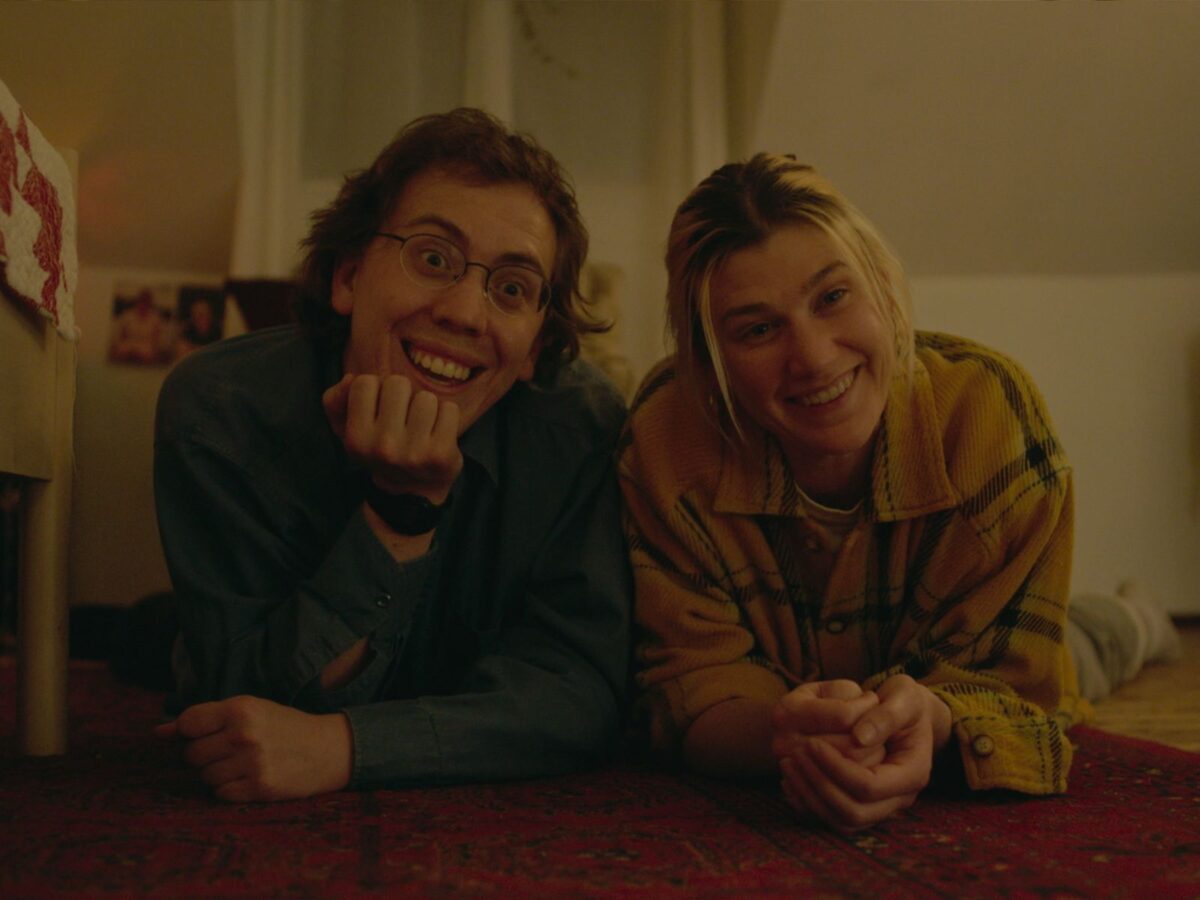
One highlight from last year’s International Film Festival Rotterdam was Ben Petrie’s The Heirloom, a rom-com psychodrama in which he stars alongside Grace Glowicki as a couple who adopt a dog and learn what it means to become a family. Rory O’Connor said in his review, “This is often very funny, even as Eric’s narrativizing threatens to further hinder the relationship. Petrie allows Eric’s new obsession to spill into sequences that feel genuinely Kaufmanesque (an overused word, granted, but a distinction well-earned here). In one example, shot from Eric’s POV, Allie excitedly turns around to inform him that Milly has peed; Eric then begins seeing the moment repeated as if in multiple takes, Allie’s performance straining to hit the desired note. Whether these repeats are real or imagined is never explicated, though it’s fevered enough to appear like a figment of Eric’s lockdown brain. In a later scene, a boom mic operator crosses the shot without disturbing the character’s flow, a jarring intrusion during a moment of real vulnerability––and a sharp directorial choice that both douses the tension and accentuates its source.”
No Sleep Till (Alexandra Simpson)

A hurricane is coming and Atlantic Beach, Florida is directly in its path. The tourists have already left. Most residents remain. Why? Because this is hurricane country. None of this is new. Maybe the storm will hit. Maybe it won’t. Is that chance worth the time and effort of skipping town? Or is the excitement of experiencing it as it washes over you too good to pass up? And what about those who simply can’t be bothered either due to age or complacency? This is home, after all. For some, this is all they’ve ever known. Alexandra Simpson’s No Sleep Till plays out in a slice-of-life documentarian style. It’s a quiet piece with gorgeous images (kudos to cinematographer Sylvain Froidevaux) and interesting characters engaged in the seemingly wild juxtapositions inherent to maintaining a mundane status quo through the uncertainty of impending chaos. – Jared M. (full review)
Pillion (Harry Lighton)
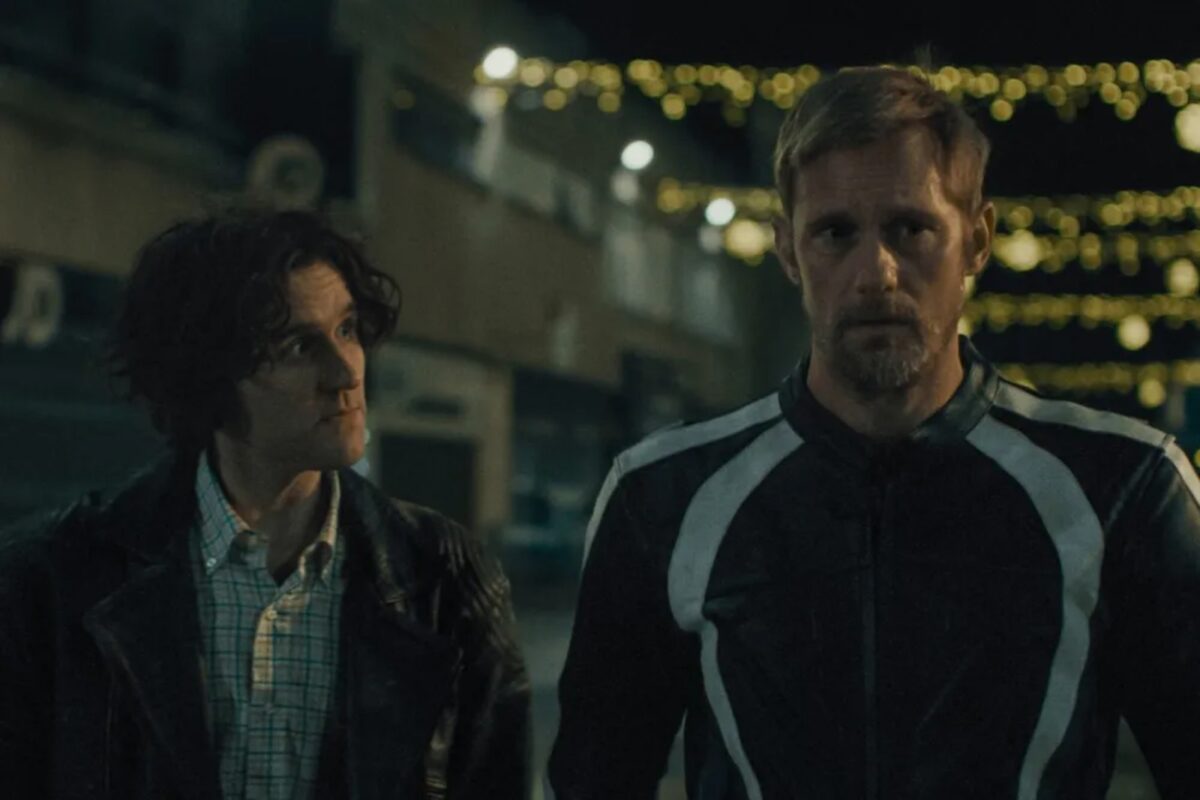
It wouldn’t be Cannes without a good scandal film. For 2025, British director Harry Lighton’s feature debut Pillion may be the one that sends the most people clutching their pearls. Centered on a dom-sub relationship within the gay biker milieu, it features depictions of fetishistic sex acts that could trigger a few sensitive souls. It would be a shame, however, if all attention is directed at the kinks and shocks––Lighton has made a truly provocative anti-romance that’s funny, honest, strangely touching. It’s an exceptional balance act that makes Pillion the unlikeliest crowd-pleaser. – Zhuo-Ning Su (full review)
Sorry, Baby (Eva Victor)
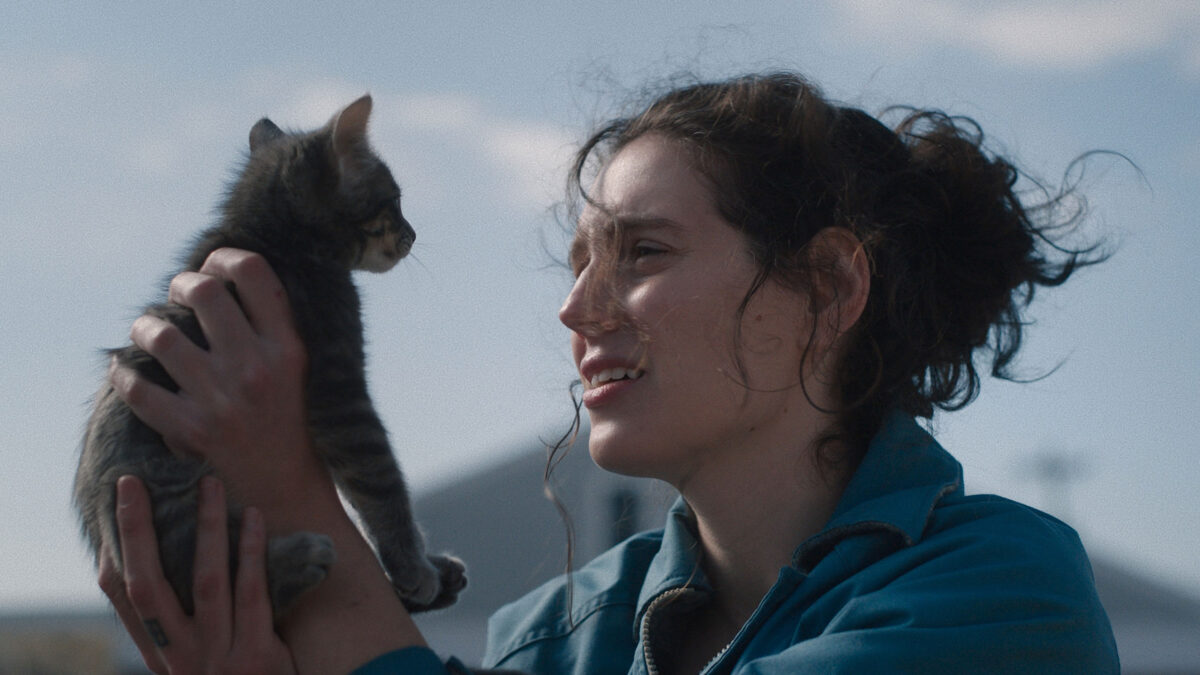
Agnes’ (Eva Victor) life is defined by a sense of stagnancy. Four years after completing grad school in rural New England, she’s living in the same house and going to the same building, only now as a professor. Whatever true joy she seems to experience is infrequent visits from her best friend and former roommate Lydie (Naomi Ackie), who has moved on, starting a family in New York City. As Victor assiduously peels back the layers of her sharp, unnerving, witty feature debut Sorry, Baby, the reason for being stuck in time becomes clear: in her final days of grad school she was raped by her advisor, who quickly deserted the town, leaving no culpability and even less sense of justice or closure. – Jordan R. (full review)
Sunfish (& Other Stories On Green Lake) (Sierra Falconer)
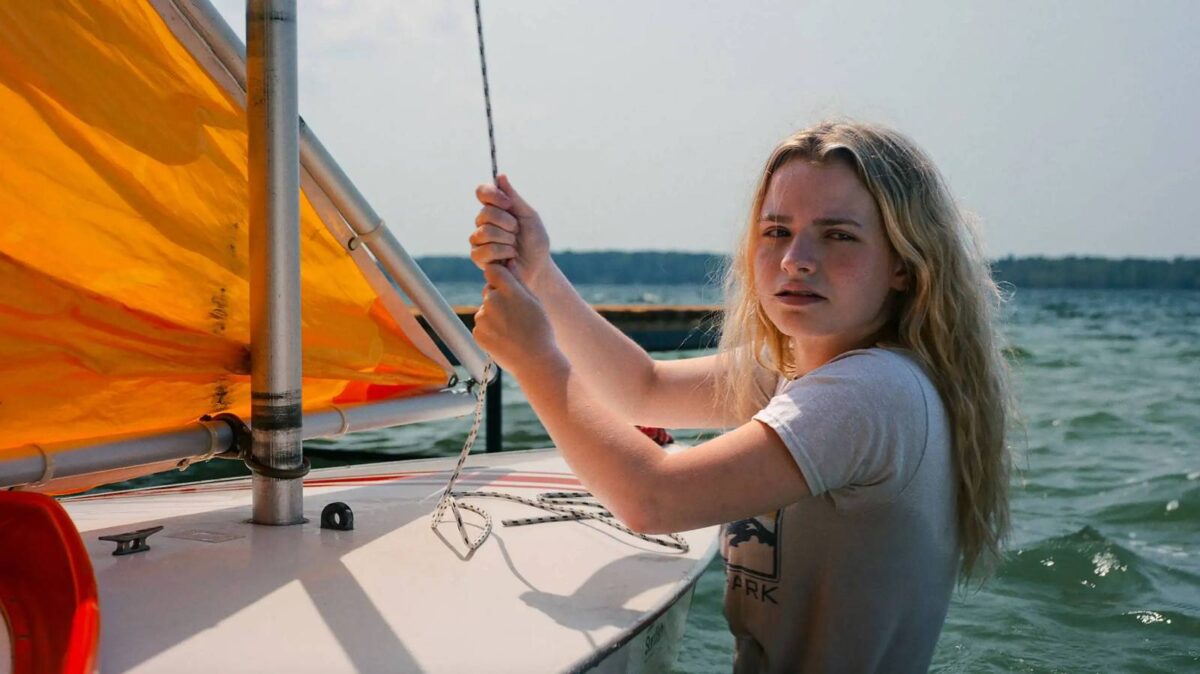
Filmmaker Sierra Falconer’s Sunfish (& Other Stories on Green Lake) captures a bittersweet feeling. That feeling of endings and beginnings, happening at the same time. For eighty minutes, we watch four short stories unfold in and around Green Lake. One involves a young girl (Maren Heary) learning how to sail after being dumped at the doorstep of her grandparents’ lake house by her neglectful mother. Another concerns a young boy (Jim Kaplan) at the fancy summer camp on the other side of the lake. He’s facing intense pressure from his mother to make first chair violin in the camp orchestra. An extended sequence of him practicing is particularly tense. The third story features an overworked young mother (Karsten Liotta) seduced by adventure in the form of a charming, wayward bar patron (Dominic Bogart) and a once-in-a-lifetime fish to be caught. Finally, there’s the lovely tale of two sisters (Tenley Kellogg and Emily Hall) running a lakeside bed-and-breakfast, the older of the two teaching the younger every needed task to completion before leaving for college. – Dan M. (full review)
The Ugly Stepsister (Emilie Blichfeldt)
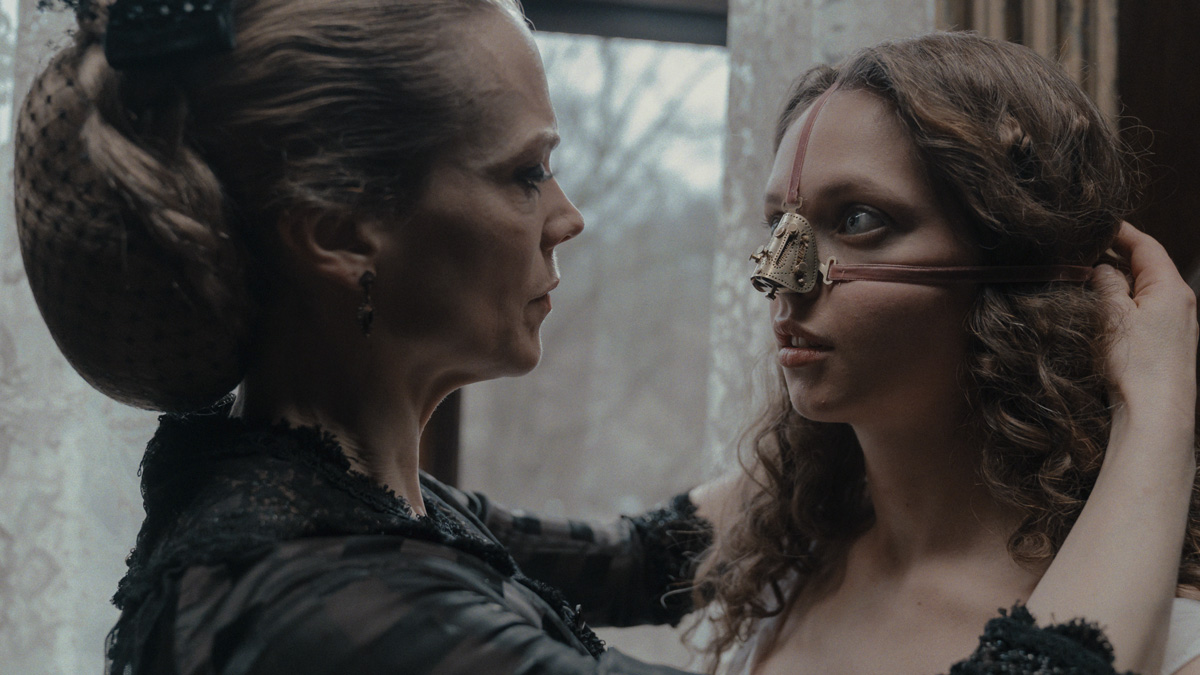
If the disheartening lack of creativity in Disney’s live-action remakes leaves one thinking these timeless stories have, in fact, run their course, leave it to Norwegian director Emilie Blichfeldt to find new life (and blood) with the Cinderella tale. Her impressively mounted, darkly macabre first feature follows Elvira (Lea Myren, in a fantastic feature-debut performance) living in the shadow of her stepsister Agnes (Thea Sofie Loch Naess) as they vie for the attention of the Prince (Isac Calmroth). A twisted body horror take on the classic tale for how it explores the costs of beauty, The Ugly Stepsister is not afraid to dive into the unflinchingly gruesome while packing an impressive sense of empathy. – Jordan R. (full review)
Urchin (Harris Dickinson)
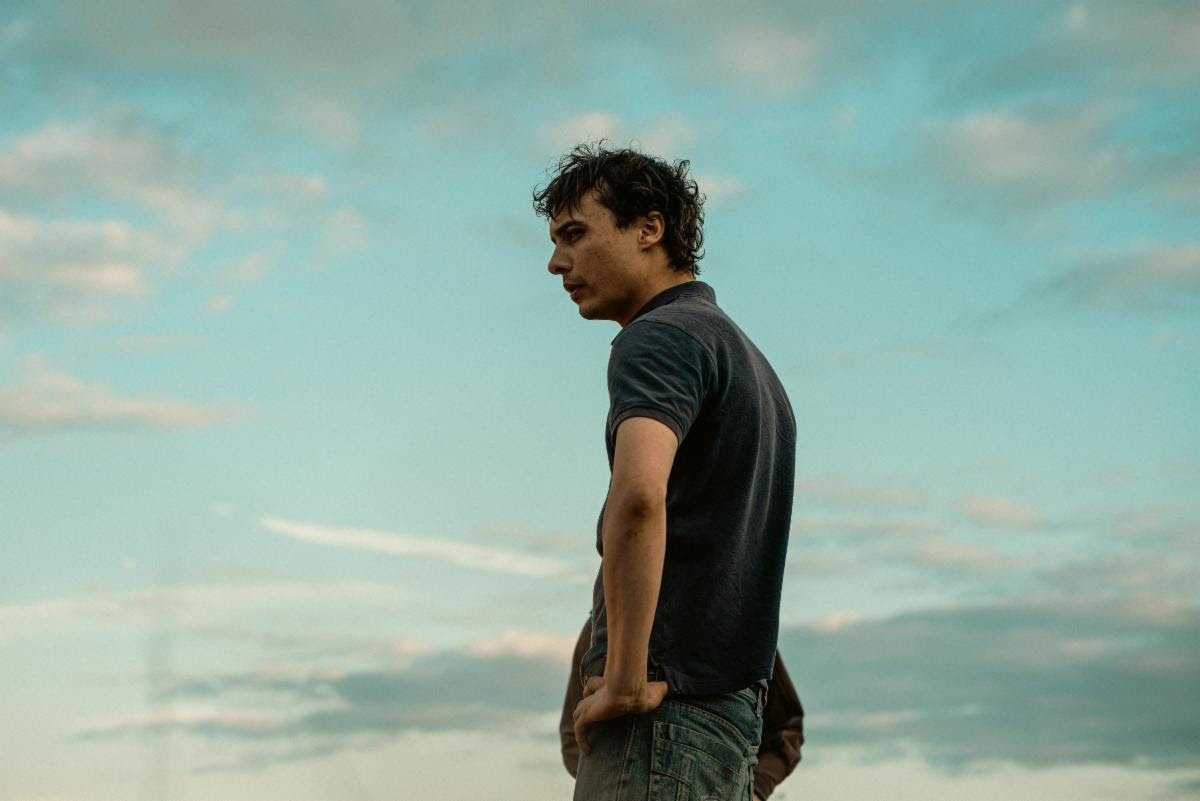
A few scenes into Urchin, we take a trip through the Bardo. First the camera (as in a million films before this) closes in on a shower drain, but then something new: a tunnel of darkness and color that gives way to damp, mossy calm, where a lone man in a clearing, standing with his back to us, is taking in the light. The director of this intrepid sequence is Harris Dickinson, who has found the time––somewhere between becoming a beloved actor and sex symbol and playing John Lennon––to direct a thoughtful, adventurous film. – Rory O. (full review)
Honorable Mentions
- Anemone
- Arco
- Cactus Pears
- The Dells
- East of Wall
- Little Trouble Girls
- Love, Brooklyn
- My Father’s Shadow
- One of Them Days
- The Plague
- The President’s Cake