
We don’t want to overwhelm you, but while you’re catching up with our top 50 films of 2025, more cinematic greatness awaits in 2026. Ahead of our 100 most-anticipated titles (all of which have yet to premiere), we’re highlighting 35 (and beyond) from this year’s festival circuit that have either confirmed 2026 release dates or await one from its distributor. There’s also a handful of films seeking distribution that we hope will arrive in the next 12 months, as can be seen here.
Note we don’t include any films that received 2025 awards-qualifying runs for this feature, but we recommend seeking out Sirāt, Pillion, A Poet, The Love That Remains, The Chronology of Water, Below the Clouds, Sound of Falling, Palestine 36, and more arriving in early 2026.
Obex (Albert Birney; Jan. 9)
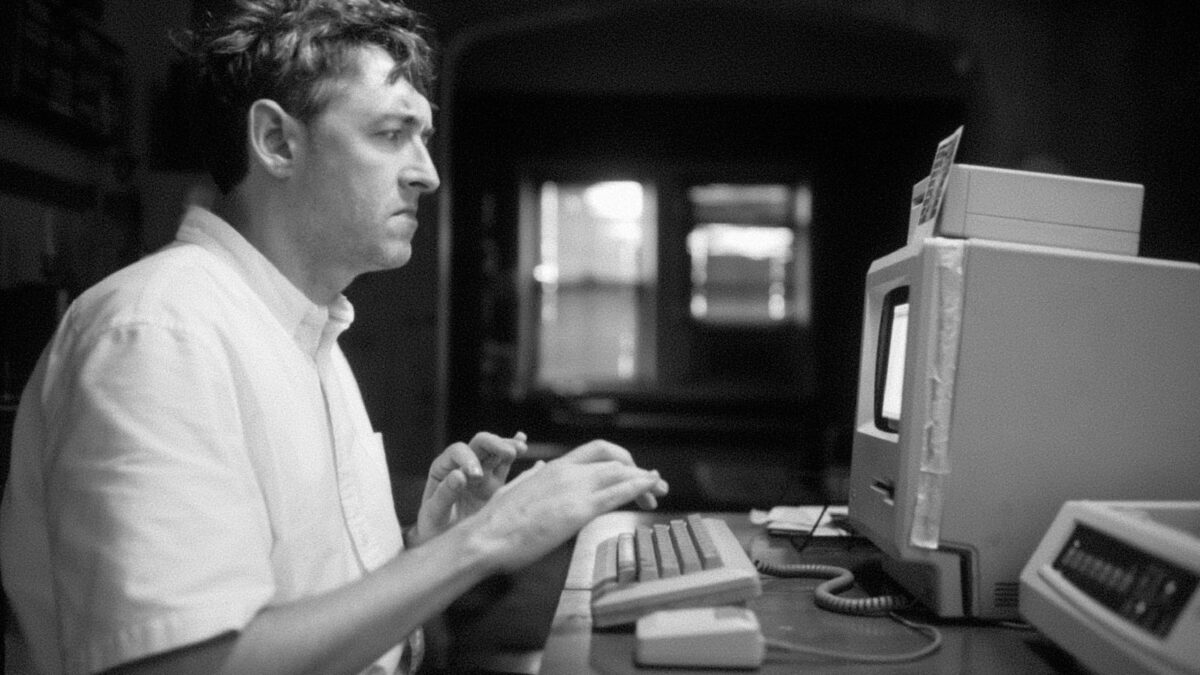
While the likes of David Cronenberg’s Videodrome and Steven Lisberger’s TRON have examined the thrills and fears of humanity’s relationship with screens since the early ‘80s, there’s been a recent, renewed interest as the number of screens in one’s life has ever-expanded. At last year’s Sundance Film Festival, Jane Schoebruen explored identity-forming bonds with media and the eventual curdling nostalgia with I Saw the TV Glow. This year, OBEX finds Albert Birney following Strawberry Mansion with another inventive and lo-fi adventure, but one that finds the director honing in with a more satisfying focus. Even though our main character spends every waking moment in front of a screen, this is no damning screed but an earnest, even poignant look at how entertainment can provide a sense of comfort for the most lonely souls. – Jordan R. (full review)
A Useful Ghost (Ratchapoom Boonbunchachoke; Jan. 16)
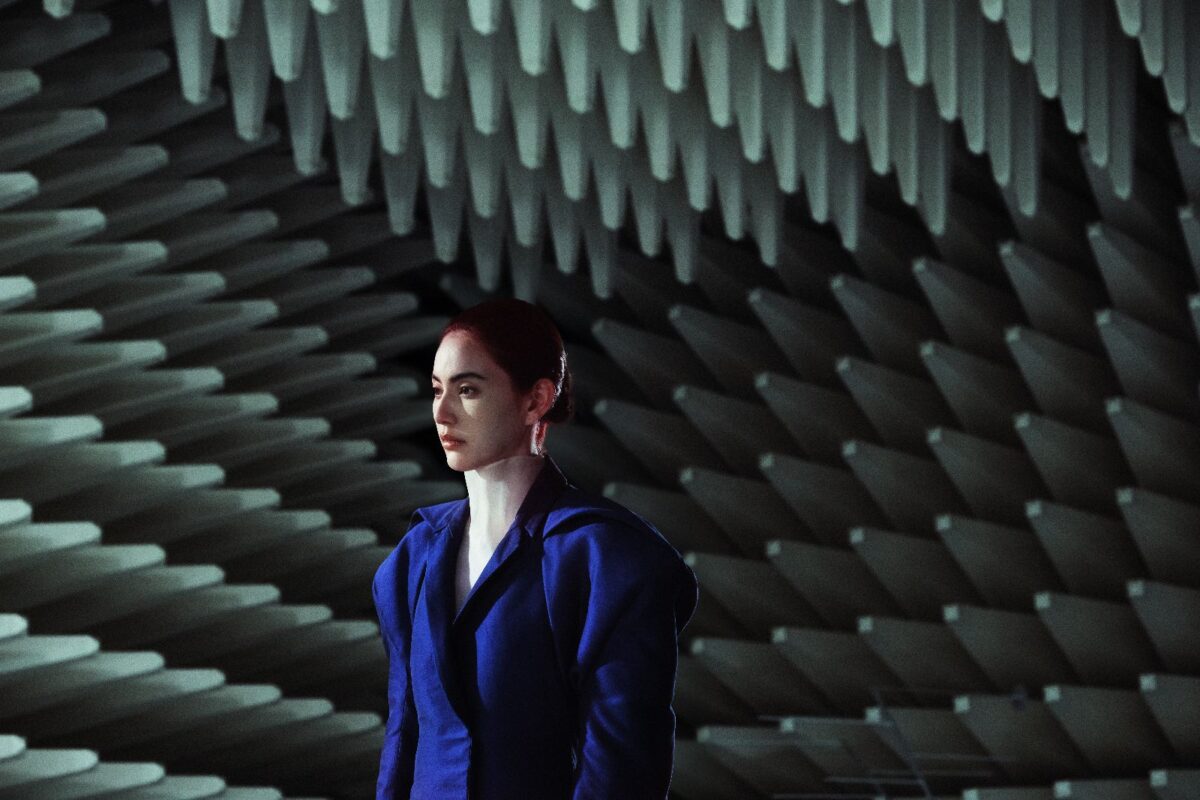
While ghosts and spirits have long been the conduit for cinematic scares and jolts, from The Innocents to Poltergeist to The Ring, a relatively recent wave of films exploring the supernatural has been more concerned with the tangible, emotional effects these specters can have on the living. In that sense, a spiritual cousin to the likes of Uncle Boonmee, Personal Shopper, A Ghost Story, and Light from Light, Ratchapoom Boonbunchachoke’s directorial debut A Useful Ghost is a strange, tranquil, humorous exploration of the conundrums that would emerge were ghosts an accepted occurrence in everyday life, and what such phantoms could illuminate about the social and political troubles of modern Thailand and industrialization at large. – Jordan R. (full review)
Seeds (Brittany Shyne; Jan. 16)
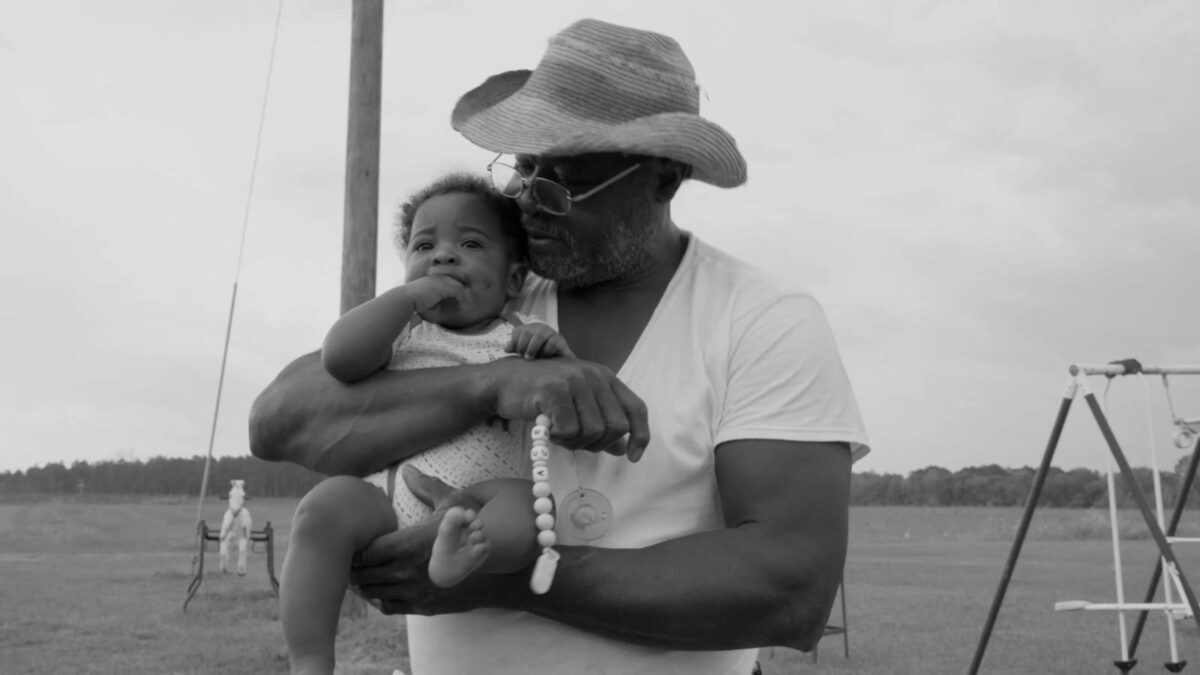
Evoking Gordon Park’s black-and-white photographs of the New Deal Era, cinematographer Brittany Shyne’s powerful debut feature Seeds offers a portrait of a disappearing way of life for Black farmers in the American South. Its casual approach mostly reflects rhythms of life in a vérité style that’s occasionally broken when the camera is acknowledged. – John F. (full review)
Good Luck, Have Fun, Don’t Die (Gore Verbinski; Feb. 13)
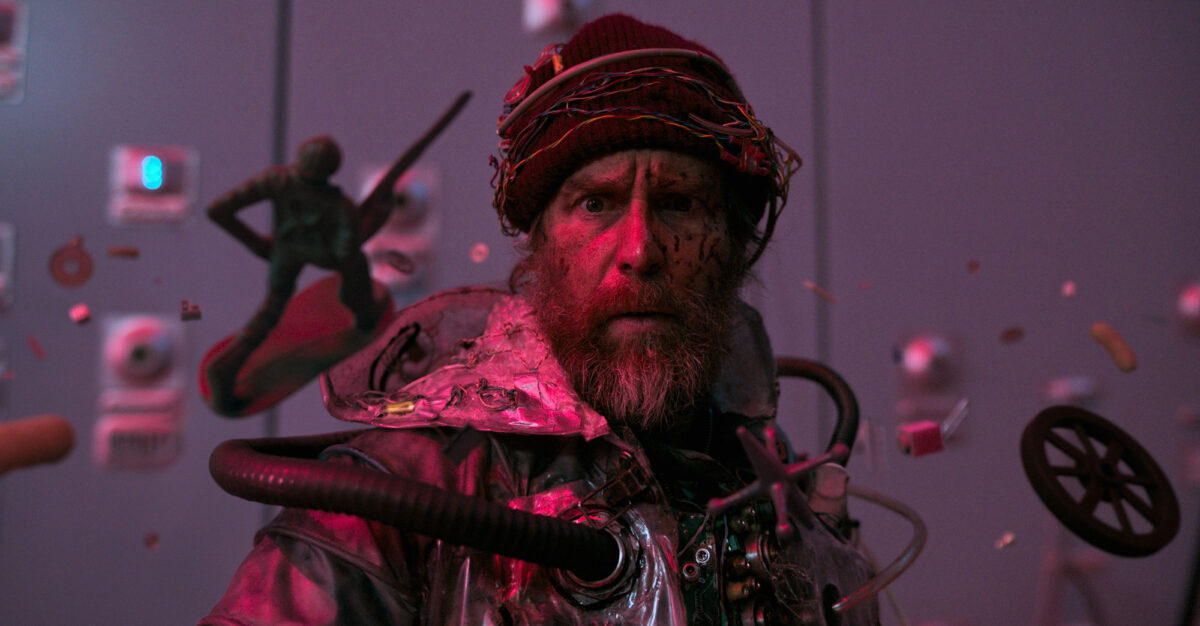
I didn’t realize just how much I missed Gore Verbinski until I was in the theater watching the straight-up bonkers final act of his latest film, Good Luck, Have Fun, Don’t Die as the final secret screening at this year’s Fantastic Fest in Austin, Texas. I’m not going to spoil just how insane this movie goes; even if I did, I’m not sure you’d believe me. – Eric V. (full review)
Nirvanna the Band the Show the Movie (Matt Johnson; Feb. 13)
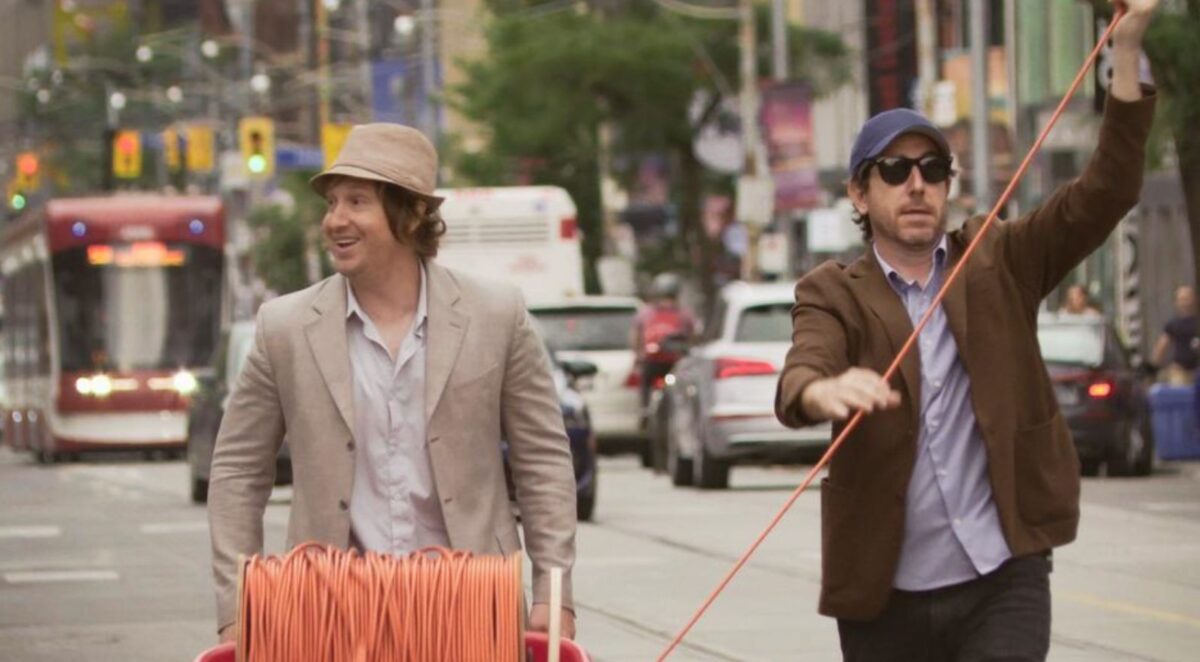
The funniest, most unpredictable, “no, seriously, how the fuck did they do that???” movie of the year is about two guys, an RV, and a dream to play the Rivoli. Matt Johnson and Jay McCarroll’s big screen take on their cult-classic web (and later cable) series is perfectly legible for newbies, throwing off enough gags across the spectrum that something will land, be it a particular movie seen in a theater to a stray comment from a passerby. As much a triumph of low-budget/mockumentary filmmaking as it is one of sheer audacity, it simply must be seen to be believed. – Devan S.
What Does That Nature Say to You (Hong Sangsoo; Feb. 27)
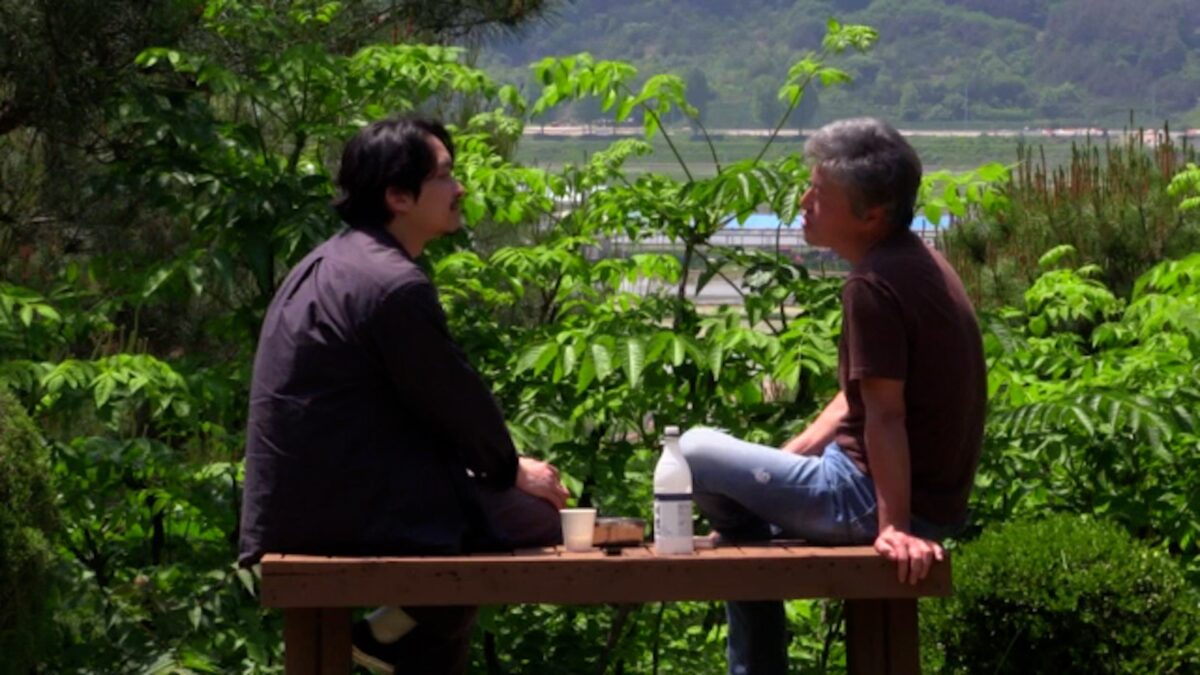
The last time Hong Sangsoo failed to feature in a Berlinale program, Childish Gambino’s “This is America” was in the charts and Green Book was on its way to beating Roma at the Oscars. (2019 notwithstanding, you have to go back to the Obama years to find a selection without the South Korean’s name.) In just those six years, the festival has witnessed three different creative directors, weathered a global pandemic, and buckled under the weight of its own political fealty. Which is to say: some things change, but the Hong remains the same. He is still tiring to his detractors. He is still a reassuring ever-presence to his devotees. If, like I, you happen to be one of the latter, you’ll probably find much to enjoy in What Does that Nature Say to You, the director’s latest comic melodrama and the closest he has yet come to remaking Meet the Parents. – Rory O. (full review)
Dreams (Michel Franco; Feb. 27)
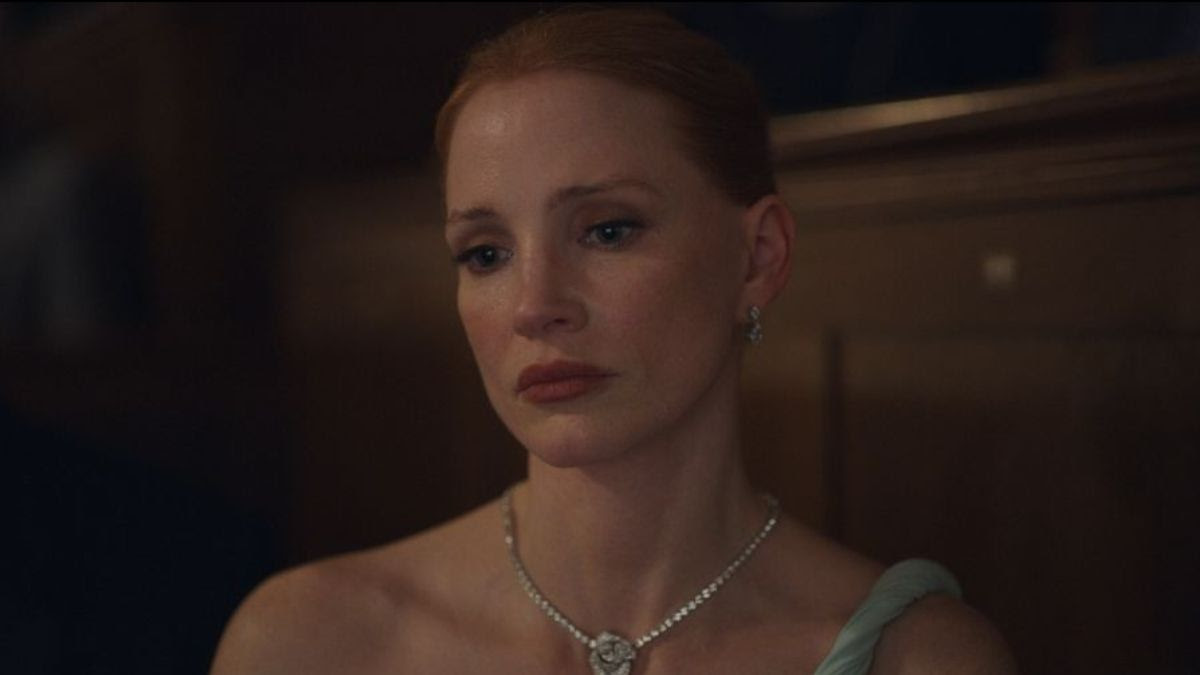
Some images have become metonymic by nature, reflecting the political problems of today with little to no context needed. Such a shot opens Michel Franco’s newest offering, Dreams, and it is one of a huge truck abandoned next to a railway: illegal border-crossing. It rattles and shakes with the screams of people locked inside, clamoring for help; one already anticipates the dire condition the fugitives all are in once the police break open the back door. One of those “illegals” manages to escape amidst the chaos: a youngish, strong-looking man (Isaác Hernández) whose determination is made clear by every step he takes on that desolate road. We don’t know who he is, but he surely knows where he’s going, and there’s a fierceness to him that overpowers the pain he’s obviously in. – Savina P. (full review)
Dry Leaf (Alexandre Koberidze; March 20)
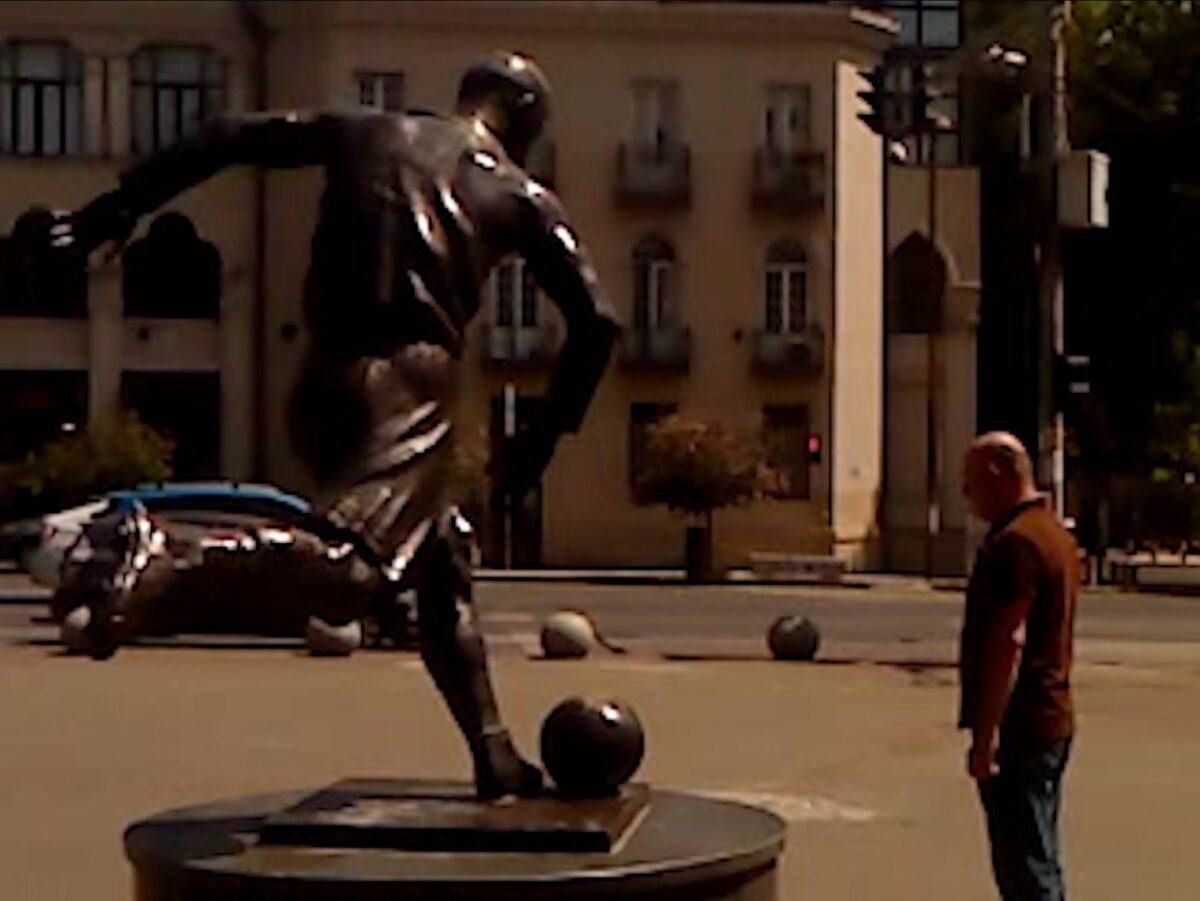
Languorous without becoming laborious, meditative without becoming meandering, abstract without becoming abstruse, Alexandre Koberidze’s Dry Leaf is a road movie unlike any other. It follows Irakli (David Koberidze), a father in search of his daughter, a sports photographer whose sudden disappearance is less of an enigma to solve than a vehicle for Koberidze’s imagination to serenely drift. Featuring Giorgi Koberidze’s charming, addictive score and shot on a Sony Ericsson, the fuzzy look of which transforms mundane landscapes into foreign-seeming textural images and hypnotic sequences, Dry Leaf, at 186 minutes, actively heightens our perception to its bucolic territory, its singular wavelength. It’s the kind of film where the destination is less important than the journey, where submission to its logic is more meaningful than a resistance, and where, like a vivid dream, its numinous sensations linger long after viewing. No matter the resolution, Koberidze has established himself as a modern enchanter. – Nirris N.
Miroirs No. 3 (Christian Petzold; March 20)
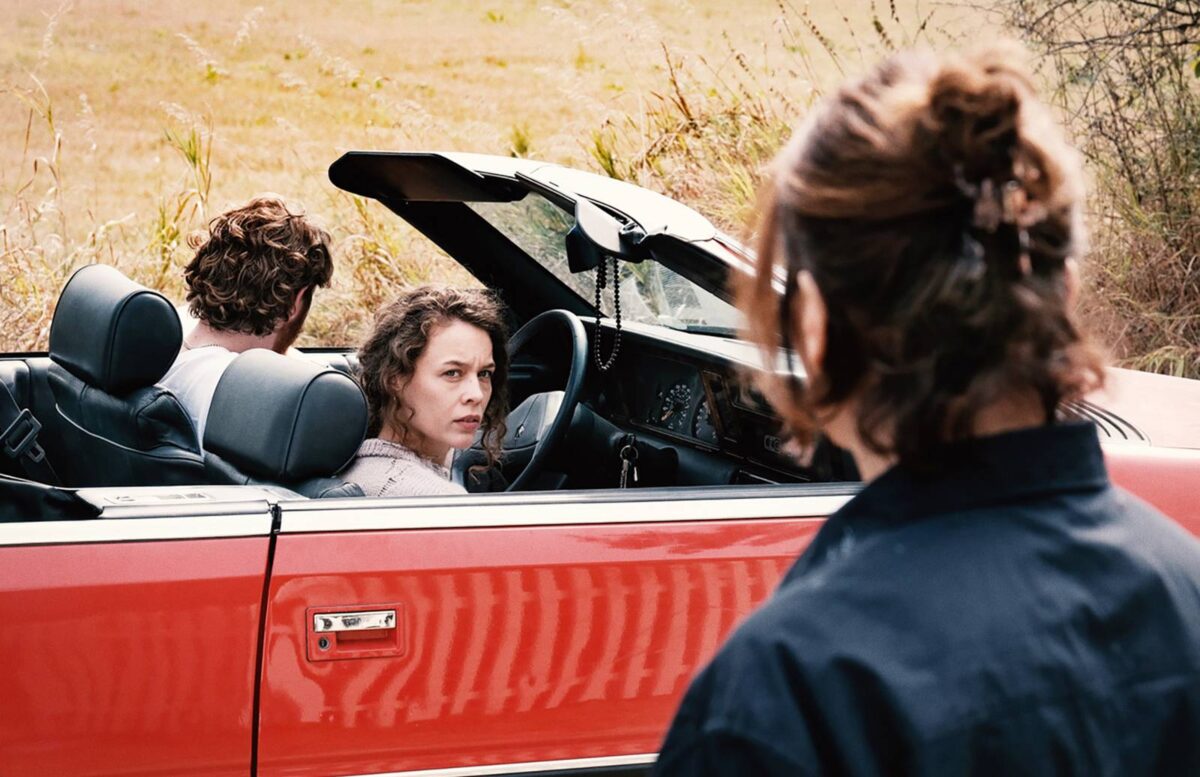
Christian Petzold’s fifteenth feature Miroirs No. 3 marks his fourth with Paula Beer, the actor-muse he first directed in 2018’s Transit, a film that shares significant themes with his newest––chiefly that of total strangers inexplicably recognizing each other and immediately feeling a deep, soulful bond with nary a word. Needless to say Miroirs No. 3 is, like the others, an enigma. – Luke H. (full review)
Two Prosecutors (Sergei Loznitsa; March 20)
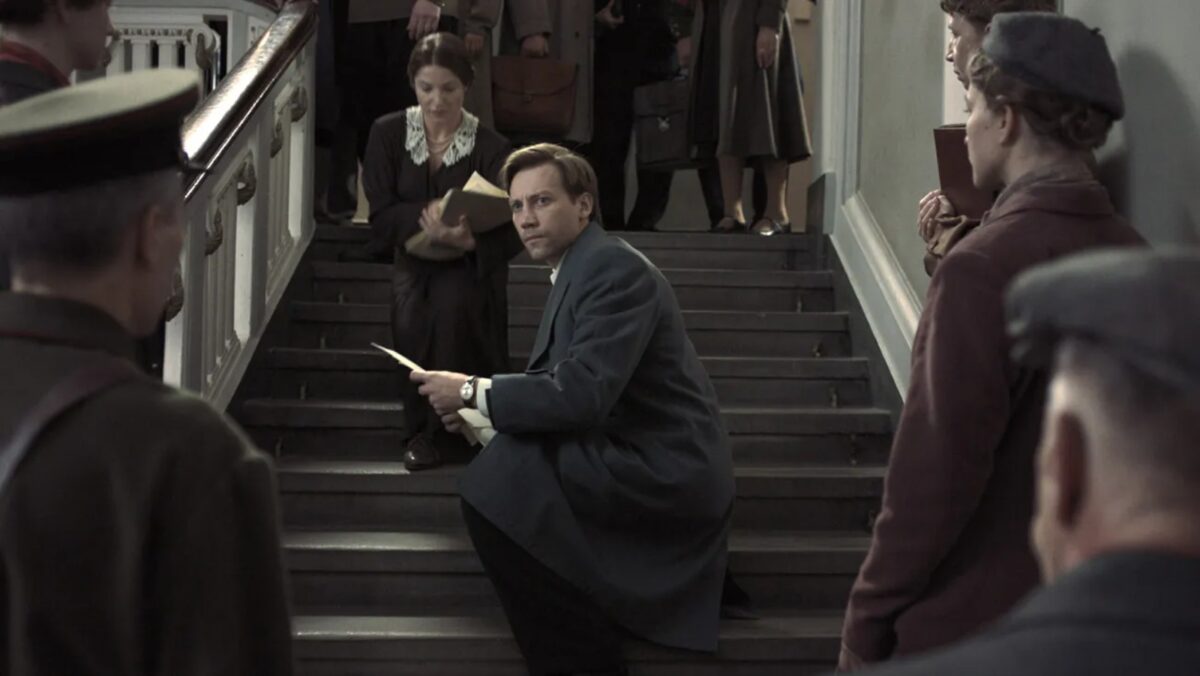
When Donbass arrived in 2018, sandwiched between the start of the 2014 Russian-backed conflict in the titular eastern Ukrainian region and full-scale invasion of the country four years since its release, the world Sergei Loznitsa trained his camera on was a surreal, decaying wasteland. It’s not that the film was necessarily prophetic about the atrocities that would later spread across Ukraine. But it spoke to concerns that now feel especially of-the-moment, the same that have long served as a cornerstone of the Belarus-born, Kiev-raised director’s oeuvre. While Donbass was a work of fiction, its preoccupations with the way truth can be manipulated also haunt the archive-based documentaries for which Loznitsa is arguably best known. From Blockade (2006) to The Kiev Trial (2022), the director hasn’t exhumed USSR-era footage as a sort of time machine, but a means to reappropriate history from the regime’s official narratives. Which is why to salute Two Prosecutors as the filmmaker’s “return to fiction,” as the Cannes Film Festival did upon welcoming Loznitsa’s latest to its Official Competition, is both technically accurate and somehow misleading. – Leonardo G. (full review)
Kontinental ‘25 (Radu Jude; March 27)
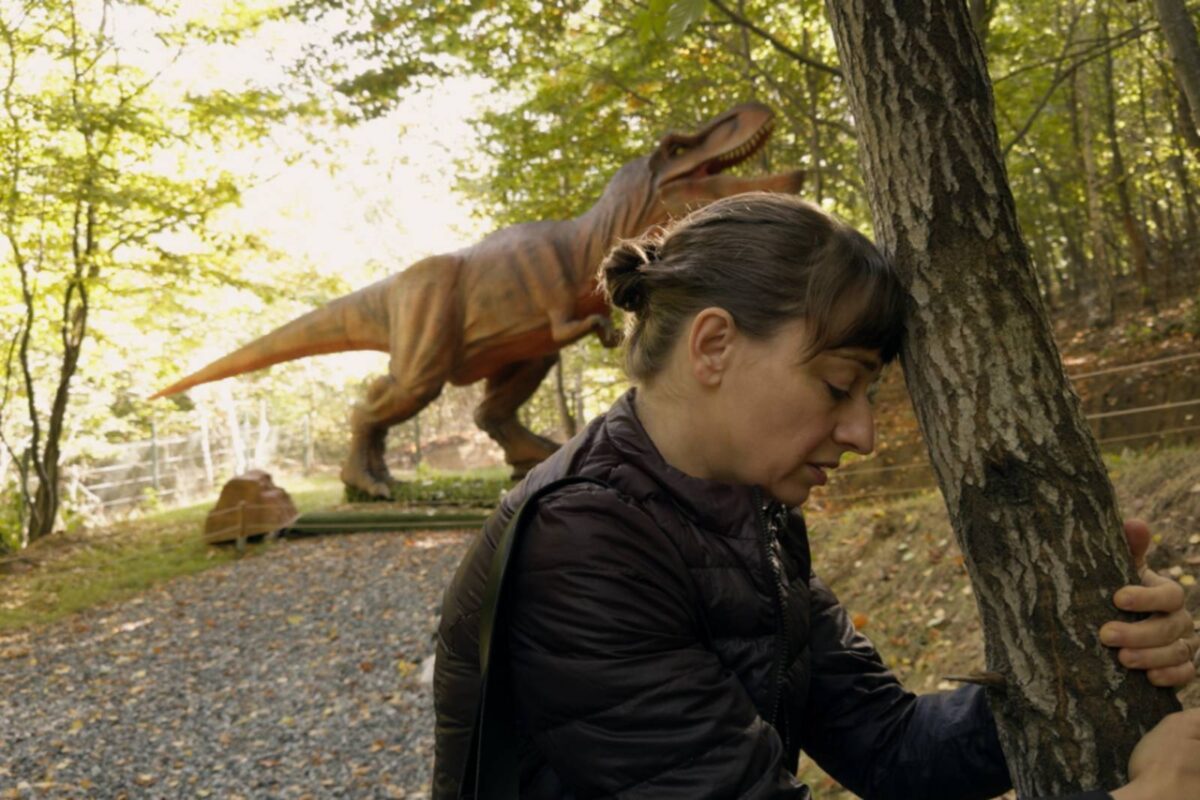
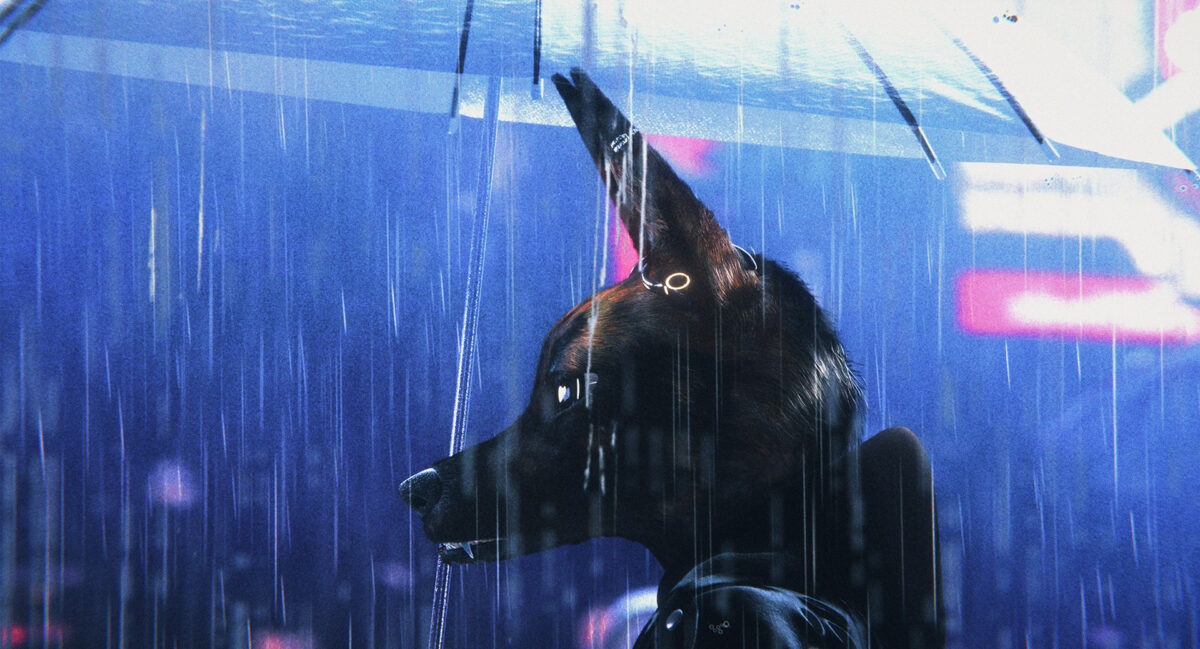
“The id grows tedious,” art critic Jackson Arn wrote recently, “when left to speak too freely.” The Romanian filmmaker Radu Jude keeps his in check by grounding flourishes in pure mundanity. Near the end of Kontinental ’25, an ex-professor, Orsolya (Eszter Tompa), and her former student, Fred (Adonis Tanța), sit by an anti-communist resistance monument in Cluj and watch a horrific video of a drone attack on a Russian soldier. Having found the dead body of a man she evicted earlier that day, Orsolya, who now works as a bailiff, is looking to blow off some steam. They move uphill and Fred––whose delivery bag is plastered with Romanian flags, so as not to be confused with immigrant gig workers––serenades her. Next, they have sex in the bushes. The film up to this point has been awash with ideas and vaguely apocalyptic images: Roman ruins, a robot dog, a dinosaur park, zoomed-in footage of the Hindenburg disaster, a scene from Robert Aldrich’s atomic-era nightmare Kiss Me Deadly. This should all be a lot, but somehow Jude keeps it together. – Rory O. (full review)
All I Had Was Nothingness (Guillaume Ribot)
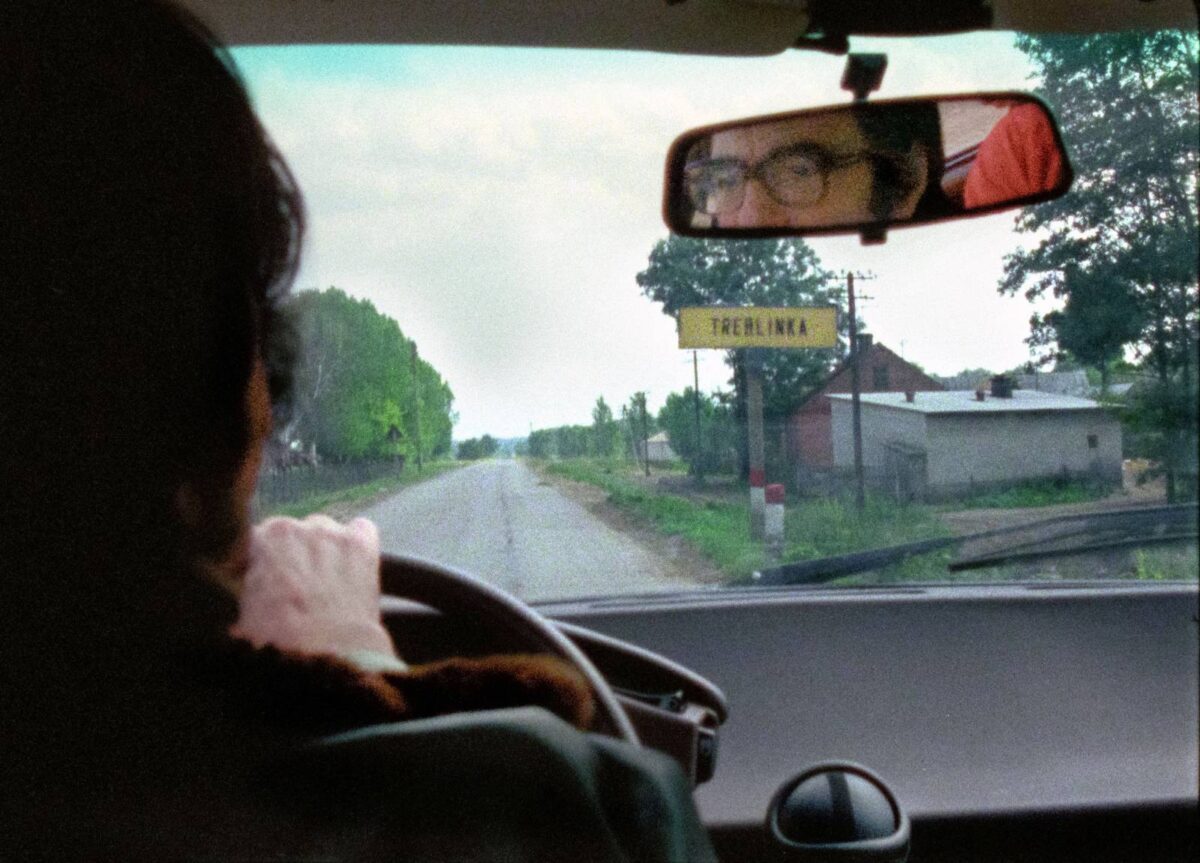
When reading Claude Lanzmann’s 2009 memoir The Patagonian Hare, director Guillaume Ribot was struck by insights into making the monumental Shoah. The book recounts the making of Shoah in four of its chapters, presenting Lanzmann’s own detective work finding perpetrators and witnesses and interviewing them. Maybe it was the investigative element of this method that initially drew Ribot to consider telling a sort of behind-the-scenes story, but what makes a perfect companion piece out of All I Had Was Nothingness is the way it surrenders to asking the most difficult questions in the deafening silence: the “why” of the Holocaust is hauntingly present. – Savina P. (full review)
Blue Heron (Sophy Romvari)
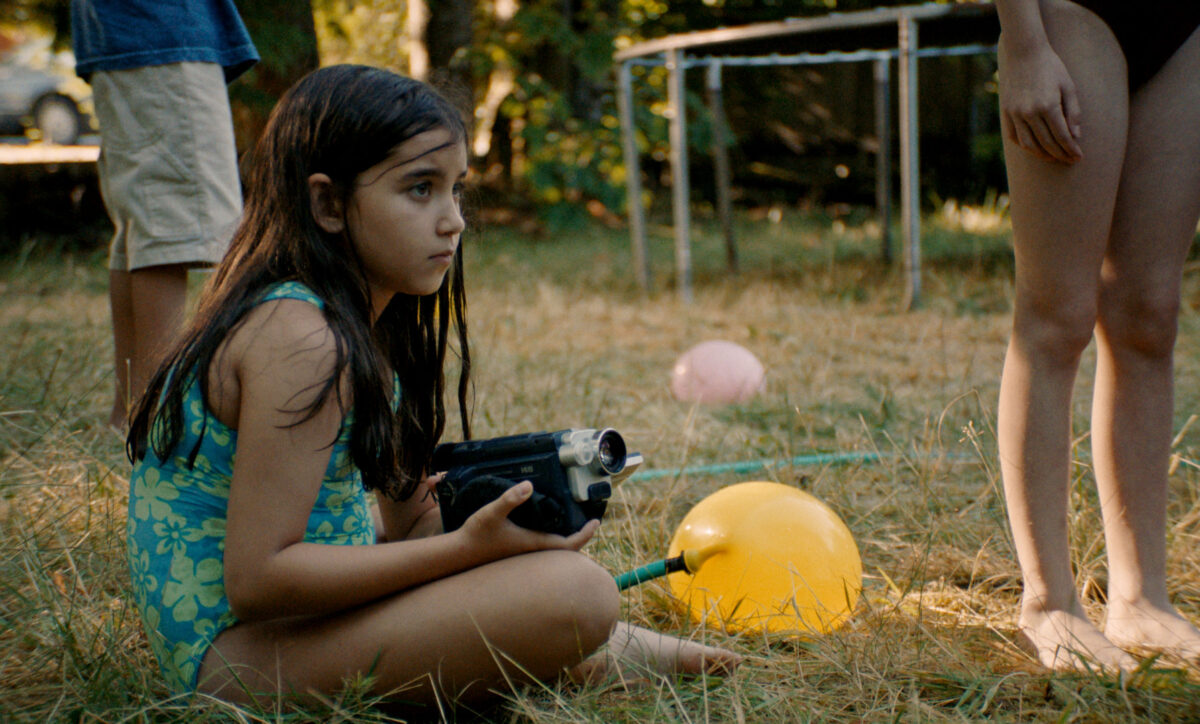
Blue Heron, Romvari’s feature debut, once again mines the director’s own history, following a Hungarian family of six as it settles in a nondescript stretch of suburbia outside Vancouver. The opening line, “I struggle now to remember much of my childhood,” belongs to the youngest child, Sasha (Eylul Guven), the film to her older stepbrother Jeremy (Edik Beddoes), a sullen, taciturn adolescent with a history of self-destructive behavior no one has learned how to deal with, much less address. Yet Romvari refuses to write him off as a troubled child. Yes, the kid is most certainly not all right, but he traverses Blue Heron as its most mysterious, elusive character, and that impenetrability is a measure of Romvari’s empathy. Rather than pathologizing his pain––a tendency his own parents succumb to––she invites us to sit with it and bask in his drawn-out silences, in the gaps between the words and imperfect memories that grown-up Sasha (Amy Zimmer), in the film’s second half, will try piecing together. – Leonardo G. (full review)
The Blue Trail (Gabriel Mascaro)
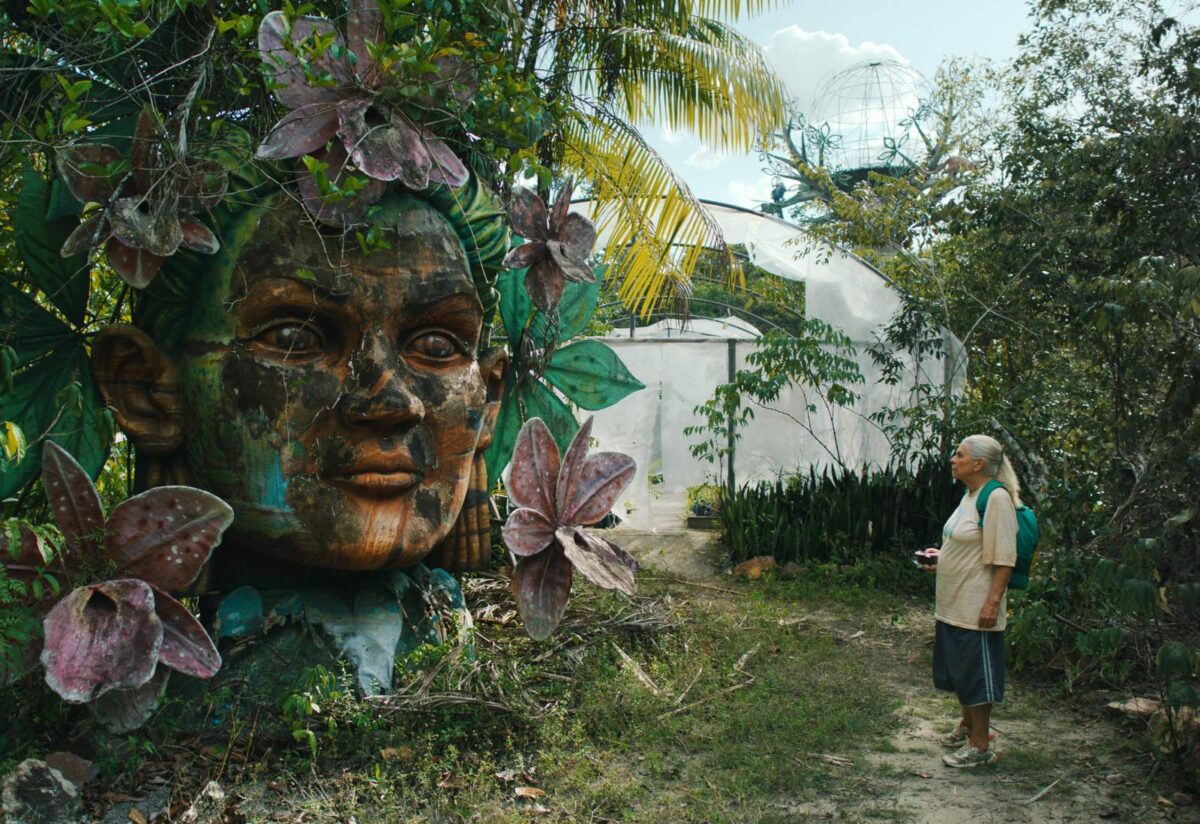
The Blue Trail, the lively new film from Gabriel Mascaro, takes its name from the secretions of a mythical snail. Azure and oozing, the substance, when dropped on the iris, is rumored to grant a vision of things to come. This news is welcomed with admirable disinterest by Tereza (Denise Weinberg), a woman of a certain age who has, due to recent state insistences, decided there’s no longer much use in looking ahead. The film is set in a near-future Brazil where the lives of the elderly are overseen by some cruel combination of governmental interventions and half-interested offspring. In Tereza’s world, leaving one’s locale now requires a permission slip, and those without are rounded up in so-called “Wrinkle Wagons.” Anyone lucky enough to reach their 80th birthday, as Tereza soon will, are rewarded with a move to The Colonies: a place no one seems to know much about, aside from the fact that anyone who goes there doesn’t return. – Rory O. (full review)
Bouchra (Meriem Bennani, Orian Barki)
Based on a real-life conversation shared by co-director Meriem Bennani and her own mother, Bouchra (co-directed with Orian Barki and co-written by them and Ayla Mrabet) opens with a phone call. Aicha (Yto Barrada) is checking in on her daughter from Morocco when Bouchra (Bennani) broaches a subject they’ve been avoiding for almost a decade. Stuck creatively, the latter has decided to find emotional catharsis through a script about the complex dynamic shared with her parents and seeks context from the opposite side. – Jared M. (full review)
Carolina Caroline (Adam Carter Rehmeier)
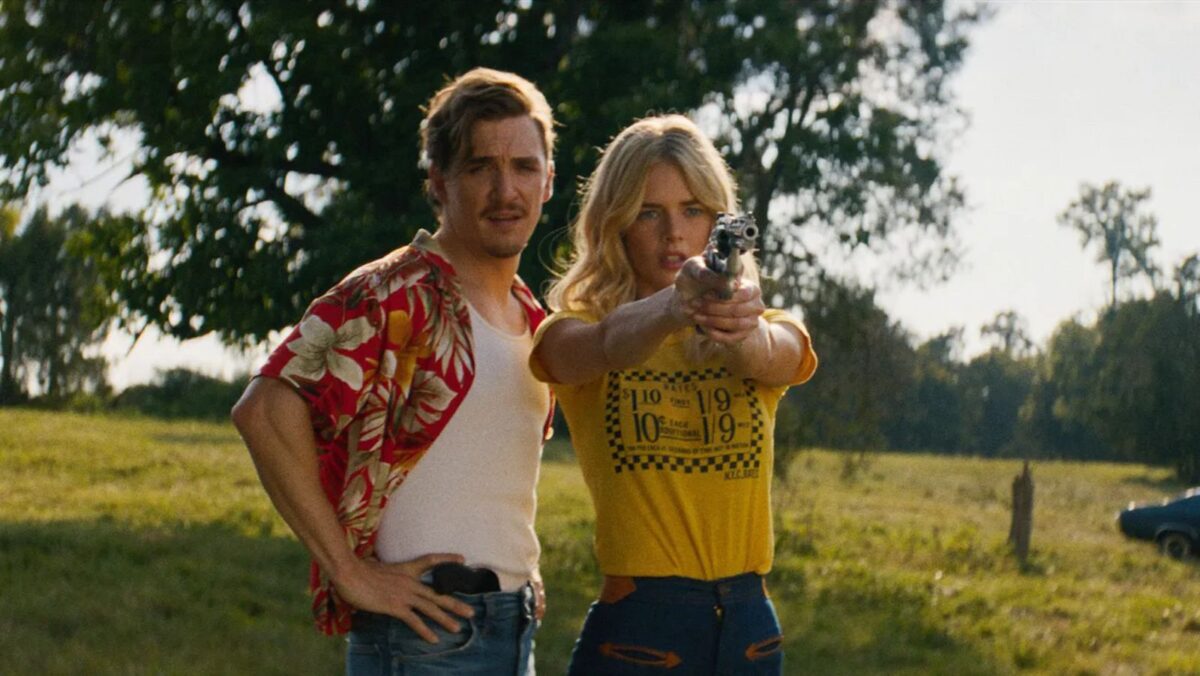
How do you tell when you stop being good people pretending to be bad and realize you’re just bad people who can’t even trick themselves into thinking they’re anything but? Caroline (Samara Weaving) asks this aloud earlier than you might expect, considering the crime escapade she and new boyfriend Oliver (Kyle Gallner) enjoy commenced at her behest. She didn’t just take his advice and wonder why she’d never left the one place she’s ever known. She didn’t just reject the notion of staying because it’s safe. No, Caroline chose to meet those realities with the decision to become a full-blown outlaw because it made her feel truly alive. – Jared M. (full review)
The Currents (Milagros Mumenthaler)
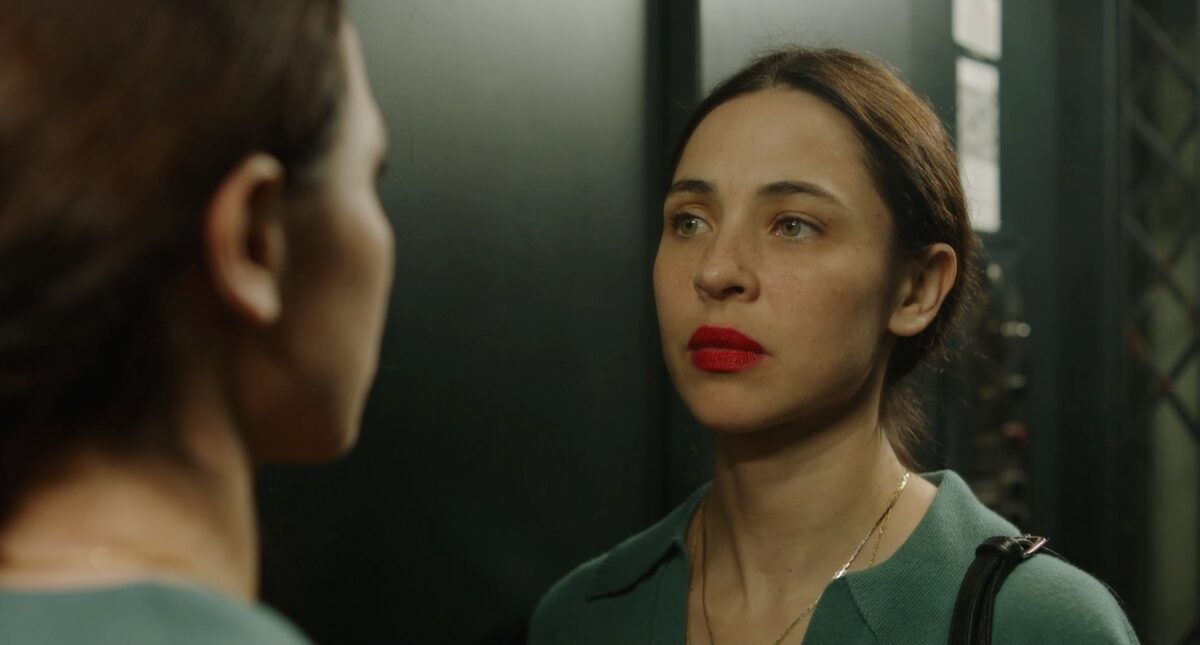
The Currents begins with a curious, impulsive act. Lina (Isabel Aimé González Sola) is being recognized for her work in Switzerland when, suddenly, she completely disassociates. She can’t absorb the applause or adulation. Lina walks out of the event and wanders over to a bridge, allowing herself to fall into the water below. The motion seems involuntary, no contemplation in her movements. It seems almost as if she was pushed, but there’s no one around her when it happens. And once out of the water, she returns home to Argentina a different woman. Lina can no longer tolerate the sound or feeling of water––she can barely even look at it. When her daughter Sofia (Emma Fayo Duarte) takes a bath, Lina refuses to be in the bathroom with her, too anxious to interact with a full tub of water. – Jourdain S. (full review)
Drunken Noodles (Lucio Castro)
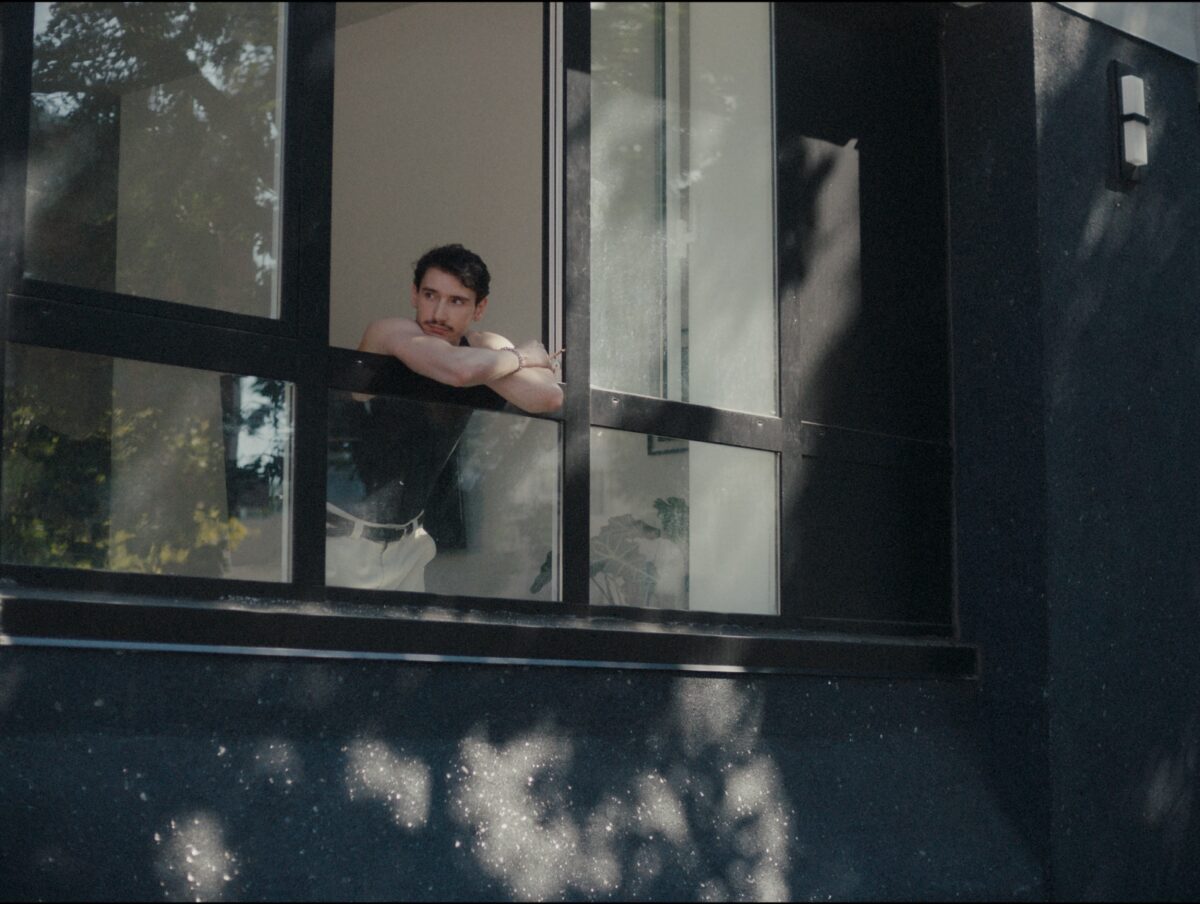
The laws of time and space are met with frisky ambivalence in Drunken Noodles, Lucio Castro’s anticipated third feature and surely the hottest title in this year’s ACID lineup. Most people familiar with the New York-based, Argentinian-born director first encountered him through End of the Century, a film of similar temporal disregard: set in Barcelona, it followed two men who seemed to fall in love only to realize it wasn’t their first encounter. Upon release in 2019, critics were divided over some of the film’s more adventurous flourishes––the sense of overreach. There are a handful of moments in Noodles that do something similar, but it’s an otherwise sultry and strangely calming film, 82 minutes of late-night hookups and late-season ennui that passes like a summer breeze. – Rory O. (full review)
Fiume o morte! (Igor Bezinović)
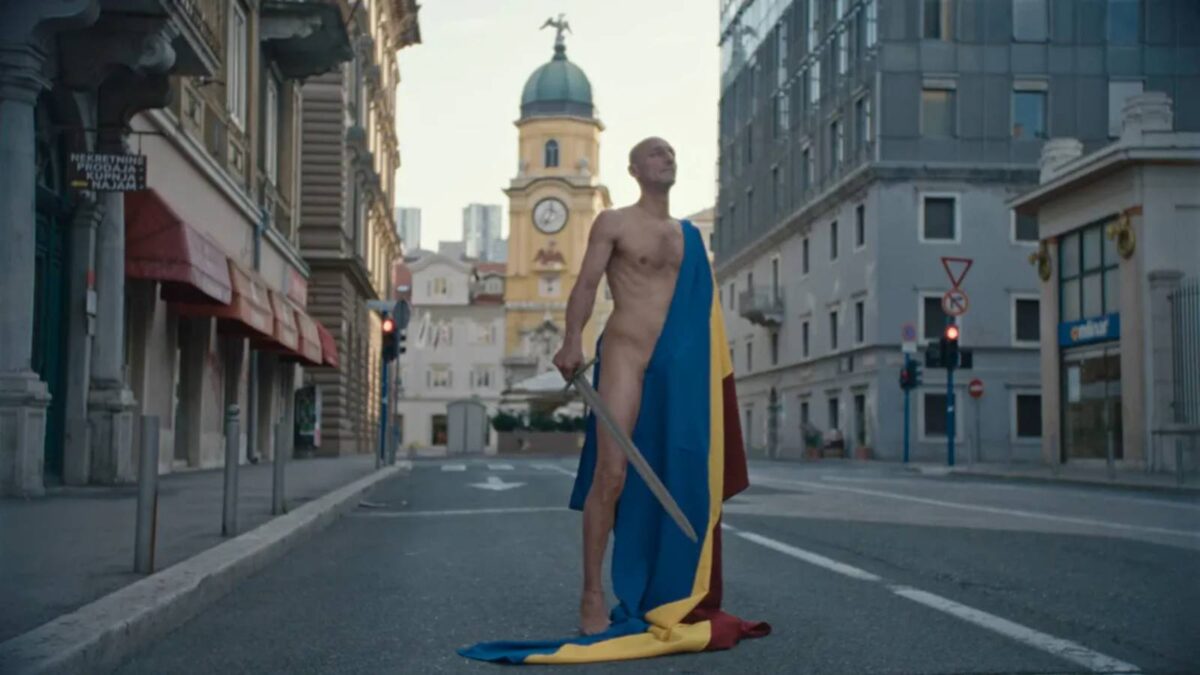
Learning about Gabriele D’Annunzio’s 16-month occupation of Fiume, a tale vividly retold in Igor Bezinović’s new, Tiger Award-winning documentary Fiume o Morte!, I spared a thought for Yukio Mishima. D’Annunzio’s life didn’t end so theatrically, but the two men––celebrated writers and hyper-nationalists with hubristic military dreams and similarly contested legacies––certainly shared a taste for the quixotic and chaotic. Was D’Annunzio a fascist colonizer, as those who still remember him in Fiume (now Rijeka, Croatia) claim, or was he the admirable dreamer as romantic as his poems? A century later, the jury’s still out. – Rory O. (full review)
Ghost Elephants (Werner Herzog)
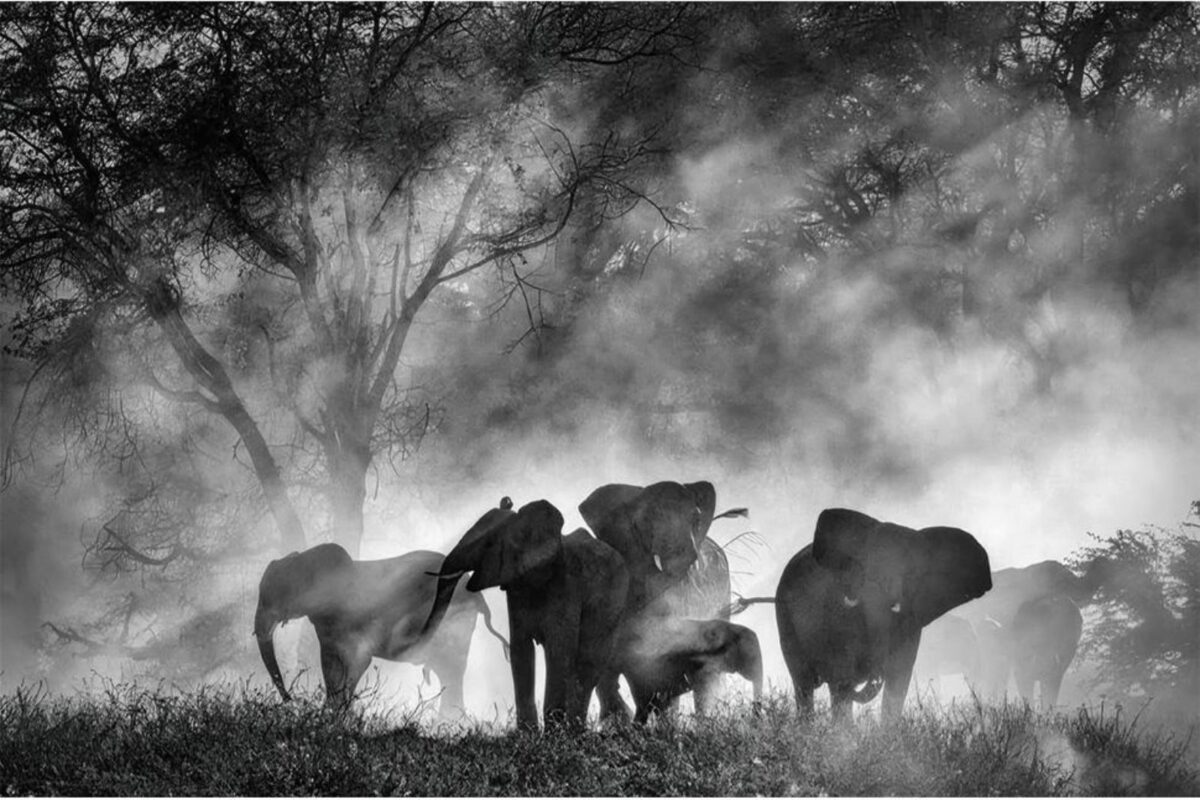
What opens Werner Herzog’s Ghost Elephants, even before we hear the German filmmaker’s distinctive cadence, is the National Geographic logo. While production credits are far from noteworthy in most cases, this one may stand out to the viewer by implying a certain documentary paradigm––call it “mainstream,” or simply: formulaic and easy-to-digest––at odds with Herzog’s streak of mysticism. A director so devoted to the most abstract and obscure parts of life, nature, and history, Herzog has nevertheless excelled in securing funding from sources like the French ARTE, BBC, and History Channel to tell the stories he finds fascinating. His documentaries are rooted in an innate, unadulterated fascination with people’s dreams and aspirations––in Ghost Elephants, National Geographic explorer and wildlife researcher Dr. Steve Boyes. – Savina P. (full review)
Heads or Tails (Alessio Rigo de Righi & Matteo Zoppis)
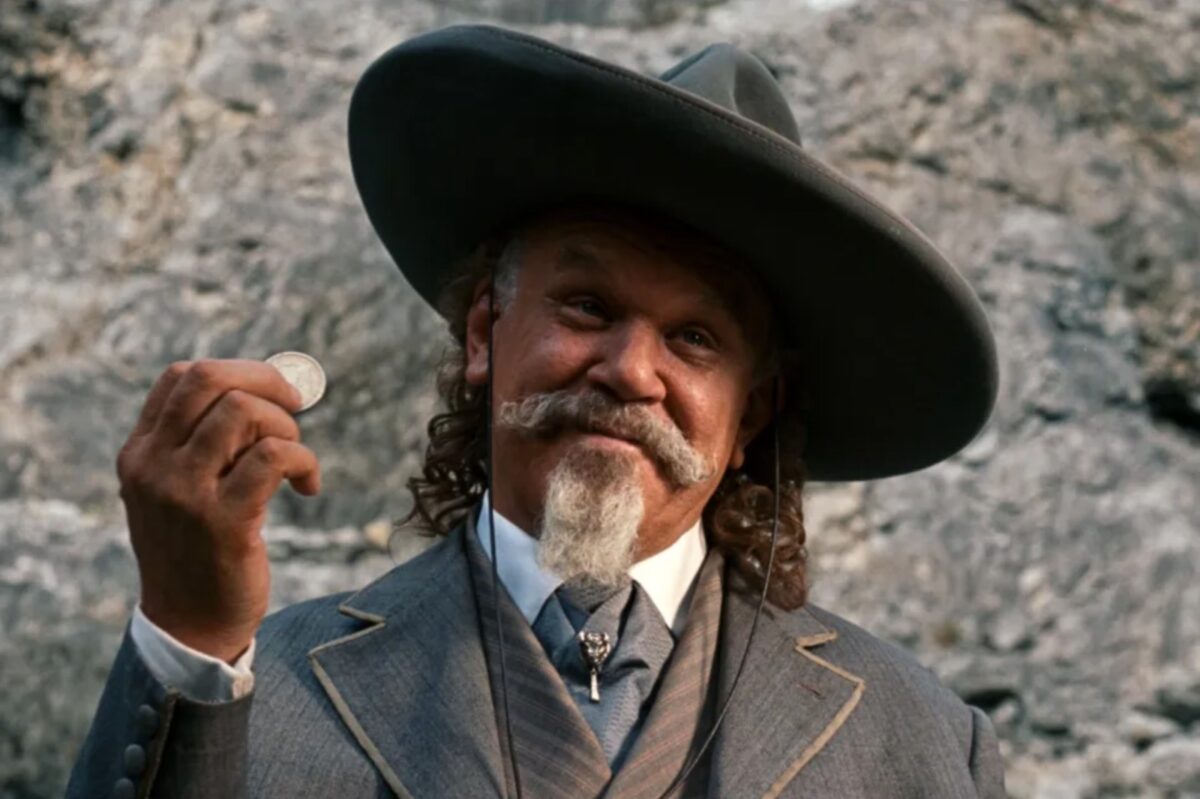
I could name few living filmmakers better equipped for the Western than Alessio Rigo de Righi and Matteo Zoppis. The duo behind The Tale of King Crab––a film I revere like a sacred relic––have created their own niche in contemporary Italian magical realism, somewhere adjacent to Alice Rohrwacher and Pietro Marcello while very much its own thing. Their latest is called Heads or Tails and it’s another of the filmmakers’ ethereal campfire stories. If perhaps not the fullest realization of their Western potential, it will certainly do until that gets here. – Rory O. (full review)
John Lilly and the Earth Coincidence Control Office (Michael Almereyda and Courtney Stephens)
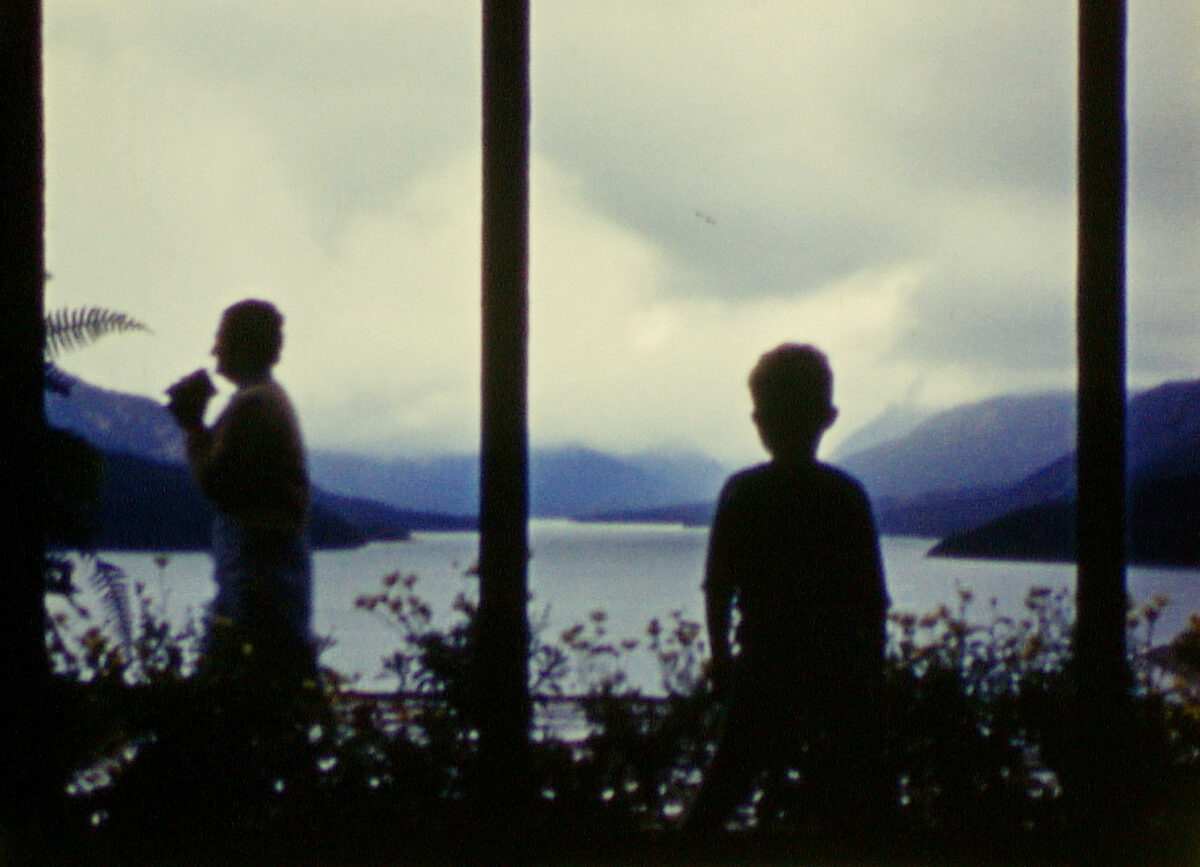
The first time I came across the name John C. Lilly I was––rather fittingly, for reasons that will become clearer in a minute––not exactly sober. Late in the night or early in the morning, back from a housewarming party, my YouTube algorithm fed me a video concerned with an American scientist who’d spent his career trying to communicate with dolphins, a lifelong obsession that saw him, among several unbelievable feats, flood his beachside mansion into a pool, elect a few cetaceans as roommates, and watch as one of them became sexually fixated on his research partner. I suppose there must be other portraits of the man circulating in some dark corners of the web, but what sets apart Michael Almereyda and Courtney Stephens’s John Lilly and the Earth Coincidence Control Office is that the professor isn’t the documentary’s only focus. Lilly’s experiments on interspecies communication are secondary to the discourses they were embedded in, which is to say Earth Coincidence isn’t a biopic so much as a study of a few tumultuous decades in US history, and how ideas––even and especially the most absurd––can seep into culture. – Leonardo G. (full review)
Julian (Cato Kusters)

It’s a fleeting, impermanent moment. At a concert, Fleur (Nina Meurisse) locks eyes with Julian (Laurence Roothooft) just as she takes her seat, and suddenly a spark takes hold. The fascination and mutual attraction quickly becomes a courtship, then a sudden engagement toast over dinner with friends. As the pair celebrate the news, Fleur interrupts the revelry with a declaration: she and her soon-to-be wife won’t just marry in France––they’ll marry in every country that recognizes same-sex unions, all 22 of them. A chance connection, they decide, can double as a statement. Their love might be impulsive, but it doesn’t have to be quiet. – Jake K-S. (full review)
The Last One for the Road (Francesco Sossai)
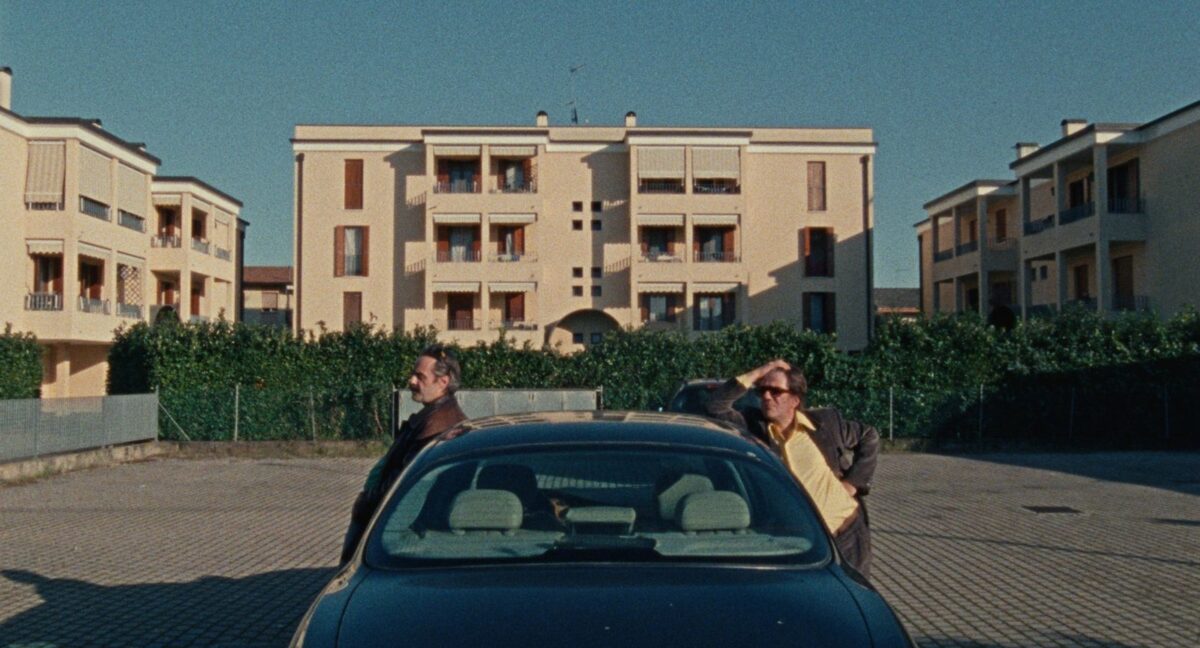
It doesn’t take long to work out where you are in The Last One for the Road––for the backroads of Veneto, Italy, Francesco Sossai’s delightful new movie has the unmistakable specificity of a life spent there. What you instead start to wonder is the when of it all. The protagonists are a pair of rogues in their 50s––one of whom, Doriano (Pierpaolo Capovilla), wears a shirt the color of a tobacco stain, the other, Carlobianchi (Sergio Romano), a style of bushy mustache I’ve rarely seen onscreen since Bruno Ganz sported a similar one in The American Friend. Only after stumbling into a group of Gen Z students––the most visible dressed in the headgear of an Egyptian goddess––late at night along a Venice canal do we realize that our heroes exist in the here and now. If it wasn’t for their innate knack for catching last orders, regardless of the watering hole, you’d almost call them men out of time. – Rory O. (full review)
The Last Viking (Anders Thomas Jensen)
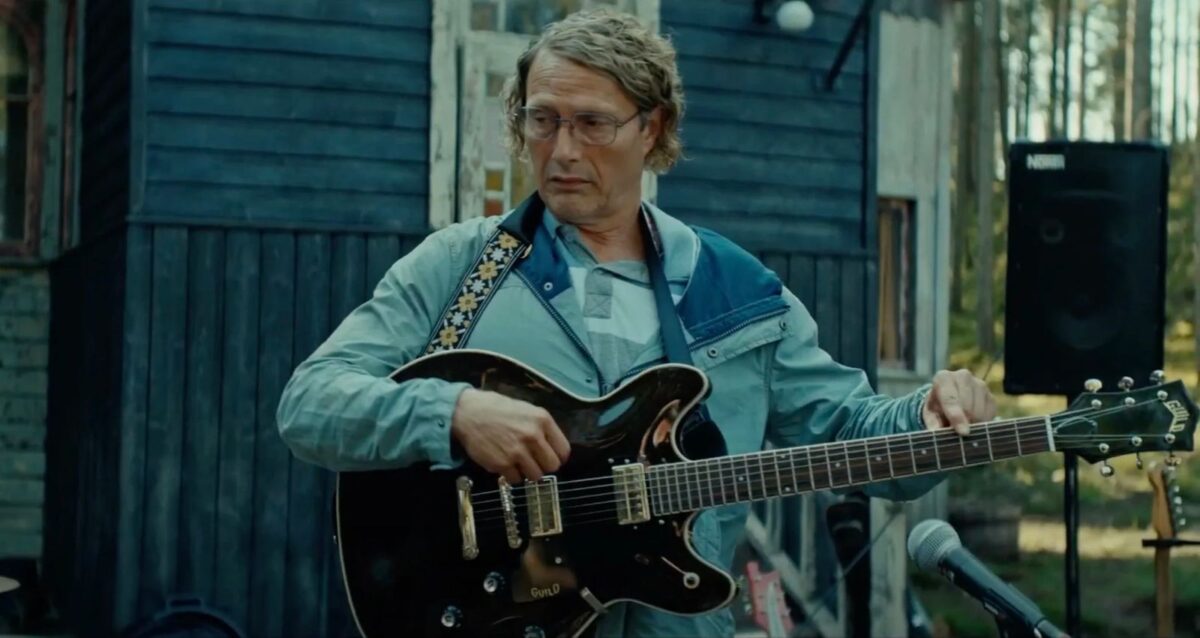
“The world is full of people,” states the anonymous narrator of Anders Thomas Jensen’s The Last Viking as an opening, hand-drawn animation tells a rather disturbing tale: there once was a viking prince who lost his arm in battle; his father, the king, decreed that everyone’s right arm also had to go. A quirky myth where disability becomes the norm sets the tone for what is now the sixth film directed by the Oscar-nominated Danish screenwriter, promising a wholesome arc to his typical brand of dark comedy. The animation is just a detour, the scene quickly shifting to the aftermath of a heist thriller with Anker (Nikolaj Lie Kaas) stashing a bag of money in a locker and asking his shy younger brother Manfred (Mads Mikkelsen) to swallow the key. Minutes later, police sirens drown out the frightened screams of their sister Freja (Bodil Jørgensen from The Kingdom: Exodus) amidst the tons of clutter the three siblings call their home. – Savina P. (full review)
Maddie’s Secret (John Early)
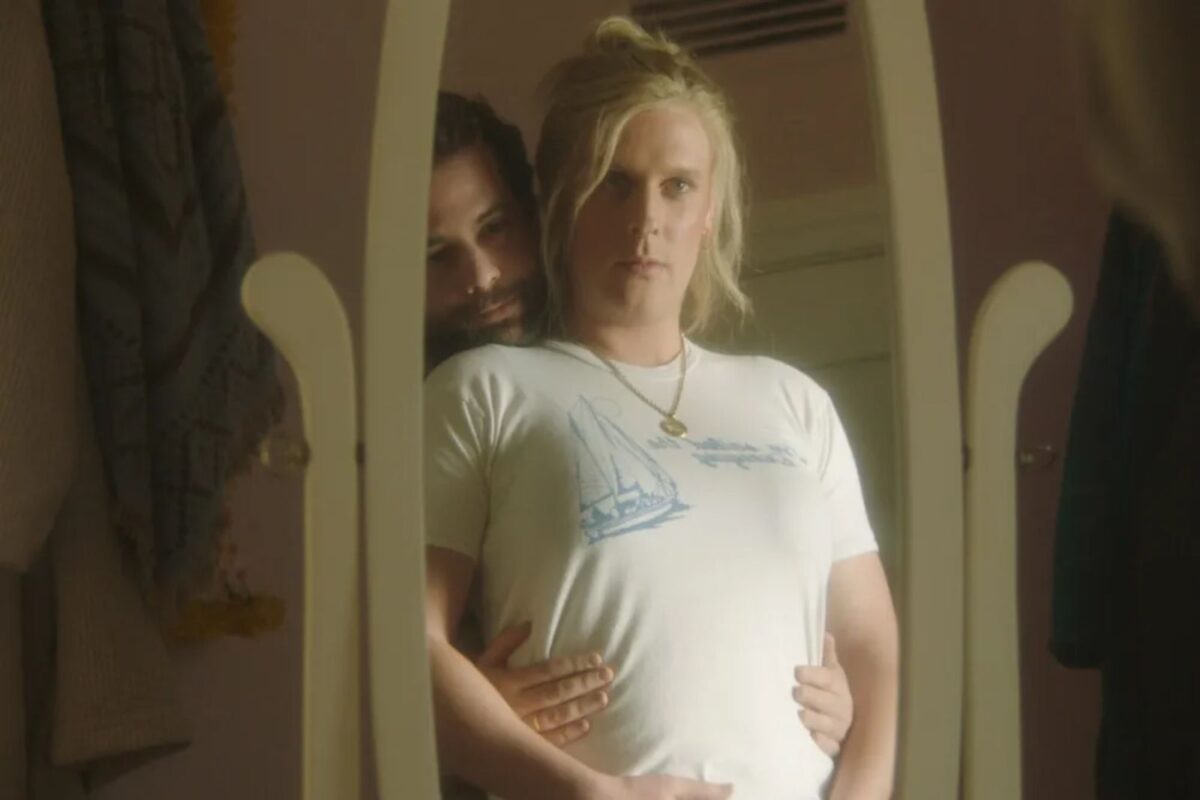
You can’t accuse John Early of not committing. Through the majority of his acting career, the comedian has become a reliable avatar for a palpable, toxic, hilarious narcissism, playing characters oblivious to the world outside the bubbles they’ve so thoroughly cultivated. That was particularly evident over four seasons of Search Party, as well as last year’s Stress Positions, a Sundance favorite that exposed the absurdity of living in quarantine over a masked summer. As an agoraphobic tenant in a Brooklyn brownstone, Early took the situation’s disaster and approached it through his very specific kind of self-assured, righteous mania to such an extent that his freak-outs are still rattling around in my brain. – Jake K-S. (full review)
Mare’s Nest (Ben Rivers)
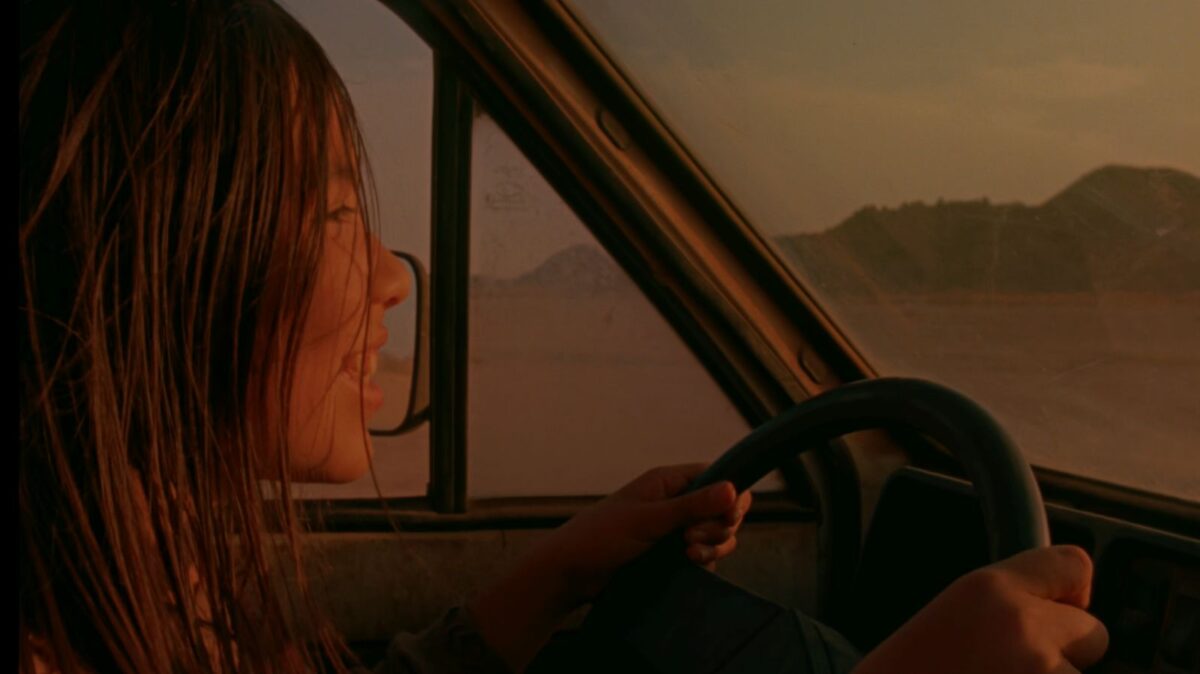
Long before they came to designate a state of hopeless confusion, the words “mare’s nest” once meant something more electrifying: the excitement for that which doesn’t exist. That’s a good way of thinking about the cinema of Ben Rivers. Perched at the interstice between utopias and dystopias, his films unfurl across sequestered spaces populated by solitary drifters who’ve long abandoned the comforts of 21st-century life. In The Origin of the Species, an old hermit living in the woods of Inverness-shire muses on Darwin’s theories from the confines of his isolated house. Shuttling us from the Polynesian island of Tuvalu to Rivers’s native turf of Somerset, England, Slow Action repurposes these far-flung locales as futuristic civilizations, while Bogancloch caps a trilogy centered on a Scottish musician who’s set camp in a remote corner of Aberdeenshire. It can be difficult to tell whether Rivers’ characters have willfully abandoned modernity or survived the Armageddon, if the world beyond their secluded homes is still functioning or has long been ravaged. But even at its most apocalyptic, his cinema is never dour. Emanating from it is a childlike wonder for these uncharted lands and their residents; at best, the excitement is contagious. – Leonardo G. (full review)
The Rivals of Amziah King (Andrew Patterson)
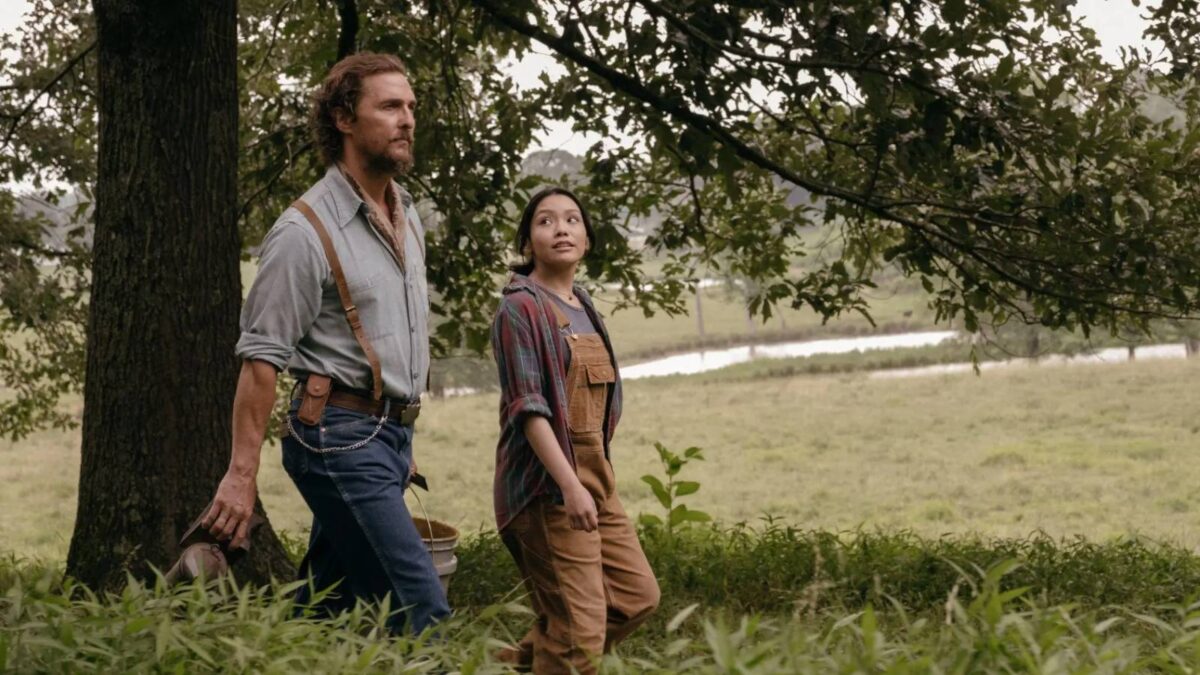
Like the Church potluck to which Amziah King introduces his one-time foster daughter Kateri, The Rivals of Amziah King is a gleeful mashup of genres and tones blending bluegrass music, comedy, revenge, and heist-thriller elements into a tasty homestyle buffet full of eccentric characters and thick Southern accents. It’s a strong follow-up to the promise Andrew Patterson displayed in his resourceful debut feature The Vast of Night––even when this mash-up seems a little uneven and indulgent, with a heavy use of formal techniques, from slow-motion to ironic music. – John F. (full review)
Romería (Carla Simón)
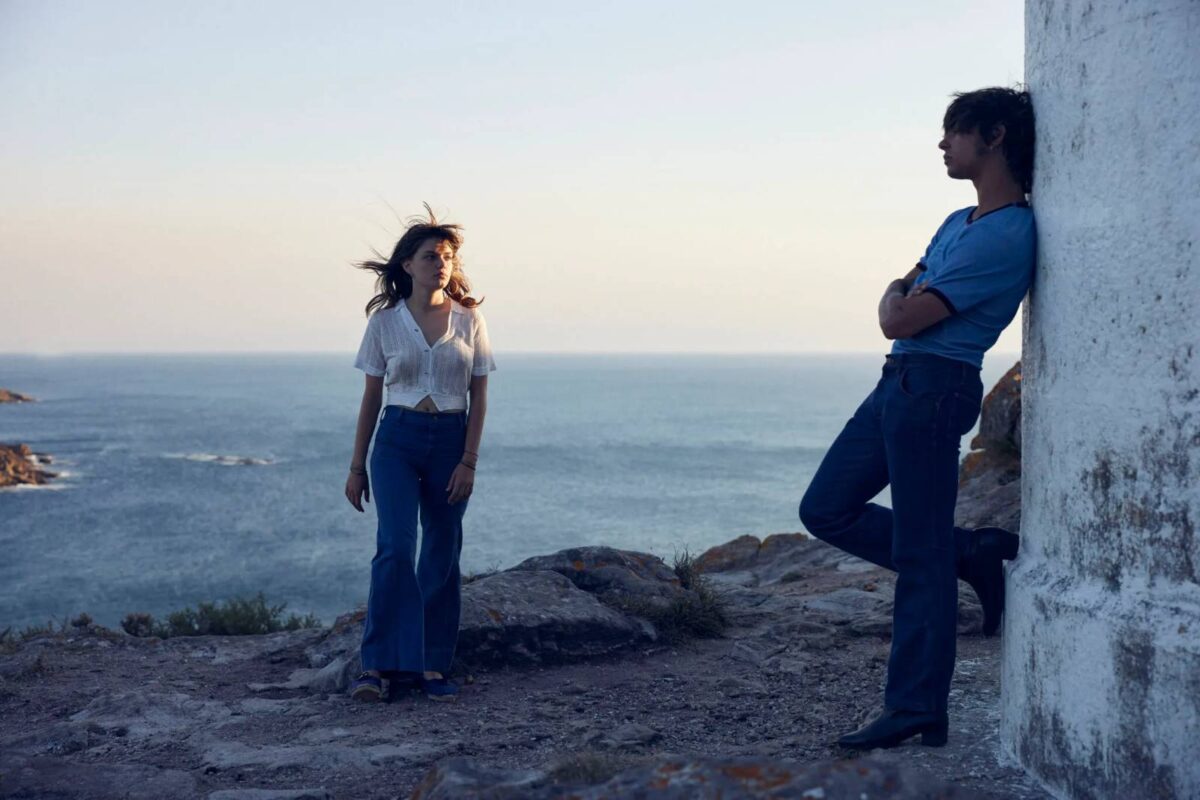
Continuing in the low-key register of her Golden Bear winner Alcarràs, Carla Simón returns with Romería, another tale of intergenerational dissonance. A film about the stories families choose to tell and the ones they bury deep inside, it unfurls on Spain’s Atlantic coast, where 18-year-old orphan Marina (Llúcia Garcia) hopes to reunite with her paternal family. It’s also a story about displacement and yearning for lost roots, themes that cut close to the bone for a director whose parents died of AIDS when she was still a child, and who reunited with her father’s family in the town of Vigo, Galicia, where the film is set, at the same age. Simón has always been an autobiographical filmmaker; Romería might be her most personal work yet. – Rory O. (full review)
Rose of Nevada (Mark Jenkin)
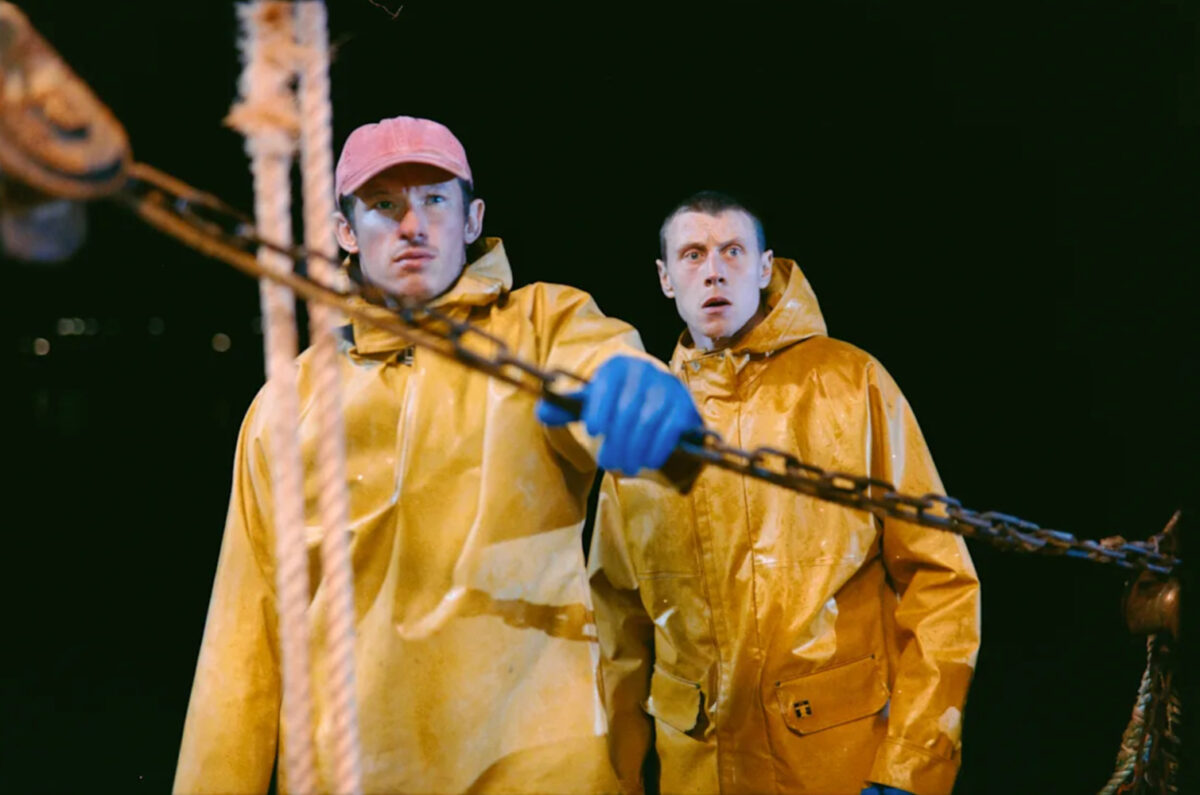
The films of Mark Jenkin ooze a hypnotic, seasick sensibility; to watch them is to be lulled by their restless jumps through time and space, their ability to convert his home turf of Cornwall into a suspended world where facts and visions collide in stupefying dioramas. The director is a spinner of wandering tales, never fueled by linear plots so much as ambient forces: a ticking clock, gusts of wind, the distant roaring of waves. His dramas tend to pull your gaze from people and toward the inanimate objects that litter their surroundings. It’s here––in the interstice between the fictional foreground and non-fictional background––that the actual story often lies. – Leonardo G. (full review)
Silent Friend (Ildikó Enyedi)

Hungarian director Ildikó Enyedi is best known for her 2017 Golden Bear-winning film On Body and Soul, where an unlikely pair of characters met in a dream and, as deer, fell in love. This remarkably tender Berlinale winner is, in many ways, the precursor to Enyedi’s newest film, notwithstanding the fact that in-between came The Story of My Wife (2021), a period drama of an obsessive love affair starring Léa Seydoux. Not to say the latter is irrelevant: the English-language debut allowed Enyedi to expand the details of her singular worlds beyond language and cement herself as a European auteur to whom actors flock. While Silent Friend stars the indomitable Tony Leung (and also Seydoux in a small role), the real star of this film is a ginkgo tree. If On Body and Soul was fauna, Silent Friend is flora. – Savina P. (full review)
The Stranger (François Ozon)

Nobel laureate Albert Camus is one of the most consequential thinkers and writers in the French language, having created absurdist characters and worlds that reflect a view on human existence which remains hauntingly unique. His debut novel The Stranger has seen two notable cinematic adaptations since its publication in 1942: once by Italian maestro Luchino Visconti (1967), most recently by Turkish director Zeki Demirkubuz (2001, under the title Fate). A fellow Frenchman has finally stepped up to revive Camus’ words for the big screen as they had originally sounded; perhaps not coincidentally, it proves the most faithful, hypnotically evocative version. – Zhuo-Ning Su (full review)
Two Seasons, Two Strangers (Sho Miyake)
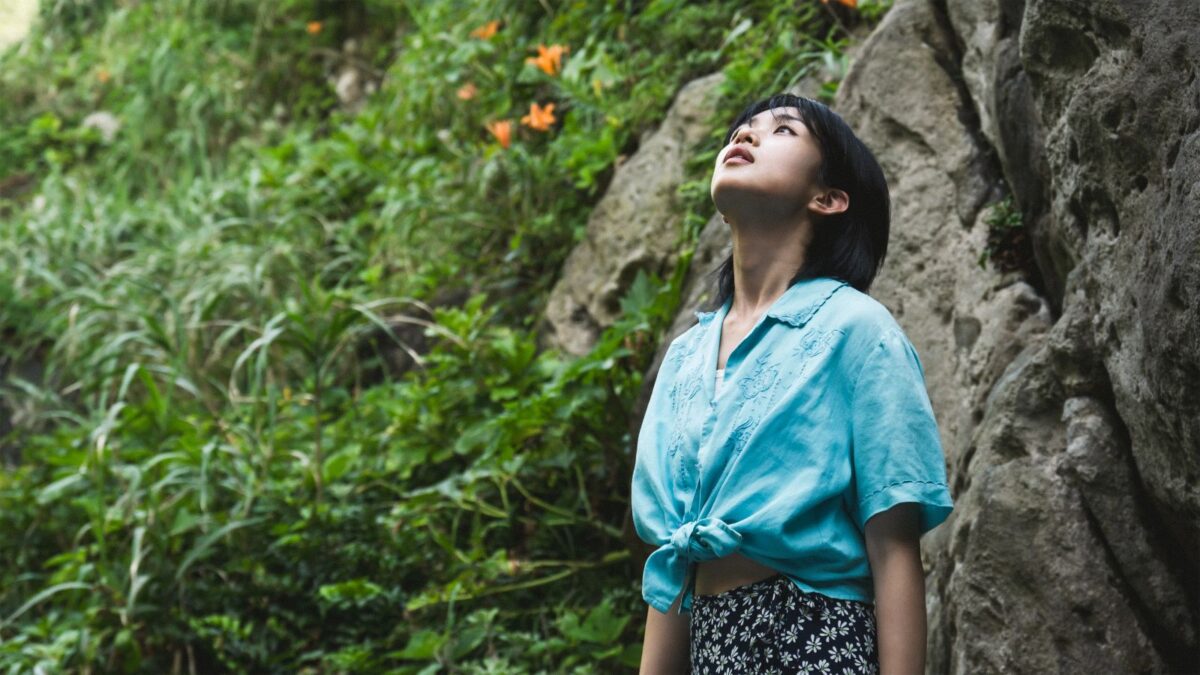
Two Seasons is the third in a wonderful recent run by Miyake, joining Small, Slow But Steady (2022) and All The Long Nights (2024). With each he has shown a remarkable ability for mixing porcelain-like levels of craft and detail with stories of comparatively messy human compassion––a cinematic mix that never fails to delight. Despite racking up some awards for those films, his work plays at the kind of modest register that often keeps filmmakers of his ilk relatively below-the-radar or, at the very least, just shy of name recognition. Winning the Leopard might be the push that elevates him to auteur status and perhaps (with respect to Locarno) the biggest of the big competitions, where I feel he belongs. – Rory O. (full review)
Two Women (Chloé Robichaud)
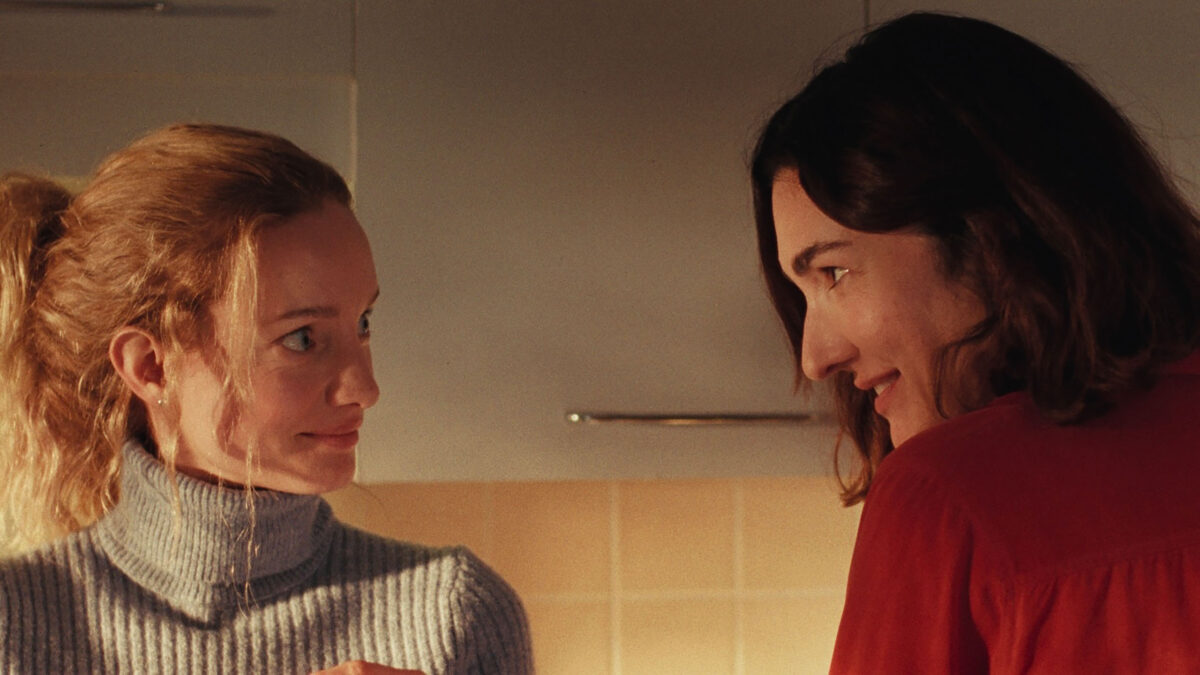
If, by and large, American cinema has taken a puritanical view on sex, leave it to our neighbors up north to craft a refreshingly frank, hilarious comedy of manners about seeking erotic pleasure when life has hit a dead end. Scripted by Catherine Léger from her own stage play Home Deliveries, itself inspired by Claude Fournier’s 1970 feature Two Women in Gold, Canadian director Chloé Robichaud’s Two Women is playful, raucous, and wholly heartfelt, a film not afraid to explore the dark corners of life when it comes to depression, infidelity, and the dullness that can set in during new motherhood. Its comedy-first approach comes with a comforting sense of tenderness and fleetness, shot on 35mm with a lively warmth by cinematographer Sara Mishara. – Jordan R. (full review)
Yes! (Nadav Lapid)
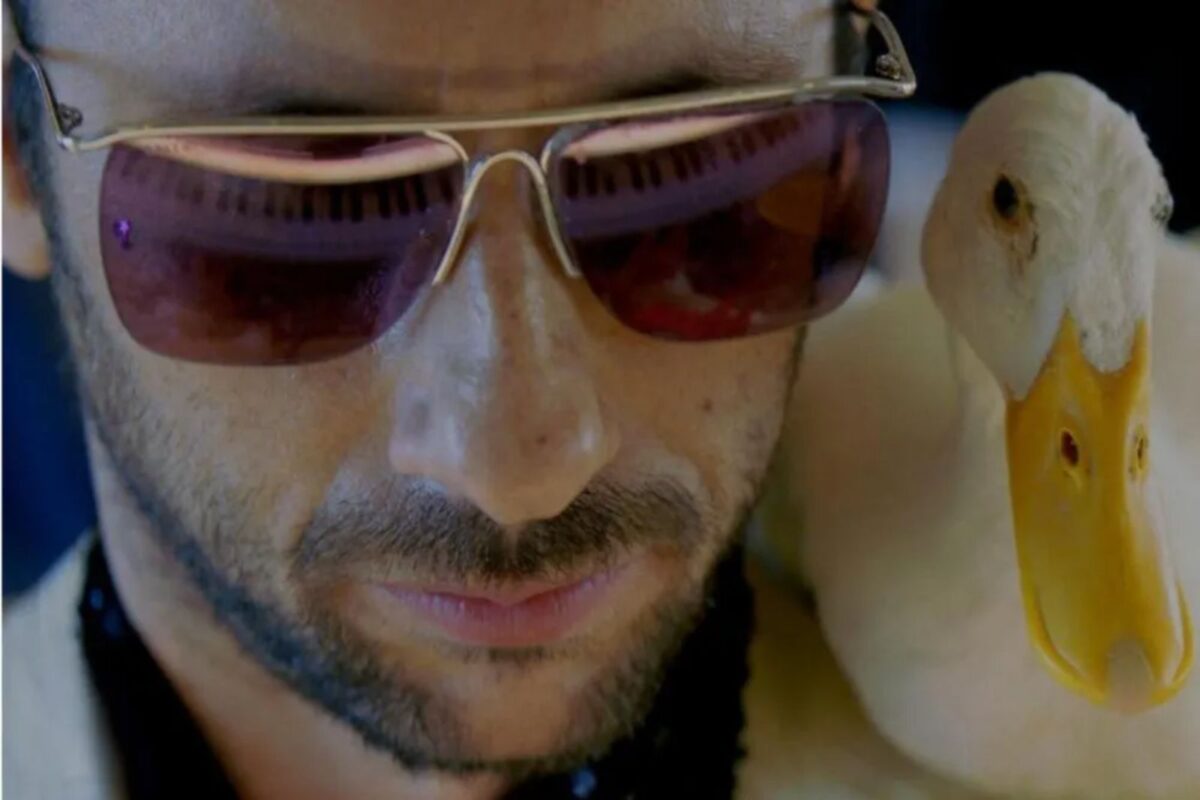
Tel Aviv native, defector, and auteur Nadav Lapid opens his fifth feature in a catastrophic state of carouse. A filmmaker known for his employment of trademark dance sequences, Lapid is back with an equally visceral but uncharacteristically clubby groove in Yes!, a work whose sarcastically enthusiastic title points to the relentless ridicule and hometown mockery that defines it. – Luke H. (full review)
More 2026 Releases to See
- André Is an Idiot (March 6)
- The Christophers
- Exit 8
- Holding Liat (Jan. 9)
- Honey Bunch (Feb. 13)
- Horizon: An American Saga Chapter 2 (??)
- The Furious
- Normal (April 17)
- Mad Bills to Pay (or Destiny, dile que no soy malo)
- Mile End Kicks
- Omaha
- Young Mothers (Jan. 9)