
Following The Film Stage’s collective top 50 films of 2025, as part of our year-end coverage, our contributors are sharing their personal top 10 lists.
2025 got off to a bang early with a double-header of distinctly delicious Steven Soderbergh genre exercises in the haunted house story Presence and the espionage thriller Black Bag. Things never really slowed down from there, as this year delivered a smorgasbord of impressive offerings all the way through a more impressive than usual slate of titles garnering trophies in our current awards season.
Out of everything, one particular throughline that stands out as unique to this year is the variety of genuinely satisfying franchise entries that 2025 delivered. From actually revitalizing legacy sequels and reboots to series seeing their best film yet on their sixth go-round, the past twelve months offered an argument that not all IP-focused projects are derivative, redundant and/or just plain dull. I can’t even recall the last time one franchise title landed in my top ten of the year, let alone multiple, with several more sitting just outside that group in a superb year for cinema.
To see my full ranking of 2025 releases, you can check out my list on Letterboxd. There, you’ll also find my ranked list of all the non-2025 films that I saw for the first time this year. That selection is highlighted by The Ox-Bow Incident, Pat Garrett & Billy the Kid, Kisapmata, Tea and Sympathy, Il Posto, The Clock, Some Came Running and Girl with Hyacinths.
For now, these are my top ten films released in the past year, starting with a handful of honorable mentions.
Honorable mentions: Friendship, By the Stream, Drop, Final Destination: Bloodlines, Presence, Predator: Badlands, One of Them Days, Resurrection, Highest 2 Lowest, Caught by the Tides, Peter Hujar’s Day
10. Black Bag (Steven Soderbergh)
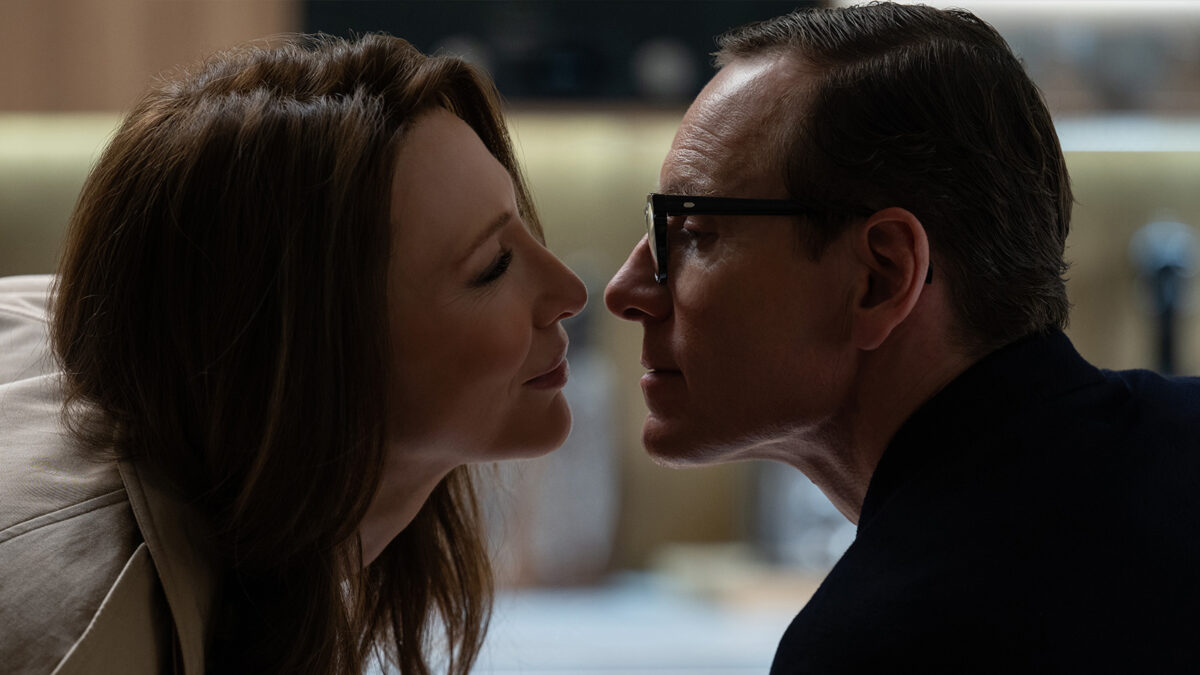
I need a new Steven Soderbergh and David Koepp collaboration every single year. There’s a lot of bad in this world, but getting two features from them in the span of two months right at the beginning of 2025… that’s the universe trying to reset the balance. Black Bag is Agatha Christie meets John le Carré meets James Bond meets Who’s Afraid of Virginia Woolf?, a spy thriller as concerned with how a marriage survives as it is with satellite link resets and catastrophic meltdowns that would eviscerate tens of thousands of lives. It’s infused with Soderbergh’s slick modern lens, ruthless efficiency in the editing room, and a trademark stunner of a score from David Holmes, but it’s also decidedly old-fashioned in its plotting. Koepp is taking us back to World War II-era British noirs, the most intense sequences across the entire film being bookends of our key ensemble sat around a dinner table unleashing razor-sharp dialogue, withheld resentments, and pocketed betrayals. No one can deceive you better than your lover, your colleague, your best friend, or your mentor/mentee.
9. It Was Just an Accident (Jafar Panahi)
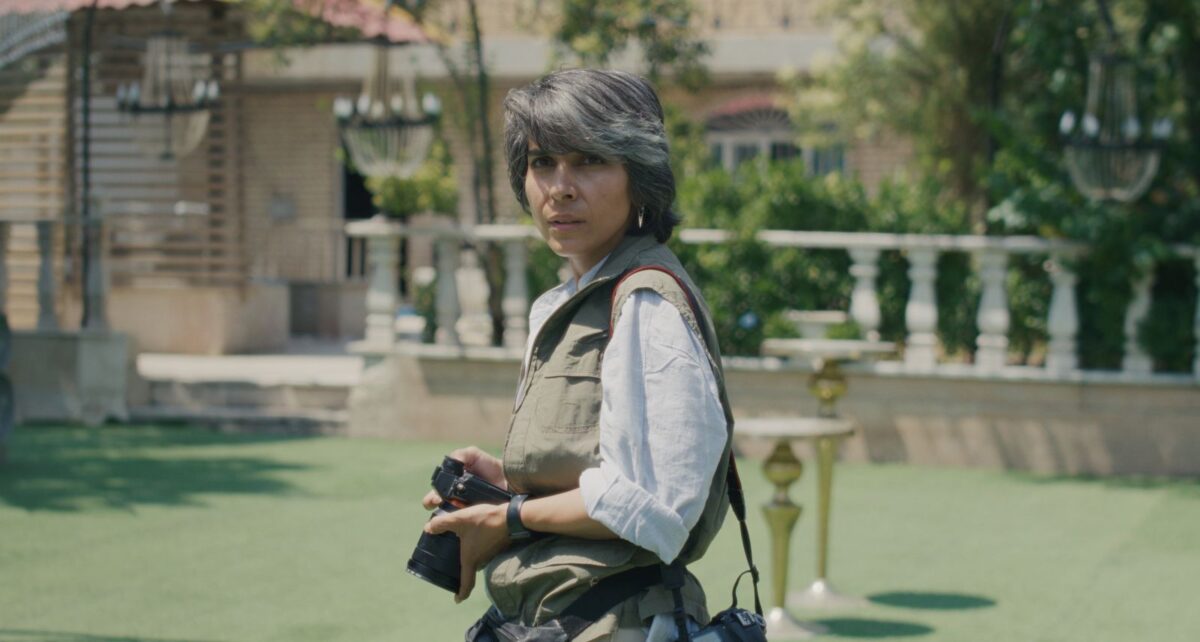
Jafar Panahi’s Palme d’Or winner takes a simple and powerful morality conflict—“What would you do if you believed you found the person responsible for your greatest trauma?”—and turns it into an absolute powder keg with so many combustible ideas and dilemmas. Seeing how each individual character afflicted by this man responds to the knowledge that he potentially has been abducted and they can enact their revenge if they choose, we are taken through a diverse wealth of possible avenues to travel down. Drawing from personal experience, Panahi presents a deep, layered recognition of how people respond differently to unimaginable events. Some can never move on from it, their life completely falling apart and this becoming the rot at the core of their existence. Some are able to compartmentalize it and eventually attempt some semblance of a normal life. But the one thing uniting them all is that no one can ever really heal from it.
8. The Naked Gun (Akiva Schaffer)
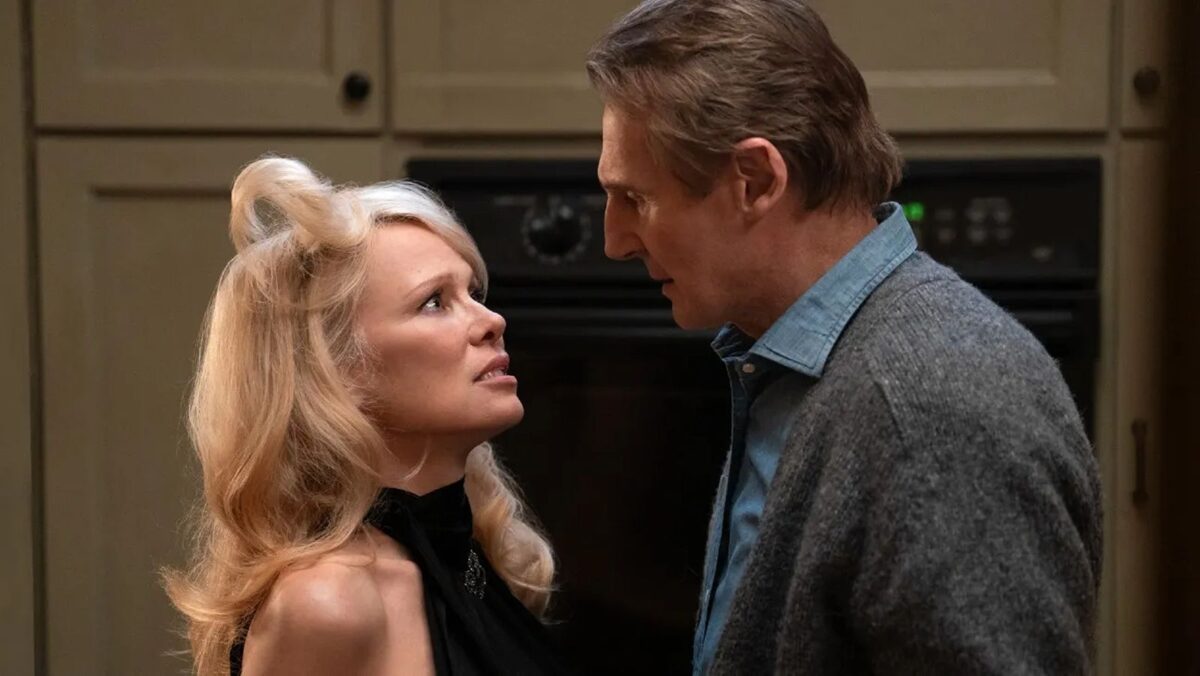
Gather round, one and all, and let me tell you about a fabled time long ago when the world was a glorious place where each and every one of us could travel to local hangouts called “movie theaters”. In there, surrounded by strangers, we all could rejoice at the laughter of things called comedies made by movie studios—yes, those very entities that make the franchises you experience now and forget about the next day used to make movies that would create lightning rod cultural moments, and uproarious lines you’d quote back to your friends over and over until you were out of breath, doubled over in hysterics. The Naked Gun brings us back to that hallowed time, perhaps our last opportunity to experience such a wonderful thing together. One could recite any number of incredible zingers, or detail a bounty of “you need to see this to believe it” sequences, but I’ll simply leave you with this: “She had a bottom that would make a toilet beg for the brown.”
7. 28 Years Later (Danny Boyle)
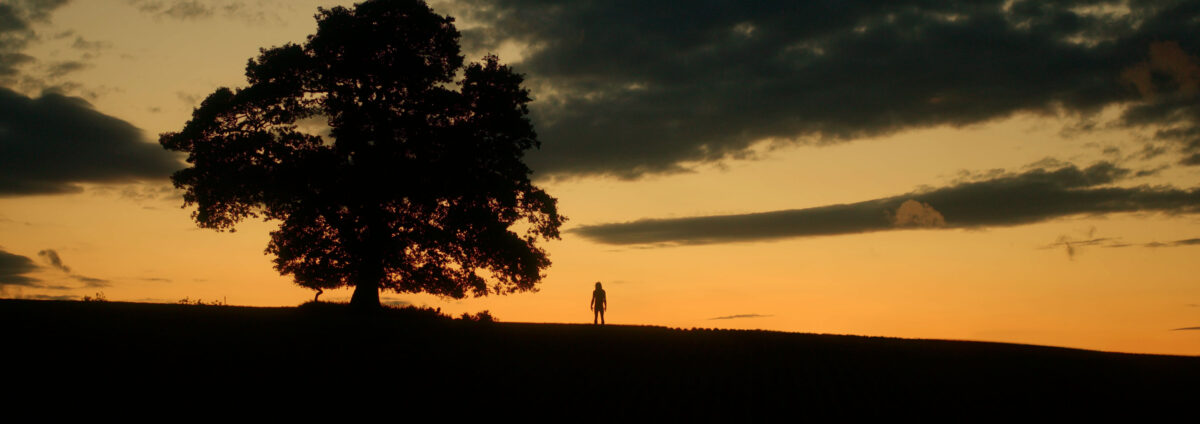
The most pleasant surprise of 2025, 28 Years Later on paper feels like such a cash-grab, with Danny Boyle and Alex Garland returning to the franchise over two decades since they last touched it. Instead, it’s arguably the most impressive work of either man’s career. Breathtakingly bold, the film is constantly zigging when you expect it to zag. As a visceral action thriller, the first half of the picture is remarkably tense, but it’s the second half where this becomes something really special. 28 Years Later emphasizes that leading your life with love, with compassion, with tenderness for those who mean the most to you, that’s how you find the most value on this earth, and in the most ideal circumstances, those are the feelings you’ll be encompassed by when you leave it.
6. The Mastermind (Kelly Reichardt)
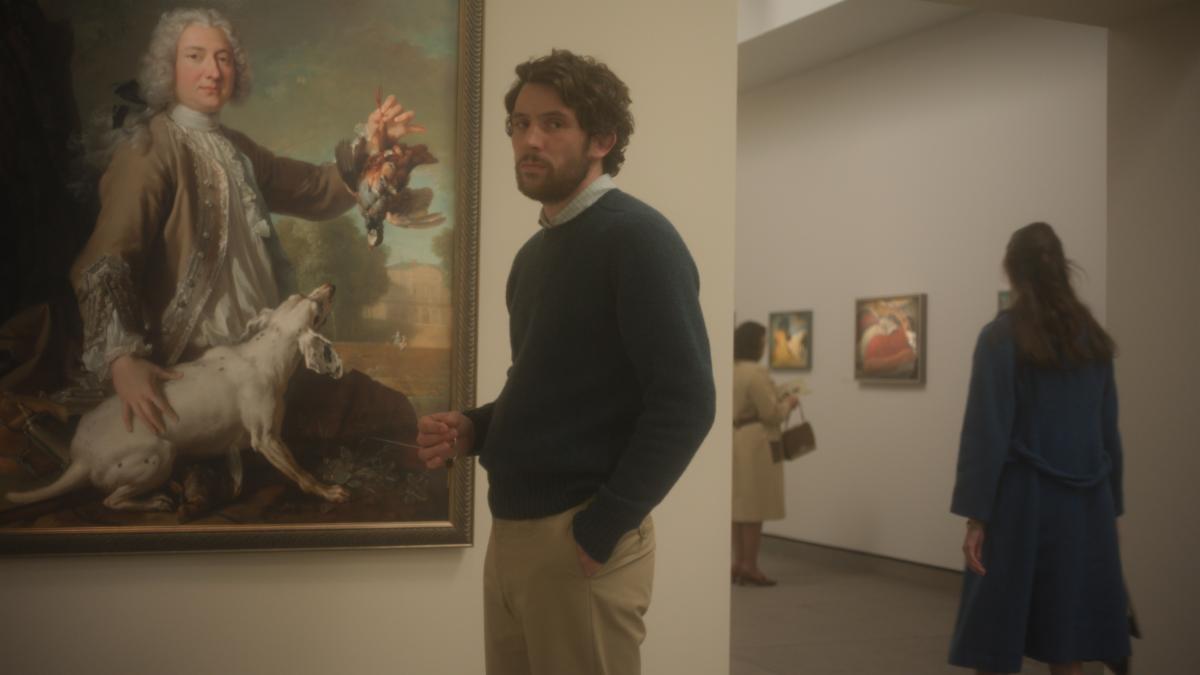
The first half of The Mastermind feels like Kelly Reichardt’s Steven Soderbergh movie—the process-focused development of a low-key art heist in a small suburban town, enveloping us in the details and how the best laid plans go awry. The second half feels like Kelly Reichardt’s Coen Brothers movie—a parable of a man doomed to cosmic irony, perpetually incapable of having anything the way he wants, doomed to be punished by the universe for his selfishness and stupidity. The whole thing is Kelly Reichardt’s ’70s Robert Altman picture. A hangdog tale of a man who simply cannot get out of his own way. A man who can’t build lasting relationships because he can’t think about other people. They’re all existing for whatever use he can get out of them at that moment. And they only allow themselves to be in his orbit for a finite period of time before they get tired of his bullshit and cut him out. He’ll be left wandering, drifting alone, looking for the next spot that he can exploit for a little while until he has to pick up his wagon and hitch it elsewhere.
5. Misericordia (Alain Guiraudie)
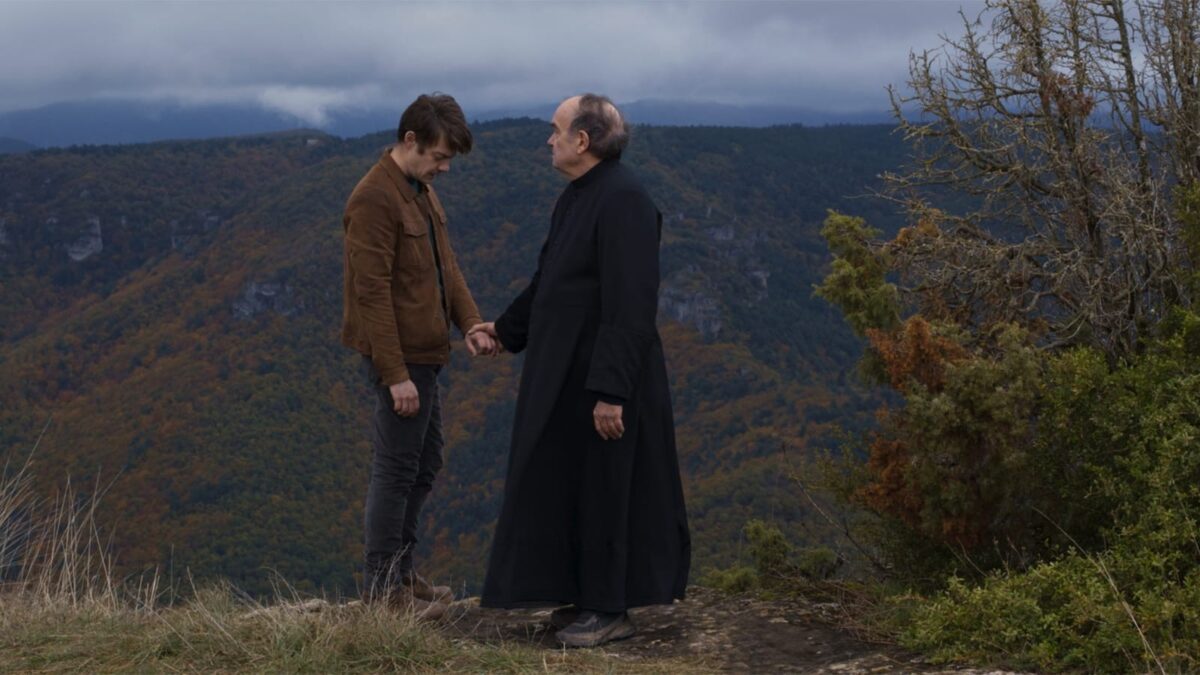
Disarmingly funny, uniquely suspenseful, and captivatingly amorphous, Misericordia keeps you guessing from first frame to last; an alluring mystery that swirls around eroticism and violence, always teasing you with the notion that it could take the plunge into full thriller territory at any moment. Yet there’s also so much soulful ache at the heart of it. This is a deeply lonely film, with numerous characters in their soft, silent ways yearning for love. Empathy and understanding are taken to the extreme here, oftentimes due to that very desire to see and be seen by another. The things we’ll forgive for those we love.
4. Sinners (Ryan Coogler)
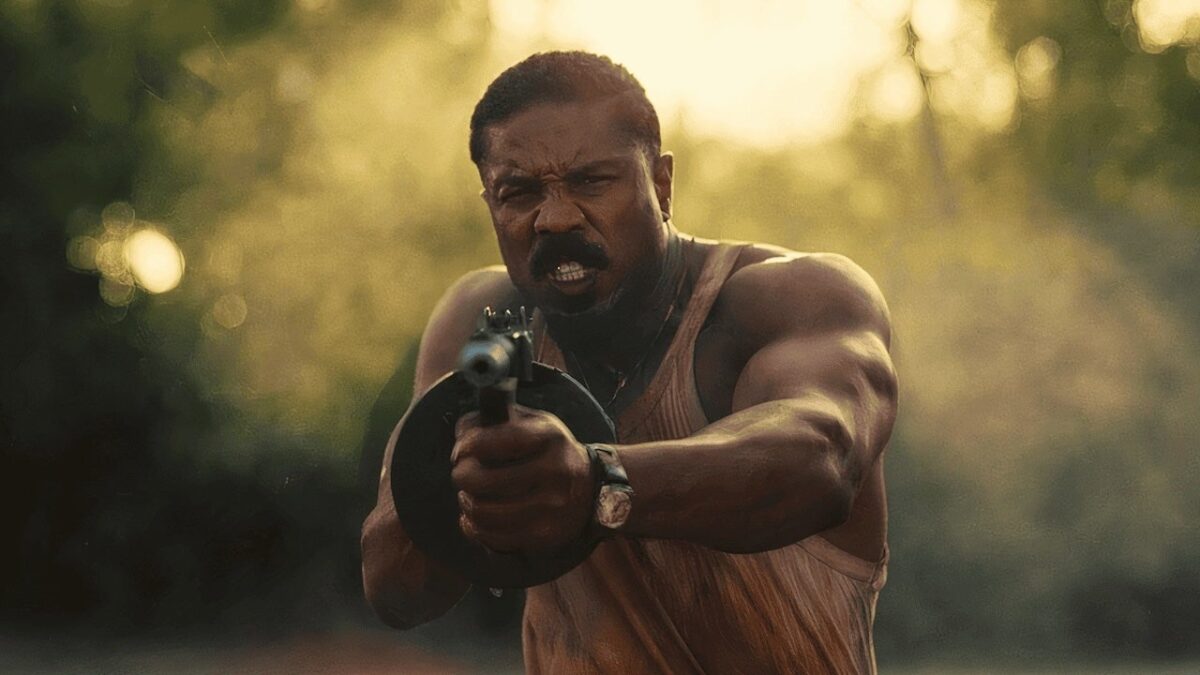
Calling Sinners a genre mashup doesn’t even really capture the degree to which it feels like Ryan Coogler has invented his own new genre; a fusion of period drama, social politics, character study, scintillating romance, and full-on nightmare fuel horror, all taken to the heights of major studio production value. This is a film that’s constantly reinventing itself, adding a new layer on top of everything it’s already doing every fifteen minutes, and somehow being able to balance them all and pay equal attention to these specific attributes because Coogler knows he’s putting it all into a delectable stew. He takes so much time to develop these characters and this world they’re in before teeing up any action, before even revealing the slightest hint of vampire—it’s such a testament to his patience as a storyteller and his faith that viewers will settle in for the ride he’s taking them on. It allows us to genuinely invest in these people, their relationships, their hopes and dreams for this new world they’re trying to invent for themselves before Coogler burns it all down. Sinners is consistently exciting, solemnly soulful, genuinely terrifying, surprisingly funny, and refreshingly horny filmmaking of the highest order.
3. The Secret Agent (Kleber Mendonça Filho)
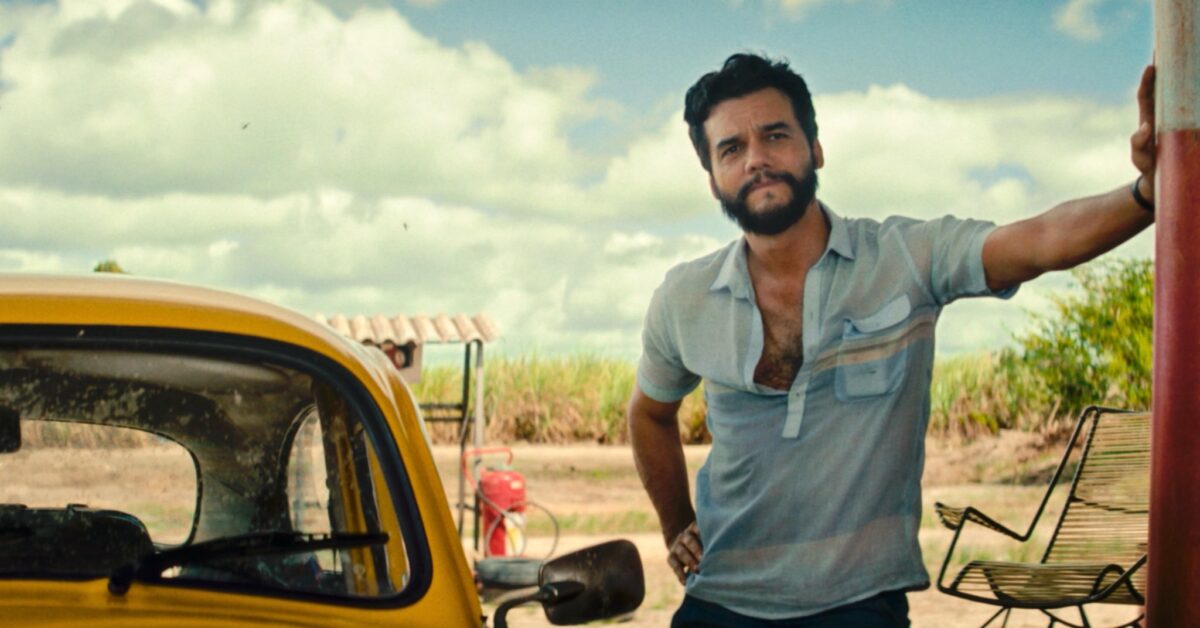
Mixing a sort of arthouse character study with searing socio-political drama and paranoia thriller, The Secret Agent reverberates in the mind for days after watching. There’s such rich cultural specificity here that Kleber Mendonça Filho renders magnificently, but never in a way that ostracizes viewers not familiar with this period of Brazil’s history. Corruption is universal, oppression is universal, and these themes of how people survive (or don’t) amidst such struggle cross any borders and resonate deeply. Filho takes great patience in the way he withholds details, allowing us to fill in the blanks to more firmly place ourselves within this situation—often the not-knowing is far more unsettling than knowing every particular in and out, and that sense of mystery provides such depth in this story, and such a hollowed void that, like its main character, you’re desperate to fill. Following on from his passionate documentary Pictures of Ghosts, archival work is a core component of The Secret Agent. Who holds the keys for what records are kept in this world, and what weight a seemingly simple document could hold in the remembrance of an individual—to be able to point to something that can say, “This person existed.”
2. Cloud (Kiyoshi Kurosawa)
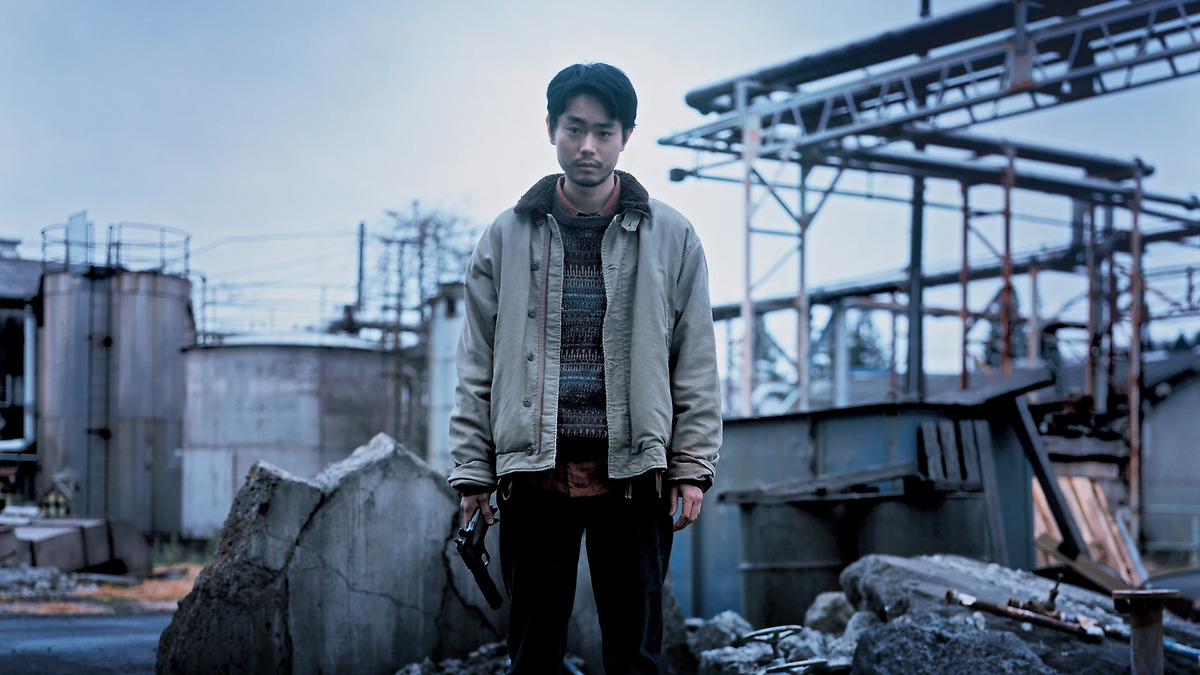
Whether it’s the slow-burn, eerie atmosphere and introspective interrogation of 21st-century commerce and capitalism in Cloud’s first half, or the marked shift into a balls-to-the-wall action-thriller in the second half, Kiyoshi Kurosawa keeps you on the edge of your seat for its entire run. With his best film in years, the master director presents a world where it’s impossible for us to know a single other person in our life. Your girlfriend, your assistant, your former business partner. Everyone has ulterior motives, including yourself. Nothing is genuine anymore, except for the ear-shattering bullets that ring out when Kurosawa takes things into action mode with the film’s adrenaline-pumping climax. Everything is a threat, and there’s no safe harbor. Just a delay of the inevitable.
1. Train Dreams (Clint Bentley)
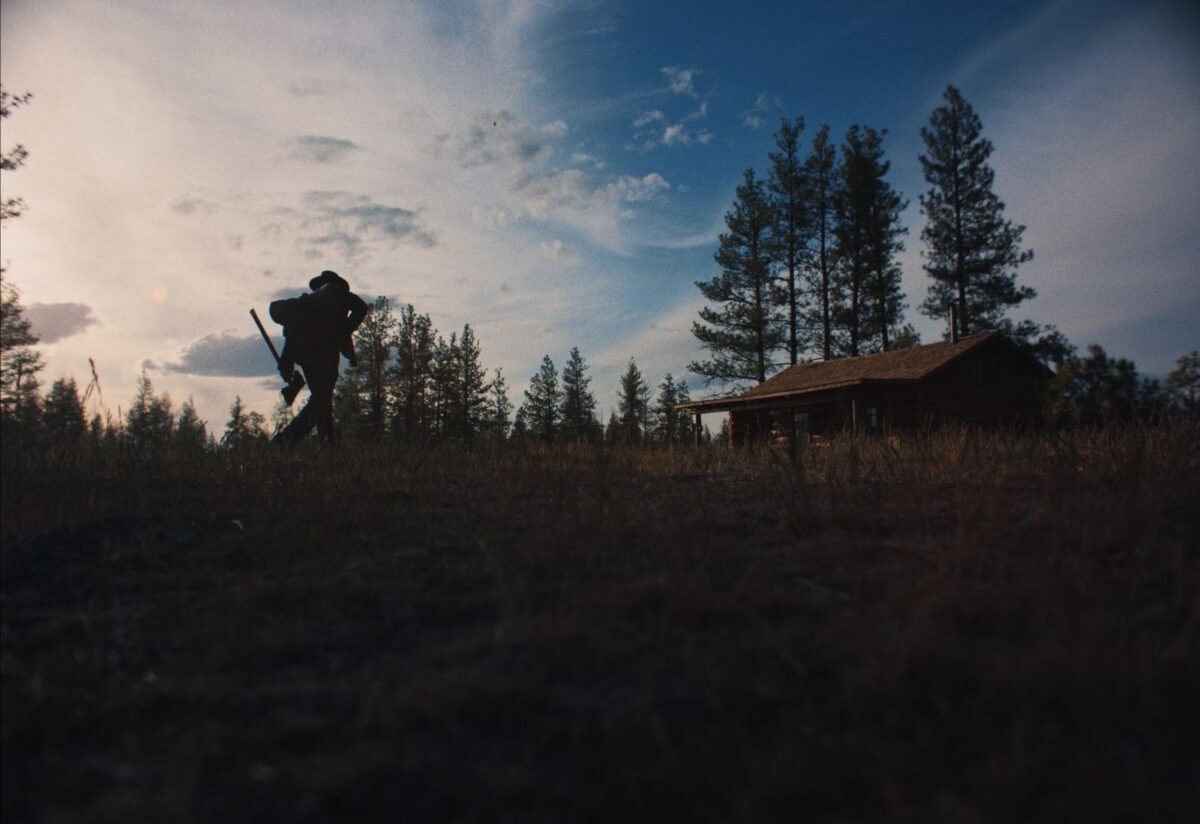
The idea of a thread connecting all of existence is something that pops up a few times in Train Dreams. This idea that we are all truly part of something—not in a “let’s all come together and be here for each other!” kind of saccharine way, but in a matter-of-fact recognition that who we are does echo beyond us. Sometimes those echoes are small, sometimes they’re large, but no matter what the ultimate truth is we’ll never really understand them. We’ll never fully appreciate what our time on this earth has left behind, just as we’ll most likely never fully appreciate the impact that others have on us. The people who shape us, in one way or another. The times that are the greatest we’ll ever have. We don’t know them when we’re in it — and once they’ve passed, we can’t recapture them, no matter how hard we might dream to. There’s no end to the pain that this world inflicts upon us, nor to the pain we inflict upon it. We are capable of such great care, and such great destruction. Life, inevitably, contains all of it. There’s no way to stop that. Train Dreams, through the experience of one simple, ordinary man, captures the significance of the very notion of human life.