
Following The Film Stage’s collective top 50 films of 2025, as part of our year-end coverage, our contributors are sharing their personal top 10 lists.
Each year in my annual top ten I attempt to diagnose global trends in cinema and, as naive a task as that is, this year will be no different. What does 2025 in cinema have to say about the state of the world, or at least the film industry? Well, we’re still very much in build back mode as studios and filmmakers continue to play it somewhat safe, at least in the mainstream. What’s old is new again and mainstream cinema, outside of a few films, was fairly boring this year. The gems were mostly found at the art houses and festivals.
It was also the year of megadeals, with Skydance finally buying Paramount and National Amusements. Despite their commitment to provide films to theaters, it’s been reported that the combined company is shopping the network of cinemas once owned by the Redstone Family. Theaters also have a cause for concern, despite several of the publicly traded non-AMC chains reporting profits this year, with the proposed acquisition of Warner Brother by streaming giant Netflix, a company famously hostile towards theatrical windowing while opening their checkbook for major filmmakers.
In the mainstream, one welcome trend amongst the superhero films of the year is that several struck a more optimistic chord than usual, with James Gunn’s Superman even becoming politically charged, embracing values embedded in its main character. Matt Shakman’s Fantastic Four: The First Steps struck both a nostalgic and optimistic tone in its retro-futuristic aesthetic. James Cameron once again delivered a visual spectacle in Avatar: Fire and Ash that demanded to be seen in a premium format (I highly recommend Dolby Cinema 3D), and Ryan Coogler’s Sinners was an innovative, original blockbuster grappling with colonialism, racism, and the roots of jazz, cementing his status as a master filmmaker.
Other masters continued to make brilliant work about human truths and they have a home on this list, including my overall favorite film of the year by the great Joachim Trier (Sentimental Value) alongside profound dramas by emerging voices like Eva Victor (Sorry, Baby) and Clint Bentley (Train Dreams). Other major filmmakers like Paul Thomas Anderson, Kleber Mendonça Filho, and Jafar Panahi offered a subversive commentary on power dynamics, domestic relations, and national histories.
Stories from the front lines of war continue to offer stark warnings and critiques of global leaders. This year spawned several, including films like the sweeping and insightful Zelensky (which had its U.S. premiere at DOC NYC) and Julia Loktev’s epic My Undesirable Friends: Part I — Last Air in Moscow. Films about the war in Gaza also found audiences in North America, including Michael T. Workman and Kei Pritsker’s The Encampments, exploring Columbia’s pro-Palestinian encampments with detail not possible in news reports and from talking head commentators. The Israeli perspective on the road to war was shared in Barry Avrich’s journalistic docu-thriller The Road Between Us: The Ultimate Rescue, which became a lightning rod as it was invited, disinvited, and re-invited to Toronto International Film Festival for a single screening before winning the festival’s audience award. The film, largely told from Noam Tibon’s perspective as he races to save his family from the attacks of October 7, offers only the lightest of criticism of the Netanyahu administration in passing, whereas Brandon Kramer’s thoughtful and nuanced Holding Liat (opening soon at Film Forum in New York City) grapples with the war from the perspective of a liberal Israeli father advocating to free his daughter and son-in-law from captivity. Fed up with his government and the political games he has to play, he refuses to fit into a narrative to be exploited for political gain.
Films exploring life within Gaza included the powerful The Voice of Hind Rajab, which feels similar at times to Paul Greengrass’ United 93, creating a narrative around archival material, including harrowing emergency calls to the Palestine Red Crescent Society made by a 6-year-old girl trapped in a car in the middle of the war. I was also moved by From Ground Zero (which arrived in theaters early in 2025), an omnibus film made by 22 Palestinian filmmakers living in Gaza that included innovative documentary, narrative, and experimental work, mostly made on cell phones. What moved me most were a few films about educators shielding children from the horrors of war and helping them to make art to work through the unthinkable reality. One of the year’s best films, which explores the nuances of Israeli-Palestinian relations pre-October 7th, is Cherien Dabis’ sweeping All That’s Left Of You, a powerful story grounded in history that is both intimate and epic.
The horrors, trauma, and physical remnants of war are also explored in Oliver Laxe’s brilliant Sirât, a film you should know as little as possible going into, and is one of the most unnerving cinematic experiences I’ve had all year. Another recurring theme this year is reckoning with personal past, and this list and the runners up feature several titles that do just that in various ways, including Clint Bentley’s Train Dreams, Chloé Zhao’s Hamnet, and Mascha Schilinski’s ambitious and ethereal The Sound of Falling.
However, it wasn’t all doom and gloom with Michael Angelo Covino and Kyle Martin’s goofy Splitsville, Bradley Cooper’s profound comedy Is This Thing On? (with an Oscar-worthy performance by Will Arnett), Richard Linklater’s illusory Blue Moon, Spike Lee’s Highest 2 Lowest, and Josh Safdie’s Marty Supreme all putting a smile on my face as sheer cinematic bliss. Speaking of which, my special jury prize for a film that won’t make anyone’s top ten but I have a soft spot for because it made me laugh hysterically goes to Lilly Singh as a brilliant 30-year-old virgin teaching sex ed in the raunchy and charming Doin’ It, one of the most underrated comedies of the year.
All in all, I close out the year having seen around 1,200 films between various journeys: my work for the Buffalo International Film Festival, the task of keeping up with all the year-end films (especially as they open in limited runs to qualify for such lists, a silly practice), and good ol’ recreational moviegoing. I’m excited for what will come as filmmakers prepping their 2026 fiction and nonfiction films absorb, process, and consciously or subconsciously create work that reflects the zeitgeist. Some films become iconic and define the spirit of the times, while others reflect it. As I tell my students: film studies is dynamic, the history of film is written every time a film premieres either at a major or regional festival or at the multiplex on a Friday night. Onwards!
Honorable Mentions: Blue Sun Palace (Constance Tsang), Die My Love (Lynne Ramsey), Hamnet (Chloé Zhao), If I Had Legs I’d Kick You (Mary Bronstein), It Was Just An Accident (Jafar Panahi), Is This Thing On? (Bradley Cooper), The Mastermind (Kelly Reichardt), No Other Choice (Park Chan-wook), Peter Hujar’s Day (Ira Sachs), Rebuilding (Max Walker-Silverman), The Secret Agent (Kleber Mendonça Filho), The Shrouds (David Cronenberg), and Sinners (Ryan Coogler).
10. Nouvelle Vague (Richard Linklater)

One of two films released this year by the great Richard Linklater, Nouvelle Vague is a fun and witty look at the making of Jean-Luc Godard’s Breathless, with Guillaume Marbeck as Godard and Zoe Deutch as American actress Jean Seberg, who just happened to be in the right place at the right time. Full of period-accurate detail, Linklater’s spirited and loose film captures the excitement of a young film movement in conversation with a broader ecosystem, including Cahiers du Cinéma, the influential magazine from film critics, several of whom became the filmmakers we associate with the French New Wave and the industry establishment. Nouvelle Vague is a love letter to cinema history and filmmaking.
9. Marty Supreme (Josh Safdie)

A sprawling epic about Marty Mauser (the brilliant Timothée Chalamet), who seems to be out of sync with the decade he was born into. A hustler who traverses high and low culture, he’s a shoe salesman by day and ping-pong champion by night. The film embraces its cinematic influences from John Cassavetes to Martin Scorsese to create something that feels uniquely original and unnerving in the most entertaining way possible. Marty Supreme is a film that is as ambitious as its subject.
8. Cover-Up (Laura Poitras and Mark Obenhaus)
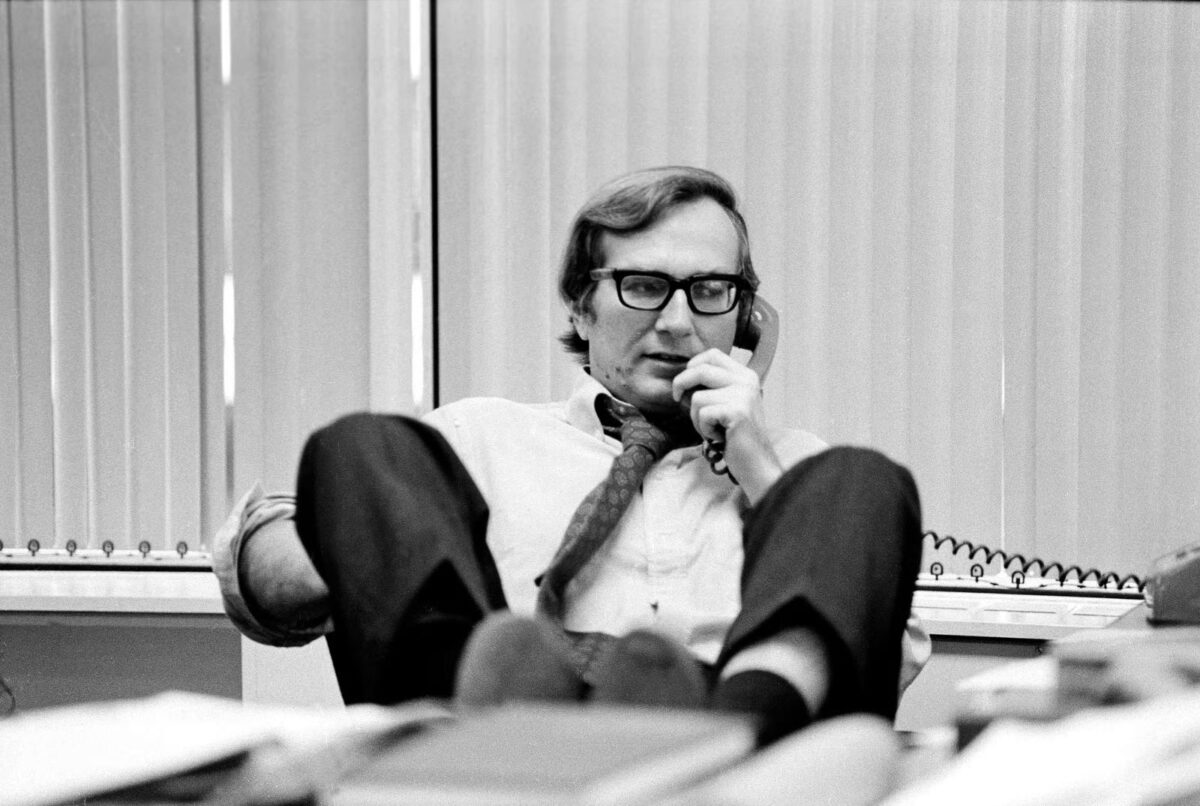
A riveting documentary about legendary journalist Seymour Hersh as he exposes some of the nation and world’s darkest secrets. Straightforward in its approach as Hersh walks us through his process and career in interviews and archival images, Cover-Up is an essential documentary as the 88-year-old subject still continues to probe and investigate matters governments would rather bury in confidential files.
7. Sound of Falling (Mascha Schilinski)
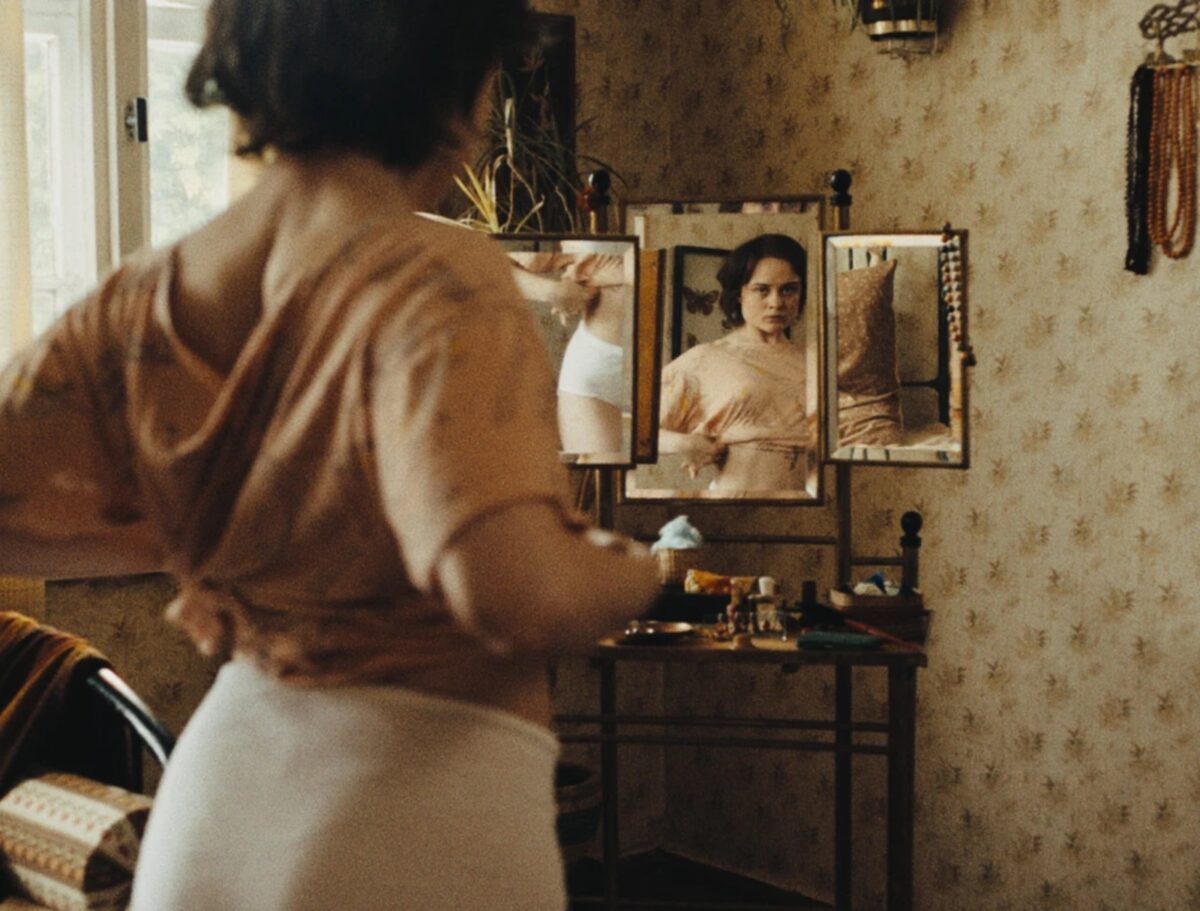
A lucid ghost story that likely will reward repeat viewings, Sound of Falling is a profound exploration of personal, family, and cultural history through various time periods in German history. The film is quite literally about skeletons in the closet, tracing and connecting past traumas to future events as a meditation on interior lives––a sweeping and ambitious second feature by Mascha Schilinski.
6. Train Dreams (Clint Bentley)
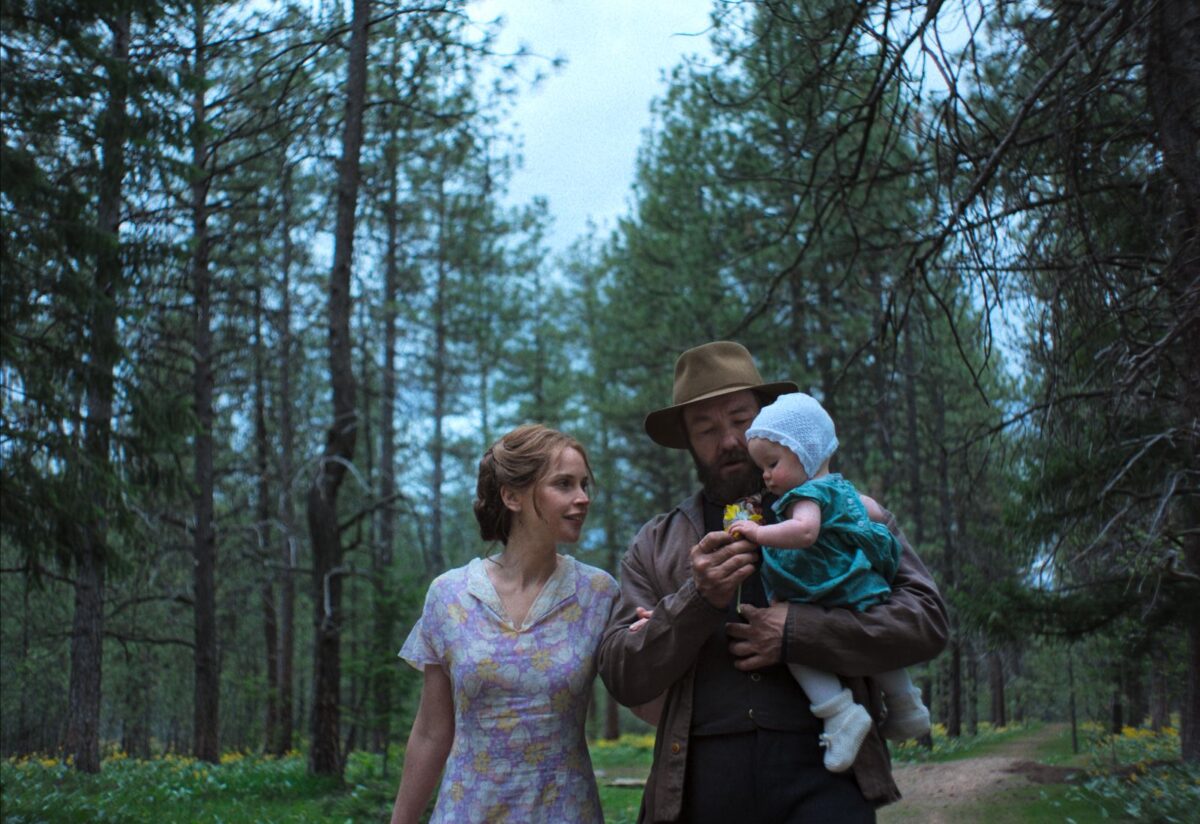
Similar to Sound of Falling, Train Dreams is an equally profound meditation that feels like a lucid ghost story centered around mourning, masculinity, fatherhood, and rugged individualism. Joel Edgerton gives a powerful performance as a builder of empires coping with the sudden deaths surrounding him. Beautifully shot and impeccably directed, Train Dreams is a poetic cinematic achievement.
5. Sirāt (Oliver Laxe)
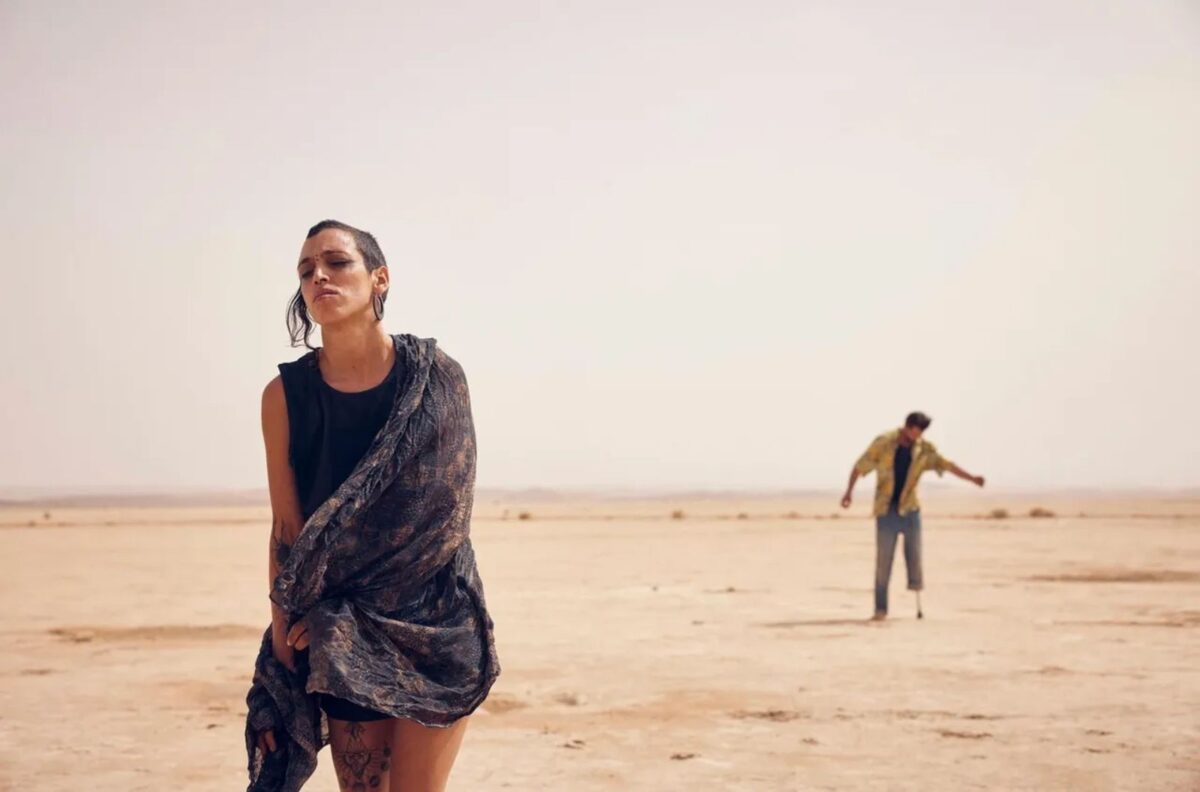
The less you know going in, the better. See it big. See it loud. Not recommended for anyone with a heart condition.
4. Sorry, Baby (Eva Victor)
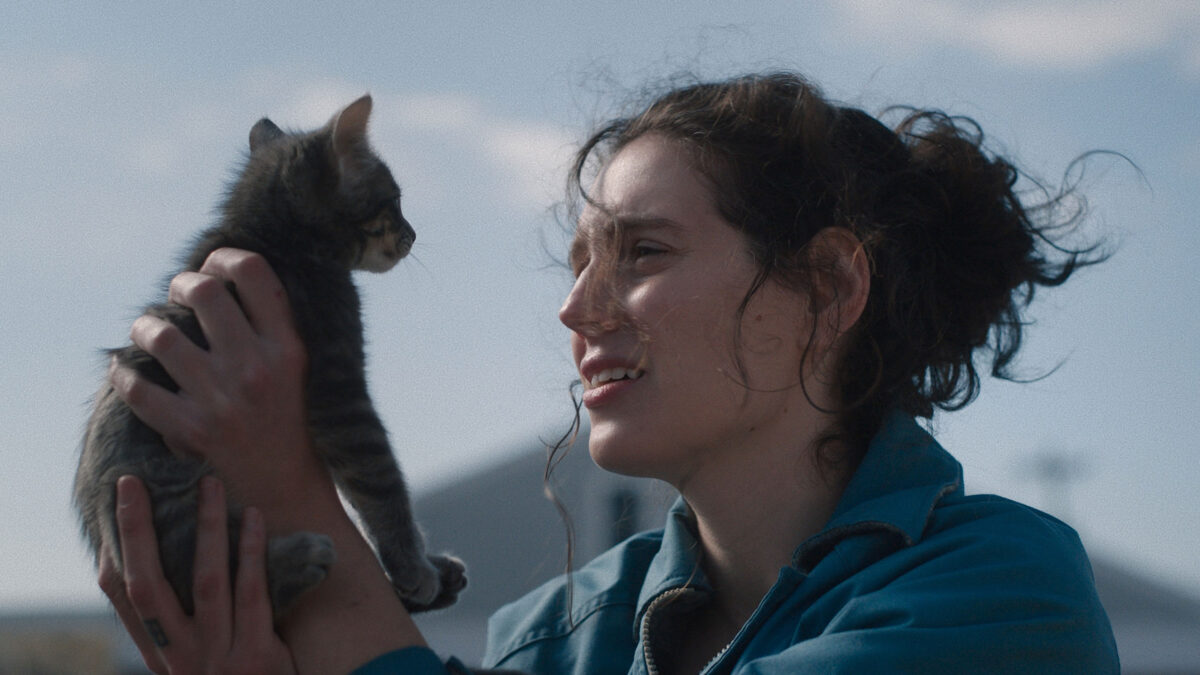
A richly detailed film that gets so many of the specifics of graduate school life and academia right, Eva Victor writes, directs, and stars in a debut about both strength and vulnerability. The story tracks Victor as Agnes, following their ascent from graduate student to professor and the trials and tribulations along the way, including taking a gap year after a sexual assault committed by their advisor. Broken into chapters with a structure that feels almost like we’re checking in on an old friend, Sorry, Baby announces the arrival of a major talent in front of and behind the camera.
3. All That’s Left Of You (Cherin Dabis)
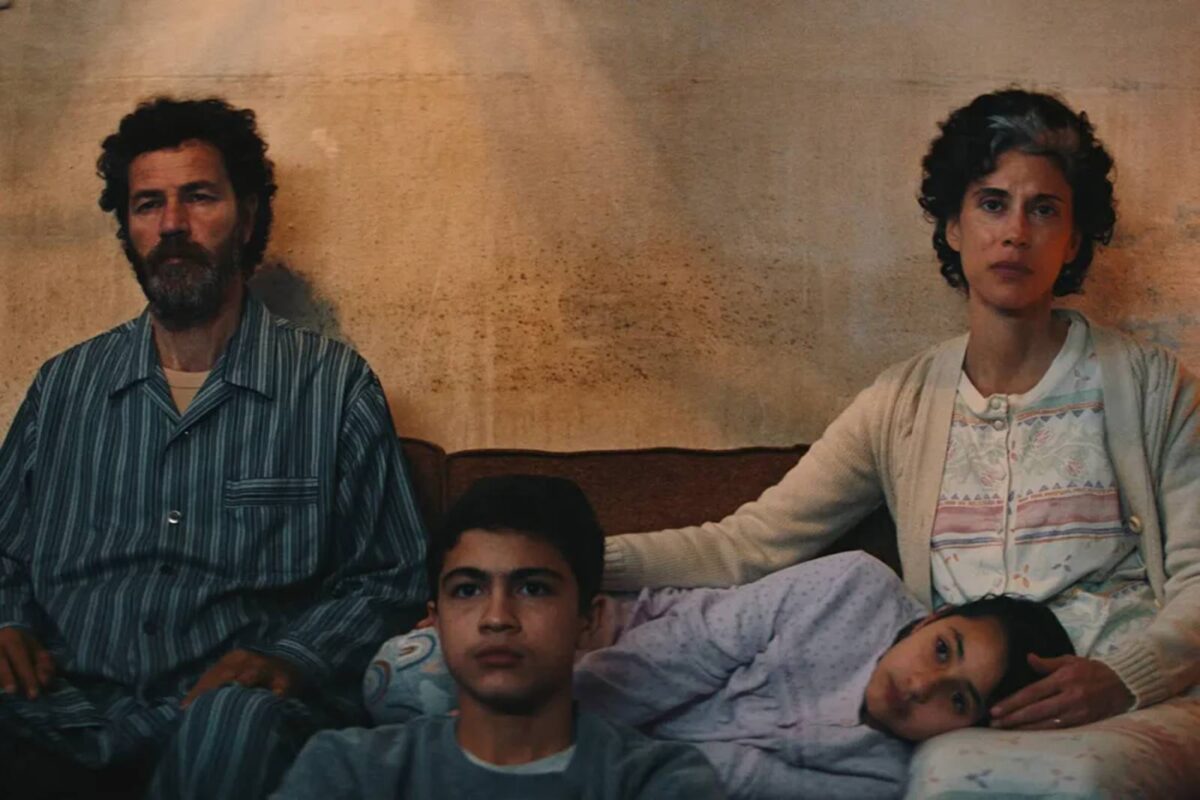
A sprawling, gripping drama that starts with the foundation of the state of Israel and the displacement of Palestinian families in Jaffa, then ends two years shy of the Hamas-led attacks of October 7. Following more than seven decades in the life of the Hammad family, orange growers who were expelled from their land in Jaffa in 1948, the film is a gateway to understanding decades of Palestinian trauma borne of the immense Jewish trauma of the Holocaust. The film ultimately grows from anger into a call for reconciliation as the family navigates 75 years of hoping for peace while contending with a burning anger, which in itself is both a radical and heartbreaking act. Writer, director, and star Cherin Dabis’ profound film considers generational trauma on both an intimate and epic scale.
2. One Battle After Another (Paul Thomas Anderson)
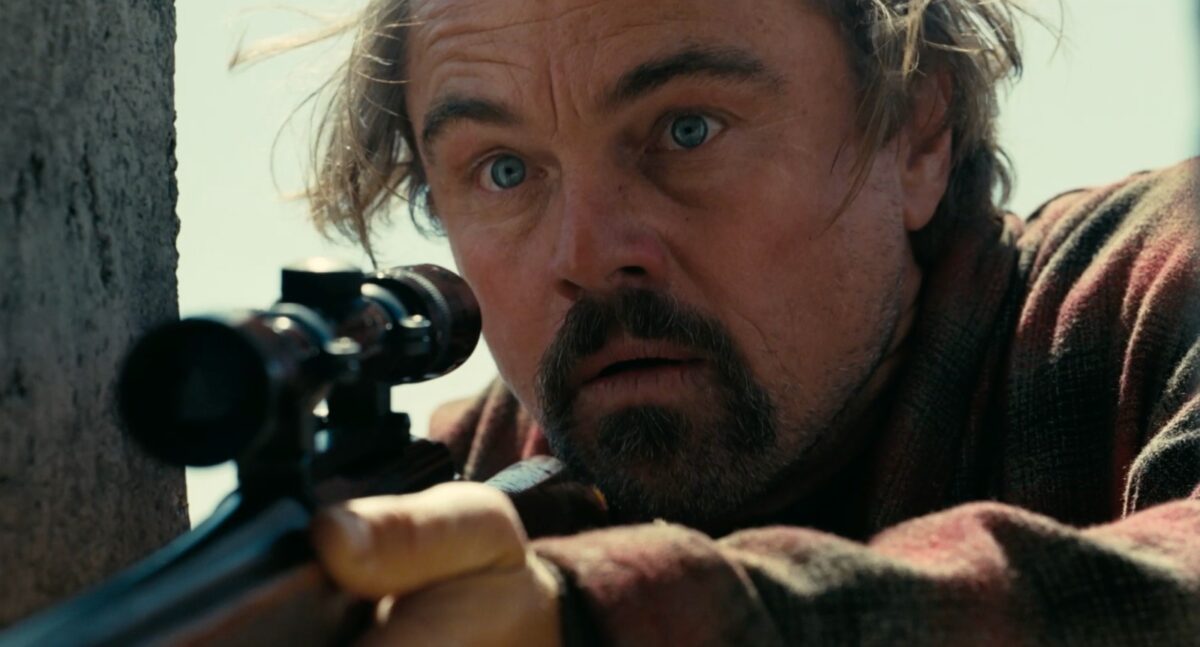
A new classic of American cinema, Paul Thomas Anderson’s One Battle After Another, inspired by Thomas Pynchon’s Vineland, is a subversive celebration of counter culture oddballs, from subversive freedom fighters to the secret organizations made up of the “establishment.” The film never misses a beat as Leonardo DiCaprio’s Bob Ferguson, a member of the French 75, navigates both fatherhood and his past when he’s drawn back in for one more mission thanks to his daughter Willa (Chase Infiniti) getting mixed up in his past. Quirky and revolutionary, Paul Thomas Anderson’s film is larger than life, pulling out all the stops and even reviving large-format VistaVision, becoming the first film to fully shoot in the format in decades.
1. Sentimental Value (Joachim Trier)

A masterful film about the interior life of a creative family, Joachim Trier reunites with The Worst Person in the World star Renate Reinsve for a nuanced drama about an actress finding her own way in the world, attempting to break free from her father Gustav’s (Stellan Skarsgård) creative universe. Gustav, a late-career filmmaker, becomes enamored with Rachel (Elle Fanning), an American actress whom he meets at a film festival and ultimately casts in an autobiographical film even though she is far from a perfect fit. Exploring family trauma, suppressed memories, and the creative process, Sentimental Value is a bold, ambitious, and richly layered drama that, for me, is the best film of 2025.