
When One Battle After Another was first announced, before it even had a confirmed title, the potential of what a Paul Thomas Anderson-directed action movie could be boggled the mind. Upon its release this September, it was revealed to be a feat of staggering ingenuity. Amidst the explosions, helicopters, karate, skateboarding, and rooftop fails, the director also proved that you only need a few cars and a unique road to create a more memorable action scene than most blockbusters in this era could hope.
Leading the grounded stakes of these impressive sequences—while keeping everyone safe—is stunt coordinator Brian Machleit, whose illustrious career includes working with James Cameron, Christopher Nolan, Steven Spielberg, Martin Scorsese, George Miller, and Michael Bay. He first collaborated with Paul Thomas Anderson on Licorice Pizza, a connection forged by the late, great Adam Somner, and returned for the director’s largest undertaking yet.
With the film arriving on 4K UHD and Blu-ray, I spoke with Machleit about the technical details of key sequences, working with PTA to ensure the cast could do their own stunts, the action films that most influenced them, and much more.
The Film Stage: You worked with PTA on Licorice Pizza. I’m curious when the first discussions happened where you knew he was making a large-scale action film. What were those initial conversations like? Did it surprise you that he was taking on something like this?
Brian Machleit: No. I mean, that man could do anything. Honestly, I first heard about it through Adam Somner. Adam had been a dear friend for over a decade, and we’ve done so many movies together. He’s a legendary first AD, but he’s so much more than that. It’s an art form to what he does. Not a lot of people can appreciate what a first AD does, but he protects his actors and makes sure the director is taken care of.
He gives the crew the time they need. When he says, “We need five minutes,” and it’s actually 15, he knows how to balance everyone out and make them feel heard. At the same time, he keeps the set warm, inviting, and lighthearted, which keeps everyone pushing through the day. That’s how I heard about the project. That’s actually how I was introduced to Paul back on Licorice Pizza. Thankfully, when you have a good friend and mentor like that, they give you opportunities.
Some of the cast have mentioned in interviews that certain action scenes in the script were just written as “Chaos TBD.” As a stunt coordinator, you obviously need more detail than that. At what stage were you brought in to flesh those parts out?
I was fortunate enough to come in early. I went on location scouts with Paul and listened to him talk about his vision. Then we’d get a game plan and collaborate back in the office. We’d sit down with little Matchbox cars on a paper street and talk about where he was on the scout, where those cameras were and what we wanted to see: how many cars we wanted to wreck, and where each car would go. We discussed how to set the tone for the audience and how to tell two different stories taking place at the same time. That evolved early on through his original vision, and then going to the locations and expanding on that vision, being able to see it, helps tremendously.
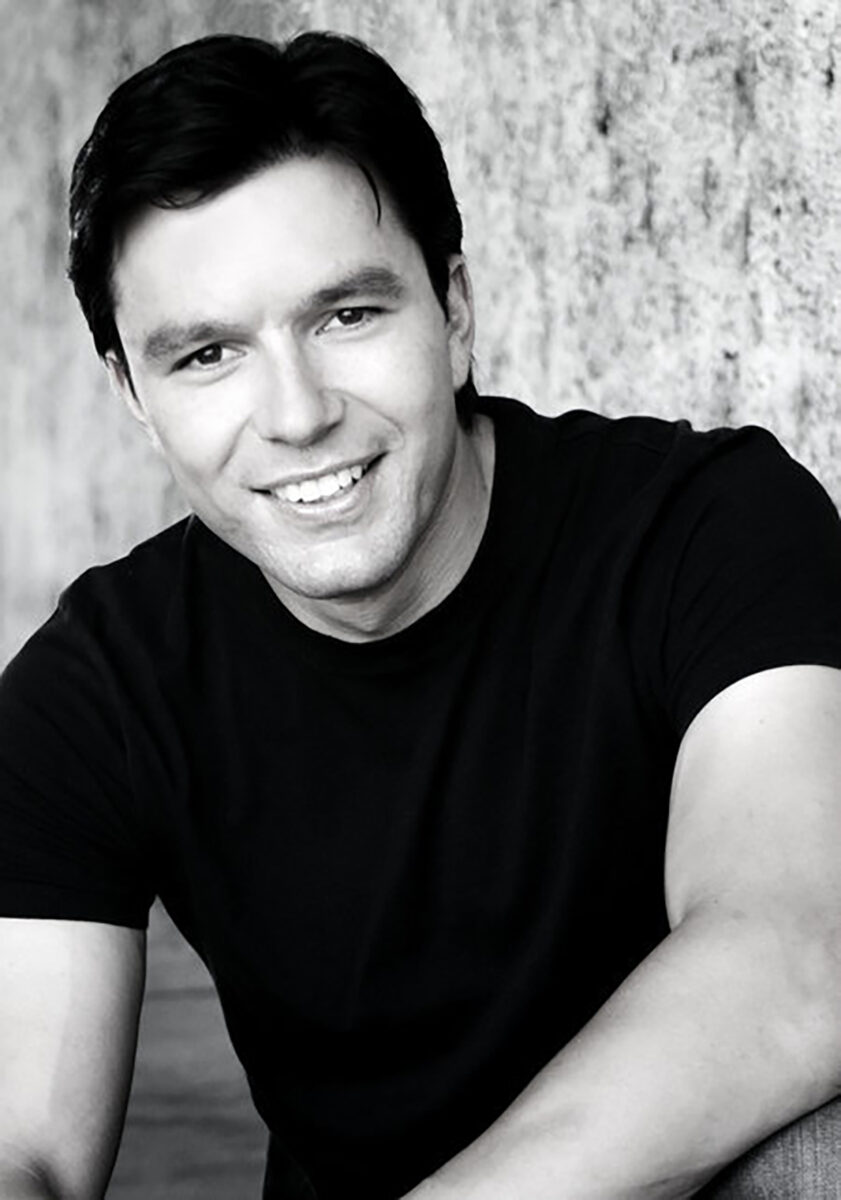
Brian Machleit
You’ve mentioned the complexity of that final chase scene and the use of remote driving. Anderson wanted the actors to actually be in the car so there are hidden stunt drivers in the passenger seat. It’s things a viewer would have no idea are happening. Can you break down the technical detail of how you pulled off that sequence?
That “River of Hills” sequence, when Colonel Lockjaw is driving and he gets asked for directions before he gets shot in the face, that was also based on a location… there were two or three different locations, but Paul really loved that it had a huge slope and a grade and then went completely flat. We talked about it. Then I collaborated with mentors who have been doing this longer than me to see if we could achieve the speed we wanted safely and then get the outcome we want.
The risk of putting a stunt performer in the seat wasn’t worth the potential for injury because we have much more technology nowadays. Luckily, I’d seen it done before on Bad Boys II—we actually did remote-pilot two of those cars going through the shanty towns at the end of the movie, crashing through all real stuff. I knew we could remote-drive it. I know the risk of putting a stunt performer in that seat wasn’t worth someone getting injured. So I worked with Jeremy [Hays] in our special effects department and the locations team. We had to make sure we didn’t damage the ground since it was a sensitive state park area. We also had to ensure the real film cameras were going to walk away at the end of the day. So there’s a real great team collaboration. Sara [Murphy] and Will [Weiske] gave us the ability to rehearse that and get it dialed in so we knew exactly where the car would take off the hill and where it should end up. I think we only did two takes of that.
From a stunt coordinator’s perspective, how blown away were you by the pacing of that scene when you saw the final film?
It’s really interesting to be in the early phase, walking and scouting and watching our “captain” [PTA] develop it and create and paint something that wasn’t originally something he thought of. You never really know how it will turn out until Andy [Jurgensen] gets it in the edit with Paul. Of all the footage you shoot, what’s really going to make it? Believe it or not, we got so good at timing those hills that we actually had all three cars—the white, the blue, and the little tiny purple dots in the back—crest the hills at the same time. In the final version, I think they separated them because having Leo so close to that didn’t help the story. He would have been right there, right at that crash.
Also knowing you only have a certain time frame to shoot it in––the light has to be perfect. Paul was very conscious of what time of day he was shooting in, using real light. Michael Bauman was painting beautiful pictures with real light, so we would rehearse and then shoot as much as we could within that “magic” timeframe. The River of Hills shoot took about three days, then we shot the crash at a different location, which is great fun for me.
Paul is a huge fan of stunt people—he appreciates what men and women contribute to film. I actually put him in the scene for one shot where the camera comes right up to the bumper before he hits the car—I put Paul in the five-point harness and a helmet and said, “Okay, boss, go for it!” [Laughs] It was good fun. We’re all making a movie together and all contributing something, and it’s nice to have a seat at a table that large.
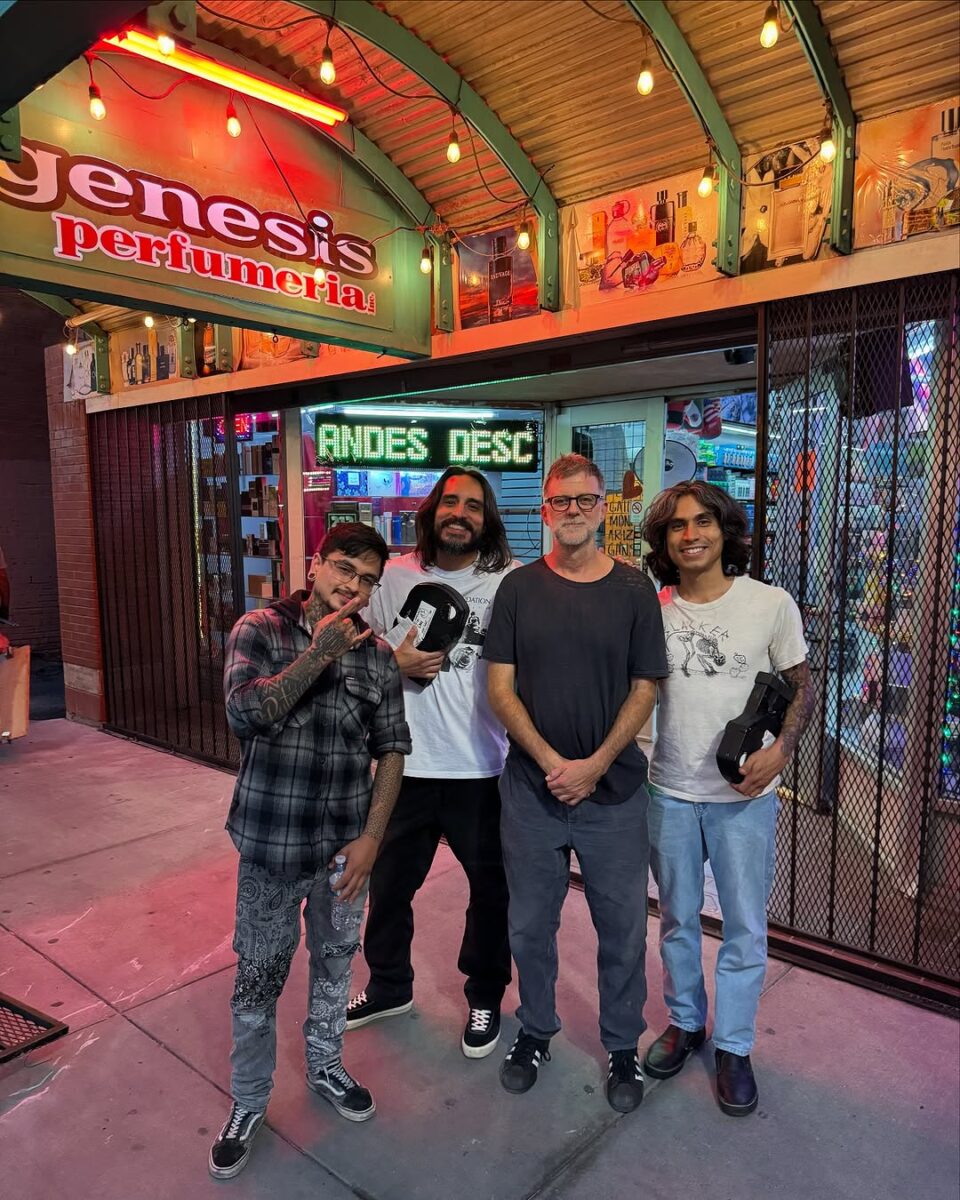
Another iconic part of the movie is the “Vato skateboarders.”
They’re great! Aren’t those guys great?
I love following them on Instagram and seeing their photos and stories from production. What did they bring to the sequence versus what you guided them to do?
That was the most fun ever. It was scary at first because Paul wanted all the actors to do their own stunts and driving and fight scenes. You’re thinking, “How do I keep Leonardo DiCaprio safe? How’s Sean Penn going to be safe? At the end of the day, I’m okay with getting hurt because that’s part of my art form, but I don’t want these guys to even walk away with a bruise.” There was obviously that responsibility.
But the other fun part of this was that everyone else you see [beyond the main cast] are real people. Those guys work in El Paso; they’d never been on a film set, and they absolutely rocked it. They killed it. He surrounded his actors with real people that do that stuff for a living–the real nurses, the real Army Rangers––and you went to real locations. That was the other unique part of working with Paul: he immerses the actors with backstory. He gets their characters so in-depth that, as an audience, you care about them. That’s why we didn’t want to take the actors out of doing their own action because performing those moments—sliding a car or doing a fight scene—helps them be better performers. You really want to stay true to everyone’s character to make sure they are portraying that character the best they want to. We just gave them the tools.
Again, [those skateboarders] were great. They offered up a lot and everyone was so open to learning. It’s great to get to a point in your career to be mentor to people and teach them what it was like to be on a movie set and how to stay safe. We knew they could do it no problem, but we wanted to make sure they can walk away at the end of the day. They did great. And Benicio: he’s driving. There was no tow car, no tow vehicle, all the standard practices of how you would do something. We just dusted off the training, because obviously these guys are pros and they’ve done it, but you get them used to the car they have to drive. We mount a lot of cameras around the car and let them work within the playing field.
I spoke to editor Andy Jurgensen about the sequence where Leo falls off the roof. He said you used some “old school” tricks to make it seamless, but that Leo was acting out the tasing perfectly.
Wasn’t it funny? That was hilarious. That was all Leo. He came up with that fall. We had a Plan A, but here comes Plan B. Everything was designed for him to do everything he wanted to do, and he is totally game for doing everything. It astounds me, his level of commitment that he puts into everything. As long as we rehearse every step and show him the process, he trusts us. You don’t want the audience to be taken out of the moment; you want them to see the character doing it. It’s a great scene.
I also love the bank-heist aftermath. It feels grounded, unlike a typical blockbuster scene where characters or vehicles are invincible. Here, the car is down for the count after one or two hits and they have to run. What was your conversation with Paul about keeping the stakes real and not having this fake sense of invincibility? Do you feel audiences are hungry for that sense of realism in action sequences today?
Yeah, when I read the script, I’m an audience member first. I’m reading it. Would I be sitting here with popcorn watching it? I want to see that. That’s Paul’s style of action and of storytelling. He’d rather train the people to do it than rely on effects. Of course, for a huge crash, we’ll use a stunt performer for liability.
The really fun part was collaborating with Paul and getting his vision across. He referenced a few movies, and he is a huge film buff. His style of how he moves the camera really sold a lot of that and kept you feeling a part of it. And then, as an audience, you want to feel a part of what they were going through and that’s his translation.
For me, it was really easy because it was the first time I got to hire a lot of my mentors. For that whole sequence, had people that I watched when I was a little kid, as fans of movies or TV shows. I grew up on The A-Team, The Dukes of Hazzard, and Knight Rider and all these TV shows. Then, thankfully, I had an opportunity to work on Fast & Furious and Bad Boys II, where you have to bring your A-game, but it was great to hire the people who gave me my start and let them go play.
PTA is not shy about his love for Terminator 2 and even the Star Wars influences for this film. When it came to action, did he reference any specific shots or films?
For the car work, it was very much The French Connection and Bullitt. Paul and Andy would sit in the edit and focus on the engine sounds. Each car had a distinctive sound. Or the way someone looks in a mirror. You pay a little homage, but it is also a PTA flavor of his own, which is iconic. You’re watching one of the greats work. And that’s part of the fun: watching really great filmmakers collaborate with each other to come up with what you guys finally see.
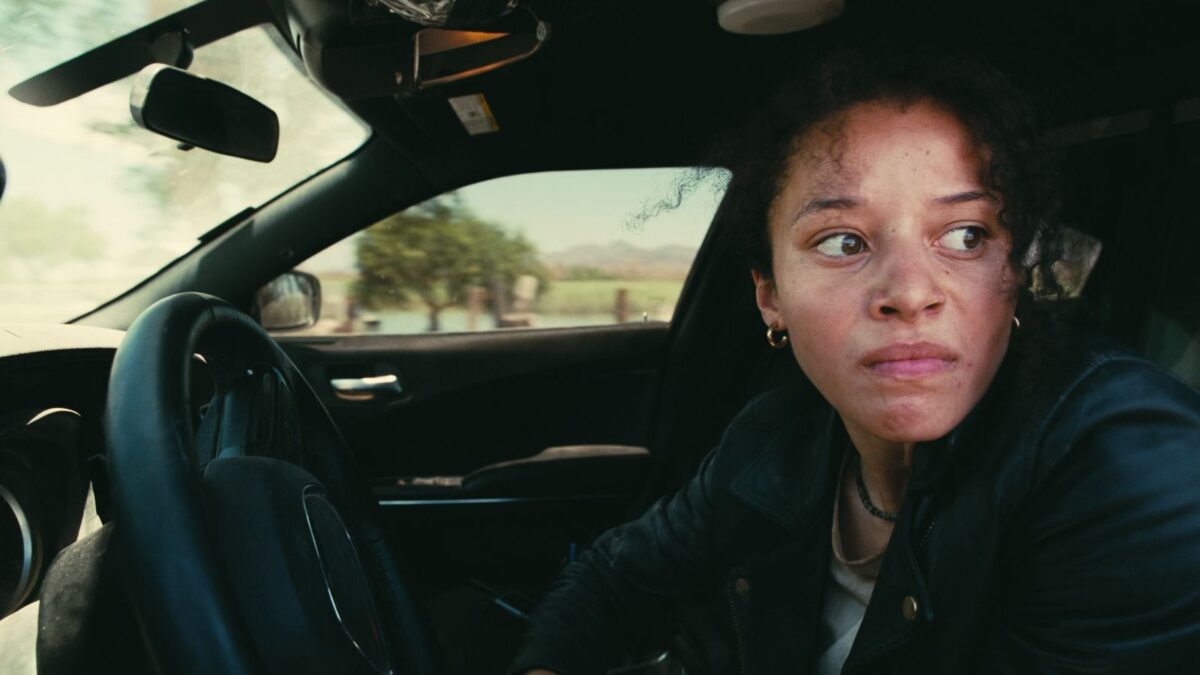
This was Chase Infiniti’s first leading role. I know she tried a lot for karate, but even the sequences where she’s trying to escape Lockjaw felt very intense. How involved were you in the minutiae of the choreography of her scenes?
Great question, and I’m glad you brought her up because I’m a huge fan. My first meeting with her, I thought, “Here’s a shy, innocent, nicest-could-be girl. How is she going to pull this out?” And when you get on set, she was a different person. She is Willa. It was amazing to watch. All you want to do is be a parent––give her the tools to succeed. Everyone did that, from department heads to the actors: give her the resources to really let her run. That’s really her. The door shuts with the camera on it, and her driving, and her peeling out around the corner. Whether it was the karate training or the fight scenes, she was amazing and game for it all.
You touched on Benicio del Toro driving, but for that shot of DiCaprio doing the “tuck and roll” out of the car—how much of that was him?
That’s Leo getting out of the car. That’s him and Benicio doing it themselves. When you have that level of actor and the trust and capability of it, it’s really great, because you can shoot more than you really think. There’s certain things we always do: you don’t know there’s a hidden pad on the ground, you don’t know what we’ve done to the dirt. You put ankle braces. You do all these things. When he doesn’t have to bail out but he’s gotta hang out the edge, you have to safety him in and put redundancies in. You put it in every possible step to let them do everything they want to do, and I just think that gives them a better performance.
There’s a shot in the final chase where the camera is on Lockjaw’s dashboard, and the vehicle is flipping. How did you pull that off?
Yeah, that was Tana [Dubbe] and the grip department putting a real film camera inside the car as it went over the edge. We had five or six cameras on that car when it went over. Again, Jeremy and the special-effects team built an amazing rig for Sean. It’s always hard to hang upside down, but Sean is a pro. We built an extra seatbelt so when it comes time for him to flip upside down [after the car lands] and be in the car, they rotated the whole seat. So we can give him a break in between; all you do is rotate the seat back up. It was great, as otherwise it could be a very uncomfortable thing and I assume really hard to act doing that. I applaud the special-effects team—they made a really easy seat for Sean to get in. He put himself in some really awkward positions. He powered through it.
One of Teyana Taylor’s character traits that is so important is that she is always in motion. It’s almost Tom Cruise-level running, in juxtaposition with Bob. Did you work with her at all on a specific style of running?
No, that’s all her. That’s her style. [Laughs] Fight for life. I didn’t have to do anything. She’s a pure athlete. I didn’t have to teach her anything; she can outrun all of us. My job was just making sure she stretched so she didn’t pull a hamstring. Paul put together such an amazing cast that we could just let them do what they do. We placed stunt players around in certain situations to protect them so they can do what they want to. So they wouldn’t have to worry about a cop car getting too close or a door opening, but inevitably we’re there to protect you so she could keep running and you know you weren’t going to get run over. We put those elements in, but again: it’s her.
Regarding the logistics of the bank-heist aftermath, where there are dozens of other cars: how do you coordinate all those drivers when cars are crashing around them?
It starts with the Matchbox cars in the office to determine the camera angles. Production gave us the opportunity to rehearse without actually hitting the cars first to get the timing down. You need to see how long it would take to go around that corner, go through those cars, and then get surprised by getting hit in the intersection. So we rehearsed it as far as getting a time code down. Then, on the day, Warner Bros. thankfully gave us 14 cars that we could actually hit. Then you just hit them—that’s it. [Laughs] Again: hiring all the professionals I’ve worked with for years and let them do what they do best.
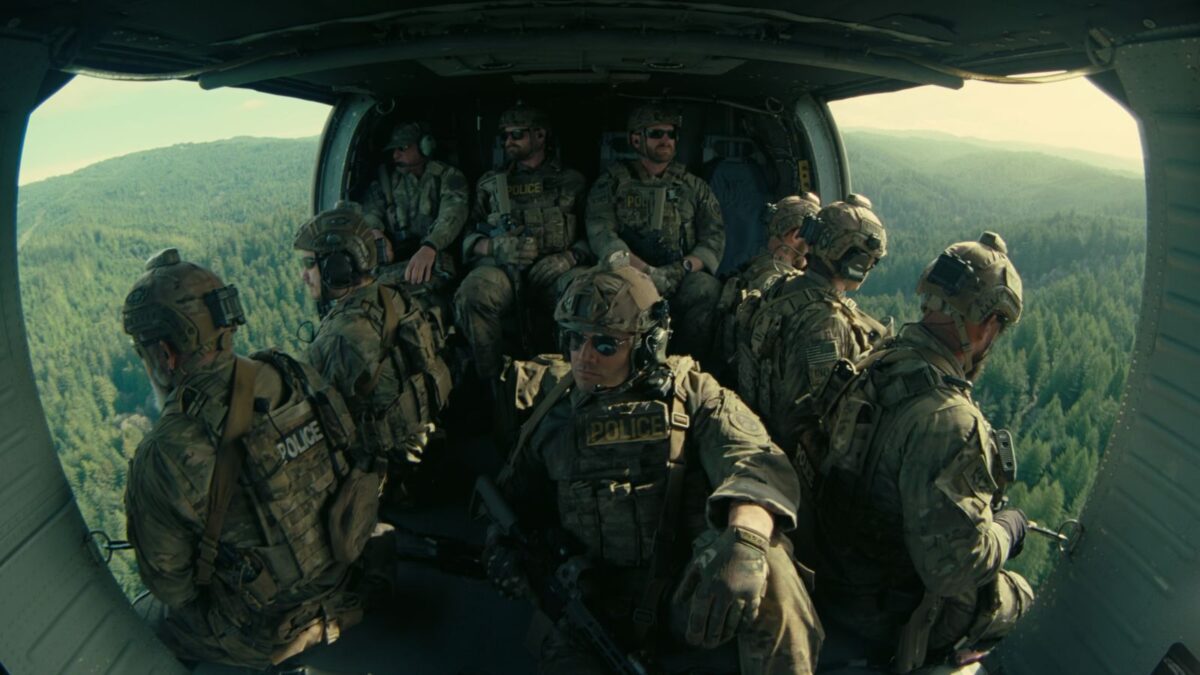
This is the first time we have a shot of a helicopter in a PTA film. How involved were you in the safety of that sequence, even though there wasn’t any action, per se?
It is definitely part of the foot chase. It involves a lot of safety coordination with the crew and pedestrians because you’re flying over a city. Adam Somner set up a great master plan when these shots take place, for when we are filming on the ground and when we are in the helicopter shooting so you don’t see any of us. It’s just a nice ballet they put together. Any time you have a moving vehicle, you need a redundant plan for not only the actors but the crew safety as well.
There are several explosions during the first act. How involved were you with the logistics of those, even though no cast was near them?
Yeah, working closely with special effects and Paul to determine if the camera needed to be operated or unmanned. We did explosion tests way ahead of time in rehearsal. We knew exactly how many feet the blast would travel and whether we were using gas or propane. By the time the actors are there, there are no surprises.
Unrelated to OBBA, but I’m greatly looking forward to Steven Spielberg’s Disclosure Day. You probably can’t say a thing about it, but what was it like working with him again?
I gotta tell you: I don’t know how lucky I am. I owe so much of my career to Adam Somner; he’s been such a dear friend. You just count yourself lucky to be in the room with people like Paul Thomas Anderson or Darren Aronofsky, or the professor to us all—we call him “The Governor”—Spielberg. It’s a masterclass, my friend, every day on set. As a department head, my hope is to be prepared to give ideas to only help the tone of the movie to any director I work with. So whether I see something I know we can make better or I see something that’s not just not right, you really need to dive into the head of the director and anticipate what they may need and collaborate.
Watching Paul or Steven work is next-level because you can see they already know the edit and the music in their heads. It’s amazing to watch at that level. I’m 100% appreciative of just being on the team, and thankfully they like what I do. It’s just putting the right team together for them so they get the look they want. At the end of the day, if they are happy, smiling, and thumbs up, then we did our job.
One Battle After Another arrives on 4K UHD and Blu-ray on January 20.