
Following The Film Stage’s collective top 50 films of 2025, as part of our year-end coverage, our contributors are sharing their personal top 10 lists.
Like many who will be reading this, 2025 was a… let’s say tumultuous year for me. The last year ended with a combination layoff and second Trump presidency followed by David Lynch dying early in the year. At the same time though, it felt like something of a breakthrough for me. Call it unemployment, call it desperation, but for the first time I actually began to feel like a true writer, publishing at least one thing every month. At least until the media continued its slow collapse and threw everything into disarray. I want to thank those editors who took a chance on me whether it was for the first time or a previous relationship; I still look back fondly on those pieces even if I had to kill a darling or two in the process.
Speaking of killing your darlings: the listmaking process. I actually do enjoy the process of ranking and rating things I’ve engaged with, in part because of the order of things but also to take a pulse of how I feel in a particular moment in time. For a while in the post-COVID time––and even last year––it felt like I was scraping a bit to fill out one, as good as the films from those years were. 2025 was the first where it really felt painful to make even a top 15. It’s hard enough to keep track of films across the year; when you add in carry-overs and festival things that slip through the cracks, well, I was really tearing my hair out.
The 10 films I’ve chosen here were also the ones that I submitted on my ballot, though in a different order. I expect it to change when I catch up on some and revisit others, as they always do. Roger Ebert once described listmaking as propaganda as much as it is a genuine catalog, and I suppose I’ve taken that to heart. A lot of my past lists are, to some degree, a way for me to champion some obscure object I can’t stop talking about, though as I grow older and more knowledgeable, I usually manage to find at least one person talking about my choices.
I like to think of myself as optimistic, and despite the coming danger of mergers and AI, this year felt like a continued process of healing. The best films––the ones I really remember––are the ones that grab my attention in one aspect or another, make me sit up and take notice, give me some sort of strong reaction whether it be emotional or otherwise. I want to be enveloped, not necessarily given escapism but to feel I’m in expert hands. These 10 are the ones I couldn’t bear to leave off, the ones I want to tell people about, and the ones I’ve enjoyed talking about the most.
Honorable Mentions: The Testament of Ann Lee, Gazer, Bugonia, Friendship, 28 Years Later, Black Bag, Dead Talent’s Society, Wake Up Dead Man, The Mastermind, No Other Choice, The Naked Gun, Sound of Falling, Arco, Eephus, Sentimental Value
Films That Probably Would’ve Made The List Had I Seen Them In Time: Pillion, Marty Supreme, The Chronology Of Water, Reflection in a Dead Diamond, Hedda
10. Teenage Wasteland (Amanda McBaine and Jesse Moss)
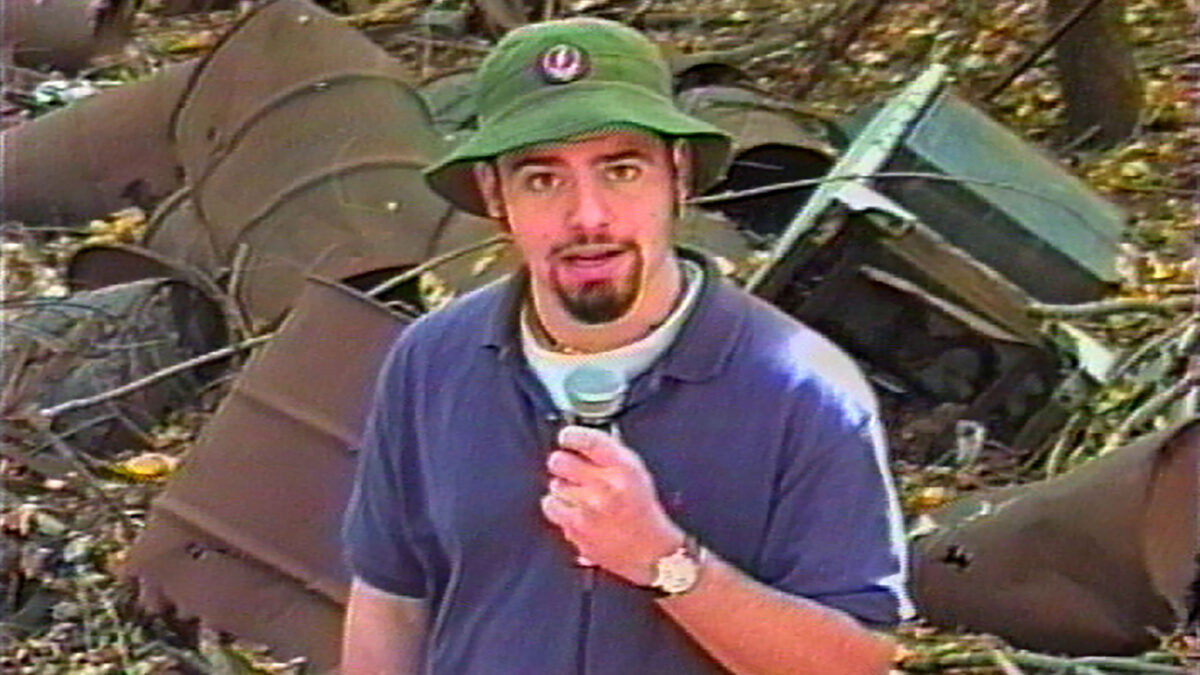
Were McBaine and Moss’ documentary just about a class of “teenage Erin Brokoviches”, it would still rank among the year’s best thanks to its dedication to showing the long, arduous fight for environmental justice––not to mention numerous scenes of teens yelling at feckless adults in power. But Teenage Wasteland (formerly known as Middletown) carries a sneaky emotional throughline about the importance a teacher can have on one’s life across generations; as much an ode to funding public schools as it is to environmental law, it demonstrates the impact one can have even if they seem to fail.
9. Sinners (Ryan Coogler)
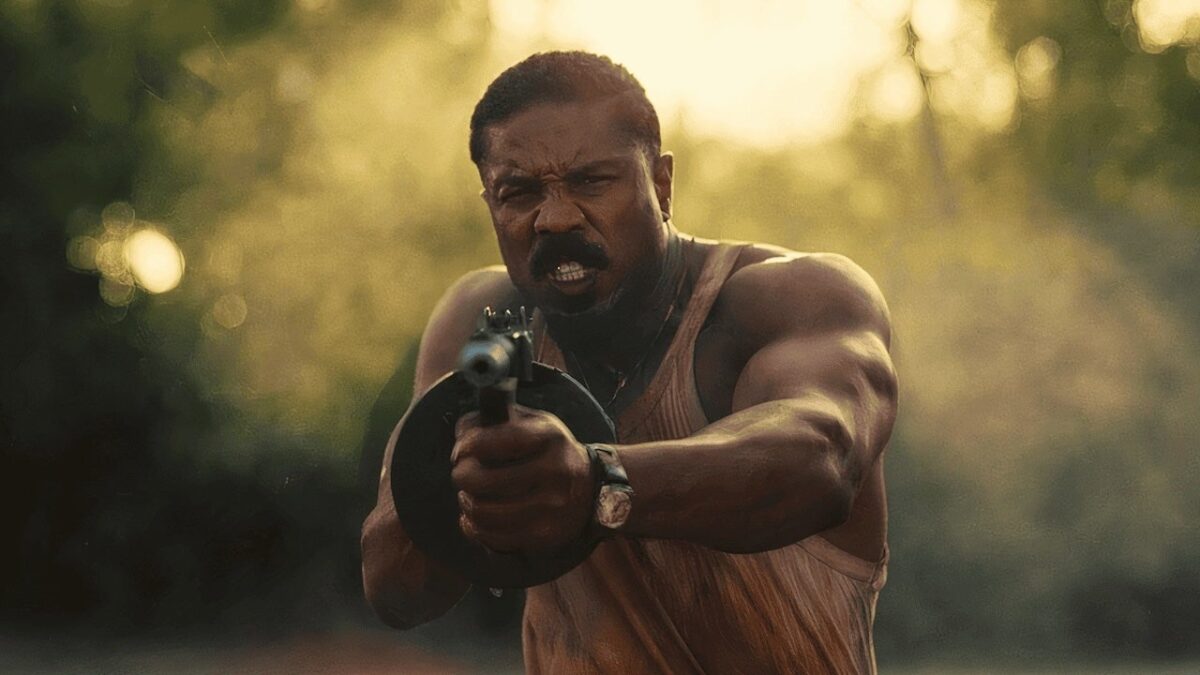
One of the more heartwarming success stories of the year, both for film culture as a whole and for the architect at its center. Freedom from the constraints of Kevin Feige and Rocky Balboa allowed Coogler to dive headfirst into everything from the blues, juke joint logistics, the KKK, and vampires; even more impressive is that he sustained interest in practically all those modes. His two centerpiece musical sequences rank among the most memorable moviegoing experiences of the year, bolstered by a fine ensemble of veterans and newcomers.
8. Predators (dir. David Osit)
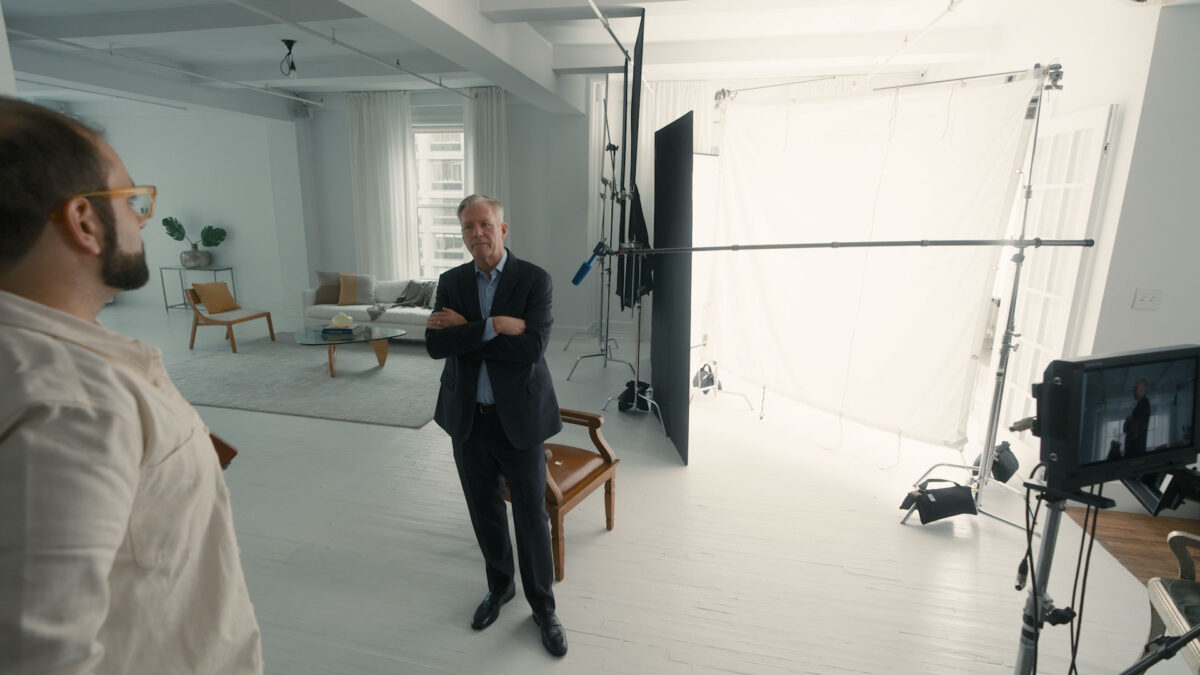
We live in the era that Chris Hansen has wrought, even if his name has become nothing more than a meme. It’s one thing to read about the wrenching raid that resulted in To Catch A Predator going off the air. It’s another to see all the footage leading up to it and the countless behind-the-scenes clips of people whose lives are about to be ruined. Osit gives everyone from the actors used as bait to the men making horrible decisions their humanity, asking what would lead someone to do this. A scene involving a YouTuber is excruciating because it refuses to make anyone a monster, stripping the entertainment value and forcing us to wonder what’s really to gain from pedo hunting.
7. Weapons (Zach Cregger)
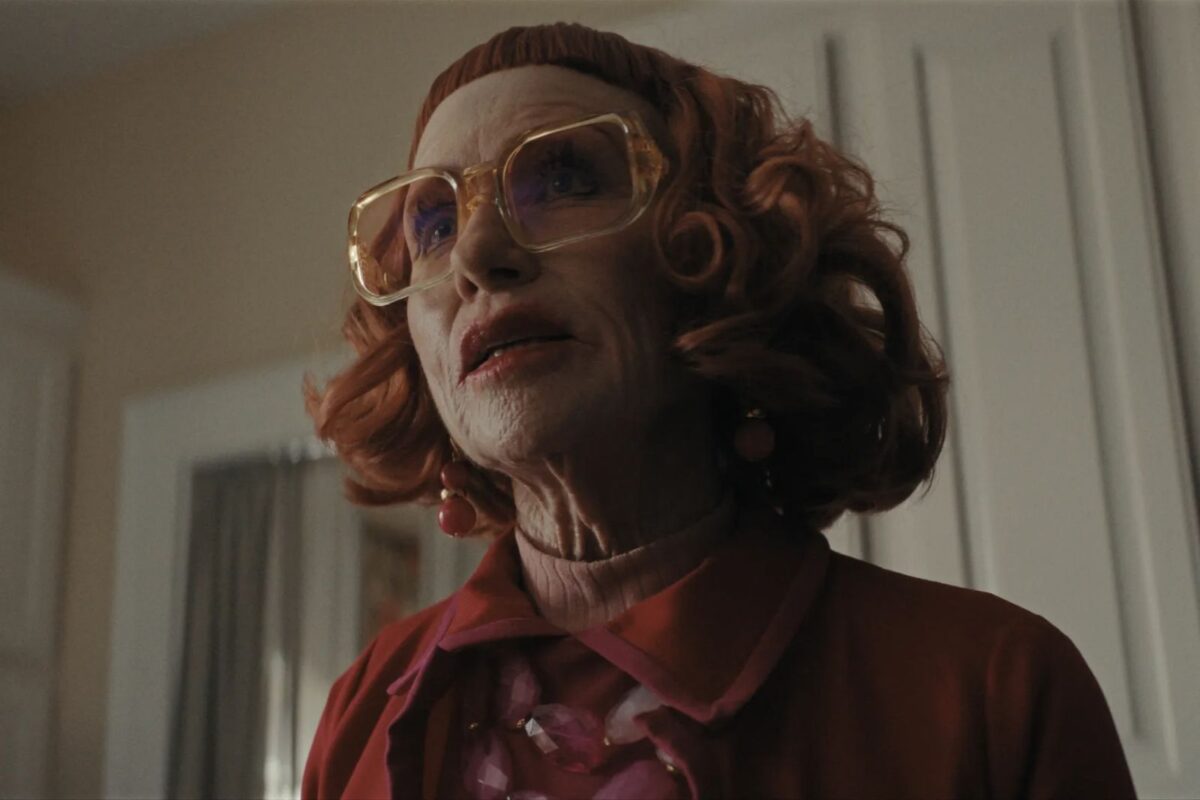
The common complaint was that it wasn’t really about anything, that Cregger had simply made a well-oiled thrill ride with a sick joke at the end. I’d argue it has a lot on its mind about grief and loss, the way America treats its children, how abuse can spiral out and affect a community spurred on by an interloper, how everyone can miss the signs. Even if you overlook all that, Weapons is an ambitious step up from Barbarian, with a tighter structure, more emotional moments, and yes, a pack of feral children descending upon an old woman. Would that every major Hollywood movie have as sure of a handle on its tones.
6. The Plague (Charlie Polinger)
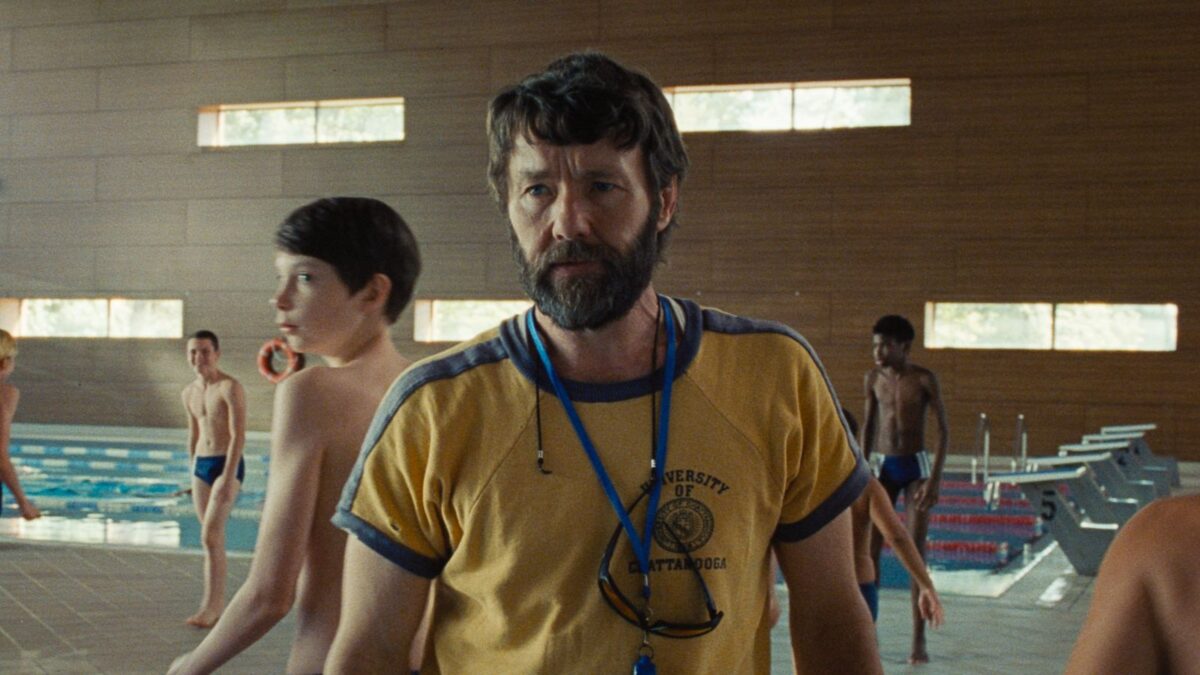
Never before has someone detailed the myriad ways in which 12-to-13-year-old boys are the most evil sociopaths on the planet. Polinger zeros in on the arbitrary nature of bullying rituals, how easily social death can come for you; most importantly, he understands that peer pressure can be the scariest thing in the world for a preteen boy, more so than any kind of body horror. Gorgeously eerie underwater shots and some of the best child performances you’ll see all year (Kayo Martin somehow embodies that one kid, you know the one) help make this the kind of experience you can’t shake easily. You may even have flashbacks.
5. My Father’s Shadow (Akinola Davies Jr.)
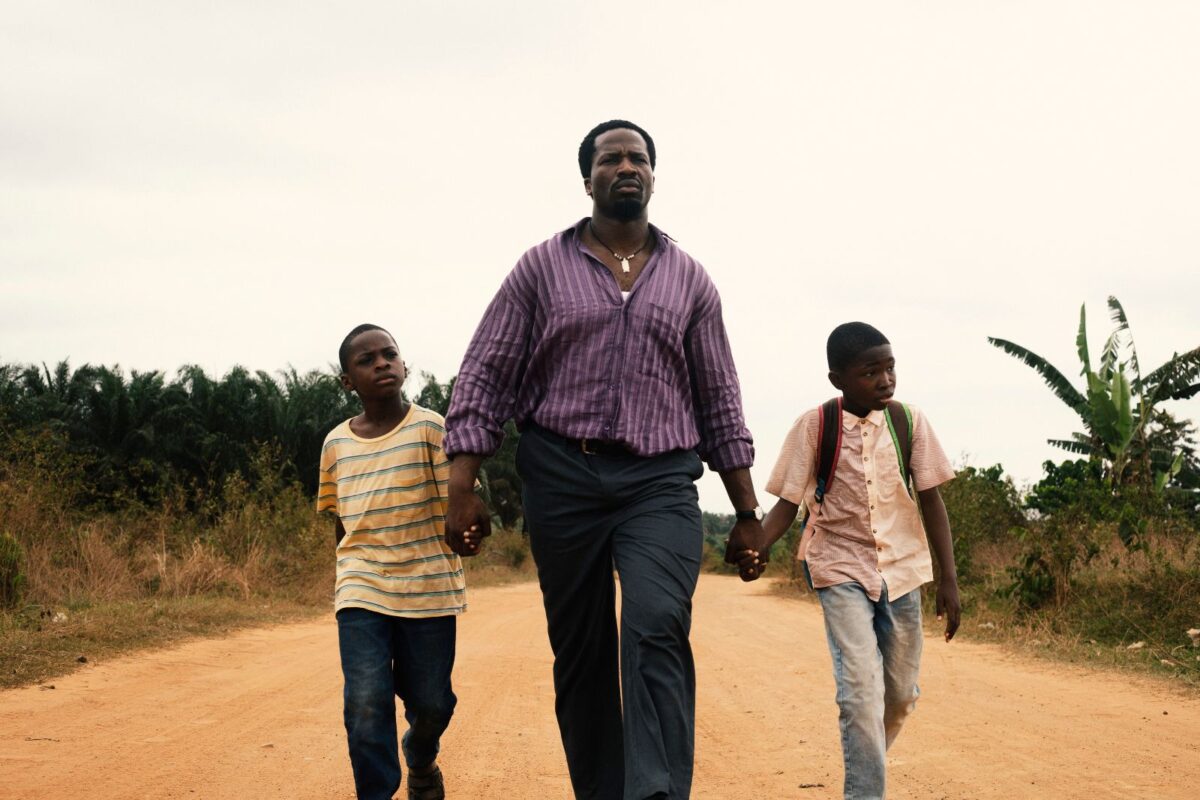
So assured and graceful it is hard to believe this is a debut. Drawing from his and his brother’s (who co-wrote the screenplay) experiences, Davies Jr. blends political unrest into an Aftersun-like portrait of two brothers spending the day with their father in Lagos and discovering how little they really know. Ṣọpẹ́ Dìrísù is intensely warm and charismatic but the big find is Godwin Egbo and Chibuike Marvellous Egbo as his sons. Spending time with them in hazy 16mm is such a delight that the inevitable climax hits in full force as what had been mere background noise and conversation becomes unavoidable.
4. If I Had Legs I’d Kick You (Mary Bronstein)
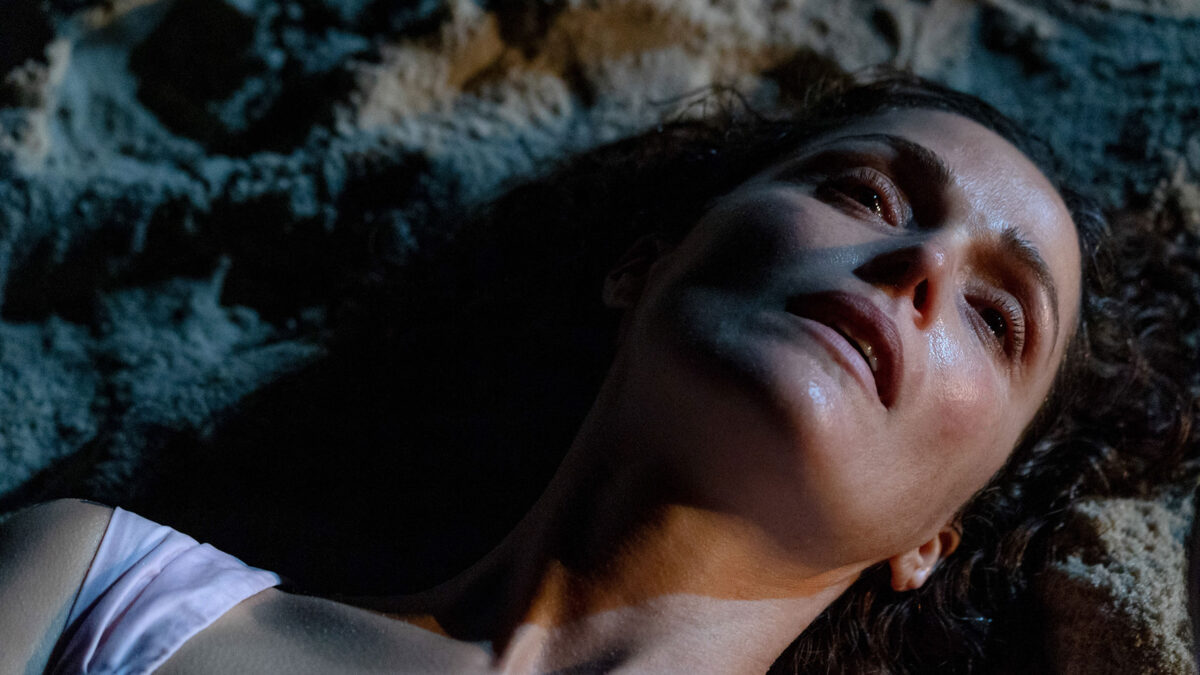
Rose Byrne dominates the conversation and for good reason. Her triumph as Linda is thanks to the strong foundation Bronstein gives her––not just in the character but foils like Conan O’Brien’s passive-aggressive therapist. It’s a uniquely stressful experience, often overwhelming but never losing focus of the woman at the center. Linda may be refreshingly difficult in ways mothers are rarely allowed to be, but Bronstein manages to put you in her headspace with touches like an unseen (but frequently heard) daughter.
3. It Was Just An Accident (Jafar Panahi)
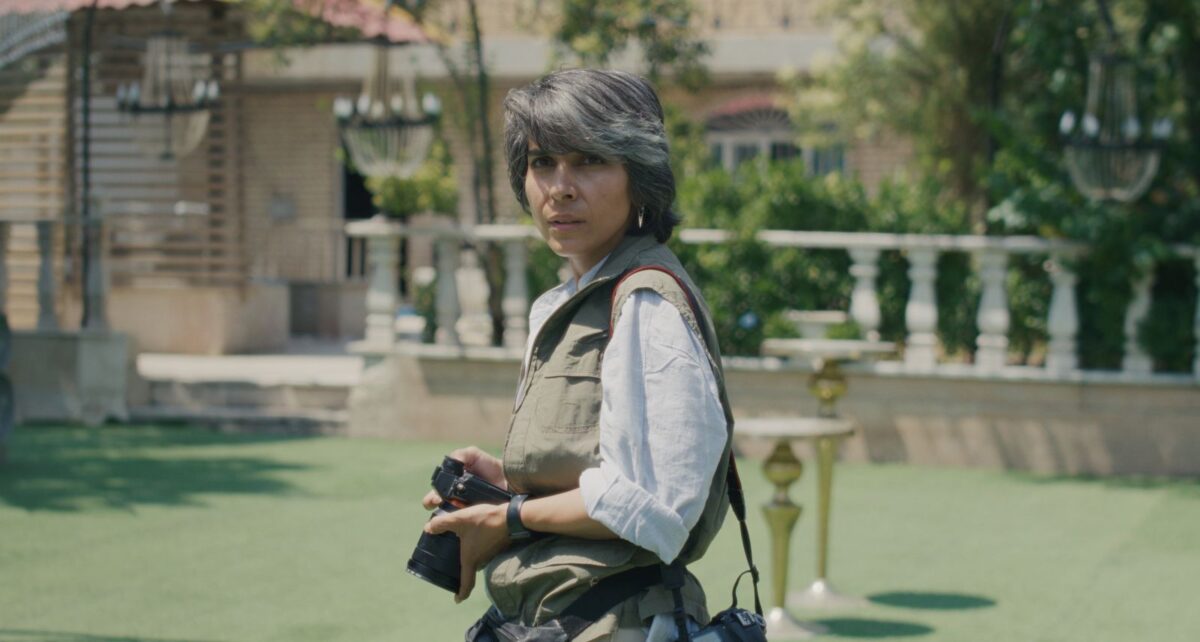
If anyone deserved to come roaring back to the screen mad as hell, it would be Jafar Panahi. His Palme D’Or winner instead is a tale of traumatized, deeply conflicted people unable to move on but unsure of how to get justice. Like his past work, it’s often funny––even if the laughter comes with a choke this time around, damning the Iranian regime through showcasing its absurdities and indignities. But by the time it gets to its powerful ending, it’s become a rumination on the nature and mechanics of revenge, wondering how to live with paranoid scars of the soul.
2. Sorry, Baby (Eva Victor)
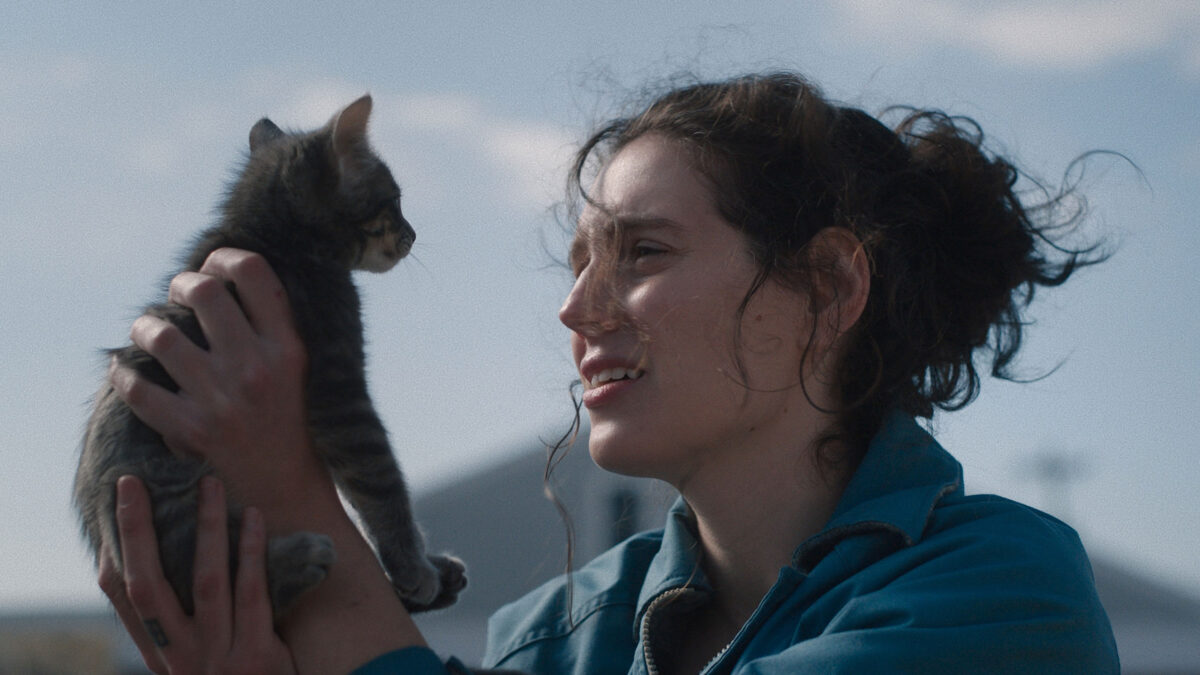
The best tonal control of the year goes to Victor. Not only because she manages the shift into darkness with aplomb, but for somehow managing to keep the opening chapters––with their Agnes and Naomi Ackie’s Lydie bantering––just on the right side of precious. It’s a generous film, with room for a fantastic John Caroll Lynch cameo and the return of Lucas Hedges, but also giving space and understanding without becoming fully didactic. On paper, so many of the monologues––including the ending––could go awry, but they earn every single word.
1. One Battle After Another (Paul Thomas Anderson)
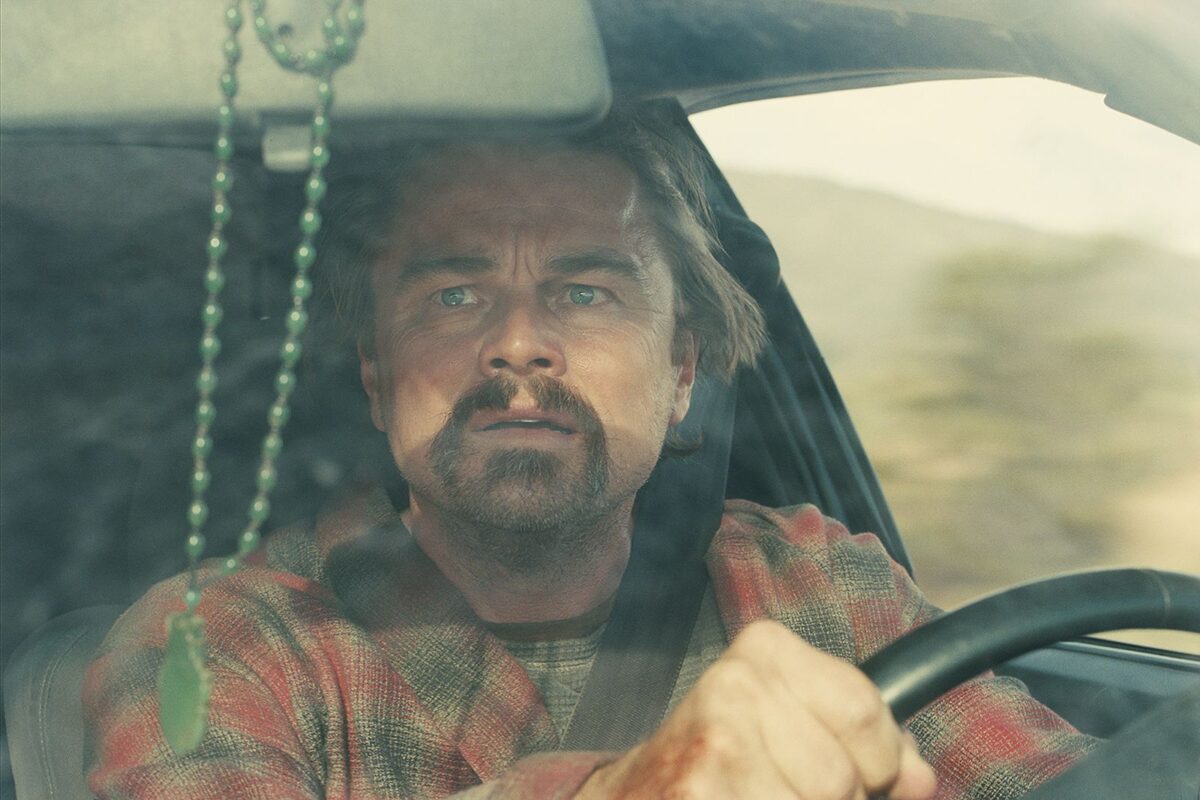
When the credits rolled on PTA’s latest, I felt like I could run through a solid brick wall and down the highway. Not since Challengers’ climactic match have I felt as locked in to a film like I was when those cars started going up and down the hills. Talking and dissecting the purpose of Bob Ferguson made the film’s climactic reunion hit harder every single time I watched it. And that American Girl needle drop! To quote another film, there was simply no other choice for a better blend of politics and entertainment, moving at an incredible clip and finding room for the smallest of moments. It’s everyone at the top of their craft, and the perfect encapsulation of life in 2025.