
Comprising international premieres, a shorts program, and some of the country’s finest-ever films in new restorations, 2026’s Japan Cuts––running July 8-18 at New York’s Japan Society––is upon us. As one of North America’s sole festivals devoted to new voices in Japanese cinema, it’s likely your only opportunity to see many titles in a theatrical space. Though one can feel a bit dizzy looking through everything, we’re glad to distill it––from masters to nascent talents and, along the way, a few absolute classics given much-deserved restorations.
Brand New Love (Ryuichi Iwakura)
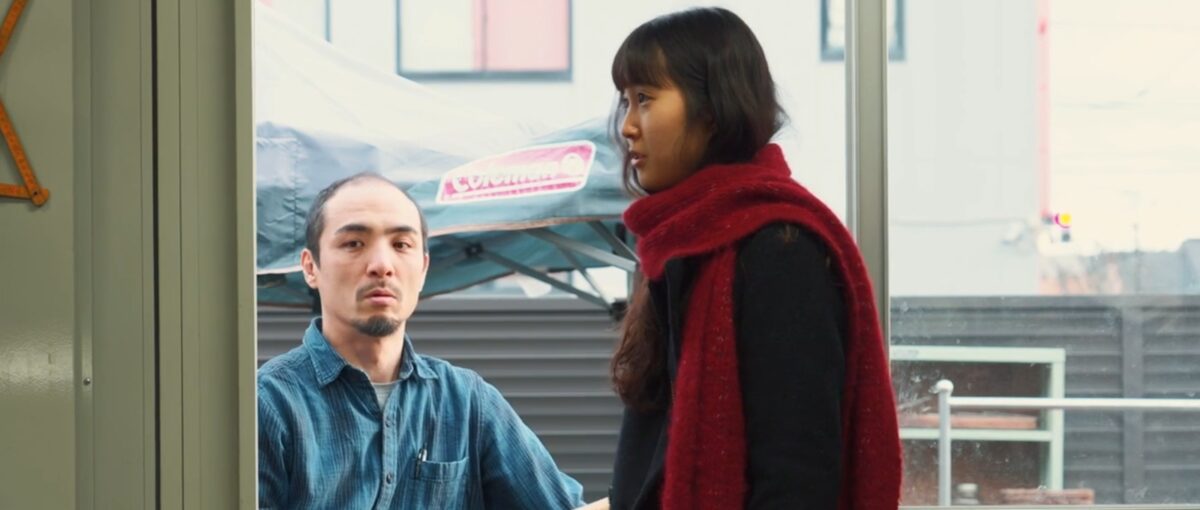
I might position Ryuichi Iwakura’s feature debut as a mini-masterpiece of mise-en-scène and leave the recommendation there. Amidst all that’s plainly impeccable for concept, framing, and staging, one remarkable orchestration around steadily decreasing evening light fuels my suspicion that much of contemporary Japanese cinema is in a post-Hamaguchi state, while—speaking in the very localized sense—It would make a fine Japan Cuts pairing with the below-cited Sato and Sato. Yet there’s enough singularity in its lens on a failing relationship, and how everything becomes shaped by a not-quite-desired lover’s presence or absence, that I’ll cease to simplify with comparisons; instead I hope we’ll be thinking of films in Iwakura’s terms before long. – Nick N.
Burn (Makoto Nagahisa)
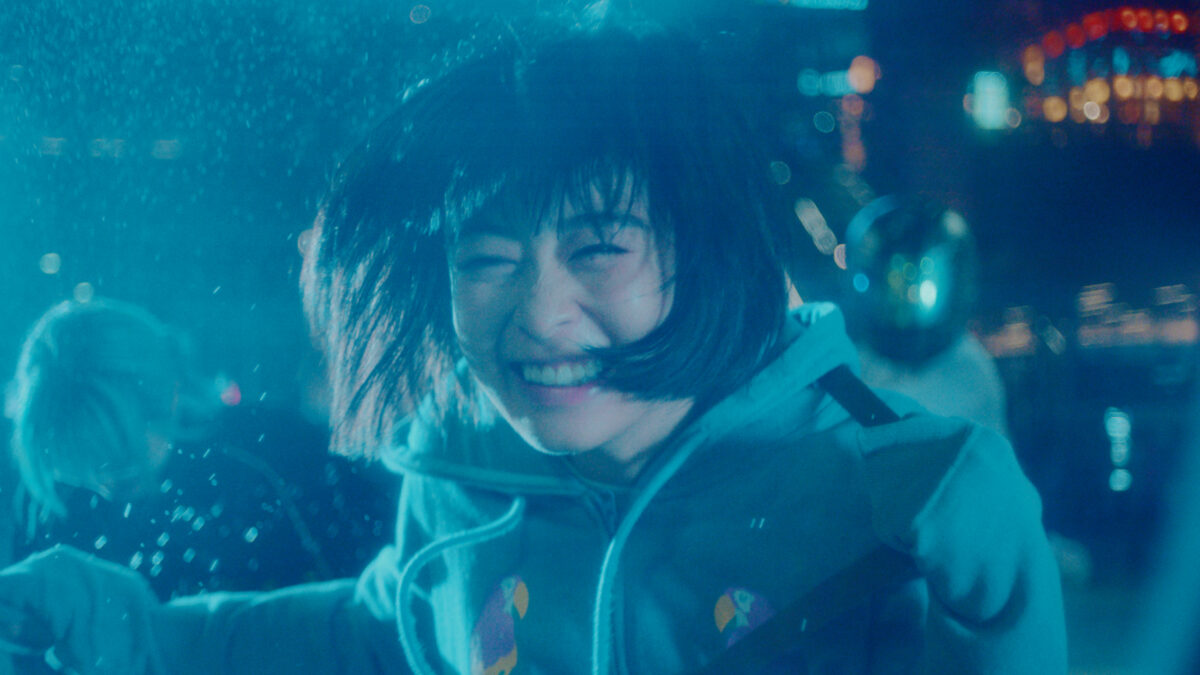
Burn is in line with a lot of what I would consider “21st-century alternative” Japanese cinema. Outside the festival circuit regulars like Kurosawa, Hamaguchi, Kawase, Kore-eda, there exists the recently annulled Shunji Iwai and Burn‘s director, Makoto Nagahisa. I’d only seen one other of his films, 2017’s wonderfully inventive short And So We Put Goldfish in the Pool, but his style is clear. The tilted frames, blown-out lighting, and vibrant juxtaposition of color are similar to some of my other favorites of this century, All About Lily Chou Chou and Red Post on Escher Street (to say nothing of, strangely enough, Damon Packard’s Fatal Pulse). This film, about Ju-Ju (Nana Mori)—a young, wayward, abused girl who escapes home and finds solace in the company of other wayward kid’s in Tokyo’s Shinjuku district—works in simple shots. Nagahisa isn’t a particularly adventurous filmmaker in composition, but he turns this story of adolescence into one of fantasy and surrealism by making each image—there’s only two kinds here: still shots and pans—boast as much of an ethereal, otherworldly feel as possible. The movie takes many detours and finds itself meandering into an aimless narrative, but that’s by virtue of its central character being aimless. This may feel like one of those edgy, try-hard coming-of-age dramas, but Nagahisa’s penchant for continuously displaying new textures and sensations within each shot keeps Burn fresh and effervescent. – Soham G.
Leave the Cat Alone (Daisuke Shigaya)
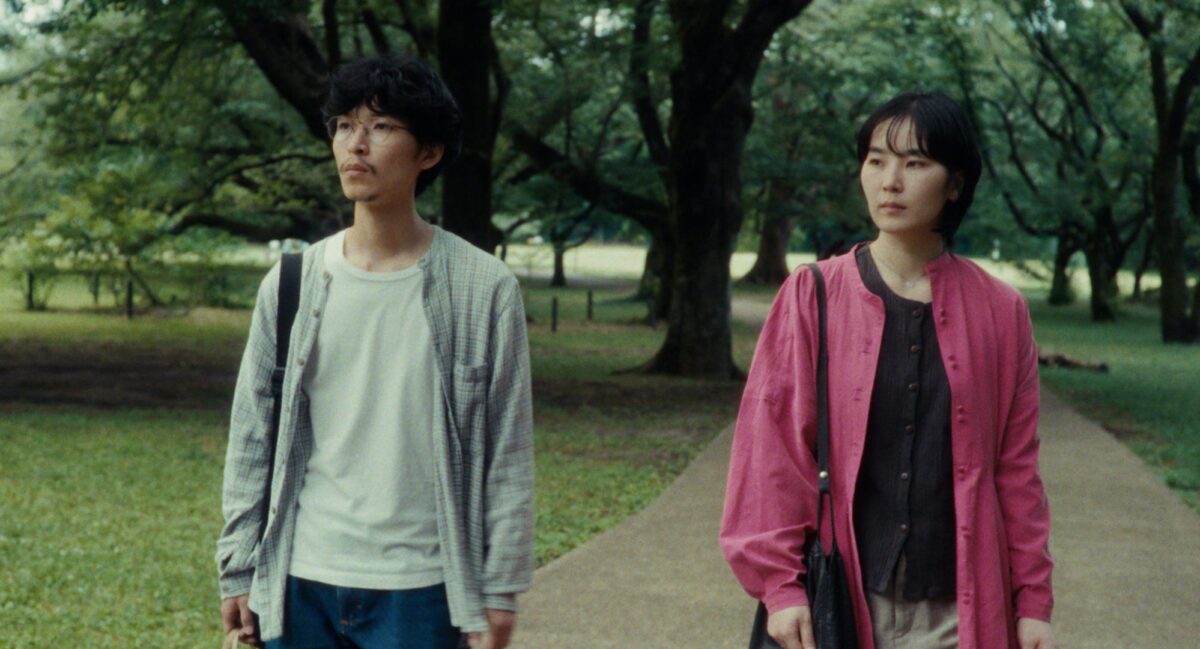
Hong Sangsoo’s influence on the current moment could hardly be overstated; that effect is better-felt here than most. Shigaya, himself a Millennial, has shaped his feature debut around the question of responsibility as it faces those in that nether zone between nascent adulthood and the sense that middle age is around the corner. He evokes that quiet unease in such poised terms—mirrored reflections often supplanting the need for cuts, or a Hongian structural gambit barely announces itself. His formal lexicon establishes so fluidly, however, that where Leave the Cat Alone’s initial, occasional camera movements almost seem some mistake, a set of elegant panning shots in the latter stretch can occur sans doubt. My only true grievance, which frankly applies to most films, is the lack of any titular cat. – Nick N.
Numb (Takuya Uchiyama)
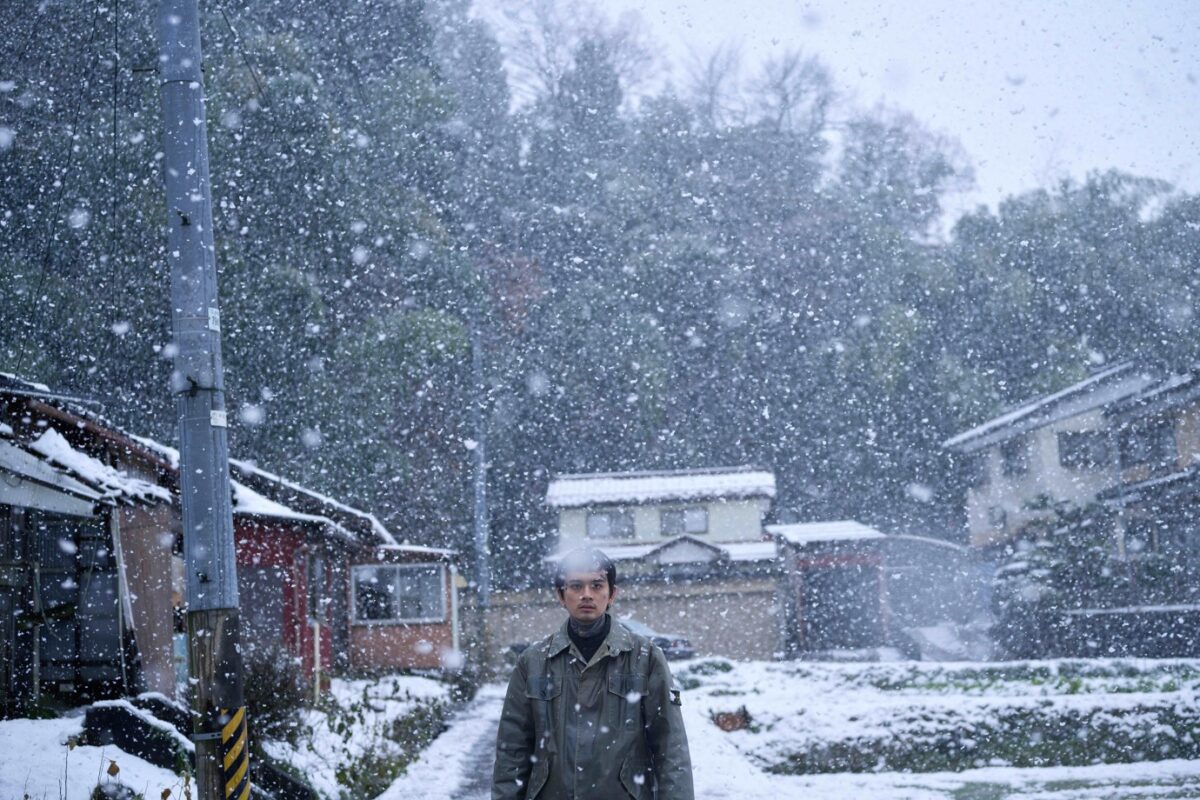
This, admittedly, will spark accusations of derivation and exploitation one only expects around a Dardenne-like drama seen through the eyes of a disabled child. Though this film’s long handheld takes will bring to mind the Belgian brothers, Uchiyama shoots his protagonist, the mute boy Daichi, in side profiles that square the difference—especially as a character says “Those eyes of yours… I’ve always hated them”—between our perception, his perception, and everything around this. Numb’s numerous moments of dead air underscore a situational mystery, and as it accelerates from adolescence to adulthood (shades of Moonlight) there are the occasional too-easy gestures (Uchiyama inscribes his side profiles with tattoos and an earring) that nevertheless service character-building for a cipher. I can’t say I found Numb consistently pleasurable, but I’m impressed at how often it proved convincing. – Nick N.
A Pale View of Hills (Kei Ishikawa)
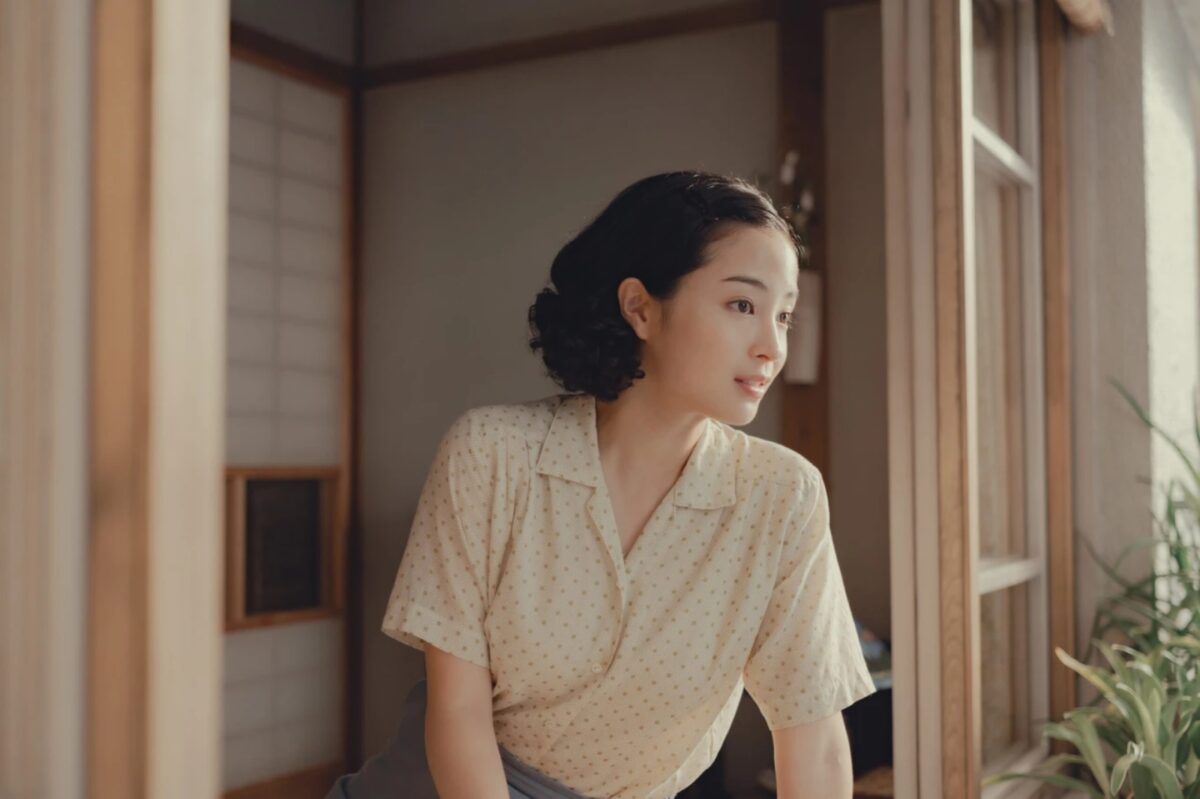
Based on the novel by Kazuo Ishiguro, Kei Ishikawa’s A Pale View of Hills is ostensibly a film about lost memory and, by virtue of memory, a ghost story. Many hidden truths are traversed in a structure that springs forwards and backwards between Etsuko’s (Yo Yoshida) current life in 1980s England, wherein her daughter Niki (Camilla Aiko) is trying to write a story about her experiences in Japan after World War II, and Etsuko’s (Suzu Hirose) friendship with Sachiko (Fumi Nikaido) in 1950s Nagasaki. The time jumps help hide a lot of twists, most of them fairly predictable but nevertheless affecting in their revelations. Ishikawa, however, is unable to put real weight behind a lot of the generational trauma that the film depicts through words and stories, and as Niki labors greatly to get even the faintest details from her mother, we as viewers are often stuck with a film that holds itself back both emotionally and stylistically, using its metaphorical “memory” as a way of only tangentially coming to terms with what’s left in the wake of war. – Soham G.
Sai: Disaster (Yutaro Seki and Kentaro Hirase)
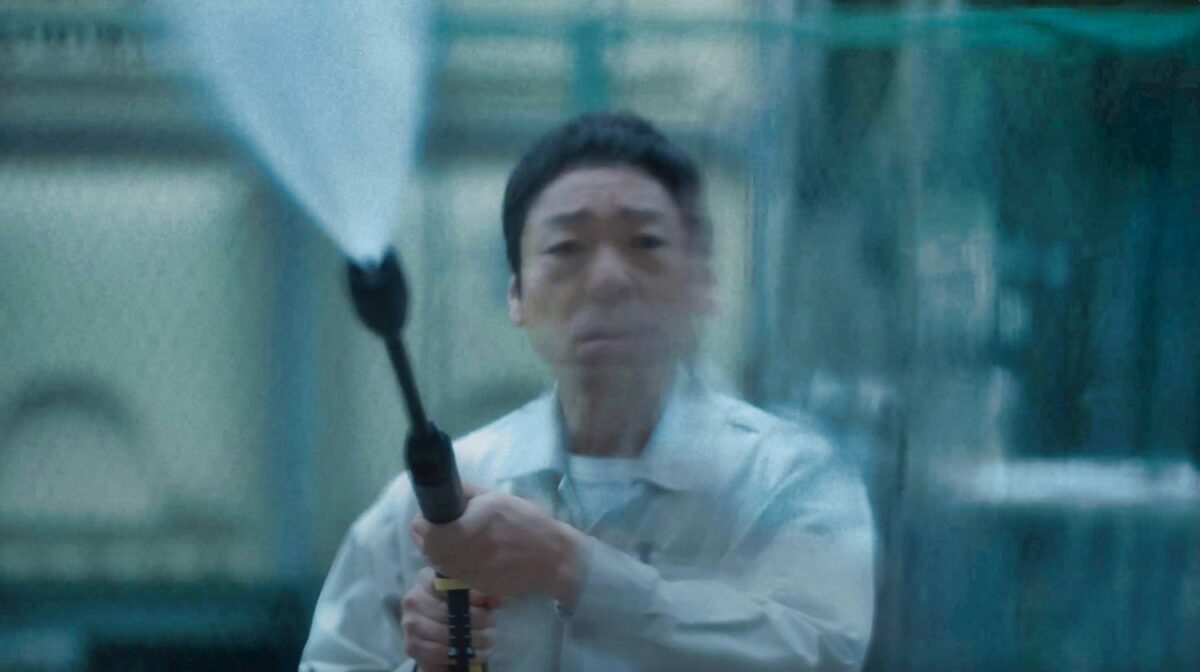
Word of Sai had been trickling down since the series’ run last year: a six-episode, five-hour anti-mystery whose sense for dread and villainy suggested a major inheritor of Kiyoshi Kurosawa. (The leading performance by Teruyuki Kagawa, he of Tokyo Sonata, Serpent’s Path, and Creepy, certainly fueled comparisons.) Where Yutaro Seki and Kentaro Hirase’s episodic project was a slow progression in dread, their feature version—making its U.S. premiere on July 11—is an everything-at-once cross-cut nightmare, foregrounding both the killer initially revealed after the first hour and a detective narrative that the series just began formulating around its halfway point. Chronologies are now futzed, certain points harder to connect; mood nevertheless persists, and my admiration for Sai: Disaster‘s willingness to shred a grand tapestry (what we might call the Out 1: Spectre approach) is paramount. – Nick N.
Sato and Sato (Chihiro Amano)
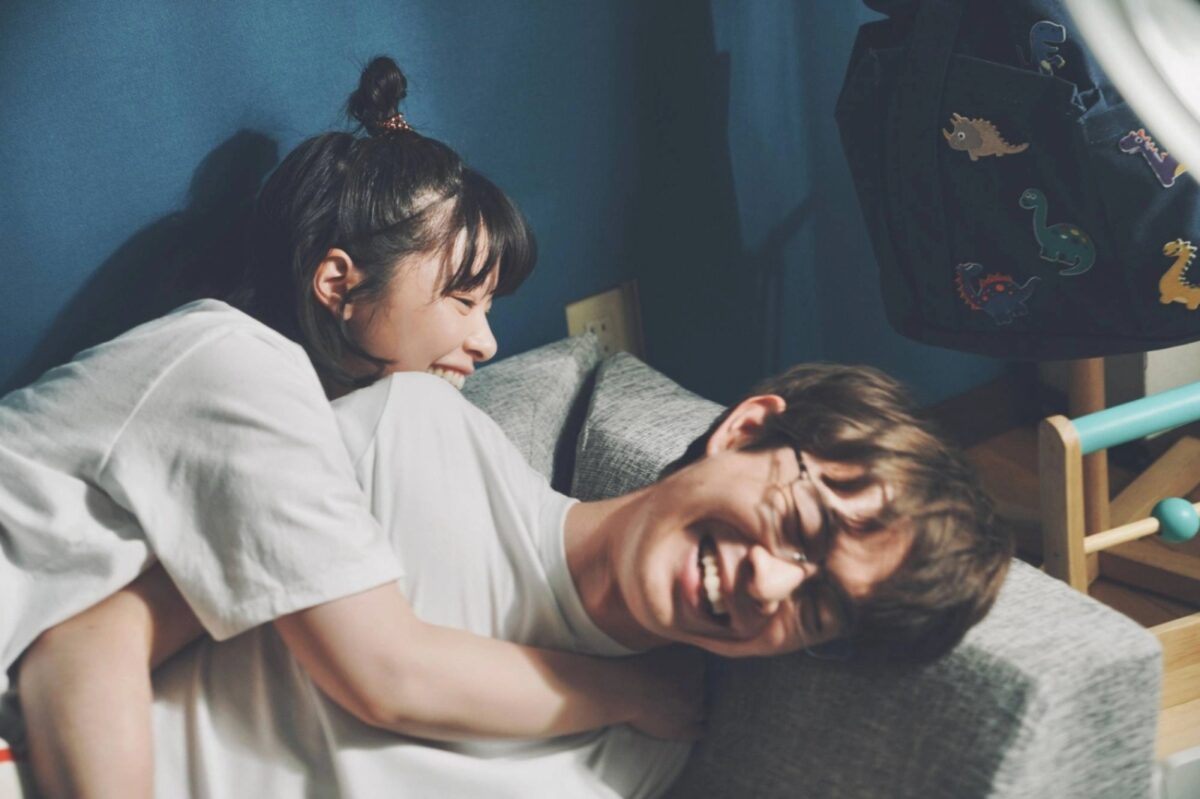
I’ve been seeing a lot of new stuff that, as scripted, was probably sufficient for financing and production, only to be kneecapped through indifferent staging and poor editorial sensibility. The notion came to mind early in Sato and Sato, which frames a bracing moment between its soon-to-fray couple so unexpectedly, with a violence in movements and pauses alike, that I asked myself why this basic craft should be rare. Chihiro Amano evinces such understanding all through his chronicle of inter-couple jealousy. While I wish his elisions did more to prioritize sublimated feelings over big moments, Amano’s still smart enough to show this relationship’s 1,000 cuts—those fights that start, then stop without ever quite leading somewhere but another undignified experience for all. Somehow, though, Sato and Sato‘s moments of levity (and a final grace note) remain earned. – Nick N.
Shuffle and The Master of Shiatsu (Gakuryu Ishii)
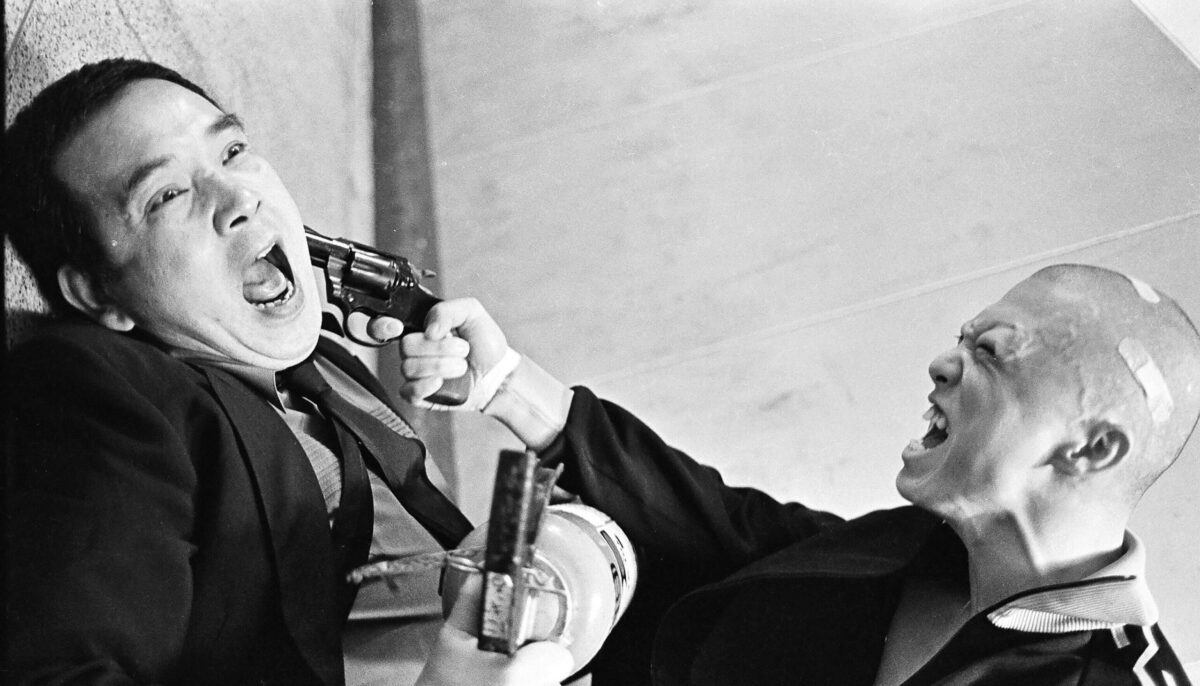
World-premiering in 4K restorations, these two shorts mark key points in Gakuryu Ishii’s career: 1981’s Shuffle resides between his thesis project Crazy Thunder Road and breakthrough Burst City; The Master of Shiatsu was staged as, he says, a “kind of therapy” amidst career doldrums. Where the former is aswim with youthful energy—channeled into a shaky-cam foot chase so long it goes from thrilling to comical and back to thrilling—the latter attempts no less than a submersion into the unknown universe. That it does so even somewhat convincingly serves a strong portent for Ishii’s transcendent ‘90s run of Angel Dust, August in the Water, and full-bore masterpiece Labyrinth of Dreams. With this duet, a key figure in modern Japanese cinema is granted due respect and context. – Nick N.
Suzuki=Bakudan (Akira Nagai)
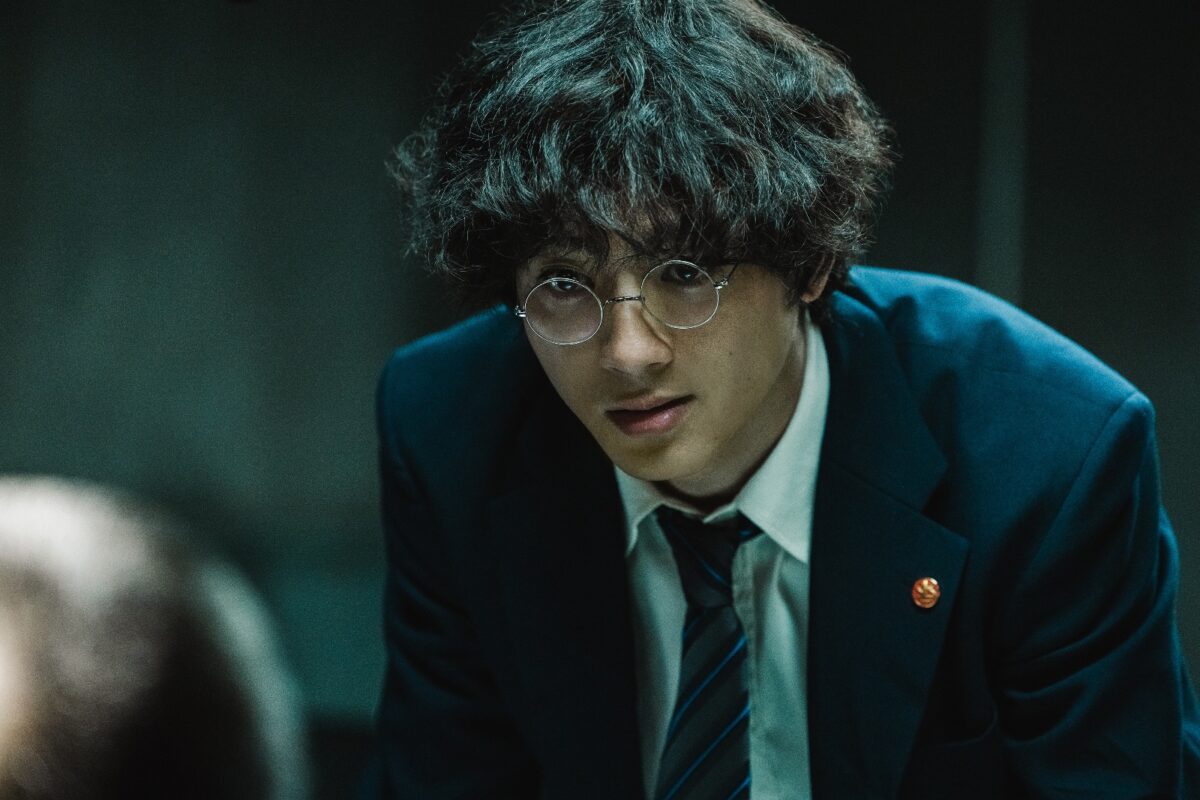
Police procedurals and mysteries are some of my favorite films, and it’s easy to spot those that let strands loose and are never able to tie them back together. The premise of Suzuki=Bakudan, marketed in Japan as just Bakudan, is really enticing, and reminds one of the jail sequences with the Joker in The Dark Knight. A mysterious man with an unknown identity, calling himself Tagosaku Suzuki (Jiro Sato), has an eccentric, childlike personality and gives detectives piece-by-piece clues to locate a number of bombs hidden across Tokyo. Akira Nagai does his best with the confined spaces: our breaths and nerves become tied to the close-ups and wide pans of the room, building and releasing tension as the interrogation continues. There are a few distinct points that generally startle, including the reveal of a viral video that’s tied to the bomb in some way. But it’s easy to tell that Suzuki=Bakudan’s creative team lost grip towards the end—its twists and misdirection seem more like insecurities or fears that the audience might “figure out” the tricks. It cheapens a movie that starts of tight and precise and eventually descends into a psychological muddle of motives. Fun, but frustratingly overdone. – Soham G.
Tiger (Anshul Chauhan)

Tiger isn’t subtle about anything. Its exploration of Japan’s gay culture and gay porn industry is direct and explicit. Its socio-politics—both in the conflicted existence of its gay protagonist Taiga Katagiri (Takashi Kawaguchi) and his cruel, distant sister Minami (Maho Nonami), who disapproved not only of his sexual identity but lack of education and “free bird nature”—are explicitly outlined. We see Taiga attempt to find some purpose in the gay porn industry, but with mixed results and a sense of unease. Taiga’s father is sick and his inheritance is reliant on Taiga’s homosexuality being kept a secret. The conflicts between familial tradition and a socially changing Japan are made explicit in Taiga’s struggle to reconcile his real life with this estranged family’s “idea” of him. Chauhan’s navigation of gay acceptance and discrimination in Japan is neither unique nor adventurous, but it has its moments. In a moment of irony, Taiga’s sister tells him to “be honest with yourself.” It’s in a condescending manner regarding his non-traditional lifestyle, but turns out to be the key to navigating his sense of aimlessness. – Soham G.
Tokyo Taxi (Yoji Yamada)
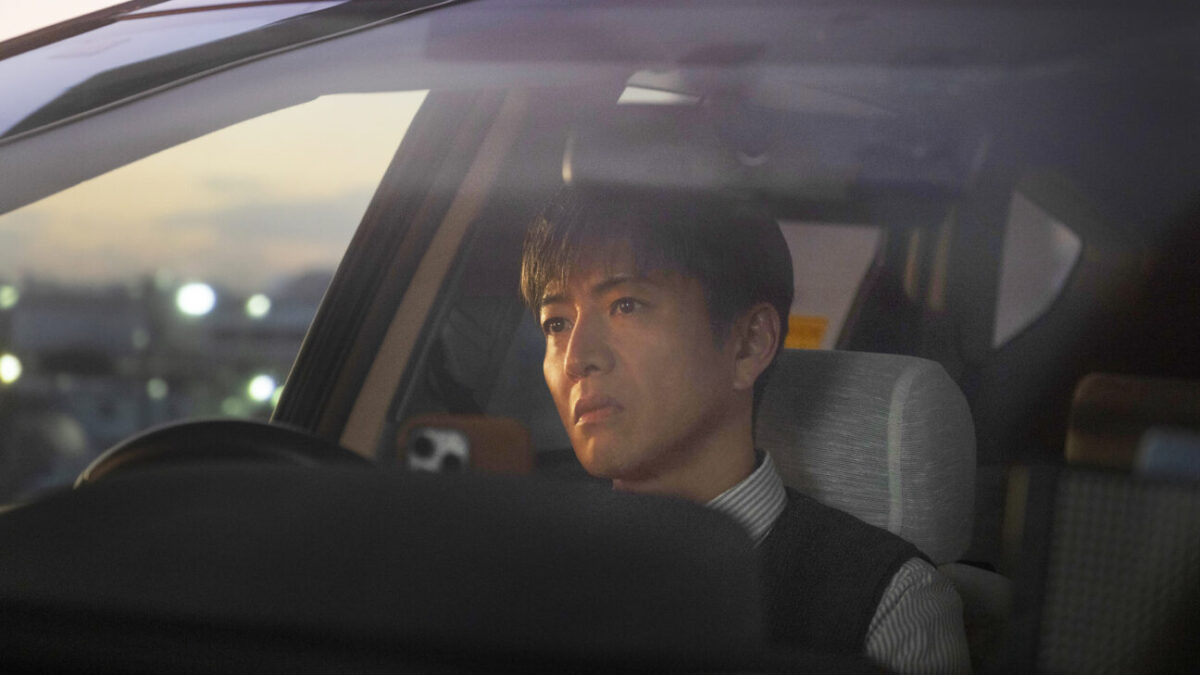
For opening the Tokyo International Film Festival and Japan Cuts some eight months and whole hemisphere apart, Yoji Yamada’s Tokyo Taxi can’t help implying a synecdoche for the current Japanese cinema. The diagnosis, I am happy to say, is solid; it’s at least a rare curtain-raiser that doesn’t feel like the necessary toll for a post-screening open bar. The 94-year-old Yamada’s 91st film is the work of one both old enough to remember those long-gone eras depicted in tasteful flashbacks—no wistful, nostalgic capitulation to opulence—and observe a current moment without much fuss, yet still absconding with some naked sentiment. For more, read our review. – Nick N.
W’s Tragedy (Shinichiro Sawai)
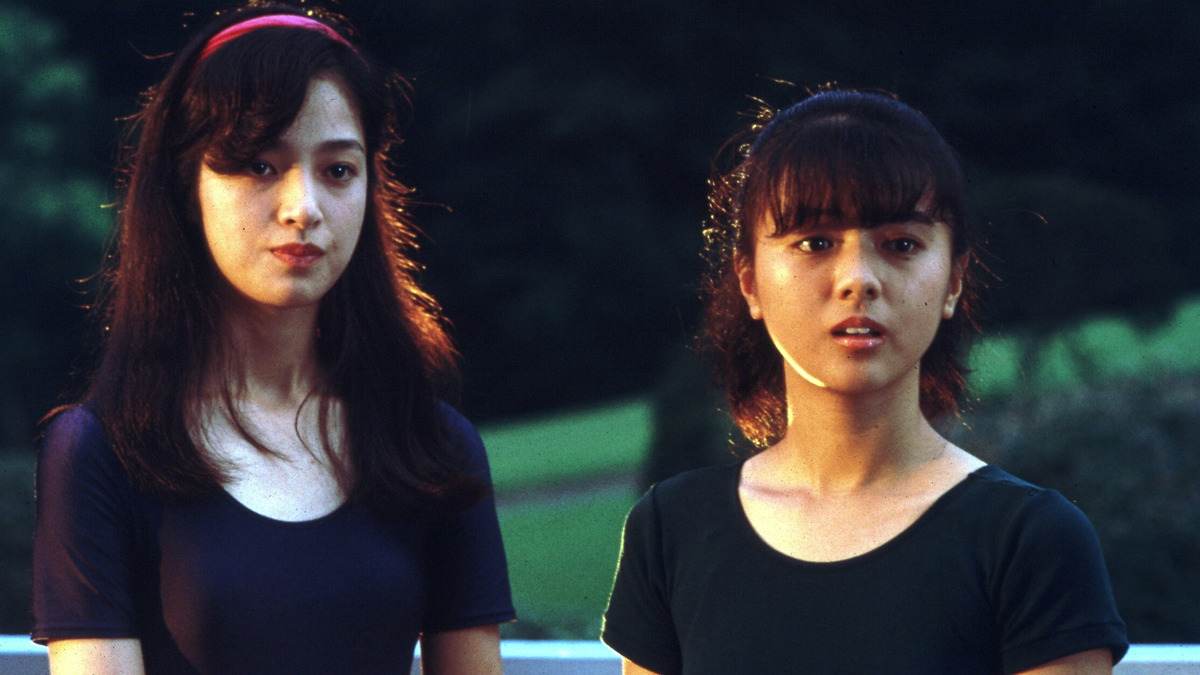
With the caveat that some have had as much as 42 years to let this one sit, we might be looking at the best film in Japan Cuts’ 2026 lineup. What would be seen as a clear precursor to Perfect Blue if even half as many people knew it, Shinichiro Sawai’s film is likewise terror-tinged in its depiction of a performer’s life mirroring their art; the stage has rarely proven a more malevolent site in cinema. For those who know it, W’s Tragedy has long seemed just two steps from cult canonization. This world premiere of a 4K restoration is at least the first. – Nick N.
White Flowers and Fruits (Yukari Sakamoto)
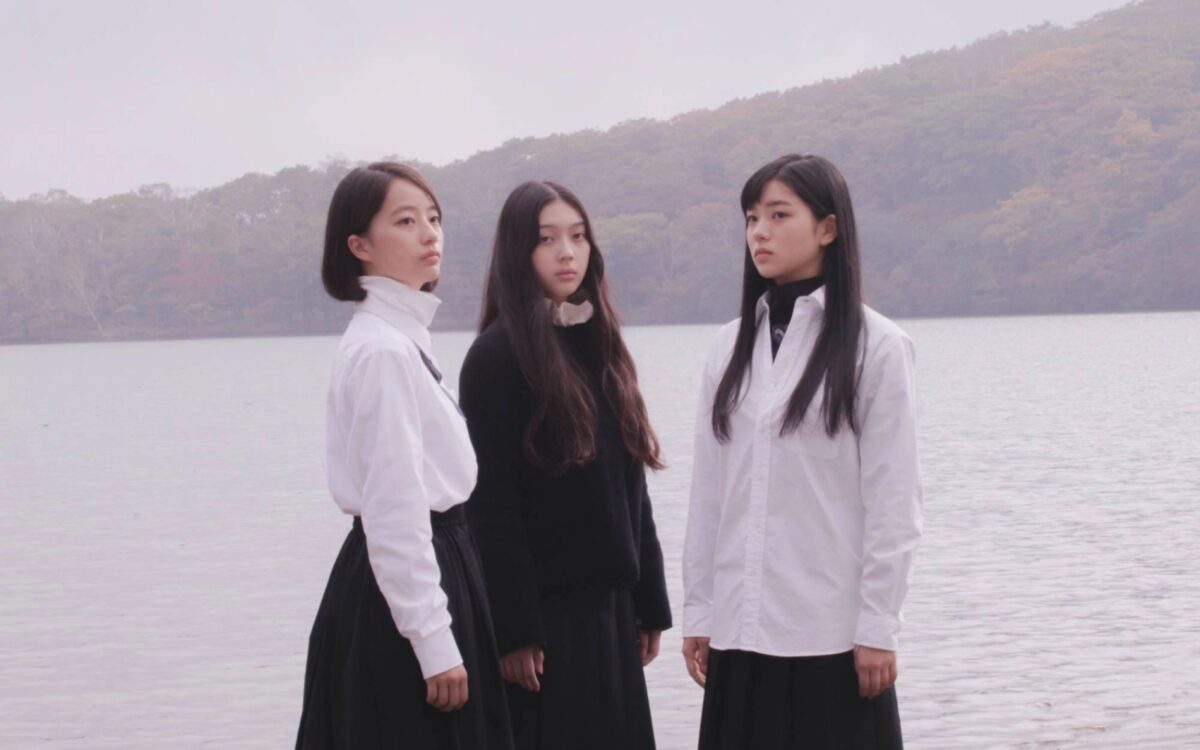
Yukari Sakomoto’s debut film transfers the elements of horror into adolescent drama à la Peter Weir’s Picnic at Hanging Rock. This however, contains no elements of surprise or surrealism as the former. Instead, it is both a warm and cold introspective look at isolation. Anna (Miro) is someone who can only be described as anti-social, no normal cues of human interaction seeming to register and an ability to see ghosts only exacerbating this detachment from the living. When the only girl at the school who befriends her, Rika (Nico Aoto), dies by suicide, Anna seems to be the one person curious enough to wonder about the psychological motive. Sakomoto considers that academic and social pressures and out-casting of individuals, a phenomenon not only common in Japanese narratives but also many other Asian countries, can be debilitating to youths and make their frustrating (at times unacceptably antisocial) behavior misunderstood. White Flowers and Fruits uses the supernatural—doors randomly closing, eerie hallways, and strange apparitions—as a metaphor for how young people who think and feel detached see and feel in a way that’s mysterious to those around them. – Soham G.
Japan Cuts Powered by Canon starts on Wednesday, July 8.