
Following The Film Stage’s collective top 50 films of 2025, as part of our year-end coverage, our contributors are sharing their personal top 10 lists.
Another year, another attempt to sum up cinema from the last 12 months. From where I stand, it’s been a solid year for films. While there weren’t many I’d rush to call masterworks, a large number of them more than did their job in delighting, provoking, surprising, and informing us.
Looking back, something that stood out to me is a welcome revival of quality films for the masses. “Mainstream” can sound dismissive within the context of film criticism, but good filmmaking that also has broad appeal is not only an art unto itself, but especially vital at a time when moviegoing––if not cinema altogether––is facing severe challenges. In this sense, I was glad to see an old-school action spectacle like F1, a skillfully executed legacy thriller like Predator: Badlands, a predictable but thoroughly effective rom-com like Materialists, or a superhero flick that understands the genre’s inherent goofiness and actually feels fun, à la Superman.
Some commercially viable films didn’t make an impact at the box office but deserve much more attention, for instance the sexy, deliciously slick Black Bag, the big-hearted, incredible-but-true Roofman or the sharply written relationship comedy Splittsville. The streamers contributed a few snappy crowd-pleasers like the perceptive, humorous-turned-wistful Jay Kelly and the tightest, most richly layered entry in the Knives Out series, Wake Up Dead Man.
2025 has also been a fruitful year for queer cinema. Sundance launched the minutely observant Plainclothes as well as the clever, bittersweet Twinless with one of the most original, genre-bending screenplays of the year. Berlinale crowned Dreams the best film, a warm, eloquent drama that depicts a teenage girl’s queer sexual awakening with exceptional tenderness. The Mysterious Gaze of the Flamingo won the Un Certain Regard sidebar in Cannes for its moving, hypnotically evocative ode to those we lost to ignorance and bigotry during the AIDS crisis. On the Road won the Horizons sidebar in Venice for a sweatily authentic take on the contemporary gay experience of transient connections. Strange River and Last Night I Conquered the City of Thebes, two atmospheric, highly experimental films with erotic undertones, also premiered to deservedly strong notice on the Lido.
Lastly, horror delivered the goods this year. Sinners, ambitiously conceived and muscularly crafted, weaves a bloody tale of vampires around the evils of social injustice. 28 Years Later continues the post-apocalyptic world-building decades later to great effect thanks in part to the tremendous big screen debut of Alfie Williams. The Ugly Stepsister smartly mocks toxic stereotypes and beauty standards from fairytales with a twisted retelling of Cinderella. Rose of Nevada takes a couple of time travelers to a sunken place through strikingly odd visual and sound design. Keeper is a slow burn but the buildup remains suspenseful and the monstrous reveal is well worth the tease. A few hard-hitting dramas––including Tereza Nvotová’s waking nightmare Father, Akihiro Hata’s workplace thriller The Site, and Zinnini Elkington’s morality tale Second Victims––are so adept at creating and maintaining tension that, even without venturing into horror outright, they send your pulse racing anyway.
Now, on to the favorites.
Honorable Mentions: The Blue Trail (Gabriel Mascaro), Bugonia (Yorgos Lanthimos), The Testament of Ann Lee (Mona Fastvold), Kokuho (Sang-il Lee), and The Secret Agent (Kleber Mendonça Filho)
10. Marty Supreme (Josh Safdie)
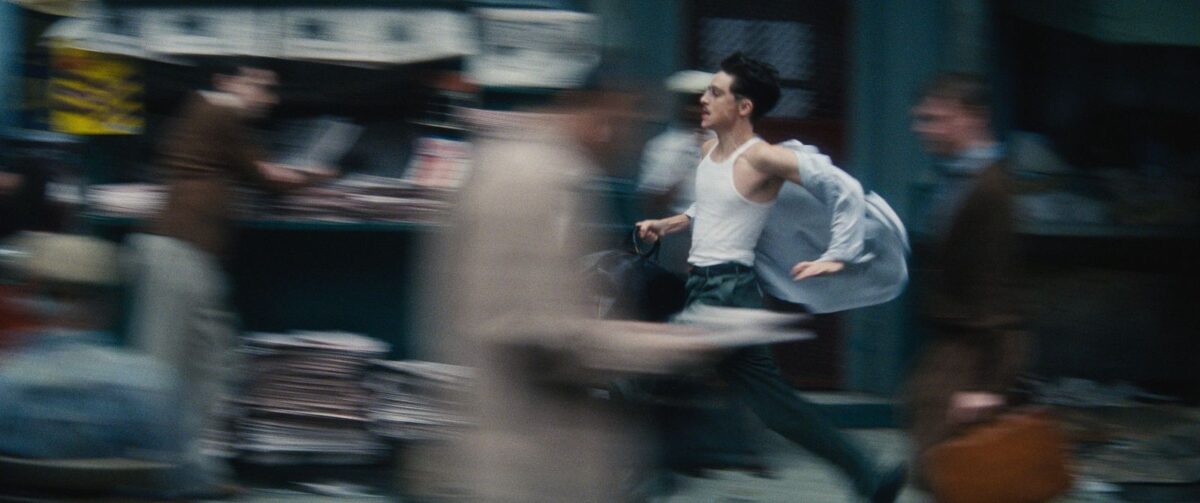
Propulsive and un-moralistic, Safdie’s first solo directorial outing delivers a compelling look at what it takes to fulfill the American Dream. From the willingness to trick, lie, compromise to the near-pathological need to succeed, the hero’s journey is so extreme it could be read as both inspirational and cautionary. Timothée Chalamet fully commits to the part of an unstoppable go-getter, showcasing charisma, cunning, and a casual disregard for everything that stands in the way of winning. Aided by Darius Khondji’s ferocious camera and Daniel Lopatin’s adrenaline-inducing score, he elevates a ping pong player’s story to an unsparing examination of the zeitgeist that shaped post-war America.
9. Pillion (Harry Lighton)
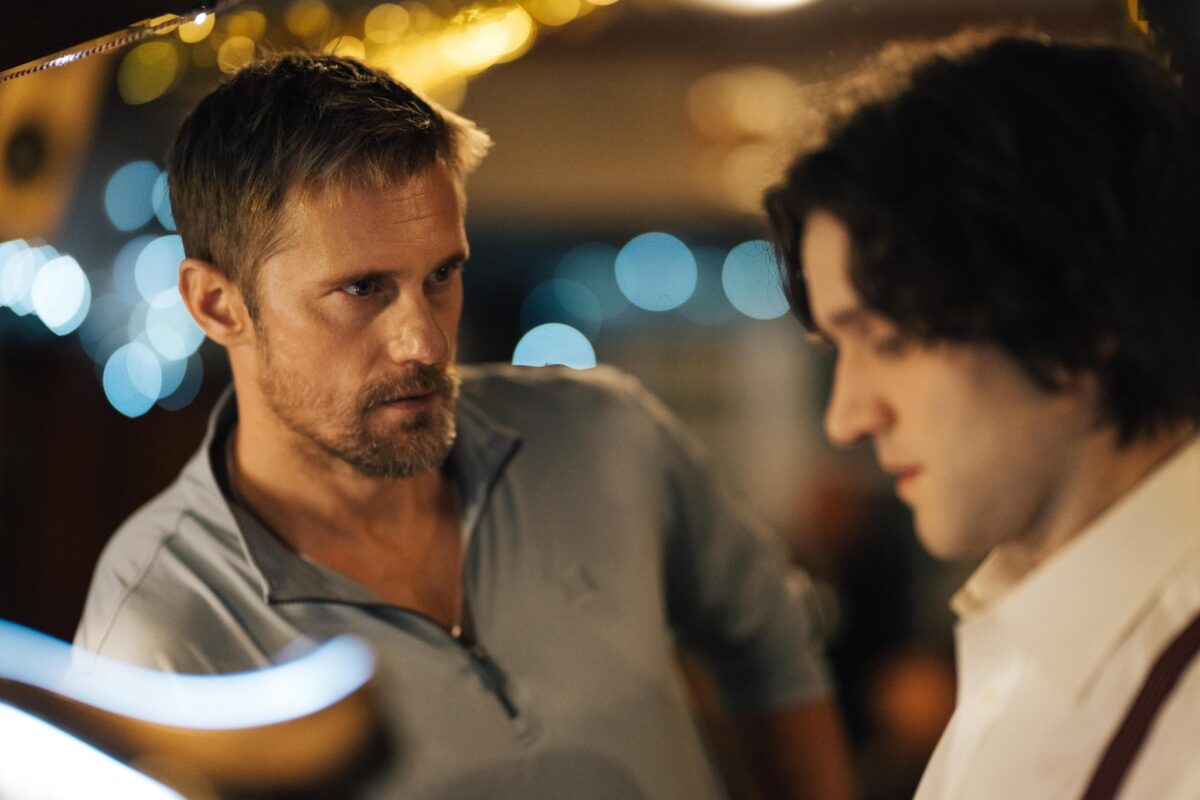
Bridging arthouse sensitivity, mainstream fish-out-of-water tropes, and queer fetishes, Lighton’s kinky dom-com is a small miracle of a film that fires on all cylinders. The spunky screenplay pulls no punches, going hard for the laughs, the shocks and, against all likelihood, touches on something devastatingly real. A pair of fearless star turns courtesy of Alexander Skarsgård and Harry Melling helps achieve the improbable balance act, bringing sizzling yin-yang energy to the equation and injecting authenticity into every gag. It’s not every day you see a comedy this raunchy that explores a sexual sub-culture with such candor and gives you all the feels.
8. Blue Moon (Richard Linklater)
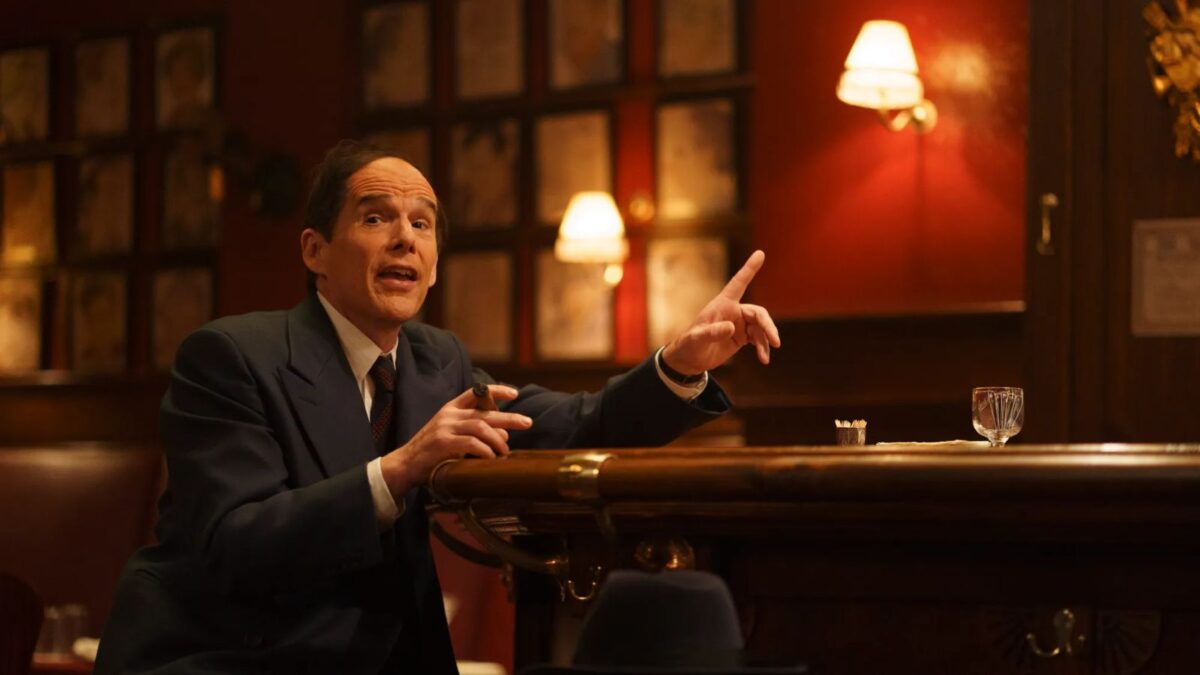
Linklater’s insightful, formally bold biopic about lyricist Lorenz Hart spans a single night where the closeted, alcoholic artist, overshadowed by the success of his songwriting partner, reflects on his life and legacy. Unlike the typical highlight reel one’s come to expect from this genre, it’s an intimate, microscopically focused portrait that lets us experience up close the brilliance, insecurity, and heartbreaking loneliness of a genius. Through Ethan Hawke’s performance––so vulnerable, full of wit and understanding––the mythical man with all the words reveals himself in ways even he can’t seem to articulate. An acutely perceptive character study by way of a soiree to remember.
7. The Love That Remains (Hlynur Pálmason)
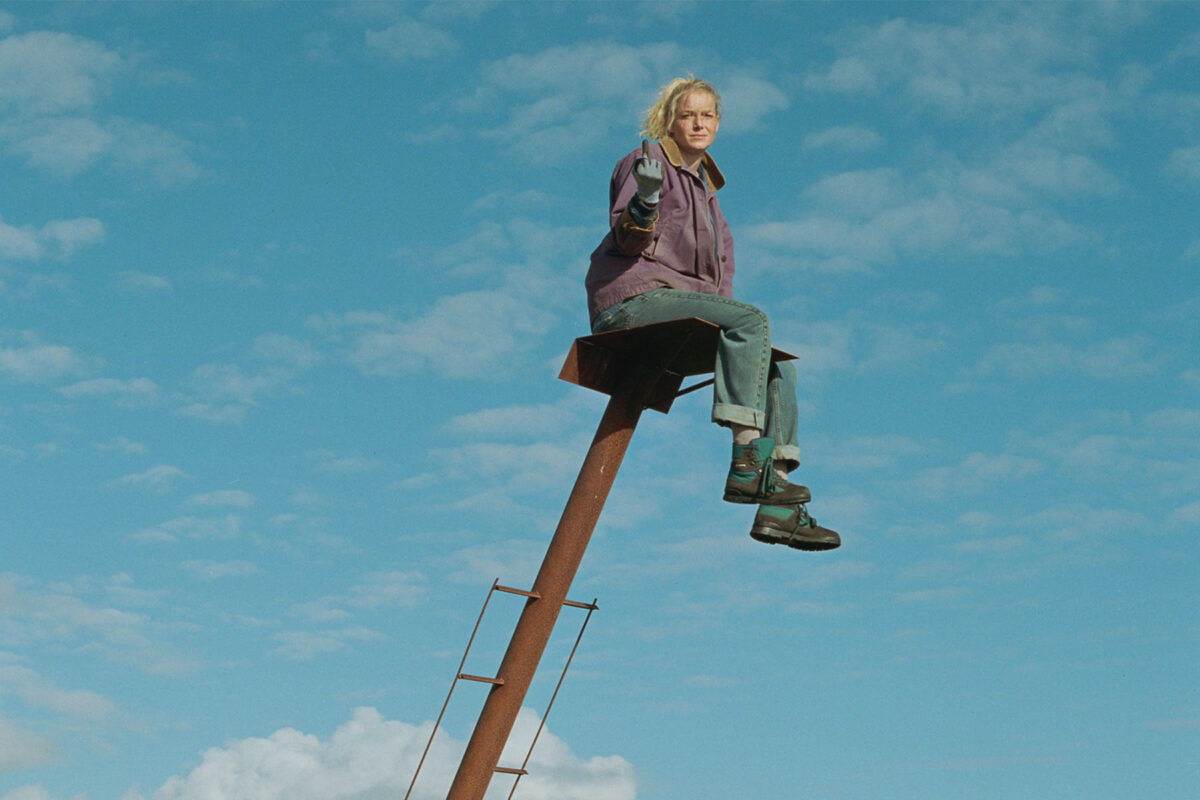
In an age of ever-more-prevalent AI filmmaking, it might be the ultimate praise to say that Icelandic director Pálmason’s essayist drama feels––down to the cellular level––handmade. Chronicling a year in the life of a family of five where the parents have just separated, it’s rustic, earthbound, and follows a distinctly instinctual beat utterly without artifice. Set against a soothing backdrop of jazzy piano notes, the sun-drenched, fully-oxygenated frames make it an absolute delight just to watch the seasons change in a poignant cycle of decay and rebirth. A few supernatural interludes evoke the magic of an ancient land that brings home the extraordinariness of even the subtlest human pain.
6. Train Dreams (Clint Bentley)
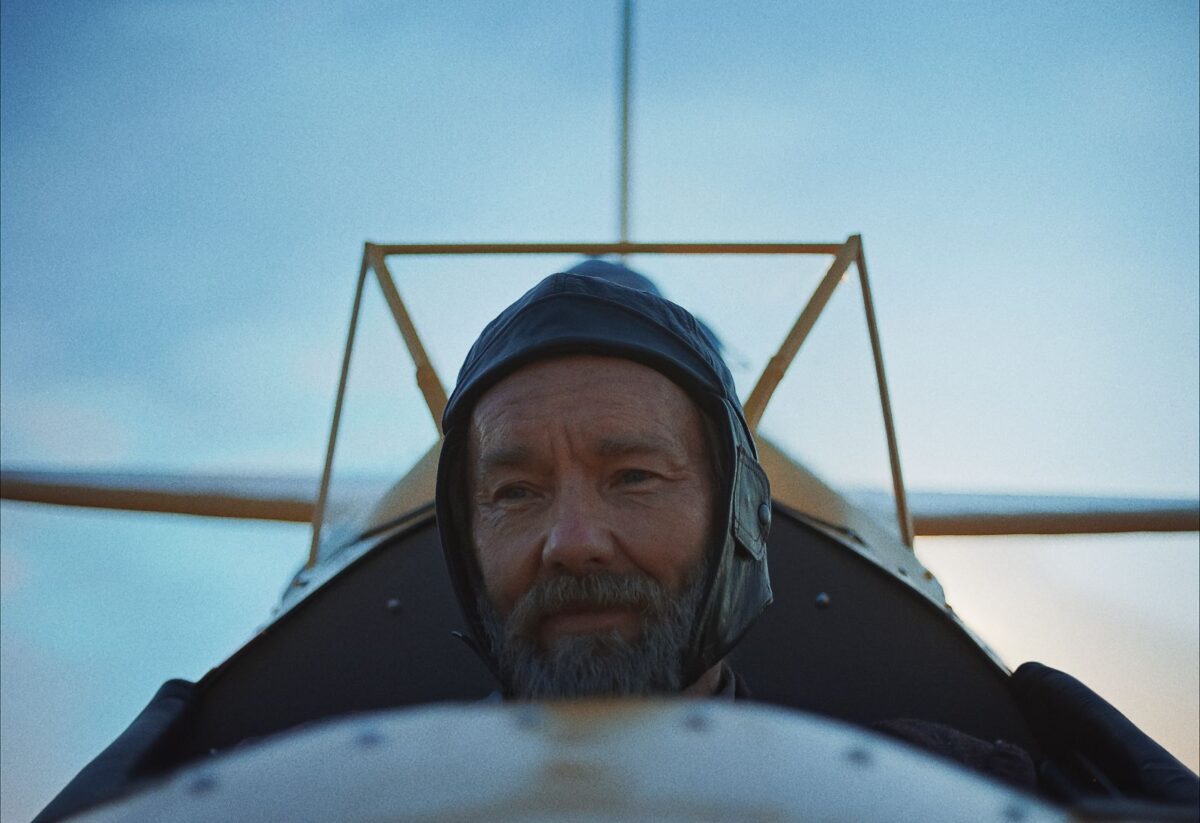
Carried by Joel Edgerton‘s remarkably restrained performance, Bentley‘s lyrical, pristinely crafted feature debut packs a potent emotional punch by distilling a simple man‘s life down to its essence. Watching his wins and losses, choices and regrets play out over 104 minutes that fly by like a trance, you realize how precious it is just to have lived, loved, dreamed. Adolpho Veloso’s cinematography ranks among the year‘s best, capturing the raw splendor of the fabled American frontier where so many like the protagonist have come to die. Shots of such poetry dazzle the eyes and give solace that, with time, even the greatest tragedies fade into nothingness.
5. Silent Friend (Ildikó Enyedi)
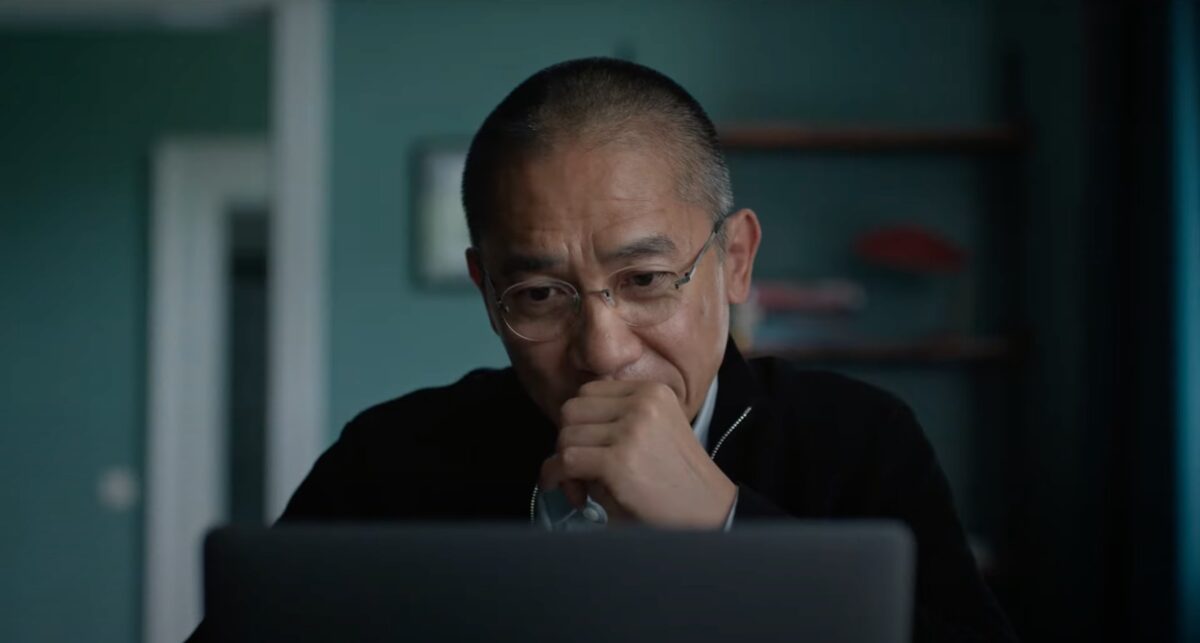
At once intellectual and enchantingly soulful, Enyedi‘s plant-based epic ponders the sentience of trees and blossoms into so much more. Set around an ancient Ginkgo that has born witness to everything from a young botanist‘s battle against sexism in early 20th-century Germany to an Asian visiting scholar‘s attempt to make friends during Covid lockdown, the film finds majesty both in the natural world and the beautiful impermanence of the human experience. Tony Leung proves he’s still the most powerful special effect in a director’s toolbox, anchoring the fanciful, era-hopping story in the here and now with a magnetically charged performance that, much like the film itself, conveys endless poise and curiosity.
4. Sound of Falling (Mascha Schilinski)
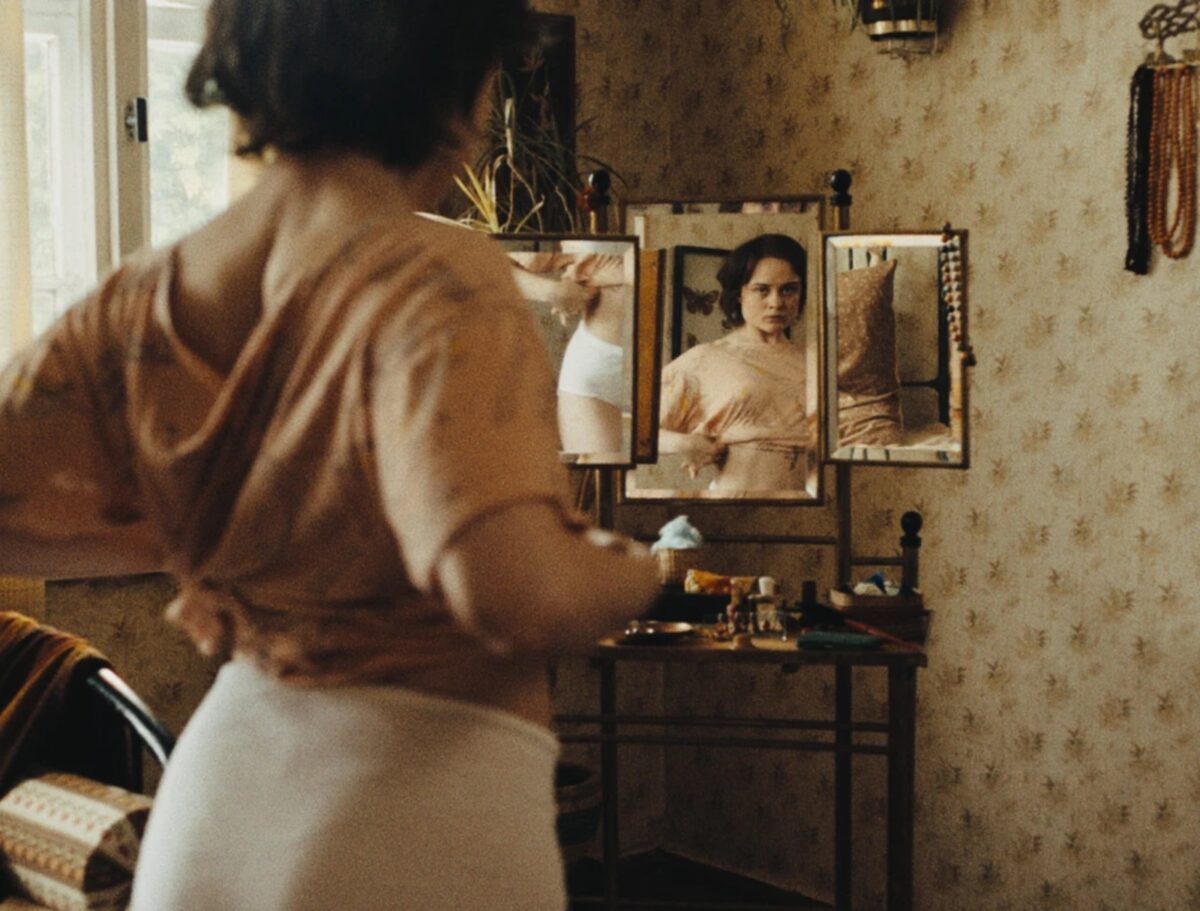
Moody, horny, hauntingly enigmatic, Schilinski’s sophomore feature is The Virgin Suicides reincarnated as a century-spanning German ghost story. Forgoing in large part reason for vibes, its stream-of-consciousness portrayal of women across time living in the shadow of unresolved trauma mesmerizes. Thanks to DP Fabian Gamper and the entire design and sound teams, there are sequences so otherworldly yet eerily truthful that, watching them, one has the sense of stepping into ancient photographs that have come alive. A trippy experience that builds on formal and stylistic austerity to give shape to generations of female rage, longing, and despair.
3. Weapons (Zach Cregger)
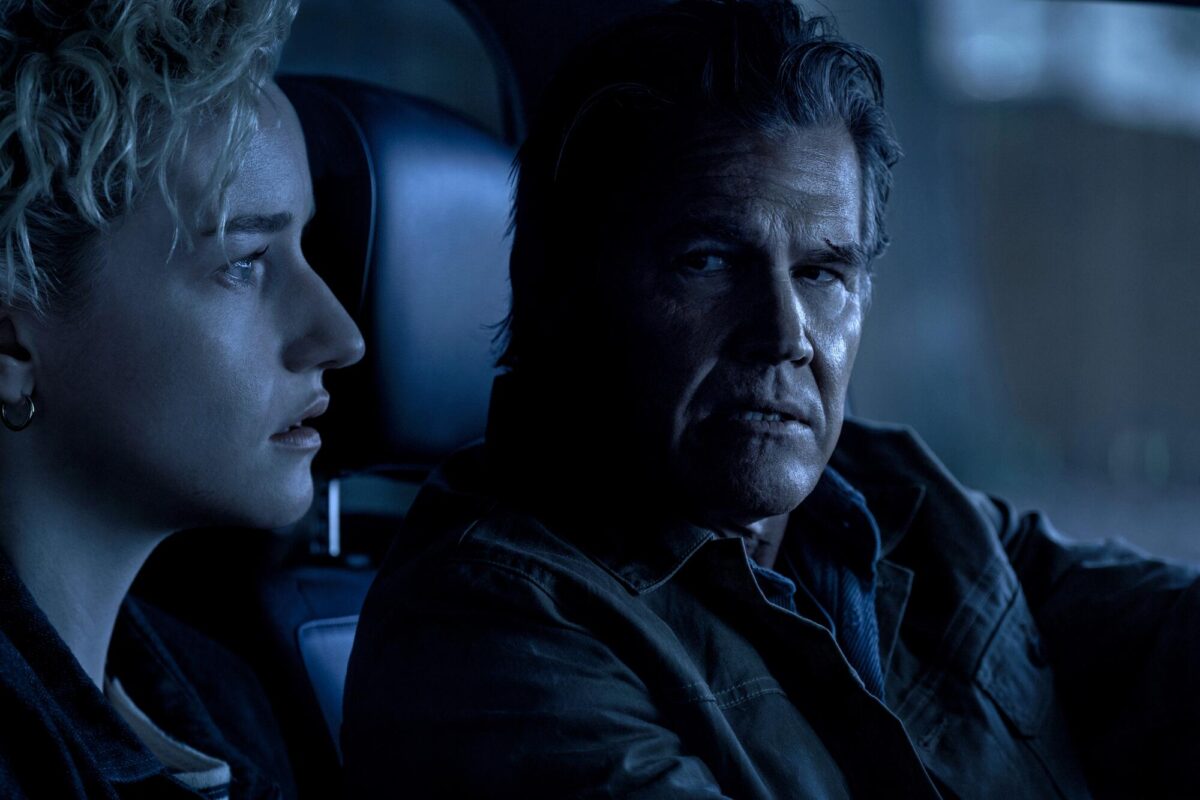
Call it lowbrow, call it silly: Cregger’s missing children mystery is so effectively put together, so intensely, relentlessly entertaining it reminds you of the pure thrill of moviegoing. With a puzzle-like structure that reveals the big picture piece by spooky piece, the screenplay captivates throughout as it builds towards a gloriously mad ending that’s to die for. Amy Madigan delivers one of the year’s standout performances as Aunt Gladys, a flamboyant-turned-frightening creation that anchors the tricky tone of the film. Horror gets no respect but once the dust has settled, the image of kids running blindly down the moonlit street, arms outstretched like missiles in flight, may well outlive many a celebrated work of the season.
2. Resurrection (Bi Gan)
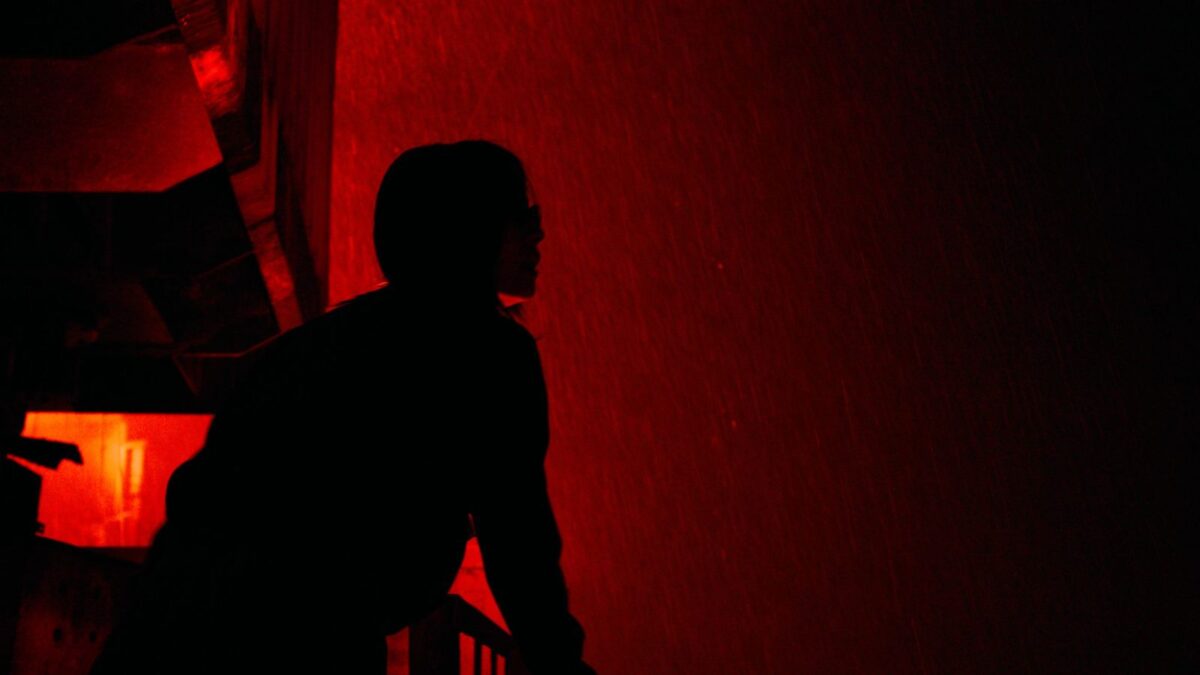
Call it highbrow, call it esoteric: what a treat it is to succumb oneself to something as singularly strange and audacious as Bi Gan’s third feature. Weaving together a series of stories from different genres and time periods, the film guides you through moments of fright, enlightenment, heartbreak and hope set against 100 years of Chinese cinematic history. It’s an eye-opening feat of visual storytelling that captures the free, limitless volatility of the subconscious. In an increasingly authoritarian world where everything but conformity is discouraged, it seems to call on the viewer––through wild narrative invention and stunning blasts of style––to rebel and dream, dream, dream.
1. One Battle After Another (Paul Thomas Anderson)
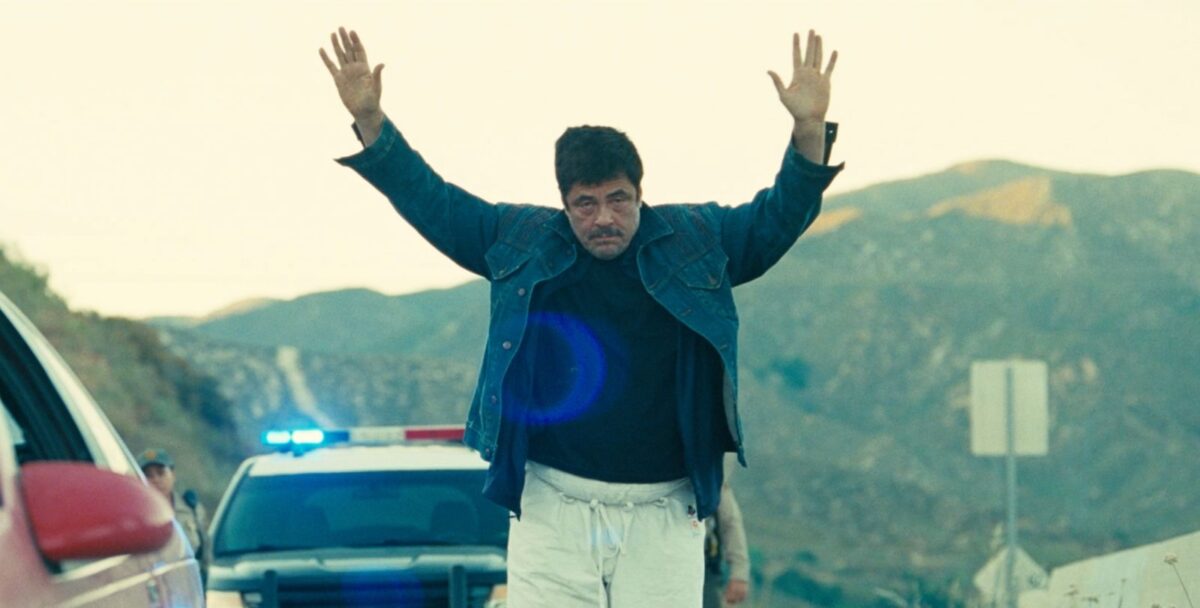
PTA’s latest is a blistering action thriller, hilarious stoner comedy, incendiary political commentary and deeply affecting family drama rolled into one fierce, all-American masterpiece. The screenplay unfolds with novelistic grandeur as it unpacks questions of actions and consequences surrounding a group of flawed, fascinating characters brought vividly to life by a phenomenal ensemble cast. Shot with an improbable mix of urgency and grace by Michael Bauman, the film succeeds in picking up beautiful details in the unlikeliest places and breathes humanity at every turn. In a world increasingly marked by cruelty, it speaks to the capacity in each of us to do good and fight, fight, fight.