
Following The Film Stage’s collective top 50 films of 2025, as part of our year-end coverage, our contributors are sharing their personal top 10 lists.
Despite having its detractors (Lav Diaz among them), I find list-making to be quite a healthy, pleasurable exercise for a critic to practice. After watching almost 200 films, it’s vital to check in to see what you liked and disliked; where you gave too much attention and not enough; what images linger in your mind and where you might head next to keep it fresh. A list like this is an opportunity to bring attention to films that may have not played widely, since so much gets left behind, but also to intentionally ignore those that have received too much attention.
I noticed, for instance, that I gravitated towards films that are adapted from or are about writers; feature women on the verge of a nervous breakdown or young women coming-of-age; and are formally audacious enough to propel cinema into the future. In the coming year I hope to pay attention to more films from other regions of the world, to more experimental works that confound me, but in a way that is productive, inspiring, and challenging. I want to be surprised.
One restriction I placed on myself while carefully curating this was not to write about a film I’ve formally reviewed or blurbed, since, quite often, as a freelance critic, you don’t get to write about the films you love. These 10 films seemed to form a constellation, related in their sensibilities and executions, that, in their own way, as I wrote about them, also told the story of my year.
Favorite First-Time Watches of 2025: Millennium Actress, A Woman is A Woman, The Watermelon Woman, Up Down Fragile, Batang West Side, Easter Parade, Late August Early September, Who Do We See When We Look At The Sky?, and Panic Bodies.
Honorable Mentions: On Becoming a Guinea Fowl, April, BLKNWS: Terms & Conditions, Việt and Nam, By the Stream, Caught by the Tides, Black Bag & Presence, Misericordia, and Happyend.
10. What Does That Nature Say To You (Hong Sangsoo)
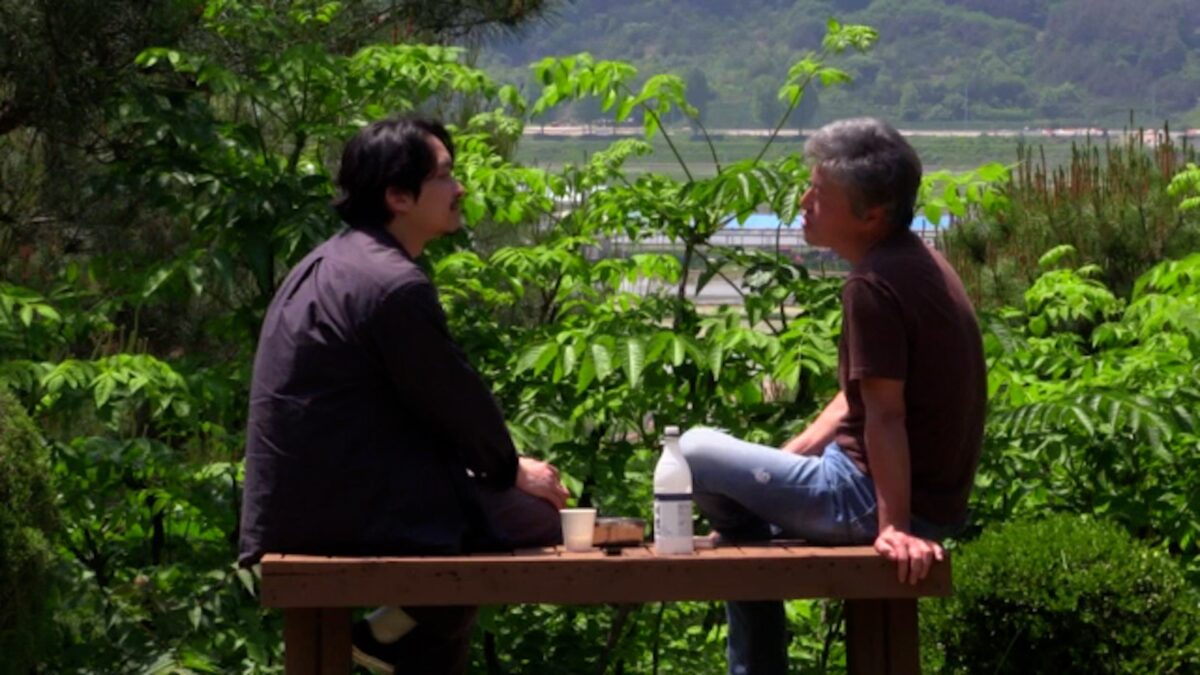
Grazing upon themes of fame, filial piety, artistic vocation and romantic compatibility, What Does That Nature Say To You neither praises nor pities its protagonist, Donghwa, an aspiring poet who tries to go against the tide of a normative life, wanting to slow it all down and live in the moment—an encounter that happens not while surrounded by humanity, but in solitude with nature. He scribbles, sketches, captures the ephemeral traces in the air. Hong’s films are like those handful of stretches when you fall into the orbit of a handful of personalities and their desires, exposing parts of your soul to them, coming up against a moment of conflict, then casting your judgment in private. Will Donghwa be able to escape his father’s shadow? Only time will tell: for now he’s experiencing the splendours of a simple, independent life.
9. The Virgin of Quarry Lake (Laura Casabé)
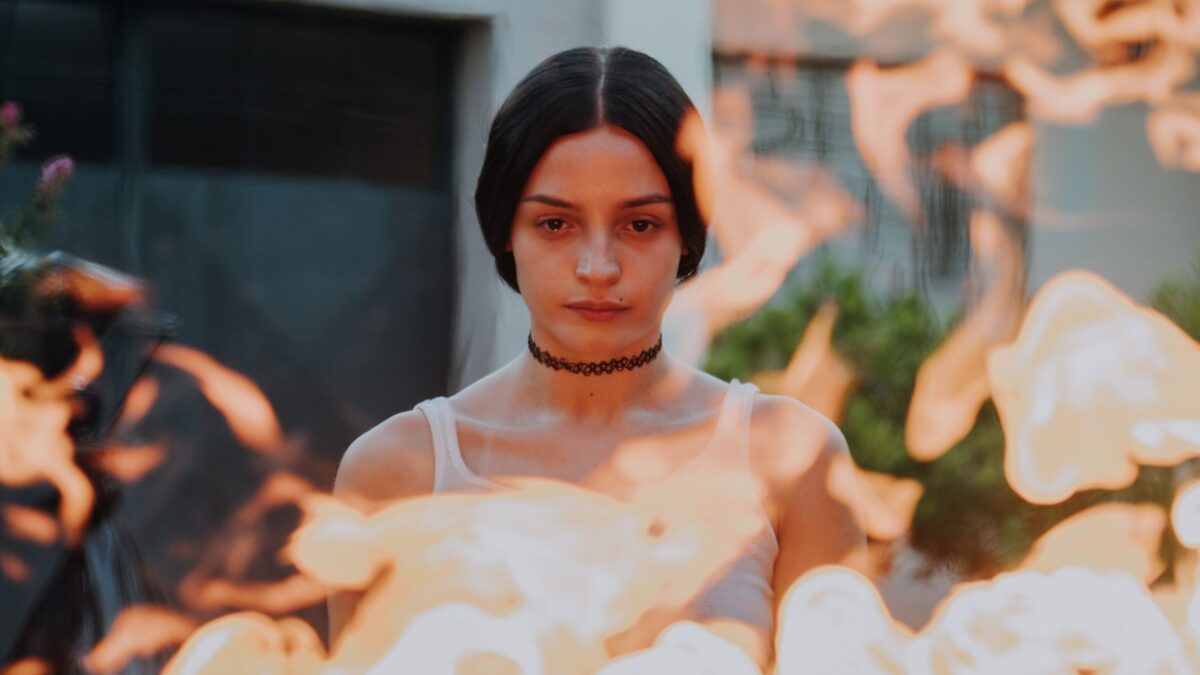
Hell hath no fury like a woman scorned! The pangs of desire in a woman’s adolescence has been the subject of countless films, but none are as savage and as punk as Laura Casabé’s The Virgin of Quarry Lake, adapted from the short fiction of Mariana Enríquez. The protagonist, Natalia (played by Dolores Oliverio in a breakout performance) has Carrie-like powers that causes a dick to bleed, to rip the lips off a harasser, and to transform a pack of dogs into bloody killers. The magic realism of the many scenes of violence—in the face of a lover who won’t love you back, and has openly moved on—feels totally—and tonally—justified. A welcome, entertaining, magic-realist relief from the conventions. I left the theater cackling, a rarity.
8. Peter Hujar’s Day (Ira Sachs)
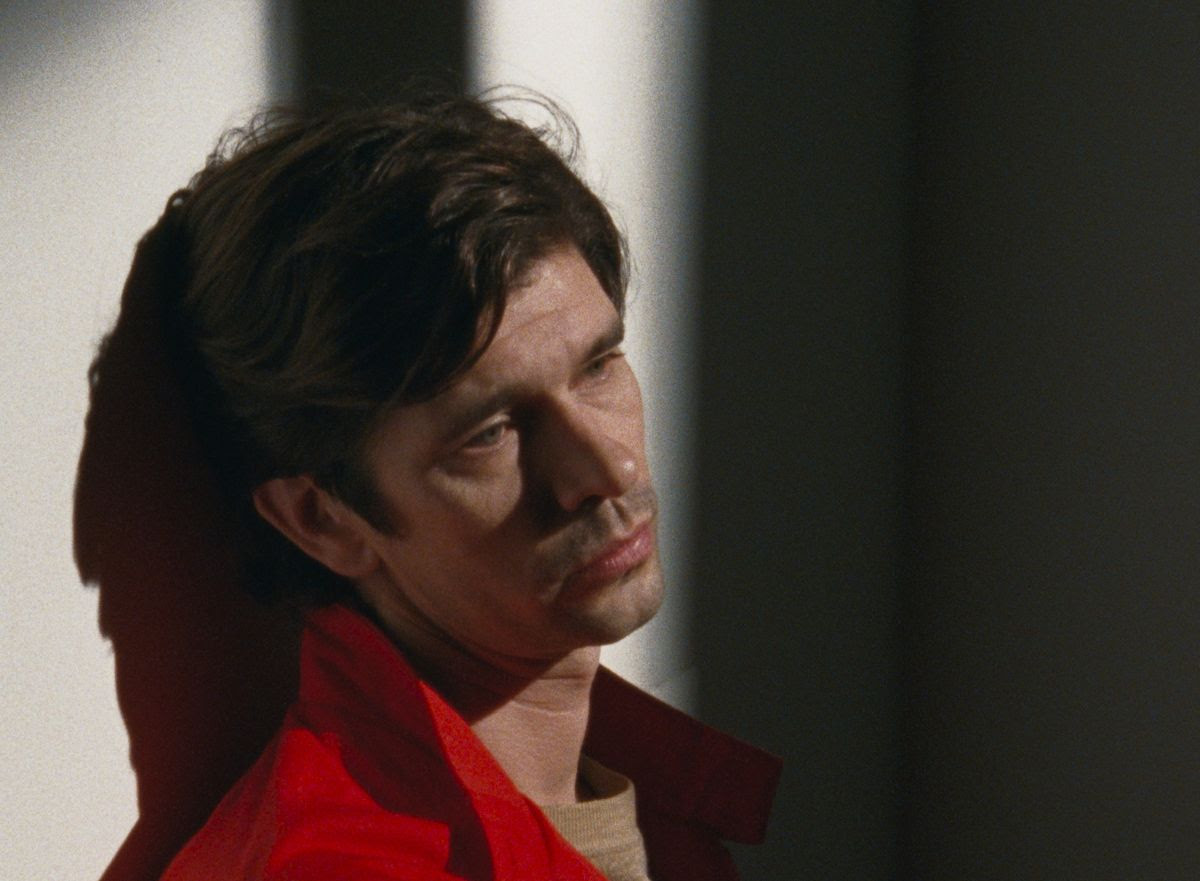
In an odd way, the nostalgic patina of Peter Hujar’s Day, as well as Berndaette Meyer’s Midwinter Day, reminded me Catherine Breillat’s Anatomy of Hell, a film also about the fag-hag dynamic, of the pleasure of talking about oneself and listening to another, of the neurosis of creative minds. Here, Sachs, who is in such a fertile period, can only do so much with the material at hand, which allows Ben Wishaw and Rebecca Hall the opportunity to once again flex their effortless movie star magnetism. It is the little visual suprises—like blurring Hall’s face and panning to Wishaw, of the over-exposure of a frame, of grandiose photographical inserts, or the meta-aspects reminding us we are watching a film—that sets the tone and draws us further into the texture of their dialogue. A play of a film Fassbinder, and Duras, might’ve made.
7. The Chronology of Water (Kirsten Stewart)

How is a film supposed to behave? With The Chronology of Water, adapted from Lidia Yuknavitch’s memoir, director and screenwriter Kirsten Stewart assuredly offers up an answer: jagged-edged, frenetic, and as hectic as the swirling mind of its heroine, brought to life by an incendiary Imogen Poots, whose unique beauty and vast range have never been put to use this way. Of course, as the title suggests, it tracks the growth of a woman trying to make a self, but it is the way it Stewart has decided to go about it—as it flickers with memories, transposes unlikely images, shifts perspectives several times within a scene—that makes the film feel like a living, breathing, thinking thing (kudos to editor Olivia Neergaard-Holm for devising its textured style). “In water, like in books, you can leave your life,” Lidia says—the same of which is offered to us by this refreshing, immersive experience.
6. Bugonia (Yorgos Lanthimos)
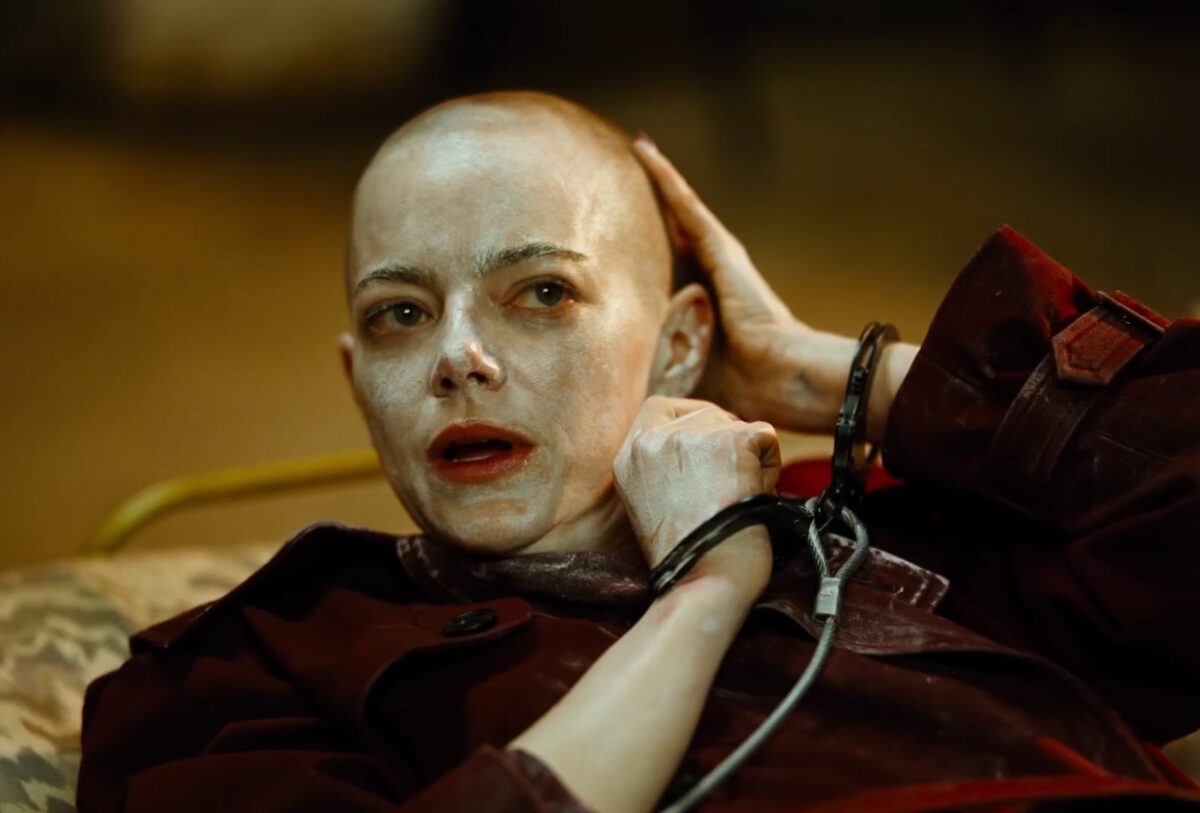
Like a bee, Yorgos Lanthimos steadfastly pollinates cinema with his wayward sensibility. Bugonia is a natural culmination of his pet themes: double identities, shifting power dynamics, maddening paranoia, trenchant violence, and pop music’s ability to speak our deepest truths. With nods to Fellini, Antonioni, Tarkovsky and a trio of visceral performances at it’s center—Plemons’ cerebral; Stone’s physical; Delbis’ simply heartbreaking—his nihilistic vision reaches new heights that do the work to earn its catharses, its thrills. At the end of humanity, he suggests, all the plastic bags will drift in the wind, even if no one’s there to witness it.
5. Die My Love (Lynne Ramsay)
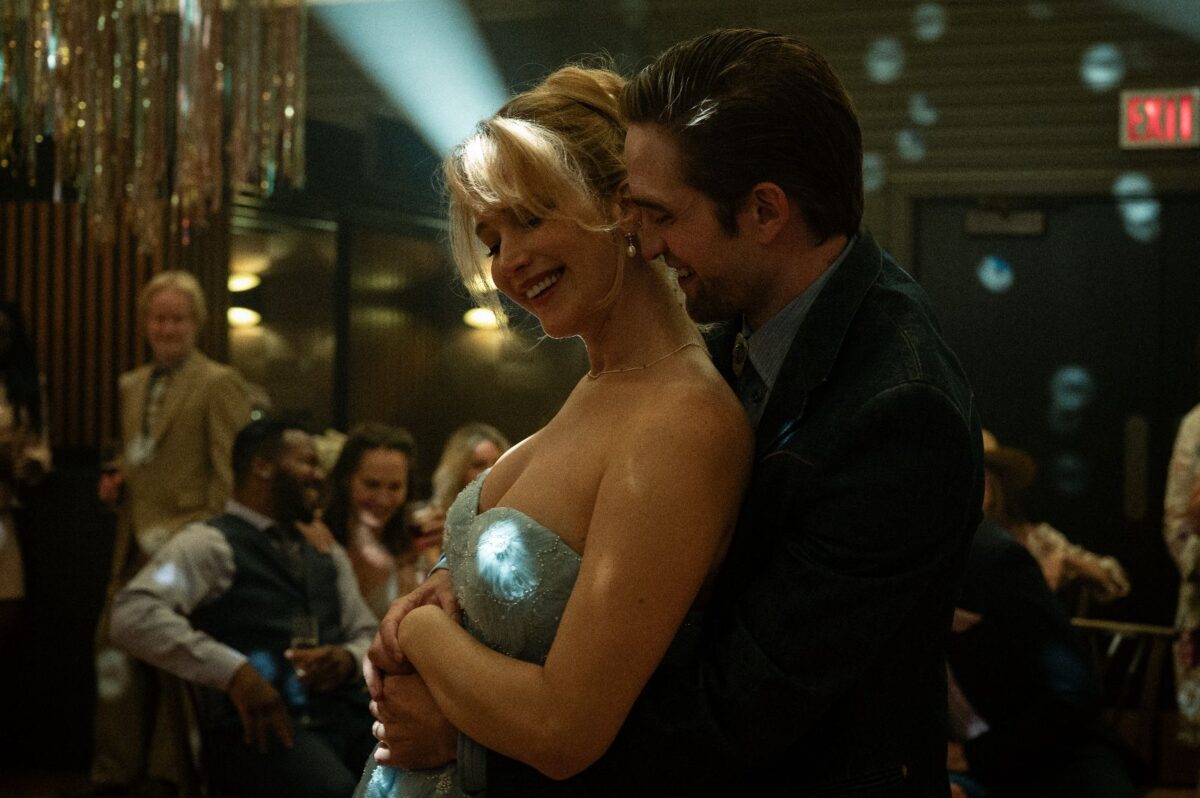
In Die My Love—Lynne Ramsay’s best looking, moving film—Grace (a ferocious Jennifer Lawrence) acts out irrepressible rage and inherent carnality. A blocked writer fearing abandonment, she becomes an unreliable narrator as she tries to make sense of her postpartum fluctuations. We haven’t seen a creature like her in some time, alienated from the restrictions life imposes on us. In a notable scene, her breast milk mixes with a pen’s splattered ink, a juxtaposition of elements producing a new kind of writing, a shot which then, in a surrealist nod, transitions into stars in the night sky seen through a telescope. Thankfully, Ramsay, a poet, doesn’t see meaning in tidy resolutions, but in compositions like these, or, as in the end, watching an irrepressible woman disappear into a burning landscape.
4. You Burn Me (Matias Piñeiro)
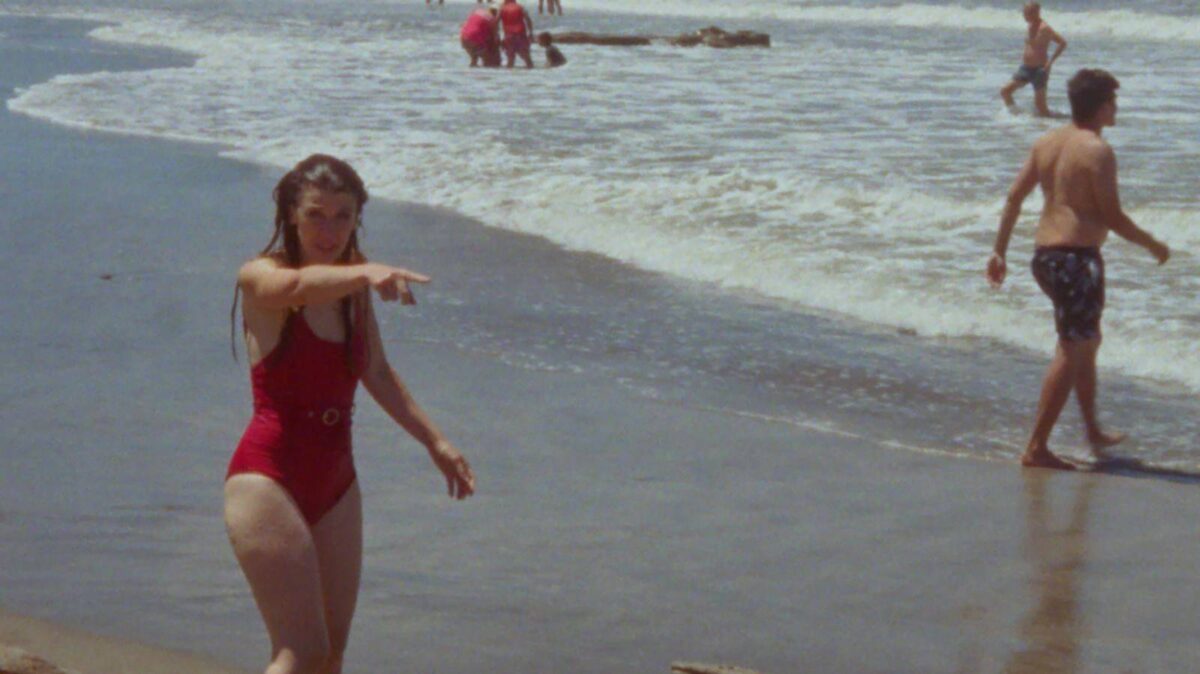
Through its accumulation of motifs, incantatory repetition (“for me/not the honey/not the bees”), and sojourns in Greece, Spain, and Argentina, You Burn Me, at 64 minutes, is a daring, incantatory ciné-poem that resists narrative cohesion in favor of a fugitive, footnoted form. I haven’t checked in with Matias Piñeiro since Hermia & Helena, but here he picks up Ceasare Paveses’ Dialogues with Leucò, which offers a close reading of Sappho, incorporating excerpts by Anne Carson and Natalia Ginzburg into his permutations. The film asks what kind of knowledge—and memory—can emerge when myth is treated as a living, unstable structure, foraging new poems for our trying, tumultuous times.
3. I Only Rest In The Storm (Pedro Pinho)

A bolt from the blue. From the outset, Pinho establishes a temporal plane that will be familiar to fans of the work of Abdellatif Kechiche and Miguel Gomes, filmmakers for whom every scene is an opportunity to craft a sequence where affective relations between different people from various cultures can be staged, where the outsider never gains entrance. It doesn’t hurt that you can’t take your eyes off its gorgeous cast: Sérgio Coragem, Jonathan Guilherme, and Un Certain Regard best-actress-winning Cleo Diára. Its unabashed depiction of sex won me over, solidified in the best surprise threesome of the year, in addition to actively taking on the aftereffects of the history of colonialism with an immersive, dirty realism amplified by Carpotxa and Mazulu’s incantatory music. I had never heard of Pinho before this, but after 217 minutes, I’m a fan.
2. Resurrection (Bi Gan)
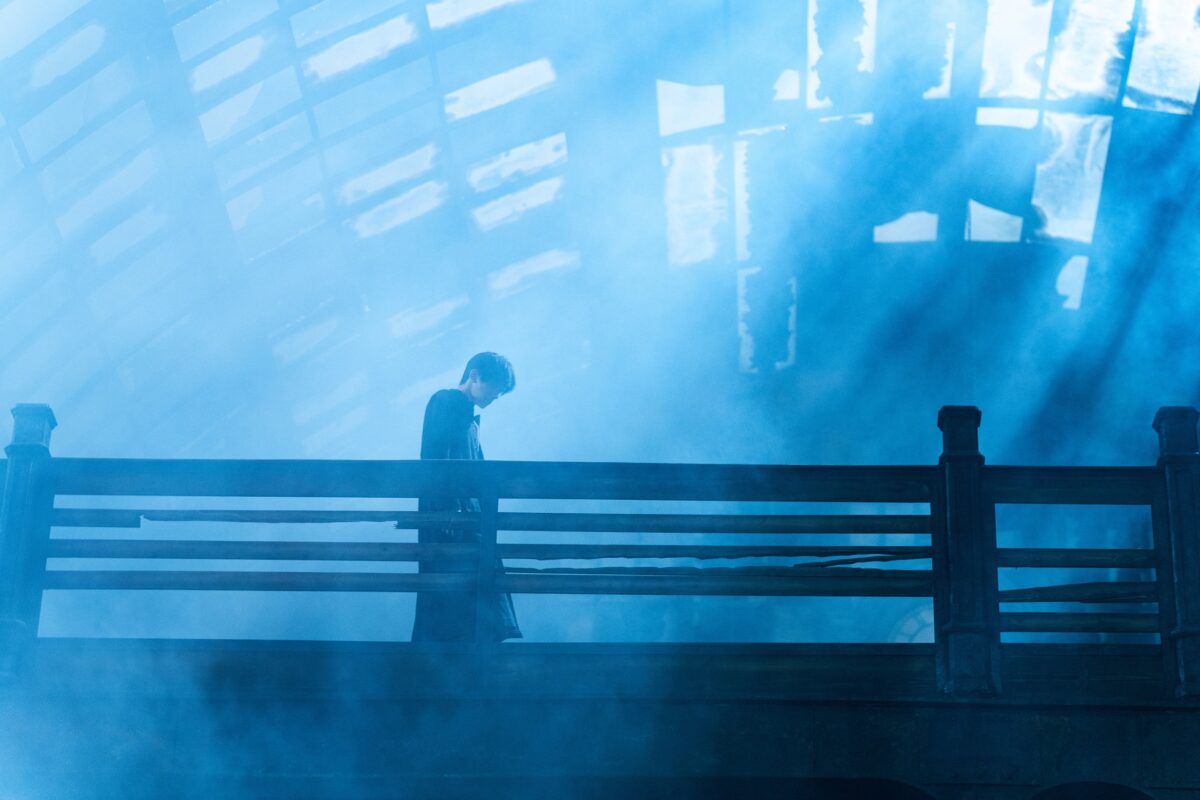
Every year needs its epic. By utilizing the five senses to structure his oneiric vision, each of which corresponds to an era in the first century of cinema, Resurrection follows Jackson Yee’s shape-shifting “Deliriant” in his pursuit clinging to the dreaming life. Within each of us are projectors playing the films of our lives: a daisy melting like a candle; blood gushing out of an ear; potatoes growing in the snow; the ashes of an ace of spades; the sun rising at dawn. Rather than reaching for transcendence, this ambitious labyrinth dispatched from the unconscious, a technically astounding and philosophically ripe experience, never presupposes coherence, heart or sense. It is necessarily opaque. “In order to understand, I destroyed myself,” wrote Fernando Pessoa—and as the final, evanescent images suggest, those acts of destruction might be the only thing worth living for in a world trying to rob us of our minds.
1. The Oslo Trilogy (Dreams, Love & Sex) (Dag Johan Haugerud)

Whereas the crisp, male-dominated Sex has the best score, and Love—with its bifurcated structure—has the most balanced script and a pair of stunning performances, the themes director Dag Johan Haugerud activates in his Oslo trilogy fully realize themselves in the delightful Dreams. A literary film touched by Rohmerian charm, the form is more intricate here, as well as its relationship to the consciousnesses of its protagonist Johanne (played by Ella Øverbye in a delicate performance bringing to mind a young Sandrine Bonnaire). As it explores the limits of subjectivity, the affairs of the heart, and one’s constantly mutating sexual identity, Dreams, like a blooming tea ball, loosens from the heat of Haugerud’s economical attention, before it unerringly unfurls its sumptuous pleasures. I want to live inside all these films.