
Following The Film Stage’s collective top 50 films of 2025, as part of our year-end coverage, our contributors are sharing their personal top 10 lists.
In a year where my favorite films are dominated by international and independent features, I cannot deny the strength and appeal of 2025’s two biggest studio pictures: Sinners and One Battle After Another. The former lands high on this list while the latter slots in somewhere on the back half of my Top 50. What do they have in common (besides both ironically being produced by Warner Bros. right before its potential sale to Netflix)? They’re auteur-driven by two filmmakers who began their careers on that independent scene.
They aren’t alone either. Chloé Zhao and Nia DaCosta started there too. Jan Komasa, best known as the director of International Oscar nominee Corpus Christi, started on the international scene before his latest landed at Lionsgate. I don’t think it’s a coincidence either considering the majority of Hollywood films (outside smaller studios like A24 and Neon) currently sink or swim on IP rather than originality. If studios aren’t willing to bankroll a Ryan Coogler or Paul Thomas Anderson in the hope that the finished product resonates, all they’ll have is videogame, superhero, and genre fare.
Netflix’s attempt to buy Warner Bros could therefore be seen as a hopeful development just as much as a destructive one. Yes, it will further deteriorate the notion of the theatrical window (especially now that it’s been announced WB films will only get seventeen days before streaming—something that’s slowly become a norm elsewhere already), but it might also mean adding legacy prestige back to the next Martin Scorsese or David Fincher film they were going to produce anyway.
It feels a lot like when the music industry finally acknowledged it needed to adapt to the changing technological and consumer landscape. The difference, of course, is that streaming took a chunk out of CD sales while leaving concerts unscathed. Hollywood’s shift to streaming has instead, colloquially, taken a bigger chunk out of box office hauls than Blu-Rays (as well as money from the pockets of creatives by low-balling streaming compensation packages just like music studios did). Is that actually true? Perhaps. One could argue that a movie theater’s inability to preserve its own sanctity by banning cellphones, enforcing etiquette, and scaling back commercials is the real reason people stopped going.
So, it will definitely be interesting to see how things progress in the next year. Will the Netflix sale be approved? Will Trump find a way to squash it and force WB into David Ellison’s hands? Will this whole private equity merger machine finally be stripped for parts as the obvious monopoly-making enterprise it is? Or will another studio like Sony fall too?
Frankly, as long as someone is giving Lynne Ramsay, Rian Johnson, and others the money to keep making films with final cut, isn’t that a victory? Maybe it’s my age, but I remember when the real problem was accessibility. No longer needing to worry about whether I’ll be able to see something by my favorite directors and only needing to figure out where to watch it is a nice problem to have in hindsight.
Honorable Mentions: April (Dea Kulumbegashvili), Hedda (Nia DaCosta), Plainclothes (Carmen Emmi), Rebuilding (Max Walker-Silverman), Warfare (Ray Mendoza & Alex Garland)
10. Anniversary (Jan Komasa)
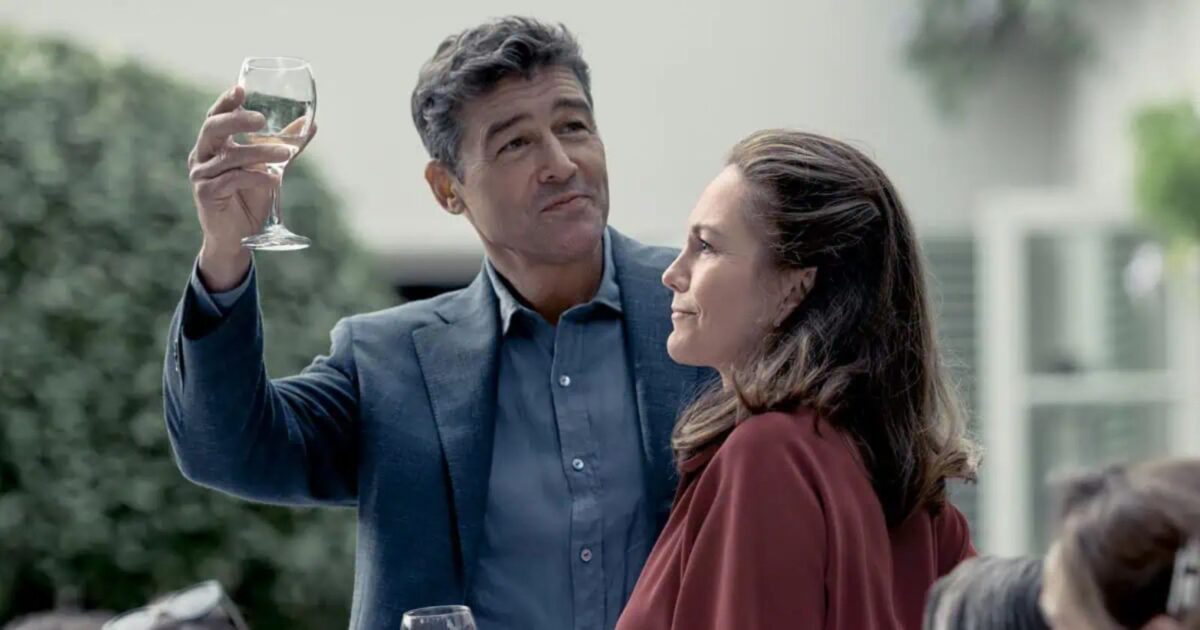
Rather than attempt to find an answer to the unanswerable problem of the American experiment, Jan Komasa and screenwriter Lori Rosene-Gambino’s Anniversary seeks to expose it. How equality breeds fear due to mankind’s selfish inability to accept anyone has as much right to your privilege as you. That even good intentions cannot combat the immovable reality of absolute power corrupting absolutely. And while the script’s five-year glimpse into one family caught within a political firestorm that proves how tribalism rendered “coming together despite differences” impossible can be heavy-handed in its mirror of MAGA autocracy, the emotional impact born from its machinations is impressively bolstered by an impeccable cast. It uses them to ask what you’d do under similar circumstances. Not hypothetically, but as preparation.
9. The Ballad of Wallis Island (James Griffiths)
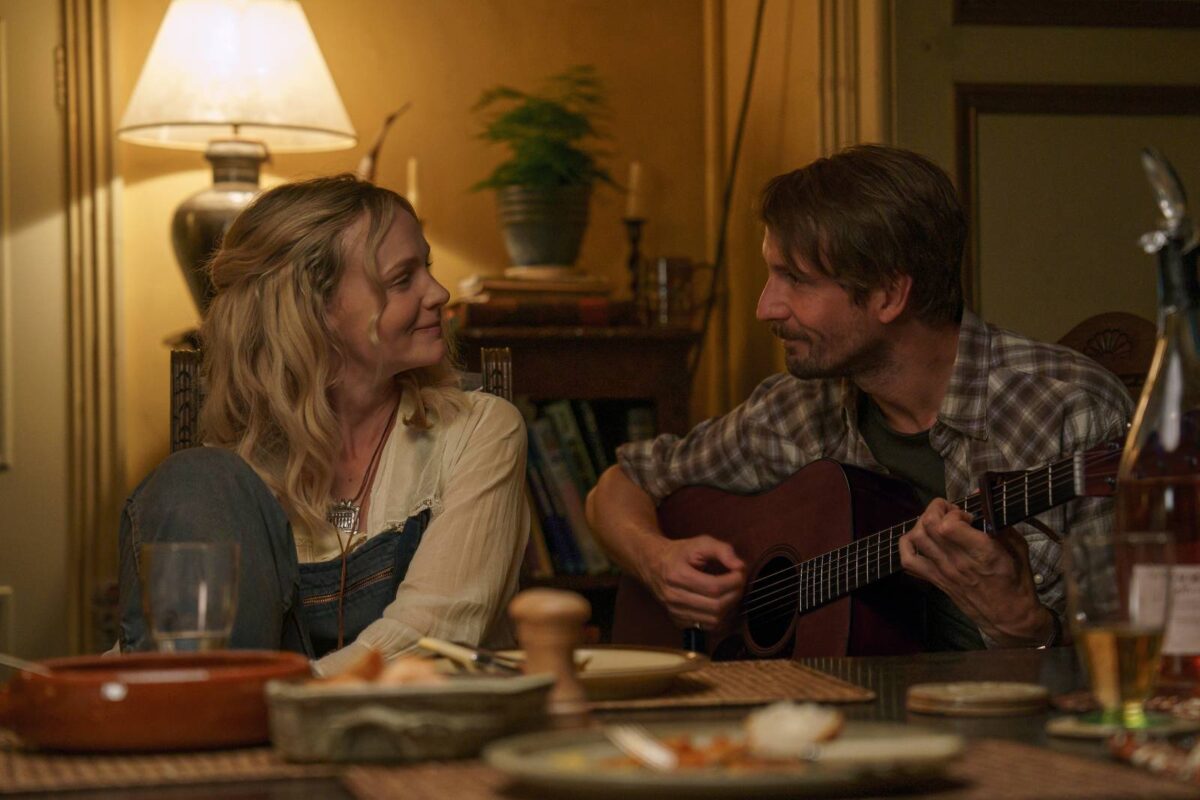
Just as John Candy so brilliantly taught us with Planes, Trains and Automobiles, James Griffiths’ The Ballad of Wallis Island shows how Charles’ (Tim Key) desire to emotionally latch onto Herb’s (Tom Basden) stranger isn’t a personality defect. It’s a defense mechanism combating an otherwise unbearable silence. And the latter’s refusal to meet his enthusiasm by embracing a past mired in regret also ensures he’ll be held prisoner by it just like the former is from hiding his own away under lock and key. It’s why Carey Mulligan’s Nell ties this dramedy together as someone who understands the potency of their respective losses despite rediscovering happiness in the aftermath. The power to move forward is yours alone.
8. Hamnet (Chloé Zhao)

I’m often quick to dismiss films remembered solely for stunt endings that outshine the rest, so it means something when a third act enriches the journey in ways that make me want to rewind and watch it all again. Chloé Zhao’s Hamnet did that. I was always engaged in its impeccably made drama, but its final set piece truly broke me. Because Agnes’ initial thought while watching “Hamlet” confirmed our own fears that it simply exploited her trauma. Only through Jesse Buckley’s expressive performance do we see the truth that it actually memorialized her son in a way that allowed the world to celebrate and mourn him with her. Zhao’s hope to portray the “alchemy” inherent to using art as a therapeutic outlet is fulfilled.
7. The Things You Kill (Alireza Khatami)
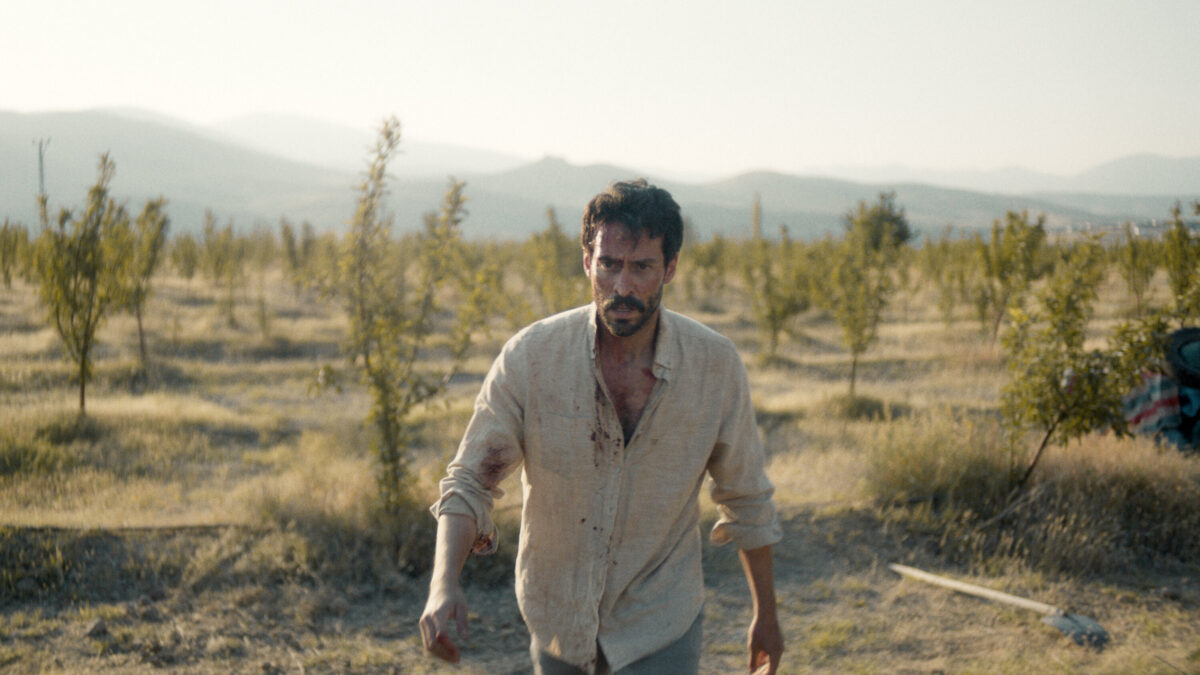
It’s one of the best shots of the year: Ali entering his hut while Reza’s approach is reflected in a broken mirror. The camera pushes in further as they interact until the surface blemishes on the glass disappear, shattering the veil between perception and knowledge to reveal a new reality composed of Alireza Khatami’s characters’ complex psychological reflections. The Things You Kill reminded me of David Lynch’s Lost Highway as its dreamlike transmutations exposed the universal violence intrinsic to patriarchal norms being used as law. Khatami set the film in Iran until the government demanded he remove a crucial event, causing him to use Turkey instead. His themes would work just as well in America too.
6. My Undesirable Friends: Part I – Last Air in Moscow (Julia Loktev)
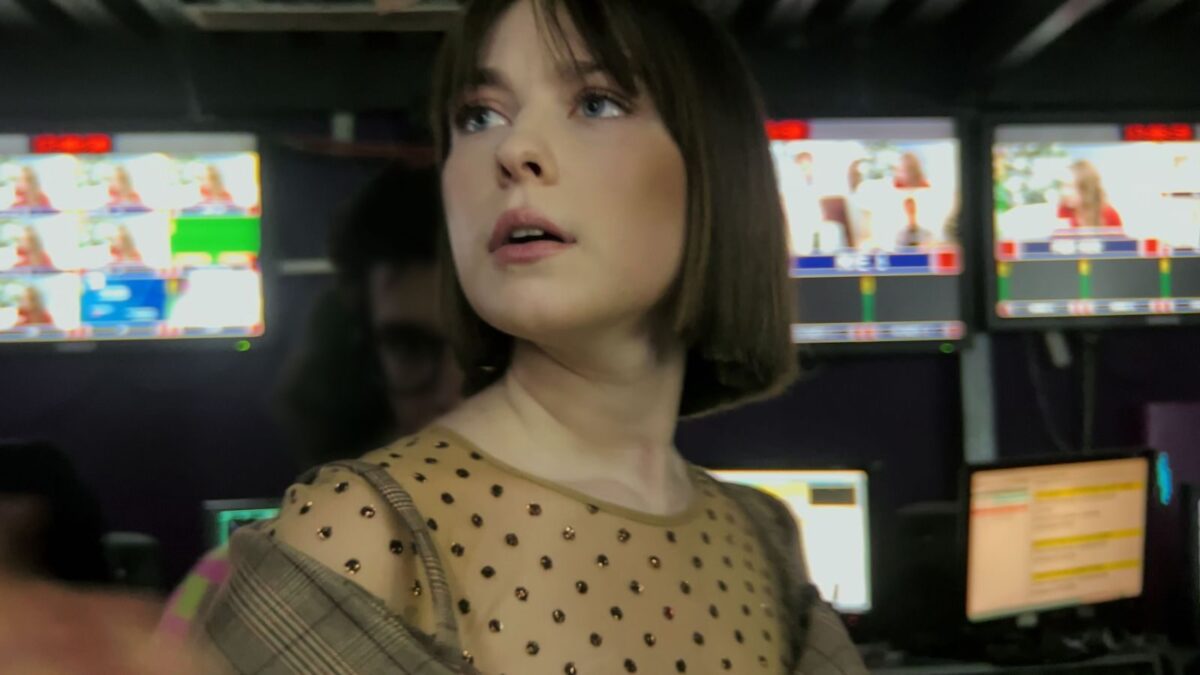
Should Julia Loktev’s My Undesirable Friends: Part I – Last Air in Moscow be a miniseries? Yes. If no one dared release it as such in the US, however, we must treat it accordingly. It therefore becomes an invaluable piece of journalistic independent cinema that gets to the heart of the political machinations and resulting human impact of our world’s descent into populism and authoritarianism. Not only does it put names and faces to courageous heroes fighting for freedom, but it also lays out the playbook used to suppress them so we can better understand when those same tactics are being used on us. Loktev has created a record of historical truths those in power try to erase from the public consciousness by any means necessary.
5. Sunlight (Nina Conti)
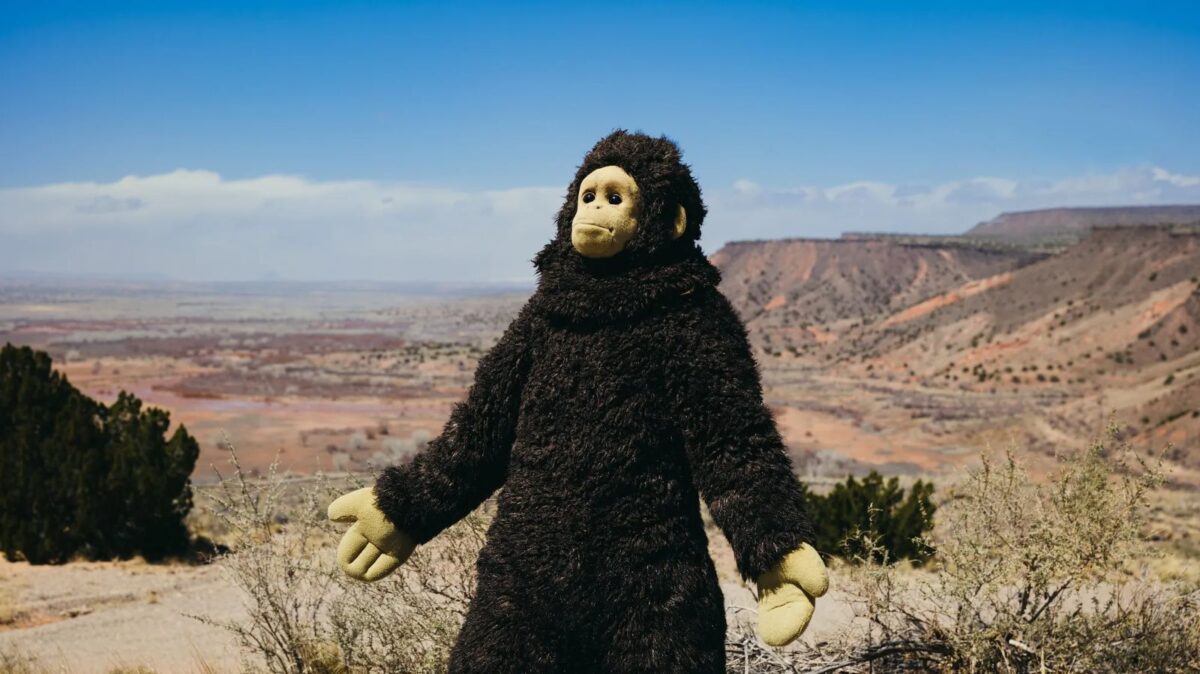
Watching a woman in a monkey costume drive a suicidal radio host through the desert after “borrowing” his Airstream while he was still unconscious is quite an introduction to the lead characters of Sunlight. It makes perfect sense, though, considering Monkey (writer/director Nina Conti) and Roy (co-writer Shenoah Allen) are desperate to escape the numbness “normalcy” has inflicted upon them. So, despite its overtly insane premise and specific brand of darkly sardonic hilarity, the film is a profoundly compassionate and heartfelt drama depicting their nonjudgmental journey towards those ends. It stays true to their fallibility by never undercutting the danger of their choices or turning their pain into a punch line. Every joke is instead born from the humanity their torment hasn’t yet extinguished.
4. Arcadia (Yorgos Zois)
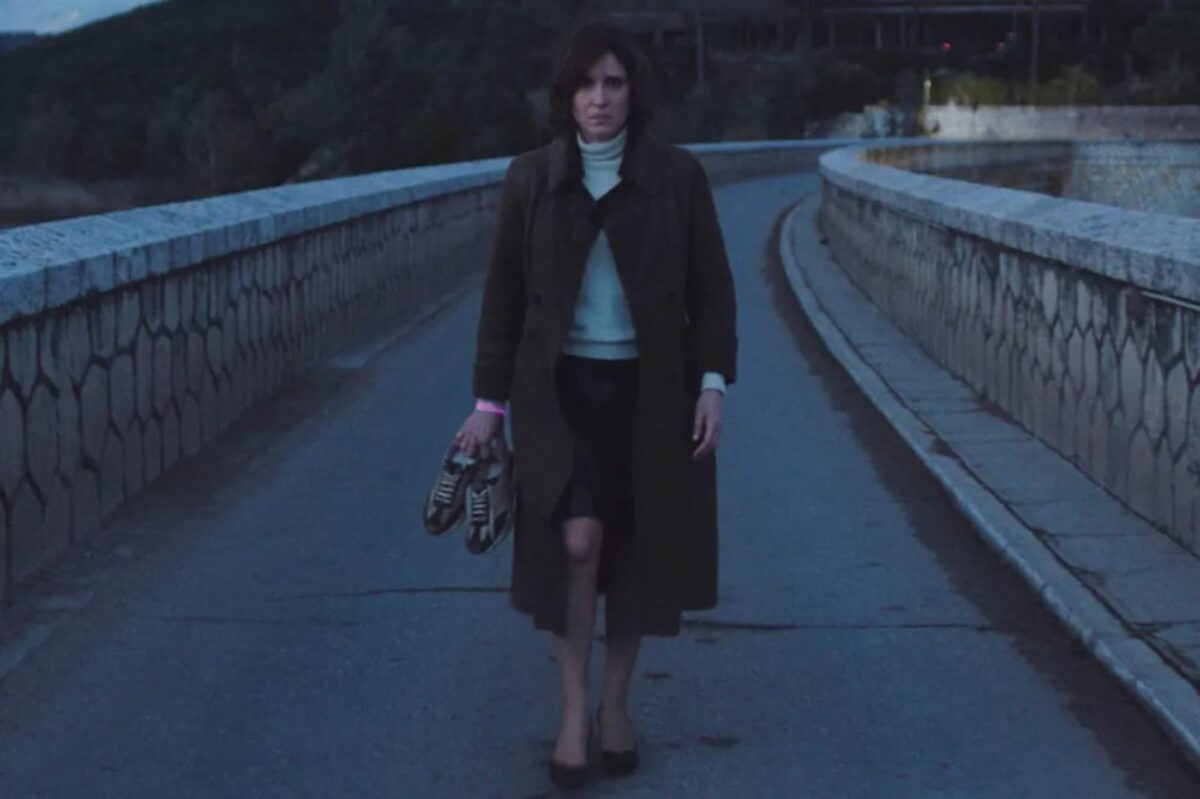
An elegiac subversion of ghost story conventions, Yorgos Zois’ Arcadia shows how the living actually haunt the dead. Grief dictates that “unfinished business” is a burden carried by the former who in turn unwittingly force the latter to continue their existence as echoes. Katerina (Angeliki Papoulia) and the other dead are therefore trapped to walk in the shadows of those whose hate, love, or guilt tethers them to a seemingly indefatigable sorrow. Only via orgasm can they begin reclaiming bits of their identities hidden from their captors’ memories and yet any answers found still won’t help them escape a purgatorial fate outside their control. Release is only possible if the living willingly let go, but most aren’t even aware they’re holding on. How beautifully melancholic is that?
3. The Sparrow in the Chimney (Ramon Zürcher)
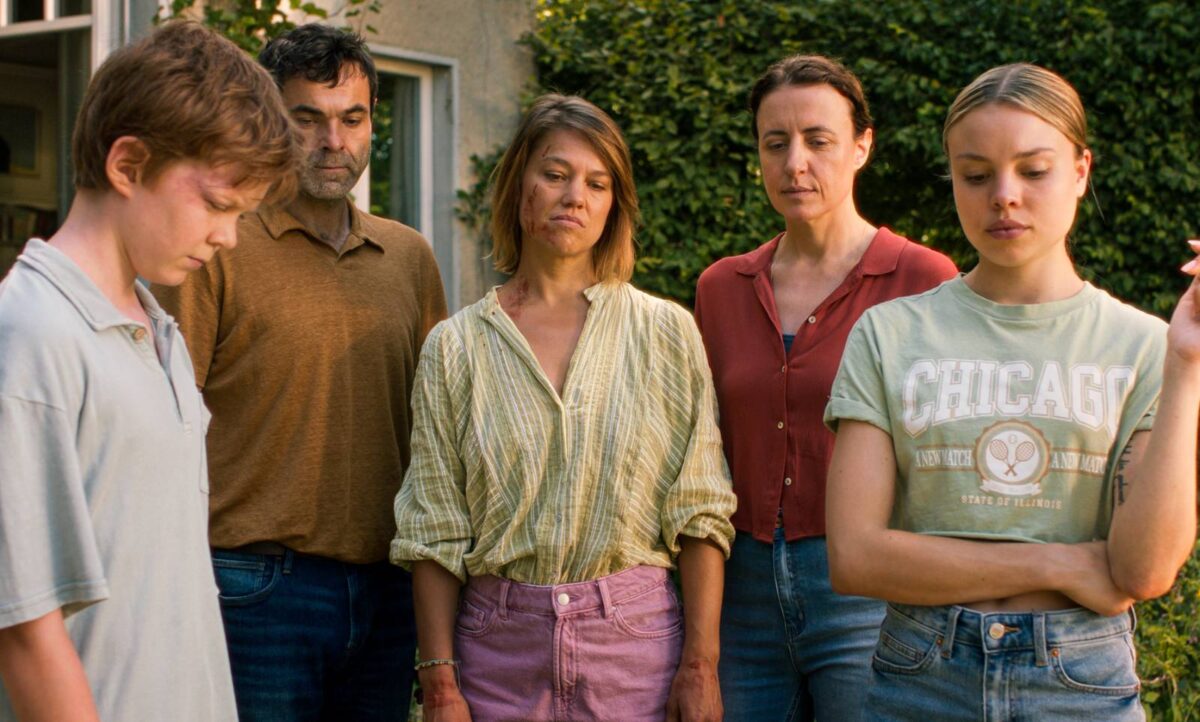
A haunted-house tale foregrounding human drama before supernatural horror, Ramon Zürcher’s exquisitely drawn The Sparrow in the Chimney focuses on our yearning to escape past trauma. Overflowing with metaphors and metamorphoses, the film uses its lead (Maren Eggert’s heartbreaking Karen) as a mirror to the cruelty she endured in youth and its complex, tortured origins. With stunning flights of darkly surreal fantasy set to an infectious bass line, we experience her silent struggle to show love when the crippling fear of her own children suffering the same fate ensures she instead fosters their hatred. Its incisively harsh yet poignant cleansing of familial demons by fire captures the rejuvenating power of letting go.
2. Sinners (Ryan Coogler)
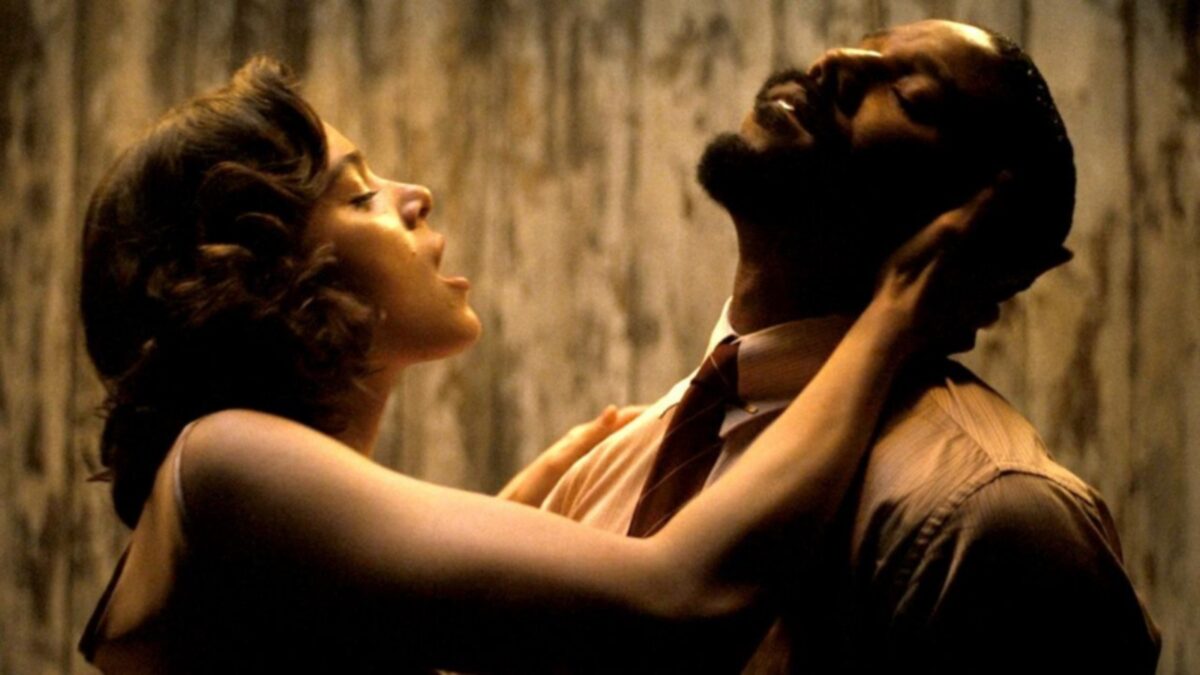
Ryan Coogler’s Sinners epitomizes the truth that you can still say something real without sacrificing the entertainment necessary to earn box office glory. And, despite its violence, he does so by inspiring us to set ourselves free from societal pressures, expectation, and doubt. Because the only person who should control your life is you. Evil will steal your genius for profit and good will trick you into believing laws and faith are incorruptibly in your favor. Each side weaponizes temptation with transactional imperatives wherein even immortality carries an asterisk by centering consumption over legacy (see Generative AI versus the human creativity it feeds upon). So, we must remember that the act of choosing how we die is just as powerful as choosing how we live.
1. All That’s Left of You (Cherien Dabis)
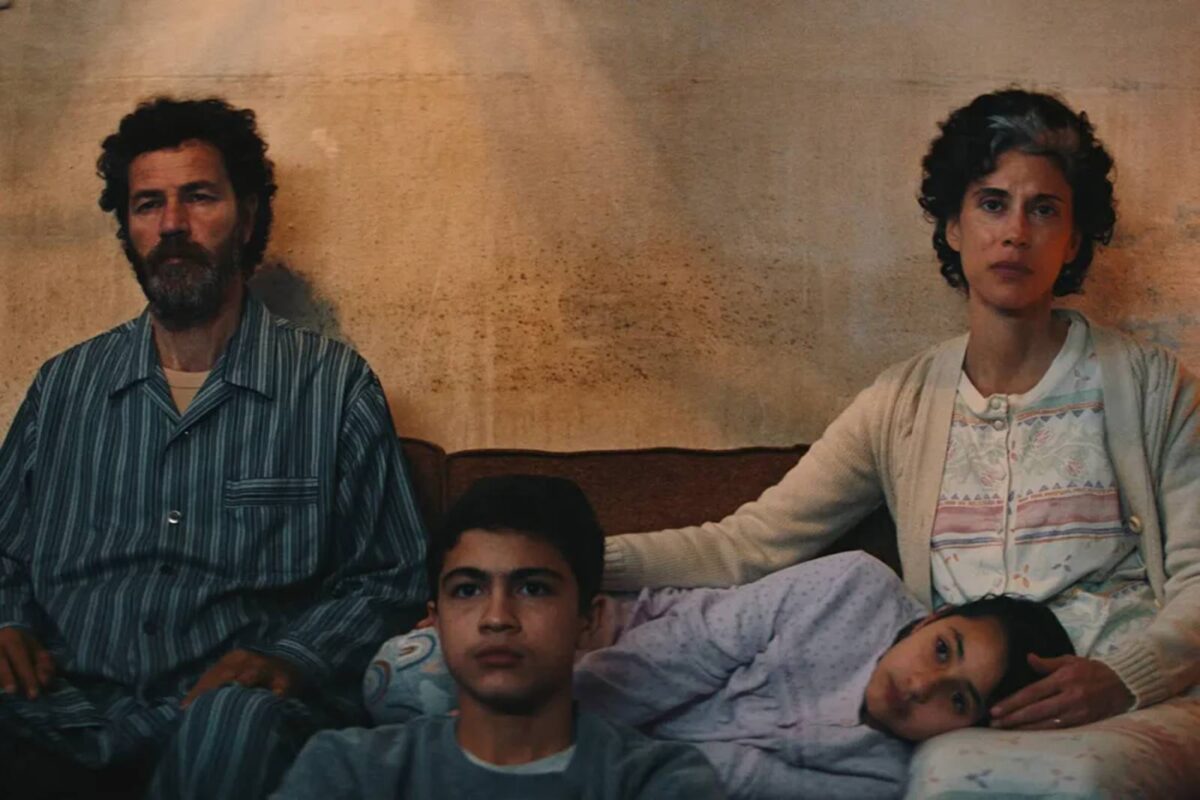
The seventy-four-year account of generational trauma at the core of Cherien Dabis’ All That’s Left of You seeks to name the one thing a Zionist cannot take: a Palestinian’s soul. Despite the horror, oppression, and violence endured by her characters, Dabis works to change the propagandized narrative that they deserve their pain. Her humanist message instead centers the lasting impact of love and empathy to instill hope that dignity will prevail. Yes, it’s angry and political by necessity, but it never sways from the idea that we all have the choice to be better than those orchestrating our destruction. No matter how hard Israel tries, Palestine remains alive in its people. Its history remains alive in their stories. Its heart continues to beat.