
Following The Film Stage’s collective top 50 films of 2025, as part of our year-end coverage, our contributors are sharing their personal top 10 lists.
If 2024 was defined by sleepless nights, punctuated with midnight film screenings, and a general feeling of over-tiredness, owing, in no small part, to the birth of my second daughter in the summer, 2025 was the natural extension of her getting a year older. She went off to daycare and I, well, got sick. Alongside my three year old, the two of them both brought home no end of colds, fevers, flus, and a number of various afflictions that are best left unspoken.
I spent most of the year sick. In fact, I’m sick right now. No one tells you this when you become a parent, but the first few years are often measured in the distance between colds. So, my film watching has, oddly enough, ebbed and flowed by the moments I’ve found myself in bed, a shot of Nyquil deep, wishing for something to take my mind off the fact that I have a 100-degree fever and an ever-growing pile of work to accomplish.
Part of that work was year-end screeners. While I’ve learned how to balance ailments related to parenthood, I still haven’t done so in regards to the end-of-year rush to see every movie. So, I have a mountain of screeners, and a steady stream of hot takes from friends and family members about films I’ve yet to see. “Marty Supreme needs to win Best Picture.” “Why haven’t you watched The Mastermind yet?” “Avatar is amazing.” “One Battle After Another is overrated.” “Eternals is a good Marvel movie.”
These are just a few of the texts I’ve received in the last few weeks, the final of which was too egregious not to mention, despite the fact that the movie came out four years ago. Not that I’m complaining, mind you. In some ways, these year-end lists are crowd-sourced. A negotiation between my wife, children, friends, and even the occasional family member who insists I need to see so-and-so. While this year, I’ve often had to say “I haven’t seen that yet” when it comes to Marty Supreme, Avatar, or The Mastermind, I secretly love that I’m the person that people come to share their favorites, least favorites, and under-appreciated. There’s honestly nothing better for me than an unsolicited text about a movie.
So, I’ll put my name to the list below, of course, but just know that it’s more of a community project than anything. And also know that my favorite film experience this year was a repertory screening of A Muppet Christmas Carol with my three-year-old, wife, and sister-in-law. My daughter has recently identified with Gonzo, an apt Muppet comparison if you ask me. So, watching her almost scream every time he showed up on screen was well worth the price of admission.
But, this is a list of new movies and, despite a few cheats, the ten best films I’ve watched from an admittedly narrow pool of choices.
10. A House of Dynamite (The First 39 Minutes) (Kathryn Bigelow)
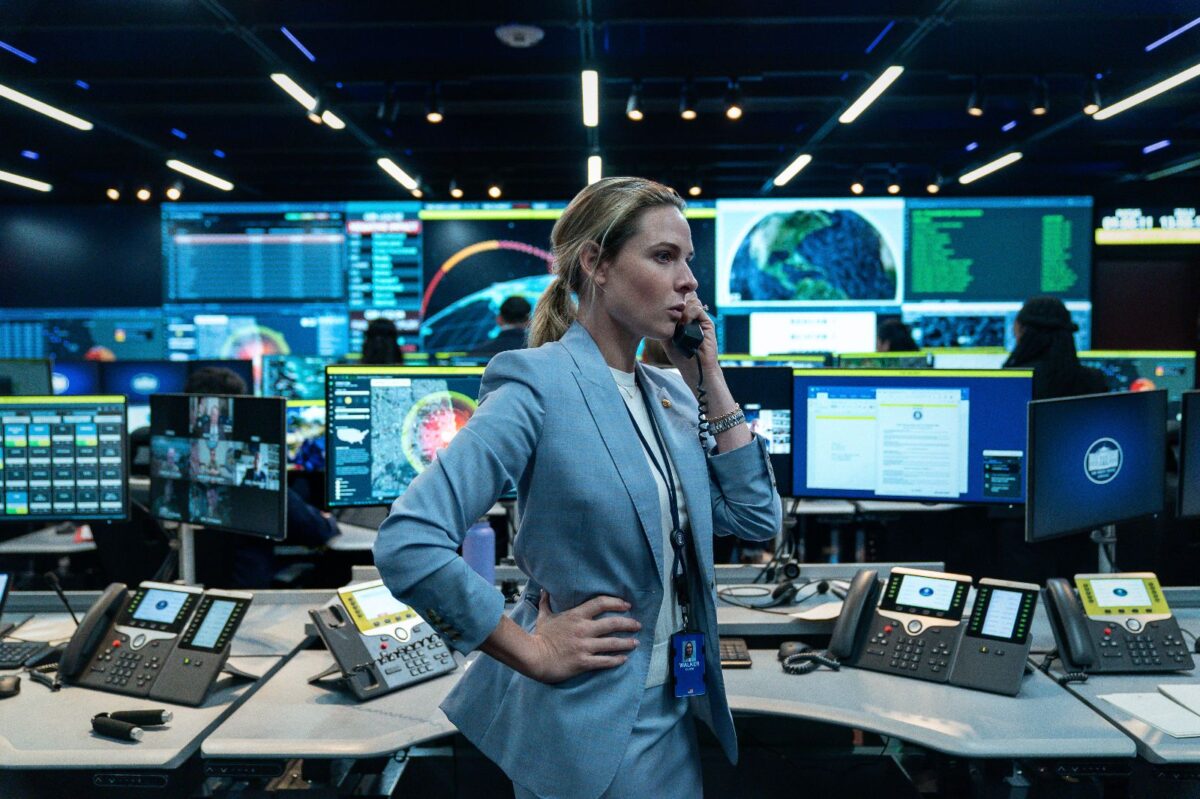
Shockingly, watched without a fever. Whatever can be said about the politics, Kathryn Bigelow’s semi-recent turn towards dissecting the military industrial complex, her recent run of films from The Hurt Locker on have still thrived on her almost preternatural ability to sustain suspense during elongated set-pieces (think the Bin Laden raid in Zero Dark Thirty). No other film this year pulled me more immediately in than A House of Dynamite, which, for my money, has the best stretch of filmmaking in her career. That initial Rebecca Ferguson-starring section ramps up the tension and has the type of narrative economy that Bigelow is known for.
But, to paraphrase a friend’s midnight text, what the fuck happened after that? Screenwriter Noah Oppenheim is, sadly, not Mark Boal despite their shared journalistic backgrounds, and Oppenheim’s polemical approach sacrifices things like nuance, character, and, eventually, plot, all in an effort to hammer home its point about nuclear proliferation. Do yourself a favor and just stop watching when that screen goes black the first time. If it stopped there, it’d probably be #1 for me.
9. Nouvelle Vague/Megadoc (Richard Linklater/Mike Figgis)

Had the flu for both screenings. On their surface, both Richard Linklater’s Nouvelle Vague and Mike Figgis’s Megadoc are essentially the same movie. In both, a self-confident filmmaker pushes his egotistical vision forward, attempting to silence the naysayers in the process. There’s only one difference really: Megalopolis isn’t very good. That’s coming from someone who will defend Youth Without Youth, Tetro, and even Twixt as a late-period resurgence for Francis Ford Coppola. Linklater’s film might be slavish in its recreation of the filming of Godard’s masterpiece, it’s also catnip for cinephiles and made me immediately put Breathless on. Megadoc, on the other hand, feels almost nightmarish in how Coppola insists on the same type of play that Godard wants, but also clearly has a pre-conceived idea of how the film should be. Not saying Shia LaBeouf deserves any sympathy here (or anywhere), but I also understood some of his annoyance trying to figure out what Coppola wanted and very much didn’t feel the need to revisit Megalopolis afterwards.
8. One of Them Days (Laurence Lamont)
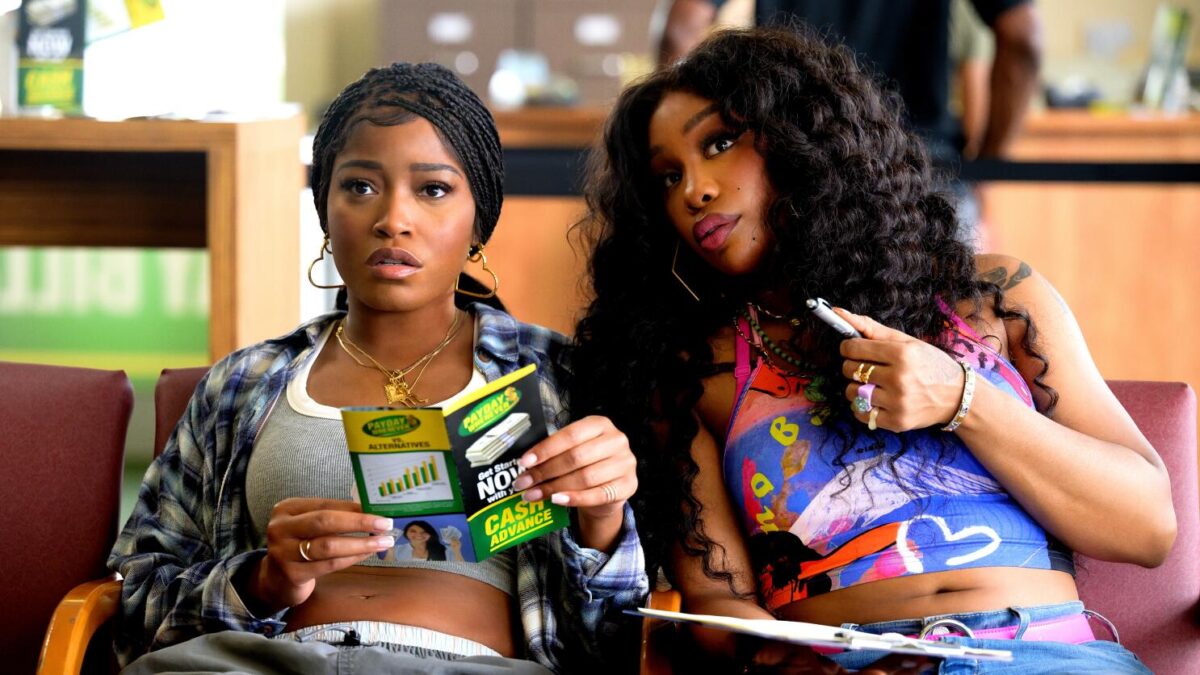
Watched feeling great with a Hot Cheeto Martini in hand. No movie made me feel better about humanity than One of Them Days, a chaotic single-day film in the vein of Friday. People may say the studio comedy is dead, but I offer this wonderful little film as a counter-claim. Keke Palmer can play this type of frazzled in her sleep, but the real revelation is SZA. Both ground the absurdity of their terrible-no-good day, as they frantically try to recoup stolen rent money. A film built around singular set-pieces, each one wonderful. My favorite, though, by a mile: Kat Williams playing a man protesting the payday loan business. A wonderful Saturday night movie.
7. Relay (David Mackenzie)
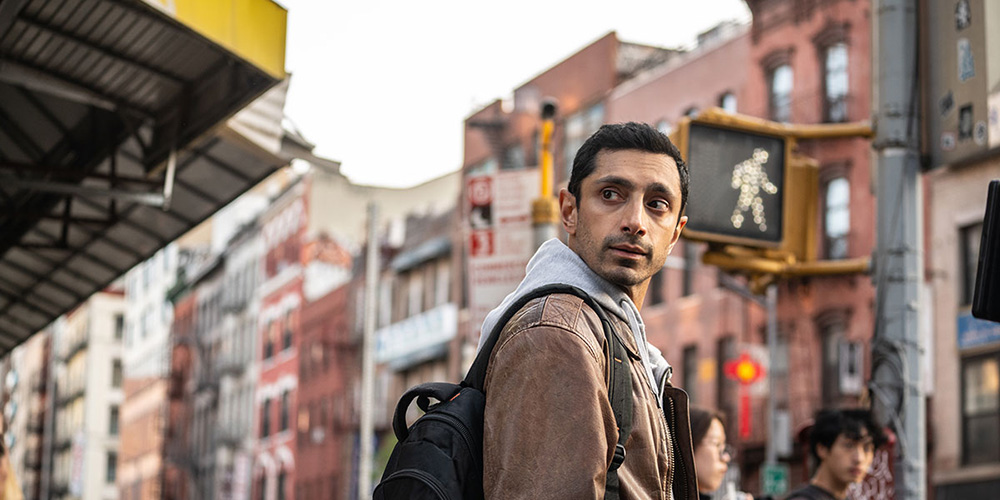
Watched with a minor cold. Much like A House of Dynamite, Relay is a film that almost sacrifices all of its goodwill for an ending that is so patently bad that it’s something of a wonder that all of the very talented people making it didn’t pause once to consider the logic of its twist. But, before that final 20-minute stretch, this is a truly wonderful little thriller with a novel approach. With Riz Ahmed playing an intermediary who uses a relay service as a means of anonymity and Lily James as a whistleblower just trying to negotiate her way out, director David Mackenzie aptly recreates the type of ‘70s paranoid thriller that feels sparse these days. Mackenzie also rarely makes the same type of film twice, so I’m excited to see his next Fuze to be of a similar genre. Also, for everyone that jokes Sam Worthington just waits around for James Cameron to call in between Avatar sequels, he’s actually very good in this as a corporate fixer.
6. Presence (Steven Soderbergh)
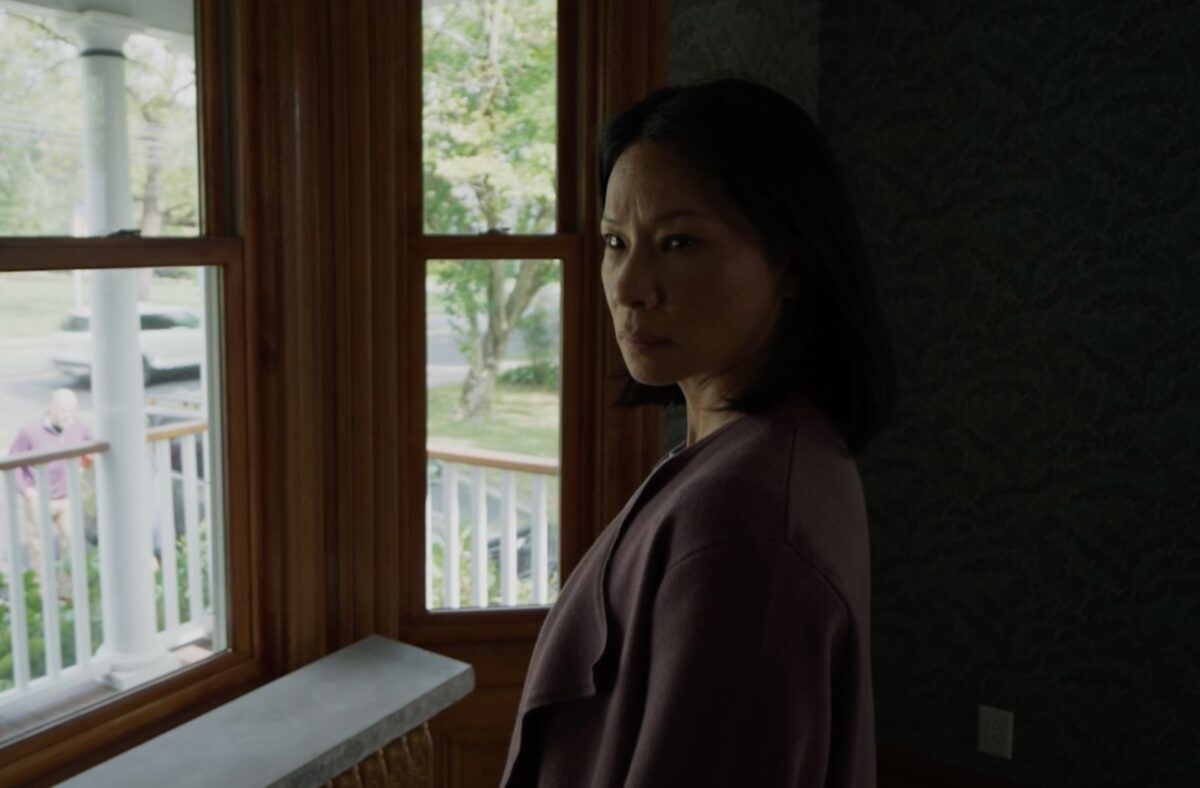
Midnight viewing with 100-degree fever. This also could be a split vote, as Steven Soderbergh released two exceptional films this year. Whereas Black Bag felt like a natural extension of Soderbergh’s clinical approach to genre experimentation, I nevertheless preferred his other David Koepp-scripted curio. Presence is a literal ghost movie in only short but important increments, more interested in using its specter-like presence to observe a family crumbling from the inside. Yet, what at first seems too observational, as if Koepp and Soderbergh only use the tropes of the haunted house as an excuse to stage a domestic drama in the first-person, soon twists back on itself in interesting ways. When a certain face appeared in the mirror right at the end, I found myself rushing to wake my wife to, annoyingly, recount everything about my fever-induced viewing.
5. Hamnet (Chloe Zhao)
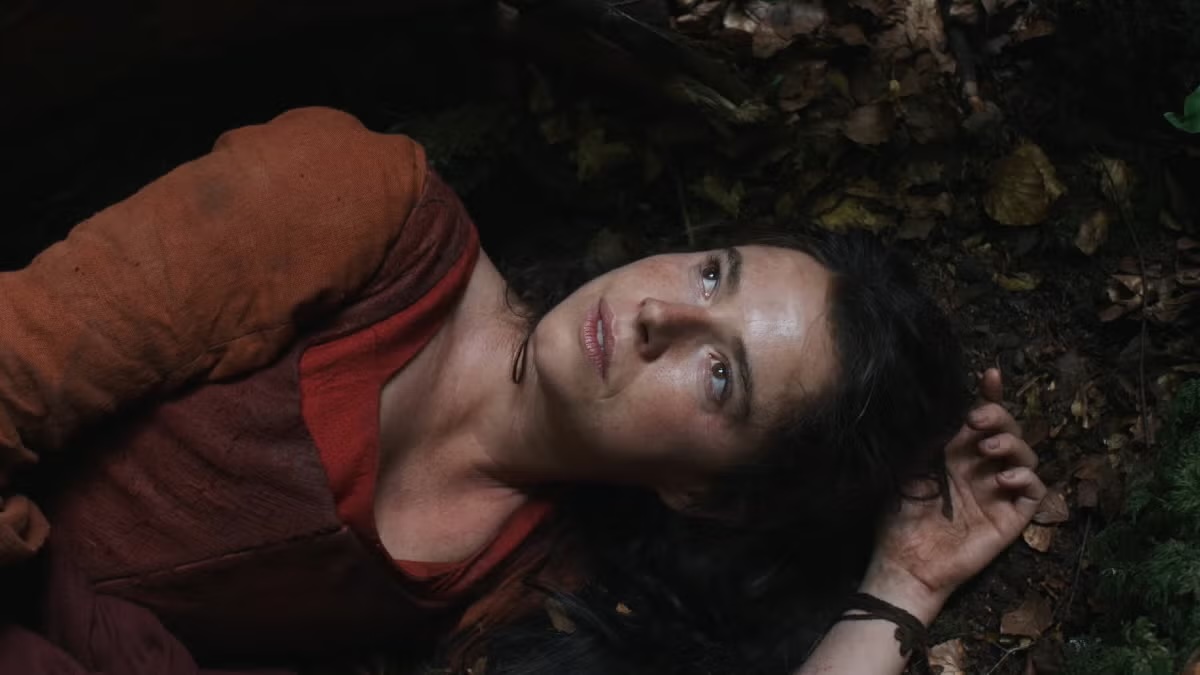
Viewing interrupted by a sick child waking up right as Hamnet dies (spoiler, I guess). As I said above, Eternals is terrible. The type of terrible that makes you rethink if you even liked a filmmaker in the first place. But Zhao comes roaring back here with a film that is so acutely rendered and moving, that it transcends its Oscar-baity status. Jessie Buckley is probably going to win Best Actress, and she’ll be well deserving for a performance that tightly balances grief and the knowledge that life has to go on. By sidelining Shakespeare for much of the film, Zhao narrows in on the price his family has to pay for his artistry. The final stretch, where we see Hamlet performed through her perspective, is one of the most shattering viewing experiences I’ve had in a long time.
4. Eephus (Carson Lund)
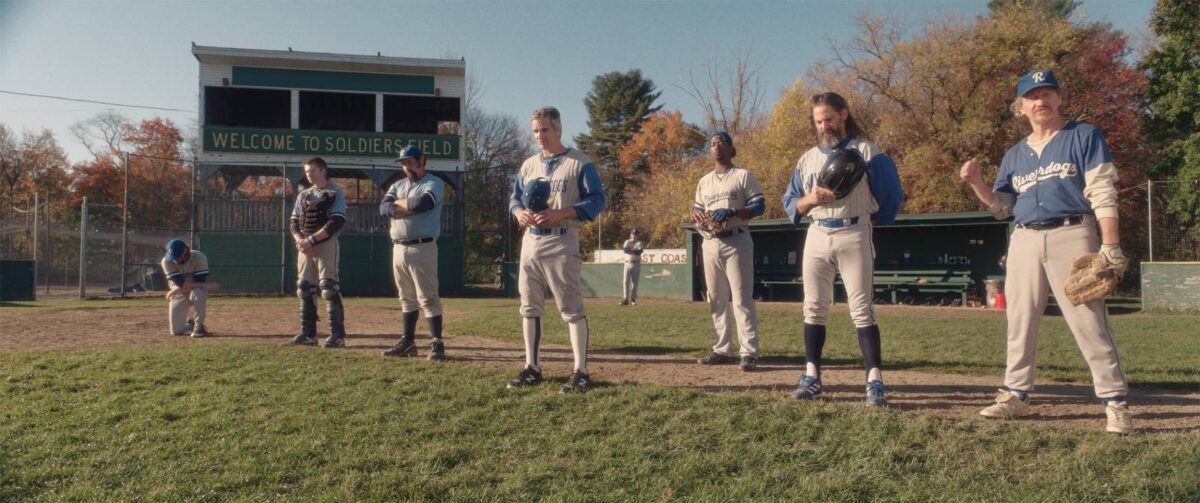
Watched through the haze of a splitting, week-long migraine. There’s no shortage of “baseball is a metaphor for life” movies out there, but Eephus never really concerns itself with the game. I couldn’t tell you the final score or, honestly, who won. Instead, it showcases the friendships and rivalries that are born out of playing. For most of the players, the game is just an excuse to drink beers and shoot the shit, which Lund uses as his own structuring principle. It’s a hang-out movie that feels so deceptively loose that by the time the game finally ends, you realize how close you’ve gotten to these twenty or so characters. A film that truly invokes the feeling of an end of an era.
3. It Was Just an Accident (Jafar Panahi)
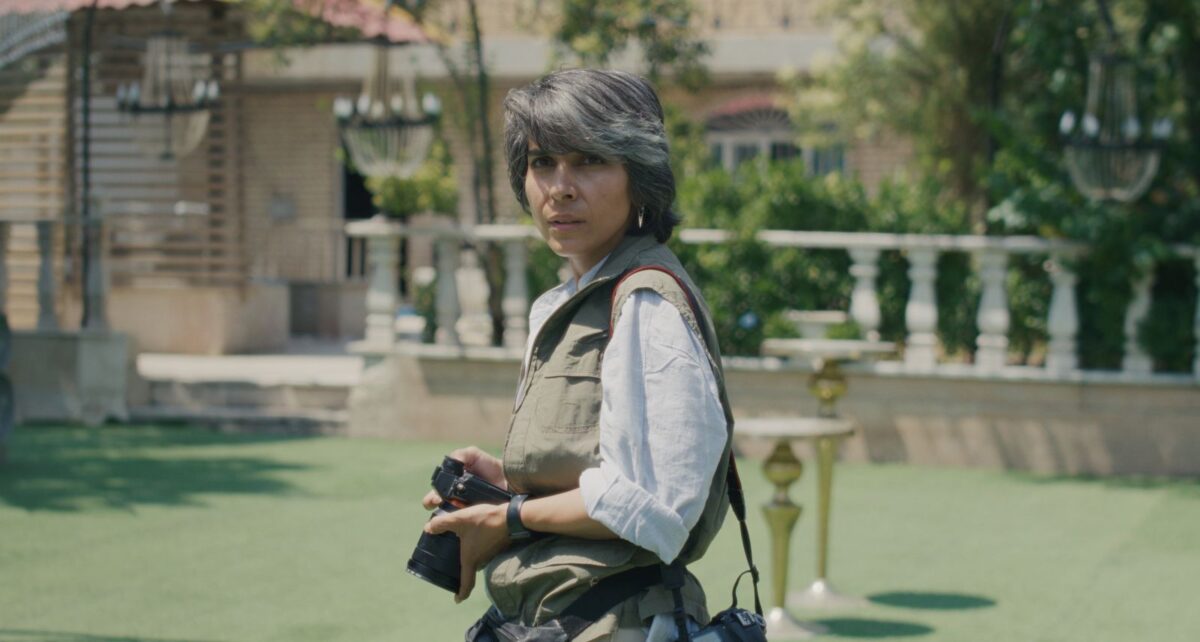
Watched with a mild cold and two very sick children. Jafar Panahi’s Palme d’Or-winning film is, rightly, getting all the acolytes. The film refines so many of Panahi’s best filmic traits. A thriller, morbid comedy, and political statement rolled together, it’s a film that moves from existential dread to slapstick with a deftness so rarely seen. Also, I’ve never seen such a takedown of the tip economy. When the security guard pulled out a card reader, I had to do a double-take. This was a film that I went into expecting a somewhat distanced rendering of the trauma of being a political prisoner, only to get something much more humane and, at the end, terrifying. When those footsteps approach at the end, and Panahi holds the shot on the back of Vahid’s head, I could feel the hairs on the back of my own neck.
2. One Battle After Another (Paul Thomas Anderson)
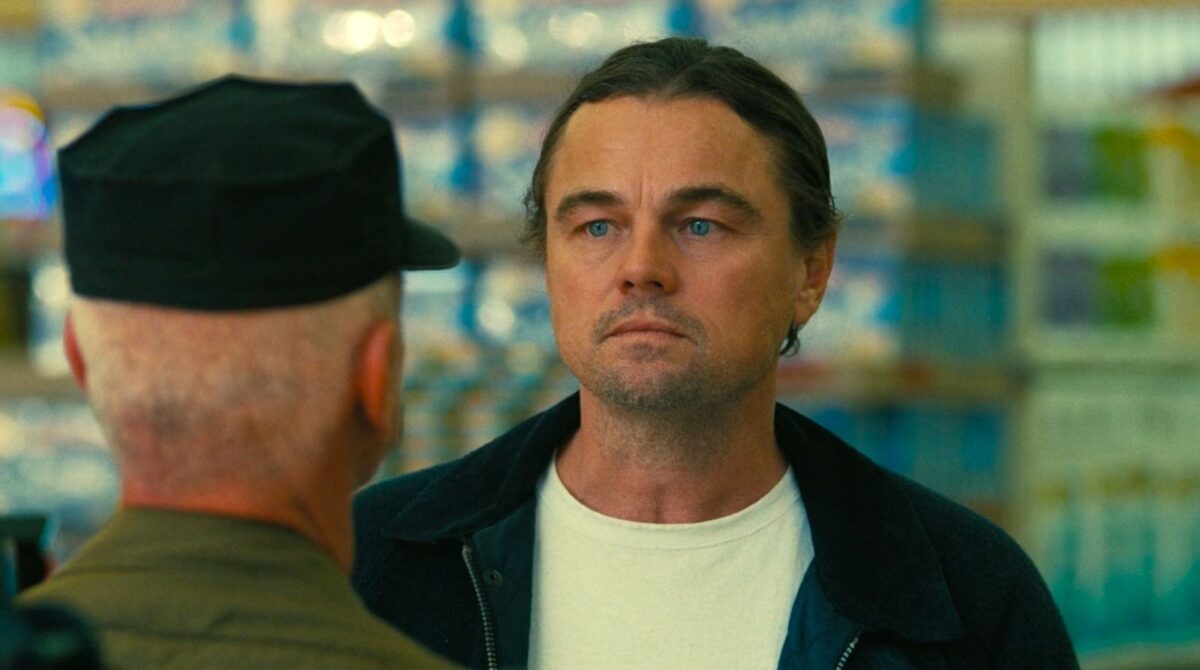
I saw this in a movie theater, a rare excursion these days. Forty minutes into PTA’s newest, an elderly man dressed almost head-to-toe in American flag apparel finally had enough, loudly got out of his seat, and stormed out of the theater. I was less shocked than I was confused why it took him forty minutes. You would’ve thought Sean Penn’s erection in the first five minutes would’ve done the trick. As someone who was somewhat baffled by the ecstatic praise for Licorice Pizza, I’m happy that Anderson has moved back to the type of big-swing opus that he excels at. Funny, horrifying, and mostly just a propulsive trip through the upside-down that is America right now, it’s the film that I’ve found myself thinking about the most. Also, this has to win Best Picture, right?
1. Train Dreams (Clint Bentley)
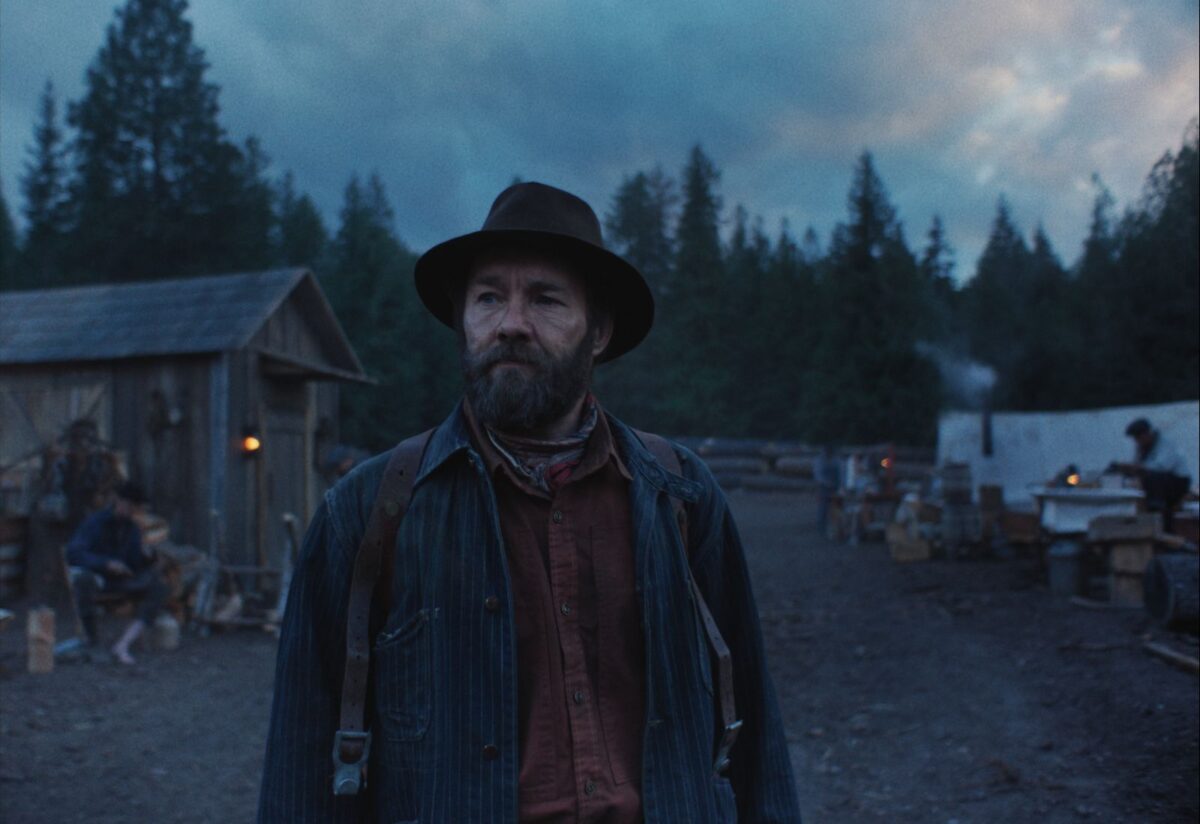
Watched in bed with my sick one-year-old. Another deceptively complex film. Clint Bentley and his creative partner Greg Kwedar have taken Denis Johnson’s lark of a novella and distilled it down to a moving exploration of a life interrupted. Joel Edgerton’s Robert Grainier undergoes a profound tragedy and is then forced to continue living as a shell of his former self. But, like Zhao in Hamnet, Bentley isn’t interested in melodrama but, instead, in the ways that people form communities and can slowly heal from the horrors that life sometimes inflicts upon us. In almost every scene, Train Dreams feels alive with the type of humanistic portrayals that Bentley and Kwedar have brought to their previous projects. Also, not for nothing, but my one-year-old was enraptured by this film.