
Our year-end coverage continues with a look at the best performances on film of 2025. Rather than divide categories into supporting or lead or by gender, we’ve written about our 30 favorites, period. (Well: a few more, if you add some groupings we couldn’t leave out.) Find our countdown below and start watching the ones you’ve missed here and here.
30. Tom Cruise (Mission: Impossible – The Final Reckoning)
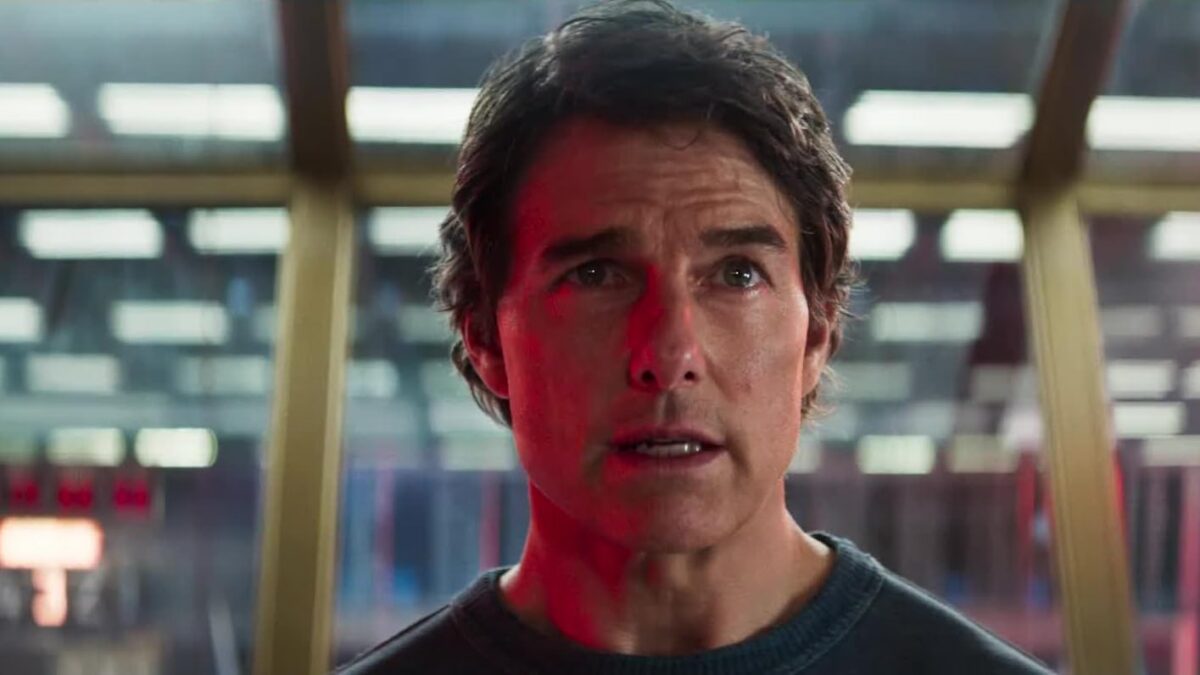
It’s now a cliche to note Tom Cruise’s commitment to a set piece. What more do we have to say here other than the man quite literally hung off a biplane for our entertainment? That final stretch of wingwalking is one of the most audacious stunts in a career with too many to recount. For those 20 minutes, The Final Reckoning actually soars. Is the rest of the film as good? Of course not, but it frankly doesn’t matter. Eight movies in, Cruise has fine-tuned Ethan Hunt. His ability to make Hunt feel human when we all know he’s essentially a superhero is a testament to how, outside death-defying stunts, Cruise always makes sure to show you the absolute fear Hunt has. You always get the sense that he would rather not, say, jump out a plane with a burning parachute on. But you know he’s going to do it anyway. – Christian G.
29. Harry Melling and Alexander Skarsgård (Pillion)

Looking back on all the names of his class, it’s remarkable to think Harry Melling would have the more interesting career. From his work with the Coens and James Gray to his endearing lead performance in the wildly entertaining Pillion. Director Harry Lighton’s use of Melling as the maladroit Colin is only eclipsed by his adept deployment of the commanding presence of Alexander Skarsgård as Colin’s imperious companion Ray in their dominant-submissive relationship. A rewarding and necessary counterbalance for the ostensibly cruel treatment is the guileless joy we see on Colin’s face as he tip-toes around the coiled snake that is Ray. Their stature and winning characterization well serve the opposites-attract dynamic of the sheepish tenor parking cop and the advancing panther clad in leather that facilitates Lighton nailing the awkward trepidation of dating someone way hotter than you. – Kent M. W.
28. Masaki Suda (Cloud)
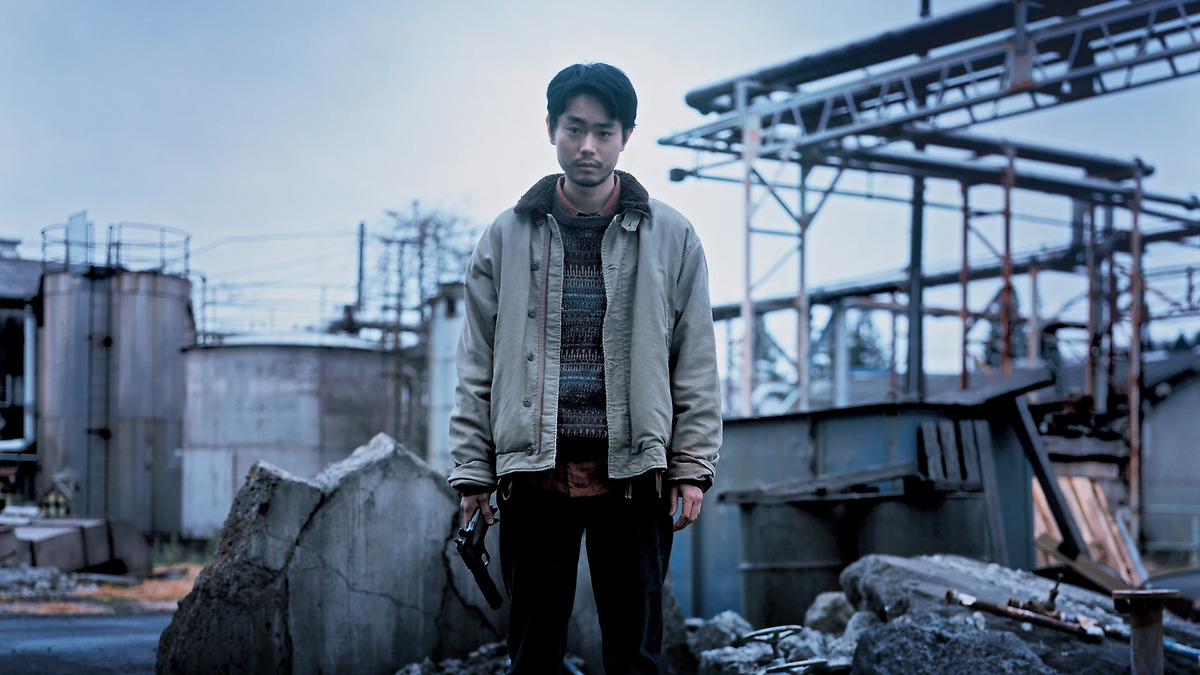
It’s in Masaki Suda’s eyes. They’re alight like a flame, an unsettling intensity driving Yoshii to achieve greater and greater success in the world of online product-scalping. That fire diminishes as events unfold. A flicker of fear? Who could say. This is a man constantly trying to seem assured, to keep his cool as the world closes in. Suda moves through warehouses and offices to conduct business like a man possessed, an increasingly suffocating Bressonian steeliness to his performance that pushes Kurosawa’s film towards murkier waters. As Suda stares out at the road ahead, who knows what he sees. – Blake S.
27. Denzel Washington (Highest 2 Lowest)
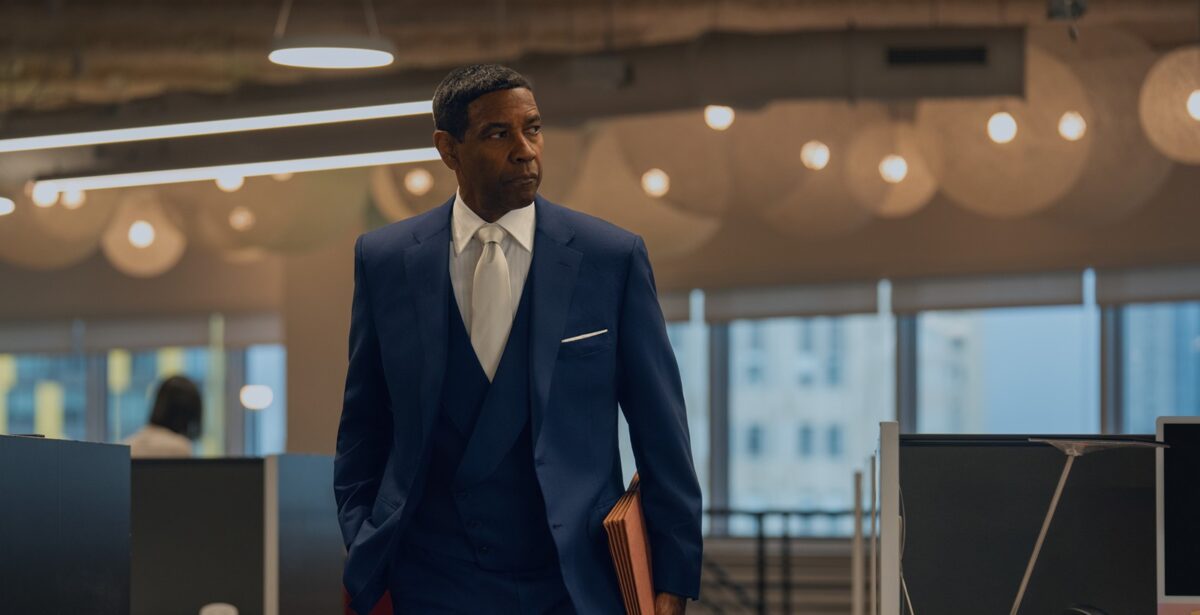
Denzel Washington, collaborating with director Spike Lee for the fifth time, balances melodrama and high tension in Highest 2 Lowest. A remake of Akira Kurosawa’s High and Low, the film forces Denzel into a high-wire act of supporting a weaker script and an odd score, still giving the veteran actor scene after scene to showcase his power portraying a music mogul. He’s captivating as ever. He has a force in the film, an ability to turn on any emotion that is required, speaking as the most important person in every room. It’s a performance that shows the weight of Washington onscreen. Regardless of whatever the other actors might or might not be doing, including an excellent A$AP Rocky opposite him as the kidnapper, Washington’s voice, face, and persona dominates. In one scene, he closes his eyes and shadowboxes in the car while listening to James Brown, sitting next to Jeffrey Wright as they drive to get revenge. Like everything else he does, it’s mesmerizing. – Mike F.
26. Ia Sukhitashvili (April)

There is one starting moment near the beginning of April where a man, angry regarding an act of negligence in the hospital, spits violently in Nina’s (Ia Sukhitashvili) face. This is the sort of brimming fury that surrounds her character, and Sukhitashvili presents a perfect blend of steadfastness and tension to every situation. She performs abortions for women in the village and has to do so with conviction and speed, but you can sense in her movements and eyes that she’s afraid to be too quick, too efficient, too bold. It’s in the domestic situations of these homes, where she exhibits the feeling of walking barefoot on glass, that the power of the film’s ethnographic and cultural fissures are broken wide open. – Soham G.
25. Tim Robinson (Friendship)
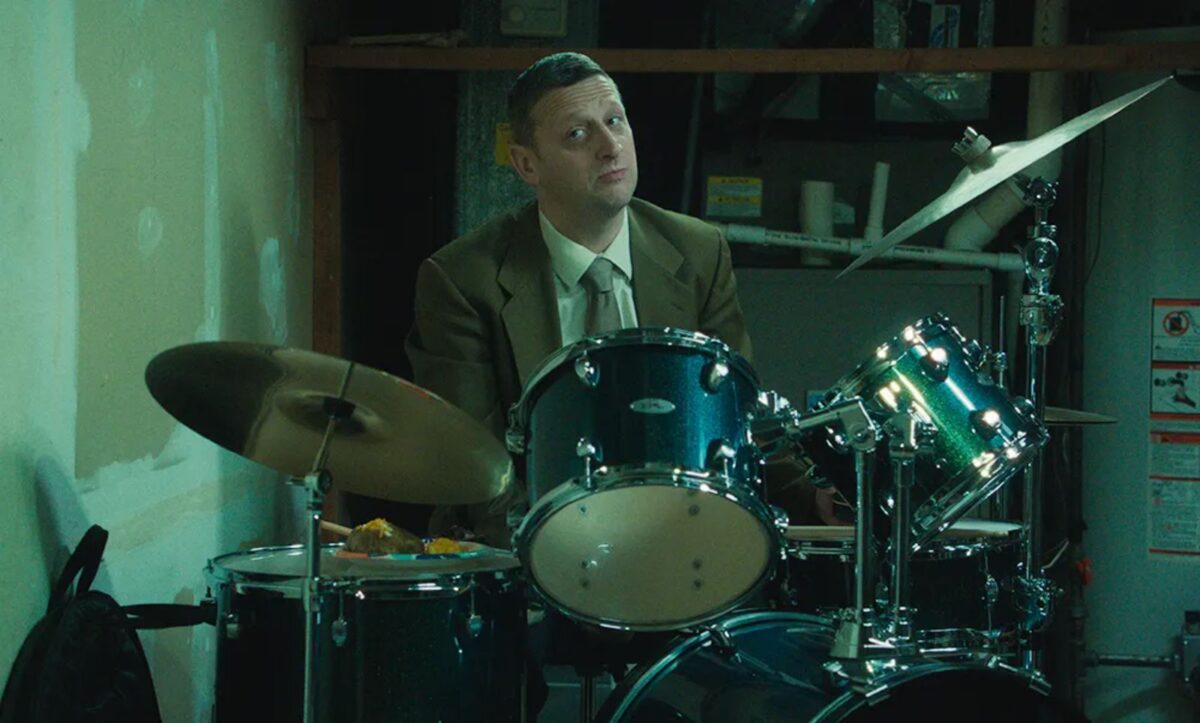
Tim Robinson’s finely tuned comedic persona––the angry middle-aged guy struggling to save face in a situation they can never truly grasp––has long proven easy to adapt to the most outlandish scenarios. That director Andrew DeYoung wrote the character of Craig Waterman specifically for Robinson is no surprise, but the filmmaker and star find quietly revelatory ways to expand his comic identity beyond the confines of even the most high-concept of I Think You Should Leave sketches. Detractors might say Robinson plays the same role as always, but placing him into the most grounded of scenarios (a suburban dad befriending the cool new neighbor, played by Paul Rudd) manages to better expose the put-upon everyman hiding beneath the hot-headed persona, a stressed fish-out-of-water in his home and the workplace. Even to fans of his reliably unpredictable Netflix show, there’s a thrill to seeing one of his characters developed beyond the three-minute confines of a sketch; it feels like each of the previous descents into madness could have begun from navigating personal and professional lives that looked like this. – Alistair R.
24. Ben Whishaw (Peter Hujar’s Day)
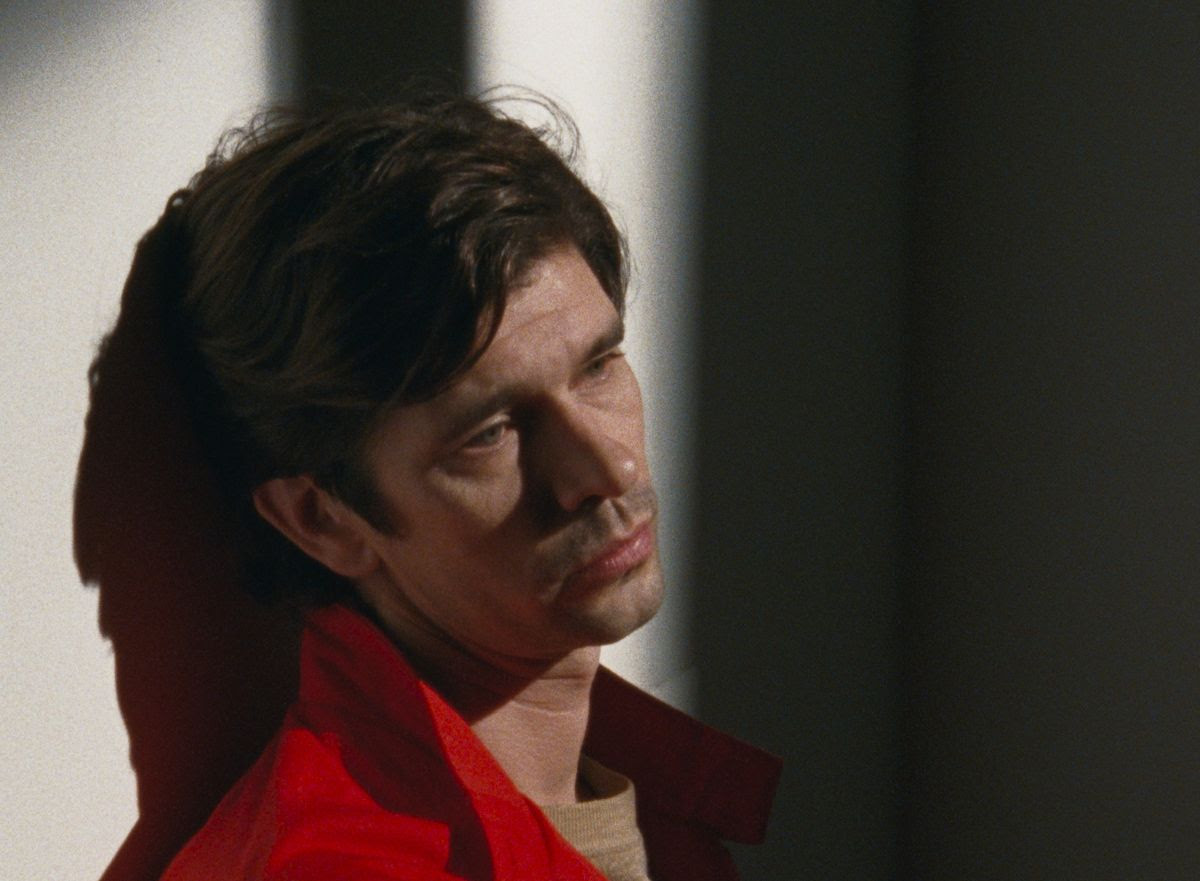
Peter Hujar’s Day––a movie comprising one long conversation about the minutiae of, you guessed it, a day in the life of Peter Hujar––is the kind of art film poised to piss people off. The premise alone begs one demanding question: “Is this it?” But, against all odds, the New York-set charmer does quite the opposite. It’s hard to look away from. And while Ira Sachs’ direction deserves plenty of credit, the lion’s share of it belongs to Ben Whishaw, who proves (once again) in a fresh, sweeping manner that there’s nothing he can’t do. From perfume-bent serial killer to Bond’s Q to John Keats to the only man trusted by the women of Women Talking to the voice of Paddington to Peter, he perfects every role according to its project. In profound subtlety, through a thousand cigarettes and mundane memories, he brandishes his ability to transform before your very eyes without so much as a haircut. – Luke H.
23. The Cast of Father Mother Sister Brother
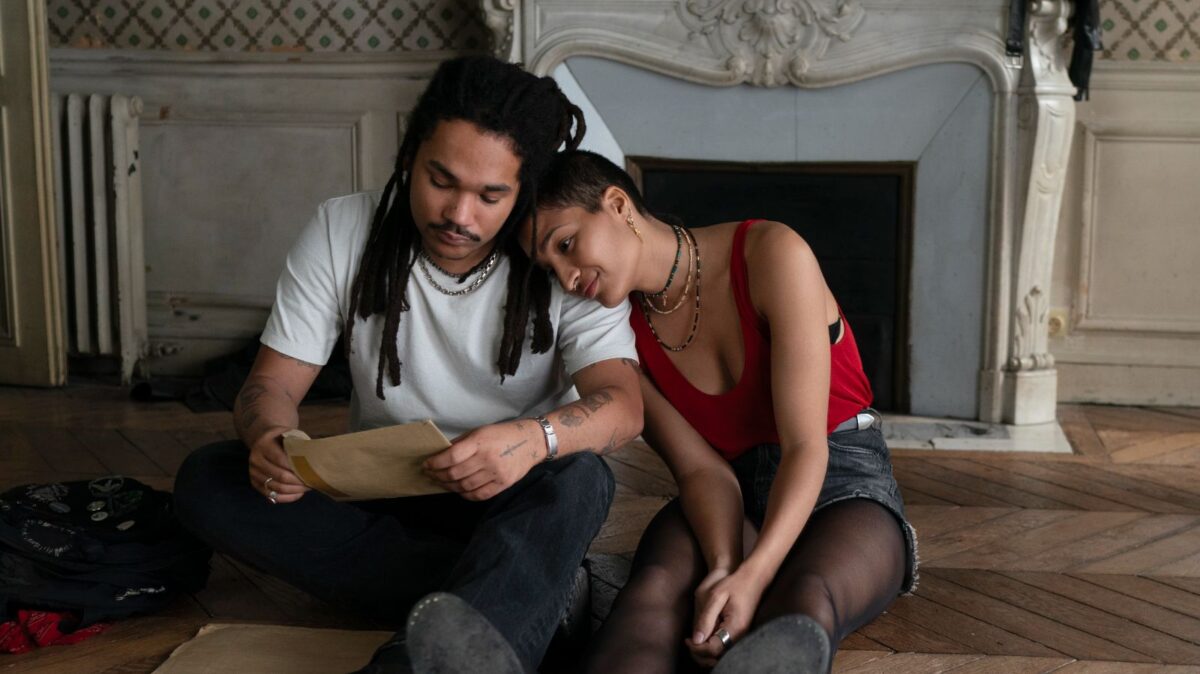
These characters wouldn’t appreciate being nominated as one unit. Jarmusch’s triptych explores what it means to add and subtract from a family equation, and how it feels to reenter spaces on which you’d already closed the door. The ensemble is in fine form, tapping into their respective vulnerabilities. Adam Driver perches meerkat-like on a sofa, as if sinking into its ergonomics would signify interpersonal defeat. A pink-haired Vicky Krieps is sharp-tongued and smiling, plainly out-of-place but unwilling to compromise herself. Standouts Indya Moore and Luka Sabbat memorialize home with weighty, honest exhales. A film of people––empathies, gaps, shared shortcomings. – Blake S.
22. Susan Chardy (On Becoming a Guinea Fowl)
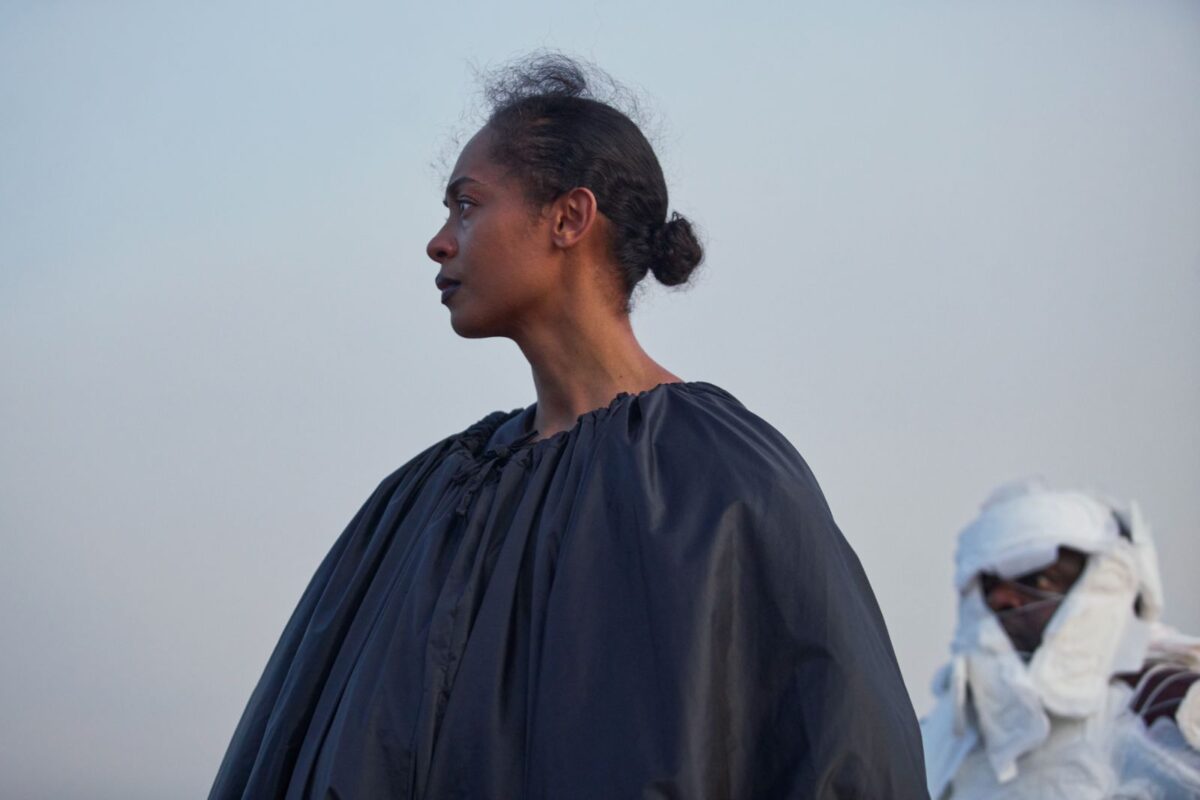
Susan Chardy’s Shula is an outlier. From the outset, she projects a quiet aversion to the circumstances that befall her: discovering the death of an uncle. Rather than wail in grief like the rest of the women that flock to her mother’s home, Shula remains detached, signaling another narrative occurring beneath the surface as she takes on a maternal, protective role. The film’s eyes and ears, she acts as a quiet witness to the injustices and hypocrisies left in the wake of her uncle’s violent legacy. It is a relief, then, amongst her cousins, to see her finally let loose, but more intriguing are the subtle ways Chardy’s face registers the dreams, memories, and hallucinations that continue to haunt her character towards a modest yet harrowing revelation. In addition to the titular guinea fowl, Chardy also becomes Shula in the process, playing her as neither victim nor survivor, but a force to be reckoned with. – Nirris N.
21. Channing Tatum (Roofman)
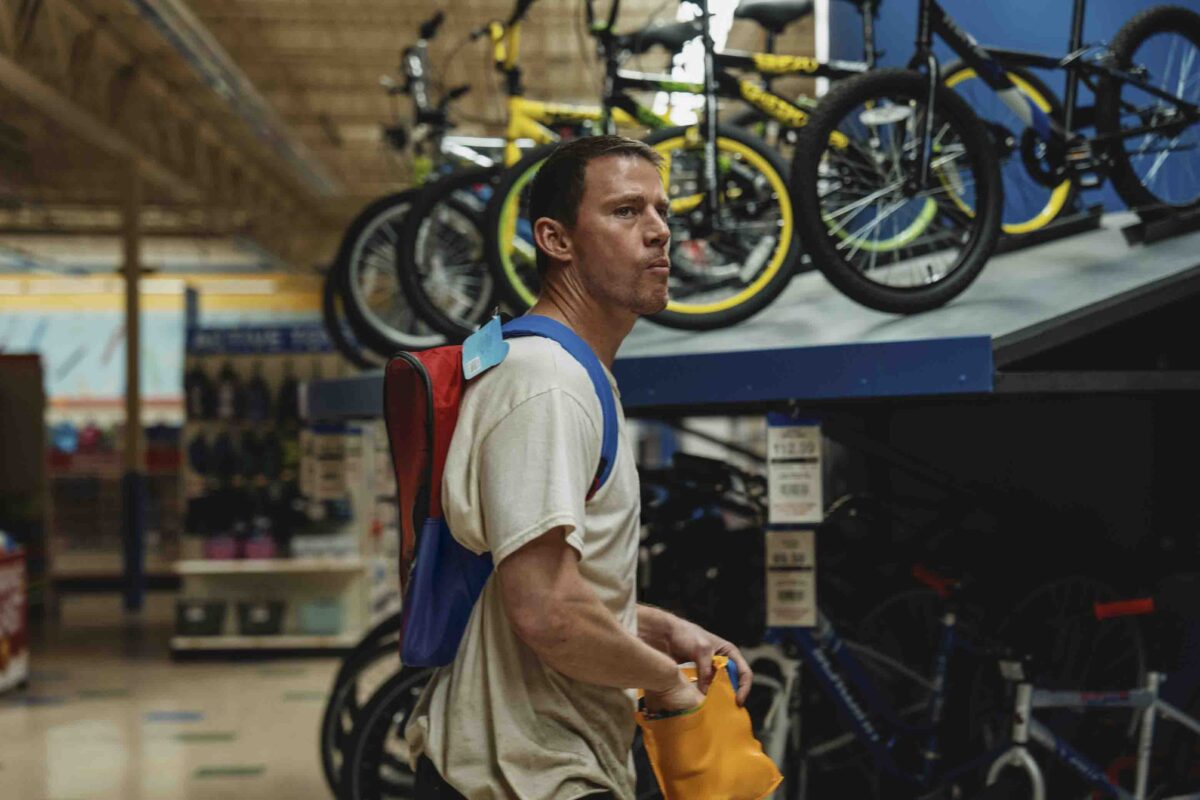
Derek Cianfrance’s Roofman goes down easy, just like its star, Channing Tatum. The film hinges on the charm of an actor that can slip in and out of pathos. Tatum’s roles too often focus on one of his abilities––his comedic timing, his allure, his likability––while Roofman allows the actor to put his entire arsenal on display. Audiences want to like Tatum even as he’s playing career criminal Jeffrey Manchester. He makes constant mistakes and can’t help himself, just as we can’t help liking a character played by Tatum. It’s his best performance in years: Cianfrance understands that the actor is layered, and his charms only enhance his emotionalism. And it’s a welcome reminder that Tatum is (hopefully always will be) a star and a leading man given more of these opportunities. – Mike F.
20. Lee Byung-hun (No Other Choice)

Despite the timeliness of Park Chan-wook’s latest, its protagonist isn’t a desperate man searching for work so much as a privileged buffoon terrified of losing his family’s class status. Reuniting with Park for the first time in 25 years, Lee Byung-hun is having the time of his life exploring the depths of Yoo Man-su’s sheer patheticness in one of the year’s finest comic performances, each desperate attempt to kill off the competition to the one job opening left revealing that he might be one of the most deplorable characters in Park’s filmography. Lee treats his character as one oblivious to the effects of his actions—the perfect approach to a tale that constantly reminds the viewer that soullessness will always be rewarded in the corporate world. – Alistair R.
19. Eva Victor (Sorry, Baby)
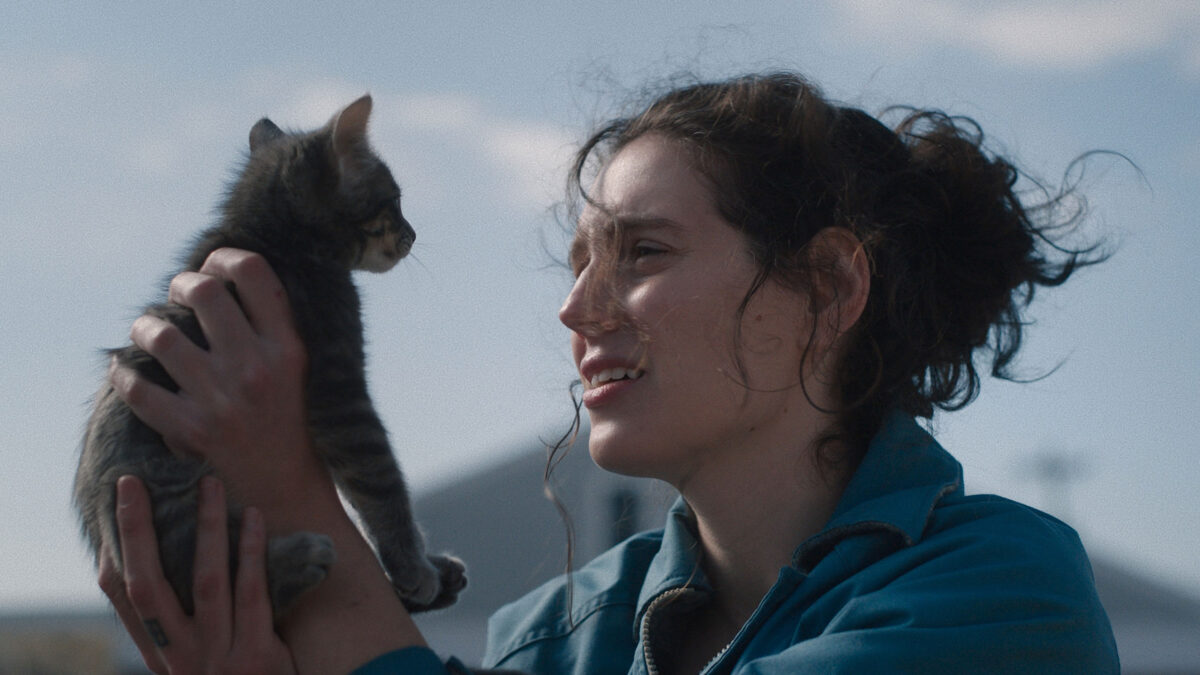
There’s a lot about Sorry, Baby that could go wrong were Victor not in total control of their debut’s tone, and chief among them is their performance. From their chemistry with Naomi Ackie in its more lighthearted moments to their devastating blankness in the first monologue, Victor keeps Agnes from becoming too precious, in the process giving themselves a landing pad for the more serious philosophical moments (see: the courtroom). They earn every single word of their ending speech, turning what could be unbearably cutesy into a bluntly genuine promise. – Devan S.
18. Gael García Bernal (Magellan)

At this phase in his career, renowned and internationally beloved treasure Gael García Bernal doesn’t need to keep stretching himself. He’s led (or supported in) arthouse and indie classics from Mexican, Chilean, Argentinean, Spanish, Brazilian, American, English, French, Russian-American, and German directors. But dubious challenges seem to be his nature––much like they were for Ferdinand Magellan, the fierce Portuguese colonizer of the 16th century that he portrays with scornful pity, unwavering determination, and brutalizing arrogance––and contemplative Filipino wunderkind Lav Diaz has given Bernal his greatest challenge since No. Not only does Bernal rise to the occasion; he delivers the greatest performance of his career, showing he hasn’t lost a step since his feature debut in Amores Perros. – Luke H.
17. The Cast of Black Bag
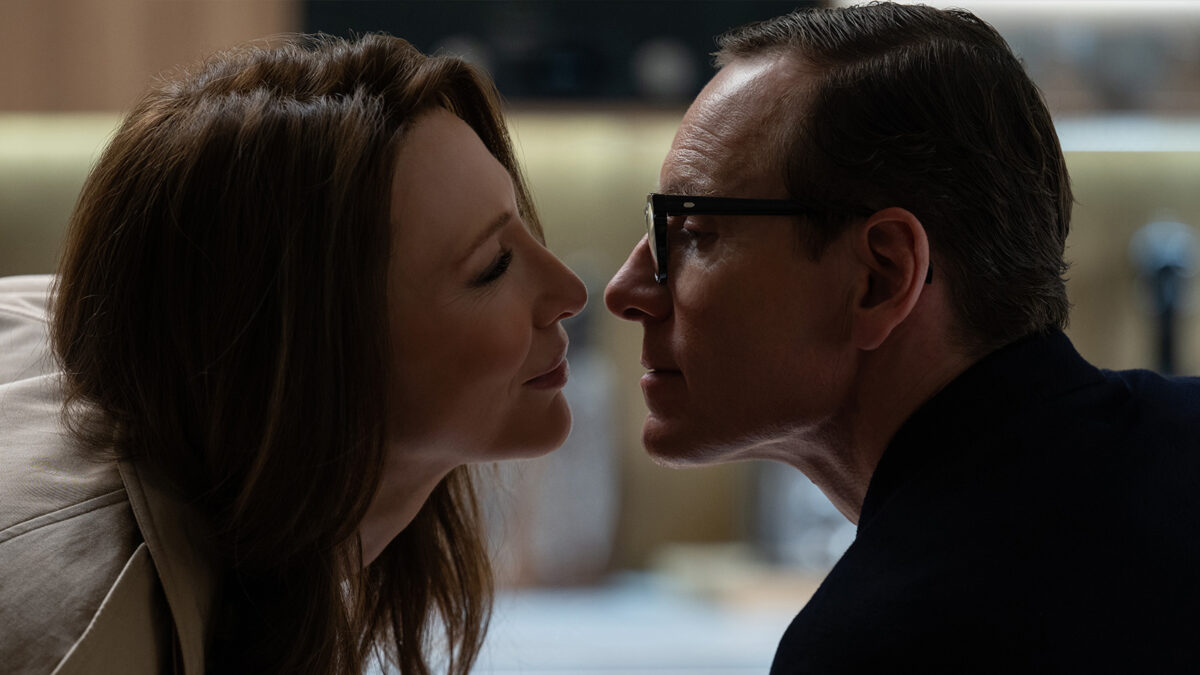
Steven Soderbergh’s Black Bag is centered on two distinct dinner scenes in which a group of British intelligence agents sit around a dining table and (mostly) talk. Michael Fassbender and Cate Blanchett, playing a husband-and-wife duo suspecting each other and their associates of treason, root for the truth in Marisa Abela, Tom Burke, Naomie Harris, and (smarmy as ever) Regé-Jean Page. The leading duo exhibit a coolness, a sense of not just actorly seniority but professionalism. It’s a film with people, and actors, at top speed, as Burke and Abela trade barbs and flashes of quick, passionate, and then dispassionate brilliance. The film wouldn’t work without the entirety of its cast. In fact, it’d likely fail without each and every one of them. – Mike F.
16. Vincent Cassel (The Shrouds)
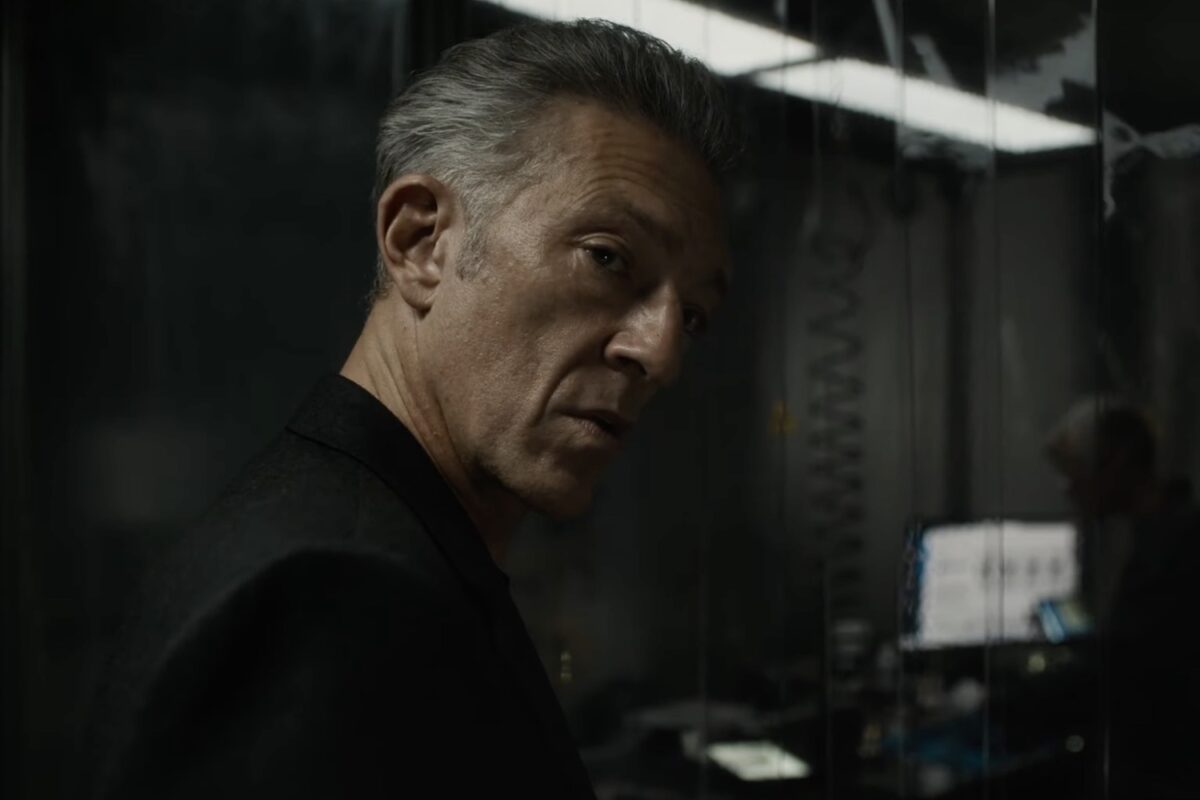
I’d heard tell of Vincent Cassel (nationality: French; age: 59) doing much to emulate David Cronenberg (nationality: Canadian; age: 82) in The Shrouds, but if a viewing at last year’s NYFF didn’t allow the whatever-you-call-it—method, immersion, indulgence, gimmick—to register, it’s perhaps because the film itself envelops, penetrates, corrodes to such effect, with Cassel’s turn as Karsh (another entry in the Cronenberg phonebook) emulating and exemplifying each complicated response. Then Cronenberg walked onstage for the Q&A in his dark suit and white sneakers, likewise-white hair atop his head, and all I could do was laugh. – Nick N.
15. Michael B. Jordan (Sinners)
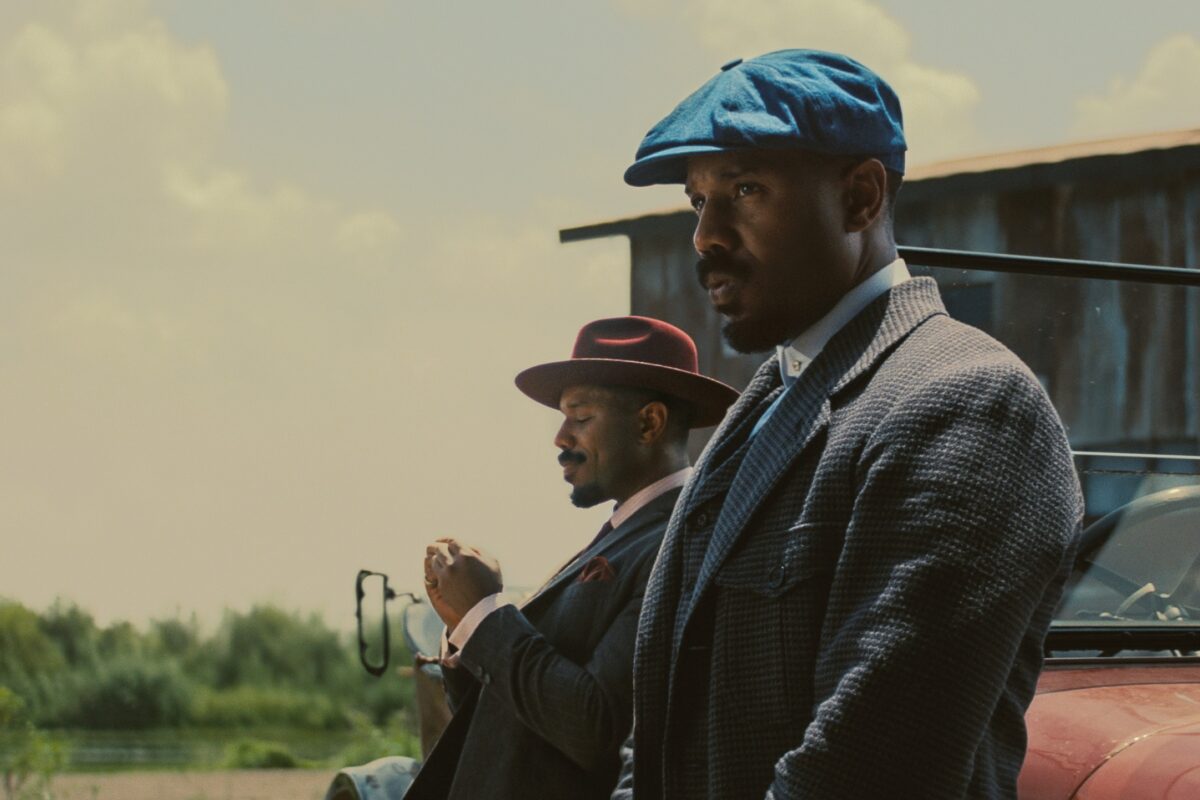
Michael B. Jordan was already on a movie star track, but his reteaming with Ryan Coogler cemented him as the bona fide real-deal headliner that was always in front of us. He displays considerable range playing both sides of the Smokestack twins, and yet he never feels like he’s showing off or riding on past work. It’s a performance utilizing all of his villainous charisma and stoic determination that also allows him to bounce off the rest of Sinners’ magnificent cast—effortless, yet clear that only one person could’ve done it. – Devan S.
14. Mariam Afshari (It Was Just an Accident)
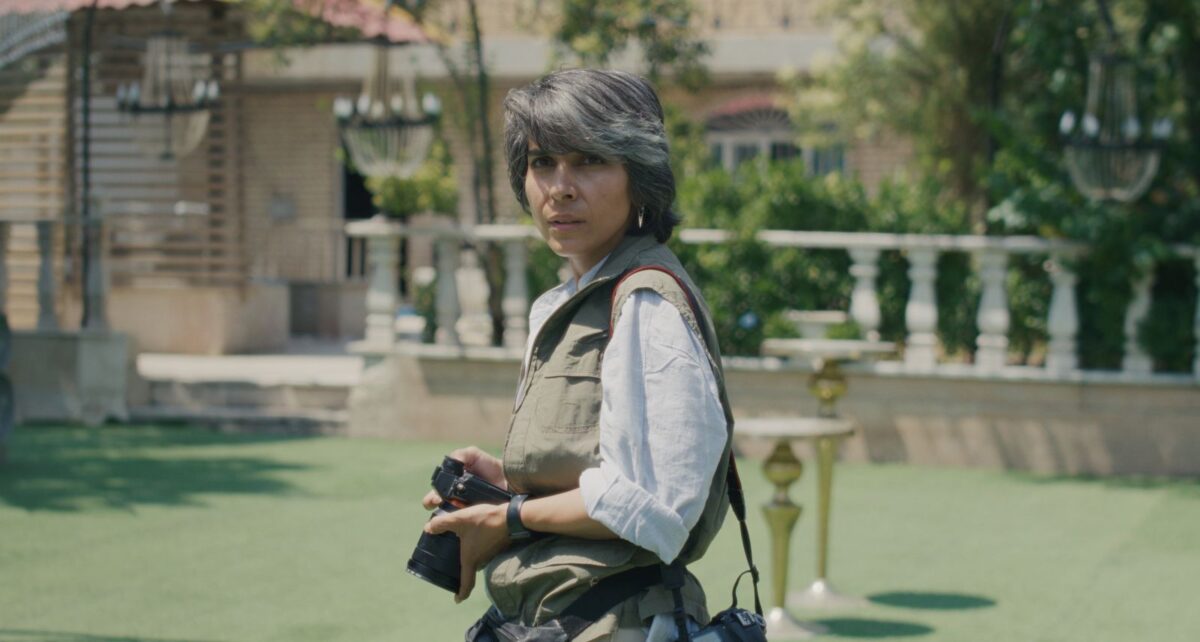
Reluctant at first and then one of the most passionate voices, Shiva is perhaps the best-written character in Jafar Panahi’s It Was Just an Accident, and is appropriately propped by the film’s best performance. Her reasoned journey from moderate and distanced people who suffered under the regime is the through-line of the film, and Mariam Afshari’s growing intensity in both voice and action is what we latch onto, what guides our conscience. She never becomes violent until it’s absolutely necessary. And even in her anger, Afshari’s voice is a clear cry for help to understand how to move on from the injustice to which she was subjected. – Soham G.
13. Frank Dillane (Urchin)

Heavily inspired by Mike Leigh, Harris Dickinson’s directorial debut Urchin similarly finds warm humor amidst the relenting bleakness of life on the margins. The comparisons to Naked, in particular, have been inescapable, but while David Thewlis’ all-timer performance is a clear inspiration for Frank Dillane, his character, Mike, is eventually offered a more welcoming hand by a society keen to integrate him after time on the streets and in prison, only for the promise of rehabilitation to end too soon. Unlike Thewlis’ Johnny, Mike is a sweetheart beneath the rage, and Dickinson’s well-researched snapshot of homeless life understands that the cyclical nature of offering and revoking support to those in need can make already vulnerable people volatile to any helping hand afforded them. Dillane doesn’t sand down Mike’s edges in his most desperate moments, and the triumph of his performance is that desperation seeps through his every movement––little is elaborated on about his backstory, but you’re in doubt of how he got here. – Alistair R.
12. Jessie Buckley (Hamnet)
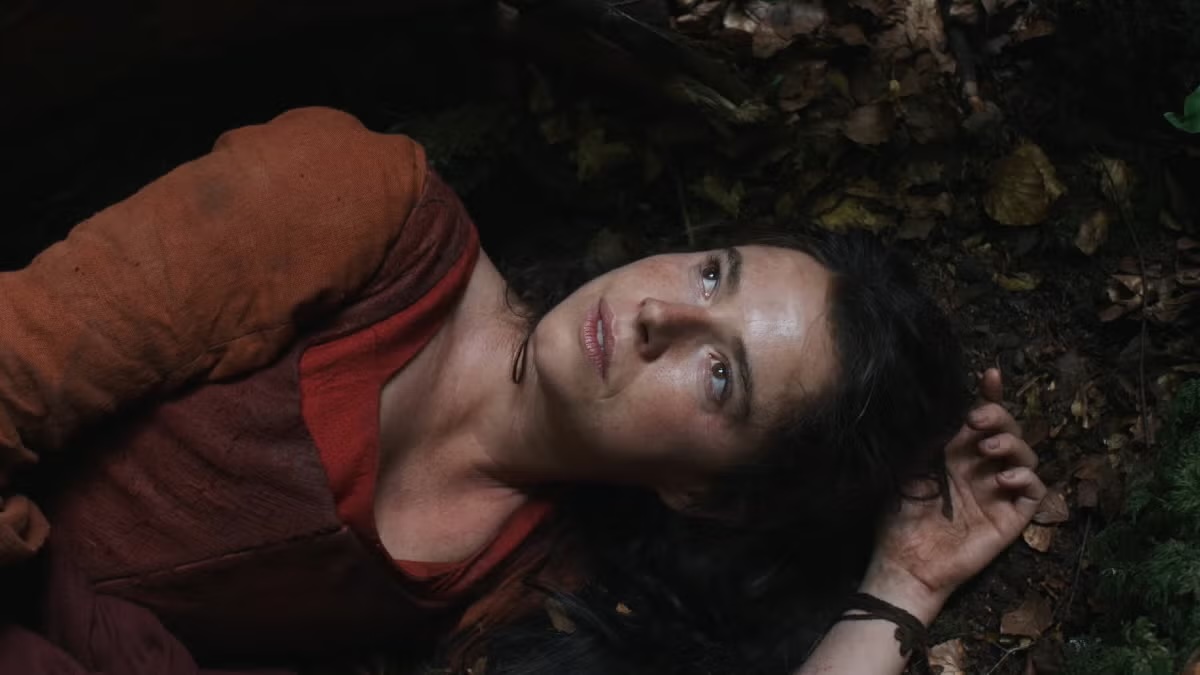
This is the kind of deeply felt performance that’s impossible to deny. Jessie Buckley is perfect as Agnes, a young mother and wife of William Shakespeare (Paul Mescal), who’s forced to survive an unspeakable tragedy. Agnes and William grieve in different ways, resulting in an impasse too great to overcome. There are moments in which Buckley is frighteningly honest. The fears and passions of a parent are some of the most relatable emotions in art. That Buckley elicits something fresh in her portrayal of Agnes is a significant achievement. – Dan M.
11. The Cast of Eephus
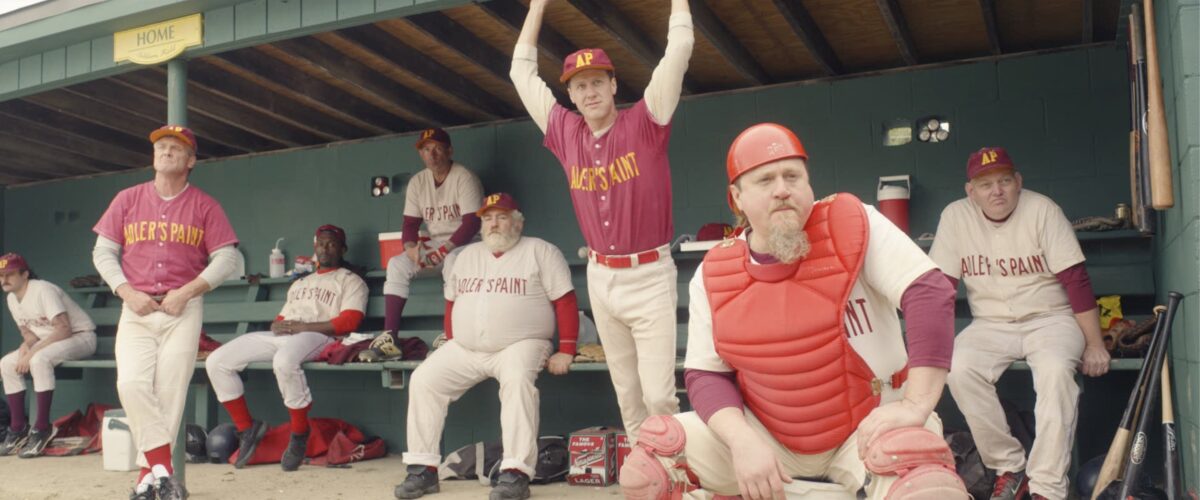
I can’t tell you the name of a single character in Eephus. This isn’t a critique. There’s frankly too many to count, let alone differentiate. When people invoke the term ensemble, they are often talking about a few actors. Here we have close to 20, with others coming through for short stretches: an aging pitcher just hanging around, a new girlfriend just stopping by. Each makes the most of their limited screen time, never once relying on exposition to convey character. We know all we need to know about, say, the disheveled pitcher downing Narragansetts like they are water. Or the elderly scorekeeper who finds purpose in a scoresheet. Almost entirely comprising non-professional actors, they form a collective force of empathy and humanity – Christian G.
10. Amanda Seyfried (Seven Veils, The Testament of Ann Lee)
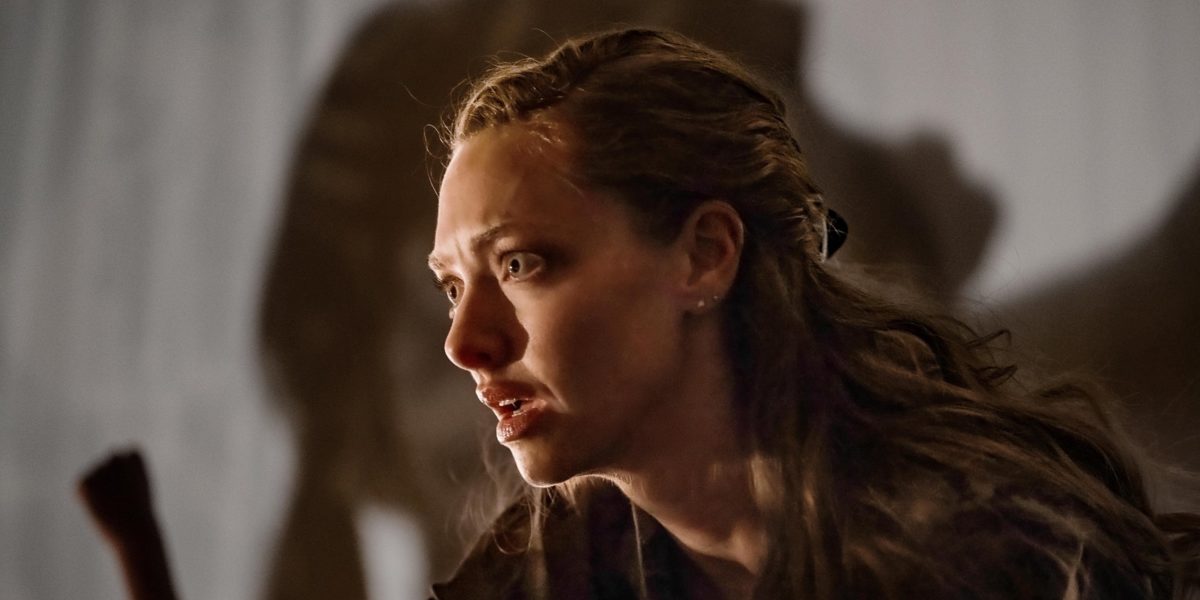
The Testament of Ann Lee and Seven Veils both showcase leaders (a religious founder and an opera director) struggling with sexual trauma and in search of status. In Ann Lee, she is rigorously certain of herself—her awakening is breathtakingly sincere, her few followers devout. In Seven Veils, she is doubt incarnate, a bundle of uncertain instincts her team struggles to follow, her authority constantly undercut by the traumatized world she seeks to exorcise. In each, Seyfried seems to direct the camera, guiding it with famously expressive eyes towards gestures untethered to the frame. When she levitates, we join. – Scott N.
9. Abou Sangaré (Souleymane’s Story)

If the depiction of France’s asylum system in Souleymane’s Story wasn’t damning enough, bluntly showing the ways immigrants are exploited even in the most low-wage, gig-economy roles, then discovering lead actor Abou Sangaré was only granted permanent residency in France after the film’s César’s success is the final insult. Director Boris Lojkine discovered his lead actor––likely the only performer to have “auto-mechanic” listed before their well-known profession on their Wikipedia page––through an extensive research process, with many of his star’s personal experiences integrated into the screenplay. The result is as lived-in as you’ll find in any contemporary social-realist film, Sangaré’s brooding, devastating turn earnestly attempting to do justice to the plights of those around him as much as dramatize his own story. It’s a lightning-in-a-bottle debut from someone with no prior acting experience. I hope casting directors don’t view this as a fluke; it instead suggests the arrival of a fully formed, utterly captivating new star. – Alistair R.
8. Josh O’Connor (The Mastermind, Rebuilding, The History of Sound, Wake Up Dead Man: A Knives Out Mystery)
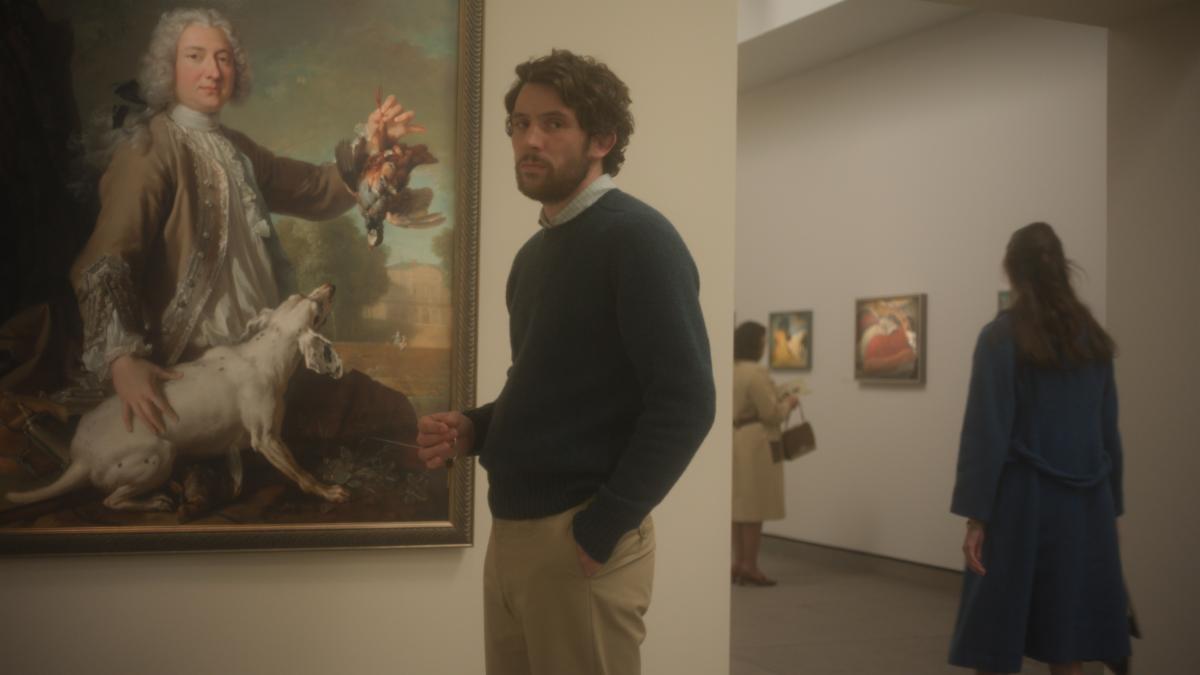
The connective tissue between all of Josh O’Connor’s recent roles, regardless of the genre or period setting, is that they are all men at odds with the current times. In The Mastermind, his bumbling art thief is directionless even as the rest of his generation is united against the Vietnam war; in Rebuilding, he’s a cowboy wanting to readapt to an already outdated way of life a fire has taken from him; and in the Knives Out three-quel, he’s the open-hearted Christian priest at odds with the fire-and-brimstone conservative who has taken over a small-town church. Even within The History of Sound, the weakest release in this prolific year, the promise of a gay sexual awakening he affords to Paul Mescal’s protagonist puts him in contrast with the drab, stiflingly heterosexual world around them. Through each of these performances, he finds distinct ways to explore how these characters have found themselves adrift from rapidly changing societies––the rare character actor whose every role feels in direct conversation with the last, each project carefully chosen to further explore the psyche of a man out of time. – Alistair R.
7. Timothée Chalamet (Marty Supreme)
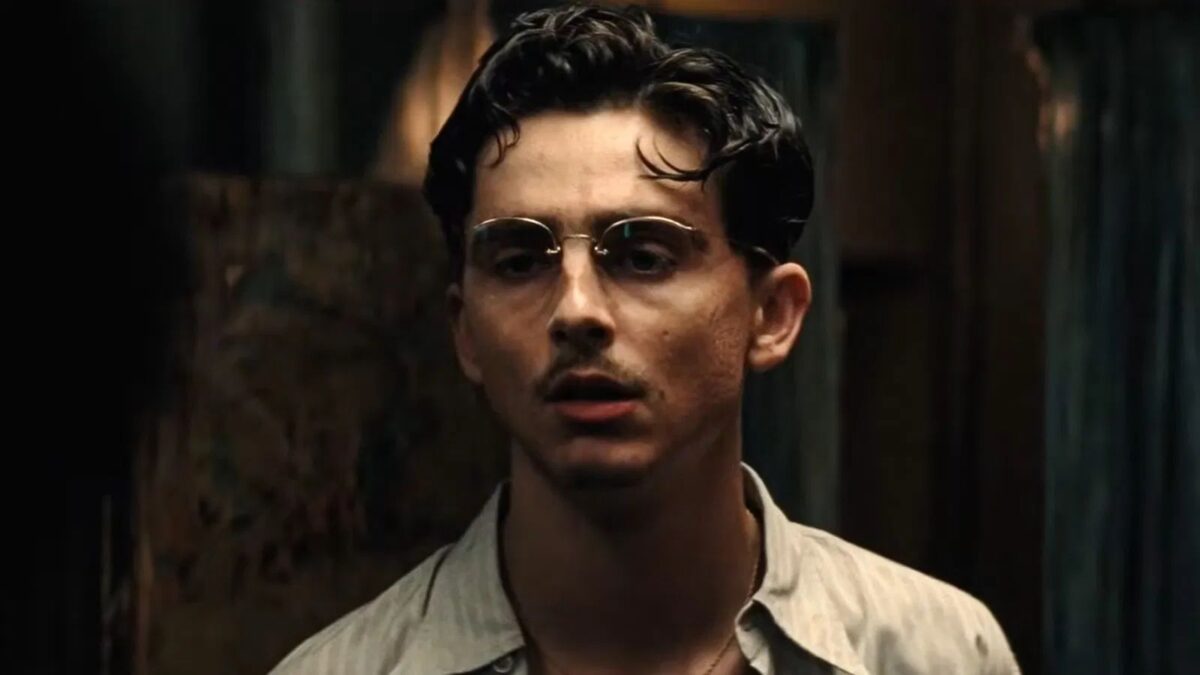
Since his breakout nearly a decade ago in Call Me By Your Name, Timothée Chalamet has been fiercely chasing another role that can effectively use the full range of his talents. It’s finally arrived with Josh Safdie’s furiously kinetic Marty Supreme. Following Chalamet’s Marty Mauser going through the wringer to achieve his ping-pong dreams, it’s a dark yet emotional character study of flawed morality and seeking greatness at a cost, an uncompromising showcase of a grifter doing everything he can to stay afloat. And it’s in the film’s final moments that Chalamet, at long last, fully blossoms, delivering an unexpected emotional punch not unlike the one he so deftly displayed in that first Oscar-nominated performance. – Jordan R.
6. Ethan Hawke (Blue Moon)
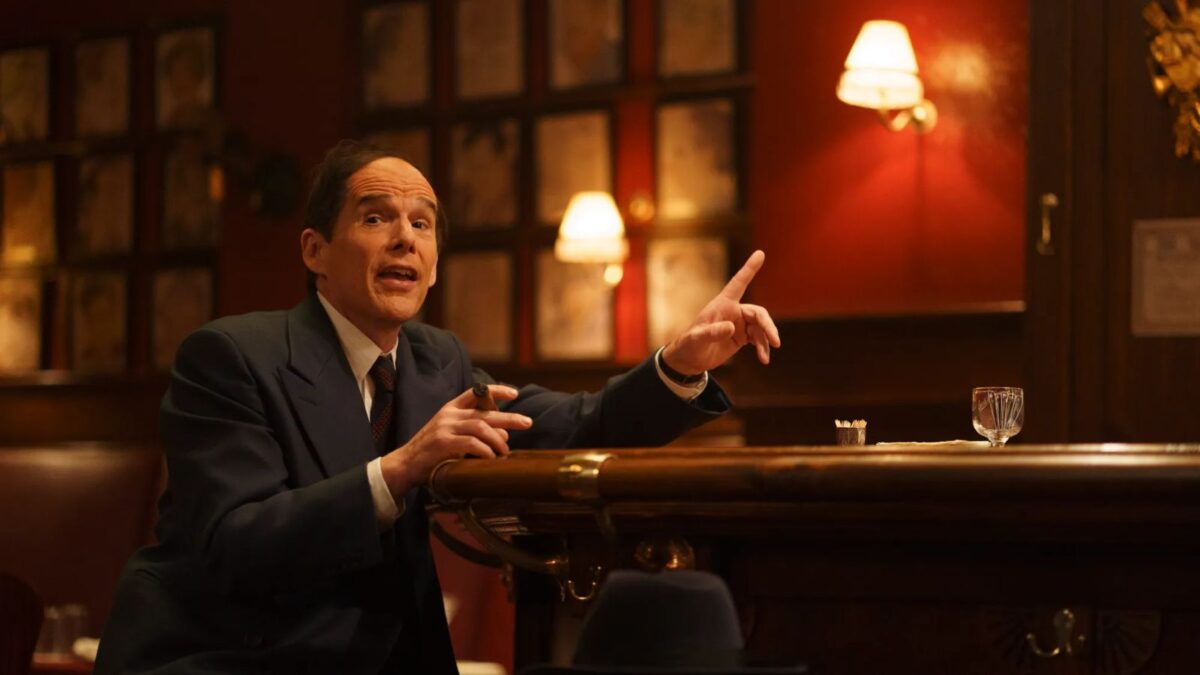
Ethan Hawke has carved an enviable everyman-thinking-man niche—we love hearing him expound on favorite artists from the comfort of knowing he’ll speak thoroughly and passionately without getting bogged down in self-obsessed morass. This might explain his longheld aspiration to play the Lorenz Hart imagined in Robert Kaplow’s script for Blue Moon, and his willingness to let longtime collaborator Richard Linklater make him wait a dozen-odd years and age into this part. But what starts as a perfect vehicle for Hawke’s preternatural enthusiasm begins revealing something much darker, harder, desperate; I’d almost suggest it’s a prank Linklater pulled on his lovably pretentious collaborator if there wasn’t a strict, palpable command on the actor’s part, something like a bracingly selfless desire to inhabit the worst version of one’s persona. Hawke’s Hart is man seeing his life unwind over one night, both his failures and the failure to see the exit ramp—for God’s sake: write those songs Rodgers is offering you whenever he stops looking around the room for an escape hatch—playing like a slow descent into the grave. – Nick N.
5. Kathleen Chalfant (Familiar Touch)
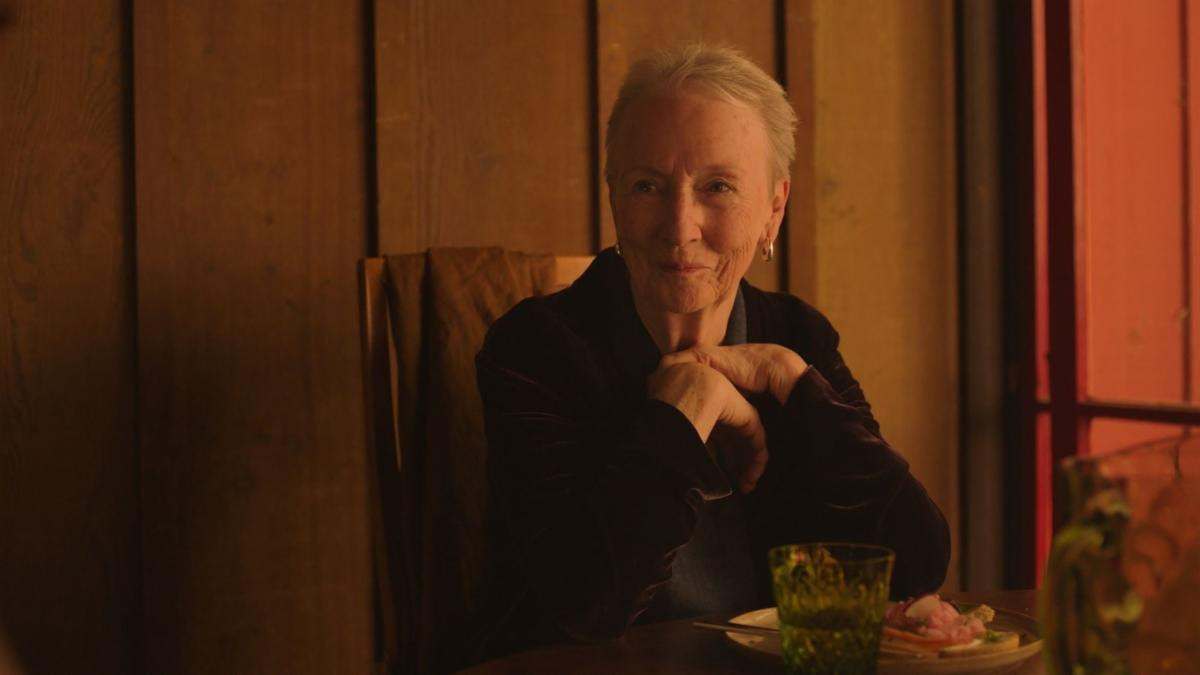
Broadway veteran Kathleen Chalfant is not the first actor heralded for playing someone in the midst of cognitive decline. Yet key to her role as Ruth in Sarah Friedland’s Familiar Touch is the exploration of “age identity,” a psychological concept growing in prominence (it’s even joked about in Jay Kelly). We’re not just lamenting Ruth’s mind withering away: following her move to a retirement community, the new adjustments show her behaviors at once resemble a child guilelessly exploring an unfamiliar world, then shift to an elegant, older woman still very aware of her gravitas. For Friedland and Chalfant, our final decades are not an opportunity to slip away, but remember who we are. – David K.
4. Zhao Tao (Caught by The Tides)
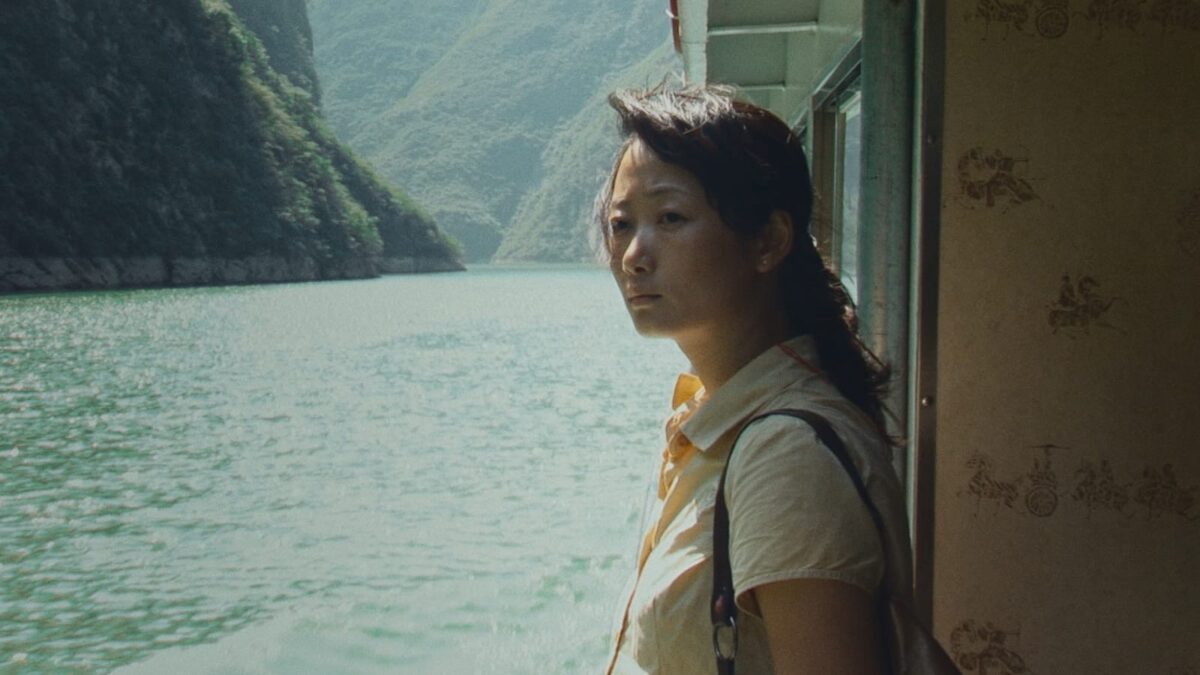
If there’s one thing the Cannes Film Festival has botched more than anything else, it’s the opportunity to award Zhao Tao Best Actress for one of her various unforgettable performances in the films of (eventual) husband, writer, and director Jia Zhangke. With six features in competition since 2002, four of which she’s led or co-led, there’s really no excuse. (Perhaps that’s why TIFF honored her with a Special Tribute Award in 2024.) Her performance in Caught by the Tides isn’t new, but it plays like a wonder you’ve never seen. Tides weds unused bits and pieces of Zhao’s performances from over two decades of Jia films into one harmoniously strange, dialogue-free mood piece that stands as irrefutable evidence of her sixth sense for the screen. – Luke H.
3. Wagner Moura (The Secret Agent)
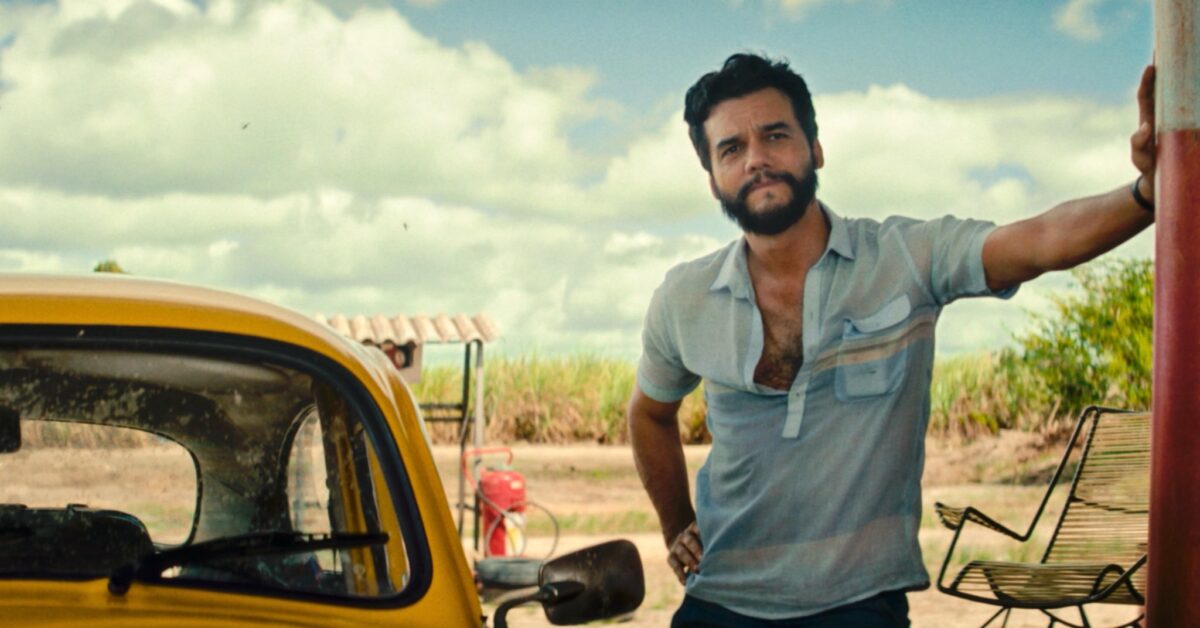
Wagner Moura is perfectly cast precisely because of his unassuming visage. He seems a suave operator, a farce which The Secret Agent‘s ironic title matches. Moura’s smile is contagious. His easiness near film’s start makes us feel safe with him, but when we start to see the uneasiness in his eyes, the worry, paranoia, and danger become striking and tragic. – Soham G.
2. Rose Byrne (If I Had Legs I’d Kick You)

It’s always a joy when a reliable stalwart finally gets the meaty role they’ve more than earned. Rose Byrne has been great in everything from Bridesmaids to Knowing to multiple TV roles, and with Linda she gets a brilliant showcase in everything from nervous comedy to frayed drama. There’s no better example than the way she goes from screaming at her landlord on the phone over the “giant FUCKING HOLE” in her apartment to calmly asking a cashier for a gift card, completely in control even as her character is collapsing. – Devan S.
1. The Cast of One Battle After Another
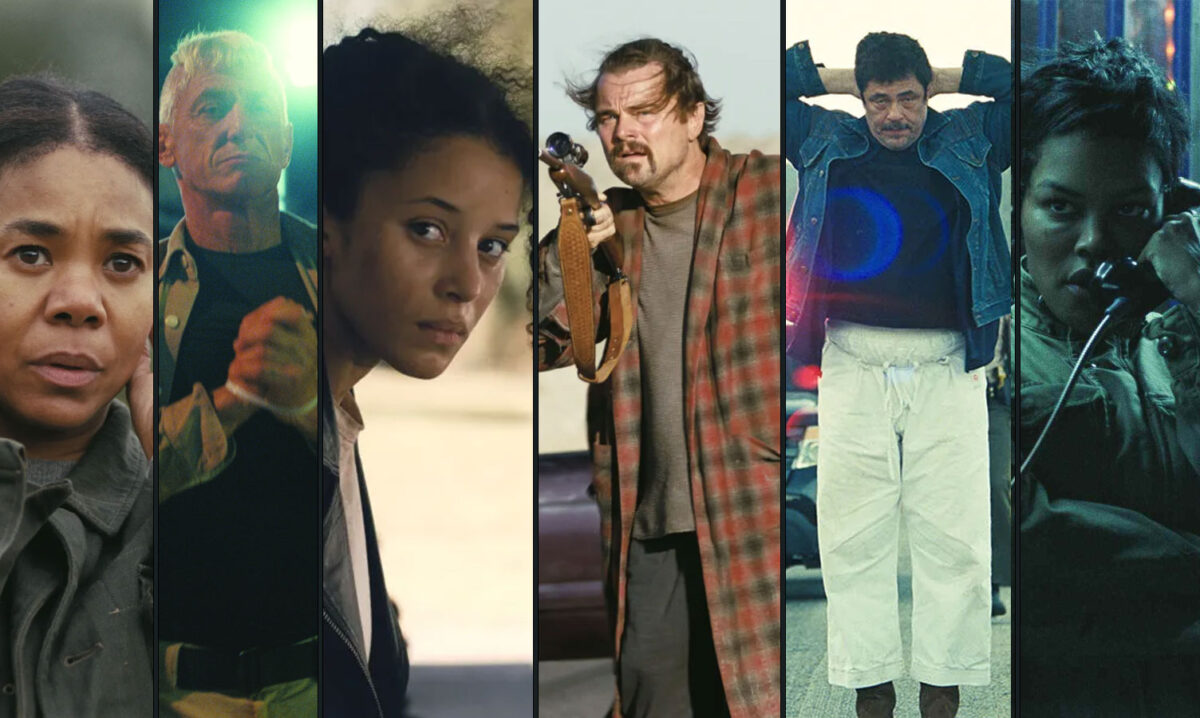
While the miraculous ensemble of One Battle After Another would be worthy of the first six slots of this list, those honors could also go far beyond, considering Tony Goldwyn, Jim Downey, Shayna McHayle (aka Junglepussy), James Raterman, Kevin Tighe, Paul Grimstad, and the rest of the pitch-perfect turns that fill out Paul Thomas Anderson and casting director Cassandra Kulukundis’ immaculately realized world. Among the six main players, each character suggests the part they were born to play: Leonardo DiCaprio’s out-of-his-element yet doggedly determined Bob Ferguson; Chase Inifiti’s fiercely independent, sharp-witted Willa Ferguson; Sean Penn’s menacing, T-1000-esque Colonel Steven J. Lockjaw; Benecio del Toro’s calm, cool, collected Sensei Sergio St. Carlos; Teyana Taylor’s force-of-nature Perfidia Beverly Hills; and Regina Hall’s impressively understated vessel of emotion Deandra. In just the few months since release, these are performances that already feel etched in film history. – Jordan R.
Honorable Mentions
- Ralph Fiennes (28 Days Later)
- André Holland (The Actor and Love, Brooklyn)
- Andrew Garfield and Julia Roberts (After the Hunt)
- Daniel Day-Lewis (Anemone)
- Michael Strassner and Liz Larsen (The Baltimorons)
- Takeshi Kitano (Broken Rage)
- Kim Min-hee and Kwon Hae-hyo (By the Stream)
- Jesse Plemons and Emma Stone (Bugonia)
- Imogen Poots (The Chronology of Water)
- Gerard Butler (Den of Thieves 2: Pantera)
- Jennifer Lawrence (Die My Love)
- Joaquin Phoenix (Eddington)
- Judy Greer (Eric LaRue)
- Jacob Elordi (Frankenstein)
- Tessa Thompson and Nina Hoss (Hedda)
- Callie Hernandez (Invention)
- Will Arnett and Laura Dern (Is This Thing On?)
- Adam Sandler (Jay Kelly)
- Gwyneth Paltrow (Marty Supreme)
- Ṣọpẹ́ Dìrísù, Godwin Chiemerie Egbo, and Chibuike Marvellous Egbo (My Father’s Shadow)
- Liam Neeson and Pamela Anderson (The Naked Gun)
- Keke Palmer and SZA (One of Them Days)
- Benicio del Toro and Michael Cera (The Phoenician Scheme)
- Ubeimar Rios (A Poet)
- Chris Sullivan (Presence)
- The Cast of Sentimental Value
- Dwayne Johnson and Emily Blunt (The Smashing Machine)
- Kyle Marvin and Michael Angelo Covino (Splitsville)
- Marren Eggert (The Sparrow in the Chimney)
- Lee Kang-sheng (Stranger Eyes)
- Michaela Watkins (Suze)
- Joel Edgerton and Will Patton (Train Dreams)
- Dylan O’Brien and James Sweeney (Twinless)
- Joshua Burge (Vulcanizadora)
- Arieh Worthalter and Paul Ahmarani (Who by Fire)
- Danielle Deadwyler (The Woman in the Yard)