
In a year that’s felt defined by a sense of hysteria and confusion, the only thing I truly wanted from a film festival was escape. I’m over cinema that tries to posture itself as a force of political change. Genuine art is not made to convince you of something or be used as a tool of action, but as an inspiration toward reflection, toward emotional discovery and philosophical insight. It’s a font of freedom. Going into this year’s edition of the Tallinn Black Nights Film Festival in Estonia (or PÖFF, as it’s colloquially called), what I sought was not an escape from reality per se, but films that invited me to adventure within reality—cinema that could promote a sense of discovery.
Perhaps I was also inspired by my first night’s rewatching of Alexandre Koberidze’s Dry Leaf, a film that is a beautiful ode to circuitous, unending, possibly futile journeys. It set the tone in what I was looking for and led me to indulge in films that could equally offer a joyful sense of sublime in the mundane. With more than 250 feature films spread across almost 50 different programs, PÖFF was an excellent place to set about on such a voyage of discovery. The lengthy nights and chilly Baltic ambience not only motivated my desire to nestle up inside a cinema, but induced that state of endless reverie and somnambulistic giddiness one only finds at the best festivals.
The Visitor (Vytautas Katkus)
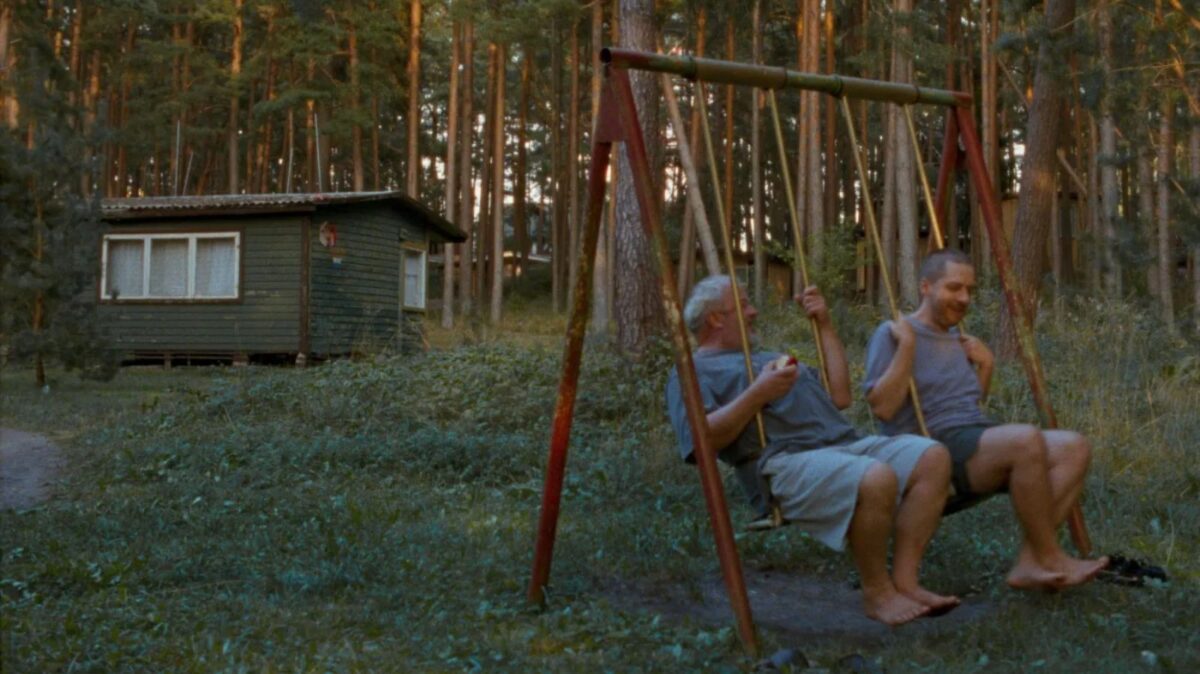
There are big things happening in Lithuanian cinema at the moment, many of which have barely touched New York screens. Vytautas Katkus’s The Visitor might be the best evidence that American cinephiles should take more notice. Winner of this year’s Baltic competition (consistently the festival’s strongest section), The Visitor is an atmospheric and contemplative film with a strong sense of slowly building absurdist humor. It follows Danielius (Darius Šilėnas), mid-30s and newly a father, as he returns to his hometown to sell his childhood apartment. With few friends and nothing concrete to do, Danielius spends his days walking aimlessly through the forest, floating in the ocean, dozing sporadically in various public places, and looking longingly at karaoke singers from the fringes of local bars.
While its dominant emotional state might be ennui, Katkus is sharp enough to follow this intense boredom into a place of discovery and enchantment. We drift, much like Danielius, across various scenes, but often escape him too, losing our sense of grounding as the camera sporadically lands on various characters lingering on the periphery of this story. The film, at times, subtly pivots to following friends, neighbors, and prospective tenants across odd vignettes before eventually drifting back to Danielius. At one moment, a couple viewing the apartment lingers in the space long after Danielius has left for the day, taking in the ambience and adding their own strange, yuppy-ish aura to the environment. In another moment we follow Danielius’s neighbor as she brings her toddler to the beach and starts singing him a lullaby that turns into a full blown musical number. Yet everything is delivered in that same listless tone: perpetual drift that’s as much calming and bemusing as it is hollowing. Shot by Katkus on celluloid using largely natural light, the film is gorgeous as well, immaculately framed in Tsai Ming-liang-esque tableaus that often surprise you with a neat variety of pans, whip-zooms, and subtly off-centered framing that leave the images both easy to get lost in and ponder.
The Year of the Hare (Risto Jarva)
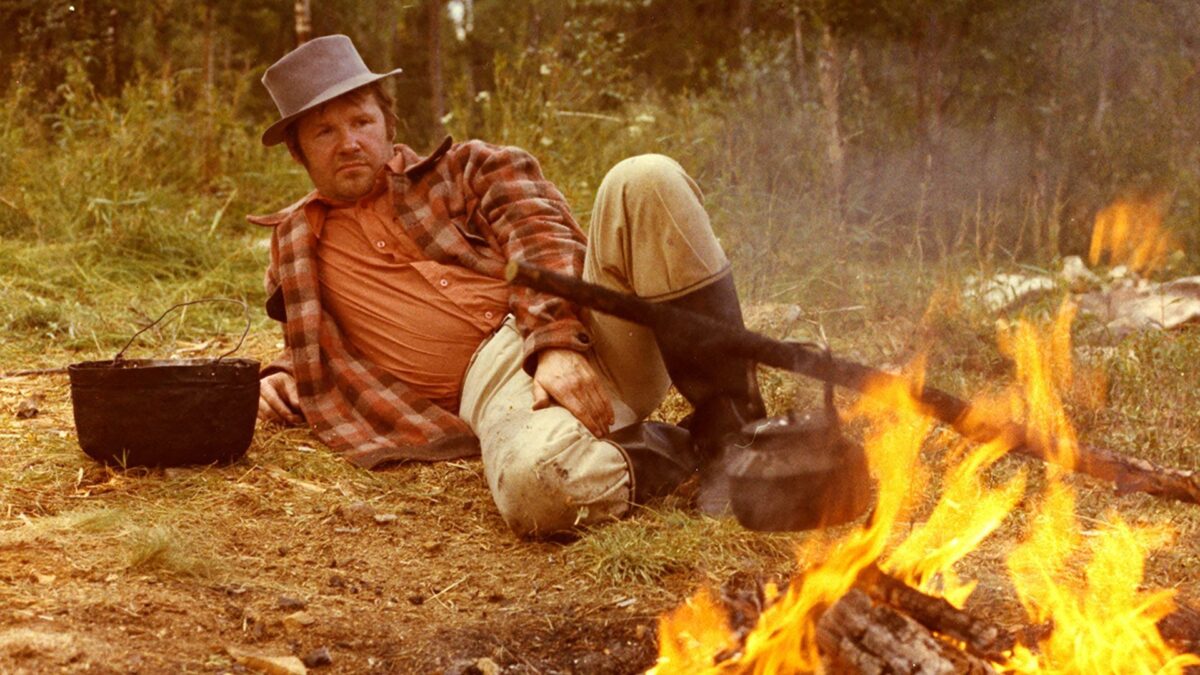
Among PÖFF’s main strengths, beyond numerous premieres, is their restorations selection. Amongst the many Baltic classics I was heretofore unfamiliar with––see also the oldest surviving Estonian film and one of my new favorite pieces of anti-soviet propaganda, Cheka Commissar Miroschtschenko (1925)––was the Finnish gem and family classic The Year of the Hare (1977). Vatanen (Antti Litja) is an ad executive from Helsinki so tired of his life that all he needs to decide to drop out of society is almost running over a hare. After cradling the cute bunny in the forest and bandaging its foot with gauze, Vatanen simply starts walking deeper in the forest, leaving his friends, wife, and career behind.
Hare is a picaresque and derives much of its charm from all the eccentric characters Vatanen meets along his journey to the far north: a hermitic fisherman who believes Finnish president Urho Kekkonen was replaced by a doppelganger; a bootlegger intent on drinking his stock during a forest fire; and a group of wandering urban tourists looking for a “real man of the wilderness.” Director Risto Jarva delivers it all matter-of-factly, with droll Finnish humor and a keen, yet never overwhelming, eye for beautiful landscapes. The rabbit, of course, is an instant charmer, and the film’s message is so simple and sweet that it reverberates in that winsome way endemic only to the best of pop cinema.
Leleka (Harald Hutter)
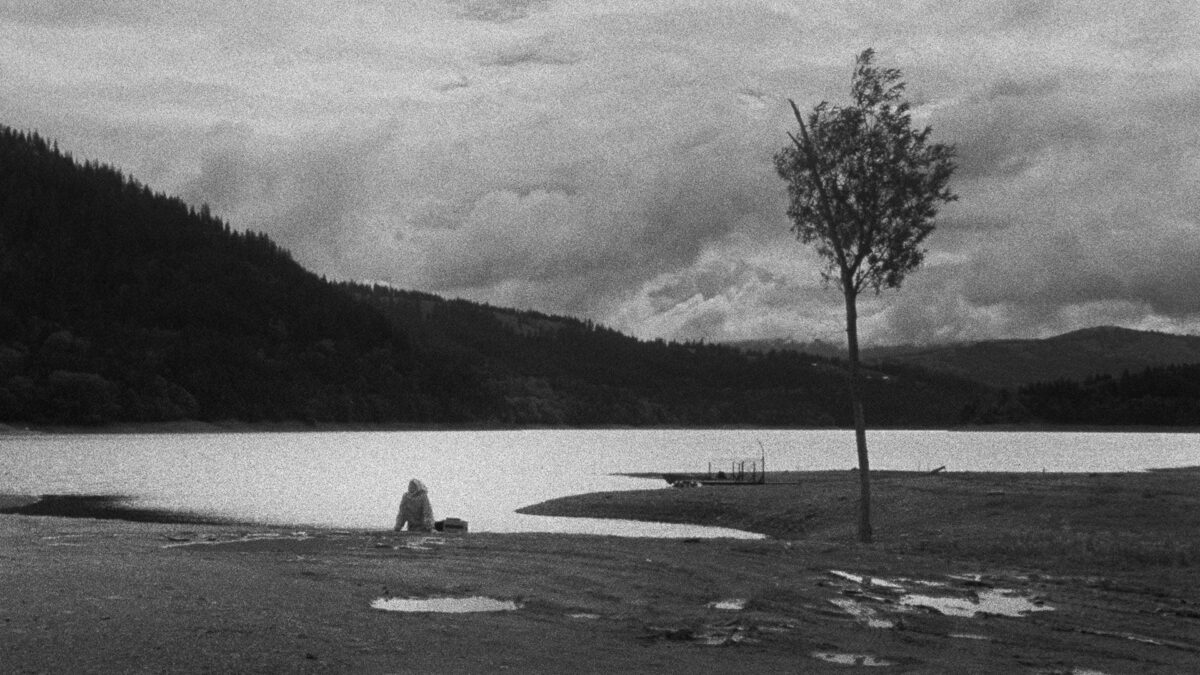
Taking its title from a Ukrainian stork that never leaves its nest, staying to rebuild and mourn after it’s been destroyed, Quebecois director Harald Hutter’s Leleka captures the psychological effects of war in an oblique, experimental way. Shot on beautiful black-and-white 16mm, the film is a succession of images, tones, dialogues, and moods that ponder what it means to long for home and how displaced people feel the presence of its absence. The loose narrative that the film’s myriad textures hang upon is the story of Sasha (Olga Kviatkovska), a Ukrainian artist living in Paris who embarks on a road trip home with her Belgian friend Margaux (Margaux Dauby) to place a sculpture honoring her grandmother. Along their journey we’re treated to stunning, even disorienting, landscapes; brief encounters with locals, often cryptic in their slightness; abstract atmospheric imagery of pounding geysers and black film leader shooting through the camera––its scratches forming a pulsing, hypnagogic rhythm––and long shots of the road unfolding before us, taken through the dashboard window à la The Brown Bunny. It’s an interesting experiment in melding slow cinema with geopolitical events and, in a festival landscape that too often privileges direct political statements as a form of resistance and virtue, it’s enlivening to see such probing into how film can approach contemporary experiences in an embodied, emotional way.
Renovation (Gabrielė Urbonaitė)
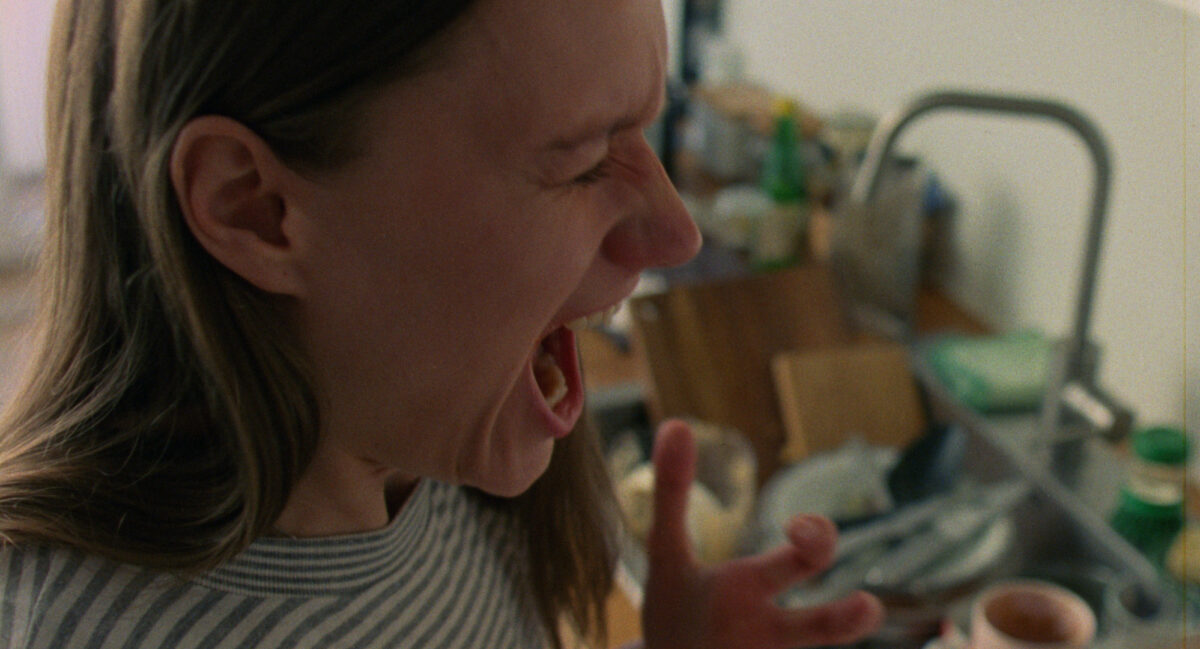
Also from Lithuania, Gabrielė Urbonaitė’s debut feature Renovation takes a slice-of-life, mumblecore-lite approach to the lingering anxieties of early-30s Lithuanians. Ilona (Žygimantė Elena Jakštaitė) is a writer and translator who just moved into a new apartment with her boyfriend Mata (Šarūnas Zenkevičius). Ticked off that a younger translator is getting more awards, skeptical of her commitment to her Mata, ambiently anxious about the war in Ukraine, and constantly irritated by the ongoing renovations happening to the exterior of her building, Ilona is at something of a crisis point, even though her life appears outwardly calm, stable, and even enviable. It’s to the film’s credit, however, that Renovation doesn’t strain itself trying to explain or understand the socioeconomic forces at work; it simply observes, like portraiture, and makes a gentle poetry out of the little incidents of her life. Shot on 16mm by The Visitor director Vytautas Katkus, Renovation is warm and subtly beautiful, making good use of the apartment that contains the vast majority of the film by vividly rendering the way light crosses its walls at various times of the day.