
Following The Film Stage’s collective top 50 films of 2025, as part of our year-end coverage, our contributors are sharing their personal top 10 lists.
All but one of the films listed below premiered at a festival. Despite claims to the contrary, 2025 was an exemplary year for cinema, with several major contributions from directors, renowned and unheralded. To the extent there is cause for alarm, it is in the case of non-festival releases hinted at above. The chasm between films made for festival audiences and for the general public seems to be ever-widening.
A case might be made that the very fact of a general commercial release might make a film unlikely to be included in a list like the one below. But the more salient point is that the deterioration in quality of commercial studio output, barring a few exceptions, is genuinely concerning and dispiriting. To prevent cinema from becoming an embalmed art like museum artefacts, it is vital that a modicum of standard be maintained even in commercial ware to sustain film as an art form accessible by all. The encroachments from AI are insistent and escalating—only the demonstrable quality of human imagination might keep it at bay.
To a degree, festival figures are by the fact that essentially everything premiering in the second half of the year is a festival film due to the glut of fall festivals, offering cheap prestige to any film that wants to position itself within the awards corridor. While Toronto and Sundance do contribute to the year’s trajectory, the major European festivals—Berlin, Cannes, and Venice reign supreme, with Cannes towering over any other launch platform. People noted that 7 films each in Cahiers du Cinema’s and Film Comment’s Top 10 premiered in Cannes. Who am I to cast a stone when 8 in mine originated at Cannes? Cannes really does seem to have the first bite at the apple, and it seems that if you only attend that festival, you’ll largely have seen the best cinema the year has to offer.
Among welcome trends within the cinegoing community and the industry at large is the increasing embrace of non-English films. If the decline in quality of studio fare, commercial or prestige-oriented, can be a predicate for casting a wider net, it isn’t the worst thing in the world. With ubiquitous subtitling due to streaming and reel-based social media, differentiating cinema on the basis of language is as arbitrary and capricious as ever. We can hope for a future when the distinction disappears entirely. Without further ado, below is my selection of the best US releases in 2025.
Honorable Mentions (Ranked in order from 11 to 18): The Mastermind (Kelly Reichardt), The Phoenician Scheme (Wes Anderson), Holy Cow (Louise Courvoisier), The Love That Remains (Hlynur Pálmason), On Becoming a Guinea Fowl (Rungano Nyoni), Invention (Courtney Stephens), The Testament of Ann Lee (Mona Fastvold) and Who by Fire (Philippe Lesage).
10. Viet and Nam (Trương Minh Quý)
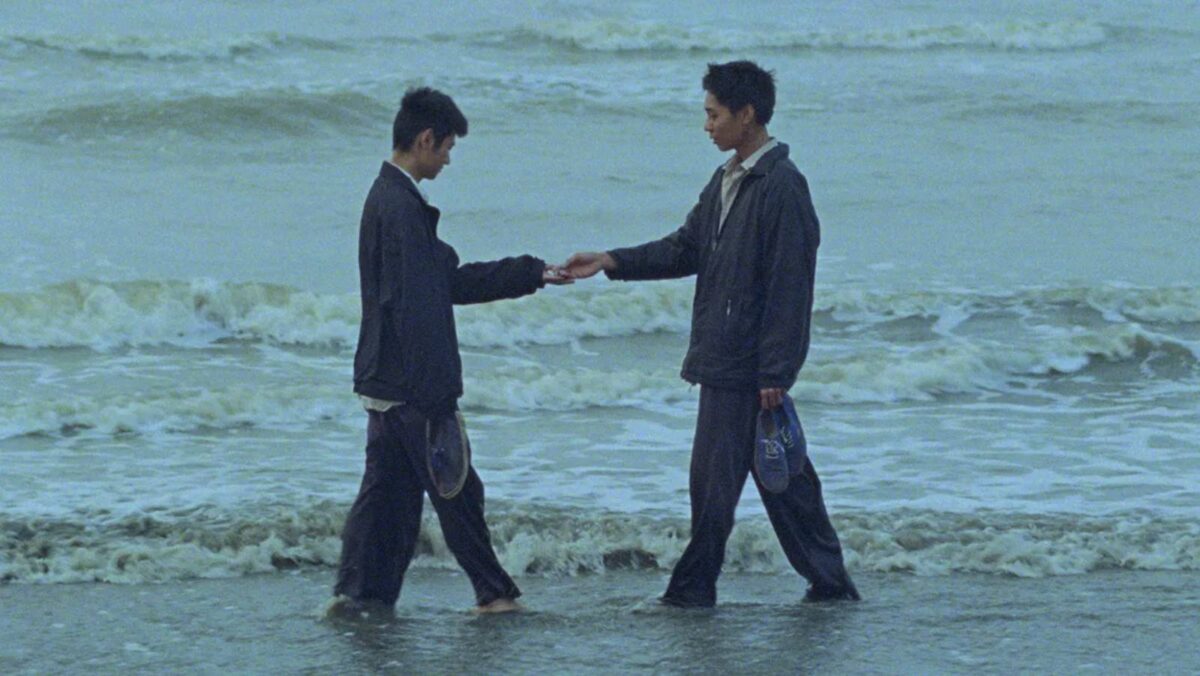
The titular young miners, Viet and Nam, serve as stand-ins for the divided halves of Vietnam in Trương Minh Quý’s third film—a luminous gay romance that doubles as a reckoning with the Vietnam War. The war still looms large in the nation’s psyche, and Trương approaches it with both the dispassion of history and the ache of personal loss. Viet’s mother seeks closure, while Viet yearns for a future beyond Vietnam’s borders. Throughout, Trương finds enormous beauty in the quotidian—the pastoral majesty of Vietnamese landscapes, as well as the sight of naked lovers on a bed of coal, as though surrounded by so many stars.
Viet and Nam premiered at the 2024 Cannes Film Festival in Un Certain Regard and was released in the US by Strand Releasing.
9. Familiar Touch (Sarah Friedland)
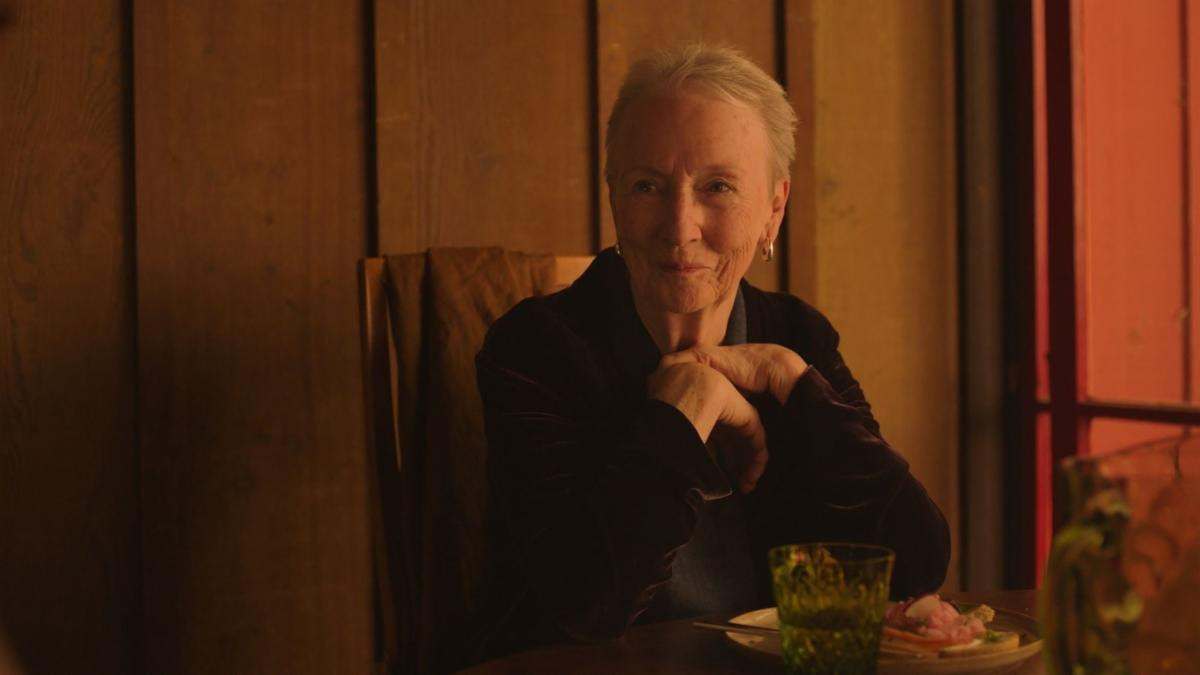
The indignities of aging and the pain of memory loss have been the subjects of several notable films, including Michael Haneke’s Amour and Florian Zeller’s The Father. Sarah Friedland forgoes the usual dour tenor associated with the genre and instead foregrounds the prickliness and irritation of her octogenarian protagonist. Ruth is utterly appalled by the outrageous condescension she is treated with at the assisted living facility her son checks her into. Kathleen Chalfant, in a monumental, unforgettable performance, finds wry humor in her predicament but also poignancy—for an intelligent, self-sufficient individual who has lived a full life, the loss of self is the ultimate, inexorable humiliation.
Familiar Touch premiered at the 2024 Venice Film Festival in Orizzonti and was released in the US by Music Box Films.
8. Caught by The Tides (Jia Zhangke)
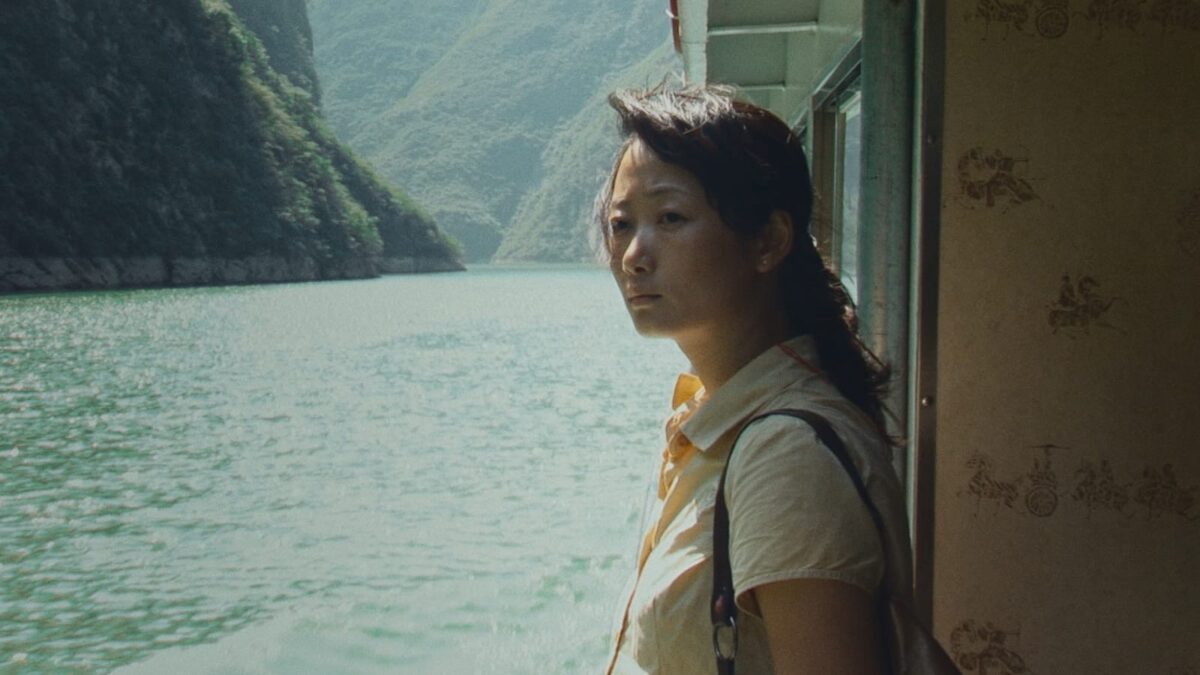
Even though Caught by The Tides superficially centers on the decades-long amour fou between Zhao Tao’aQiao and Li Zhubin’s Bin, the actual protagonist is China itself. As we run into Qiao and Bin over the years, around them a great nation marches on intransigently, towards its manifest destiny as a global superpower. The Three Gorges Dam is built, the Olympics bid is won, and COVID happens, but ever China transforms, develops, and leaps forward. Jia’s magisterial film, assembled from pilfered footage over the years, is a miracle of editing, a mini-Boyhood in its scope and ambition and an act of cinematic reclamation—a film stolen right from the abyss.
Caught By The Tides premiered at the 2024 Cannes Film Festival in Competition and was released in the US by Sideshow and Janus Films.
7. Magellan (Lav Diaz)
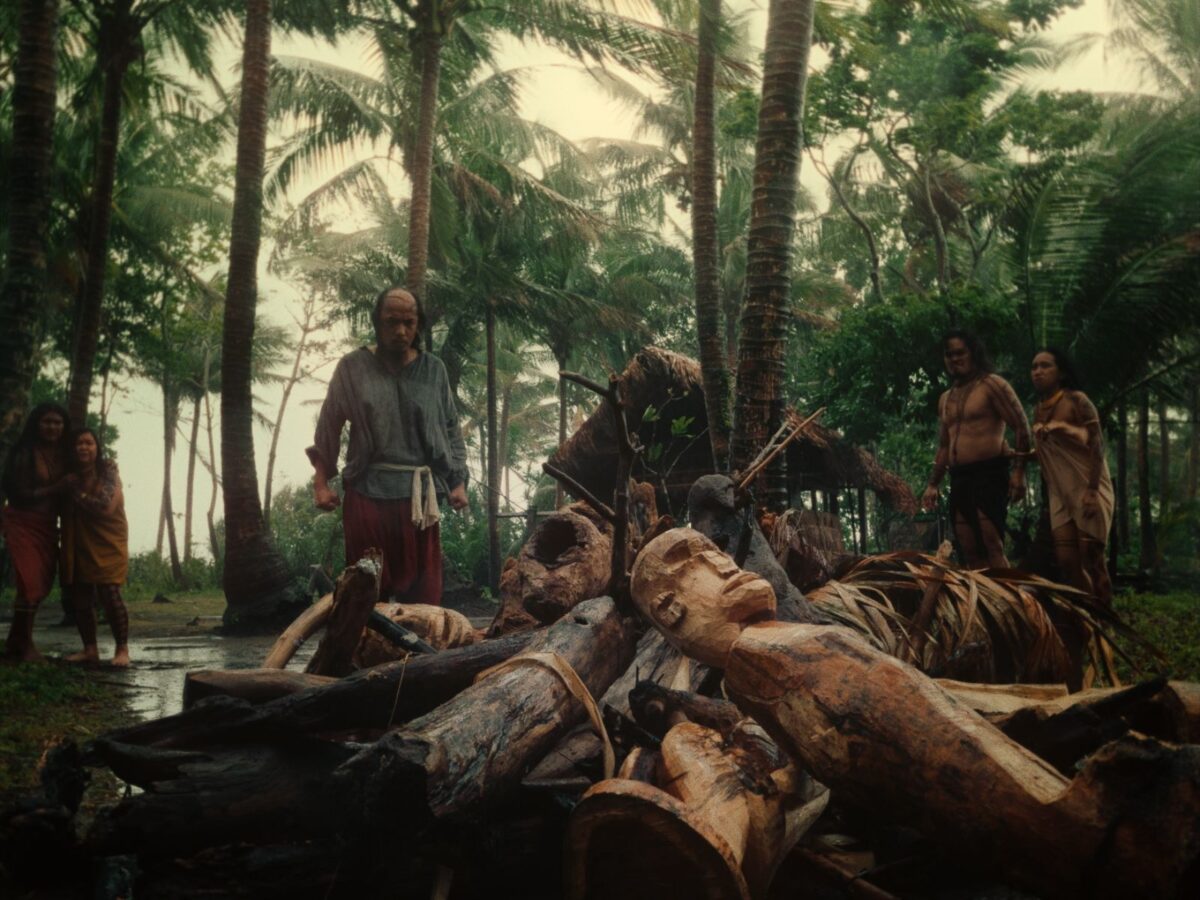
It is quite fitting that a biopic about Portuguese conquistador Ferdinand Magellan’s colonization of the Philippines is made not by the colonizers but by the colonized. Filipino master Lav Diaz mounts a staggering old-world spectacle, observing the ruin and folly of colonization with detachment and equanimity. The period recreation is stunning, and the pristine beauty of the Filipino landscapes brings into sharper relief the rapacious plunder of the invaders. Diaz, the exemplar of slow cinema, crafts his most accessible work to date and perhaps his stateliest—the sensationally accomplished mise en scène demonstrates his compositional mastery in frames overflowing with beauty and historical import.
Magellan premiered at the 2025 Cannes Film Festival in Premieres and was released in the US by Janus Films.
6. Resurrection (Bi Gan)
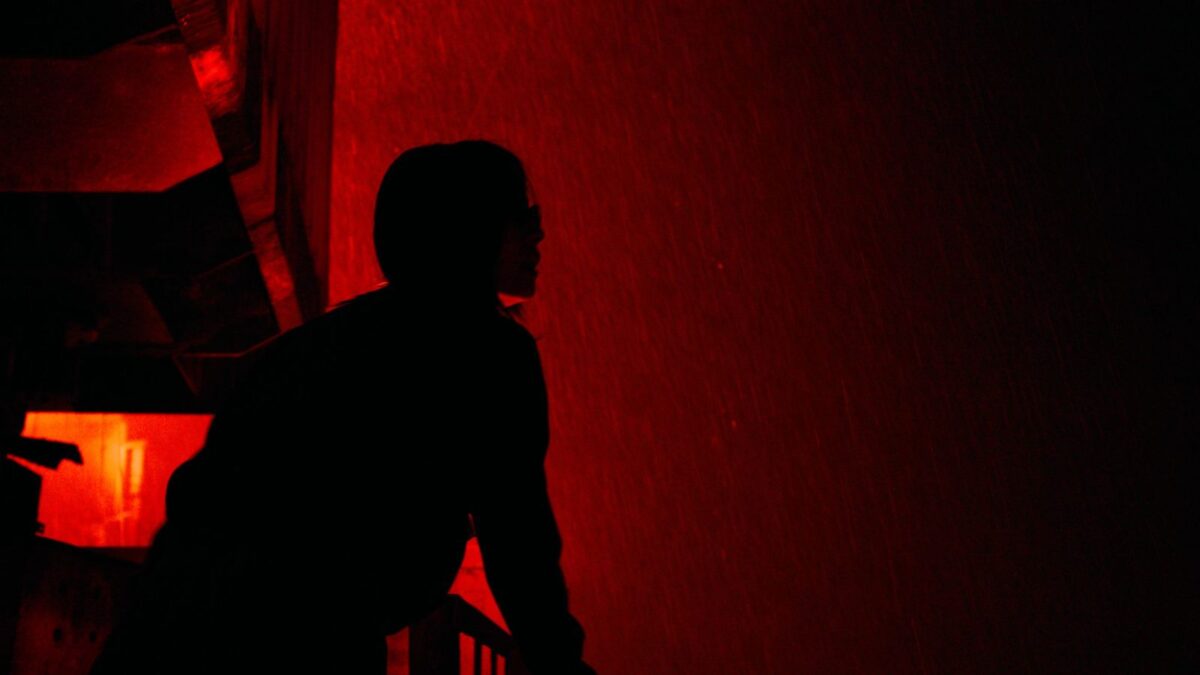
With only three films under his belt, Chinese auteur Bi Gan has already become a cause célèbre in cinephilic circles due to his swoony, entrancing shadow plays that are more akin to dreams remembered than narrative films. With Resurrection, he delivers his magnum opus, a Wes Anderson-style omnibus of five embedded tales, each a different genre, shot in a different style—one is a silent film, yet another is a crime picture. What unites all is Bi’s infectious & unwavering passion for cinema as sacred communion, an act of rebellion against the shackles of waking life. Watch out for his 37-minute, single-take vampire tale, an exhilarating maelstrom of yearning and sexiness.
Resurrection premiered at the 2025 Cannes Film Festival in Competition and was released in the US by Janus Films.
5. Sound of Falling (Mascha Schilinski)
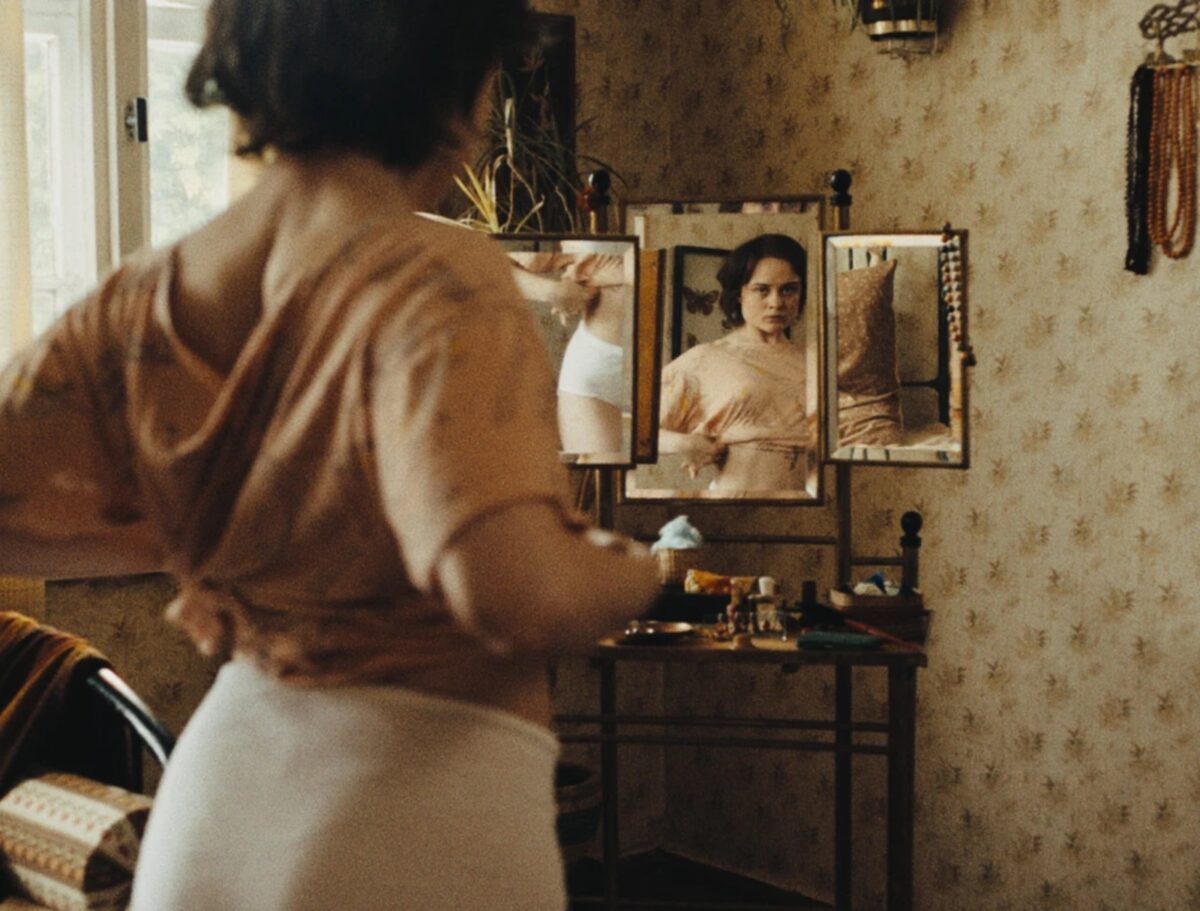
The lives of four girls, living in four different time periods in the same house, across 100 years, reverberate back and forth in time, as the past haunts the present, and the future intrudes upon the past. Sound Of Falling is a dazzlingly assembled film that grapples with history, familial dynamics, and the everyday realities of living in the moment. It begins mired in obscurity, but Mascha Schilinski respects your intelligence enough to trust you will be able to put the pieces together. The emergent kaleidoscopic mosaic of humanity is awash with wry details and piercing insight. A rare film that not only demands a rewatch but rewards it.
Sound of Falling premiered at the 2025 Cannes Film Festival in Competition and was released in the US by Mubi.
4. One Battle After Another (Paul Thomas Anderson)
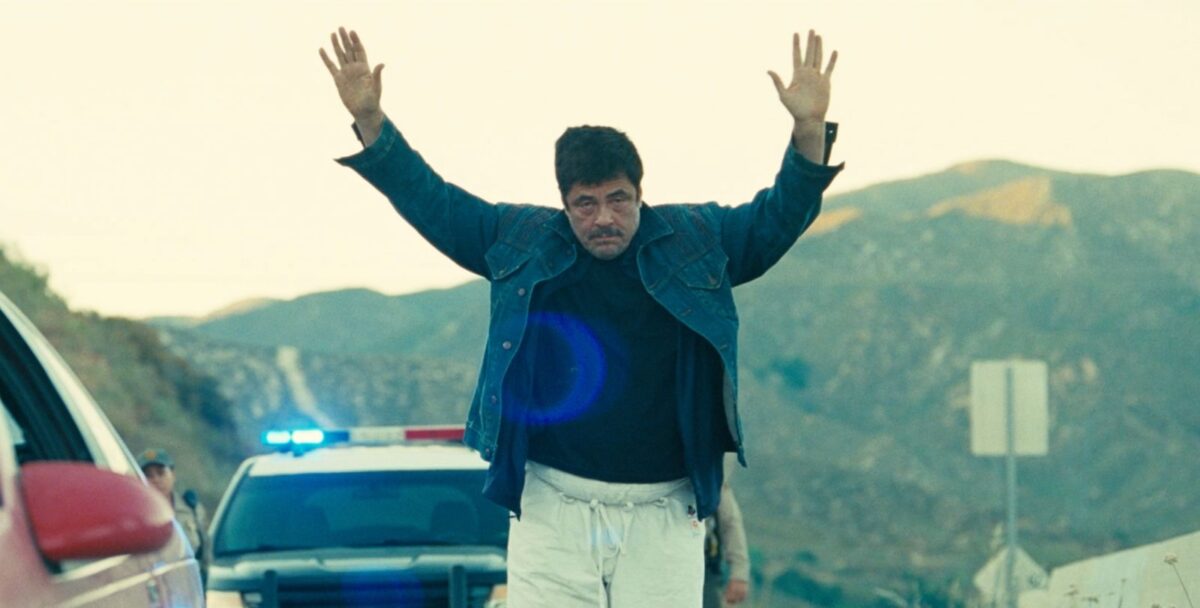
Paul Thomas Anderson’s One Battle After Another stands as a monument to the art of film direction. Its compulsive rewatchability is it achievement, and also its curse. Repeat viewings bring into relief the film’s undeniable conventionality—a bad-guys-hunting-good-guys action-chase thriller. What gets you each time though is the high degree of execution. Every single shot has three-to-four things happening, begins at exactly the right moment, ends precisely when it should—with the camera placed perfectly each time. It’s remarkable, staggering, and beggars belief. Such is the genius of Anderson that only by comparison to his own oeuvre can a film as singular and idiosyncratic as One Battle After Another seem conventional in the slightest.
One Battle After Another was released by Warner Bros Pictures.
3. Nouvelle Vague (Richard Linklater)

Nouvelle Vague deserves all the credit in the world for subverting the most vulgar and grotesque trope of making-of-art biopics—that great art arises only out of great adversity or misery. Linklater, in his making-of dramatization of Jean-Luc Godard’s Breathless, advances a radical proposition—great art can also be effortless and, heaven forbid, made-up, phoned-in, and improvised. Artist biopics seek to deny the existence of genius; Nouvelle Vague celebrates it. Linklater’s Godard is a self-entitled asshole who makes a masterpiece on his first try because why not. Linklater’s most purely enjoyable film nails a pleasure we scarcely get from films today—clever, beautiful people being beautiful and clever.
Nouvelle Vague premiered at the 2025 Cannes Film Festival in Competition and was released in the US by Netflix.
2. The Secret Agent (Kleber Mendonça Filho)
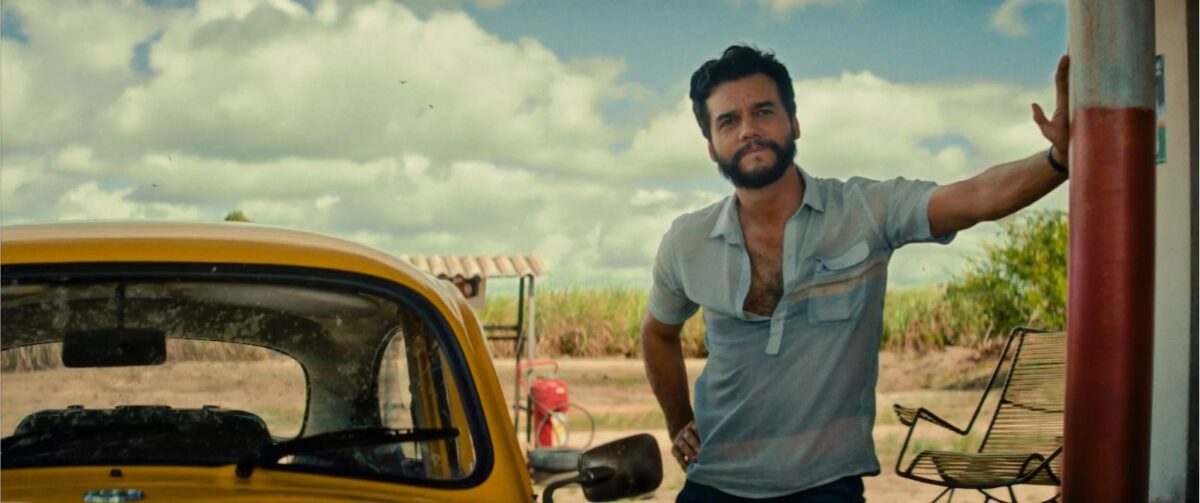
The Conradian title conjures up expectations of espionage, surveillance, and violent action. And although Kleber Mendonça Filho isn’t above making a genre picture, in The Secret Agent, he delivers something far richer and deeper—a dictatorship-era memory piece that teems with voluptuous life. During the 70s, lives were in jeopardy, but lives also bloomed. Mendonça Filho packs his frames with interesting faces and their stories, a nation’s neurotic myths and legends, and ultimately an intrusion from the future. History is not just a tool for inquiry but catharsis in Mendonça Filho’s enormously clever ending. The past resists discovery as much as it defies comprehension.
The Secret Agent premiered at the 2025 Cannes Film Festival in Competition and was released in the US by Neon.
1. Misericordia (Alain Guiraudie)
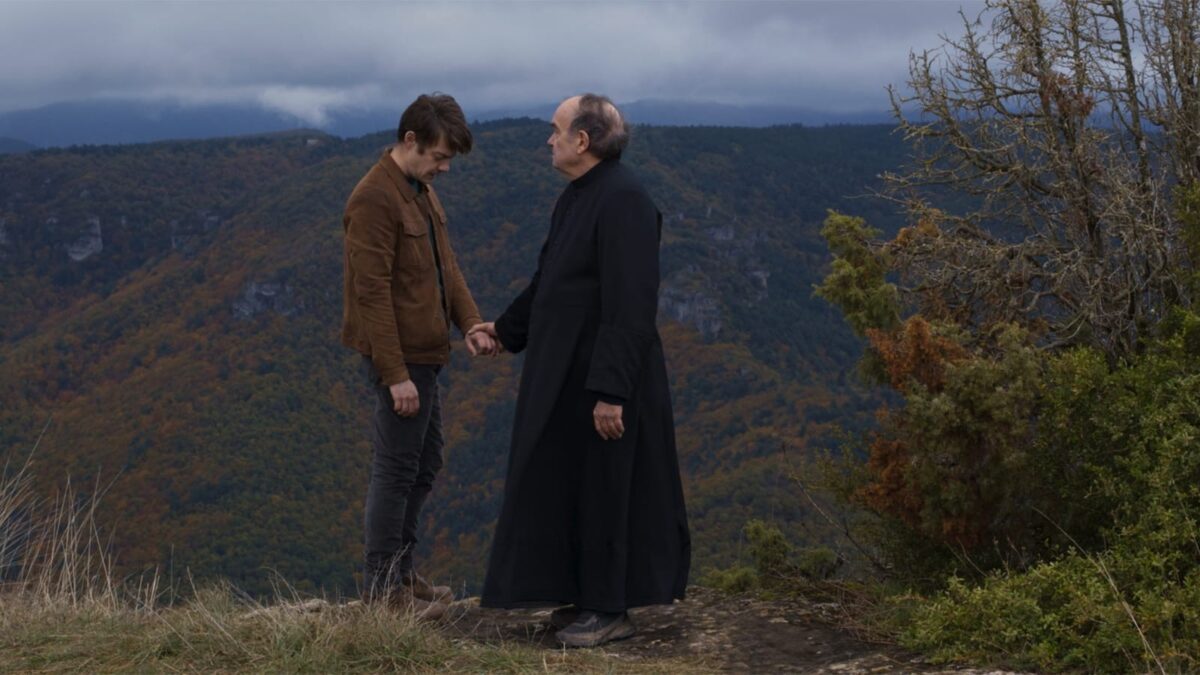
A tiny French village, half-dozen characters, and a taut 100-minute runtime are all Alain Guiraudie needs to make a masterpiece, effortlessly epitomizing all that is desirable in cinema—economy, brevity, and unyielding formal rigor. That it takes so little to achieve greatness is both reassuring and despairing—what prevents other filmmakers from achieving a tenth as much, with ten times the resources? In Misericordia, Guiraudie’s Dostoevskian thriller, a wily interloper lays bare a village community’s buried perversions. Sitting beyond judgement, beyond morality—at the limits of our capacity to tolerate and forgive—Guiraudie once again confirms his place as one of the greatest, most important filmmakers working today.
Misericordia premiered at the 2024 Cannes Film Festival in Premieres and was released in the US by Sideshow and Janus Films.