
The summer season is upon us and, as with every year, we’ve dug beyond studio offerings to present an in-depth look at what should be on your radar. From festival winners of the past year to selections coming straight from Cannes to genre delights and, yes, a few blockbuster spectacles, there is more than enough to anticipate.
Check out our picks below and return for monthly updates as more is sure to be added to the calendar. Release dates are for theatrical openings, unless otherwise noted.
Our Land (Nuestria Tierra) (Lucrecia Martel; May 1)
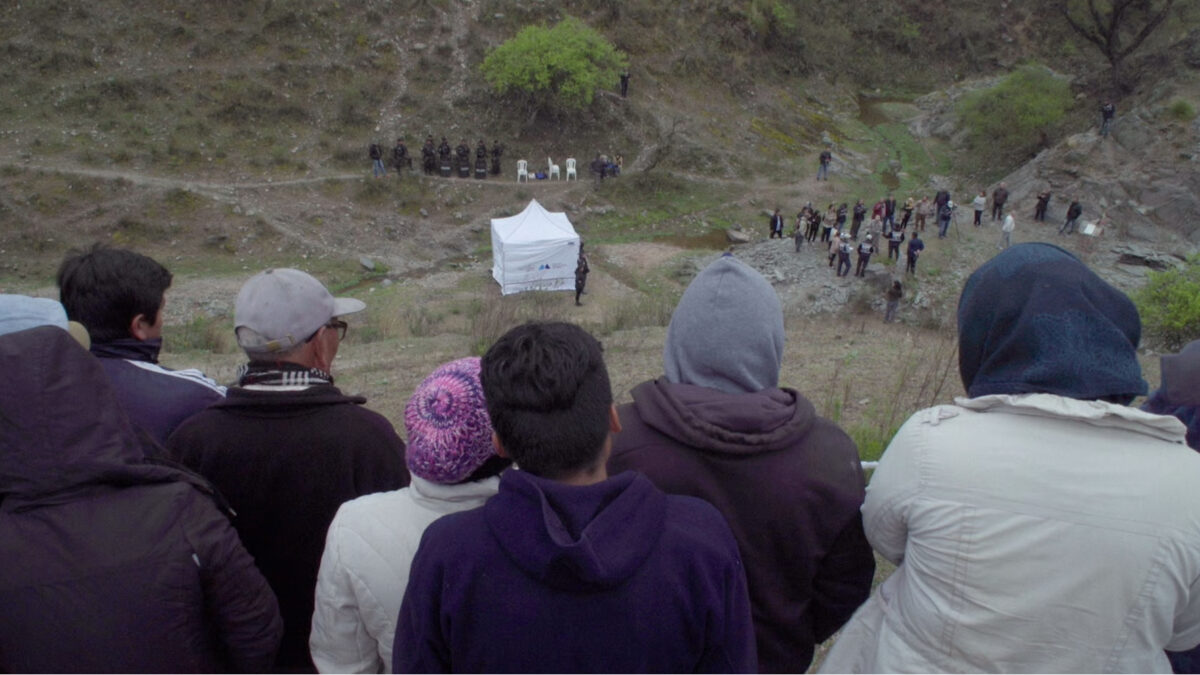
There is a direct and conscious throughline between Lucrecia Martel’s previous historical film Zama to her contemporary legal documentary Nuestra Tierra. We see the lives of indigenous communities in Argentina continue to be treated with little regard, a clear class and racial fissure existing in the nation. Martel films the court scenes and disputed land as two battlegrounds spanning time. The murder of the Chuchagasta indigenous community leader Javie Chocobar at the hands of corrupt businessmen and bureaucrats reflects the history of Argentina as, to this day, a disputed territory. While Martel’s cinema is known for its heavy use of metaphor, blending fantasy and realism with impressionistic camerawork, this is a movie that pares everything down to cinema’s base elements, making crystal-clear what is at stake. – Soham G.
Two Pianos (Arnaud Desplechin; May 1)
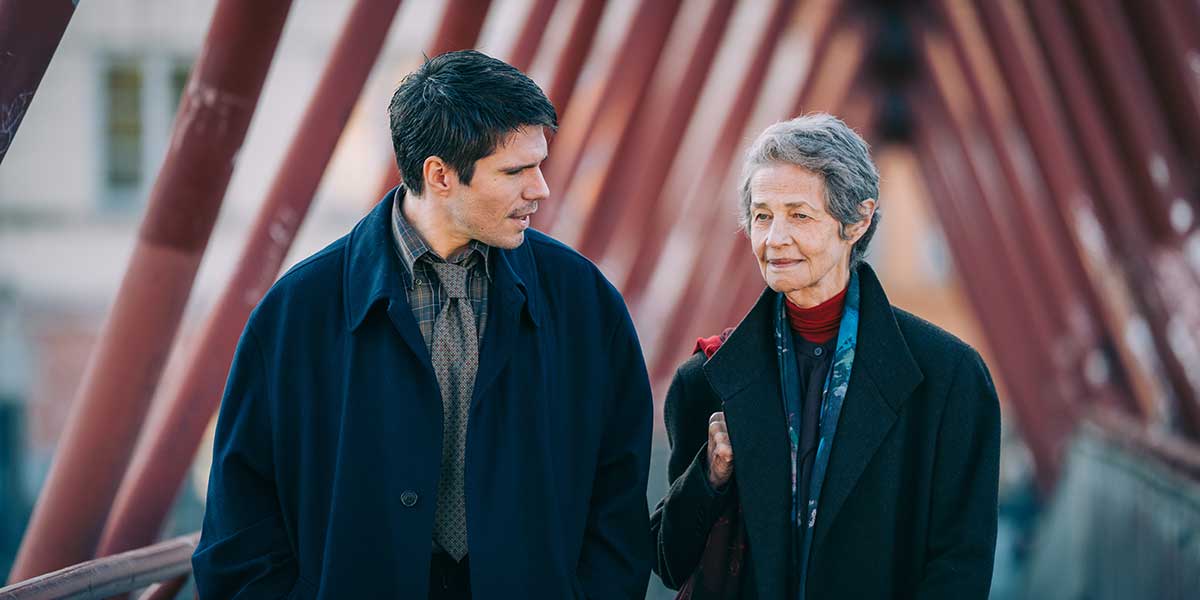
The past rears its not-so-ugly head in Two Pianos, Arnaud Desplechin’s latest film exploring the ways gorgeous people make an even bigger mess out of the messiness of life. Set amidst the world of classical music in Lyon, this tale of a tortured pianist’s reunion with his also-tortured first love contains the literary and melodramatic elements one normally expects from Desplechin, who––having not received a theatrical release since 2017’s Ismael’s Ghosts––has unfortunately fallen out of favor in the U.S. That’s not the case in his home country, where he’s maintained a prolific output that continues attracting some of France’s top actors. With Two Pianos he’s put together a rich, thoughtful look at how we can shape our lives around our biggest regrets. – C.J. P. (full review)
The Last One for the Road (Francesco Sossai; May 1)
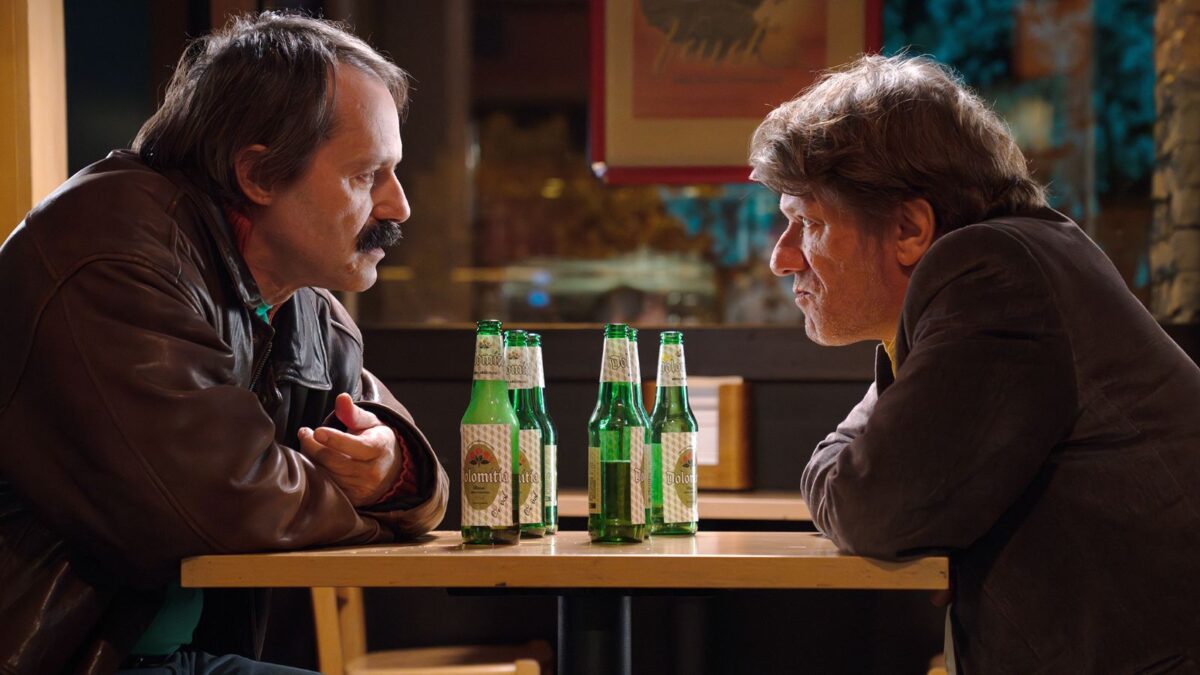
It doesn’t take long to work out where you are in The Last One for the Road––for the backroads of Veneto, Italy, Francesco Sossai’s delightful new movie has the unmistakable specificity of a life spent there. What you instead start to wonder is the when of it all. The protagonists are a pair of rogues in their 50s––one of whom, Doriano (Pierpaolo Capovilla), wears a shirt the color of a tobacco stain, the other, Carlobianchi (Sergio Romano), a style of bushy mustache I’ve rarely seen onscreen since Bruno Ganz sported a similar one in The American Friend. Only after stumbling into a group of Gen Z students––the most visible dressed in the headgear of an Egyptian goddess––late at night along a Venice canal do we realize that our heroes exist in the here and now. If it wasn’t for their innate knack for catching last orders, regardless of the watering hole, you’d almost call them men out of time. – Rory O. (full review)
Silent Friend (Ildikó Enyedi; May 8)

Hungarian director Ildikó Enyedi is best known for her 2017 Golden Bear-winning film On Body and Soul, where an unlikely pair of characters met in a dream and, as deer, fell in love. This remarkably tender Berlinale winner is, in many ways, the precursor to Enyedi’s newest film, notwithstanding the fact that in-between came The Story of My Wife (2021), a period drama of an obsessive love affair starring Léa Seydoux. Not to say the latter is irrelevant: the English-language debut allowed Enyedi to expand the details of her singular worlds beyond language and cement herself as a European auteur to whom actors flock. While Silent Friend stars the indomitable Tony Leung (and also Seydoux in a small role), the real star of this film is a ginkgo tree. If On Body and Soul was fauna, Silent Friend is flora. – Savina P. (full review)
Blue Film (Elliot Tuttle; May 8)
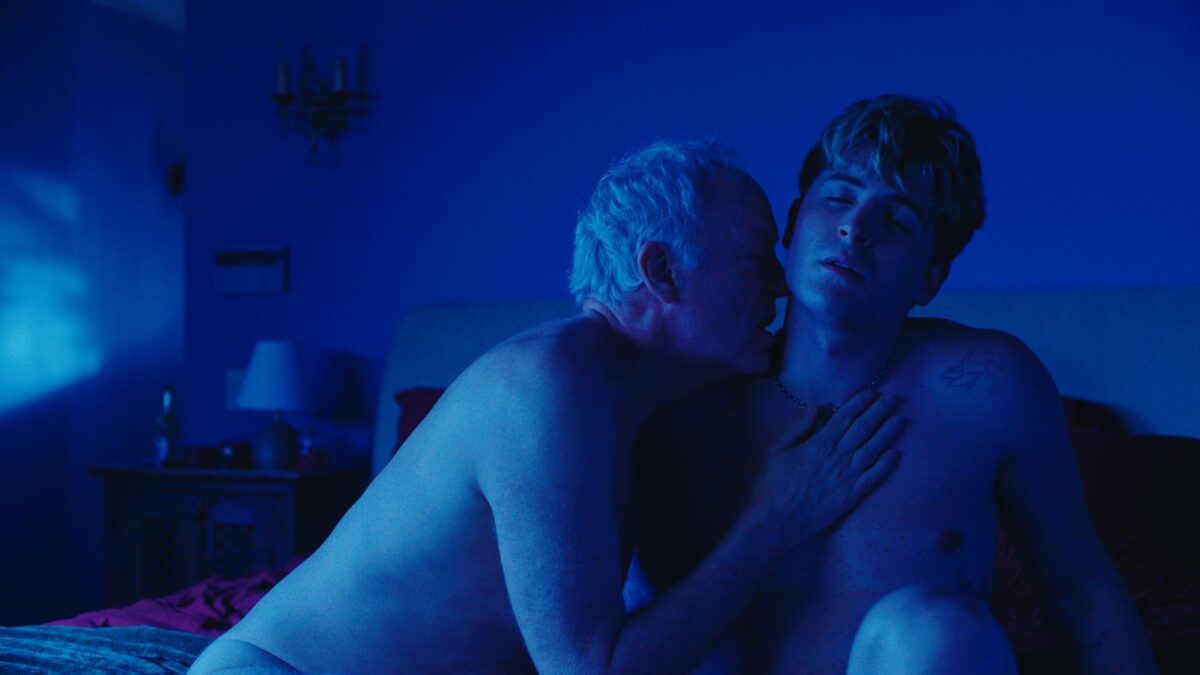
World-premiering at the 2025 Edinburgh International Film Festival and making its North American premiere at Newfest to much acclaim, Elliot Tuttle’s feature Blue Film has already stirred up some controversy, touching on subject matter perhaps too taboo for many distributors. Thankfully, Obscured Releasing will give a roll-out to the chamber drama that, beyond its provocative logline best left unspoiled, is a wonderfully nuanced two-hander exploring loneliness, attraction, and trauma with stand-out performances from Reed Birney and Kieron Moore. – Jordan R.
The Wizard of the Kremlin (Olivier Assayas; May 15)
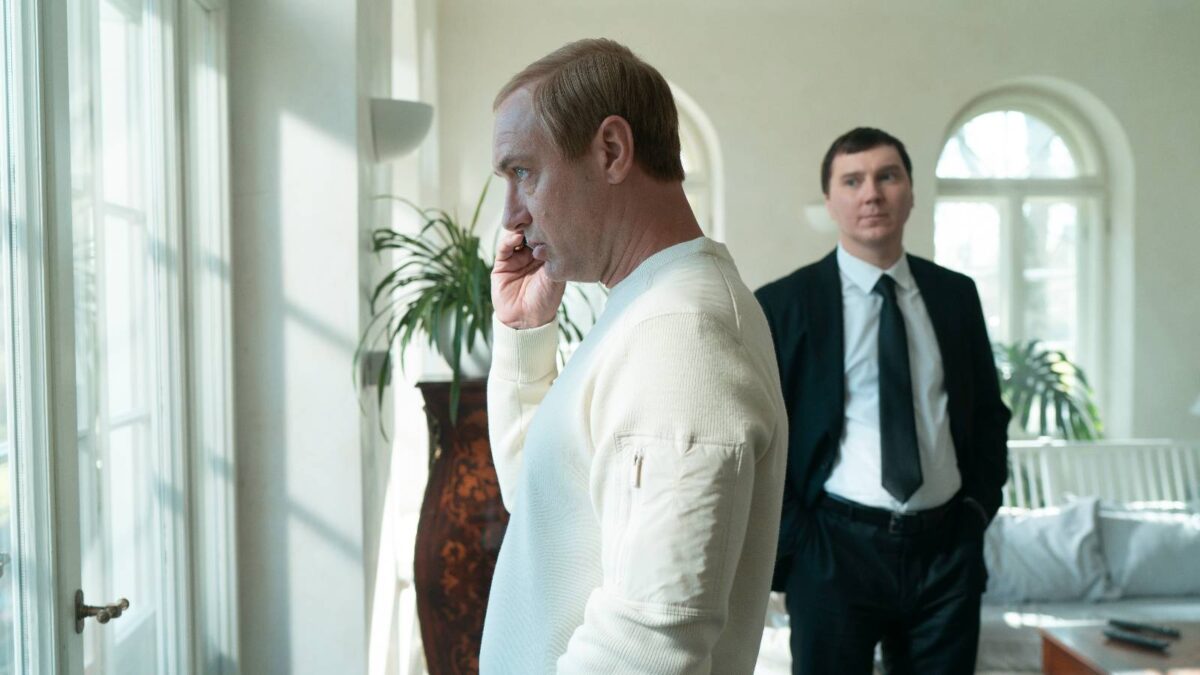
Following up one of his smallest-scale films, Suspended Time, Olivier Assayas’ latest is the epic political drama The Wizard of the Kremlin, based on Giuliano da Empoli. Starring Jude Law as Vladimir Putin alongside Paul Dano, Alicia Vikander, Tom Sturridge, Will Keen, and Jeffrey Wright, Savina Petkova said in her Venice review, “Audiences resisted Ali Abbasi’s The Apprentice because they feared the idea of Donald Trump being a movie’s protagonist, but never in its runtime does The Wizard of Kremlin show any ambivalence towards its main character. Without daring to question Baranov as a narrator, Assayas’ film consents to be interpreted as cynical. Because what is it, if not cynical, to insist on turning a chain of events that are still unfolding into a compact story? We may be used to recognizing films that fetishize something through their form, but we seemingly need to be wary of a content-fetish too.”
I Love Boosters (Boots Riley; May 22)
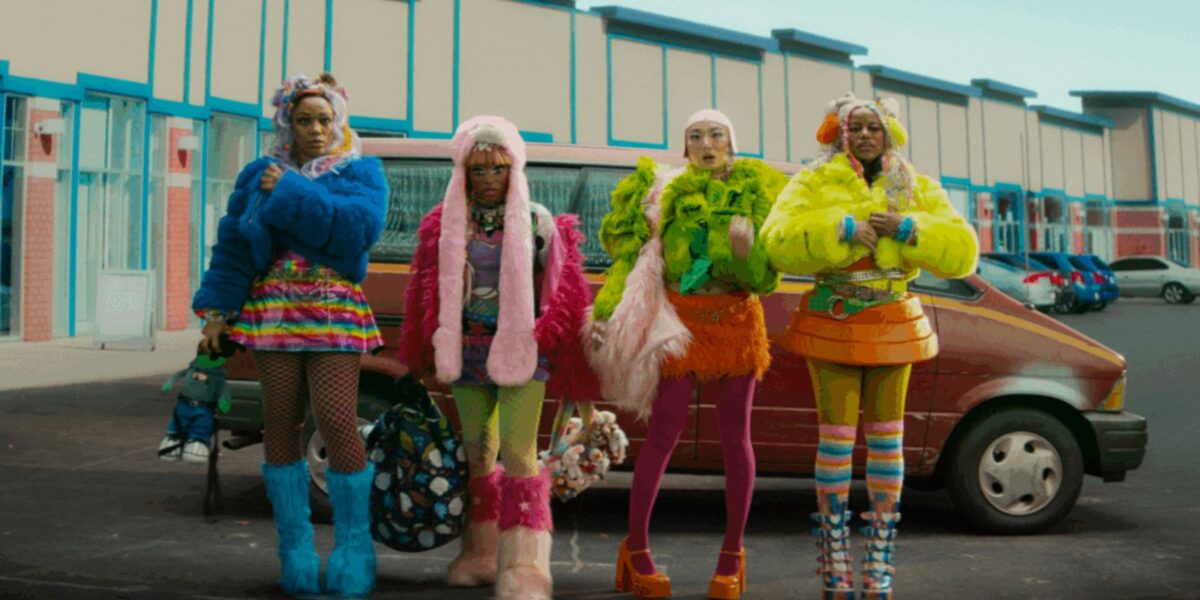
A parody of dialectical materialism (you’ll understand what this means when you see the film), superficial economies, and the cult of fast fashion, I Love Boosters—the second feature from rapper, activist, and filmmaker Boots Riley—proves a spirited and hilarious comedy in its first two acts before falling back on action-comedy tropes in its finale. Perhaps there’s no way to fully sustain the gonzo energy delivered in its set-up, which initially offers a sharp critique of capitalism as biting as Riley’s debut feature Sorry to Bother You. – John F. (full review)
The Currents (Milagros Mumenthaler; May 29)
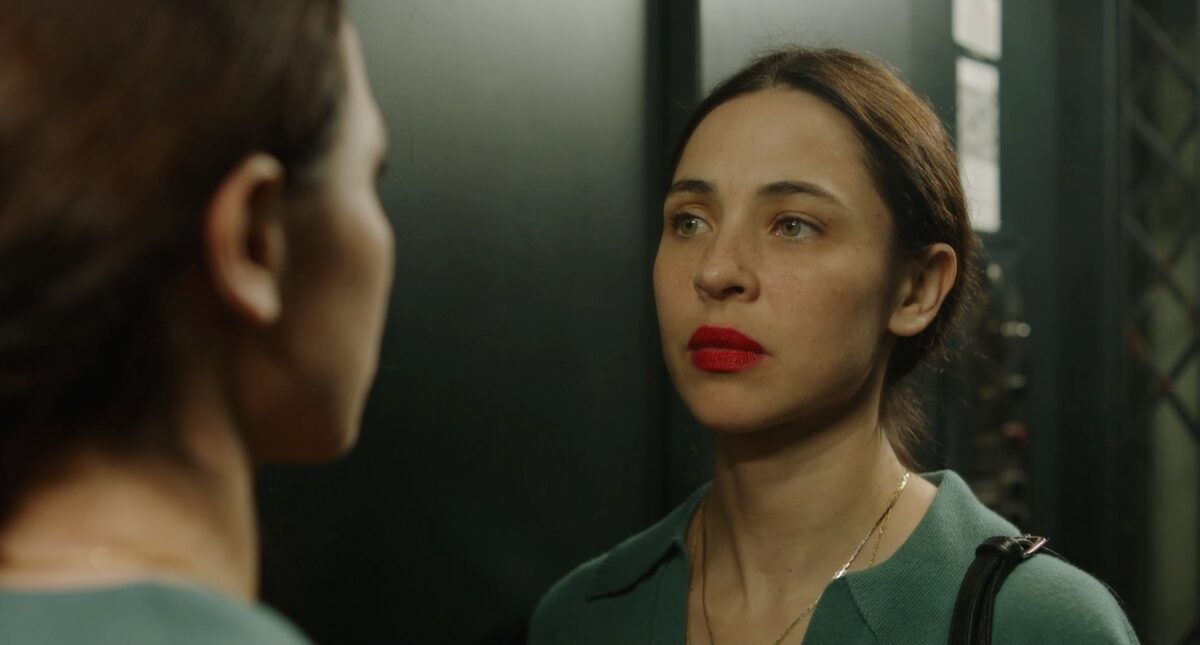
The Currents begins with a curious, impulsive act. Lina (Isabel Aimé González Sola) is being recognized for her work in Switzerland when, suddenly, she completely disassociates. She can’t absorb the applause or adulation. Lina walks out of the event and wanders over to a bridge, allowing herself to fall into the water below. The motion seems involuntary, no contemplation in her movements. It seems almost as if she was pushed, but there’s no one around her when it happens. And once out of the water, she returns home to Argentina a different woman. Lina can no longer tolerate the sound or feeling of water––she can barely even look at it. When her daughter Sofia (Emma Fayo Duarte) takes a bath, Lina refuses to be in the bathroom with her, too anxious to interact with a full tub of water. – Jourdain S. (full review)
Backrooms (Kane Parsons; May 29)
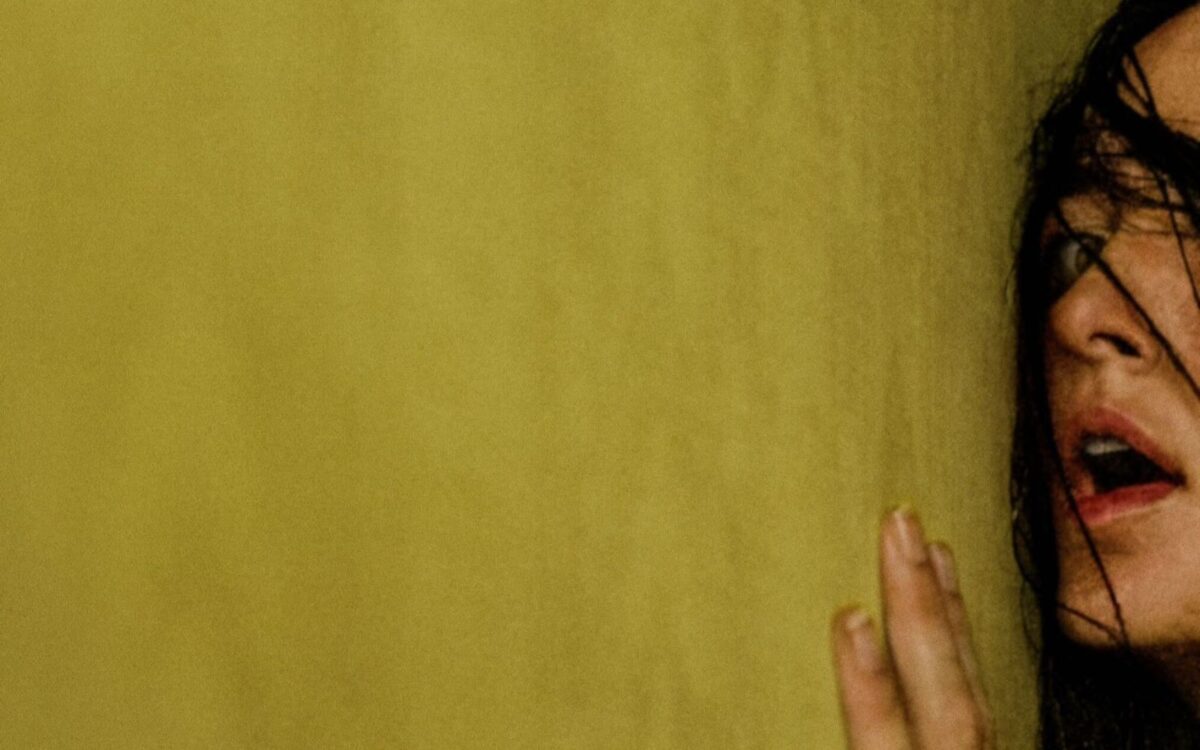
In a summer movie season once again full of sequels and reboots, one piece of I.P., per se, that actually has our interest is Kane Parson’s directorial debut Backrooms, inspired by his “creepypasta” web series with a cast including Renate Reinsve, Chiwetel Ejiofor, Mark Duplass, Finn Bennett, Lukita Maxwell, and Avan Jogia. Trailers have hinted at a true evolution from his previous work to something that will be quite unnerving to experience on the big screen. – Jordan R.
Renoir (Chie Hayakawa; May 29)
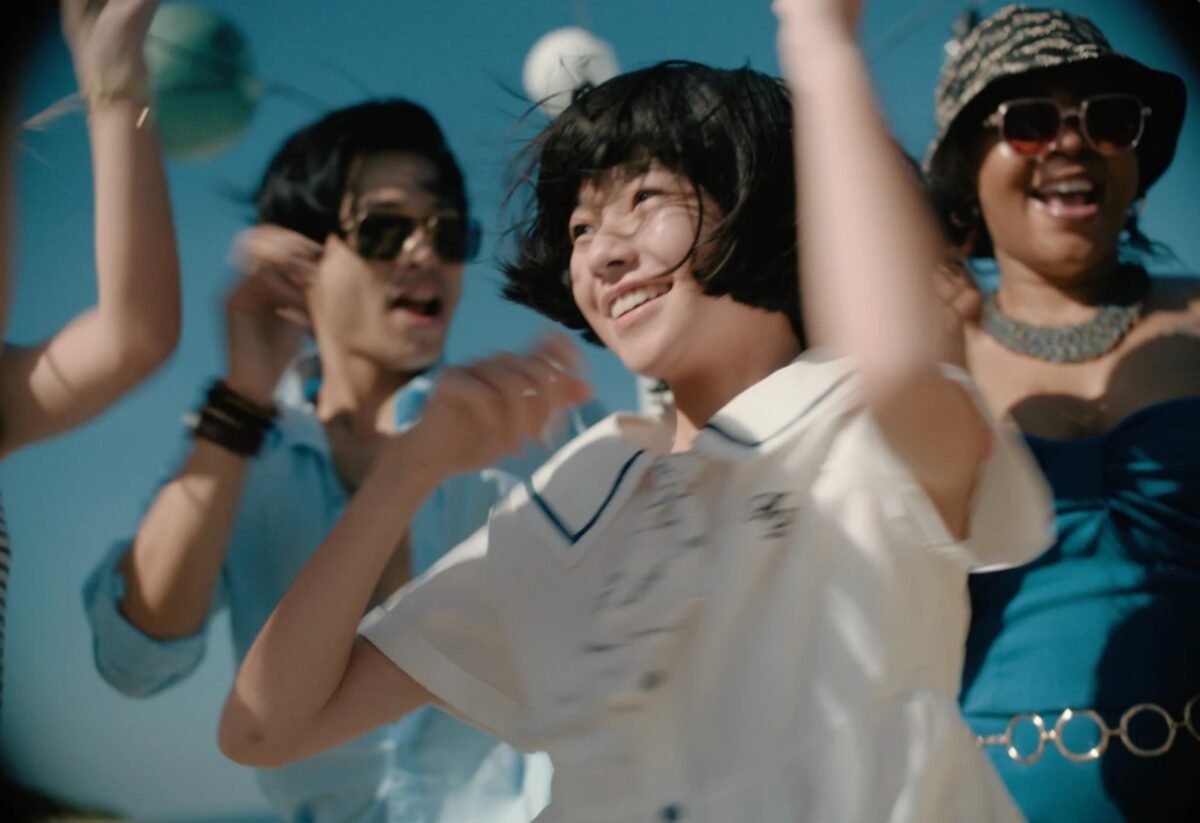
Just three years since earning a special mention from the Camera d’Or jury for Plan 75, Chie Hayakawa returns to Cannes as one of seven filmmakers debuting in the main competition––an uncharacteristic breath of fresh air from a festival known for sticking with the old guard. In Plan 75, an acidic work of speculative fiction, Hayakawa imagined a near-future timeline where Japan decided to see to its aging-population crisis by introducing a voluntary euthanasia program. Hayakawa approaches adjacent themes in her sophomore feature, Renoir, a film about family, death, and intergenerational friction that looks not to the future but the director’s own past. – Rory O. (full review)
With Hasan to Gaza (Kamal Aljafari; May 29)
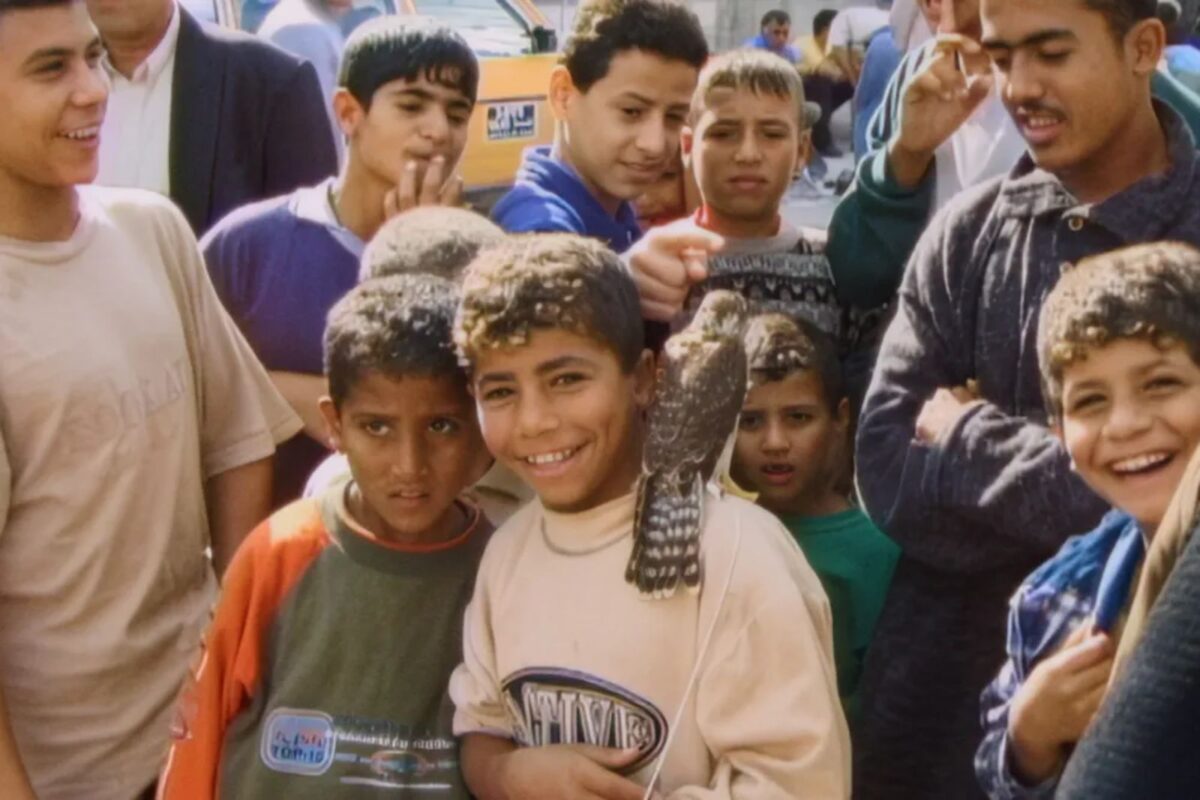
The new documentary With Hasan in Gaza––a poignant, meditative portrait of a city now fighting for its life––works as both a travelogue and time machine. In 2001, the filmmaker Kamal Aljafari journeyed to Palestine in the hopes of finding Adder Rahim, a friend he made while serving seven months in the juvenile section of Israel’s Naqab Desert prison when he was 17 years old. During filming, Aljafari met Hasan, a guide who agreed to drive him the length of the country, down its coastal strip, during which time the director documented what he saw: children playing, rows of cars and buildings, bustling city streets. – Rory O. (full review)
The Little Sister (Hafsia Herzi; June 5)
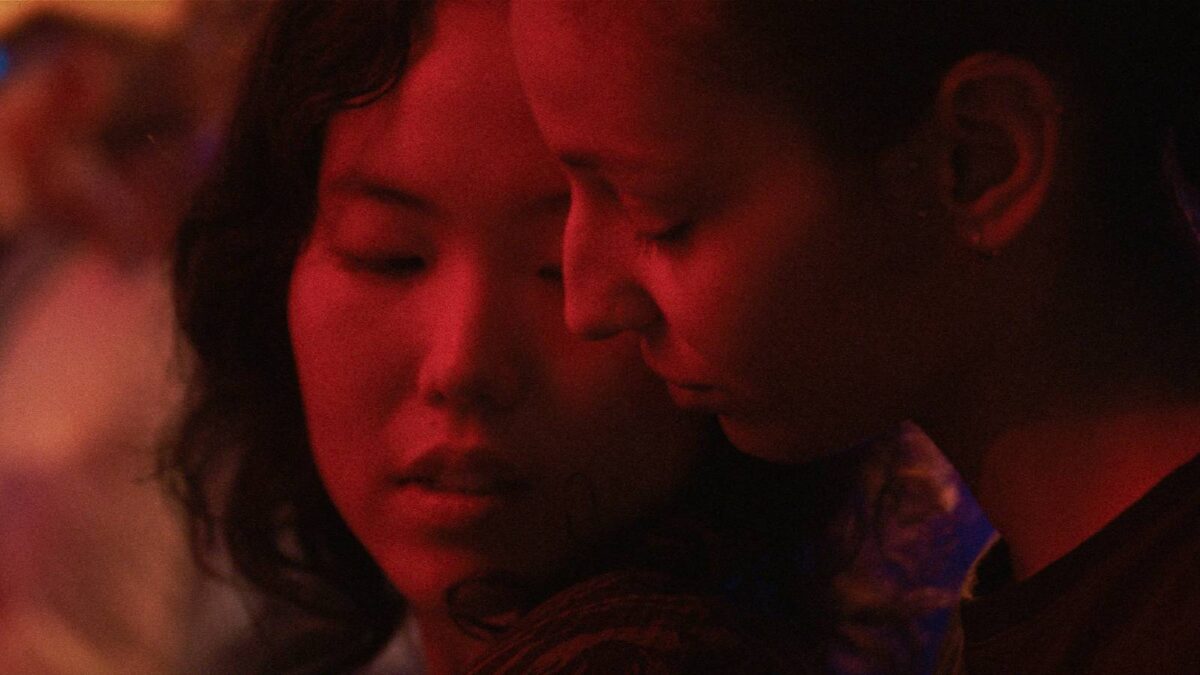
Nearly two decades since breaking out in The Secret of the Grain, Hafsia Herzi returned with her latest directorial feature, The Little Sister, earning much acclaim upon its Cannes debut last year. Starring Nadia Melliti (who won Best Actress at the festival) and Return to Seoul‘s Park Ji-Min, the queer coming-of-age story will now arrive in theaters this June. – Jordan R.
Carolina Caroline (Adam Carter Rehmeier; June 5)
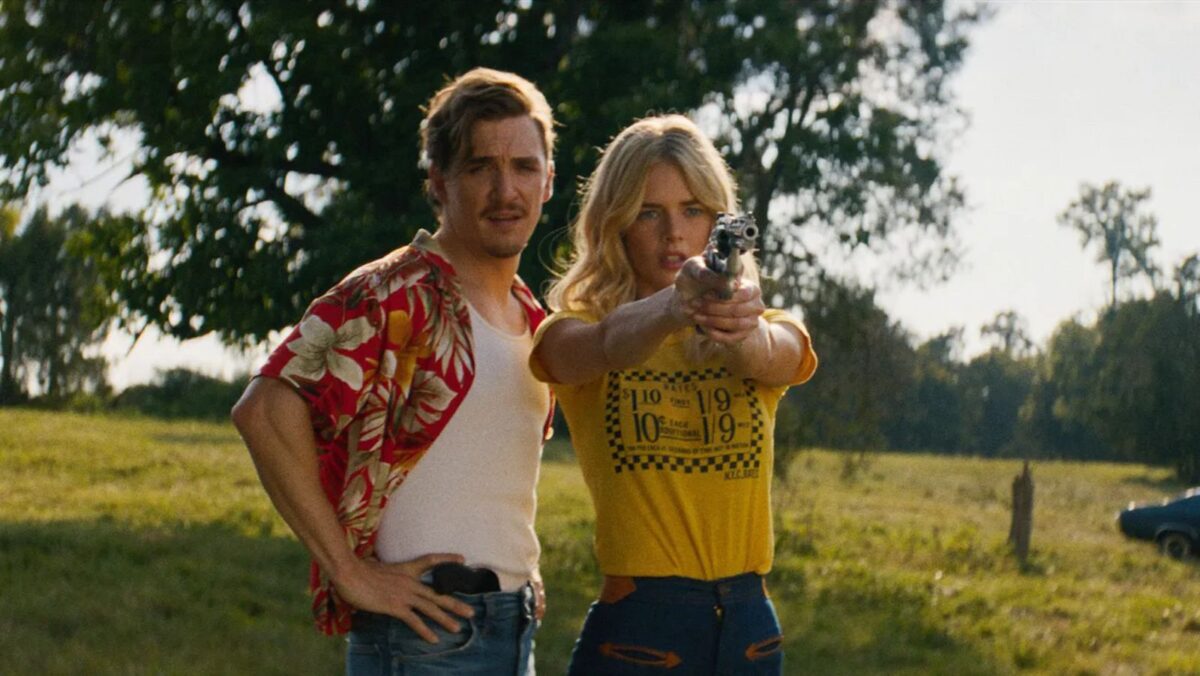
How do you tell when you stop being good people pretending to be bad and realize you’re just bad people who can’t even trick themselves into thinking they’re anything but? Caroline (Samara Weaving) asks this aloud earlier than you might expect, considering the crime escapade she and new boyfriend Oliver (Kyle Gallner) enjoy commenced at her behest. She didn’t just take his advice and wonder why she’d never left the one place she’s ever known. She didn’t just reject the notion of staying because it’s safe. No, Caroline chose to meet those realities with the decision to become a full-blown outlaw because it made her feel truly alive. – Jared M. (full review)
Jinsei (Ryuya Suzuki; June 5)
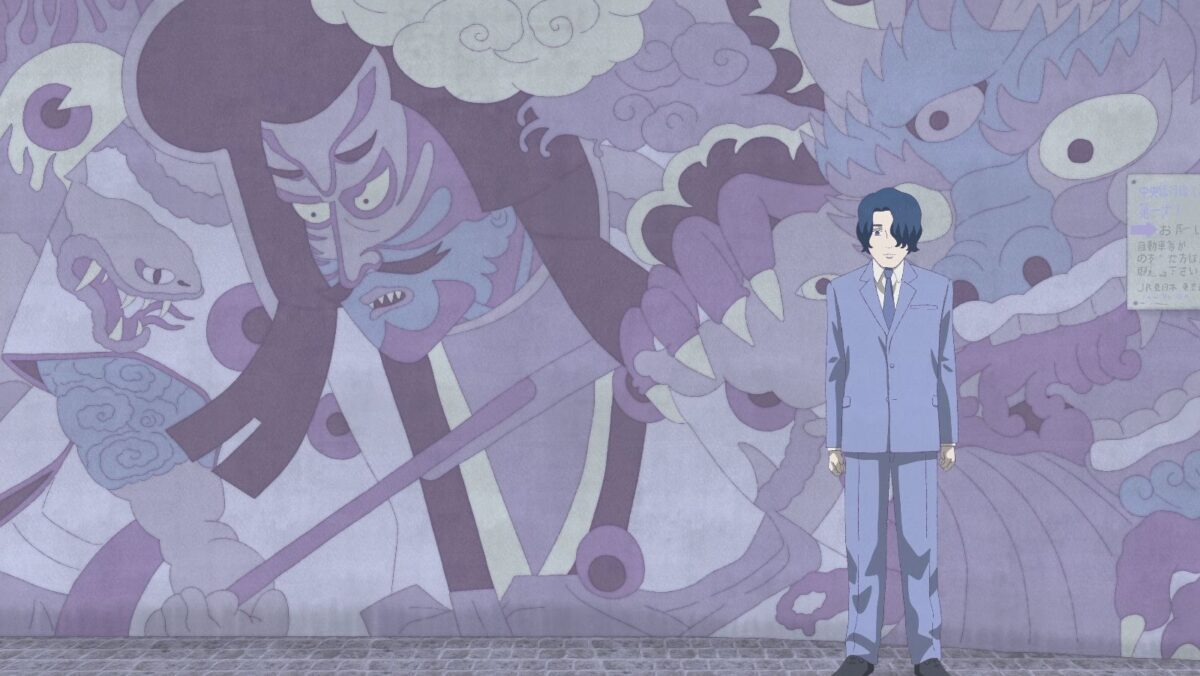
In quite a feat of DIY animation, Ryuya Suzuki crafted his century-spanning debut feature Jinsei over the course of 18 months as the sole animator, director, writer, editor, and musician. Premiering at the Annecy Film Festival to acclaim and now arriving this summer, the story follows a J-pop idol, an outcast, and an oracle in a 100-year chronicle of an extraordinary life, spanning the past, present, and future. – Jordan R.
Disclosure Day (Steven Spielberg; June 12)
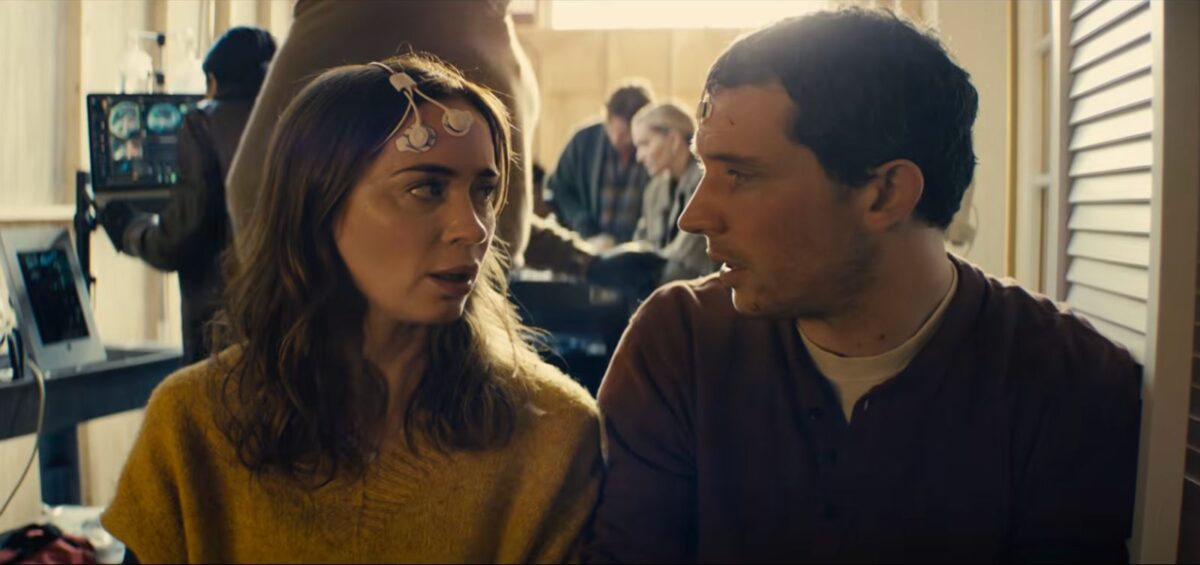
In one of the longest breaks of his career, it’s been four years since Steven Spielberg’s last feature, The Fabelmans, but he’s thankfully returning this summer. Going back to the realm of extraterrestrial sci-fi after Close Encounters of the Third Kind, E.T. the Extra-Terrestrial, and War of the Worlds, the legendary director will explore alien contact with Disclosure Day, featuring Emily Blunt, Josh O’Connor, Colin Firth, Eve Hewson, Colman Domingo, and Wyatt Russell. Word has it that the entire third act has been left out of marketing materials, so we can’t wait to see what the king of blockbusters has cooked up. – Jordan R.
Rose of Nevada (Mark Jenkin; June 19)
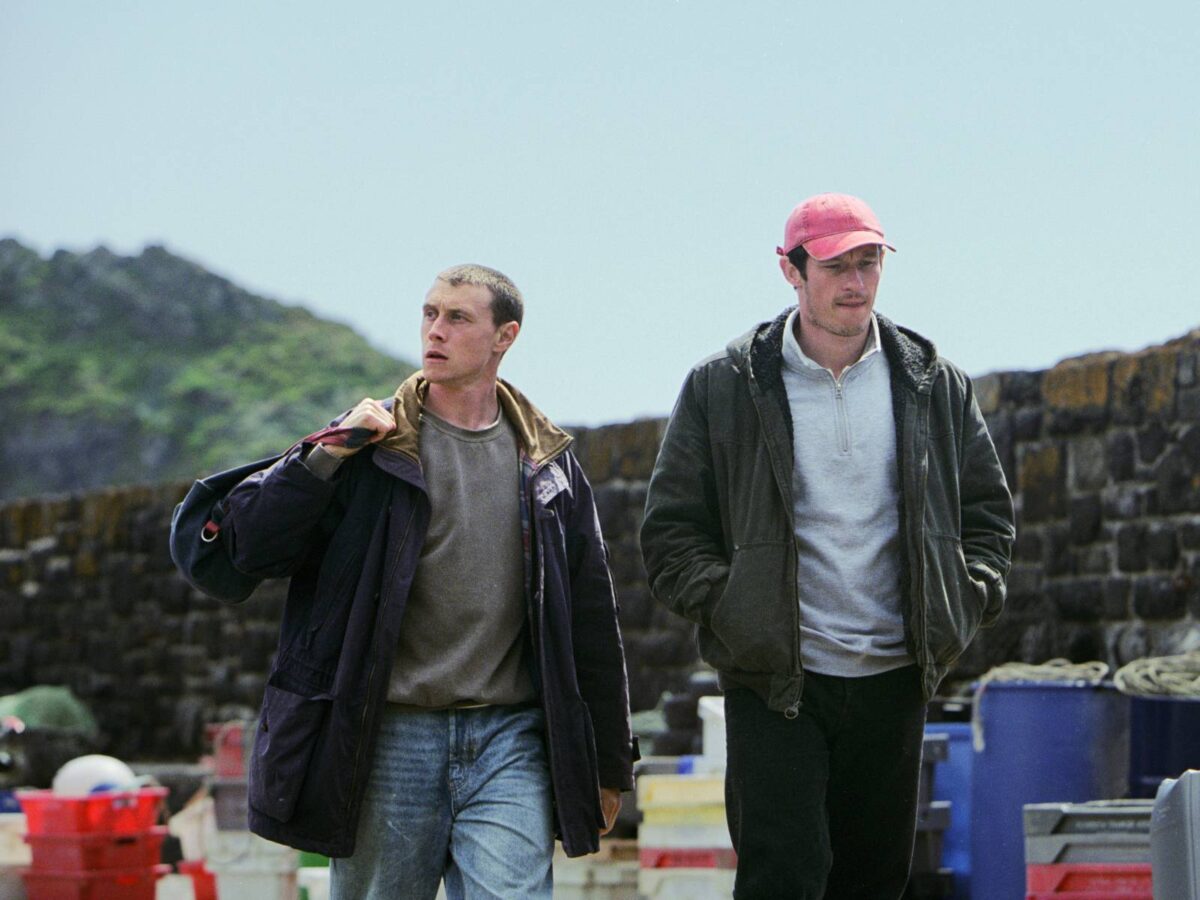
The films of Mark Jenkin ooze a hypnotic, seasick sensibility; to watch them is to be lulled by their restless jumps through time and space, their ability to convert his home turf of Cornwall into a suspended world where facts and visions collide in stupefying dioramas. The director is a spinner of wandering tales, never fueled by linear plots so much as ambient forces: a ticking clock, gusts of wind, the distant roaring of waves. His dramas tend to pull your gaze from people and toward the inanimate objects that litter their surroundings. It’s here––in the interstice between the fictional foreground and non-fictional background––that the actual story often lies. – Leonardo G. (full review)
Maddie’s Secret (John Early; June 19)
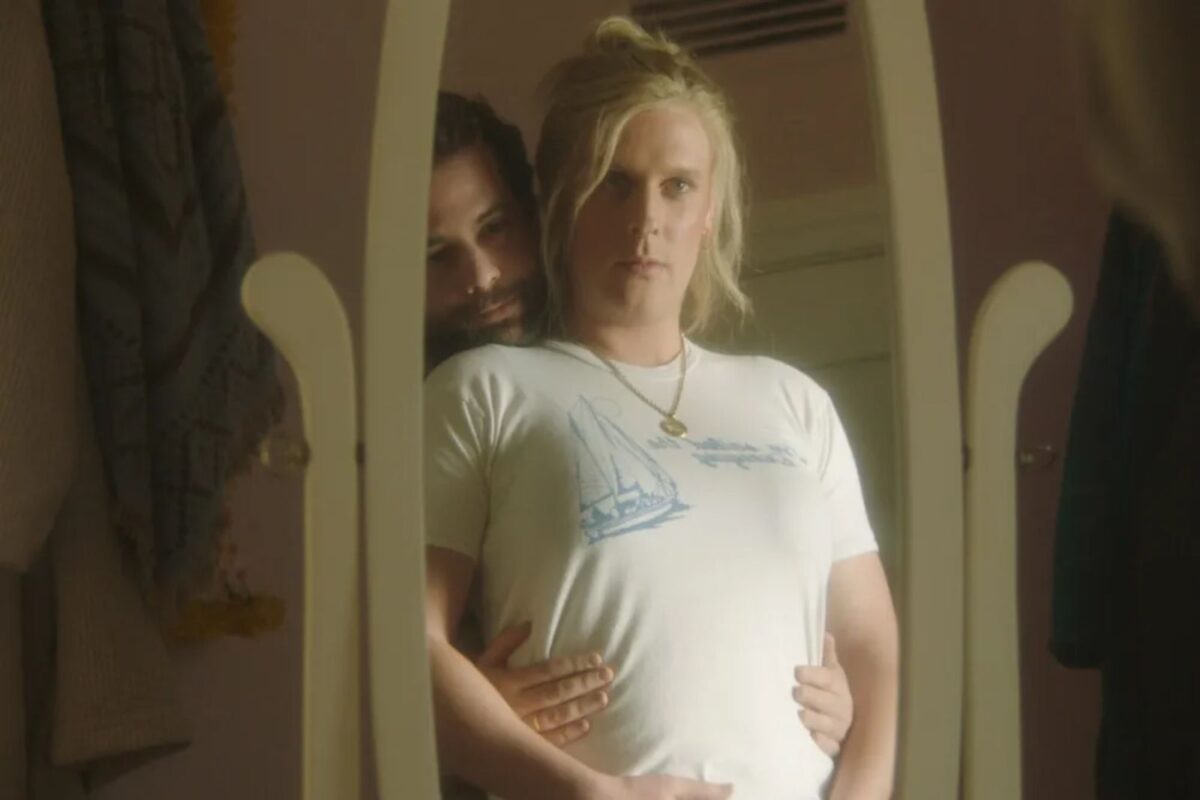
You can’t accuse John Early of not committing. Through the majority of his acting career, the comedian has become a reliable avatar for a palpable, toxic, hilarious narcissism, playing characters oblivious to the world outside the bubbles they’ve so thoroughly cultivated. That was particularly evident over four seasons of Search Party, as well as last year’s Stress Positions, a Sundance favorite that exposed the absurdity of living in quarantine over a masked summer. As an agoraphobic tenant in a Brooklyn brownstone, Early took the situation’s disaster and approached it through his very specific kind of self-assured, righteous mania to such an extent that his freak-outs are still rattling around in my brain. – Jake K-S. (full review)
The Death of Robin Hood (Michael Sarnoski; June 19)
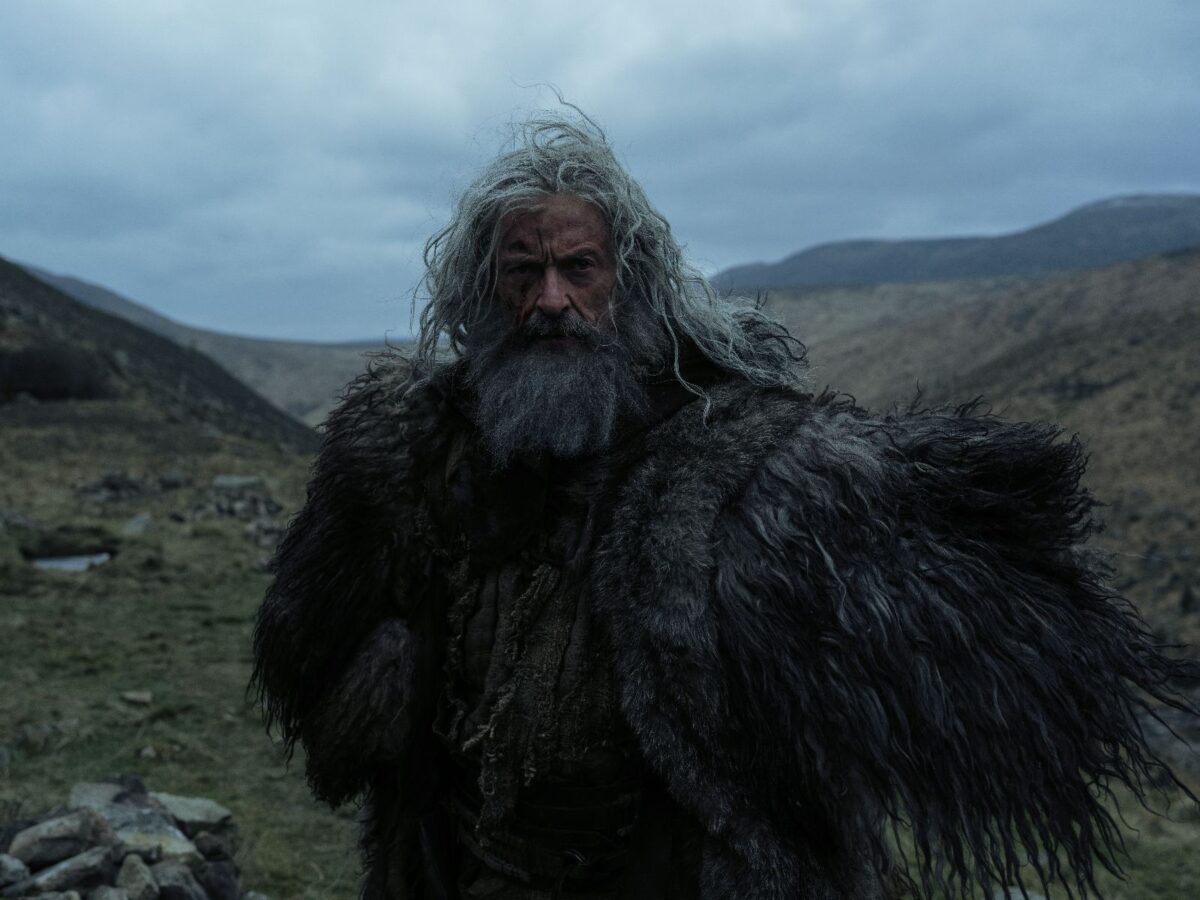
After breaking out with the impressive directorial debut Pig, Michael Sarnoski dabbled in franchise filmmaking on A Quiet Place: Day One, and now he’s returning this year with a new take on Robin Hood. Starring Hugh Jackman, Jodie Comer, Bill Skarsgård, Murray Bartlett, and Noah Jupe, The Death of Robin Hood finds the outlaw seeking salvation. While the material may not be of great interest, here’s hoping Sarnoski proves it is a story worth telling. – Jordan R.
Leviticus (Adrian Chiarella; June 19)
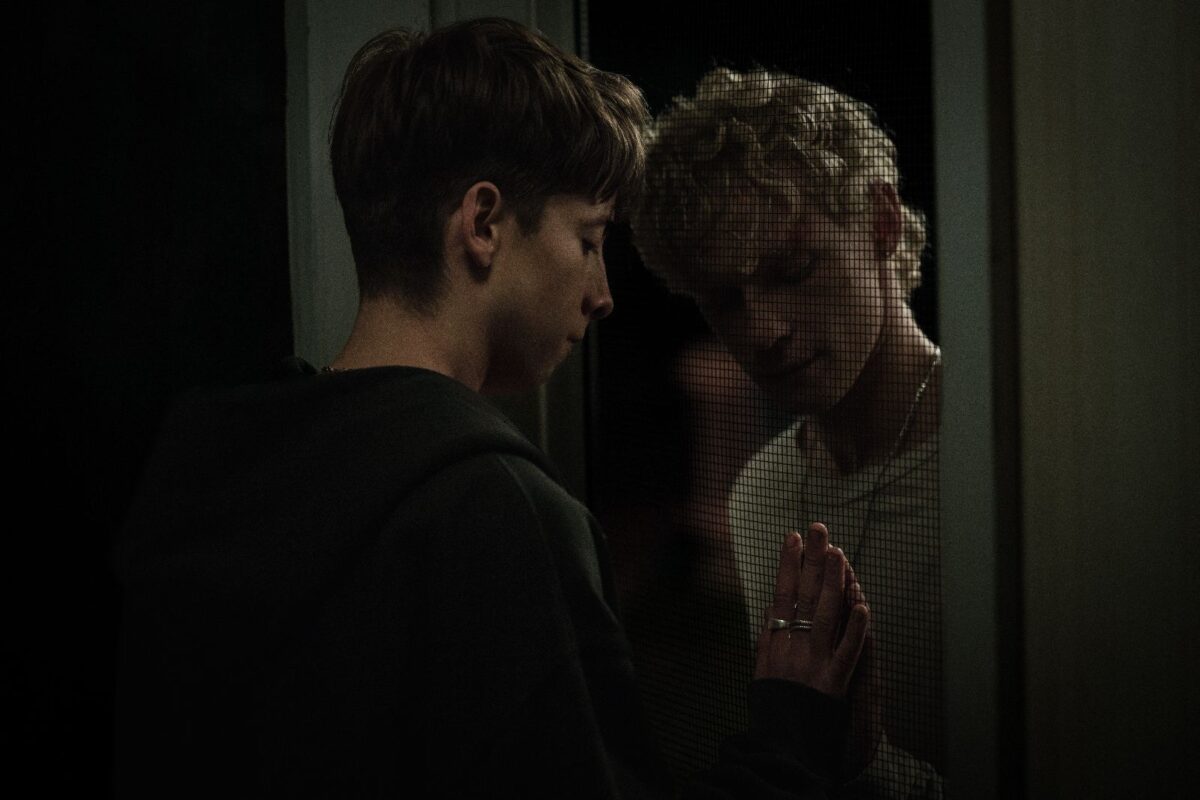
While we wait and see if another filmmaker on this list gets around to making his planned It Follows sequel, Australian director Adrian Chiarella’s unnerving feature debut Leviticus brings a similar, memorable dose of nightmarish dread. When a pair of boys living in a conservative Christian community in rural Australia as they begin to act on their queer feelings, a religious-minded curse presents itself that finds them haunted by what their hearts most desire. Even if the world-building doesn’t feel fully thought-through, there’s a viscerality to the central metaphor that proves terrifying. – Jordan R.
Mare’s Nest (Ben Rivers; June 24)
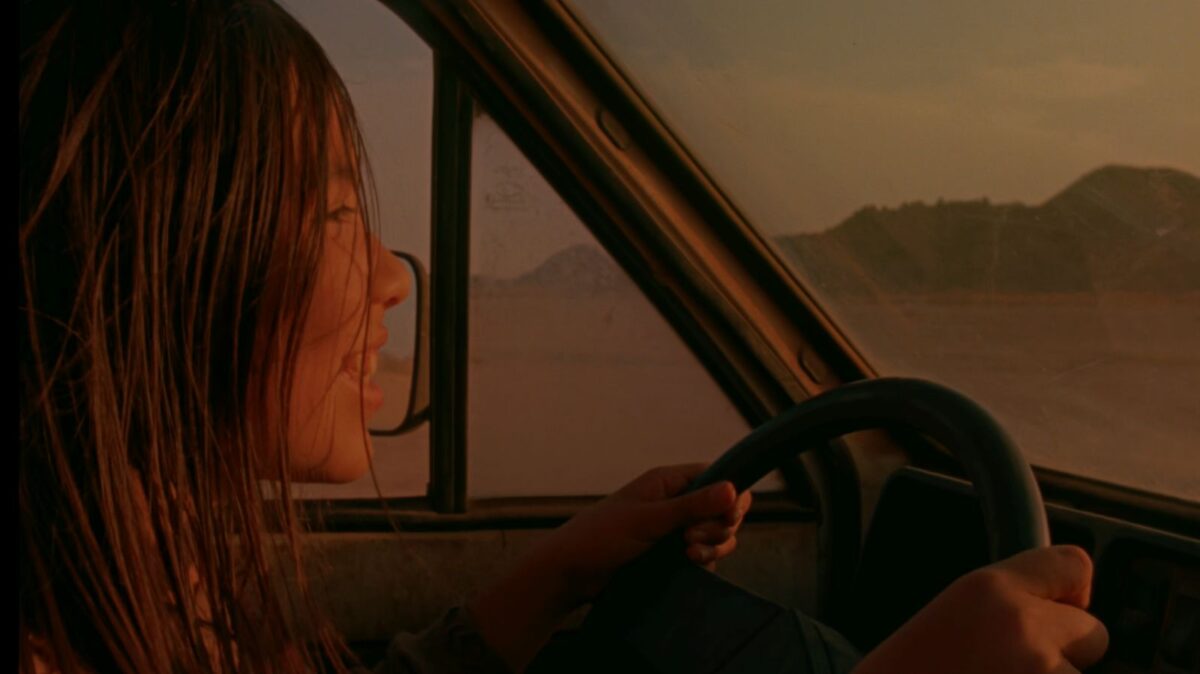
Long before they came to designate a state of hopeless confusion, the words “mare’s nest” once meant something more electrifying: the excitement for that which doesn’t exist. That’s a good way of thinking about the cinema of Ben Rivers. Perched at the interstice between utopias and dystopias, his films unfurl across sequestered spaces populated by solitary drifters who’ve long abandoned the comforts of 21st-century life. In The Origin of the Species, an old hermit living in the woods of Inverness-shire muses on Darwin’s theories from the confines of his isolated house. Shuttling us from the Polynesian island of Tuvalu to Rivers’s native turf of Somerset, England, Slow Action repurposes these far-flung locales as futuristic civilizations, while Bogancloch caps a trilogy centered on a Scottish musician who’s set camp in a remote corner of Aberdeenshire. It can be difficult to tell whether Rivers’ characters have willfully abandoned modernity or survived the Armageddon, if the world beyond their secluded homes is still functioning or has long been ravaged. But even at its most apocalyptic, his cinema is never dour. Emanating from it is a childlike wonder for these uncharted lands and their residents; at best, the excitement is contagious. – Leonardo G. (full review)
Romería (Carla Simón; June 26)
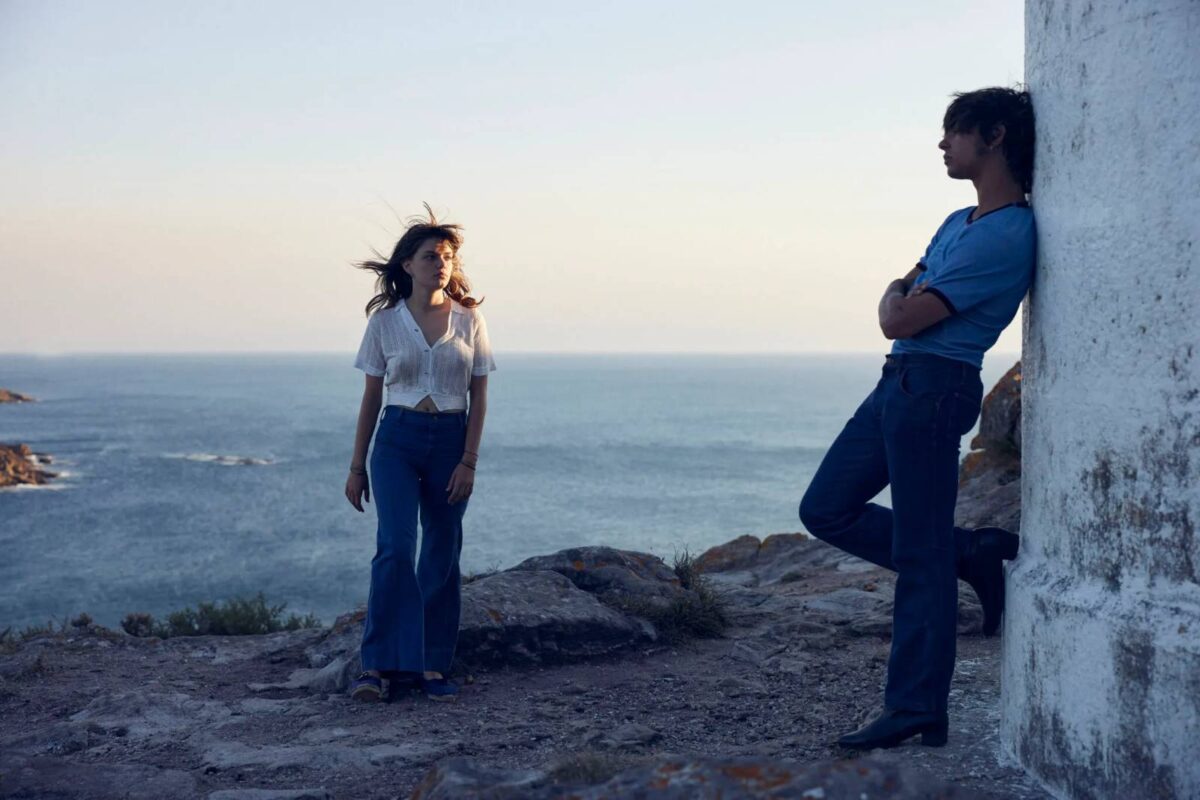
Continuing in the low-key register of her Golden Bear winner Alcarràs, Carla Simón returns with Romería, another tale of intergenerational dissonance. A film about the stories families choose to tell and the ones they bury deep inside, it unfurls on Spain’s Atlantic coast, where 18-year-old orphan Marina (Llúcia Garcia) hopes to reunite with her paternal family. It’s also a story about displacement and yearning for lost roots, themes that cut close to the bone for a director whose parents died of AIDS when she was still a child, and who reunited with her father’s family in the town of Vigo, Galicia, where the film is set, at the same age. Simón has always been an autobiographical filmmaker; Romería might be her most personal work yet. – Rory O. (full review)
The Invite (Olivia Wilde; June 26)
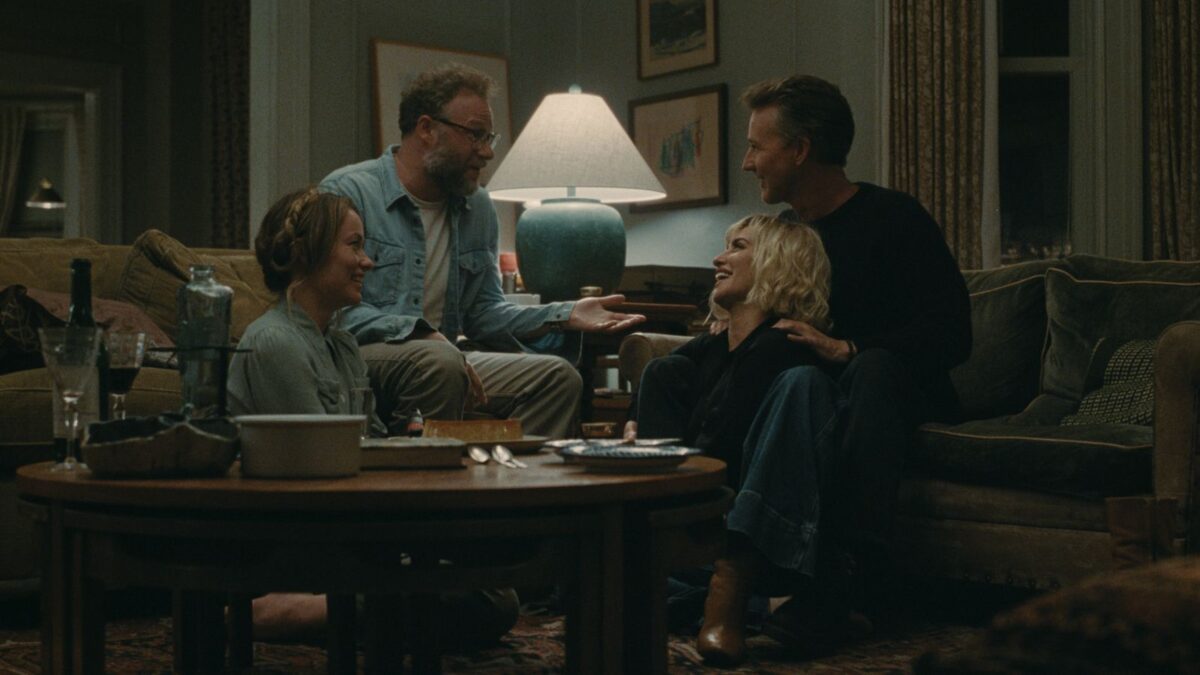
Small in scale, yet so much greater than the sum of its parts, Wilde conducts her quartet of players to an orchestral performance. She builds the dramatic tension of a relationship-turned-powder-keg from years of complacency and poor communication over staccato strings until it reaches its summit, only for it to drop and rise again. Employing just four principal actors, including herself, and a single apartment, it’s an impressive feat to pull off and a testament to her progression as actor-turned-director. – Kent M. W. (full review)
Jackass: Best and Last (Jeff Tremaine; June 26)
While, upon release, it was no wonder many thought 2022’s Jackass Forever would be the gang’s final outing as bodies put through the wringer to that extent have their breaking point. However, Johnny Knoxville and crew are returning with their fifth and final feature this summer, which has only just wrapped filming. It looks like everyone has thankfully survived this outing, but we look forward to seeing what hijinks await in one of the last shining examples of masculine camaraderie that America has to offer. – Jordan R.
Bouchra (Meriem Bennani, Orian Barki; June 26)
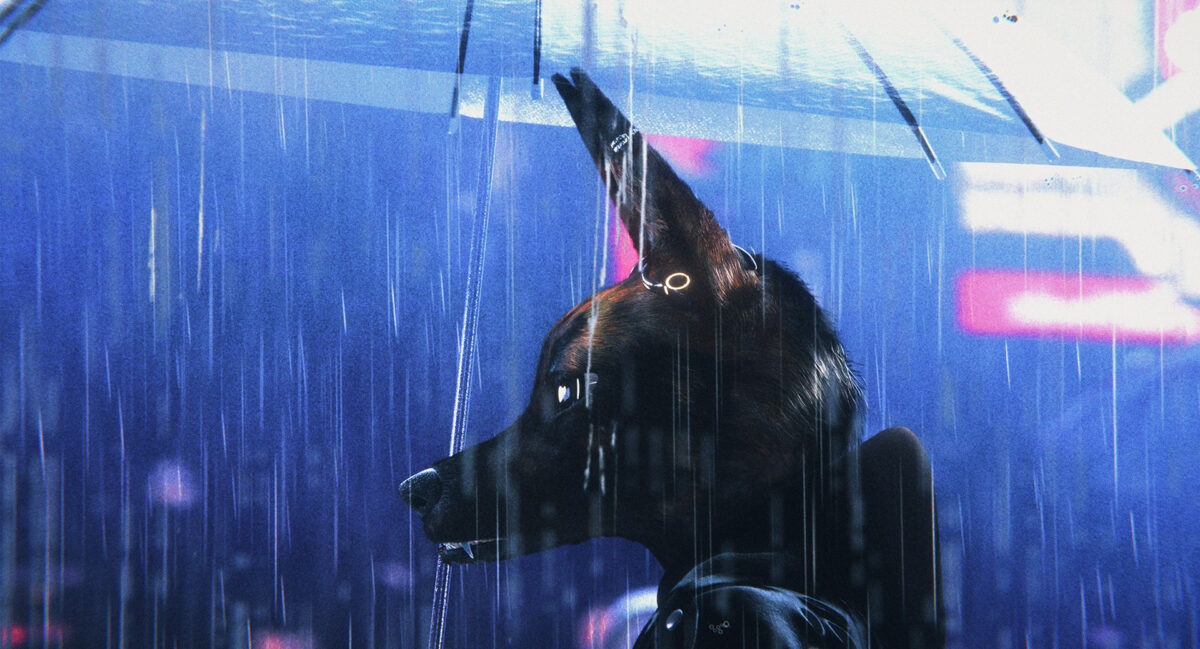
Based on a real-life conversation shared by co-director Meriem Bennani and her own mother, Bouchra (co-directed with Orian Barki and co-written by them and Ayla Mrabet) opens with a phone call. Aicha (Yto Barrada) is checking in on her daughter from Morocco when Bouchra (Bennani) broaches a subject they’ve been avoiding for almost a decade. Stuck creatively, the latter has decided to find emotional catharsis through a script about the complex dynamic shared with her parents and seeks context from the opposite side. – Jared M. (full review)
Drunken Noodles (Lucio Castro; June 26)
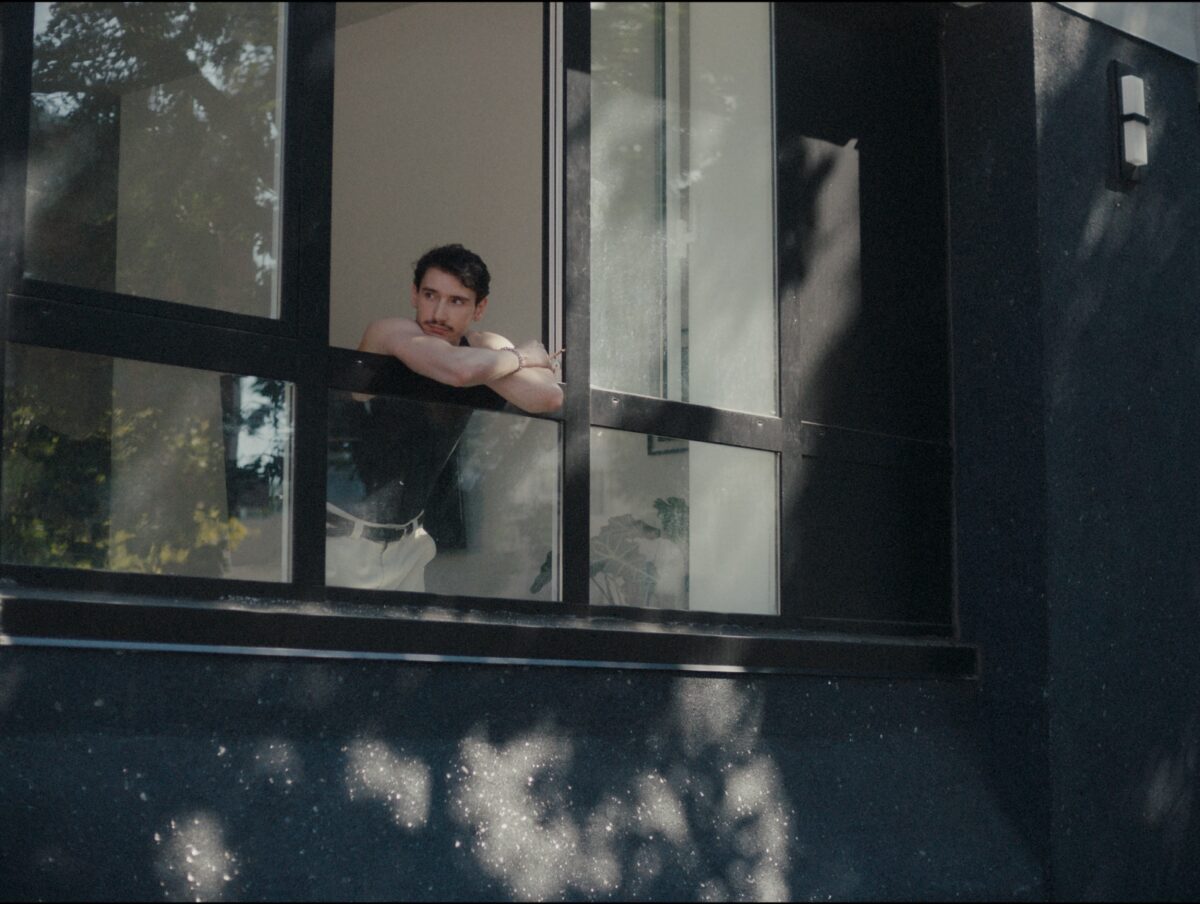
The laws of time and space are met with frisky ambivalence in Drunken Noodles, Lucio Castro’s anticipated third feature and surely the hottest title in this year’s ACID lineup. Most people familiar with the New York-based, Argentinian-born director first encountered him through End of the Century, a film of similar temporal disregard: set in Barcelona, it followed two men who seemed to fall in love only to realize it wasn’t their first encounter. Upon release in 2019, critics were divided over some of the film’s more adventurous flourishes––the sense of overreach. There are a handful of moments in Noodles that do something similar, but it’s an otherwise sultry and strangely calming film, 82 minutes of late-night hookups and late-season ennui that passes like a summer breeze. – Rory O. (full review)
Barrio Triste (Stillz; July 10)
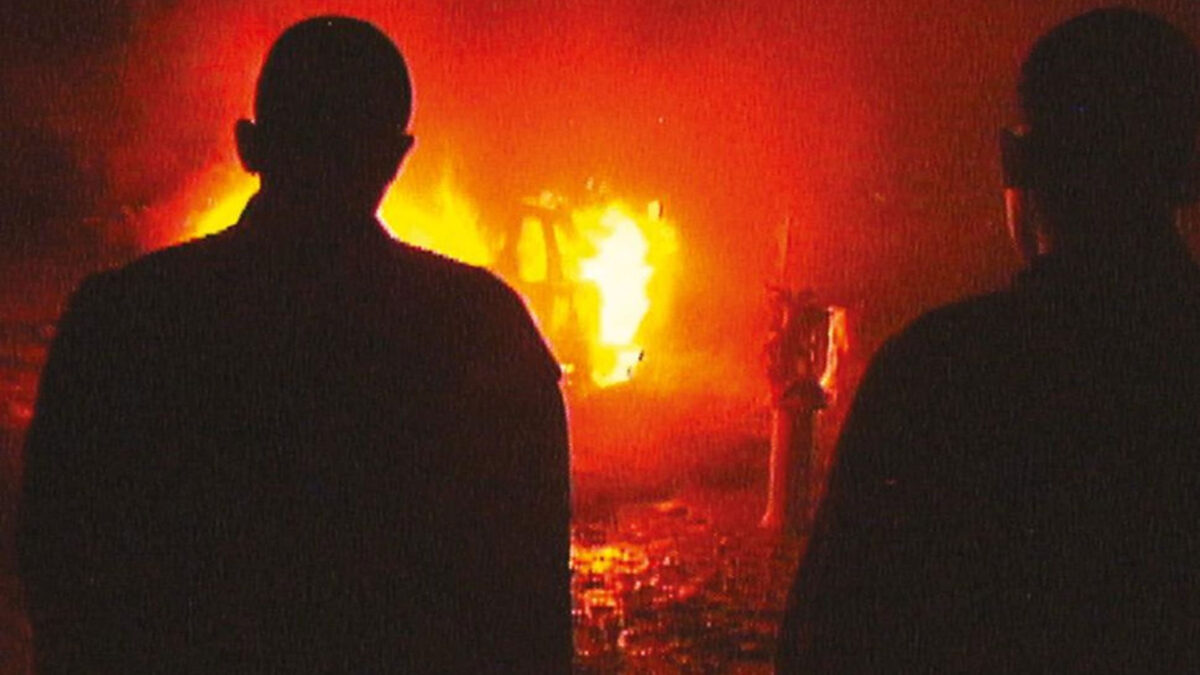
At barely two years old, Harmony Korine’s “post-cinema” company EDGLRD is already branching out. After directing AGGRO DR1FT and Baby Invasion, Korine takes on a producer role for Barrio Triste, the feature debut of Colombian-American artist Stillz. It’s a good match of talents, given Stillz’s background as a music video director for artists like Bad Bunny and Rosalia, and while Barrio Triste takes a vibes-based approach à la Korine’s last two features it’s an entirely different beast. Exhilarating, tense, personal, and enigmatic, Barrio Triste is a compelling look at a lost generation in search of salvation, and among this year’s best first features. – C.J. P. (full review)
Gail Daughtry and the Celebrity Sex Pass (David Wain; July 10)
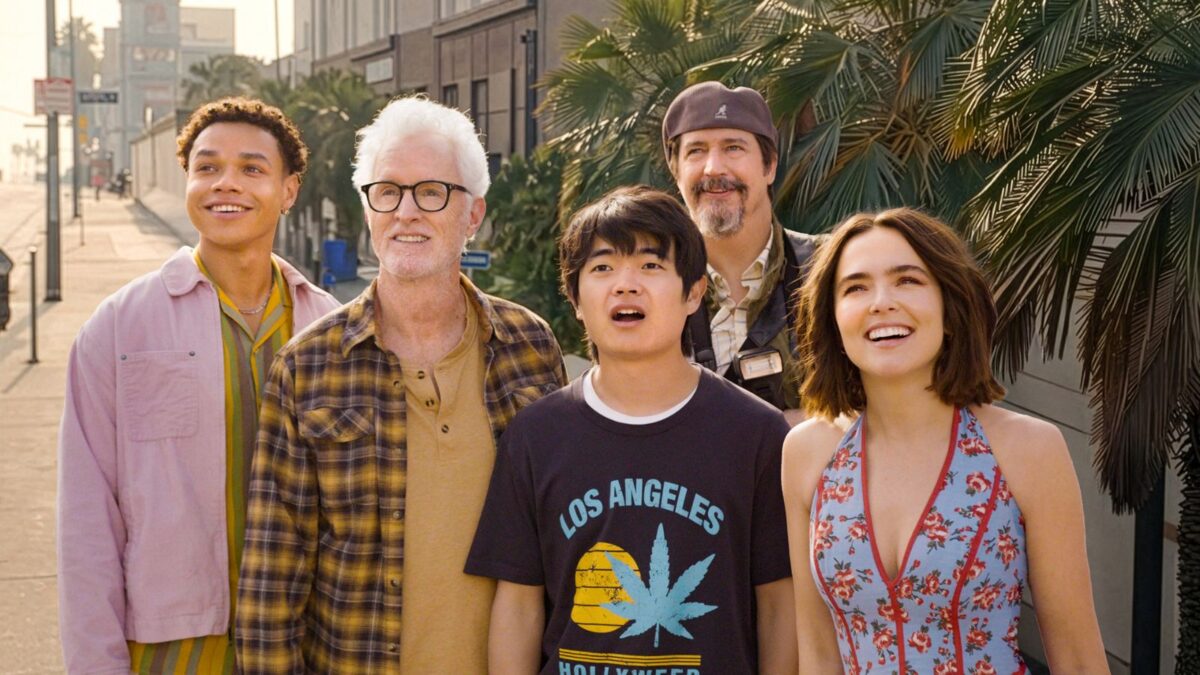
As the world continues fermenting its vile culture, the gang behind The State and Wet Hot American Summer is back to save you from the merciless onslaught of bad news. At least for 90 minutes. The dynamic duo of director David Wain and screenwriter Ken Marino are now in their third decade of bringing a unique brand of irreverent comedy to cinema. In the wake of their MTV sketch comedy show The State, Wain and co. premiered their cult hit Wet Hot American Summer at the 2001 Sundance Film Festival. This year, they return once more with Gail Daughtry and the Celebrity Sex Pass, a hilarious Hollywood farce in their signature absurdist voice. – Kent M. W. (full review)
The Odyssey (Christopher Nolan; July 17)
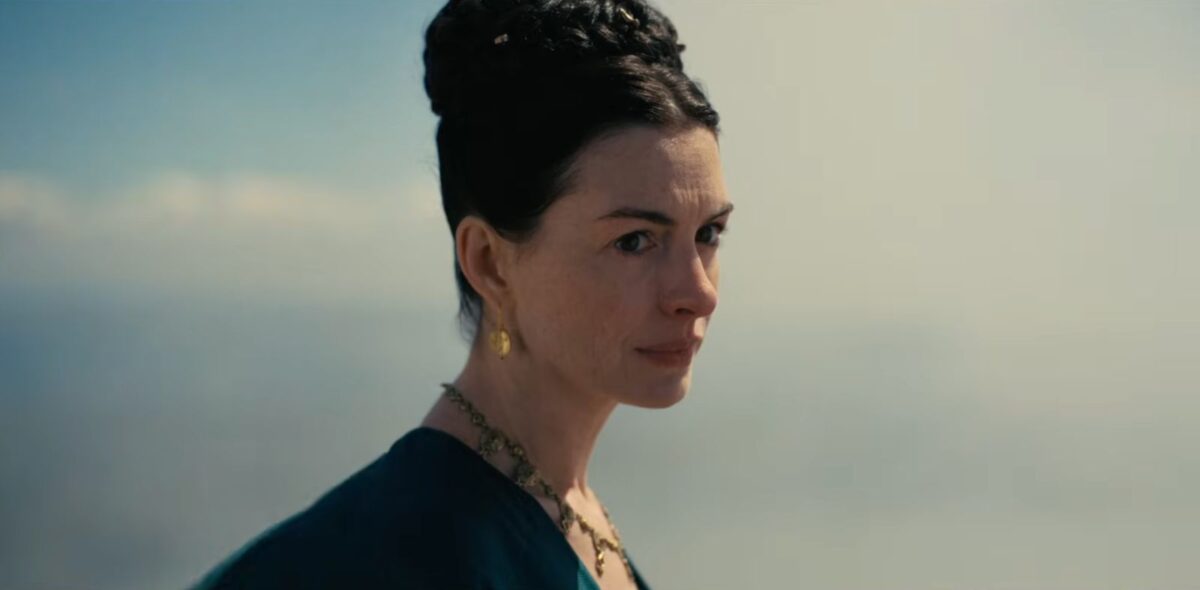
Sure, we can quibble with aspects of Nolan as a filmmaker, but after the success of Oppenheimer, the fact that he was given carte blanche and chose to make an adaptation of Homer’s epic poem is, on the face of it, pretty insane. Starring a chiseled and grizzled Matt Damon as Odysseus, this film is going to be the event of the summer. Get ready for explainers about the differences between IMAX, 70mm, and every other format possible. Be ready to watch it in a theater full of anyone even remotely interested in movies. Start practicing your best Leo-pointing meme whenever a famous actor shows up, because literally everyone is in this movie. There’s no safer bet in Hollywood than Nolan, who marches to his own idiosyncratic, lucrative drum. – Christian G.
I Want Your Sex (Gregg Araki; July 31)
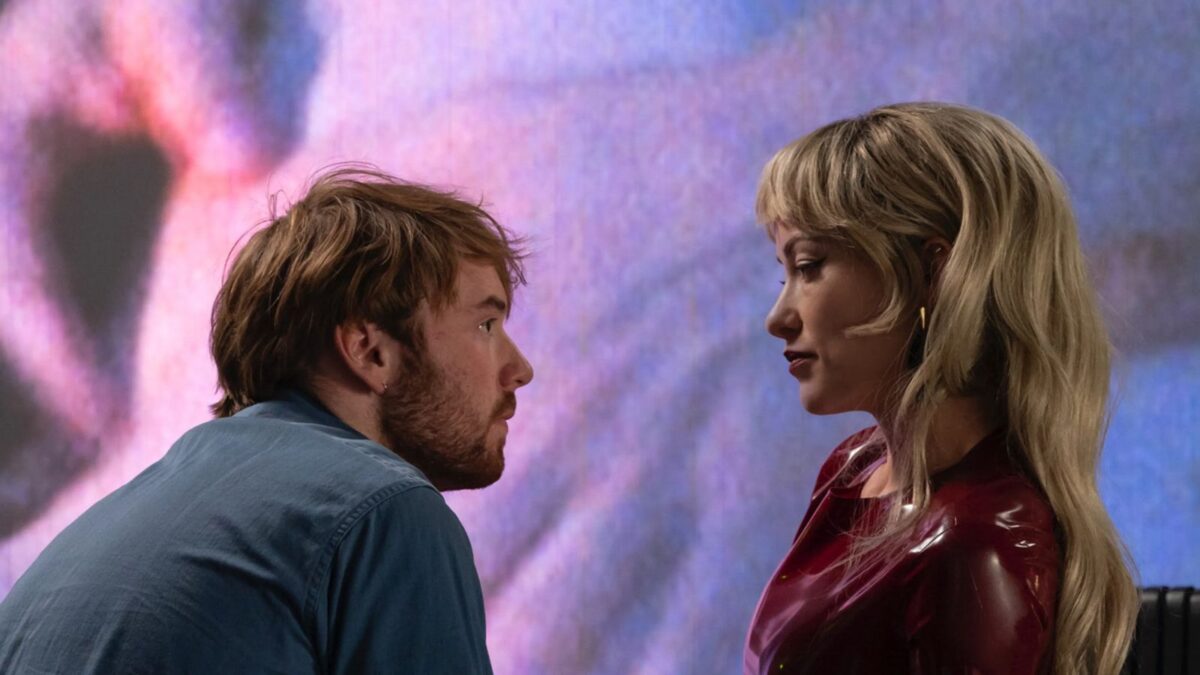
I Want Your Sex is Araki, at 66 years old, telling the younger generation that while life experiences can be painful and messy––and the flight instinct might scream at them to stay home and avoid at all cost––the alternative of being old and reflecting on missed opportunities is far more painful. To put it in more Araki-like terms: you only live once, so stop watching so much porn and get out there and connect with (i.e. bang) one another. Tracy gives Elliot countless mini-speeches to such effect, ranging from the entertaining to overly didactic. Elliot occasionally pushes back on Tracy’s dismissive attitude, at one point laying out a host of factors for why his generation isn’t having sex. But like Tracy’s speechifying, this retort feels unnatural, as if pulled from a think piece in the Atlantic or New York Times. – Caleb H. (full review)
Teenage Sex and Death at Camp Miasma (Jane Schoenbrun; Aug. 7)
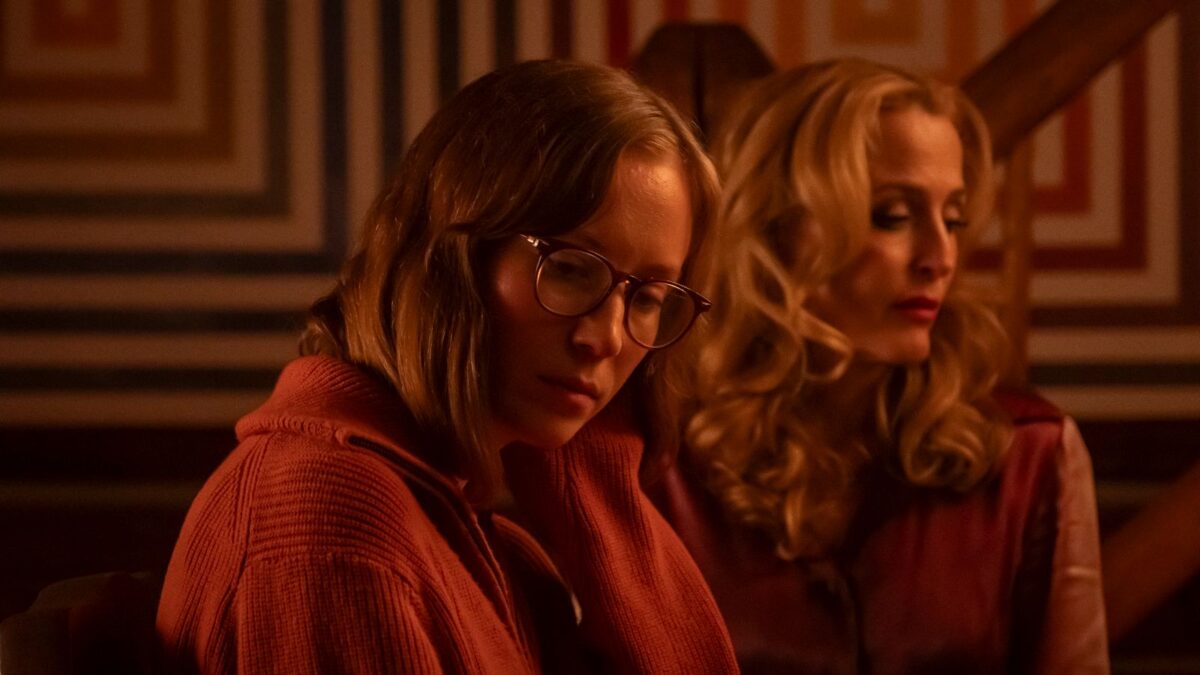
After Jane Schoenbrun’s haunting, astounding second feature I Saw the TV Glow topped our list of the best films of 2024, we’ve been counting down the days for the release of their follow-up. Teenage Sex and Death at Camp Miasma, which stars Hannah Einbinder and Gillian Anderson, explores a complex relationship on the set of a slasher franchise. With a Cannes debut set for next month, consider this our most-anticipated film of the summer – Jordan R.
Late Fame (Kent Jones; Aug. 7)
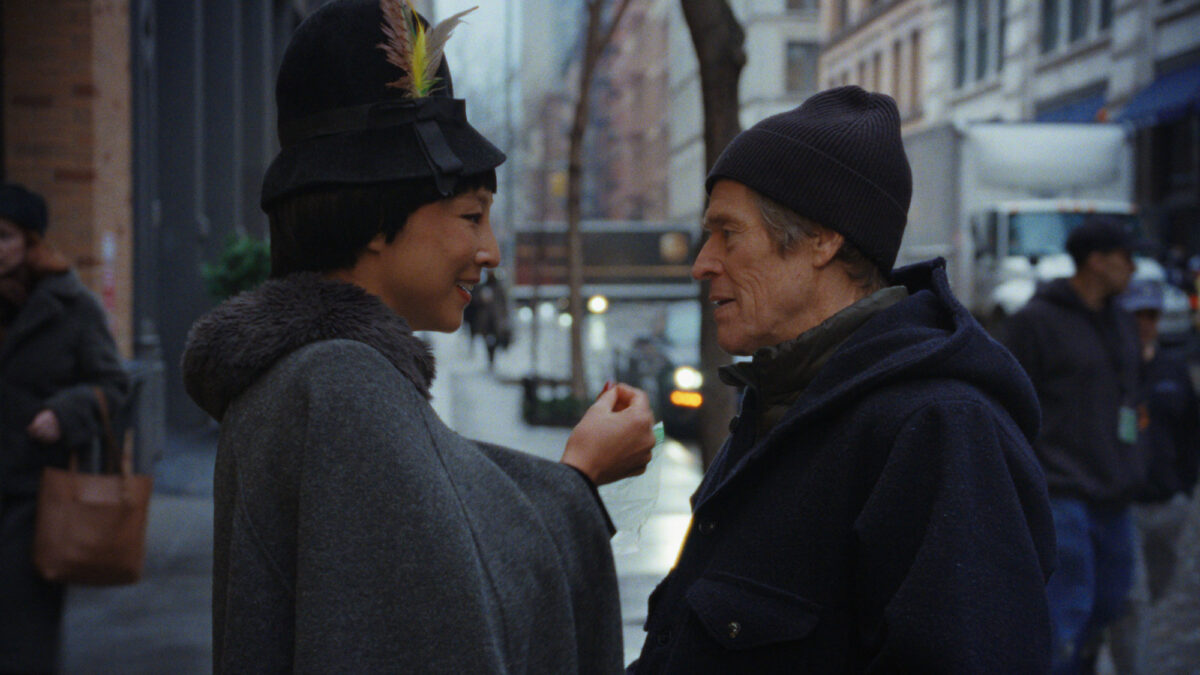
To a certain era of cinephile (hello), Kent Jones’ criticism and programming were a perpetual north star. He’s been largely absent since leaving the New York Film Festival in 2019, and though a longtime documentary collaborator of Martin Scorsese, filmmaking has only started to suggest a new phase: if 2018’s thorny, odd Diane might not have been what people anticipated from his venture into narrative cinema, Late Fame––scripted by Samy Burch (May December), starring Willem Dafoe and Greta Lee––seems more at home with Jones’ longtime interest in life’s work and the artist-advocate relationship. Adapting a novella by Arthur Schnitzler (most famously the author of Eyes Wide Shut source Traumnovelle), it concerns a lesser-known poet (Dafoe) receiving late-in-life recognition for a reassessed collection, and the efforts of an actress (Lee) to gain his attention. The combination of director, scribe, stars, and DP Wyatt Garfield points towards an appreciably adult take on artistic practice. – Nick N.
The End of Oak Street (David Robert Mitchell; Aug. 14)
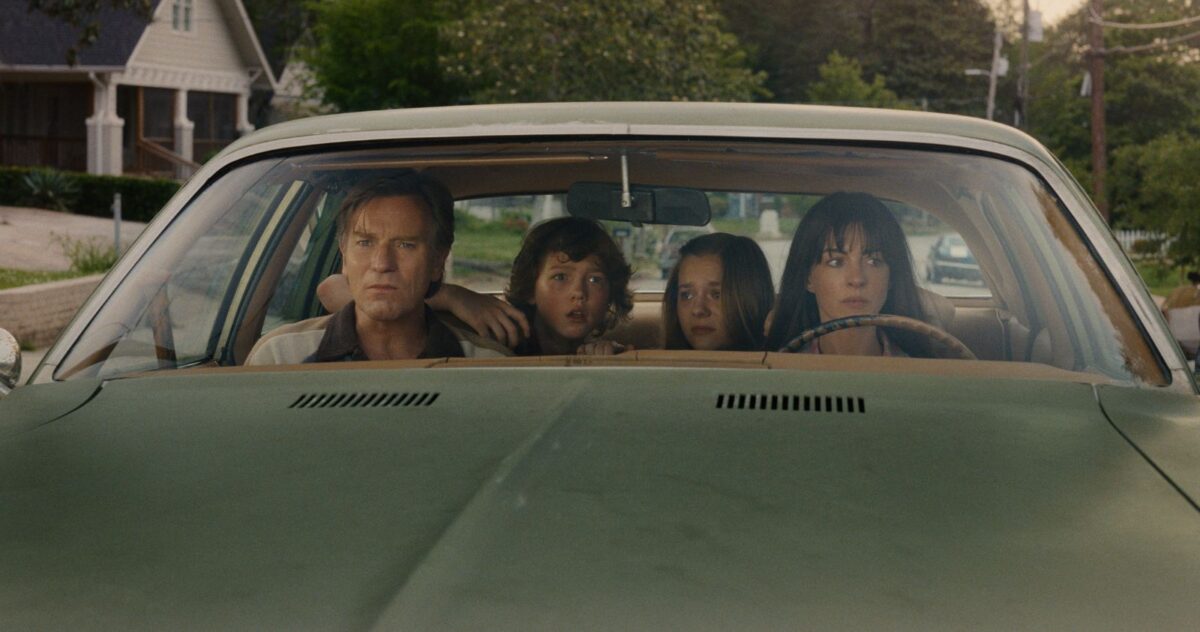
Following Under the Silver Lake, David Robert Mitchell is finally out of director’s jail, this time on a large-scale adventure feature for a major studio. His WB-backed, J.J. Abrams-produced feature The End of Oak Street stars Anne Hathaway and Ewan McGregor. While even the trailer reveals much more than we’d hope, we can’t wait to see what the director conjures with more resources at his disposal. – Jordan R.
The Rivals of Amziah King (Andrew Patterson; Aug. 14)
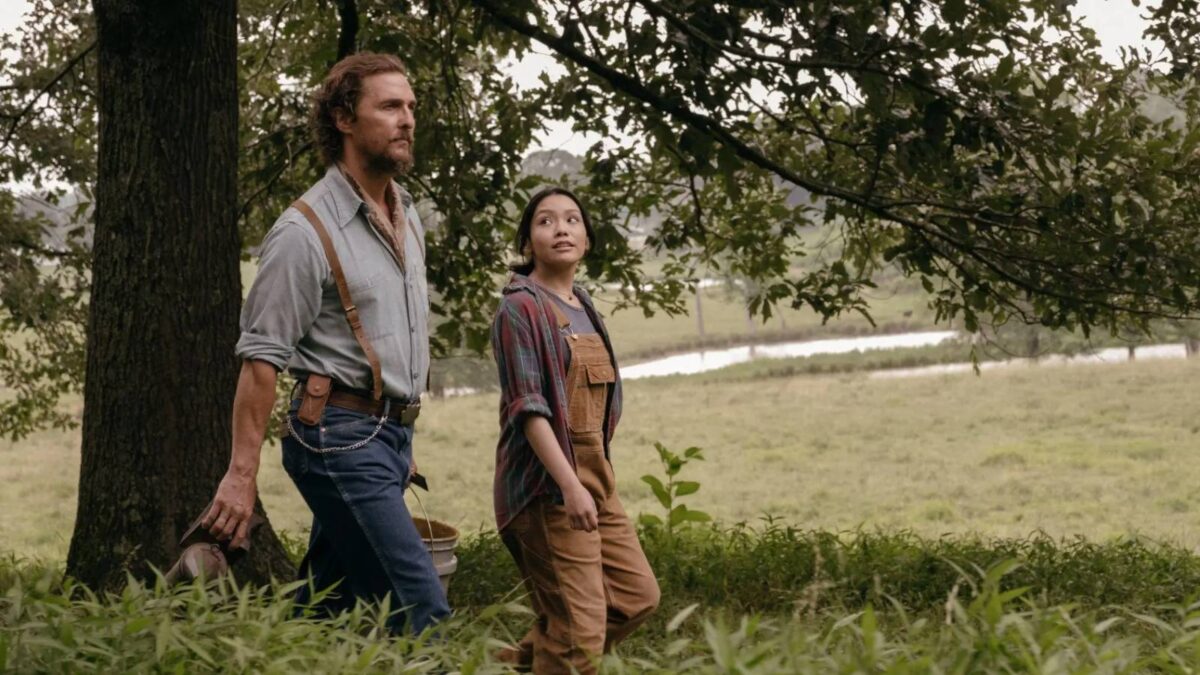
Like the Church potluck to which Amziah King introduces his one-time foster daughter Kateri, The Rivals of Amziah King is a gleeful mashup of genres and tones blending bluegrass music, comedy, revenge, and heist-thriller elements into a tasty homestyle buffet full of eccentric characters and thick Southern accents. It’s a strong follow-up to the promise Andrew Patterson displayed in his resourceful debut feature The Vast of Night––even when this mash-up seems a little uneven and indulgent, with a heavy use of formal techniques, from slow-motion to ironic music. – John F. (full review)
The Dog Stars (Ridley Scott; Aug. 28)
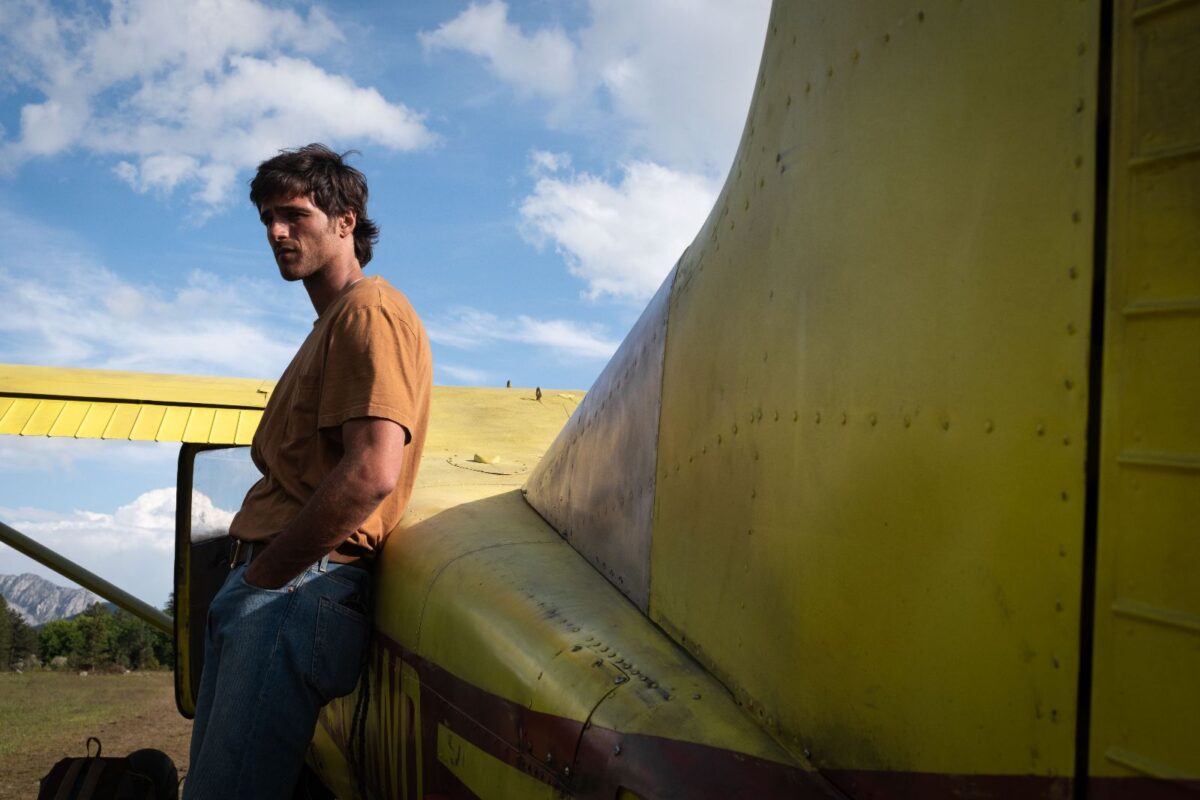
Even with a 90th birthday next year, Ridley Scott is showing no signs of slowing down. The director is putting the finishing touches on his latest film The Dogs Stars, marking his first since 2024’s Gladiator II. With a cast including Jacob Elordi, Josh Brolin, Margaret Qualley, Guy Pearce, Benedict Wong, and Allison Janney, the post-apocalyptic drama has been riding a wave of less-than-stellar buzz since it was delayed from a prime spring spot to the doldrums of August, but we’ll always show up to see what the director has in store. – Jordan R.
Coyote vs. Acme (Dave Green; Aug. 28)
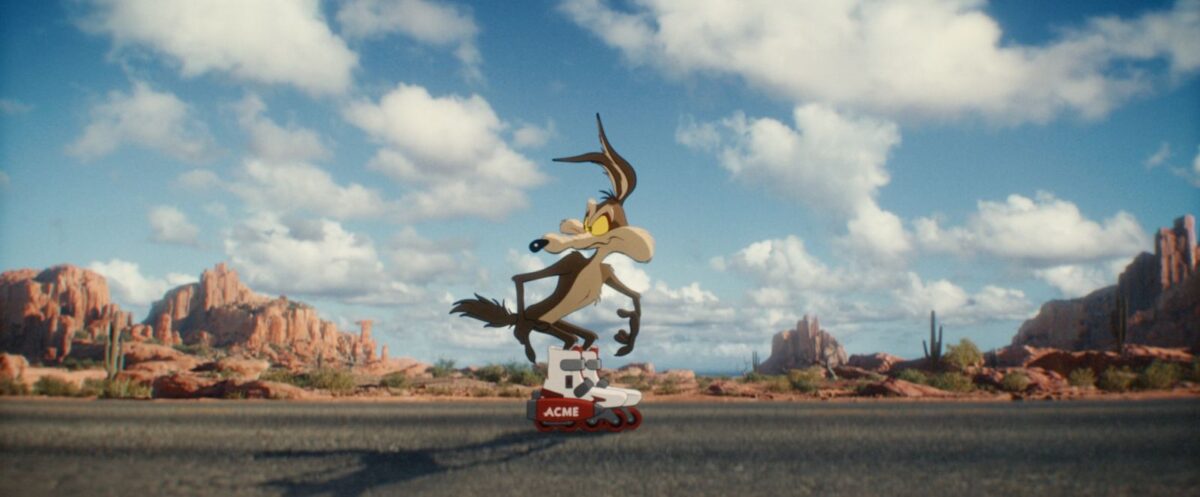
This was originally planned for 2023, and attempts to save this live-action-animated comedy were proving as fruitless as Wile E. Coyote’s perpetual quest to catch the Road Runner. Warner Bros. preferred to shelve it for a tax write-off. After vocal fan demand, bids were made, and Ketchup Entertainment nabbed it at $50 million for a 2026 release. Based on the 1990 New Yorker satirical article of the same name, Coyote vs. Acme imagines a courtroom drama that sees the hapless Wile E. bring a case against the Acme Corporation for the many injuries that their products have caused him. Hilarity (en)sues. – Blake S.
Idiots (Macon Blair; Aug. 28)
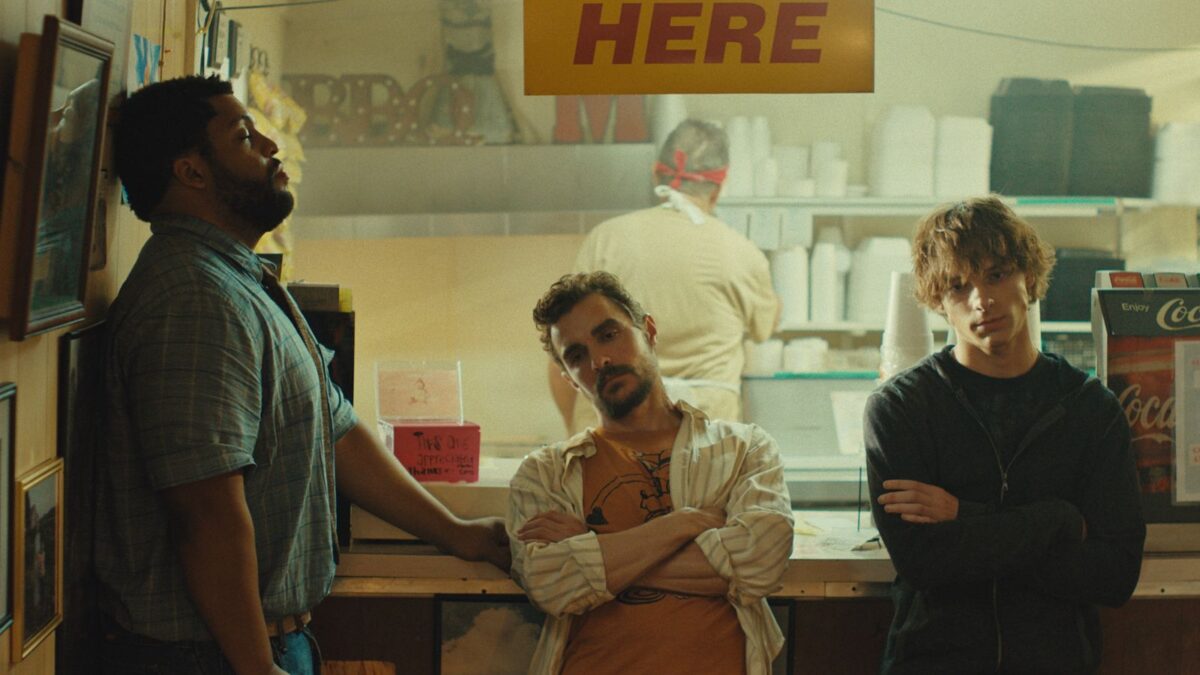
For its relatable premise and tried-and-true structure, the road movie has a rich cinematic history. Its success has spawned a number of subgenres, including the screwball escort film where opposing personalities often work against each other to reach a destination. Whether it’s getting someone to the Greek or a 3:10 train to Yuma, it’s a beloved trope that resurfaces every few years. In 2026, writer-director Macon Blair revives the formula for Idiots. He plots a tumultuous course for his prisoner-transport comedy that keeps the journey interesting and finds space to add depth to an otherwise broad comedy. The steady two-hander never quite soars, but is elevated by an eclectic batch of supporting roles that supply bursts of energy in the right places. – Kent M. W. (full review)
Filipiñana (Rafael Manuel; Aug. 28)

One of the most formally accomplished feature debuts to premiere at Sundance earlier this year, Rafael Manuel’s Jia Zhangke-backed feature debut Filipiñana is set at a country club in the Philippines as we follow a 17-year-old “tee-girl” who starts to uncover a rotting core of misogyny and violence amongst the higher-ups and clientele. With striking tableaus crafted by cinematographer Xenia Patricia, Manuel effectively pulls back the clashing layers of beauty and systemic issues to capture a country’s disparities. – Jordan R.
Colony (Yeon Sang-ho; Aug. 28)
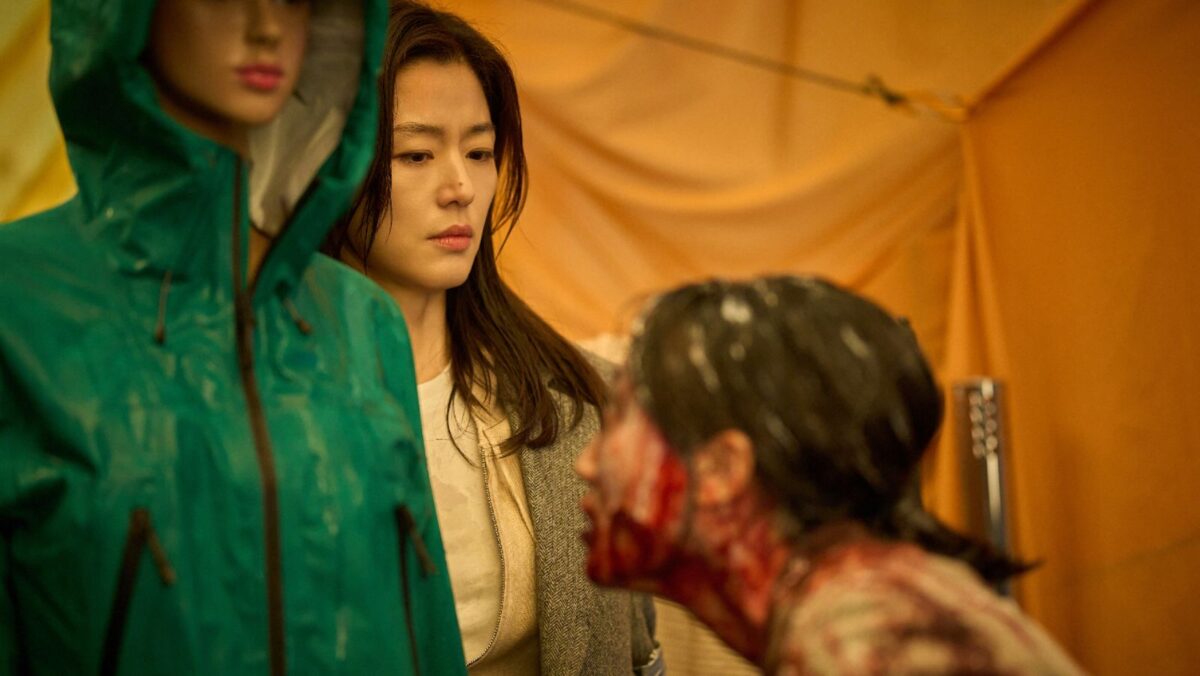
Train to Busan director Yeon Sang-ho is returning to the world of zombies with his forthcoming Cannes debut Colony, one of the few from the festival that will get a release before the summer concludes and a rare genre feature to premiere there this year. His latest concerns a group of survivors quarantined in a building as they fight the onslaught of infected. – Jordan R.
Fucktoys (Annapurna Sriram; TBD)

Playing like the kinkier granddaughter of Russ Meyers’ Faster, Pussycat! Kill! Kill!, Annapurna Sriram’s Fucktoys has an axe to grind, and then some. At its core, this is a critique of modern capitalism that feels increasingly relevant, arriving in a time when billionaires are forcing the middle and lower-middle class to go on a diet budget. Younger people have been squeezed, left behind, and fucked-over by a massive transfer of wealth and, in turn, some have viewed young generations as a commodity to project their fantasies. In essence, if you’re unlucky in this economy, you might find yourself becoming a fucktoy. Needless to say, this is a film that’s not safe for work or polite society. – John F. (full review)
Time and Water (Sara Dosa; TBD)
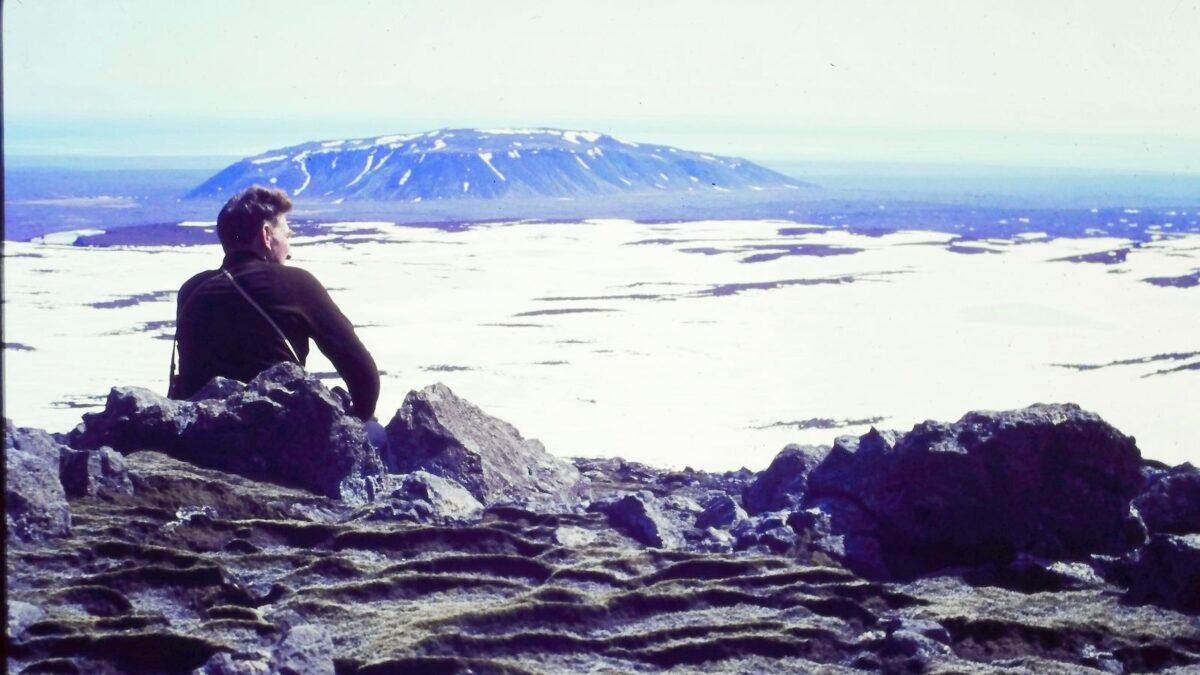
“Will your oceans be made of our glaciers?” Icelandic poet Andri Snær Magnason asks in the narration that plays over Time and Water, the beautiful new documentary from Fire of Love director Sara Dosa. Driven by Magnason’s family archives and some truly captivating footage of glaciers, it’s a melancholic ode to a world we are losing more and more of each day. Iceland is a nearly treeless country. It sits on tectonic plates that are pulling apart, resulting in an abundance of lava that prevents soil from getting to the depths needed for trees to grow in any quick way. There were once many trees, but the Vikings cut them all down for their ships and the like over a thousand years ago. It’s a place where some still believe in magic, which the breathtaking vistas make easy to understand why. – Dan M. (full review)
More Films to See
- Hokum (May 1)
- The Python Hunt (May 8)
- Billie Eilish: Hit Me Hard and Soft – The Tour Live in 3D (May 8)
- Obsession (May 15)
- In the Grey (May 15)
- Magic Hour (May 15)
- Been Here Stay Here (May 15)
- Tuner (May 22)
- Manas (May 22)
- Saccharine (May 22)
- Everybody to Kenmure Street (May 22)
- Forastera (May 29)
- Pressure (May 29)
- The Last Viking (May 29)
- Power Ballad (June 5)
- Stop! That! Train! (June 12)
- The Six Billion Dollar Man (June 12)
- Promised Sky (June 12)
- Couture (June 26)
- Cut Off (July 17)
- Rosebrush Pruning (July 24)
- The Dink (July 24)
- Super Troopers 3 (Aug. 7)
We also hope Jaume Collet-Serra’s Cliffhanger, previously set for an August 28 release by the embattled new distributor Row K, finds a proper home soon. And we said it last summer, and we’ll say it again: for the love of God, Zaslav, please release Horizon: An American Saga – Chapter 2 in theaters.