
As the New Year kicks off, we’ve already shared more than 100 films to look forward to, and now we can dive a bit deeper into January releases. While some title from our December preview will continue to expand, including No Other Choice, The Testament of Ann Lee, Resurrection, and Father Mother Sister Brother, this month brings official releases of awards-qualifying runs and a number of notable new releases that will ease us into the year of cinema that awaits.
13. Obex (Albert Birney; Jan. 9)
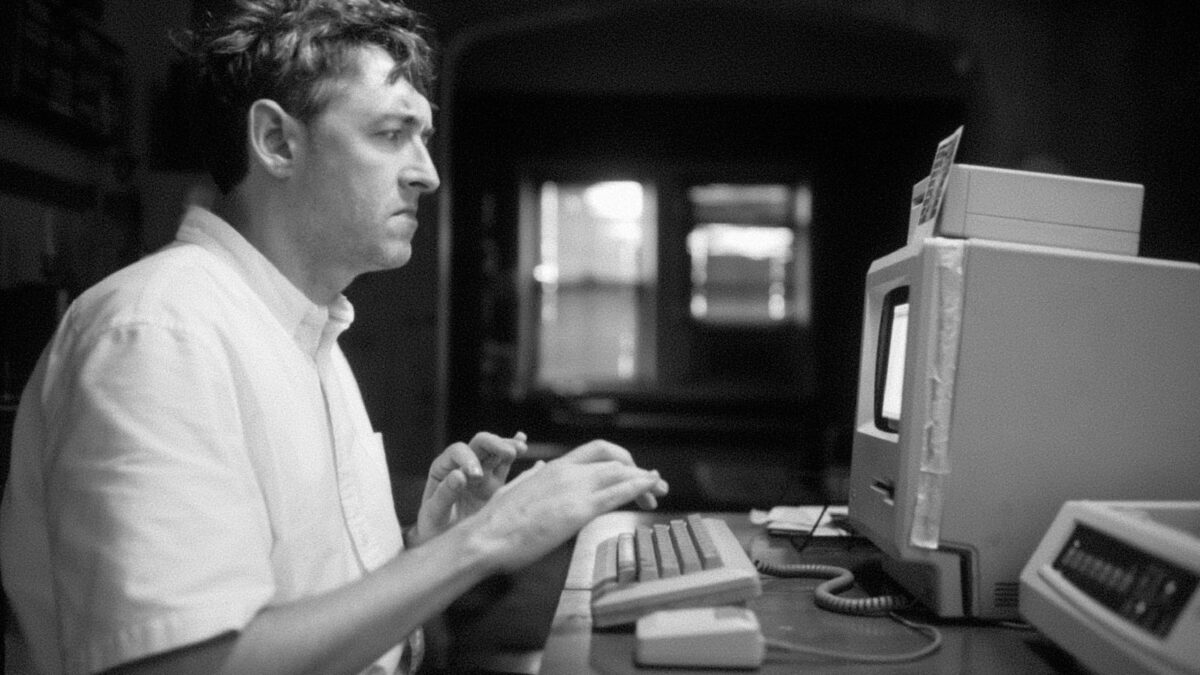
While the likes of David Cronenberg’s Videodrome and Steven Lisberger’s TRON have examined the thrills and fears of humanity’s relationship with screens since the early ‘80s, there’s been a recent, renewed interest as the number of screens in one’s life has ever-expanded. At last year’s Sundance Film Festival, Jane Schoebruen explored identity-forming bonds with media and the eventual curdling nostalgia with I Saw the TV Glow. This year, OBEX finds Albert Birney following Strawberry Mansion with another inventive and lo-fi adventure, but one that finds the director honing in with a more satisfying focus. Even though our main character spends every waking moment in front of a screen, this is no damning screed but an earnest, even poignant look at how entertainment can provide a sense of comfort for the most lonely souls. Continue reading my full review.
12. Arco (Ugo Bienvenu; Jan. 23)
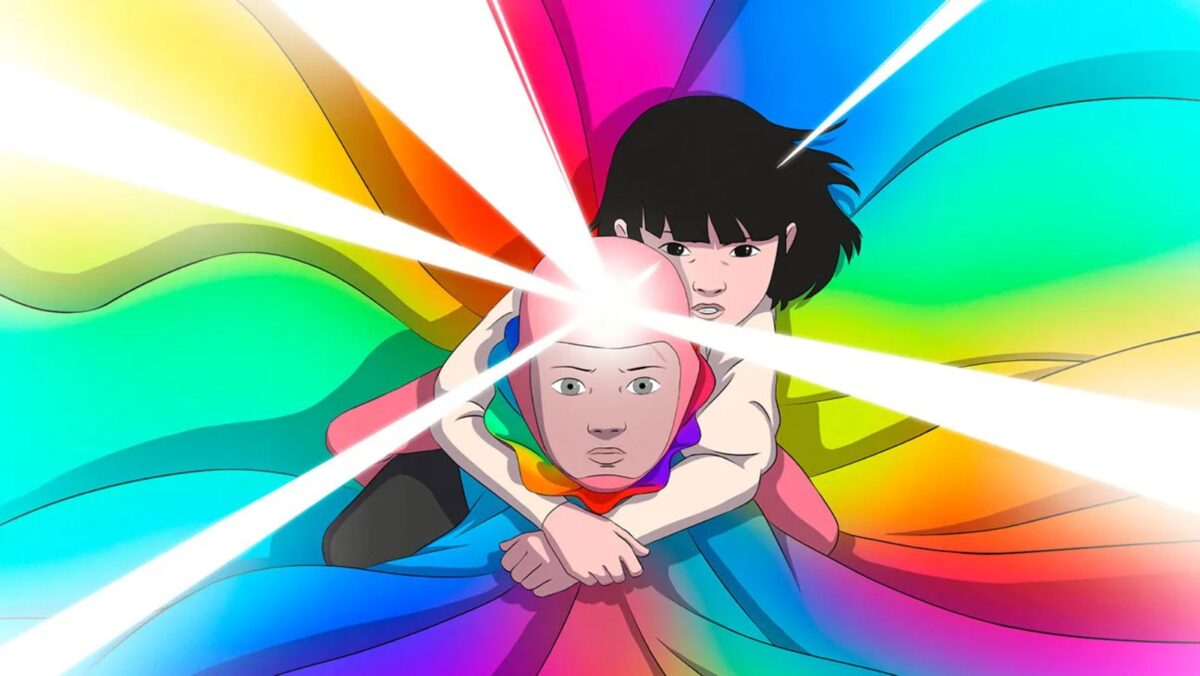
One of the most celebrated animations of the year will arrive this month after a 2025 qualifying run. Oliver Weir said in his review, “With his debut feature, Arco, Ugo Bienvenu puts a unique, thought-provoking twist on the solarpunk genre. He gives us a glimpse of the sort of sustainable utopia that one would expect from the genre: clean air, luscious gardens, thriving wildlife, and cities in the clouds (think Jack and Victoria’s pad in Oblivion, with a lot more greenery). But instead of contrasting this paradise with our contemporary society, Bienvenu shifts his reference point by 50 years, to a world desperately struggling to adapt to ferocious wildfires and biblical storms, and lamenting its failure to act when it mattered most. It is a slight but poignant change in perspective, which gives the playful adventure at the heart of the film a sobering air of contingency.”
11. Young Mothers (Jean-Pierre and Luc Dardenne; Jan. 9)

Jean-Pierre and Luc Dardenne returned to Cannes this year, where they picked up the Best Screenplay prize for their moving drama Young Mothers, which was selected as Belgium’s Oscar entry. Rory O’Connor said in his review, “The new film from Jean Pierre and Luc Dardenne is much like the others. The actors are mostly non-professional; the locations are real; the themes are sociological; the mood is often tense. The subject of their latest is unplanned pregnancies and the options made available for young French women who feel that their situation, whether exterior or interior, might not be suited for raising a child. What gives The Young Mother‘s Home an edge is how it approaches the topic in a country where abortions are available, affordable, and relatively socially acceptable.”
10. 28 Years Later: The Bone Temple (Nia DaCosta; Jan. 16)
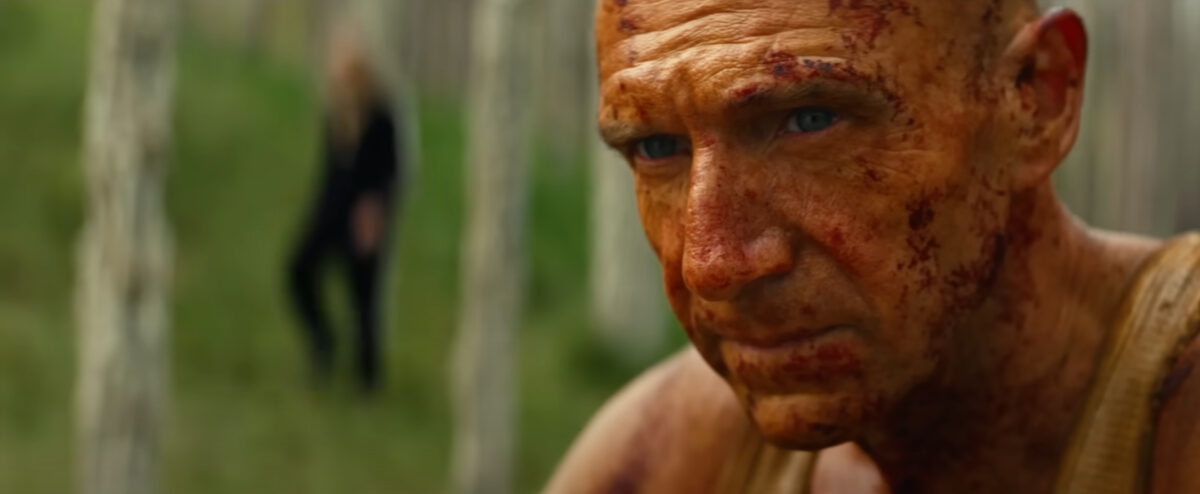
After 28 Years Later brought a much-needed bite to last year’s summer tentpole season, this new trilogy continues, albeit without Danny Boyle at the helm and Anthony Dod Mantle sitting out as cinematographer. Taking the reins is Nia DaCosta, this time joined by cinematographer Sean Bobbitt—here’s hoping they bring the same level of formal verve.
9. Dead Man’s Wire (Gus Van Sant; Jan. 9)
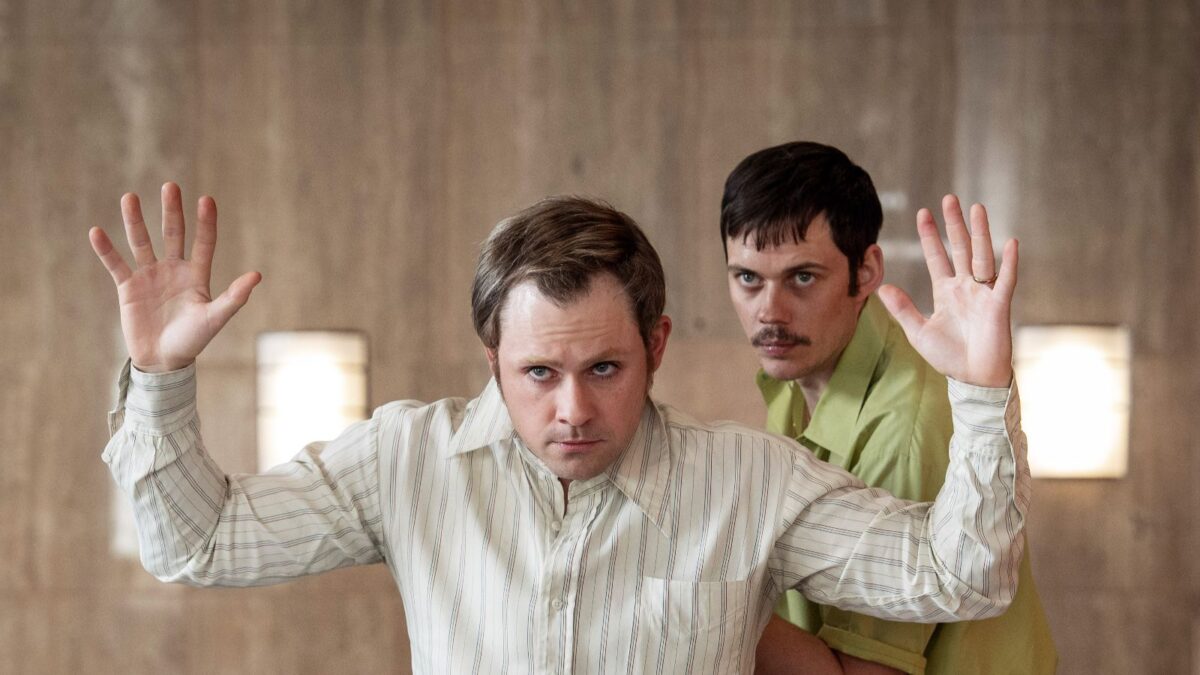
Returning with his first feature in seven years, Gus Van Sant premiered Dead Man’s Wire at the Venice Film Festival and it’ll now arrive in theaters after a December qualifying run. Rory O’Connor said in his Venice review, “Gus Van Sant returns with Dead Man’s Wire, a movie shot in the same late-70s hues as Kelly Reichardt’s recent gem The Mastermind, and likewise concerned with unlawful men and the paradox of a decent criminal. Van Sant’s movie, however, is far more willing to deliver on genre tropes than Reichardt’s marvelous subversion. Bill Skarsgård eats great swathes of scenery as the very real Tony Kiritsis, a man who kidnapped his mortgage broker in 1977 after failing to make payment on a potentially lucrative plot of land. Van Sant imagines this tale in a way that echoes Dog Day Afternoon: an unhinged and stranger-than-fiction fable about good intentions gone wrong. It’s kind of a hoot.”
8. All That’s Left of You (Cherien Dabis; Jan. 9)
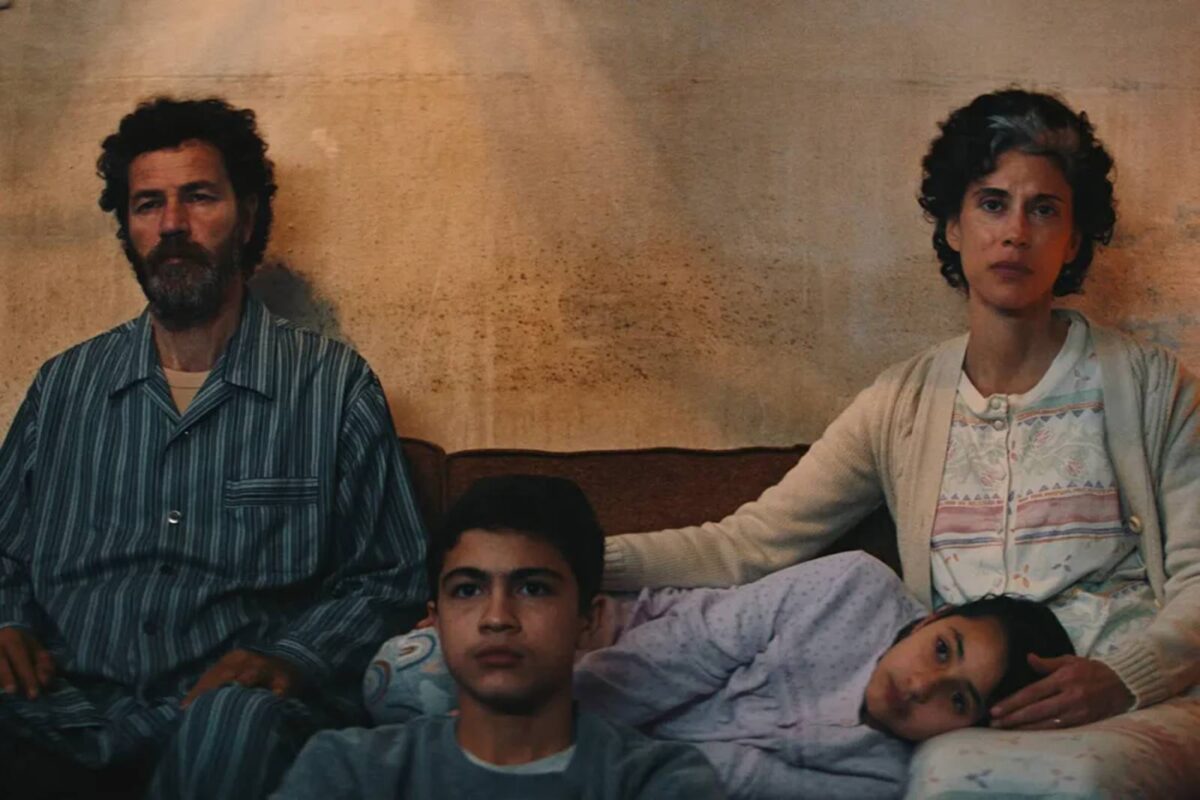
One of our favorite titles to premiere at Sundance last year, Cherien Dabis’ All That’s Left of You is Jordan’s Oscar-shortlisted entry for Best International Feature Film and will hit theaters this month. John Fink said in his review, “A sprawling, gripping drama that starts with the foundation of the state of Israel and the displacement of Palestinian families in Jaffa, then ends two years shy of the Hamas-led attacks of October 7, Cherien Dabis’ All That’s Left of You considers generational trauma on both an intimate and epic scale. Following more than seven decades in the life of the Hammad family, orange-growers who were expelled from their land in Jaffa in 1948, the film is a gateway to understanding decades of Palestinian trauma borne of the immense Jewish trauma of the Holocaust. The film ultimately grows from anger into a call for reconciliation, with a moving ending that does not diminish either generational trauma but lands in a place of surprising nuance.”
7. Send Help (Sam Raimi; Jan. 30)
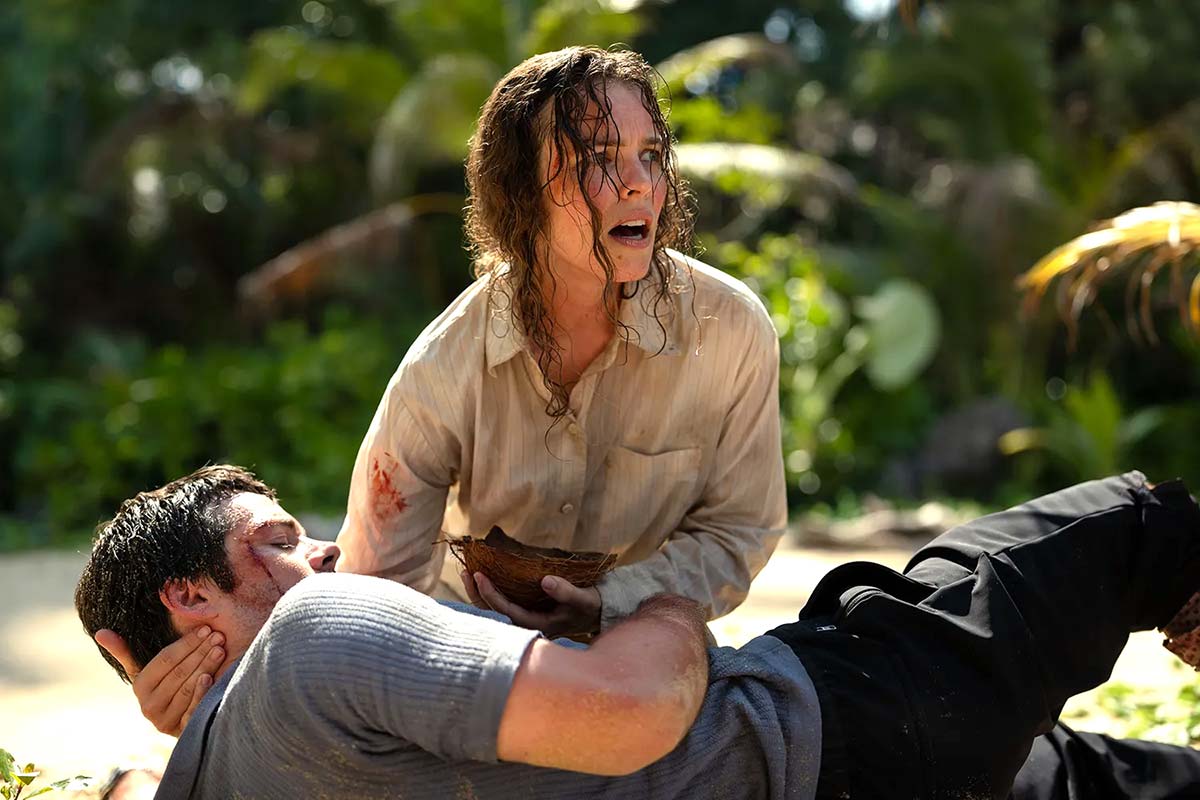
For fans of Sam Raimi in horror-thriller mode, the starvation has been real. In the nearly two decades since 2009’s Drag Me to Hell, the Evil Dead director has spent his talents in the worlds of Oz and the Marvel machine. In 2026 he finally returns to genre filmmaking with Send Help, a survival horror feature starring Rachel McAdams and Dylan O’Brien. The trailers may not hint his best work awaits, but it does look to fit the mold of an ideal January thriller.
6. A Poet (Simón Mesa Soto; Jan. 30)
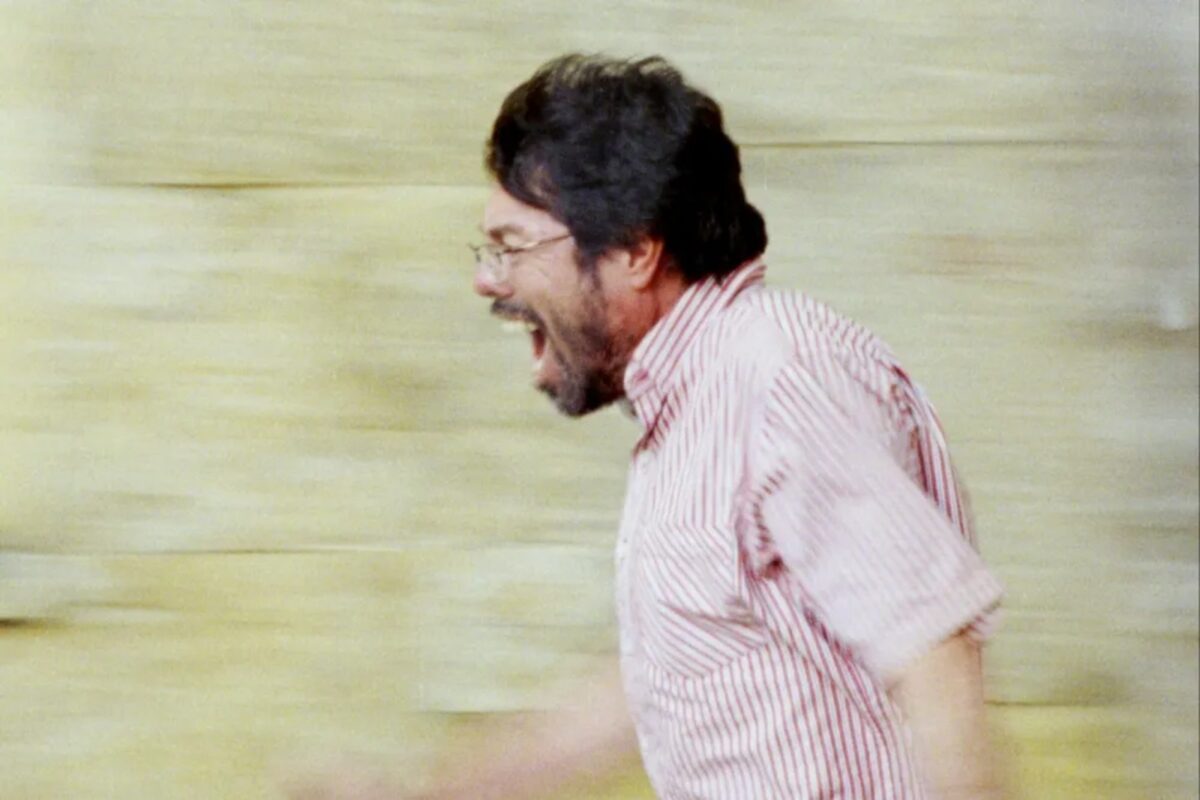
One of the great character studies of the year, Simón Mesa Soto’s Cannes Un Certain Regard winner A Poet follows a down-and-out writer trying to find his way through a complicated situation attempting to mentor a young student. I said in my Cannes review, “Far removed from the mournful yearnings of A Quiet Passion––much less the quotidian, calming rhythms of Paterson––Simón Mesa Soto’s Medellín-set second feature finds unexpected poetry in the jagged, pained misery of dashed dreams and misinterpreted, career-ending good intentions. A Poet’s Oscar Restrepo (Ubeimar Rios), though 2,000 miles south of the down-on-their-luck, desperate characters often captured by Sean Price Williams’ camera, would find some recognition in the shared Sisyphean struggle of striking out at every opportunity life offers up. This Un Certain Regard jury prize winner is a darkly humorous, cautionary character study in letting one’s long-lost creative dreams drive every decision––one in which Soto, more often than not, finds empathy as his protagonist circles the drain.”
5. Seeds (Brittany Shyne; Jan. 16)
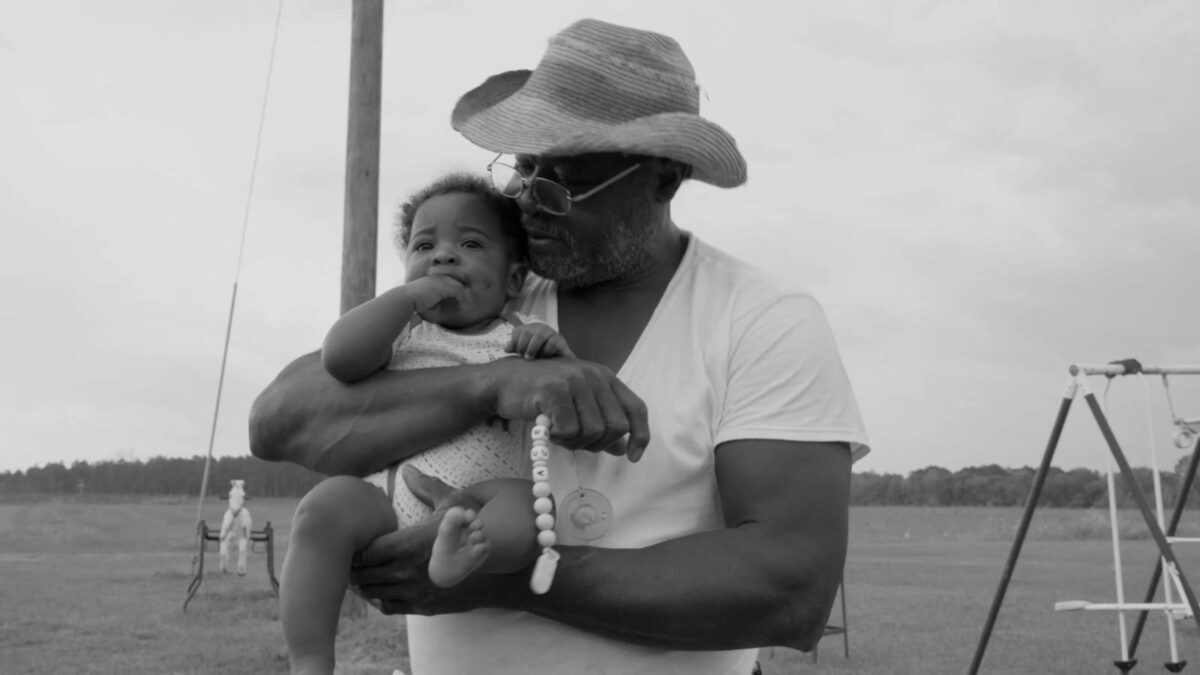
Oscar short-listed for Best Documentary Feature yet still without a distributor, Brittany Shyne’s excellent debut feature Seeds will get a theatrical run at NYC’s Film Forum this month. John Fink said in his Sundance review, “Evoking Gordon Park’s black-and-white photographs of the New Deal Era, cinematographer Brittany Shyne’s powerful debut feature Seeds offers a portrait of a disappearing way of life for Black farmers in the American South. Its casual approach mostly reflects rhythms of life in a vérité style that’s occasionally broken when the camera is acknowledged.”
4. A Useful Ghost (Ratchapoom Boonbunchachoke; Jan. 16)
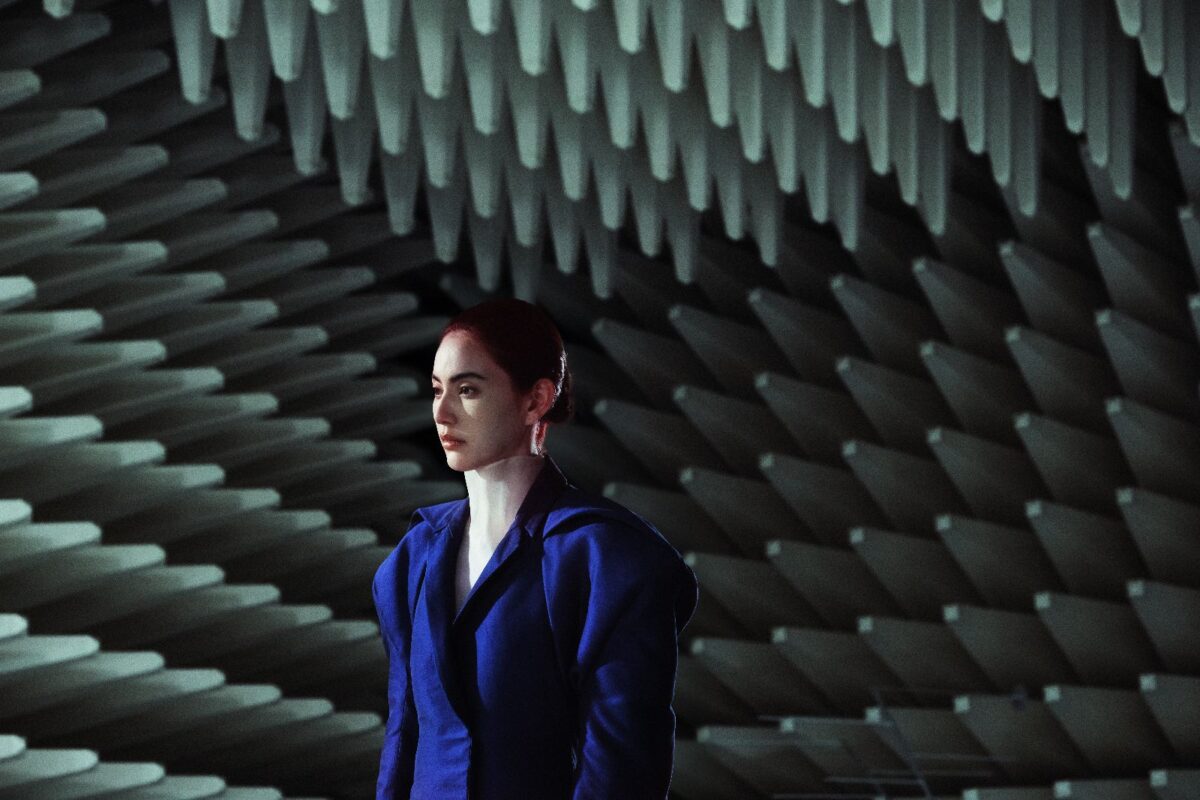
While ghosts and spirits have long been the conduit for cinematic scares and jolts, from The Innocents to Poltergeist to The Ring, a relatively recent wave of films exploring the supernatural has been more concerned with the tangible, emotional effects these specters can have on the living. In that sense, a spiritual cousin to the likes of Uncle Boonmee, Personal Shopper, A Ghost Story, and Light from Light, Ratchapoom Boonbunchachoke’s directorial debut A Useful Ghost is a strange, tranquil, humorous exploration of the conundrums that would emerge were ghosts an accepted occurrence in everyday life, and what such phantoms could illuminate about the social and political troubles of modern Thailand and industrialization at large. Continue reading my full review.
3. Sound of Falling (Mascha Schilinski; Jan. 16)
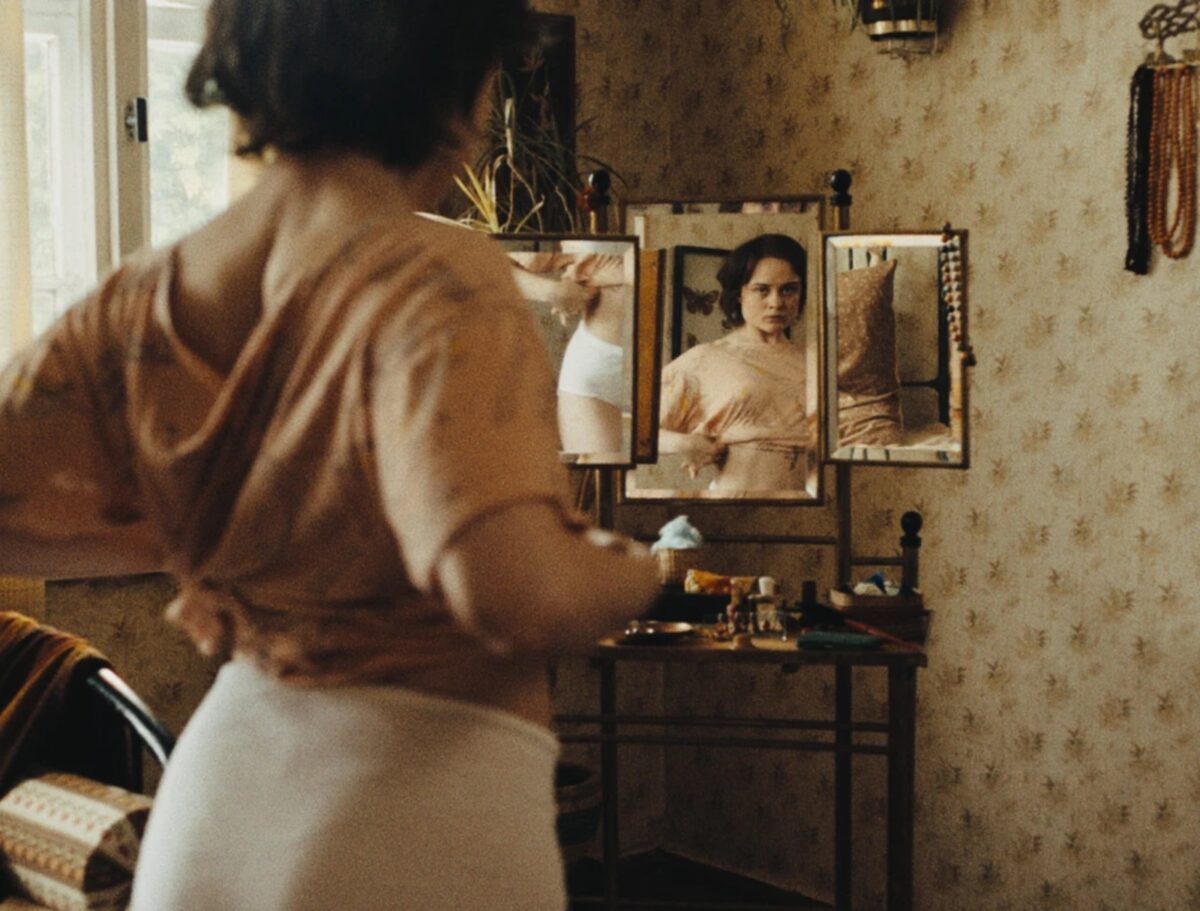
One of the most thrilling breakouts of Cannes this year was Mascha Schilinski’s sprawling family odyssey Sound of Falling, which picked up the Jury Prize and went on to become Germany’s Oscar entry. Zhuo-Ning Su said in his review, “German writer-director Mascha Schilinski’s sophomore feature Sound of Falling is the first competition title to screen at Cannes this year. If it’s anything to go by, we might be headed for a vintage edition of the festival. Set around a farm in northern Germany over the course of a century, this highly experimental, deeply unsettling tale about the fates of women and their echoes down history plays like a psychosexual fever dream of epic scope. While it will confound and upset plenty, hardcore cinephiles can mark this down as their next film to obsess over. It’s quite a feast.”
2. The Love That Remains (Hlynur Pálmason; Jan. 30)
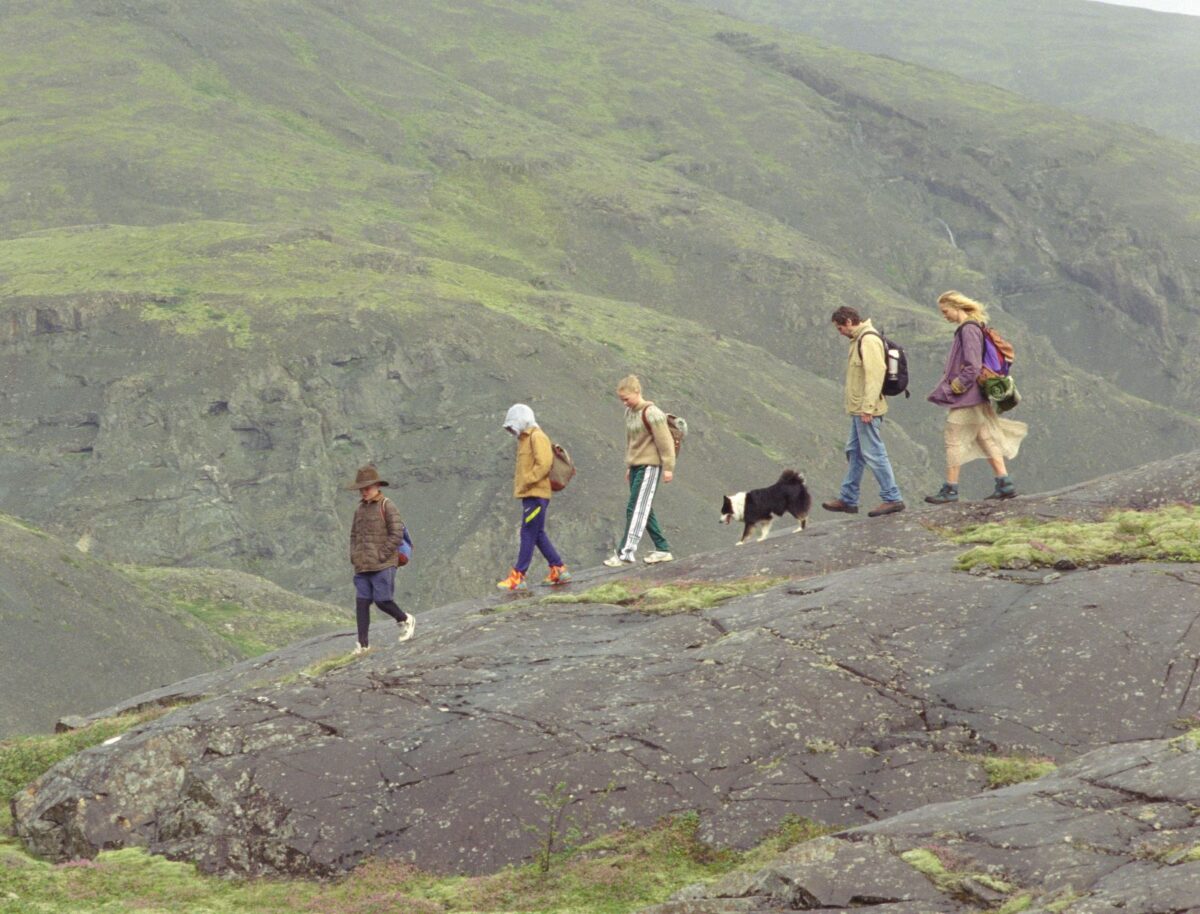
Carving out a rather immaculate body of work that continues to go in different directions, Hlynur Pálmason returned last year with The Love That Remains, which premiered at Cannes and is now coming to theaters in 2025 following an awards-qualifying run. Luke Hicks said in his review, “Hlynur Pálmason’s fourth feature marks a soft, Malickian left turn for the man behind the icy-bleak dramas Winter Brothers, A White, White Day, and Godland. Up against the rest of Pálmason’s oeuvre––which weighs viewers down with a grave obstinance, whether emanating from the conflict between brothers, a perceived affair, or a suicidally zealous resolve to evangelize to the least habitable (or interested) corners of the Earth––The Love That Remains is a floating catharsis of love and loss that carries its audience like a cloud carries angels.”
1. Magellan (Lav Diaz; Jan. 9)

After an extensive festival tour kicking off at Cannes, Lav Diaz’s riveting, rigorous epic Magellan will be coming to U.S. theaters following an awards-qualifying run this month. Naming it one of the best films of 2025, Brandon Streussnig said, “With a Western star at the center and a breezy runtime of 163 minutes, it’s easy to label Magellan Lav Diaz’s most “accessible film.” If you’re a diehard, however, it’s clearly the thing he’s worked towards his entire career. Amidst a corpus dedicated to excising the demons of a country without an identity and brutally colonized many times over, he finally turns his attention to the Philippines’ original sin. Ever the shit-stirrer, Diaz spits on the myth of Ferdinand Magellan and paints him as he was: a weak, pathetic man who stumbled his way into destabilization, all the while castigating us for wanting to see it. It’s no accident that Magellan begins with an indigenous woman being startled by an offscreen noise, staring into the camera, screaming, and running away: even the prying eyes of “compassion” are complicit, and Diaz lets you know it.“
More Films to See
- The Mother and the Bear (Jan. 2)
- Holding Liat (Jan. 9)
- All You Need Is Kill (Jan. 16)
- A Private Life (Jan. 16)
- H Is for Hawk (Jan. 23)
- Islands (Jan. 30)
- The Moment (Jan. 30)
- Natchez (Jan. 30)