
Following The Film Stage’s collective top 50 films of 2025, as part of our year-end coverage, our contributors are sharing their personal top 10 lists.
Earlier this year, my dad, Alan, died at the age of 61. He was the funniest and kindest man I’ve ever known, and, most relevant to this article, he was the one who introduced me to the world of film. Many of my favourites—Eraserhead, This is Spinal Tap, Being There, Gregory’s Girl—were either first watched with him or recommended by him, and every now and then I introduced him to something worth adding to his ever-expanding all-time top 5. As you can imagine, my attention has not been on movies for much of this year, and it has taken some time for me to get back into my old viewing habits. In the last month or two, however, I have caught up with many of the year’s major releases and have kept apace with the winter schedule. Before getting into my top 10, I thought it might be useful to list some of the films that I missed and a few honourable mentions.
Not seen: Caught by the Tides; Sirāt; BLKNWS: Terms & Conditions; My Undesirable Friends: Part I – Last Air in Moscow; Cloud; Sorry, Baby; Reflection in a Dead Diamond; The Fishing Place; The Chronology of Water; Highest 2 Lowest.
Honourable mentions: Sinners; Mission: Impossible – The Final Reckoning; Afternoons of Solitude; Misericordia; Die My Love; Hamnet; Ella McCay.
10. The Things You Kill (Alireza Khatami)
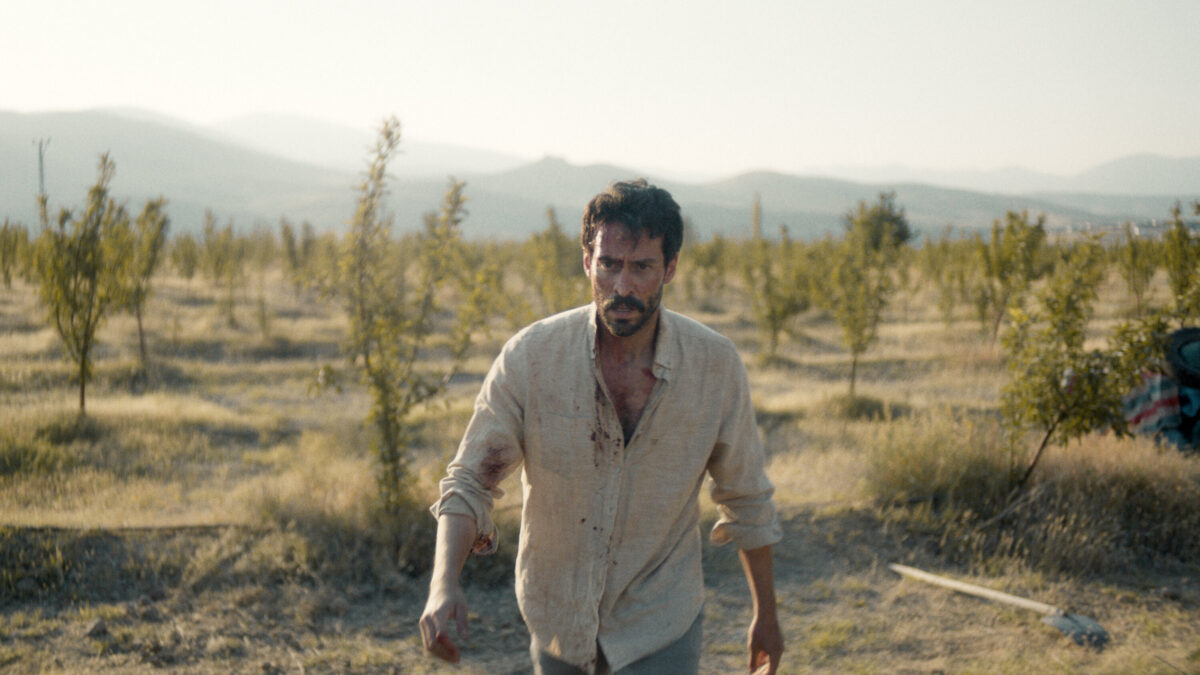
Khatami’s enigmatic thriller is similar in many ways to Jafar Panahi’s It Was Just An Accident: both were made by Iranian-born directors; both explore ideas of justice, generational trauma, and oppressive social hierarchies; and both end with the arrival of an off-screen presence. Yet the audacious cinematography, the fluidity of the characters, and the twist that occurs halfway through the film—which Khatami has described as a kind of Brechtian distancing effect that forces the audience to “fight their way back into the film”—all stand in stark contrast to Panahi’s realism. Mirrors have rarely been put to better use.
9. The Monkey (Osgood Perkins)
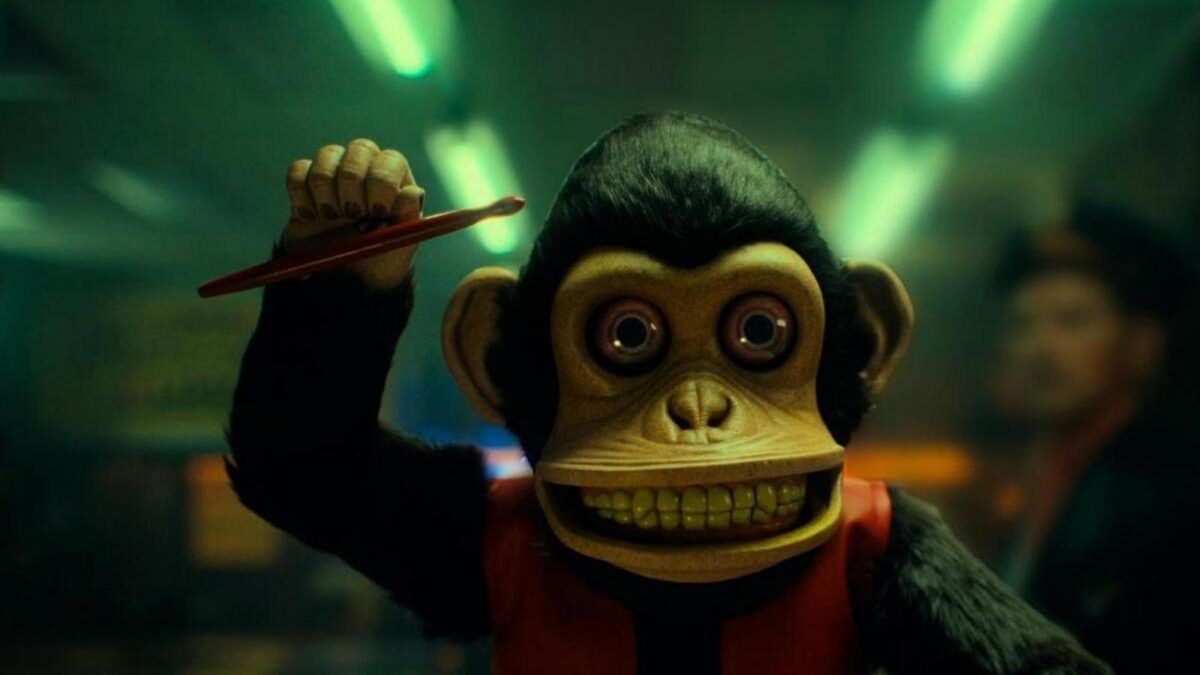
This blood-soaked horror–comedy about two brothers saddled with a killer monkey toy is also one of the year’s most intelligent, empathetic meditations on death, and certainly the funniest. What more is there to say? Sometimes you’re just trying to enjoy some time with your estranged son when all of a sudden a woman unwittingly jumps into an electrified swimming pool, whereupon she explodes into what can only be described as a leg and some mist.
8. The Mastermind (Kelly Reichardt)
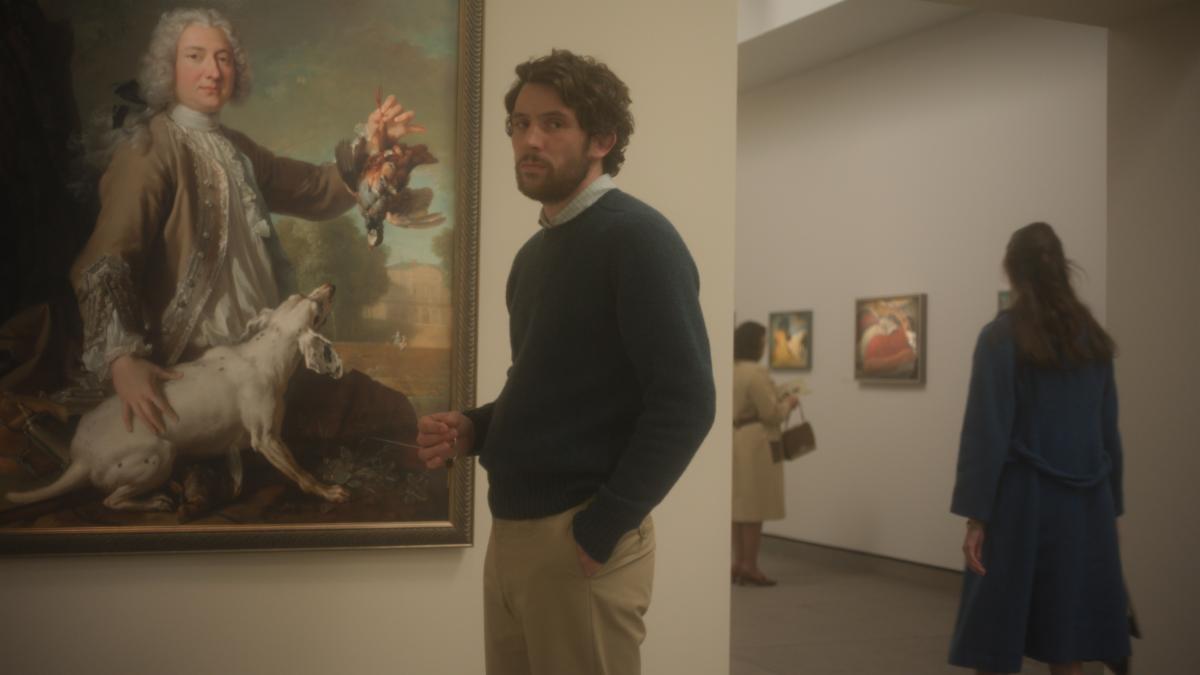
Josh O’Connor—who is the most natural of the superb quartet of young-millennial English actors in vogue at the moment (the others being Callum Turner, George Mackay, and Harris Dickinson)—plays J. B. Mooney, a middle-class dolt who thinks he can pull off an art heist with his equally doltish friends. Suffice to say, his scheme doesn’t quite go as planned, and before long his hopeless doubling down becomes a pastel miniature of the Vietnam War. Reichardt keeps the whole thing loose and subdued moment to moment, but the overarching structure is that of a brilliantly protracted joke, with a punchline of astonishing poetic (in)justice.
7. The Ice Tower (Lucile Hadžihalilović)
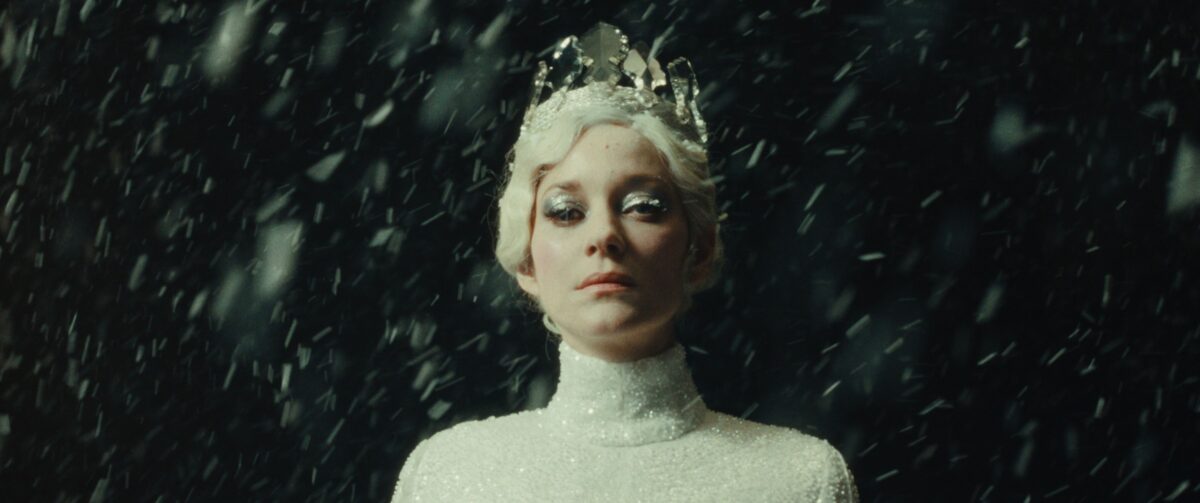
The experience of watching this slow, enigmatic fairy tale is quite different from what the synopsis (runaway orphan winds up on the set of The Snow Queen) leads you to expect. There is almost no narrative at all, just a dark primordial mood out of/into which the characters tentatively emerge/retreat. The mystery of the titular tower and its surroundings brings to mind Stalker and Picnic at Hanging Rock, but the sheer chilliness—and also the sheer Frenchness—of it all more resembles Kieślowski’s Three Colours: Blue.
6. Black Bag (Steven Soderbergh)
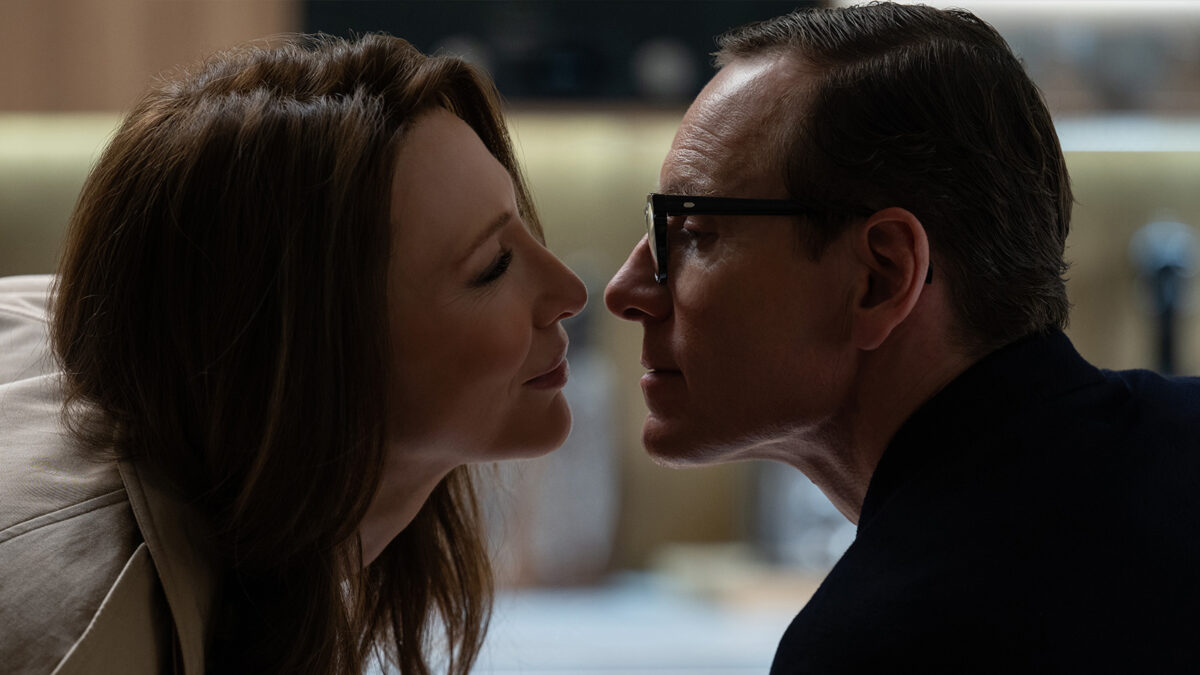
Michael Fassbender and Cate Blanchett play married secret agents in this double-crossing, double-bluffing, double-everything spy thriller, which has more McGuffins and red herrings than it does characters. I left the cinema in raptures, but also wondering, as Tom Burke’s Freddie does after an enigmatic polygraph test, “Wait, what the fuck did we just learn here?”
5. On Falling (Laura Carreira)
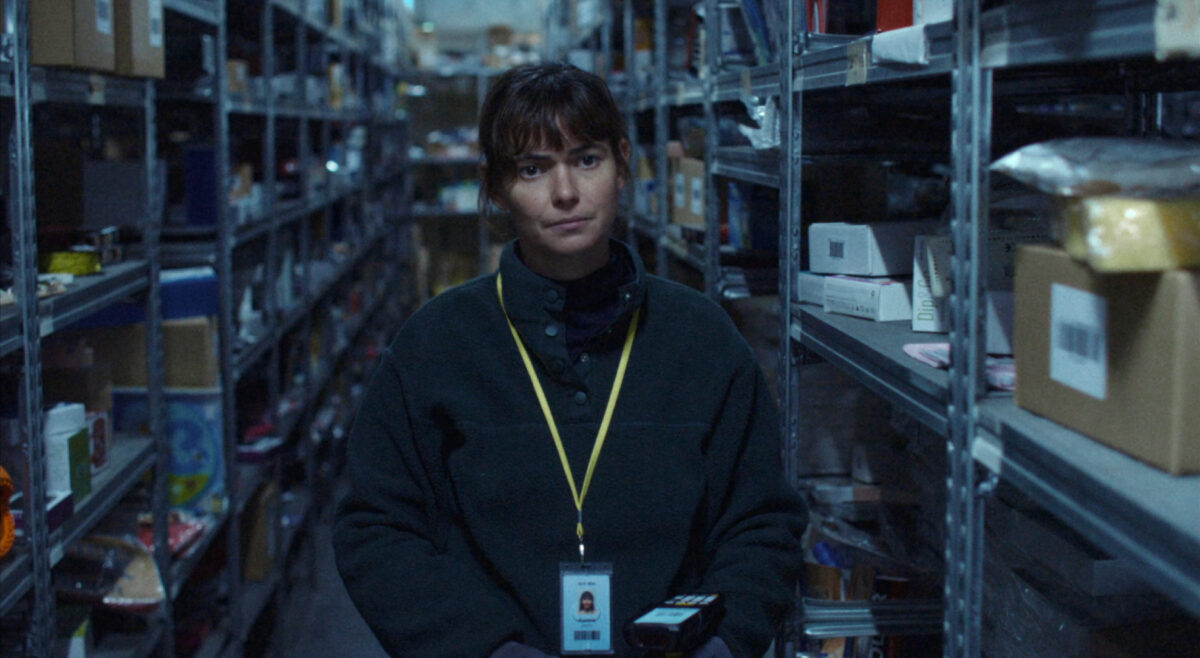
As Maurice Brinton says in his essay “Capitalism and Socialism”: “Conflicts in class society do not simply result from inequalities of distribution, or flow from a given division of the surplus value, itself the result of a given pattern of ownership of the means of production. Exploitation does not only result in a limitation of consumption for the many and financial enrichment for the few. This is but one aspect of the problem. Equally important are the attempts by both private and bureaucratic capitalism to limit—and finally to suppress altogether—the human role of man in the productive process.” This suppression of the human role of man, inside and outside the workplace, is painfully depicted in On Falling, which follows warehouse ‘picker’ Aurora (Joana Santos) as she sorts and scans items at work and whiles away her evenings in a lonely houseshare. At one point, she wins employee of the month and is duly invited to select a chocolate bar—any one she likes—as a reward. “I’ll take this one,” she says, holding up a Wispa. “It’s a good choice,” replies her supervisor, remembering to smile.
4. The Annihilation of Fish (Charles Burnett)
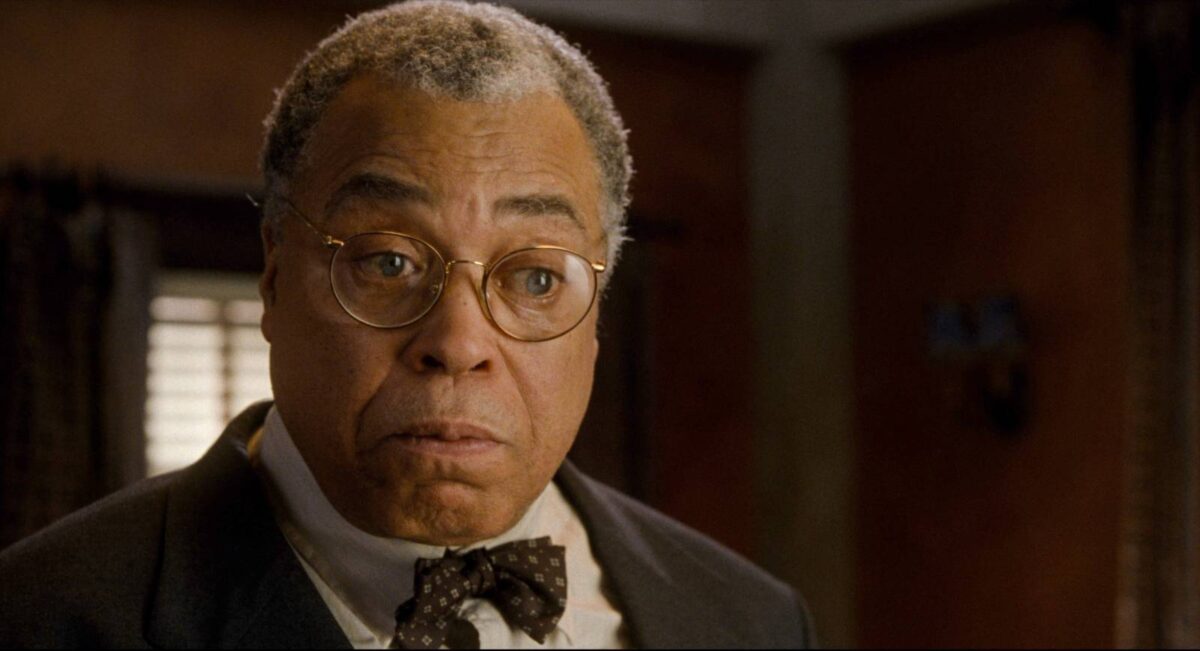
Owing to a damning review in Variety when it first premiered, Burnett’s quirky romcom has remained without a U.S. distributor for over a quarter of a century. Now, thanks to the UCLA Film & Television Archive, The Film Foundation, and Milestone Films, it has been given a limited theatrical release and has begun to be reappraised as a serious work of art. The story concerns the meet-cute between Fish (James Earl Jones), a recently deinstitutionalized widower, and Poinsettia (Lynn Redgrave), a former housewife who thinks she’s having an affair with the 19th-century composer Giacomo Puccini. Their performances are playful and moving, but the real gem of the film is Margot Kidder’s eccentric landlady, Mrs Muldroone, who simply cannot forgive anyone who spells her name without that final “e”. You’d be hard-pushed to find another film this year with as much heart, spirit, and humor.
3. One Battle After Another (Paul Thomas Anderson)
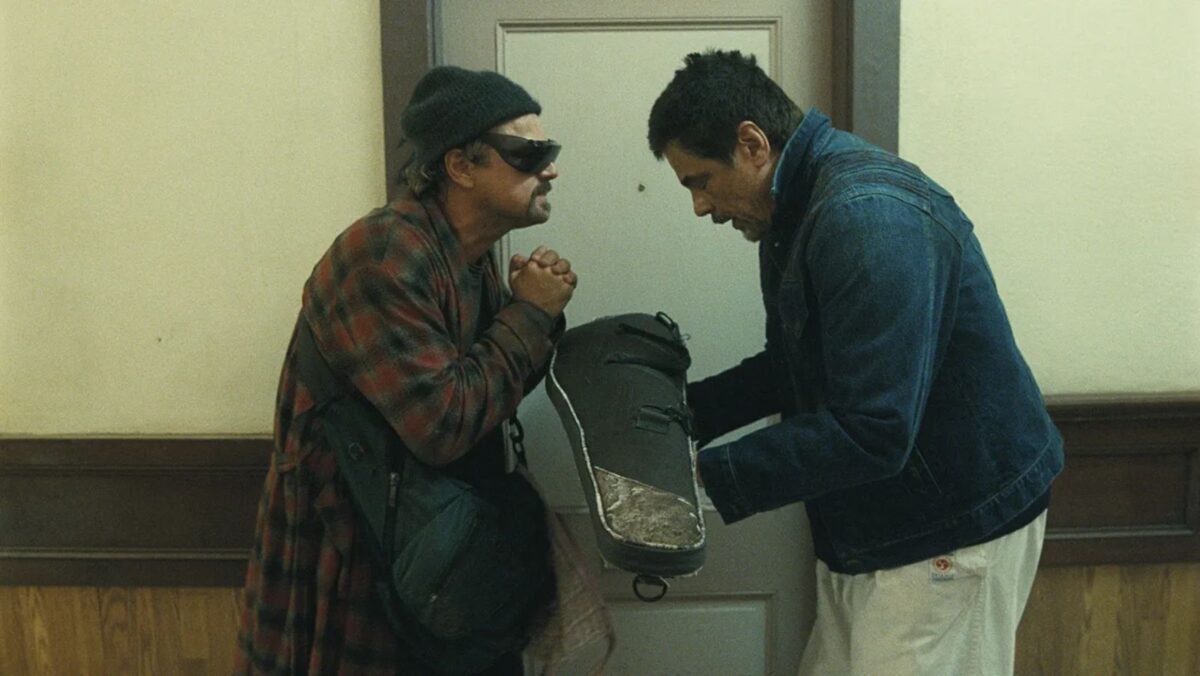
Nothing this year left me as slack-jawed as the slickly disordered 15 minutes in which a paranoid Bob Ferguson tries to charge his phone and then answer Comrade Josh’s ridiculous riddle, all while his daughter’s karate teacher, Sensei Sergio, coolly orchestrates an evacuation amidst a fiery street riot and an imminent police raid. It is a moment of genuine solidarity, right down to the movements of the camera, which frequently de-center the action (Bob’s phone call) and refocus our attention on Sergio, his family, and the wider immigrant community. The rest of the film is similarly ambitious and unruly, with the exception of the ending, which still feels incongruously neat and saleable to me. Who knows—maybe the third time will be the charm.
2. No Other Choice (Park Chan-wook)
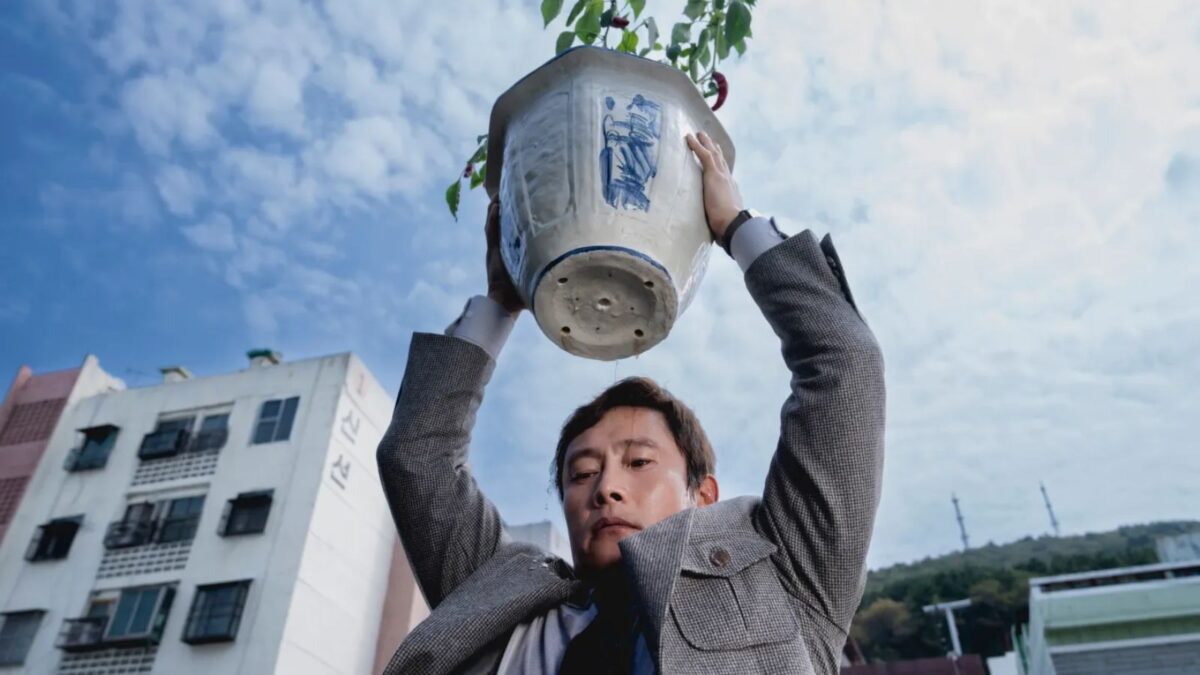
Watching Man-su (Lee Byung-hun) tear through the middle management of the local paper industry was the highlight of this year’s London Film Festival. Beautifully farcical, endlessly cathartic, and wickedly funny, Park’s latest is a brutal State of the Union for the film industry and an ingenious realization of capitalism’s implicit directive to exploit thy neighbor.
1. The Shrouds (David Cronenberg)
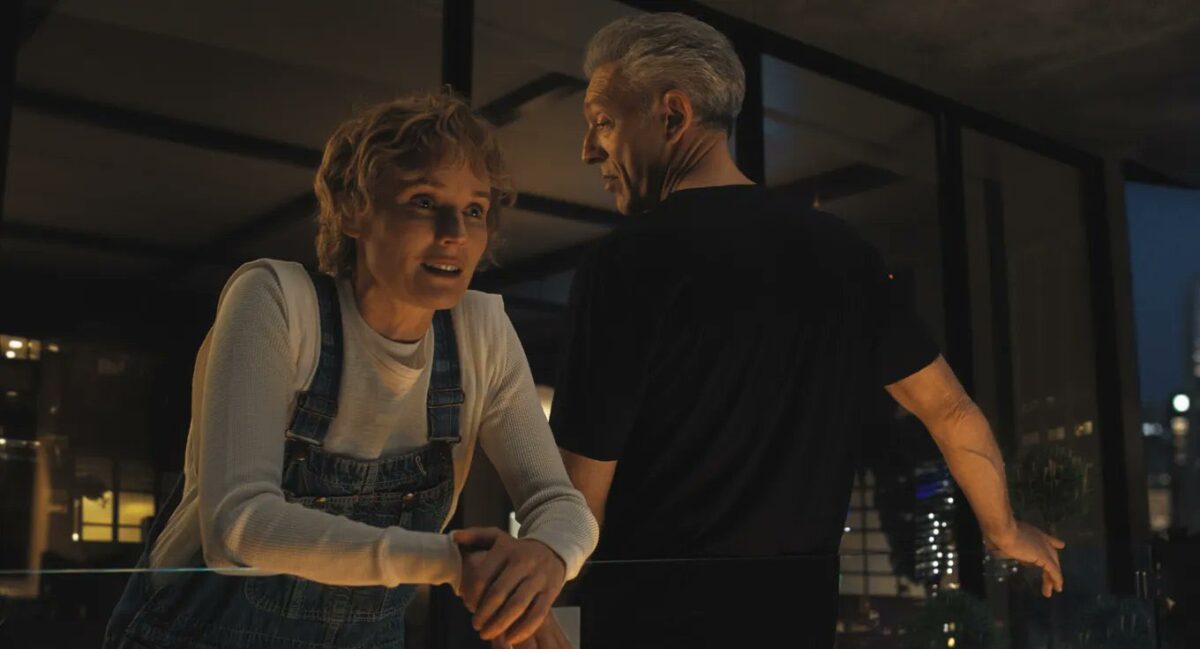
Cronenberg’s latest masterpiece, which was inspired by the death of his wife, Carolyn Zeifman, in 2017, is radical, elegiac, and unmistakably modern. He put it best in an interview with Gagosian Quarterly’s Miriam Bale: “I also didn’t wanna do the sort of classic grief-movie flashback, you know, lots of scenes of the happy times they had together on the beach, that time they went to Cuba together, or whatever…Because I think it’s so easy. Why pinpoint those happy moments? Because when I think of my past, it’s not always the happy moments I’m thinking about, and sometimes it’s not even any significant moments: it’s sometimes the totally insignificant moments that are so very painful, just some words that were spoken, and that only you two have ever spoken to each other. Things like that.”