
After showcasing work from the likes of Chantal Akerman, Pedro Almodóvar, Bi Gan, Bong Joon Ho, Charles Burnett, Terence Davies, Guillermo del Toro, Ryûsuke Hamaguchi, Hou Hsiao-hsien, Jia Zhangke, Spike Lee, Lee Chang-dong, Richard Linklater, Julia Loktev, Kleber Mendonça Filho, Christopher Nolan, Kelly Reichardt, RaMell Ross, Céline Sciamma, Albert Serra, Jane Schoenbrun, Steven Spielberg, Joachim Trier, Tsai Ming-liang, Wong Kar Wai, and many others, New Directors/New Films will return this week for its 55th edition at Film at Lincoln Center and the Museum of Modern Art.
Featuring selections from Cannes, Sundance, Locarno, Venice, Berlinale, Rotterdam, Toronto, San Sebastián, and beyond, this year’s line-up includes 24 features and 10 shorts. Ahead of the festival kicking off Wednesday, we’ve gathered our recommended films to see, and you can explore the full line-up and schedule here.
Agon (Giulio Bertelli)
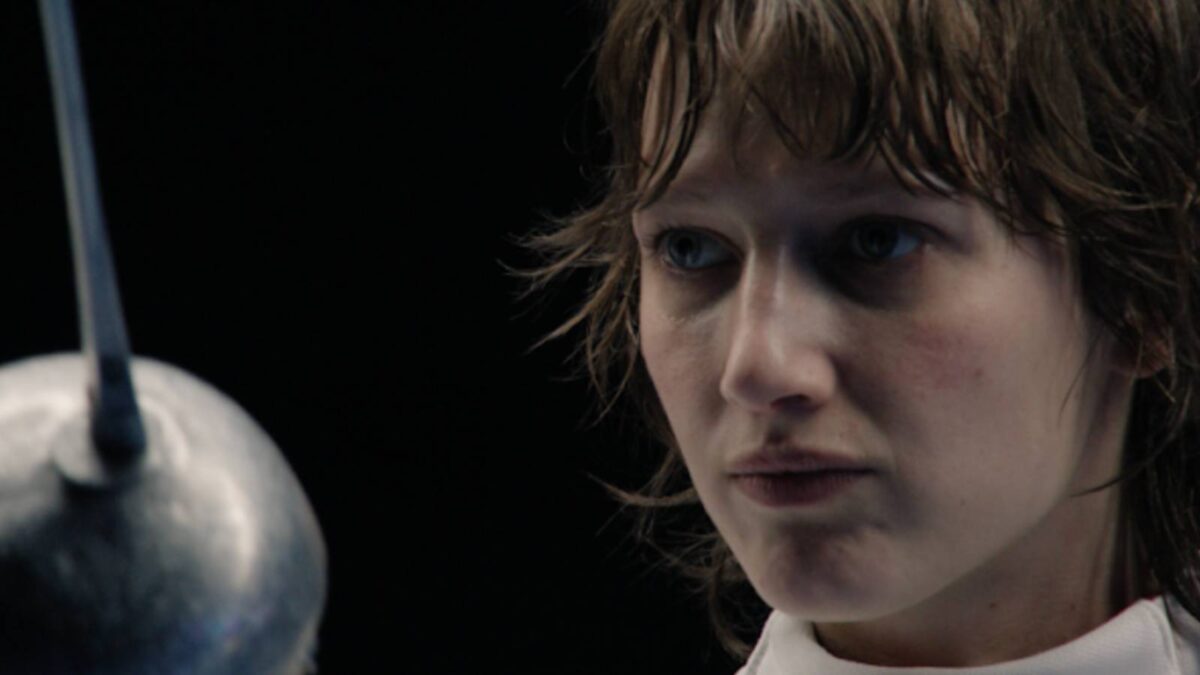
With the winter Olympics now in the rearview, if you want a look at the preparation required for such athletic excellence that is far removed from sanitized 60 Minutes pieces or bite-sized, behind-the-scenes interviews, then Giulio Bertelli’s Agon is one to watch. A feat of slick directorial style that could be a cousin to Magnus von Horn’s Sweat, this Venice Critics’ Week selection takes a fictionalized exploration of the physical boundaries that need to be pushed to the limit in order to have a hope of achieving your dreams. While the experience could be deemed a bit too cold and calculated, Bertelli’s experimental vision is one to behold. – Jordan R.
Aro Berria (Irati Gorostidi Agirretxe)
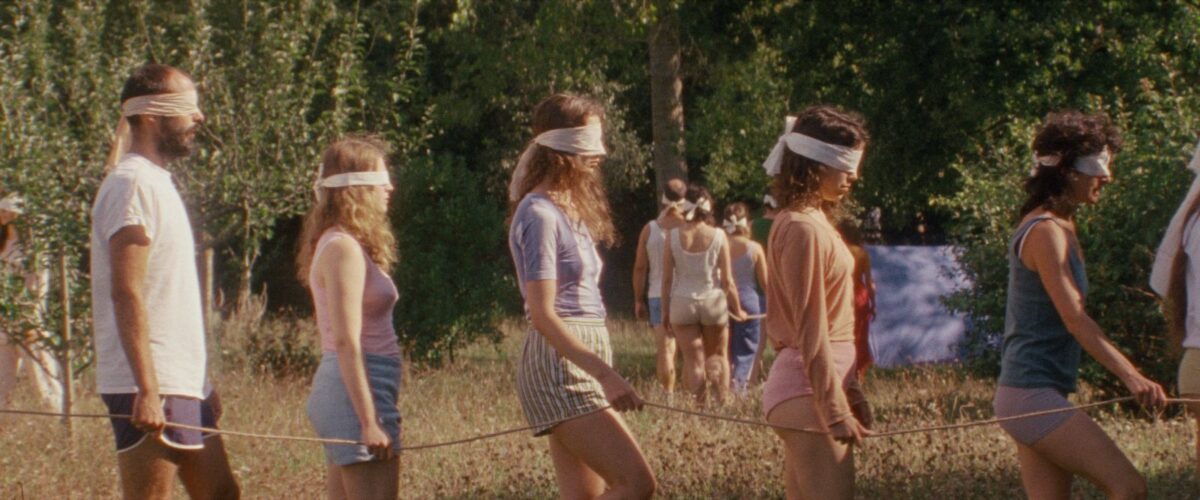
One of a few features in the New Directors/New Films line-up that is interested in sexual experiences beyond monogamy, Irati Gorostidi Agirretxe’s Aro Berria is a transfixing look at a group of metalworkers who forgo accepted society and take part in an alternative style of commune life. With a fitting cameo from Sirāt director Oliver Laxe, Basque director Gorostidi Agirretxe’s film nails the appealing oddities of such an experience through extended sequences that show a state of ecstasy that can be achieved when divorced from the numbing mundanity of routine existence. – Jordan R.
Brand New Landscape (Yuiga Danzuka)
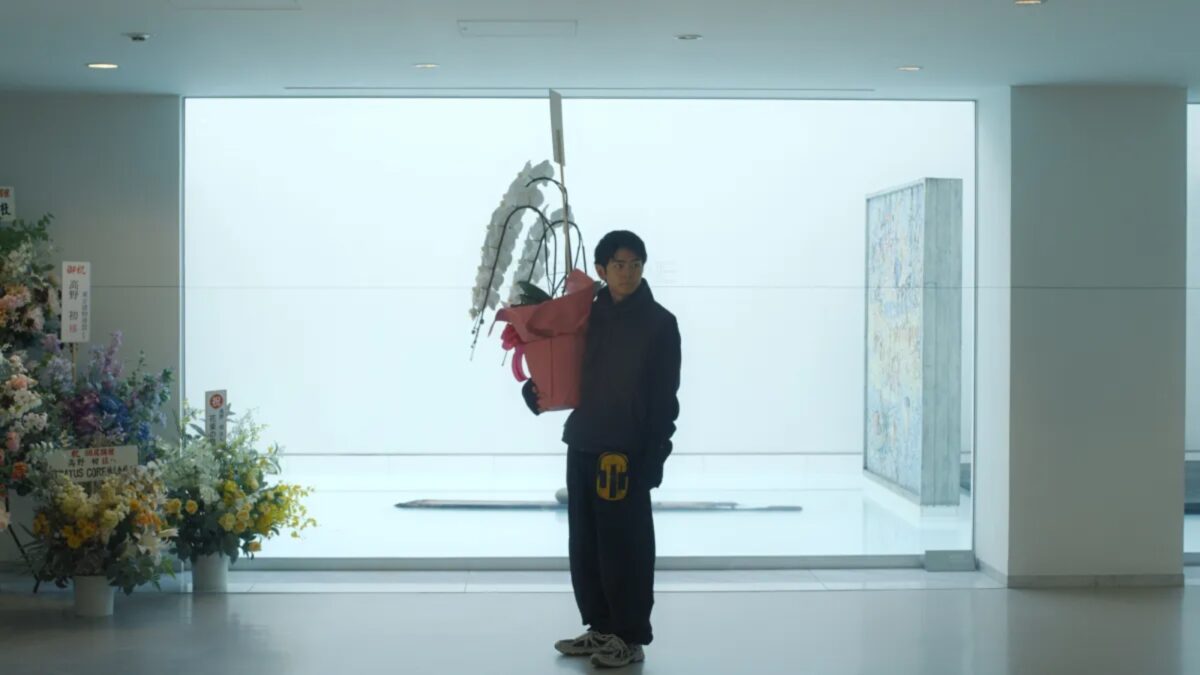
When confronted with the past, do you drive away or turn back to face it? Siblings Ren (Kurosaki Kodai, in his first lead role) and Emi (Mai Kiryu) have been estranged from their father (Ken’ichi Endô) for the ten years since he chose a new work opportunity in Tokyo. Ren, now a florist, notices a familiar name on the neighboring workstation’s order card. Propelled by emotion, not logic, he takes on the delivery himself, arriving to discover his father staring back at him through the floor-to-ceiling window of a major exhibition. Clutching the arrangement tight to his chest, there’s a heavy burden to carry. – Blake S. (full review)
Chronovisor (Jack Auen and Kevin Walker)
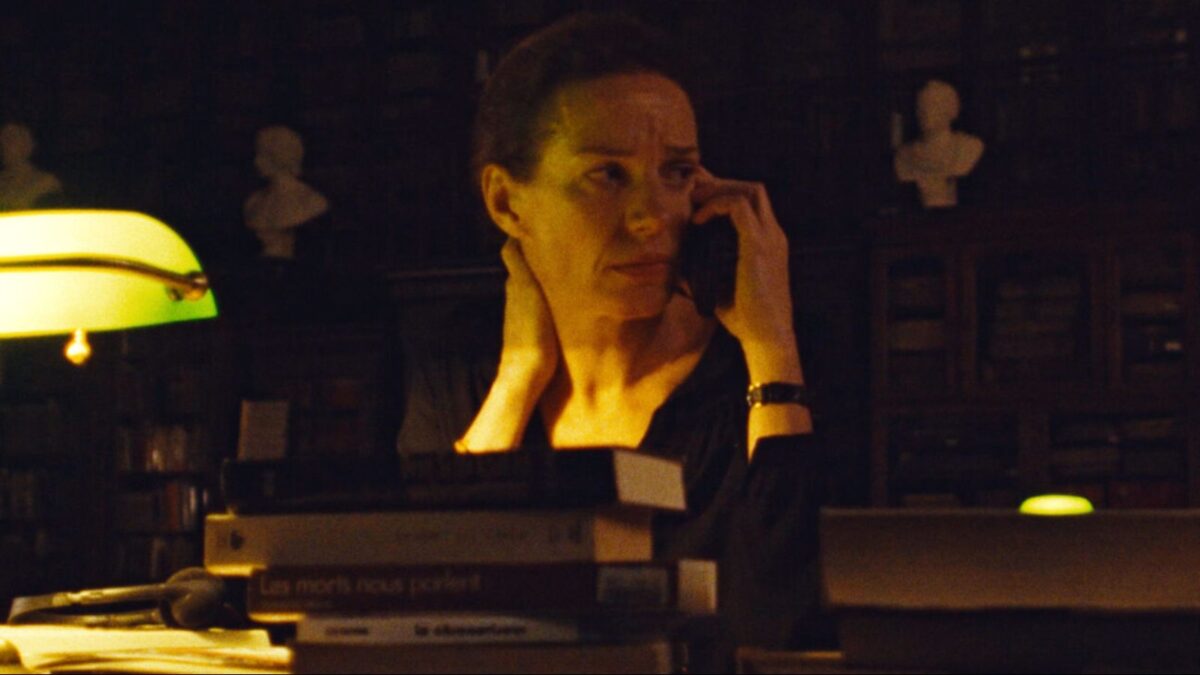
Truth or hoax, Jack Auen and Kevin Walker know this is fodder for endless and irresistible speculations, and their terrific feature debut, Chronovisor, treats the titular machine as something between a holy grail and a black hole gobbling up anyone intersecting its orbit. In its simplest terms, this is the story of Béatrice Courte, an academic—played by real-life scholar Anne Laure Sellier—who stumbles into a passing reference to the device and becomes obsessed with tracking it down. But Chronovisor plays as a kind of ghost story—not just because the object kicking it in motion remains largely invisible, but because its frames reverberate with intimations of mysteries. Everything from the caliginous lighting to the grainy textures—the film was shot in warm, low-lit Super 16mm by Leo Zhang—suggests a universe perched somewhere between the realms of the living and the dead. – Leonardo G. (full review)
Do You Love Me (Lana Daher)
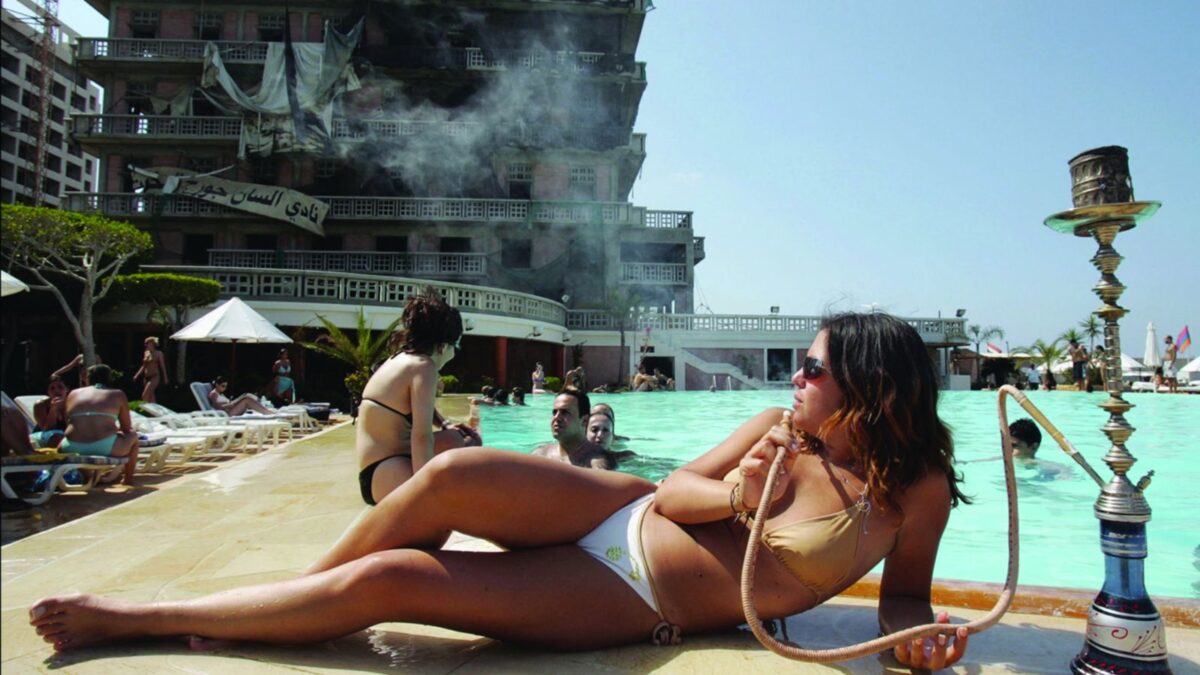
In what could’ve also been called Lebanon Plays Itself, Lana Daher’s ambitious, all-archival Do You Love Me captures some 70 years of Lebanese history, curated from a search that began with more than 20,000 potential sources. Consolidated to just 76 minutes, the resulting feat of montage is an experiment as playful as it is informative, showing a country in turmoil and citizens who still find happiness in everyday life. – Jordan R.
Forest High (Manon Coubia)
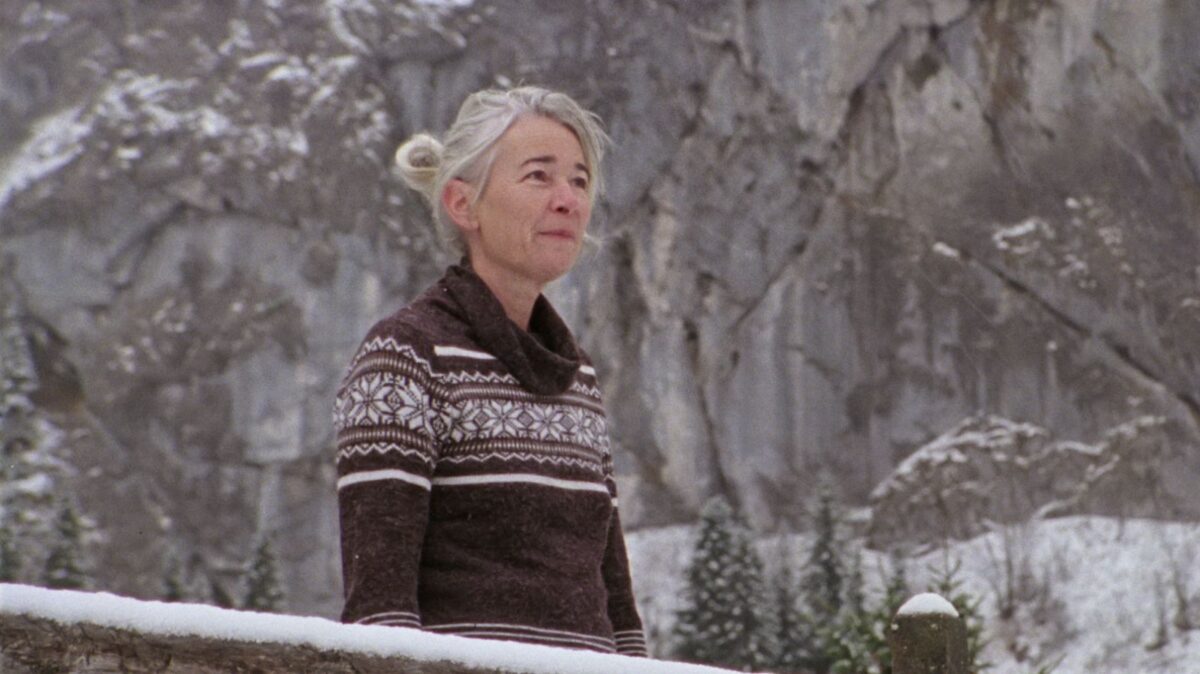
Fans of Bas Devos’ recent gem Here will find much to enjoy in the rhythms of Manon Coubia’s Berlinale winner Forest High, which takes a triptych structure in following three women who manage a remote hut in the Northern Alps, offering a brief break for hikers in the region. Outside of a group that potentially goes missing, there’s not much in the way of high drama in this serene, tranquil, deeply human story of finding fleeting connection and solitary rejuvenation. – Jordan R.
If On a Winter’s Night (Sanju Surendran)
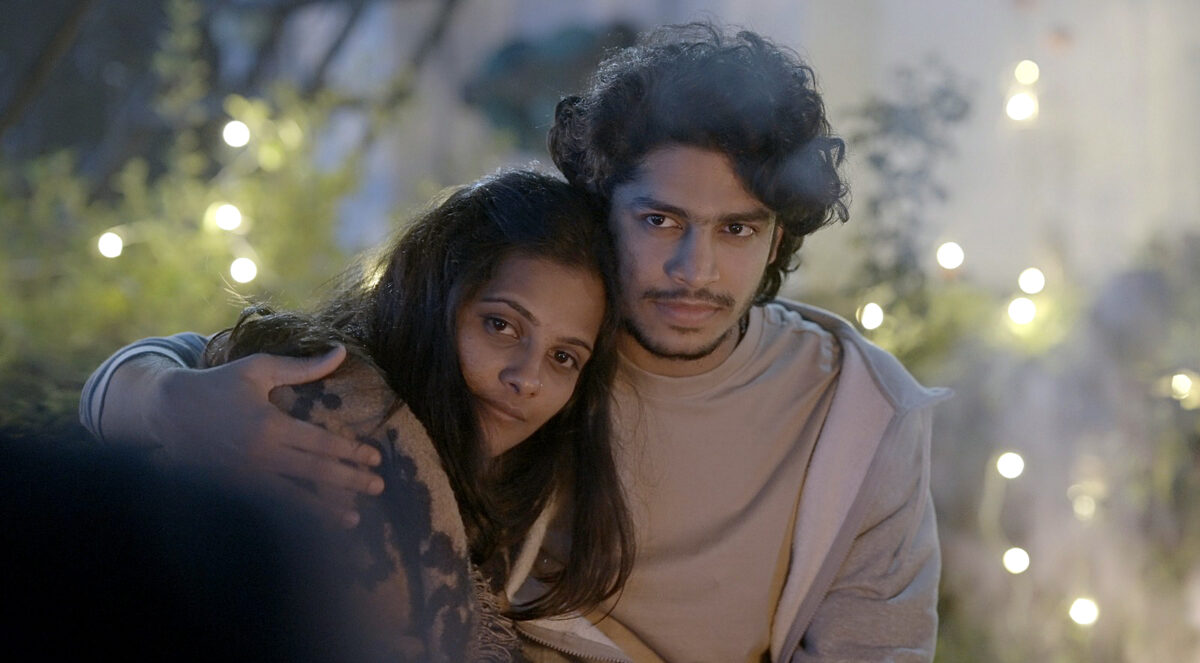
Backed by All We Imagine as Light director Payal Kapadia, Sanju Surendran’s If On a Winter’s Night captures the struggles of a young marriage as the economic pressures of making ends meet start to bear down. While vividly depicting a bustling Delhi, the most affecting moments of Surendran’s drama are the intimate sequences of wordless embrace between the couple, one a fledgling artist and the other working for a film festival, as they hope to keep their burgeoning love alive amidst uncertainty. – Jordan R.
Maddie’s Secret (John Early)
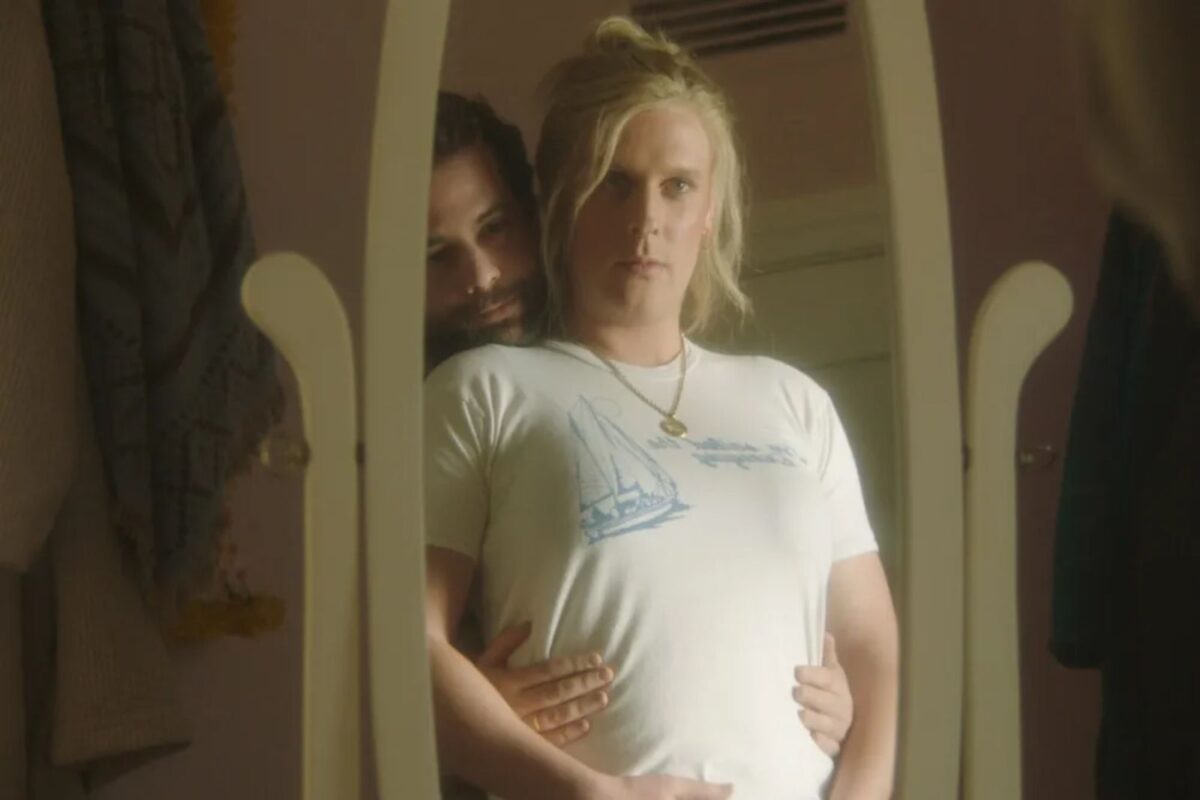
You can’t accuse John Early of not committing. Through the majority of his acting career, the comedian has become a reliable avatar for a palpable, toxic, hilarious narcissism, playing characters oblivious to the world outside the bubbles they’ve so thoroughly cultivated. That was particularly evident over four seasons of Search Party, as well as last year’s Stress Positions, a Sundance favorite that exposed the absurdity of living in quarantine over a masked summer. As an agoraphobic tenant in a Brooklyn brownstone, Early took the situation’s disaster and approached it through his very specific kind of self-assured, righteous mania to such an extent that his freak-outs are still rattling around in my brain. – Jake K-S. (full review)
Memory (Vladlena Sandu)
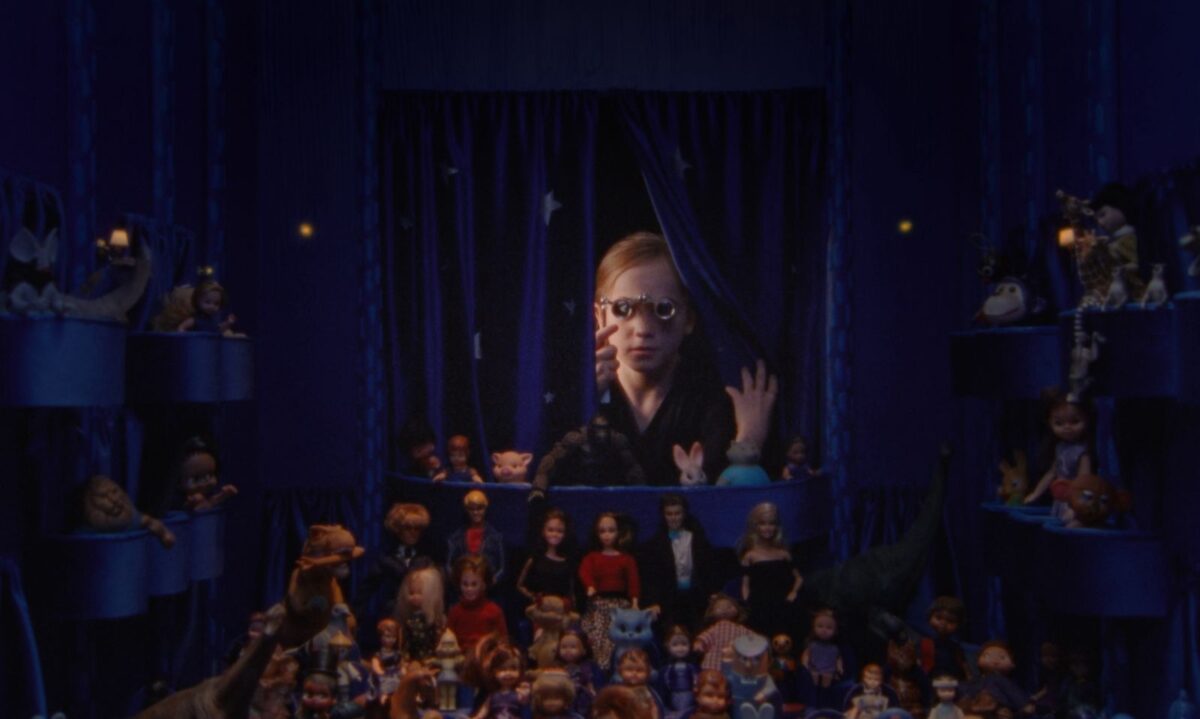
As its title suggests, Vladlena Sandu’s debut feature takes a patchwork approach in collecting the memories of childhood of trauma. Through snippets of evocative cinematic tableaus, the director recreates her past, featuring a parents’ divorce and move from Crimea to Grozny before the war broke out in Chechnya, creating lasting psychological scars. Poetically moving between personal and political history, Memory is a feature of imaginative assemblage that would make Chris Marker proud. – Jordan R.
The Prophet (Ique Langa)
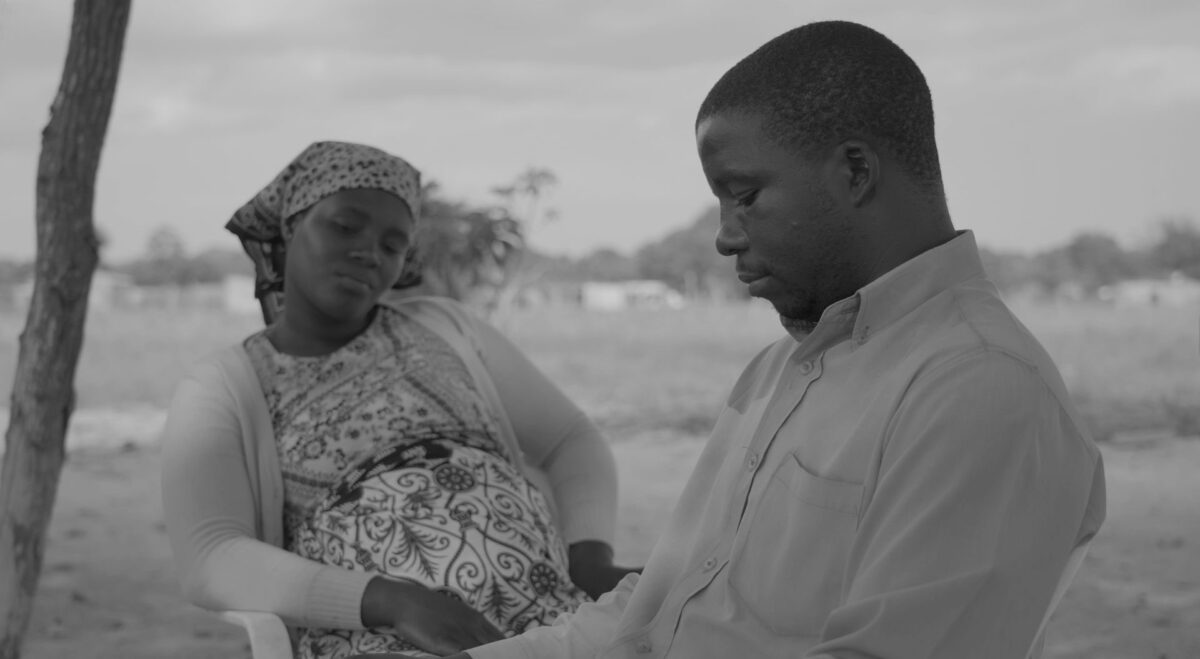
One of the most formally distinctive titles in New Directors/New Films’ line-up, Ique Langa’s The Prophet is a debut feature of raw power. Following a pastor in southern Mozambique as he questions his faith and finds new purpose when he encounters a witch, Langa uses impressive technique to show the constriction of his psyche. Less about narrative turns and more interested in the feelings of spiritual frustration it strikingly evokes, here’s an impressive calling card for a director clearly influenced by transcendental style but marking his own path. – Jordan R.
Trial of Hein (Kai Stänicke)
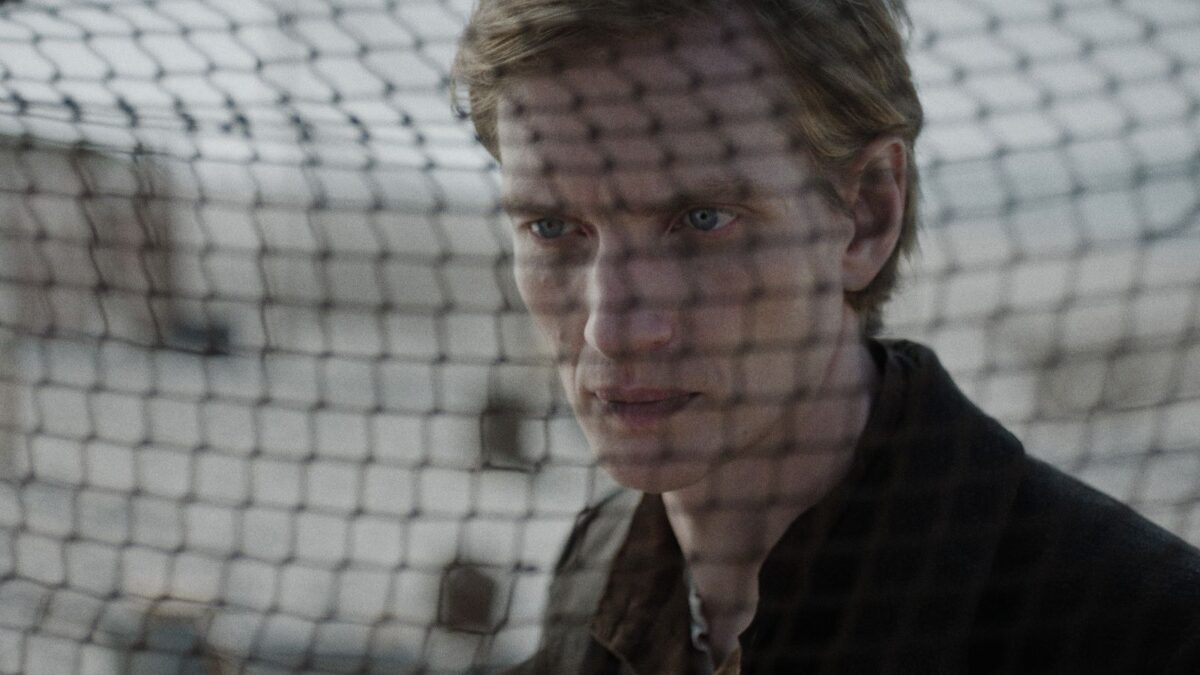
From Biblical tales of the prodigal son to Zach Braff’s Garden State, stories of returning home after an extended absence are ripe territory to explore reconciliation and changed identity. With his rigorous debut feature Trial of Hein, Kai Stänicke distills these ideas to their core essence, creating dramatically rich territory for his ensemble that also may test some patience in the limits of its experimental production design. – Jordan R. (full review)
Two Seasons, Two Strangers (Sho Miyake)
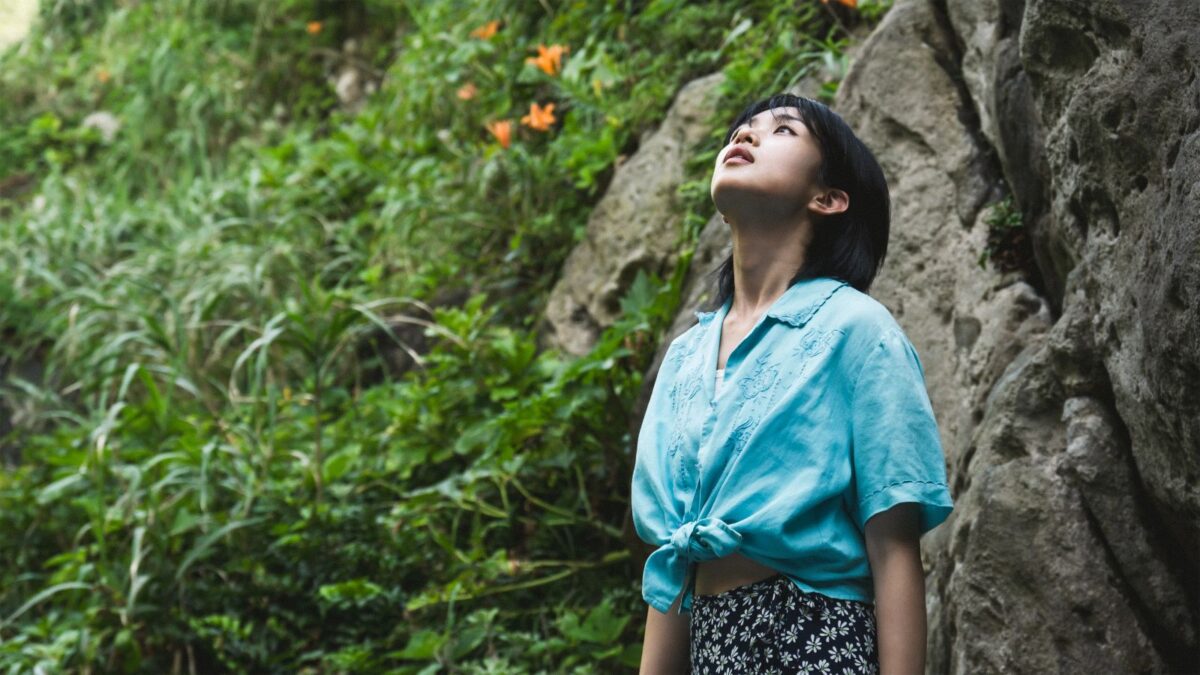
Two Seasons is the third in a wonderful recent run by Miyake, joining Small, Slow But Steady (2022) and All The Long Nights (2024). With each he has shown a remarkable ability for mixing porcelain-like levels of craft and detail with stories of comparatively messy human compassion––a cinematic mix that never fails to delight. Despite racking up some awards for those films, his work plays at the kind of modest register that often keeps filmmakers of his ilk relatively below-the-radar or, at the very least, just shy of name recognition. Winning the Leopard might be the push that elevates him to auteur status and perhaps (with respect to Locarno) the biggest of the big competitions, where I feel he belongs. – Rory O. (full review)
Strange River (Jaume Claret Muxart)
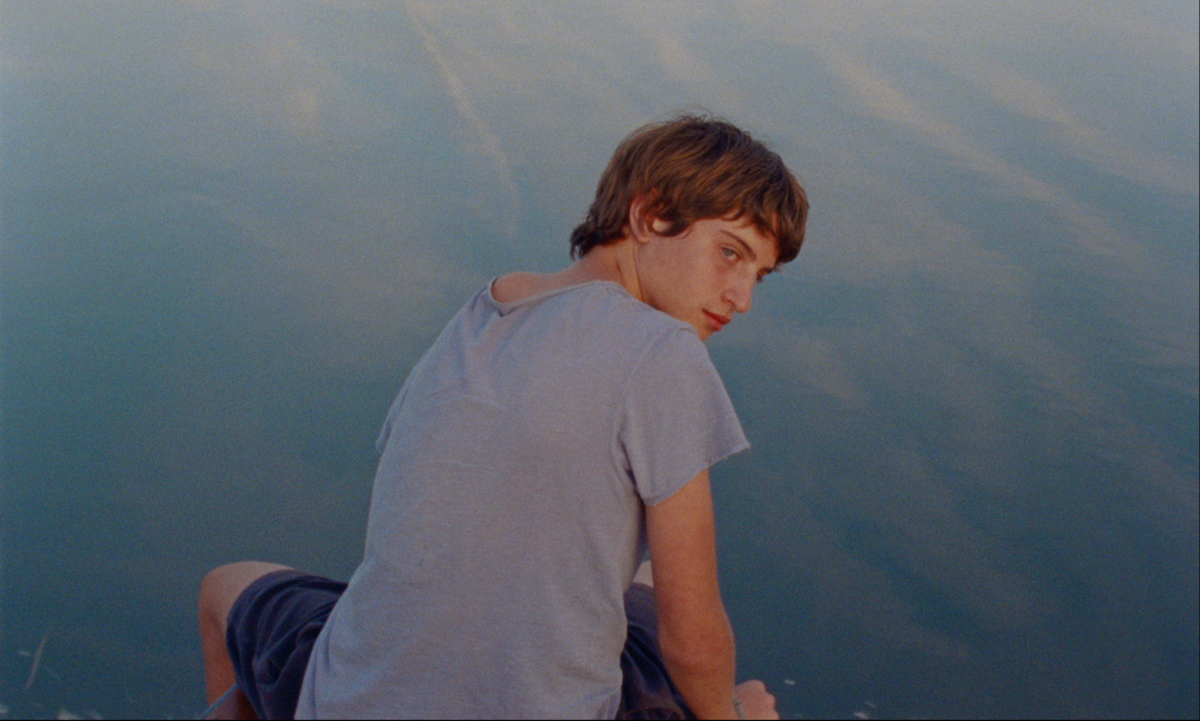
Traveling in a foreign land can be disorienting. Established routines lose their meaning. Unfamiliar sights, sounds, smells may trigger old memories or brand-new desires. Premiering in the Orizzonti sidebar of the 82nd Venice Film Festival, Catalan filmmaker Jaume Claret Muxart’s feature debut Strange River takes you on a road trip with a Spanish family through southern Germany. What starts off a breezy, truthful slice of life gradually loses touch with reality and drifts into a dreamier realm. Occasionally recalling Angela Schanelec’s lyrical minimalism or Apichatpong Weerasethakul’s queer-coded surrealism, Muxart’s deceptively simple film may require multiple viewings to uncover what’s hidden beneath its gorgeous, nonchalant surface. – Zhuo-Ning Su (full review)
New Directors/New Films 2026 takes place at Film at Lincoln Center and The Museum of Modern Art from April 8 through 19.